AP Chapter 22
The Battle for National Reform
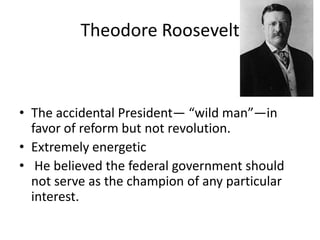
Theodore Roosevelt

• The accidental President— “wild man”—in
favor of reform but not revolution.
• Extremely energetic
• He believed the federal government should
not serve as the champion of any particular
interest.
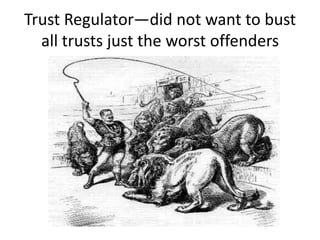
Trust Regulator—did not want to bust
all trusts just the worst offenders
Trust-busting

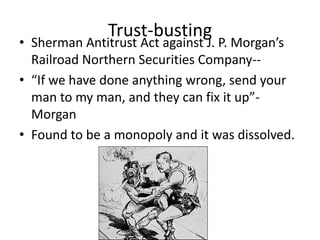
• Sherman Antitrust Act against J. P. Morgan’s
Railroad Northern Securities Company-• “If we have done anything wrong, send your
man to my man, and they can fix it up”Morgan
• Found to be a monopoly and it was dissolved.
Roosevelt’s policy toward Labor
• He saw himself as an arbitrator between labor
and management.
• Threatened to send in troops in the Coal strike
of 1902 and seize the mines if the mine
owners failed to agree to arbitration.
Square Deal—TR’s domestic Policypromise of fair and equal treatment
for all

• The Hepburn Railroad Regulation Act of 1906sought some regulatory authority to the RR
but not much.
• Pure Food and Drug Act & Meat Inspection
Act –both passed as a result of The Jungleestablished federal inspection of meat and set
national standards to prevent business from
adding harmful preservatives other hazardous
ingredients to food and drugs.
Reform-The New Nationalism
• TR pushed for other reforms such as the 8
hour day, compensation for victims of
industrial accidents, income taxes, and
regulation of the stock market. He criticized
those conservatives who would not go along
with his reform measures. This caused a split
in his support within the party.
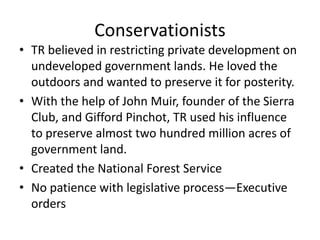
Conservationists
• TR believed in restricting private development on
undeveloped government lands. He loved the
outdoors and wanted to preserve it for posterity.
• With the help of John Muir, founder of the Sierra
Club, and Gifford Pinchot, TR used his influence
to preserve almost two hundred million acres of
government land.
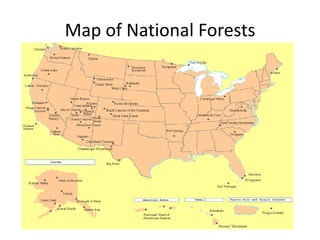
• Created the National Forest Service
• No patience with legislative process—Executive
orders
Map of National Forests
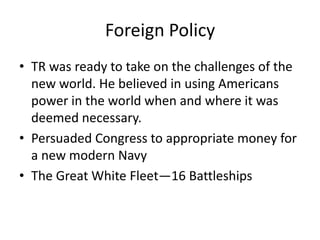
Foreign Policy
• TR was ready to take on the challenges of the
new world. He believed in using Americans
power in the world when and where it was
deemed necessary.
• Persuaded Congress to appropriate money for
a new modern Navy
• The Great White Fleet—16 Battleships
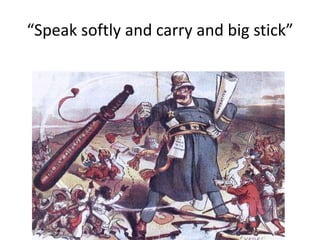
“Speak softly and carry and big stick”
• He was convinced that there were the
“civilized” and the “uncivilized” nations in the
world.
• Civilized Nations: white, Anglo-Saxon,
economically developed and producers of
industrial goods
• Uncivilized Nations: generally nonwhite, Latin
or Slavic, sources of raw materials and
markets
• Racism did not play the only role of distinction
in his judgment. Japan was an economically
developed nation, therefore it was civilized.
• Civilized societies had the right and duty to
intervene in the affairs of a “backward” nation
to reserve order and stability for the sake of
both nation's.
• Proponent of a powerful Navy
Protecting the Open Door in Asia
• He wanted the Open Door policy to remain
strong in China. So when war broke out
between Russia and China he intervene and
helped bring about a peace treaty.
• He was awarded the Nobel Peace Prize for this
accomplishment.
Iron Fist Neighbor
• When the government of the Dominican
Republic was deeply in dent to several
European nations, France and Italy were
threatening to take over the country if the
debt wasn’t promptly repaid. TR repeated the
principles of the Monroe Doctrine and added
the Roosevelt Corollary that stated the US
would intervene in the affairs of any Latin
American country that proved incapable of
governing itself. Very controversial.
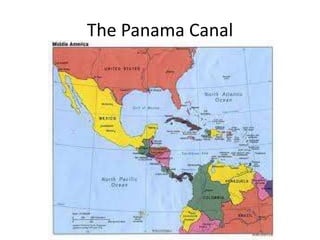
The Panama Canal
Roosevelt saw construction of a canal through
Central America as vital to American power in
the world. A canal would save time and
money for both commercial and military
shipping.
The US offered Colombia $10 million for the
right to construct a canal but they said no.
So then the US persuaded some Panamanians to
revolt against the Colombia government with
our help. Within 2 weeks Panama was an
independent country and the US had a treaty
with them to build a canal.
• http://youtu.be/Iz2rb1xrckI
• http://youtu.be/SRGICj6nkfY
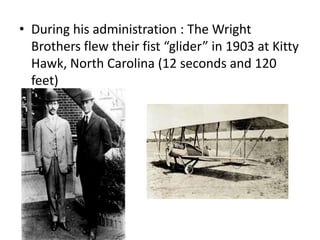
• During his administration : The Wright
Brothers flew their fist “glider” in 1903 at Kitty
Hawk, North Carolina (12 seconds and 120
feet)
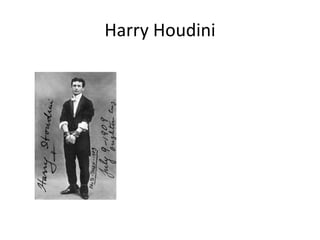
Harry Houdini
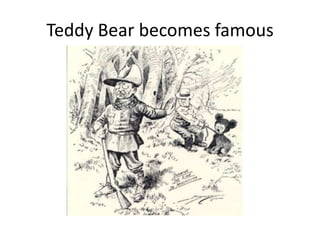
Teddy Bear becomes famous
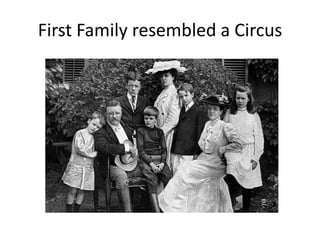
First Family resembled a Circus
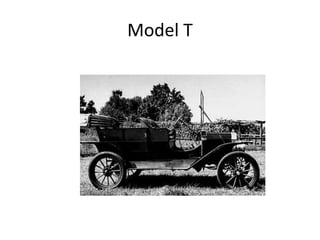
Model T
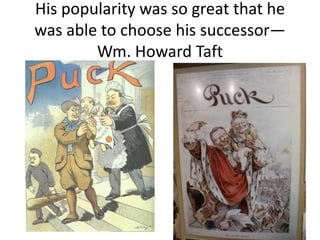
His popularity was so great that he
was able to choose his successor—
Wm. Howard Taft
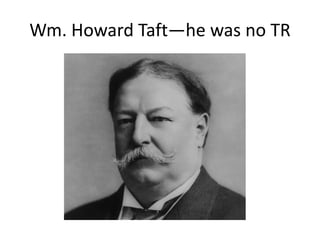
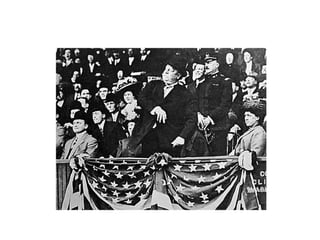
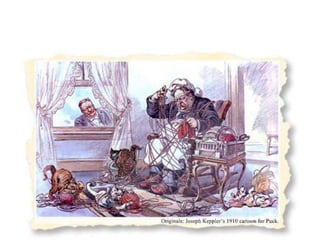
Wm. Howard Taft—he was no TR
• Progressives expected Taft to enforce the
antitrust laws and to make sure that the
country’s natural resources were protected
from big business.
• He lost their support early on.
• New cabinet officers
• Taft was more conservative that TR, but
criticism was unfair
Conservation
• First to protect federal lands on which oil had
been found
• Also protected land that contained coal
• Both going against Big Business
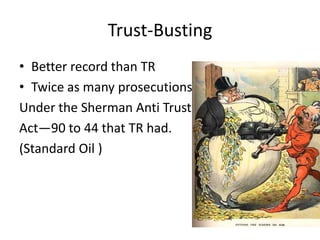
Trust-Busting
• Better record than TR
• Twice as many prosecutions
Under the Sherman Anti Trust
Act—90 to 44 that TR had.
(Standard Oil )
Also under Taft’s Watch
• 16th amendment—Income tax
• 17th amendment-direct election of senators
Foreign Policy-Dollar Diplomacy
• Taft used financial as well as military might to
promote US business interests overseas and
Latin America.
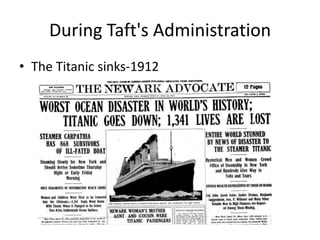
During Taft's Administration
• The Titanic sinks-1912
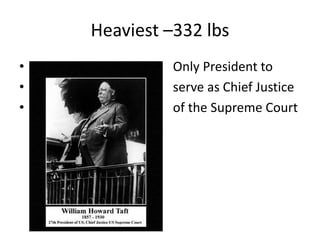
Heaviest –332 lbs
•
•
•

Only President to
serve as Chief Justice
of the Supreme Court
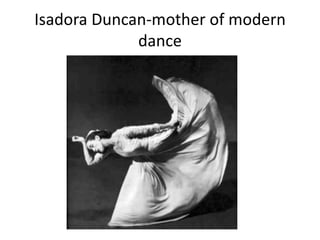
Isadora Duncan-mother of modern
dance
TR in Africa
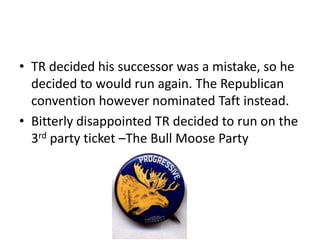
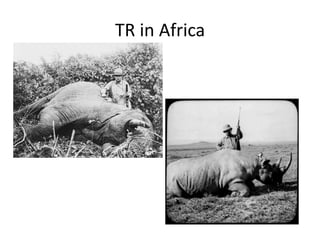
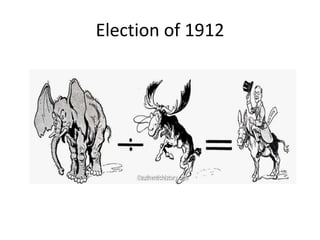
• TR decided his successor was a mistake, so he
decided to would run again. The Republican
convention however nominated Taft instead.
• Bitterly disappointed TR decided to run on the
3rd party ticket –The Bull Moose Party
Election of 1912
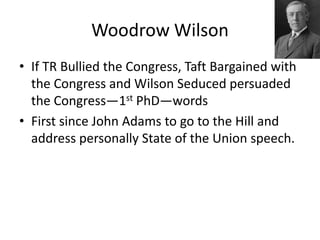
Woodrow Wilson
• If TR Bullied the Congress, Taft Bargained with
the Congress and Wilson Seduced persuaded
the Congress—1st PhD—words
• First since John Adams to go to the Hill and
address personally State of the Union speech.
Woodrow Wilson
• Self righteous, religious, and moral
• Energetic, firm, and committed to
to reform—but not by regulated Government but by fair
rules.
Wanted US to be isolated from Global affairs
• very productive and progressive first 2 years
• Underwood Tariff—lowered the tariff rates
From 45% to 27% (Income tax made up difference)
Federal Reserve Act-reorganized the banking systemcontrol money supply-set interest rates
During his term
•
•
•
•
•
•
•

WWI
Margaret Sanger worked on birth control
His wife died and 1 year later remarries
The Great Migration
Charlie Chaplin
18th Amendment-Prohibition
19th Amendment-Women’s Suffrage
Ap chapter 22

Ap chapter 22

  • 1.
    AP Chapter 22 TheBattle for National Reform
  • 2.
    Theodore Roosevelt • Theaccidental President— “wild man”—in favor of reform but not revolution. • Extremely energetic • He believed the federal government should not serve as the champion of any particular interest.
  • 3.
    Trust Regulator—did notwant to bust all trusts just the worst offenders
  • 4.
    Trust-busting • Sherman AntitrustAct against J. P. Morgan’s Railroad Northern Securities Company-• “If we have done anything wrong, send your man to my man, and they can fix it up”Morgan • Found to be a monopoly and it was dissolved.
  • 5.
    Roosevelt’s policy towardLabor • He saw himself as an arbitrator between labor and management. • Threatened to send in troops in the Coal strike of 1902 and seize the mines if the mine owners failed to agree to arbitration.
  • 6.
    Square Deal—TR’s domesticPolicypromise of fair and equal treatment for all • The Hepburn Railroad Regulation Act of 1906sought some regulatory authority to the RR but not much. • Pure Food and Drug Act & Meat Inspection Act –both passed as a result of The Jungleestablished federal inspection of meat and set national standards to prevent business from adding harmful preservatives other hazardous ingredients to food and drugs.
  • 7.
    Reform-The New Nationalism •TR pushed for other reforms such as the 8 hour day, compensation for victims of industrial accidents, income taxes, and regulation of the stock market. He criticized those conservatives who would not go along with his reform measures. This caused a split in his support within the party.
  • 8.
    Conservationists • TR believedin restricting private development on undeveloped government lands. He loved the outdoors and wanted to preserve it for posterity. • With the help of John Muir, founder of the Sierra Club, and Gifford Pinchot, TR used his influence to preserve almost two hundred million acres of government land. • Created the National Forest Service • No patience with legislative process—Executive orders
  • 9.
  • 10.
    Foreign Policy • TRwas ready to take on the challenges of the new world. He believed in using Americans power in the world when and where it was deemed necessary. • Persuaded Congress to appropriate money for a new modern Navy • The Great White Fleet—16 Battleships
  • 11.
    “Speak softly andcarry and big stick”
  • 12.
    • He wasconvinced that there were the “civilized” and the “uncivilized” nations in the world. • Civilized Nations: white, Anglo-Saxon, economically developed and producers of industrial goods • Uncivilized Nations: generally nonwhite, Latin or Slavic, sources of raw materials and markets
  • 13.
    • Racism didnot play the only role of distinction in his judgment. Japan was an economically developed nation, therefore it was civilized. • Civilized societies had the right and duty to intervene in the affairs of a “backward” nation to reserve order and stability for the sake of both nation's. • Proponent of a powerful Navy
  • 14.
    Protecting the OpenDoor in Asia • He wanted the Open Door policy to remain strong in China. So when war broke out between Russia and China he intervene and helped bring about a peace treaty. • He was awarded the Nobel Peace Prize for this accomplishment.
  • 15.
    Iron Fist Neighbor •When the government of the Dominican Republic was deeply in dent to several European nations, France and Italy were threatening to take over the country if the debt wasn’t promptly repaid. TR repeated the principles of the Monroe Doctrine and added the Roosevelt Corollary that stated the US would intervene in the affairs of any Latin American country that proved incapable of governing itself. Very controversial.
  • 16.
  • 17.
    Roosevelt saw constructionof a canal through Central America as vital to American power in the world. A canal would save time and money for both commercial and military shipping. The US offered Colombia $10 million for the right to construct a canal but they said no. So then the US persuaded some Panamanians to revolt against the Colombia government with our help. Within 2 weeks Panama was an independent country and the US had a treaty with them to build a canal.
  • 18.
  • 19.
    • During hisadministration : The Wright Brothers flew their fist “glider” in 1903 at Kitty Hawk, North Carolina (12 seconds and 120 feet)
  • 20.
  • 21.
  • 22.
  • 23.
  • 24.
    His popularity wasso great that he was able to choose his successor— Wm. Howard Taft
  • 25.
  • 26.
    • Progressives expectedTaft to enforce the antitrust laws and to make sure that the country’s natural resources were protected from big business. • He lost their support early on. • New cabinet officers • Taft was more conservative that TR, but criticism was unfair
  • 27.
    Conservation • First toprotect federal lands on which oil had been found • Also protected land that contained coal • Both going against Big Business
  • 28.
    Trust-Busting • Better recordthan TR • Twice as many prosecutions Under the Sherman Anti Trust Act—90 to 44 that TR had. (Standard Oil )
  • 29.
    Also under Taft’sWatch • 16th amendment—Income tax • 17th amendment-direct election of senators
  • 30.
    Foreign Policy-Dollar Diplomacy •Taft used financial as well as military might to promote US business interests overseas and Latin America.
  • 31.
    During Taft's Administration •The Titanic sinks-1912
  • 33.
    Heaviest –332 lbs • • • OnlyPresident to serve as Chief Justice of the Supreme Court
  • 34.
  • 35.
  • 37.
    • TR decidedhis successor was a mistake, so he decided to would run again. The Republican convention however nominated Taft instead. • Bitterly disappointed TR decided to run on the 3rd party ticket –The Bull Moose Party
  • 38.
  • 39.
    Woodrow Wilson • IfTR Bullied the Congress, Taft Bargained with the Congress and Wilson Seduced persuaded the Congress—1st PhD—words • First since John Adams to go to the Hill and address personally State of the Union speech.
  • 40.
    Woodrow Wilson • Selfrighteous, religious, and moral • Energetic, firm, and committed to to reform—but not by regulated Government but by fair rules. Wanted US to be isolated from Global affairs • very productive and progressive first 2 years • Underwood Tariff—lowered the tariff rates From 45% to 27% (Income tax made up difference) Federal Reserve Act-reorganized the banking systemcontrol money supply-set interest rates
  • 41.
    During his term • • • • • • • WWI MargaretSanger worked on birth control His wife died and 1 year later remarries The Great Migration Charlie Chaplin 18th Amendment-Prohibition 19th Amendment-Women’s Suffrage