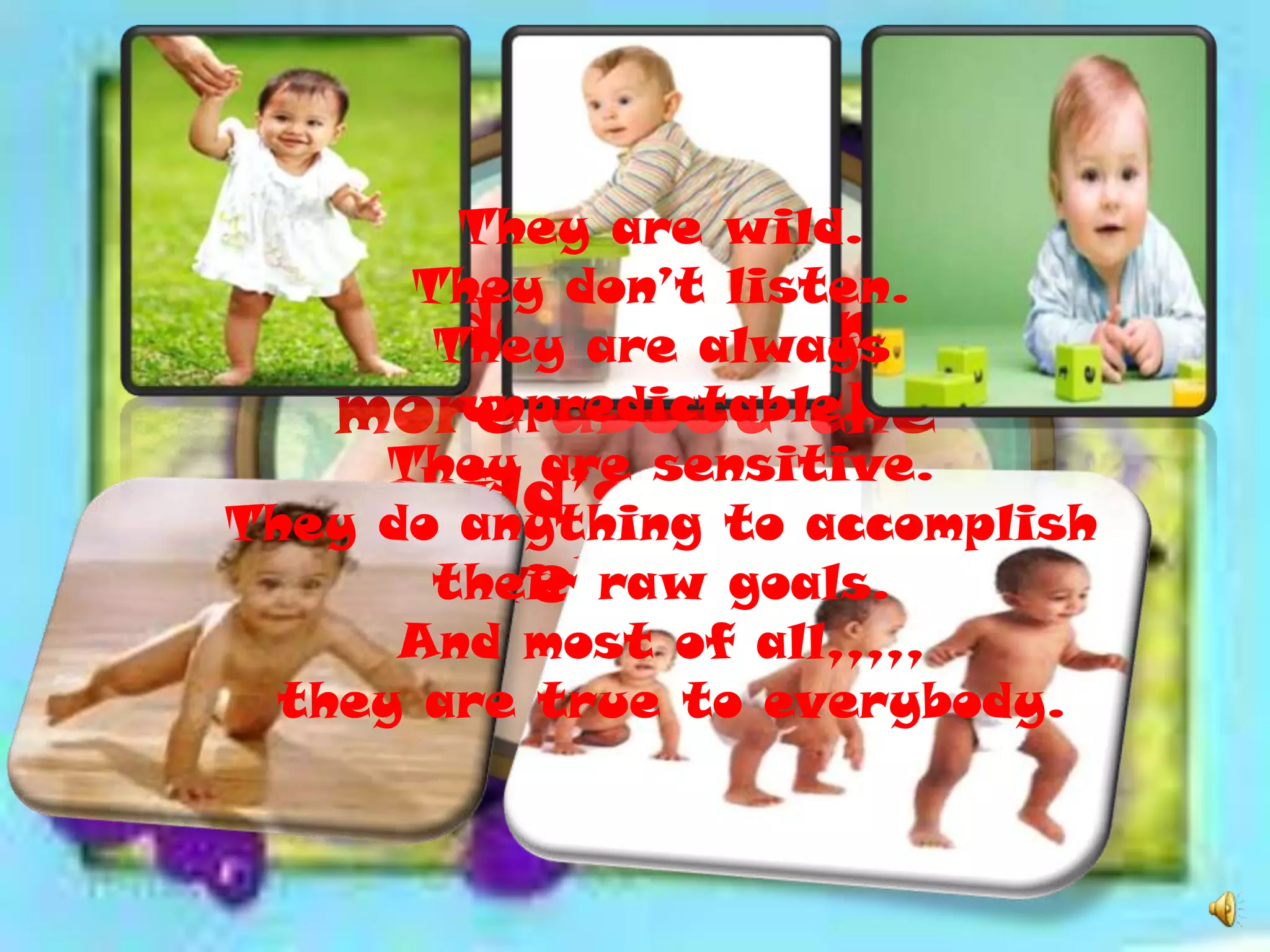
They are wild.
      They don’t listen.
    Understanding
       They are always
   more about the
        unpredictable.
     They are sensitive.
They child’s motor
     do anything to accomplish
     development
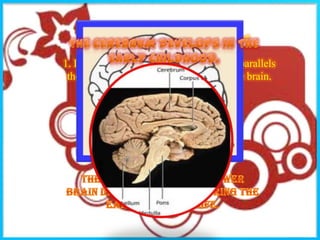
       their raw goals.
      And most of all,,,,,
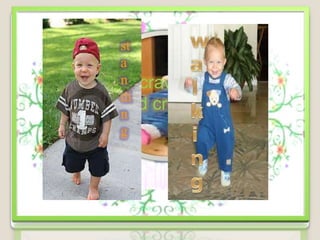
 they are true to everybody.
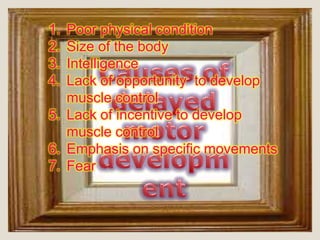
remembering

Those days. . .

When we were still


  children
And Theattempt to crawl.. walk!
      …first first attempt to


          The first smile…
   Our first attempt for reaching something..
      from the moment of conception
Our first cry
         The first opening of our eyes…
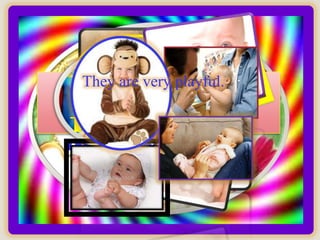
They are very playful.

 They are very
They insist on
   curious…
     …jealousy…
 what they
  want.
R
e
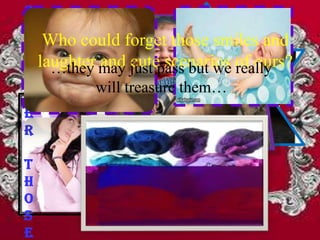
m Who could forget those smiles and
e laughter may just pass but we of ours?
    …they  and cute scenarios really
m
          will treasure them…
b
e
r
                    … those frowns
t                , the unexpected
h
                 …stumbles
                      …and tears
                     accidents,
o                .and salty rains.
s
e
all those activities you watched a
while ago are part of the so called
motor skills and development!!!
22. consist of
       FINER
    kinds of motor
  ---]
COORDINATIONS-
   development
  control of the
     Examples
    ---- THESE
          are; of the
  movement
INVOLVE Gross at
        1. SMALLER
       1.writing
  muscles which,
      2.grasping
      movements-
MUSCLE GROUPS.
  birth and shortly
      3.clapping
    movements which
   afterward, are
  involve large areas of
     random and
        the body.
    meaningless.
Characteristics of motor development

1. Development of control over the body parallels
 the development of the motor areas in the brain.
2. the child goes from
helplessness characteristics to
independence.

3. It is important for the child’s
school adjustments.

4.It is important for the child’s
social contacts.
Sequence of development
        st
  4. motor development on
1. Motor the legs.
        a development in the
          n head region
             crawling
          di
2. Motor and creeping
         and hitching
 a. Rolling development of   the
          n
          arms and hands
          g
3. Motor development in the
            trunk
1. Poor physical condition
2. Size of the body
3. Intelligence
4. Lack of opportunity to develop
   muscle control
5. Lack of incentive to develop
   muscle control
6. Emphasis on specific movements
7. Fear
Speech
   Speech
Development in
Development in
   Infants
   Infants
Newborn to 3 months
 Babies begin to coo and gurgle at 1 to 3 months.
Instead of simply being startled by sounds, babies
start to respond more specifically to sounds — first
  by turning their heads and changing their facial
    expressions and then by actually cooing and
 gurgling. These sounds will probably be music to
     your ears, as well they should be. You can
    consider these sounds to be your child's first
      words to you, as simple cooing and other
   verbalizations represent the very beginning of
               language development.
3 to 6 months
Babies at this age enjoy making sounds. Not
   only do they like to laugh and squeal with
   pleasure and excitement, but they perfect
      their ability to gurgle, coo, and blow
raspberries. Some begin to make consonant
sounds (n, d, p, b), most can link sounds with
 the objects that made them, and by the time
 they reach 6 months of age, they often start
            to actually imitate sounds.
6 to 9 months

Babies will babble at this age. During these
 months, most babies start to vocalize a lot
more in ways other than crying, not the least
of which is laughing more frequently. You're
  also likely to notice a progression in the
 baby's talking abilities — from making four
   different consonant sounds or stringing
together chains of vowel-consonant sounds
    to combining syllables into word-like
utterances and shouting to attract attention.
9 to 12 months
Babies will say their first words during
   this time. At 9 months, infants are
 often fairly talented at multi-syllable
 babbling and imitating sounds. Over
the subsequent months, you may find
   that your baby starts to imitate the
  tone and inflection in your voice as
 well and may even say his first word.
Words such as "mama" and "dada"
  clearly have meaning to infants at
   this age, and some will even say
     them by the time they turn 1.
("Dada" is much more common than
    "mama," not as a reflection of a
 baby's preference, but because "da"
is a much easier sound to make than
                "ma.")
Also at this age babies develop
 improved nonverbal communication
 skills. This is a fun age, where many
 babies not only start to communicate
      verbally, but clearly seem to
 understand more and interact more.
     They typically learn to point in
response to simple questions such as
   "Where's the ball?" or "Where's
  Mommy?" and to wave good-bye.
12 to 18 months
Kids this age will continue to improve
 their communication skills. By 12 to
  15 months, the average child says
  two or more words besides "dada"
  and "mama." Some 18-month-olds
   will even begin to put two words
together, although this is considered
 to be a 2-year-old accomplishment.
In addition to talking, most toddlers
    at this age can imitate animal
    sounds, recognize objects by
    name, and follow commands.
  You're likely to find that this newly
      developed ability to follow
 directions is particularly endearing
 when your toddler begins to give a
       hug or kiss when asked.
While the toddler is probably
       making great strides in
  communicating at this age, it
helps to be aware that toddlers at
     this age can become very
   frustrated because they can
 understand a lot more than they
              can say.
18 to 24 months
    Toddlers at this age will greatly
increase their vocabulary and ability
 to understand. The average toddler
  toward the end of the second year
  can say 30 to 50 words and make
   two-word sentences. Even more
      impressive is their ability to
     understand and follow simple
             commands.
2 years
  Two-year-olds talk in sentences.
  While the typical 2-year-old has a
 vocabulary of 30-50 words and can
put two words together, another year
  of language development usually
brings the ability to make three-word
 sentences and communicate more
              effectively.
Two-year-olds also learn to name and
   categorize. They commonly learn the
   names of five or more body parts and
 are able to recite their own names (first
    and last) by the time they reach their
 third birthday. Sorting objects according
        to category and understanding
    descriptive categories like "big" and
"little" or "soft" and "hard" are also typical
         accomplishments at this age.
3 years
     Three-year-olds have greatly
expanded language skills. During this
  year, you're likely to notice that the
    length of the child's sentences
increases from around three words at
 his third birthday to five (or more) by
his fourth. By this time, most children
         have also become fully
            understandable.
As the child masters the use of
  pronouns (I, me, you, we, etc.)
during the upcoming months, be
forewarned that you're also likely
   to find that she has entered a
 new stage of development that
  includes asking a whole lot of
              questions.
4 years
Four-year-olds make good use of
 their language skills. During this
  year, you're likely to notice that
your child masters language well
enough to put sentences together
into full stories and just generally
          talk your ear off.
5 years
Five-year-olds can understand harder
 concepts and begin to increase their
    vocabulary. They typically can
understand and apply concepts such
 as "under," "over," "because," "why,"
"before," and "after." They often have
   vocabularies of more than 2,000
                words.
All about children

All about children

  • 1.
    They are wild. They don’t listen. Understanding They are always more about the unpredictable. They are sensitive. They child’s motor do anything to accomplish development their raw goals. And most of all,,,,, they are true to everybody.
  • 2.
    remembering Those days. .. When we were still children
  • 3.
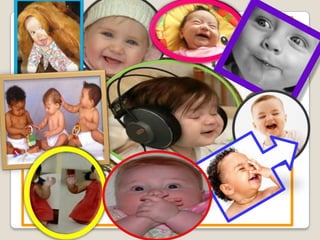
    And Theattempt tocrawl.. walk! …first first attempt to The first smile… Our first attempt for reaching something.. from the moment of conception Our first cry The first opening of our eyes…
  • 5.
    They are veryplayful. They are very They insist on curious… …jealousy… what they want.
  • 7.
    R e m Who couldforget those smiles and e laughter may just pass but we of ours? …they and cute scenarios really m will treasure them… b e r … those frowns t , the unexpected h …stumbles …and tears accidents, o .and salty rains. s e
  • 8.
    all those activitiesyou watched a while ago are part of the so called motor skills and development!!!
  • 9.
    22. consist of FINER kinds of motor ---] COORDINATIONS- development control of the Examples ---- THESE are; of the movement INVOLVE Gross at 1. SMALLER 1.writing muscles which, 2.grasping movements- MUSCLE GROUPS. birth and shortly 3.clapping movements which afterward, are involve large areas of random and the body. meaningless.
  • 10.
    Characteristics of motordevelopment 1. Development of control over the body parallels the development of the motor areas in the brain.
  • 11.
    2. the childgoes from helplessness characteristics to independence. 3. It is important for the child’s school adjustments. 4.It is important for the child’s social contacts.
  • 12.
    Sequence of development st 4. motor development on 1. Motor the legs. a development in the n head region crawling di 2. Motor and creeping and hitching a. Rolling development of the n arms and hands g 3. Motor development in the trunk
  • 13.
    1. Poor physicalcondition 2. Size of the body 3. Intelligence 4. Lack of opportunity to develop muscle control 5. Lack of incentive to develop muscle control 6. Emphasis on specific movements 7. Fear
  • 14.
    Speech Speech Development in Development in Infants Infants
  • 15.
    Newborn to 3months Babies begin to coo and gurgle at 1 to 3 months. Instead of simply being startled by sounds, babies start to respond more specifically to sounds — first by turning their heads and changing their facial expressions and then by actually cooing and gurgling. These sounds will probably be music to your ears, as well they should be. You can consider these sounds to be your child's first words to you, as simple cooing and other verbalizations represent the very beginning of language development.
  • 17.
    3 to 6months Babies at this age enjoy making sounds. Not only do they like to laugh and squeal with pleasure and excitement, but they perfect their ability to gurgle, coo, and blow raspberries. Some begin to make consonant sounds (n, d, p, b), most can link sounds with the objects that made them, and by the time they reach 6 months of age, they often start to actually imitate sounds.
  • 18.
    6 to 9months Babies will babble at this age. During these months, most babies start to vocalize a lot more in ways other than crying, not the least of which is laughing more frequently. You're also likely to notice a progression in the baby's talking abilities — from making four different consonant sounds or stringing together chains of vowel-consonant sounds to combining syllables into word-like utterances and shouting to attract attention.
  • 19.
    9 to 12months Babies will say their first words during this time. At 9 months, infants are often fairly talented at multi-syllable babbling and imitating sounds. Over the subsequent months, you may find that your baby starts to imitate the tone and inflection in your voice as well and may even say his first word.
  • 20.
    Words such as"mama" and "dada" clearly have meaning to infants at this age, and some will even say them by the time they turn 1. ("Dada" is much more common than "mama," not as a reflection of a baby's preference, but because "da" is a much easier sound to make than "ma.")
  • 21.
    Also at thisage babies develop improved nonverbal communication skills. This is a fun age, where many babies not only start to communicate verbally, but clearly seem to understand more and interact more. They typically learn to point in response to simple questions such as "Where's the ball?" or "Where's Mommy?" and to wave good-bye.
  • 22.
    12 to 18months Kids this age will continue to improve their communication skills. By 12 to 15 months, the average child says two or more words besides "dada" and "mama." Some 18-month-olds will even begin to put two words together, although this is considered to be a 2-year-old accomplishment.
  • 23.
    In addition totalking, most toddlers at this age can imitate animal sounds, recognize objects by name, and follow commands. You're likely to find that this newly developed ability to follow directions is particularly endearing when your toddler begins to give a hug or kiss when asked.
  • 24.
    While the toddleris probably making great strides in communicating at this age, it helps to be aware that toddlers at this age can become very frustrated because they can understand a lot more than they can say.
  • 25.
    18 to 24months Toddlers at this age will greatly increase their vocabulary and ability to understand. The average toddler toward the end of the second year can say 30 to 50 words and make two-word sentences. Even more impressive is their ability to understand and follow simple commands.
  • 26.
    2 years Two-year-olds talk in sentences. While the typical 2-year-old has a vocabulary of 30-50 words and can put two words together, another year of language development usually brings the ability to make three-word sentences and communicate more effectively.
  • 27.
    Two-year-olds also learnto name and categorize. They commonly learn the names of five or more body parts and are able to recite their own names (first and last) by the time they reach their third birthday. Sorting objects according to category and understanding descriptive categories like "big" and "little" or "soft" and "hard" are also typical accomplishments at this age.
  • 28.
    3 years Three-year-olds have greatly expanded language skills. During this year, you're likely to notice that the length of the child's sentences increases from around three words at his third birthday to five (or more) by his fourth. By this time, most children have also become fully understandable.
  • 29.
    As the childmasters the use of pronouns (I, me, you, we, etc.) during the upcoming months, be forewarned that you're also likely to find that she has entered a new stage of development that includes asking a whole lot of questions.
  • 30.
    4 years Four-year-olds makegood use of their language skills. During this year, you're likely to notice that your child masters language well enough to put sentences together into full stories and just generally talk your ear off.
  • 31.
    5 years Five-year-olds canunderstand harder concepts and begin to increase their vocabulary. They typically can understand and apply concepts such as "under," "over," "because," "why," "before," and "after." They often have vocabularies of more than 2,000 words.