International Alumni and Students Symposium 
͞ŶƚƌĞƉƌĞŶĞƵƌƐ͕ĨŝƌŵƐĂŶĚďƵƐŝŶĞƐƐ 
membership organizations: their role in 
ƉŽůŝƚŝĐƐĂŶĚĚĞǀĞůŽƉŵĞŶƚ͞ 
Leipzig, Germany, 29thͶ31th October 2014
SEPT Activities at a Glance
The Role of an Entrepreneur 
Economic Leader 
Political Leader
Symposium Program 
2 
Day 1: Wednesday, 29th October 2014 
Hörsaal 8, Hörsaalgebäude, Universitätsstraße 7, 04109 Leipzig 
Registration 09.00 
Welcome speech: Purpose and outline of the 
event 
Prof. Dr. Utz Dornberger 
Director SEPT, Leipzig University 
09:30 
Shaping economic policies: The role of 
entrepreneurs and firms 
Prof. Dr. Helmut Asche 
University of Mainz 
10:00 
Coffee break 11:00-­‐11:30 
Interplay of the private and the public sector: 
Obstacles and options 
Oliver Griffith 
Head of Communications, Europe 
International Finance Corporation (World Bank 
Group) 
11:30 
Lunch 12:30-­‐14:00 
Entrepreneurs in politics: Cases from different 
countries 
The case of Thaksin in Thailand 
Krittiya Chuenkittivoravat 
The case of Chodorkowski in Russland 
Ekaterina Protsko 
The case of Kennedy Agyapong in Ghana 
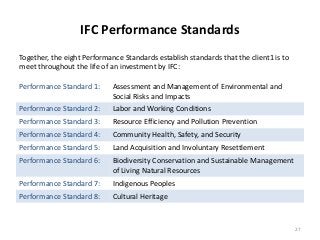
Leonard Hasu 
14:00 
Excursion 
Visit to Champagne Factory 
Rotkäppchen in Freyburg 
Bus starts at Augustusplatz 
15:00 
Arrival to Leipzig 20.00
Symposium Program 
3 
Day 2: Thursday, 30th October 2014 
Hörsaal 8, Hörsaalgebäude, Universitätsstraße 7, 04109 Leipzig 
Entrepreneurs and their role in 
Economic Development 
Public Private Dialogue: Approaches 
and lessons learnt in Technical 
Cooperation 
Prof. Dr. Utz Dornberger 
International SEPT Program, Leipzig University 
Alexandra Oppermann 
GIZ, Eschborn 
09:00 
09:45 
Coffee break 10:30-­‐11:00 
The role of Business Member 
Organisations: Cases from different 
countries 
The case of Azazgua in Guatemala 
Jorge Andrés Chang 
The case of Ethiopian Public Private Consultation Form 
(EPPCA), Tesfaye Abebe 
The case of the Kampala City Traders Association 
(KACITA), Catherine Promise Biira 
FNCCI promoting energy efficiency in Nepal 
Dr. Sanjay Prasad Gorkhali 
A case study of political participation of Foreign 
Chamber of Commerce in China, Han Li 
11:00 
Lunch 12:30-­‐14:00 
Diaspora Entrepreneurs: How can they 
support economic and social 
development? 
Prof. Dr. Francis Matambalya 
Nordic Africa Institute 14:00 
Coffee break 15:00-­‐15:30 
Initiatives for promoting Diaspora 
Entrepreneurship 
Indonesian Diaspora -­‐ Future assets of Indonesian 
economy, Dianroe Dinaroe 
The Case of El Salvador Global 
Rodrigo Chicas 
15:30-­‐16:00 
Alumni reception On the top of the only skyscraper in Leipzig 18:00
Alumni -­‐ Day 
4 
Day 3: Friday, 31th October 2014 
Neubau Geisteswissenschaften, Hörsaal 2.010 
Initiatives for the involvement of Alumni 
in German activities and projects 
Introduction: 
Prof. Dr. Utz Dornberger, Leipzig University 
Partner in market development 
Uwe Becher, Conoscope GmbH 
iN4iN ʹ Network, www.in4in.net 
Peter Sommer, Leipzig University 
09:00 
Coffee break 10:30-­‐11:00 
Group work 
Group 1: Training and consulting opportunities 
through iN4iN Network 
Moderator: Peter Sommer 
Group 2: Partner in market development 
Moderator: Uwe Becher 
Group 3: Joint study programs 
Moderator: Prof. Utz Dornberger 
Group 4: Technology Transfer on cooperation 
between University and Private Sector 
Moderator: Alfredo Suvelza 
11:00 
Lunch 12:30-­‐14:00 
Presentation of the group work results 14:00 
Coffee break 15:30-­‐16:00 
Feedback and closing Evaluation of the international seminar 
Official closing of the event 16:00-­‐17:00 
Optional activity Visiting Leipzig by night 18:00
Shaping economic policies: The 
role of entrepreneurs and firms 
International Alumni and Students Symposium 
October 29, 2014 
Helmut Asche 
U Mainz, formerly U Leipzig
Outline 
‡ Entrepreneurs in development economics: a short review of not 
very much 
‡ The 3 stages of state ± market, aka: government ± firm relations 
‡ End of stage 3: entrepreneurship in DCs still treated as a given 
‡ And: taking part in policy shaping not considered 
‡ Yet: arguably a core function of modern business 
‡ +RZWKHQFRQFHLYHHQWUHSUHQHXUVµUROHLQSROLWLFV 
‡ w/ ref to (a) institutions, (b) process, (c) content 
‡ 5HIWRFRQFHSWRIÄHPEHGGHGDXWRQRP³RIVWDWHEXUHDXFUDFZ 
I. opaque model of state ± private firm collusion 
II. theoretical model of perfect strategic dialogue 
III. practical hybrids, in-between. 
‡ Question: where to slot actual cases, incl those discussed here 
Helmut Asche, U Mainz, Oct 29 2014 2
Outline II 
Emerging consensus on New Industrial Policy (NIP) provides insights 
on process and contents of private sector inputs into policies and what 
firms get in return. On process: 
‡ Collective search of public authorities and firms for investment 
opportunities + obstacles to realise them (= market + state failures 
to be remedied) 
‡ Instead of top-down planning + governments Äpicking winners³ 
‡ Resulting in smart support for firms 
‡ Plus iterating policy cycles based on continuous ME 
On likely contents: 
1. Helping to identify most binding constraints for enterprise dev and 
economic growth, see decision-making tree: 
Helmut Asche, U Mainz 3
Growth Diagnostics (following Hausmann/Rodrik) 
Helmut Asche, U Mainz 4
Outline III 
2. General economic policy signalling by private sector 
(case: on optimal exchange rate) 
3. Strat. reasoning on sector policy + suitability for private sector 
4. Advice on specific inputs needed: inter-industry or public goods 
like tailor-made market information, research, training 
Most of the topics are Ätriple-S specific³VXE-)sectors, spaces, (firm) 
size matter. 
Helmut Asche, U Mainz 5
Outline IV 
Finally: constraints for private sector shaping of economic policies in 
developing countries? 
‡ Dearth of entrepreneurs and their capacity to fulfil second order 
tasks like policy shaping 
‡ Depending on firm-internal resources, and on degree of extra-firm 
organisation: role of business associations 
‡ Possible remedies for Äsmall 1³of entrepreneurs: e.g. involve 
foreign investors and diaspora in more targeted way 
‡ Also banks, if financial sector had not own problem of taking part in 
strategic dialogue 
Helmut Asche, U Mainz 6
Conclusion 
‡ Role of entrepreneurs and firm management in economic policy-shaping 
still largely underexplored 
‡ Same for related capacity building needs 
Hence looking very much forward to this symposium and its results! 
Thank you for listening. 
Helmut Asche, U Mainz 7
Oliver Griffith 
Head of Communications 
IFC Western Europe 
Leipzig University 
1 
INTERPLAY OF THE PRIVATE 
AND PUBLIC SECTORS 
OBSTACLES AND OPTIONS 
October 29, 2014
2
3
4
5
6
7
Falling Finance to Developing Countries Has 
Made Development Banks More Critical 
8 
1200 
1000 
800 
600 
400 
200 
0 
-­‐200 
Capital Flows 
as % GDP 
(right scale) 
2005 2006 2007 2008 2009 2010 2011e 2012f 2013f 
FDI Portfolio equity 
M/L term bonds M/L term bank lending 
Short term debt 
8 
6 
4 
2 
$Billions 
Percent
IFI Financial Commitments to the Private Sector 
9 
Have Grown Significantly in Recent Years 
45 
40 
35 
30 
US$ Billion Other MDBs EDFI OPIC EIB EBRD IFC 
25 
20 
15 
10 
5 
0 
91 92 93 94 95 96 97 98 99 00 01 02 03 04 05 06 07 08 09 10
From the Growth Commission, the Common 
Characteristics of High, Sustained Growth Include Both 
Essential Public and Private Sector Activities 
10 
Common 
Characteristics 
of High, 
Sustained 
Growth 
͞'ŽǀĞƌŶŵĞŶƚ 
provides the 
environment for 
growth, but it is 
the private sector 
that invests and 
creates wealth for 
ƚŚĞƉĞŽƉůĞ͘͟ 
(Quoted in the 
Growth 
Commission 
Report)
The Investment Climate Must Often Be Improved 
To Accompany Increased Private Sector Activity 
Important Investment Climate Areas 
‡ Stability and security ʹ including property rights, 
contract enforcement and reducing crime 
‡ Regulation and taxation ʹ including streamlining 
procedures, reducing barriers to entry and exit 
‡ Effective finance and infrastructure 
‡ Skilled and adaptive worker and labor markets 
11
But the Public Sector Cannot Act Alone: The 
Private Sector Drives Growth and Creates Jobs 
‡Drives growth via higher productivity and 
knowledge transfer 
‡Provides over 90 percent of jobs in developing 
countries 
‡Also helps improve public services 
‡And ultimately provides most of the tax 
revenues the public sector needs 
Source: Paths Out of Poverty 12
'ƌŽǁƚŚŝƐƐƐŽĐŝĂƚĞĚǁŝƚŚWŽǀĞƌƚLJZĞĚƵĐƚŝŽŶ͙ 
13 
Poverty Reduction vs Growth 1981-­‐2005 
Headcount Poverty 
Reduction pa ($1.25) 
8.0% 
7.0% 
6.0% 
5.0% 
4.0% 
3.0% 
2.0% 
1.0% 
0.0% 
E Asia 
India 
SSA 
-­‐0.5% 1.5% 3.5% 5.5% 7.5% 9.5% 
GDP per capita growth per annum 
Source: World Development Indicators. Povcalnet 
China 
S Asia 
M East 
Lat Am 
Poverty Reduction vs. Growth for 92 
Countries, 1980 ± 2005* 
*Source: Martin Ravallion, World Bank Policy Research 
Working Paper 4947, June 2009. Note: Chart shows rate of 
change in $2/day poverty for 92 countries based on earliest and 
latest household surveys available over 1980 to about 2005. 
Average years between surveys is 13.
͙And Recent Research Points to Characteristics 
for More Inclusive Growth 
‡ Greater equality of income, opportunities, assets, and 
access to services helps ability of poor to participate 
‡ Geographic and sectoral patterns of growth matter, e.g. 
growth where poor people live and sectors where they 
work 
‡ Successful growth usually means many poor people 
moving to places/sectors where there are jobs, often in 
urban settings. 
There is growing recognition that private businesses can 
play an important role in providing products, services and 
economic opportunities tailored to the poor 
14
The Private Sector Is Also Important For Access to 
Essential Services, Providing Global Goods, and 
Generating Tax Revenues 
Private Participation in Infrastructure by Sector 
Telecom 
Energy 
Transport 
Water and 
sewerage 
0.8% 
0.7% 
0.6% 
0.5% 
0.4% 
0.3% 
0.2% 
0.1% 
0.0% 
-­‐0.1% 
(% GDP) 
1990 
1991 
1992 
1993 
1994 
1995 
1996 
1997 
1998 
1999 
2000 
2001 
2002 
2003 
2004 
2005 
2006 
2007 
2008 
Source: PPI database 
‡ Global Goods: Addressing Food Security, Climate 
15 
Change, and Environmental Sustainability 
‡ Tax revenues from firms and employees
Overall, There is an Important Private Sector, 
Public Sector Synergy 
(3) 
Entrepreneurial 
Culture ʹ 
Increased 
Financial 
Intermediation 
(4) 
Dynamic 
Private Sector 
ʹ Increased 
Private 
Investment 
(5) 
Increased 
Productivity ʹ 
Economic 
Growth 
(6) 
Wealth 
Formation 
(7) 
Government 
Revenues 
(10) 
Higher 
Education ʹ 
Civic 
Engagement 
(2) 
Conducive 
Business 
Environment ʹ 
Institutional 
reforms 
(8) 
Public 
Investment in 
Physical and 
Social 
Infrastructure 
(1) 
Better Public 
Governance ʹ 
Greater 
Public-­‐Private 
Cooperation 
(9) 
Human Capital 
Development 
ʹEconomic 
Inclusion 
Indicative Virtuous Circle: 
Government Enables More 
Effective Private Sector ʹ 
Private Sector Enables More 
Effective Government
Enterprise Surveys Indicate Top Obstacles for Firm 
Growth Include Access to Finance, Infrastructure, 
Investment Climate, and Worker Skills 
17 
Percent of Firms Indicating the Item is a Top Obstacle to Firm Operation and Growth
Obstacles are Greater in Lower Income 
Countries and the More Difficult Environments 
Where Poor People Often Live and Work 
18 
Percent of Firms Viewing 
Access to Finance as a Major 
Obstacle 
Source: World Bank Enterprise Surveys 
70 
60 
50 
40 
30 
20 
10 
0 
Low Income Middle Income High Income 
Major Constraint -­‐ Electricity 
small(20) medium(20-­‐99) large(100 and over) 
50 
45 
40 
35 
30 
25 
20 
15 
10 
5 
0 
Low Income Middle Income High Income 
Small (20 employees) Medium (20-­‐99) Large (100 and over) 
Percent of Firms Viewing 
Access to Electricity as a Major 
Obstacle
Doing Business 
19 
Methodology. There are ten key methodologies examined in Doing Business reports. 
These include: 
Starting a Business Dealing with Construction Permits 
Getting Electricity Registering Property 
Getting Credit Protecting Investors 
Paying Taxes Trading Across Borders 
Enforcing Contracts Resolving Insolvency 
Visit the Doing Business website, www.doingbusiness.org, for 
information on the questionnaire instruments behind each 
methodology and for Doing Business 2015 results, released today.
Doing Business 2014 
Economy Rankings. Economies are ranked on their ease of doing business, from 1 ʹ 189. 
A high ranking on the ease of doing business index means the regulatory environment is 
more conducive to the starting and operation of a local firm. This index averages the 
country's percentile rankings on 10 topics, made up of a variety of indicators, giving equal 
weight to each topic. The rankings for all economies are benchmarked to June 2013. 
(Germany ranked 21) 
Top Ten Economies 2014 Bottom Ten Economies 2014 
1. Singapore 180. Guinea-­‐Bissau 
2. Hong Kong SAR, China 181. Venezuela, RB 
3. New Zealand 182. Myanmar 
4. United States 183. Congo, Dem. Rep. 
5. Denmark 184. Eritrea 
6. Malaysia 185. Congo, Rep. 
7. Korea, Rep. 186. South Sudan 
8. Georgia 187. Libya 
9. Norway 188. Central African Republic 
10. United Kingdom 189. Chad 
20
Private Sector IFIs Address The Private Sector Gaps In 
These Difficult Environments By Providing Finance and 
Knowledge and Catalyzing Others 
‡ Providing finance to private companies that lack sufficient 
access to private capital 
‡ Providing related advisory products to bring in scarce 
knowledge 
± improve the investment climate 
± improve project performance and impact 
± facilitate privatization 
± enhance environmental, social and corporate governance effectiveness 
‡ Providing comfort in difficult environments to bring in other 
investors 
‡ Demonstrating the viability of private solutions in difficult or 
new areas 
21
IFI Private Sector Finance Tends to Be 
Concentrated Where Private Capital is Scarce ʹ 
Ğ͘Ő͘ŝŶ,ŝŐŚĞƌZŝƐŬZĞŐŝŽŶƐ͙ 
IFI 2009 Regional Private Sector Commitments as a Percent of Regional Gross Equity and 
Percent 
Long Term Debt Flows to the Private Sector* 
12 
10 
8 
6 
4 
2 
0 
Africa M East/N Africa All Regions 
*For this chart trade finance is not included 
Source: IFI private sector database, Global Development Finance
͙And In Products With Longer Maturities -­‐-­‐ Often 
Beyond the Risk Appetite of Private Capital 
23 
Percent of International Syndications to the Private Sector in Developing Countries 
Where an IFI Participated, by Country Income Level and Maturity, 2007-­‐2010 
45 
40 
35 
30 
25 
20 
15 
10 
5 
0 
1 up to 5 years 5 up to 10 years 10 or more years 
Lower 
Lower Middle 
Upper Middle 
BRICT* 
Maturity 
Percent 
Country Income 
Analyzed from Loanware data. *Includes Turkey
IFI Finance is Particularly Needed in Times of 
Crisis ʹ When Private Capital Retreats 
24 
Private Sector Development Institutions Commitments 
to the Private Sector and Global Gross Flows to the Private Sector 
$Billions $Billions 
50 
45 
40 
35 
30 
25 
20 
15 
10 
5 
0 
2005 2006 2007 2008 2009 
1400 
1200 
1000 
800 
600 
400 
200 
0 
All IFIs 
(Left Scale) 
Global Flows 
(Right Scale) 
Source: IFI private sector database, Global Development Finance
IFIs Help Bring in Other Finance, and Contribute 
Knowledge and Risk Mitigation Beyond That Provided by 
Commercial Institutions 
Environmental, social issues input 
Global Knowledge 
Government relationships 
Ability to mobilize capital from additional sources 
Ability to provide financing not readily available elsewhere 
Perceived stamp of approval overall 
The maturity of the financing provided 
Technical expertise of staff 
Financial structuring and innovation 
Competitiveness of funding package 
Speed of Processing 
Local presence 
-­‐10% 0% 10% 20% 30% 40% 50% 
Percent of clients rating IFI performance above average or high compared to commercial bank 
25 
Performance of IFIs versus Commercial Banks for Private Sector Clients 
Source: IFC Survey
IFIs Also Promote High Business Standards 
26 
Example: IFC Equator Principles 
‡ Description: Voluntary guidelines for banks to 
manage environmental and social issues with 
borrowers. 
‡ IFI Additionality: IFC initiated and led drafting and 
implementation of guidelines 
‡Results: 
±70 financial institutions have adopted the 
principles, 17 from emerging markets. 
±About 53% of project finance debt in emerging 
markets in 2009 was subject to Equator Principles.
IFC Performance Standards 
Performance Standard 1: Assessment and Management of Environmental and 
Social Risks and Impacts 
Performance Standard 2: Labor and Working Conditions 
Performance Standard 3: Resource Efficiency and Pollution Prevention 
Performance Standard 4: Community Health, Safety, and Security 
Performance Standard 5: Land Acquisition and Involuntary Resettlement 
Performance Standard 6: Biodiversity Conservation and Sustainable Management 
of Living Natural Resources 
Performance Standard 7: Indigenous Peoples 
Performance Standard 8: Cultural Heritage 
27 
Together, the eight Performance Standards establish standards that the client1 is to 
meet throughout the life of an investment by IFC:
A Few Case Studies From the IFI Report of How 
IFIs Help Development 
‡ Extending mobile phone to rural areas of Papua New 
Guinea 
‡ PPPs in Senegal fostering essential infrastructure for 
growth, including airport, power, toll road, port 
‡ Mortgages to expand home ownership to low-­‐income 
families in Jordan 
‡ Equity investments to create jobs in Egypt 
‡ Insurance and finance for small farmers in South Africa 
‡ Slum redevelopment with free housing for slum 
dwellers in India 
‡ Microloans and training for street vendors in Brazil 
‡ The first geothermal power project in Africa 
28
Annex: Details of Case Studies 
Mentioned in This Presentation 
29
30 
ADB: Communication, Papua New Guinea 
‡ Description: Digicel Ltd. will expand mobile network to 500 
sites from 400, mostly rural. 
‡ IFI Investment: $18 million loan 
‡ IFI Additionality: Finance to region that lacks investment in 
key sectors of the economy 
‡ Results: 
оConnecting communities that have had no access to 
telecommunications 
оImproving safety through better natural disaster alerts; 
improving schooling as teachers avoid traveling large 
distances to banks
‡ Description: Simultaneous development and financing of 
infrastructure PPP projects in Dakar: Blaise-­‐Diagne Airport, Power 
Project, Toll Road, and Container Terminal 
‡ IFI Investment: Φ190 mil, with Φ50 mil from the African Dev. Fund, 
Φ494 mil from DFIs and commercial banks (Total cost: Φ1.2 billion) 
‡ IFI Additionality: Enhance financial  economic viability of projects at 
height of financial crisis; optimize transaction costs for the country, 
sponsors, and co-­‐financiers 
‡ Results: 
о Airport: Meets forecast air traffic demand, enhances trade  regional 
integration, creates 1,000 direct construction jobs  400 during operations, taxes 
о Power plant: Increases by 40% the electricity generation in Senegal, decreases 
by 20% the generation costs 
о Toll road: Reduces transport costs, improves urban mobility, improves 
environment for 300,000 people, serves as base for Trans-­‐West African Highway 
о Port: Access to global supply chains, improves efficiency and lowers the prices of 
imported and exported goods 
31 
AfDB: Senegal Integrated Infrastructure Approach
32 
OPIC: Mortgage Facilities for Families, Jordan 
‡ Description: Enabling three banks in Jordan to expand 
home ownership for low-­‐income families. JV by the 
Middle East Investment Initiative and the Cooperative 
Housing Foundation is the sponsor 
‡ IFI Investment: $250 million over the three banks 
‡ IFI Additionality: The sponsor will provide technical 
oversight, working with the banks to review policies and 
origination and servicing procedures 
‡ Results: Will enable the banks to introduce 25-­‐year, fixed-­‐ 
rate mortgages to lower-­‐income households in Jordan.
33 
EIB: Sphinx Turnaround Fund, Egypt 
‡ Description: First private equity fund for Egyptian 
companies in distress or default or in need of restructuring 
‡ IFI Investment: $31 million out of $57 million 
‡ IFI Additionality: IFI presence critical in catalyzing other 
funding 
‡ Results: 
оCreate value by restructuring companies that 
otherwise would likely be liquidated 
оStrong pipeline and first investment completed in 
pharmaceutical sector with an expected 1,150 jobs 
created
DEG: Finance for Rural Agriculture, South Africa 
‡ Description: Farmsecure Holdings to provide finance for 
farmers, including insurance and innovative securities 
structure for the banks involved; TA for land use, production 
and marketing; part of Agro-­‐Africa Initiative with Standard 
Chartered Bank 
‡ IFI Investment: Guarantee to a maximum of Euro 9 million 
‡ IFI Additionality: Innovative financing solutions for farmers 
where capital is scarce 
‡ Results: 
34 
оFarmers and agricultural businesses can increase 
competitiveness 
оEuro 7 million in government revenues and 1,500 
employees
FMO: Kumar Urban Development Limited, India 
‡ Description: 
оReal estate company in Pune participating in slum rehabilitation 
scheme 
оPart of the slum area will be used to build high-­‐rise blocks to 
house existing slum dwellers without charge 
оOther parts will be used to build commercial houses and offices 
‡ IFI Investment: $30 million 
‡ IFI Additionality: Company could tap into long-­‐term offshore 
funding and DFIs for $50 million 
‡ Results: 
оImproved living conditions of at least 25,000 people with 
delivery of 4,700 free houses 
оImprovement in environmental and social performance with 
focus on resettlement and working conditions
36 
IDB: Microloans and Training for Street Vendors 
and Other Informal Food Sellers, Brazil 
‡ Description: KŶĞŽĨƌĂnjŝů͛ƐůĞĂĚŝŶŐǁŚŽůĞƐĂůĞĐŽŵƉĂŶŝĞƐŝƐ 
offering microloans and training to help food entrepreneurs 
access supplies and knowledge 
‡ IFI Investment: $10 million loan for microloan program and 
$270,000 grant for training 
‡ IFI Additionality: Finance and training not readily accessible 
‡ Results: 
оAn estimated 55,000-­‐90,000 micro-­‐entrepreneurs will 
participate in state of Sao Paulo 
оModel is potentially replicable with retailers throughout 
the region and in other sectors
37 
DEG Climate Change Case: Geothermal Power Plant, 
Kenya 
‡ Description: Geothermal power plant expansion from 13 to 48 
MW. This is the only privately owned geothermal power plant 
in Africa 
‡ IFI Investment: $40 million loan; also arranging debt financing 
of $105 million; Emerging Africa Infrastructure Fund, FMO, 
Proparco, KfW and EFP also participate 
‡ IFI Additionality: Facilitates innovative technology in Africa, 
pioneering new markets 
‡ Results: 
оDemonstrates technology with promise of supplying energy 
for 12 African countries 
оReduced dependence on carbon fuels

Agep welcome leipzig

  • 1.
    International Alumni andStudents Symposium ͞ŶƚƌĞƉƌĞŶĞƵƌƐ͕ĨŝƌŵƐĂŶĚďƵƐŝŶĞƐƐ membership organizations: their role in ƉŽůŝƚŝĐƐĂŶĚĚĞǀĞůŽƉŵĞŶƚ͞ Leipzig, Germany, 29thͶ31th October 2014
  • 2.
  • 3.
    The Role ofan Entrepreneur Economic Leader Political Leader
  • 4.
    Symposium Program 2 Day 1: Wednesday, 29th October 2014 Hörsaal 8, Hörsaalgebäude, Universitätsstraße 7, 04109 Leipzig Registration 09.00 Welcome speech: Purpose and outline of the event Prof. Dr. Utz Dornberger Director SEPT, Leipzig University 09:30 Shaping economic policies: The role of entrepreneurs and firms Prof. Dr. Helmut Asche University of Mainz 10:00 Coffee break 11:00-­‐11:30 Interplay of the private and the public sector: Obstacles and options Oliver Griffith Head of Communications, Europe International Finance Corporation (World Bank Group) 11:30 Lunch 12:30-­‐14:00 Entrepreneurs in politics: Cases from different countries The case of Thaksin in Thailand Krittiya Chuenkittivoravat The case of Chodorkowski in Russland Ekaterina Protsko The case of Kennedy Agyapong in Ghana Leonard Hasu 14:00 Excursion Visit to Champagne Factory Rotkäppchen in Freyburg Bus starts at Augustusplatz 15:00 Arrival to Leipzig 20.00
  • 5.
    Symposium Program 3 Day 2: Thursday, 30th October 2014 Hörsaal 8, Hörsaalgebäude, Universitätsstraße 7, 04109 Leipzig Entrepreneurs and their role in Economic Development Public Private Dialogue: Approaches and lessons learnt in Technical Cooperation Prof. Dr. Utz Dornberger International SEPT Program, Leipzig University Alexandra Oppermann GIZ, Eschborn 09:00 09:45 Coffee break 10:30-­‐11:00 The role of Business Member Organisations: Cases from different countries The case of Azazgua in Guatemala Jorge Andrés Chang The case of Ethiopian Public Private Consultation Form (EPPCA), Tesfaye Abebe The case of the Kampala City Traders Association (KACITA), Catherine Promise Biira FNCCI promoting energy efficiency in Nepal Dr. Sanjay Prasad Gorkhali A case study of political participation of Foreign Chamber of Commerce in China, Han Li 11:00 Lunch 12:30-­‐14:00 Diaspora Entrepreneurs: How can they support economic and social development? Prof. Dr. Francis Matambalya Nordic Africa Institute 14:00 Coffee break 15:00-­‐15:30 Initiatives for promoting Diaspora Entrepreneurship Indonesian Diaspora -­‐ Future assets of Indonesian economy, Dianroe Dinaroe The Case of El Salvador Global Rodrigo Chicas 15:30-­‐16:00 Alumni reception On the top of the only skyscraper in Leipzig 18:00
  • 6.
    Alumni -­‐ Day 4 Day 3: Friday, 31th October 2014 Neubau Geisteswissenschaften, Hörsaal 2.010 Initiatives for the involvement of Alumni in German activities and projects Introduction: Prof. Dr. Utz Dornberger, Leipzig University Partner in market development Uwe Becher, Conoscope GmbH iN4iN ʹ Network, www.in4in.net Peter Sommer, Leipzig University 09:00 Coffee break 10:30-­‐11:00 Group work Group 1: Training and consulting opportunities through iN4iN Network Moderator: Peter Sommer Group 2: Partner in market development Moderator: Uwe Becher Group 3: Joint study programs Moderator: Prof. Utz Dornberger Group 4: Technology Transfer on cooperation between University and Private Sector Moderator: Alfredo Suvelza 11:00 Lunch 12:30-­‐14:00 Presentation of the group work results 14:00 Coffee break 15:30-­‐16:00 Feedback and closing Evaluation of the international seminar Official closing of the event 16:00-­‐17:00 Optional activity Visiting Leipzig by night 18:00
  • 7.
    Shaping economic policies:The role of entrepreneurs and firms International Alumni and Students Symposium October 29, 2014 Helmut Asche U Mainz, formerly U Leipzig
  • 8.
    Outline ‡ Entrepreneursin development economics: a short review of not very much ‡ The 3 stages of state ± market, aka: government ± firm relations ‡ End of stage 3: entrepreneurship in DCs still treated as a given ‡ And: taking part in policy shaping not considered ‡ Yet: arguably a core function of modern business ‡ +RZWKHQFRQFHLYHHQWUHSUHQHXUVµUROHLQSROLWLFV ‡ w/ ref to (a) institutions, (b) process, (c) content ‡ 5HIWRFRQFHSWRIÄHPEHGGHGDXWRQRP³RIVWDWHEXUHDXFUDFZ I. opaque model of state ± private firm collusion II. theoretical model of perfect strategic dialogue III. practical hybrids, in-between. ‡ Question: where to slot actual cases, incl those discussed here Helmut Asche, U Mainz, Oct 29 2014 2
  • 9.
    Outline II Emergingconsensus on New Industrial Policy (NIP) provides insights on process and contents of private sector inputs into policies and what firms get in return. On process: ‡ Collective search of public authorities and firms for investment opportunities + obstacles to realise them (= market + state failures to be remedied) ‡ Instead of top-down planning + governments Äpicking winners³ ‡ Resulting in smart support for firms ‡ Plus iterating policy cycles based on continuous ME On likely contents: 1. Helping to identify most binding constraints for enterprise dev and economic growth, see decision-making tree: Helmut Asche, U Mainz 3
  • 10.
    Growth Diagnostics (followingHausmann/Rodrik) Helmut Asche, U Mainz 4
  • 11.
    Outline III 2.General economic policy signalling by private sector (case: on optimal exchange rate) 3. Strat. reasoning on sector policy + suitability for private sector 4. Advice on specific inputs needed: inter-industry or public goods like tailor-made market information, research, training Most of the topics are Ätriple-S specific³VXE-)sectors, spaces, (firm) size matter. Helmut Asche, U Mainz 5
  • 12.
    Outline IV Finally:constraints for private sector shaping of economic policies in developing countries? ‡ Dearth of entrepreneurs and their capacity to fulfil second order tasks like policy shaping ‡ Depending on firm-internal resources, and on degree of extra-firm organisation: role of business associations ‡ Possible remedies for Äsmall 1³of entrepreneurs: e.g. involve foreign investors and diaspora in more targeted way ‡ Also banks, if financial sector had not own problem of taking part in strategic dialogue Helmut Asche, U Mainz 6
  • 13.
    Conclusion ‡ Roleof entrepreneurs and firm management in economic policy-shaping still largely underexplored ‡ Same for related capacity building needs Hence looking very much forward to this symposium and its results! Thank you for listening. Helmut Asche, U Mainz 7
  • 14.
    Oliver Griffith Headof Communications IFC Western Europe Leipzig University 1 INTERPLAY OF THE PRIVATE AND PUBLIC SECTORS OBSTACLES AND OPTIONS October 29, 2014
  • 15.
  • 16.
  • 17.
  • 18.
  • 19.
  • 20.
  • 21.
    Falling Finance toDeveloping Countries Has Made Development Banks More Critical 8 1200 1000 800 600 400 200 0 -­‐200 Capital Flows as % GDP (right scale) 2005 2006 2007 2008 2009 2010 2011e 2012f 2013f FDI Portfolio equity M/L term bonds M/L term bank lending Short term debt 8 6 4 2 $Billions Percent
  • 22.
    IFI Financial Commitmentsto the Private Sector 9 Have Grown Significantly in Recent Years 45 40 35 30 US$ Billion Other MDBs EDFI OPIC EIB EBRD IFC 25 20 15 10 5 0 91 92 93 94 95 96 97 98 99 00 01 02 03 04 05 06 07 08 09 10
  • 23.
    From the GrowthCommission, the Common Characteristics of High, Sustained Growth Include Both Essential Public and Private Sector Activities 10 Common Characteristics of High, Sustained Growth ͞'ŽǀĞƌŶŵĞŶƚ provides the environment for growth, but it is the private sector that invests and creates wealth for ƚŚĞƉĞŽƉůĞ͘͟ (Quoted in the Growth Commission Report)
  • 24.
    The Investment ClimateMust Often Be Improved To Accompany Increased Private Sector Activity Important Investment Climate Areas ‡ Stability and security ʹ including property rights, contract enforcement and reducing crime ‡ Regulation and taxation ʹ including streamlining procedures, reducing barriers to entry and exit ‡ Effective finance and infrastructure ‡ Skilled and adaptive worker and labor markets 11
  • 25.
    But the PublicSector Cannot Act Alone: The Private Sector Drives Growth and Creates Jobs ‡Drives growth via higher productivity and knowledge transfer ‡Provides over 90 percent of jobs in developing countries ‡Also helps improve public services ‡And ultimately provides most of the tax revenues the public sector needs Source: Paths Out of Poverty 12
  • 26.
    'ƌŽǁƚŚŝƐƐƐŽĐŝĂƚĞĚǁŝƚŚWŽǀĞƌƚLJZĞĚƵĐƚŝŽŶ͙ 13 PovertyReduction vs Growth 1981-­‐2005 Headcount Poverty Reduction pa ($1.25) 8.0% 7.0% 6.0% 5.0% 4.0% 3.0% 2.0% 1.0% 0.0% E Asia India SSA -­‐0.5% 1.5% 3.5% 5.5% 7.5% 9.5% GDP per capita growth per annum Source: World Development Indicators. Povcalnet China S Asia M East Lat Am Poverty Reduction vs. Growth for 92 Countries, 1980 ± 2005* *Source: Martin Ravallion, World Bank Policy Research Working Paper 4947, June 2009. Note: Chart shows rate of change in $2/day poverty for 92 countries based on earliest and latest household surveys available over 1980 to about 2005. Average years between surveys is 13.
  • 27.
    ͙And Recent ResearchPoints to Characteristics for More Inclusive Growth ‡ Greater equality of income, opportunities, assets, and access to services helps ability of poor to participate ‡ Geographic and sectoral patterns of growth matter, e.g. growth where poor people live and sectors where they work ‡ Successful growth usually means many poor people moving to places/sectors where there are jobs, often in urban settings. There is growing recognition that private businesses can play an important role in providing products, services and economic opportunities tailored to the poor 14
  • 28.
    The Private SectorIs Also Important For Access to Essential Services, Providing Global Goods, and Generating Tax Revenues Private Participation in Infrastructure by Sector Telecom Energy Transport Water and sewerage 0.8% 0.7% 0.6% 0.5% 0.4% 0.3% 0.2% 0.1% 0.0% -­‐0.1% (% GDP) 1990 1991 1992 1993 1994 1995 1996 1997 1998 1999 2000 2001 2002 2003 2004 2005 2006 2007 2008 Source: PPI database ‡ Global Goods: Addressing Food Security, Climate 15 Change, and Environmental Sustainability ‡ Tax revenues from firms and employees
  • 29.
    Overall, There isan Important Private Sector, Public Sector Synergy (3) Entrepreneurial Culture ʹ Increased Financial Intermediation (4) Dynamic Private Sector ʹ Increased Private Investment (5) Increased Productivity ʹ Economic Growth (6) Wealth Formation (7) Government Revenues (10) Higher Education ʹ Civic Engagement (2) Conducive Business Environment ʹ Institutional reforms (8) Public Investment in Physical and Social Infrastructure (1) Better Public Governance ʹ Greater Public-­‐Private Cooperation (9) Human Capital Development ʹEconomic Inclusion Indicative Virtuous Circle: Government Enables More Effective Private Sector ʹ Private Sector Enables More Effective Government
  • 30.
    Enterprise Surveys IndicateTop Obstacles for Firm Growth Include Access to Finance, Infrastructure, Investment Climate, and Worker Skills 17 Percent of Firms Indicating the Item is a Top Obstacle to Firm Operation and Growth
  • 31.
    Obstacles are Greaterin Lower Income Countries and the More Difficult Environments Where Poor People Often Live and Work 18 Percent of Firms Viewing Access to Finance as a Major Obstacle Source: World Bank Enterprise Surveys 70 60 50 40 30 20 10 0 Low Income Middle Income High Income Major Constraint -­‐ Electricity small(20) medium(20-­‐99) large(100 and over) 50 45 40 35 30 25 20 15 10 5 0 Low Income Middle Income High Income Small (20 employees) Medium (20-­‐99) Large (100 and over) Percent of Firms Viewing Access to Electricity as a Major Obstacle
  • 32.
    Doing Business 19 Methodology. There are ten key methodologies examined in Doing Business reports. These include: Starting a Business Dealing with Construction Permits Getting Electricity Registering Property Getting Credit Protecting Investors Paying Taxes Trading Across Borders Enforcing Contracts Resolving Insolvency Visit the Doing Business website, www.doingbusiness.org, for information on the questionnaire instruments behind each methodology and for Doing Business 2015 results, released today.
  • 33.
    Doing Business 2014 Economy Rankings. Economies are ranked on their ease of doing business, from 1 ʹ 189. A high ranking on the ease of doing business index means the regulatory environment is more conducive to the starting and operation of a local firm. This index averages the country's percentile rankings on 10 topics, made up of a variety of indicators, giving equal weight to each topic. The rankings for all economies are benchmarked to June 2013. (Germany ranked 21) Top Ten Economies 2014 Bottom Ten Economies 2014 1. Singapore 180. Guinea-­‐Bissau 2. Hong Kong SAR, China 181. Venezuela, RB 3. New Zealand 182. Myanmar 4. United States 183. Congo, Dem. Rep. 5. Denmark 184. Eritrea 6. Malaysia 185. Congo, Rep. 7. Korea, Rep. 186. South Sudan 8. Georgia 187. Libya 9. Norway 188. Central African Republic 10. United Kingdom 189. Chad 20
  • 34.
    Private Sector IFIsAddress The Private Sector Gaps In These Difficult Environments By Providing Finance and Knowledge and Catalyzing Others ‡ Providing finance to private companies that lack sufficient access to private capital ‡ Providing related advisory products to bring in scarce knowledge ± improve the investment climate ± improve project performance and impact ± facilitate privatization ± enhance environmental, social and corporate governance effectiveness ‡ Providing comfort in difficult environments to bring in other investors ‡ Demonstrating the viability of private solutions in difficult or new areas 21
  • 35.
    IFI Private SectorFinance Tends to Be Concentrated Where Private Capital is Scarce ʹ Ğ͘Ő͘ŝŶ,ŝŐŚĞƌZŝƐŬZĞŐŝŽŶƐ͙ IFI 2009 Regional Private Sector Commitments as a Percent of Regional Gross Equity and Percent Long Term Debt Flows to the Private Sector* 12 10 8 6 4 2 0 Africa M East/N Africa All Regions *For this chart trade finance is not included Source: IFI private sector database, Global Development Finance
  • 36.
    ͙And In ProductsWith Longer Maturities -­‐-­‐ Often Beyond the Risk Appetite of Private Capital 23 Percent of International Syndications to the Private Sector in Developing Countries Where an IFI Participated, by Country Income Level and Maturity, 2007-­‐2010 45 40 35 30 25 20 15 10 5 0 1 up to 5 years 5 up to 10 years 10 or more years Lower Lower Middle Upper Middle BRICT* Maturity Percent Country Income Analyzed from Loanware data. *Includes Turkey
  • 37.
    IFI Finance isParticularly Needed in Times of Crisis ʹ When Private Capital Retreats 24 Private Sector Development Institutions Commitments to the Private Sector and Global Gross Flows to the Private Sector $Billions $Billions 50 45 40 35 30 25 20 15 10 5 0 2005 2006 2007 2008 2009 1400 1200 1000 800 600 400 200 0 All IFIs (Left Scale) Global Flows (Right Scale) Source: IFI private sector database, Global Development Finance
  • 38.
    IFIs Help Bringin Other Finance, and Contribute Knowledge and Risk Mitigation Beyond That Provided by Commercial Institutions Environmental, social issues input Global Knowledge Government relationships Ability to mobilize capital from additional sources Ability to provide financing not readily available elsewhere Perceived stamp of approval overall The maturity of the financing provided Technical expertise of staff Financial structuring and innovation Competitiveness of funding package Speed of Processing Local presence -­‐10% 0% 10% 20% 30% 40% 50% Percent of clients rating IFI performance above average or high compared to commercial bank 25 Performance of IFIs versus Commercial Banks for Private Sector Clients Source: IFC Survey
  • 39.
    IFIs Also PromoteHigh Business Standards 26 Example: IFC Equator Principles ‡ Description: Voluntary guidelines for banks to manage environmental and social issues with borrowers. ‡ IFI Additionality: IFC initiated and led drafting and implementation of guidelines ‡Results: ±70 financial institutions have adopted the principles, 17 from emerging markets. ±About 53% of project finance debt in emerging markets in 2009 was subject to Equator Principles.
  • 40.
    IFC Performance Standards Performance Standard 1: Assessment and Management of Environmental and Social Risks and Impacts Performance Standard 2: Labor and Working Conditions Performance Standard 3: Resource Efficiency and Pollution Prevention Performance Standard 4: Community Health, Safety, and Security Performance Standard 5: Land Acquisition and Involuntary Resettlement Performance Standard 6: Biodiversity Conservation and Sustainable Management of Living Natural Resources Performance Standard 7: Indigenous Peoples Performance Standard 8: Cultural Heritage 27 Together, the eight Performance Standards establish standards that the client1 is to meet throughout the life of an investment by IFC:
  • 41.
    A Few CaseStudies From the IFI Report of How IFIs Help Development ‡ Extending mobile phone to rural areas of Papua New Guinea ‡ PPPs in Senegal fostering essential infrastructure for growth, including airport, power, toll road, port ‡ Mortgages to expand home ownership to low-­‐income families in Jordan ‡ Equity investments to create jobs in Egypt ‡ Insurance and finance for small farmers in South Africa ‡ Slum redevelopment with free housing for slum dwellers in India ‡ Microloans and training for street vendors in Brazil ‡ The first geothermal power project in Africa 28
  • 42.
    Annex: Details ofCase Studies Mentioned in This Presentation 29
  • 43.
    30 ADB: Communication,Papua New Guinea ‡ Description: Digicel Ltd. will expand mobile network to 500 sites from 400, mostly rural. ‡ IFI Investment: $18 million loan ‡ IFI Additionality: Finance to region that lacks investment in key sectors of the economy ‡ Results: оConnecting communities that have had no access to telecommunications оImproving safety through better natural disaster alerts; improving schooling as teachers avoid traveling large distances to banks
  • 44.
    ‡ Description: Simultaneousdevelopment and financing of infrastructure PPP projects in Dakar: Blaise-­‐Diagne Airport, Power Project, Toll Road, and Container Terminal ‡ IFI Investment: Φ190 mil, with Φ50 mil from the African Dev. Fund, Φ494 mil from DFIs and commercial banks (Total cost: Φ1.2 billion) ‡ IFI Additionality: Enhance financial economic viability of projects at height of financial crisis; optimize transaction costs for the country, sponsors, and co-­‐financiers ‡ Results: о Airport: Meets forecast air traffic demand, enhances trade regional integration, creates 1,000 direct construction jobs 400 during operations, taxes о Power plant: Increases by 40% the electricity generation in Senegal, decreases by 20% the generation costs о Toll road: Reduces transport costs, improves urban mobility, improves environment for 300,000 people, serves as base for Trans-­‐West African Highway о Port: Access to global supply chains, improves efficiency and lowers the prices of imported and exported goods 31 AfDB: Senegal Integrated Infrastructure Approach
  • 45.
    32 OPIC: MortgageFacilities for Families, Jordan ‡ Description: Enabling three banks in Jordan to expand home ownership for low-­‐income families. JV by the Middle East Investment Initiative and the Cooperative Housing Foundation is the sponsor ‡ IFI Investment: $250 million over the three banks ‡ IFI Additionality: The sponsor will provide technical oversight, working with the banks to review policies and origination and servicing procedures ‡ Results: Will enable the banks to introduce 25-­‐year, fixed-­‐ rate mortgages to lower-­‐income households in Jordan.
  • 46.
    33 EIB: SphinxTurnaround Fund, Egypt ‡ Description: First private equity fund for Egyptian companies in distress or default or in need of restructuring ‡ IFI Investment: $31 million out of $57 million ‡ IFI Additionality: IFI presence critical in catalyzing other funding ‡ Results: оCreate value by restructuring companies that otherwise would likely be liquidated оStrong pipeline and first investment completed in pharmaceutical sector with an expected 1,150 jobs created
  • 47.
    DEG: Finance forRural Agriculture, South Africa ‡ Description: Farmsecure Holdings to provide finance for farmers, including insurance and innovative securities structure for the banks involved; TA for land use, production and marketing; part of Agro-­‐Africa Initiative with Standard Chartered Bank ‡ IFI Investment: Guarantee to a maximum of Euro 9 million ‡ IFI Additionality: Innovative financing solutions for farmers where capital is scarce ‡ Results: 34 оFarmers and agricultural businesses can increase competitiveness оEuro 7 million in government revenues and 1,500 employees
  • 48.
    FMO: Kumar UrbanDevelopment Limited, India ‡ Description: оReal estate company in Pune participating in slum rehabilitation scheme оPart of the slum area will be used to build high-­‐rise blocks to house existing slum dwellers without charge оOther parts will be used to build commercial houses and offices ‡ IFI Investment: $30 million ‡ IFI Additionality: Company could tap into long-­‐term offshore funding and DFIs for $50 million ‡ Results: оImproved living conditions of at least 25,000 people with delivery of 4,700 free houses оImprovement in environmental and social performance with focus on resettlement and working conditions
  • 49.
    36 IDB: Microloansand Training for Street Vendors and Other Informal Food Sellers, Brazil ‡ Description: KŶĞŽĨƌĂnjŝů͛ƐůĞĂĚŝŶŐǁŚŽůĞƐĂůĞĐŽŵƉĂŶŝĞƐŝƐ offering microloans and training to help food entrepreneurs access supplies and knowledge ‡ IFI Investment: $10 million loan for microloan program and $270,000 grant for training ‡ IFI Additionality: Finance and training not readily accessible ‡ Results: оAn estimated 55,000-­‐90,000 micro-­‐entrepreneurs will participate in state of Sao Paulo оModel is potentially replicable with retailers throughout the region and in other sectors
  • 50.
    37 DEG ClimateChange Case: Geothermal Power Plant, Kenya ‡ Description: Geothermal power plant expansion from 13 to 48 MW. This is the only privately owned geothermal power plant in Africa ‡ IFI Investment: $40 million loan; also arranging debt financing of $105 million; Emerging Africa Infrastructure Fund, FMO, Proparco, KfW and EFP also participate ‡ IFI Additionality: Facilitates innovative technology in Africa, pioneering new markets ‡ Results: оDemonstrates technology with promise of supplying energy for 12 African countries оReduced dependence on carbon fuels