Physical Science 4.06
By: Jasmine Harrison
oxygen
Origin: From the Greek word oxus which mean acid and
gennan which mean generate.
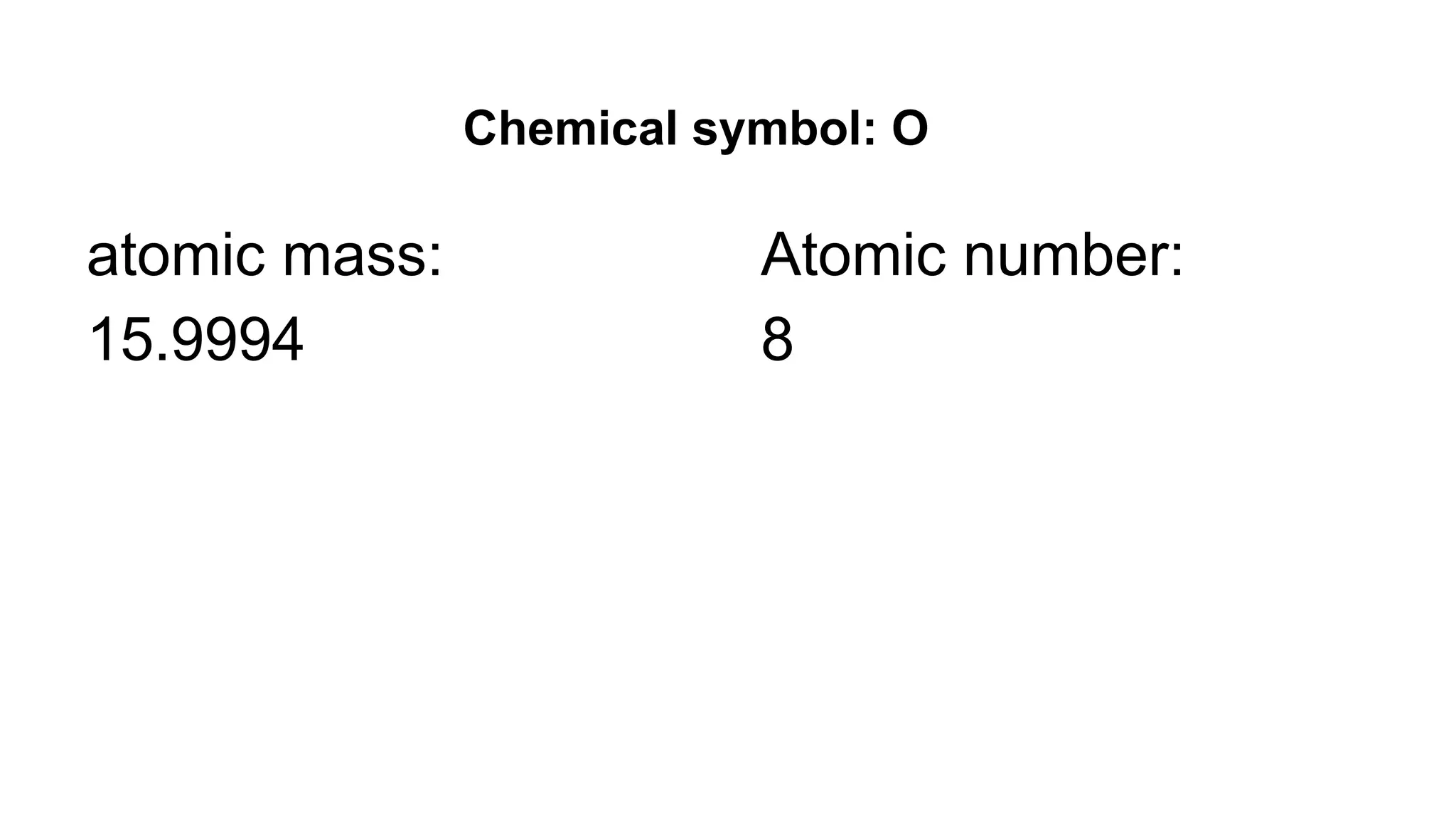
Chemical symbol: O
atomic mass:
15.9994
Atomic number:
8
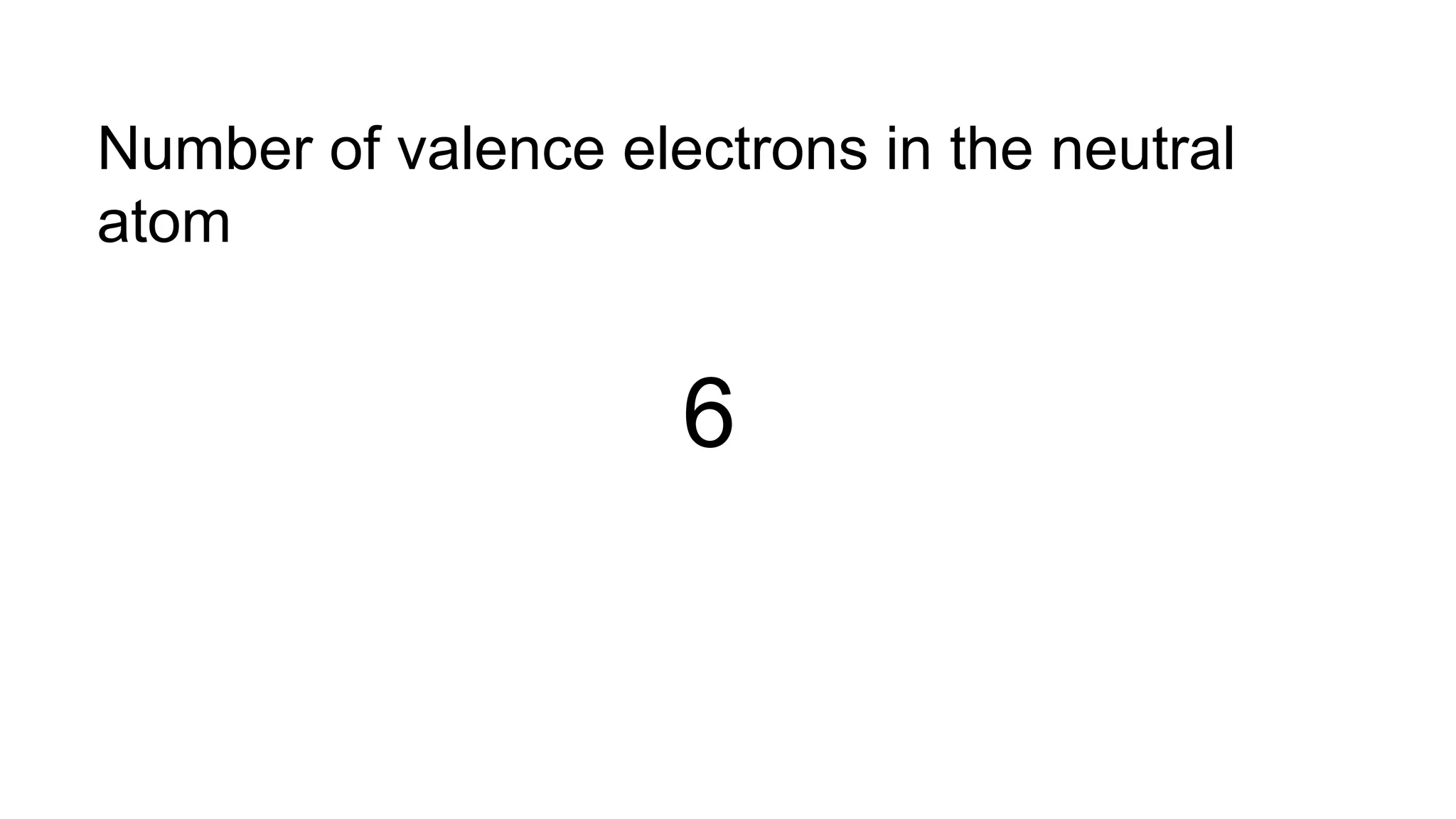
Number of valence electrons in the neutral
atom
6
oxygen is the 8th element on the periodic table
Similar elements:
Sulfur
Selenium
Tellurium
Polonium
Oxygen is commonly found in the atmosphere,
sun,and the ocean
Oxygen is commonly used in hospitals.
It is appropriate for this use because it destroys
bacteria.
Five compound oxygen can be found in:
water (h20) - naturally made
lithium oxide (li2o) - naturally made
hydrogen peroxide (h2o2) - naturally made
carbon dioxide (co2) - man made
oxygen difluoride (of2) - both man made &
naturally made
Oxygen was discovered in 1774 by Joseph Priestly & Carl
Wilhelm Scheele. Oxygen was discovered when Carl
Scheele was doing an experiment, he saw that red hot
manganese oxide could produce gas. Oxygen was then
identified as oxygen in 1775 when a different scientist did
more experiments.
Oxygen does not burn, but it does support
combustion in other substances.
THE END

4.06 presentation

  • 1.
    Physical Science 4.06 By:Jasmine Harrison
  • 2.
    oxygen Origin: From theGreek word oxus which mean acid and gennan which mean generate.
  • 3.
    Chemical symbol: O atomicmass: 15.9994 Atomic number: 8
  • 4.
    Number of valenceelectrons in the neutral atom 6
  • 5.
    oxygen is the8th element on the periodic table Similar elements: Sulfur Selenium Tellurium Polonium
  • 6.
    Oxygen is commonlyfound in the atmosphere, sun,and the ocean
  • 7.
    Oxygen is commonlyused in hospitals. It is appropriate for this use because it destroys bacteria.
  • 8.
    Five compound oxygencan be found in: water (h20) - naturally made lithium oxide (li2o) - naturally made hydrogen peroxide (h2o2) - naturally made carbon dioxide (co2) - man made oxygen difluoride (of2) - both man made & naturally made
  • 9.
    Oxygen was discoveredin 1774 by Joseph Priestly & Carl Wilhelm Scheele. Oxygen was discovered when Carl Scheele was doing an experiment, he saw that red hot manganese oxide could produce gas. Oxygen was then identified as oxygen in 1775 when a different scientist did more experiments.
  • 10.
    Oxygen does notburn, but it does support combustion in other substances.
  • 11.