OBJECTIVES: engage participants to activities that would develop their background about Botany, especially Plant Taxonomy; appreciate plant’s economic importance; and develop camaraderie among the participants.
 
PLANT TAXONOMY science that finds, describes, classifies, identifies and name plants Two goals are identification and classification of plants Plant identification  is the determination of the identity of an unknown plant.  Plant classification  is the placing of known plants into groups
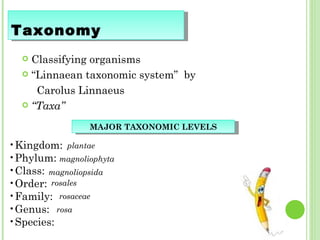
Classifying organisms “ Linnaean taxonomic system”  by  Carolus Linnaeus  “ Taxa” Taxonomy Kingdom: Phylum: Class: Order: Family: Genus: Species: MAJOR TAXONOMIC LEVELS plantae magnoliophyta magnoliopsida rosales  rosaceae rosa
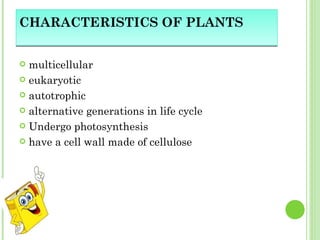
CHARACTERISTICS OF PLANTS multicellular  eukaryotic  autotrophic  alternative generations in life cycle Undergo photosynthesis have a cell wall made of cellulose
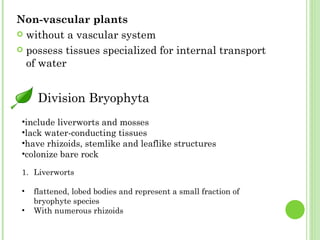
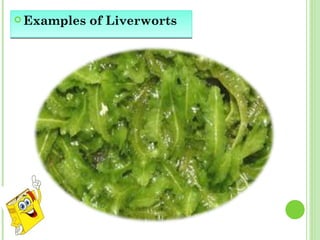
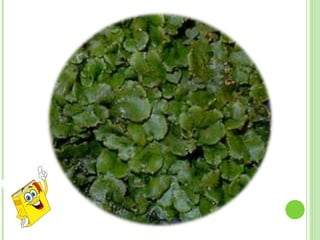
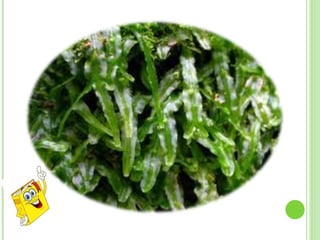
Non-vascular plants   without a vascular system possess tissues specialized for internal transport of water  Division Bryophyta include liverworts and mosses lack water-conducting tissues have rhizoids, stemlike and leaflike structures colonize bare rock Liverworts flattened, lobed bodies and represent a small fraction of bryophyte species With numerous rhizoids
Examples of Liverworts
 
 
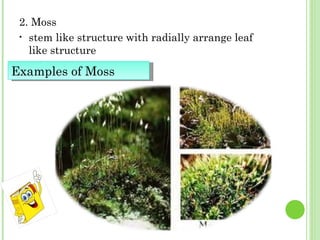
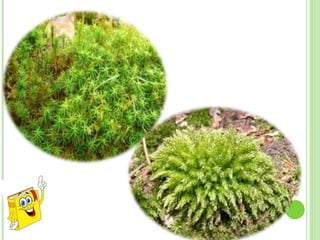
2. Moss stem like structure with radially arrange leaf like structure Examples of Moss
 
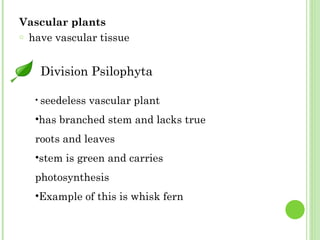
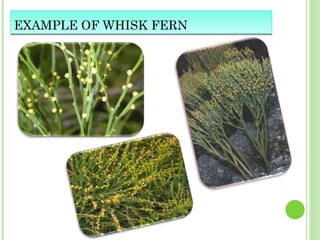
Vascular plants   have vascular tissue  Division Psilophyta seedeless vascular plant has branched stem and lacks true roots and leaves stem is green and carries photosynthesis Example of this is whisk fern
EXAMPLE OF WHISK FERN
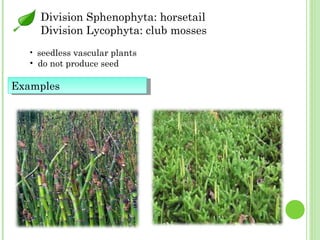
Division Sphenophyta: horsetail Division Lycophyta: club mosses seedless vascular plants  do not produce seed Examples
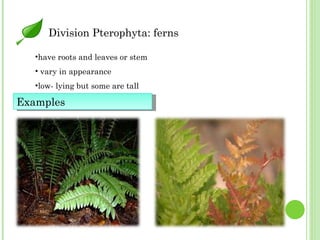
Division Pterophyta: ferns have roots and leaves or stem vary in appearance low- lying but some are tall Examples
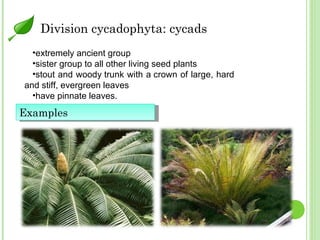
Division cycadophyta: cycads extremely ancient group sister group to all other living seed plants stout and woody trunk with a crown of large, hard and stiff, evergreen leaves have pinnate leaves.  Examples
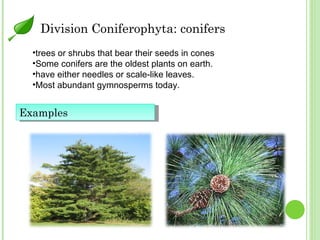
Division Coniferophyta: conifers trees or shrubs that bear their seeds in cones Some conifers are the oldest plants on earth. have either needles or scale-like leaves. Most abundant gymnosperms today. Examples
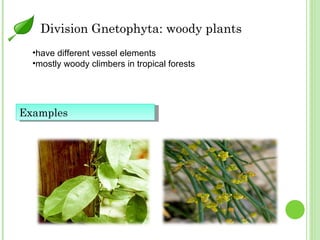
Division Gnetophyta: woody plants have different vessel elements mostly woody climbers in tropical forests Examples
 
MEMBERS: RAFAEL BUNGUALAN JR. FATIMA AGUILAR MELANIE BRION CLARICE JENN MALTO JETT ELAINE VENTURA

3 ustclsputaxonomy

  • 1.
  • 2.
    OBJECTIVES: engage participantsto activities that would develop their background about Botany, especially Plant Taxonomy; appreciate plant’s economic importance; and develop camaraderie among the participants.
  • 3.
  • 4.
    PLANT TAXONOMY sciencethat finds, describes, classifies, identifies and name plants Two goals are identification and classification of plants Plant identification is the determination of the identity of an unknown plant. Plant classification is the placing of known plants into groups
  • 5.
    Classifying organisms “Linnaean taxonomic system” by Carolus Linnaeus “ Taxa” Taxonomy Kingdom: Phylum: Class: Order: Family: Genus: Species: MAJOR TAXONOMIC LEVELS plantae magnoliophyta magnoliopsida rosales  rosaceae rosa
  • 6.
    CHARACTERISTICS OF PLANTSmulticellular  eukaryotic  autotrophic  alternative generations in life cycle Undergo photosynthesis have a cell wall made of cellulose
  • 7.
    Non-vascular plants  without a vascular system possess tissues specialized for internal transport of water Division Bryophyta include liverworts and mosses lack water-conducting tissues have rhizoids, stemlike and leaflike structures colonize bare rock Liverworts flattened, lobed bodies and represent a small fraction of bryophyte species With numerous rhizoids
  • 8.
  • 9.
  • 10.
  • 11.
    2. Moss stemlike structure with radially arrange leaf like structure Examples of Moss
  • 12.
  • 13.
    Vascular plants have vascular tissue Division Psilophyta seedeless vascular plant has branched stem and lacks true roots and leaves stem is green and carries photosynthesis Example of this is whisk fern
  • 14.
  • 15.
    Division Sphenophyta: horsetailDivision Lycophyta: club mosses seedless vascular plants do not produce seed Examples
  • 16.
    Division Pterophyta: fernshave roots and leaves or stem vary in appearance low- lying but some are tall Examples
  • 17.
    Division cycadophyta: cycadsextremely ancient group sister group to all other living seed plants stout and woody trunk with a crown of large, hard and stiff, evergreen leaves have pinnate leaves. Examples
  • 18.
    Division Coniferophyta: coniferstrees or shrubs that bear their seeds in cones Some conifers are the oldest plants on earth. have either needles or scale-like leaves. Most abundant gymnosperms today. Examples
  • 19.
    Division Gnetophyta: woodyplants have different vessel elements mostly woody climbers in tropical forests Examples
  • 20.
  • 21.
    MEMBERS: RAFAEL BUNGUALANJR. FATIMA AGUILAR MELANIE BRION CLARICE JENN MALTO JETT ELAINE VENTURA