Submitted by:Dr.Sunita Bhosle
Assistant Professor,
Department of Botany, Balbhim College,
Beed
 All living organisms in ecosystem are classified
into kingdoms and sub-kingdoms based on their
characteristics.
 Similarly plants are also classified into
different sub-kingdoms on basis of different
characters like geographically and botanically.
 Flowering plants encounters the most dominant
plant cover over the terrestrial world. There are
about more than 300, 000 known species of
flowering plants so far discovered of these
angiosperms are about 200,000 species under
more than 300 families and 12,500 genera. They
are of diversed habitat and form.
 To classify all the plants in one platform was not
easy job.
 Basic classification is based on life cycle like
annuals, biennials and perennials.
 Taxonomy is a system classifying plants based on
their genetic and evolutionary relationship.
 The main purpose of classifying plants is to ensure
that the right plants are correctly named, grouped
and identified.
 Different classification system were put forth by
different botanists and taxonomist.
 Some of the earlier systems of classification of
angiosperms were artificial systems, since they
used only certain superficial characteristics as the
basis.
 With more and more detailed study on the
morphological, physiological and reproductive
aspects of angiosperms, the artificial systems of
classifications were replaced by the natural
systems of classification.
George Bentham
1800-1884
Joseph Dalton Hooker
1817-1911
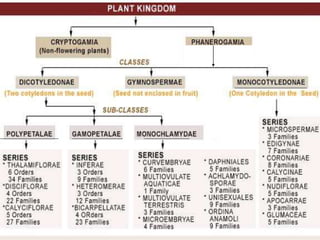
BENTHAM AND HOOKER’S
CLASSIFICATION SYSTEM (most accepeted)
 George Bentham and Joseph Dalton Hooker - Two
English taxonomists who were closely associated
with the Royal Botanical Garden at Kew, England
have given a detailed classification of plant
kingdom, particularly the angiosperms.
 They gave an most deserving system of classification
of phanerogams in their Genera Plantarum which
was published in three volumes between the years
1862 to 1883. It is a natural system of classification.
 They described 97,205 species of flowering plants
grouped into 202 orders (now recognised as
families).
 The system has the lead as the first great natural
system of classification, which is very easy to follow
and was fully up to the mark.
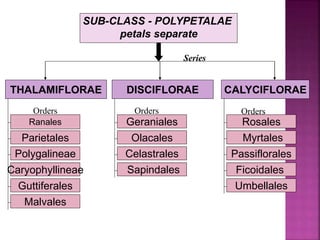
SUB-CLASS - POLYPETALAE
petals separate
THALAMIFLORAE DISCIFLORAE CALYCIFLORAE
Parietales
Polygalineae
Caryophyllineae
Guttiferales
Malvales
Ranales Geraniales
Olacales
Celastrales
Sapindales
Rosales
Myrtales
Passiflorales
Ficoidales
Umbellales
Series
Orders Orders Orders
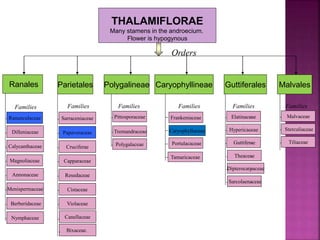
THALAMIFLORAE
Many stamens in the androecium.
Flower is hypogynous
Ranales
Ranunculaceae
Dilleniaceae
Calycanthaceae
Families
Parietales
Families
Polygalineae
Pittosporaceae
Tremandraceae
Polygalaceae
Families
Caryophyllineae Guttiferales
Elatinaceae
Hypericaceae
Guttiferae
Families Families
Malvales
Families
Sarraceniaceae
Papaveraceae
Cruciferae
Capparaceae
Resedaceae
Cistaceae
Violaceae
Frankeniaceae
Caryophyllaceae
Portulacaceae
Tamaricaceae
Malvaceae
Sterculiaceae
Tiliaceae
Annonaceae
Menispermaceae
Magnoliaceae
Berberidaceae
Nymphaceae Canellaceae
Bixaceae.
Theaceae
Dipterocarpaceae
Sarcolaenaceae
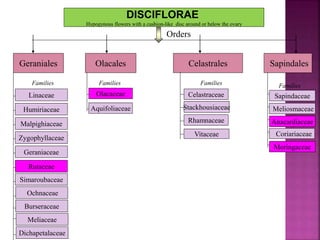
Orders
DISCIFLORAE
Hypogynous flowers with a cushion-like disc around or below the ovary
Olacales
Olacaceae
Aquifoliaceae
Families
Sapindales
Families
Sapindaceae
Meliosmaceae
Anacardiaceae
Celastrales
Families
Celastraceae
Stackhousiaceae
Rhamnaceae
Vitaceae
Dichapetalaceae
Geraniales
Families
Linaceae
Humiriaceae
Malpighiaceae
Zygophyllaceae
Geraniaceae
Rutaceae
Simaroubaceae
Ochnaceae
Burseraceae
Meliaceae
Coriariaceae
Moringaceae
Orders
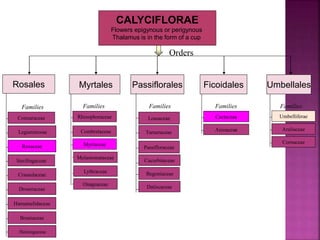
CALYCIFLORAE
Flowers epigynous or perigynous
Thalamus is in the form of a cup
Myrtales
Rhizophoraceae
Combretaceae
Myrtaceae
Families
Passiflorales
Families
Umbellales
Families
Umbelliferae
Araliaceae
Cornaceae
Rosales
Connaraceae
Leguminosae
Rosaceae
Families
Crassulaceae
Droseraceae
Saxifragaceae
Hamamelidaceae
Bruniaceae
Loasaceae
Turneraceae
Passifloraceae
Cucurbitaceae
Ficoidales
Cactaceae
Aizoaceae
Families
Haloragaceae
Melastomataceae
Lythraceae
Onagraceae
Begoniaceae
Datiscaceae
Orders
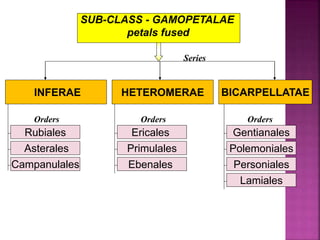
SUB-CLASS - GAMOPETALAE
petals fused
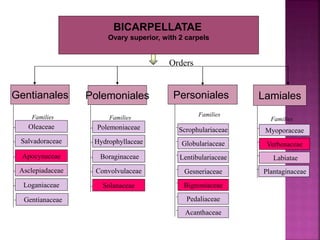
INFERAE HETEROMERAE BICARPELLATAE
Rubiales
Asterales
Campanulales
Ericales
Primulales
Ebenales
Gentianales
Polemoniales
Personiales
Lamiales
Orders Orders Orders
Series
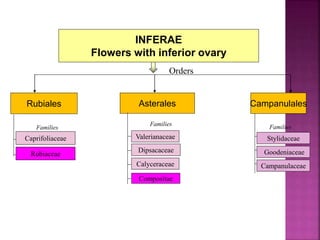
INFERAE
Flowers with inferior ovary
Campanulales
Families
Stylidaceae
Goodeniaceae
Campanulaceae
Asterales
Families
Valerianaceae
Dipsacaceae
Calyceraceae
Compositae
Rubiales
Families
Caprifoliaceae
Rubiaceae
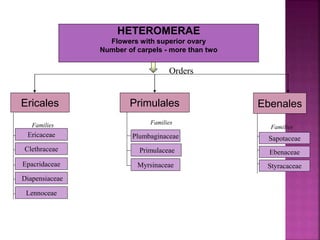
Orders
HETEROMERAE
Flowers with superior ovary
Number of carpels - more than two
Ebenales
Families
Sapotaceae
Ebenaceae
Styracaceae
Primulales
Families
Plumbaginaceae
Primulaceae
Myrsinaceae
Ericales
Families
Ericaceae
Clethraceae
Epacridaceae
Diapensiaceae
Lennoceae
Orders
BICARPELLATAE
Ovary superior, with 2 carpels
Lamiales
Families
Myoporaceae
Verbenaceae
Labiatae
Personiales
Families
Gentianales
Families
Oleaceae
Salvadoraceae
Apocynaceae
Asclepiadaceae
Loganiaceae
Polemoniales
Families
Polemoniaceae
Hydrophyllaceae
Boraginaceae
Convolvulaceae
Solanaceae
Gentianaceae
Scrophulariaceae
Globulariaceae
Lentibulariaceae
Gesneriaceae
Bignoniaceae
Pedaliaceae
Acanthaceae
Plantaginaceae
Orders
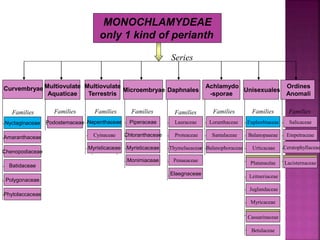
MONOCHLAMYDEAE
only 1 kind of perianth
Curvembryae
Nyctaginaceae
Amaranthaceae
Chenopodiaceae
Families
Multiovulate
Aquaticae
Multiovulate
Terrestris
Podostemaceae Nepenthaceae
Cyinaceae
Myristicaceae
Families Families
Microembryae
Piperaceae
Chloranthaceae
Myristicaceae
Monimiaceae
Families
Achlamydo
-sporae
Unisexuales
Loranthaceae
Santalaceae
Balanophoraceae
Euphorbiaceae
Balanopaceae
Urticaceae
FicoidalesPlatanaceae
Families Families
Ordines
Anomali
Salicaceae
Empetraceae
Ceratophyllaceae
FicoidalesLacisternaceae
Families
Daphnales
Lauraceae
Proteaceae
Thymelaeaceae
Penaeaceae
Families
Batidaceae
Polygonaceae
Phytolaccaceae
Elaegnaceae Leitneriaceae
Juglandaceae
Myricaceae
ficoidalesCasuarinaceae
Betulaceae
Series
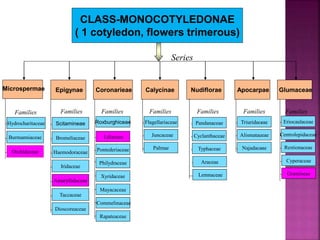
CLASS-MONOCOTYLEDONAE
( 1 cotyledon, flowers trimerous)
Microspermae
Hydrocharitaceae
Burmanniaceae
Orchidaceae
Families
Epigynae
Families
Coronarieae
Roxburghiceae
Liliaceae
Pontederiaceae
Xyridaceae
Families
Nudiflorae Apocarpae
Pandanaceae
Cyclanthaceae
Typhaceae
Triuridaceae
Alismataceae
Najadaceae
Families Families
Glumaceae
Families
Calycinae
Flagellariaceae
Juncaceae
Palmae
Families
Scitamineae
Bromeliaceae
Haemodoraceae
Iridaceae
Amaryllidaceae
Taccaceae
Dioscoreaceae
Philydraceae
Commelinaceae
Mayacaceae
Rapateaceae
Araceae
Lemnaceae
Eriocaulaceae
Centrolepidaceae
Restionaceae
Cyperaceae
Gramineae
Series
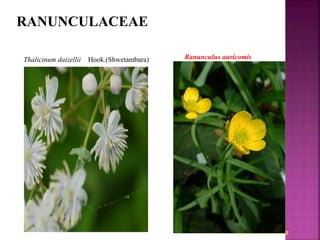
RANUNCULACEAE
Ranunculus laetus
Thalicinum daizellii Hook.(Shwetambara) Ranunculus auricomis
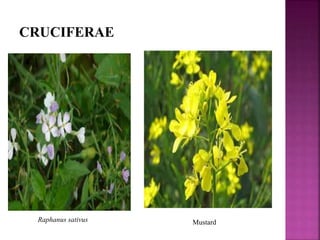
CRUCIFERAE
Raphanus sativus Mustard
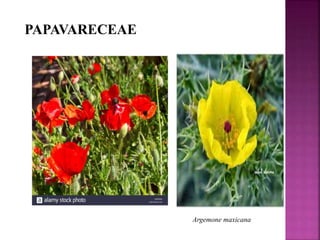
PAPAVARECEAE
Argemone maxicana
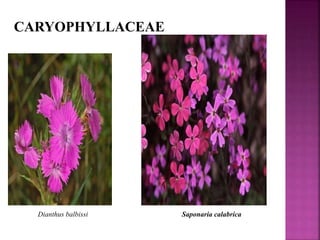
CARYOPHYLLACEAE
Dianthus balbissi Saponaria calabrica
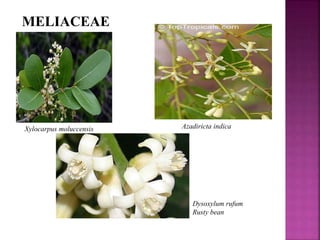
MELIACEAE
Xylocarpus moluccensis Azadiricta indica
Dysoxylum rufum
Rusty bean
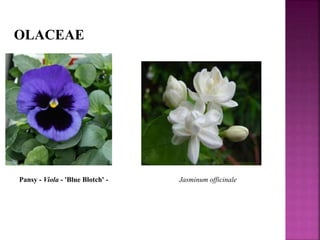
OLACEAE
Pansy - Viola - 'Blue Blotch' - Jasminum officinale
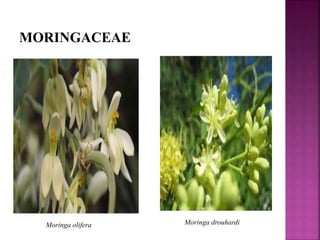
MORINGACEAE
Moringa olifera Moringa drouhardi
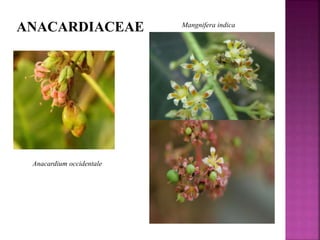
ANACARDIACEAE
Anacardium occidentale
Mangnifera indica
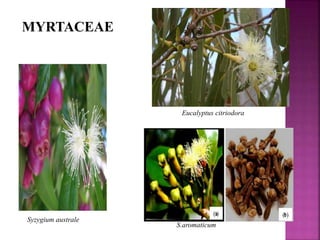
MYRTACEAE
Syzygium australe
S.aromaticum
Eucalyptus citriodora
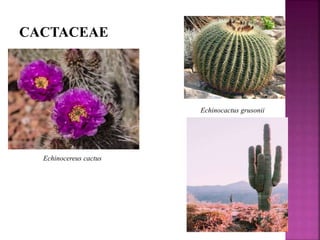
CACTACEAE
Echinocactus grusonii
Echinocereus cactus
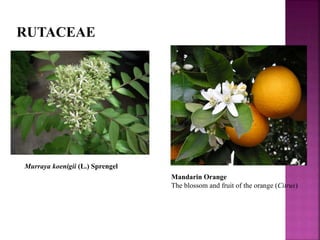
RUTACEAE
Murraya koenigii (L.) Sprengel
Mandarin Orange
The blossom and fruit of the orange (Citrus)
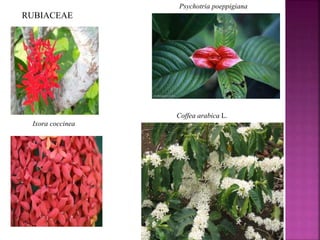
RUBIACEAE
Ixora coccinea
Psychotria poeppigiana
Coffea arabica L.
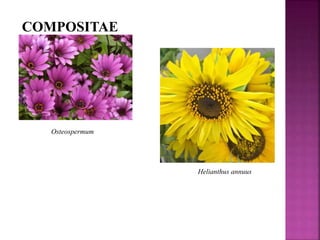
COMPOSITAE
Osteospermum
Helianthus annuus
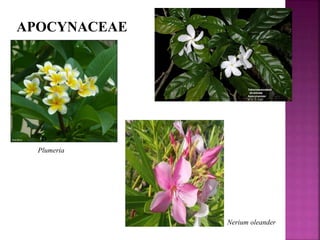
APOCYNACEAE
Plumeria
Nerium oleander
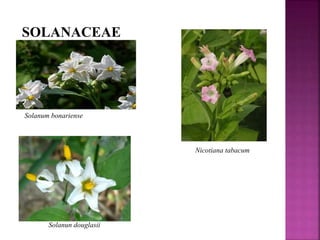
SOLANACEAE
Solanum bonariense
Nicotiana tabacum
Solanun douglasii
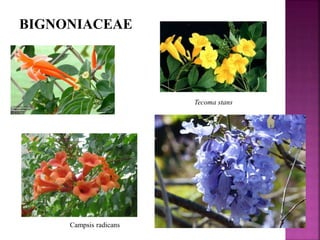
BIGNONIACEAE
Tecoma stans
Campsis radicans
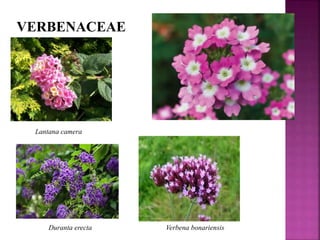
VERBENACEAE
Lantana camera
Duranta erecta Verbena bonariensis
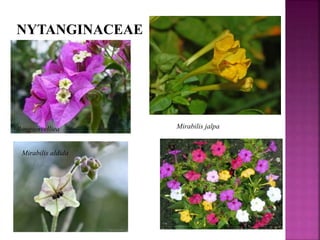
NYTANGINACEAE
Bougainvelliea Mirabilis jalpa
Mirabilis aldida
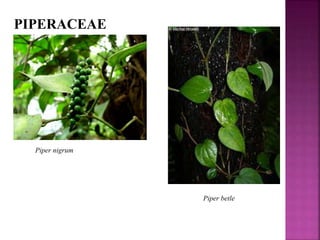
PIPERACEAE
Piper nigrum
Piper betle
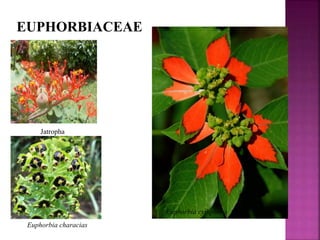
EUPHORBIACEAE
Jatropha
Euphorbia cythphora
Euphorbia characias
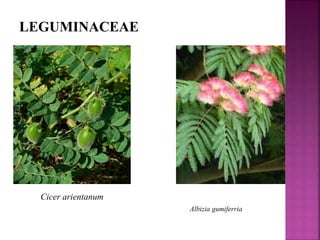
LEGUMINACEAE
Cicer arientanum
Albizia gumiferria
ORCHIDACEAE
Zygopetalum
Vanilla bean
Spthoglothis plicata
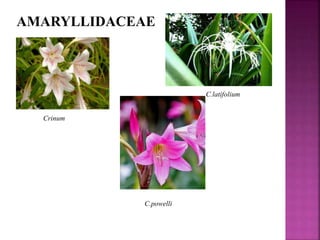
AMARYLLIDACEAE
Crinum
C.latifolium
C.powelli
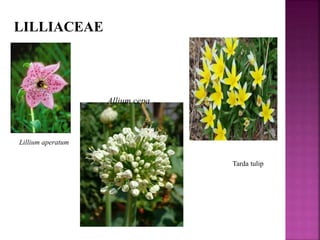
Lillium aperatum
Tarda tulip
LILLIACEAE
Allium cepa
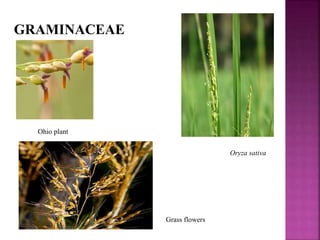
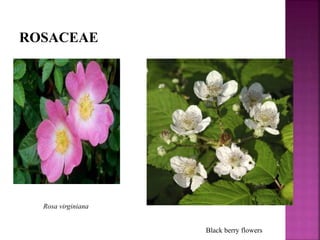
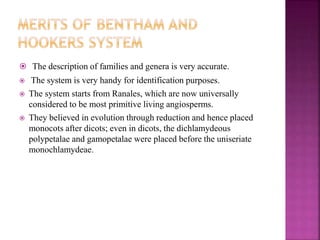
GRAMINACEAE
Ohio plant
Oryza sativa
Grass flowers
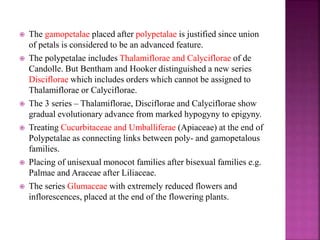
ROSACEAE
Black berry flowers
Rosa virginiana
 The description of families and genera is very accurate.
 The system is very handy for identification purposes.
 The system starts from Ranales, which are now universally
considered to be most primitive living angiosperms.
 They believed in evolution through reduction and hence placed
monocots after dicots; even in dicots, the dichlamydeous
polypetalae and gamopetalae were placed before the uniseriate
monochlamydeae.
 The gamopetalae placed after polypetalae is justified since union
of petals is considered to be an advanced feature.
 The polypetalae includes Thalamiflorae and Calyciflorae of de
Candolle. But Bentham and Hooker distinguished a new series
Disciflorae which includes orders which cannot be assigned to
Thalamiflorae or Calyciflorae.
 The 3 series – Thalamiflorae, Disciflorae and Calyciflorae show
gradual evolutionary advance from marked hypogyny to epigyny.
 Treating Cucurbitaceae and Umballiferae (Apiaceae) at the end of
Polypetalae as connecting links between poly- and gamopetalous
families.
 Placing of unisexual monocot families after bisexual families e.g.
Palmae and Araceae after Liliaceae.
 The series Glumaceae with extremely reduced flowers and
inflorescences, placed at the end of the flowering plants.
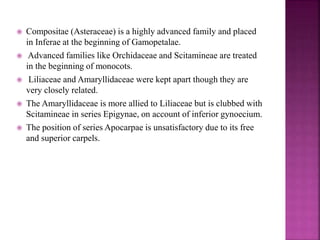
 Compositae (Asteraceae) is a highly advanced family and placed
in Inferae at the beginning of Gamopetalae.
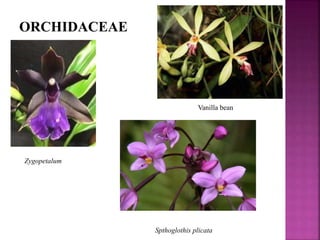
 Advanced families like Orchidaceae and Scitamineae are treated
in the beginning of monocots.
 Liliaceae and Amaryllidaceae were kept apart though they are
very closely related.
 The Amaryllidaceae is more allied to Liliaceae but is clubbed with
Scitamineae in series Epigynae, on account of inferior gynoecium.
 The position of series Apocarpae is unsatisfactory due to its free
and superior carpels.
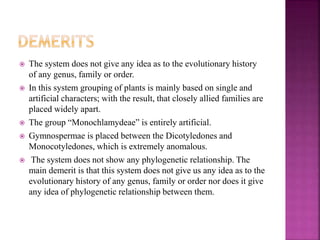
 The system does not give any idea as to the evolutionary history
of any genus, family or order.
 In this system grouping of plants is mainly based on single and
artificial characters; with the result, that closely allied families are
placed widely apart.
 The group “Monochlamydeae” is entirely artificial.
 Gymnospermae is placed between the Dicotyledones and
Monocotyledones, which is extremely anomalous.
 The system does not show any phylogenetic relationship. The
main demerit is that this system does not give us any idea as to the
evolutionary history of any genus, family or order nor does it give
any idea of phylogenetic relationship between them.
THANK YOU