PRIVACY,
TERRITORIALITY,
DEFENSIBILE SPACES
PERSONAL SPACE
• invisible boundary surrounding
the person’s body into which
intruders may not come
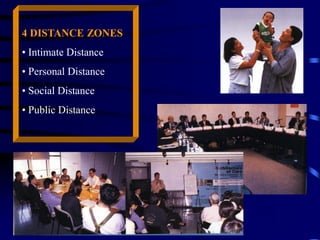
4 DISTANCE ZONES
• Intimate Distance
• Personal Distance
• Social Distance
• Public Distance
PRIVACY
• the ability of an individual or groups
of individuals to control their visual,
auditory, olfactory interactions with
others
• the ability to have options and to
achieve desired level of interactions
KINDS OF PRIVACY
Solitude: state of being free from
observation by others
Intimacy: state of being with another person
but free from the outside world
Anonymity: state of being unknown even in
a crowd
Reserve: state in which a person employs
psychological barriers to control unwanted
intrusions
CROWDING
• associated with a feeling of lack of
control over the environment
• leads to negative behavior because
they are related to social overload
• results from overmanning of
behavior settings
DESIGN IMPLICATIONS
• need for privacy greater for
introverts than for extroverts
• extroverts like contrast with the
environment
• introverts like courtyards
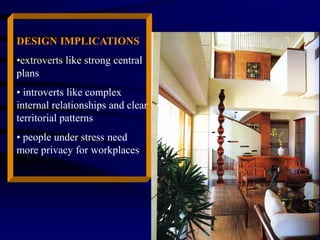
DESIGN IMPLICATIONS
•extroverts like strong central
plans
• introverts like complex
internal relationships and clear
territorial patterns
• people under stress need
more privacy for workplaces
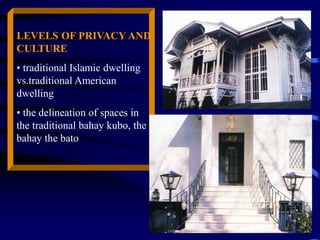
LEVELS OF PRIVACY AND
CULTURE
• traditional Islamic dwelling
vs.traditional American
dwelling
• the delineation of spaces in
the traditional bahay kubo, the
bahay the bato
LEVELS OF PRIVACY AND
CLIMATE
• trade-offs between privacy and
comfort
• physiological comfort vs.
cultural requirements
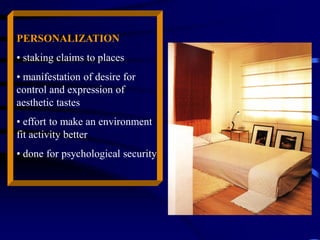
PERSONALIZATION
• staking claims to places
• manifestation of desire for
control and expression of
aesthetic tastes
• effort to make an environment
fit activity better
• done for psychological security
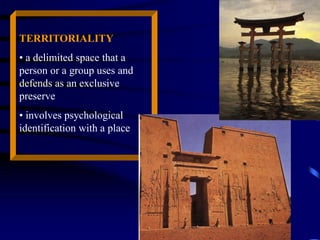
TERRITORIALITY
• a delimited space that a
person or a group uses and
defends as an exclusive
preserve
• involves psychological
identification with a place
BASIC CHARACTERISTICS
OF TERRITORIES
• ownership of and rights to a place
• personalization of marking of an
area
• defense against intrusions
• serve functions ranging from
physiological to self-actualization
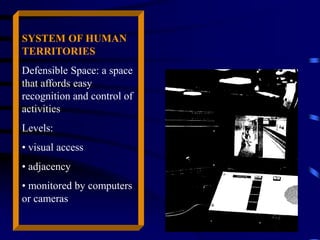
SYSTEM OF HUMAN
TERRITORIES
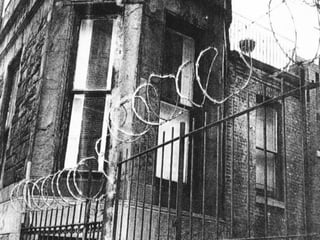
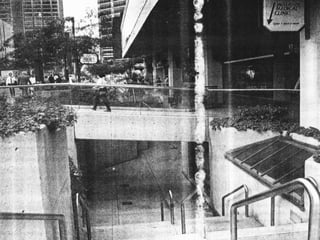
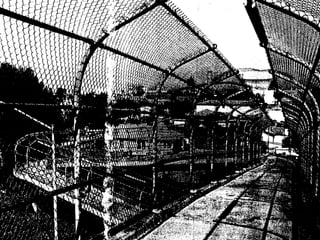
Defensible Space: a space
that affords easy
recognition and control of
activities
Levels:
• visual access
• adjacency
• monitored by computers
or cameras
TERRITORIAL VARIATION
as a factor of:
• social class
• civil status
• religion
SOFT ARCHITECTURE
• the building or environment
can be personalized without
damage to them or without
difficult surgery
08 privacy, territoriality, defensible space

08 privacy, territoriality, defensible space

  • 1.
  • 2.
    PERSONAL SPACE • invisibleboundary surrounding the person’s body into which intruders may not come
  • 3.
    4 DISTANCE ZONES •Intimate Distance • Personal Distance • Social Distance • Public Distance
  • 5.
    PRIVACY • the abilityof an individual or groups of individuals to control their visual, auditory, olfactory interactions with others • the ability to have options and to achieve desired level of interactions
  • 6.
    KINDS OF PRIVACY Solitude:state of being free from observation by others Intimacy: state of being with another person but free from the outside world Anonymity: state of being unknown even in a crowd Reserve: state in which a person employs psychological barriers to control unwanted intrusions
  • 8.
    CROWDING • associated witha feeling of lack of control over the environment • leads to negative behavior because they are related to social overload • results from overmanning of behavior settings
  • 9.
    DESIGN IMPLICATIONS • needfor privacy greater for introverts than for extroverts • extroverts like contrast with the environment • introverts like courtyards
  • 12.
    DESIGN IMPLICATIONS •extroverts likestrong central plans • introverts like complex internal relationships and clear territorial patterns • people under stress need more privacy for workplaces
  • 14.
    LEVELS OF PRIVACYAND CULTURE • traditional Islamic dwelling vs.traditional American dwelling • the delineation of spaces in the traditional bahay kubo, the bahay the bato
  • 15.
    LEVELS OF PRIVACYAND CLIMATE • trade-offs between privacy and comfort • physiological comfort vs. cultural requirements
  • 16.
    PERSONALIZATION • staking claimsto places • manifestation of desire for control and expression of aesthetic tastes • effort to make an environment fit activity better • done for psychological security
  • 18.
    TERRITORIALITY • a delimitedspace that a person or a group uses and defends as an exclusive preserve • involves psychological identification with a place
  • 21.
    BASIC CHARACTERISTICS OF TERRITORIES •ownership of and rights to a place • personalization of marking of an area • defense against intrusions • serve functions ranging from physiological to self-actualization
  • 22.
    SYSTEM OF HUMAN TERRITORIES DefensibleSpace: a space that affords easy recognition and control of activities Levels: • visual access • adjacency • monitored by computers or cameras
  • 26.
    TERRITORIAL VARIATION as afactor of: • social class • civil status • religion
  • 27.
    SOFT ARCHITECTURE • thebuilding or environment can be personalized without damage to them or without difficult surgery