• Reading Intervention Programs
• Remedial Reading Programs
• Corrective Reading Programs
Reading
Intervention
 program is one that hinders or alters the action of
reading failure by preventing it from occurring
or stopping it if it has already started.
 Students who participate in intervention
programs attain the goal of reading or the
program is discontinued and other alternatives
are considered (Hiebert & Taylor, 1994).
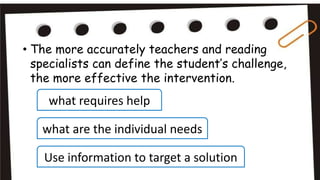
• The more accurately teachers and reading
specialists can define the student’s challenge,
the more effective the intervention.
what are the individual needs
what requires help
Use information to target a solution
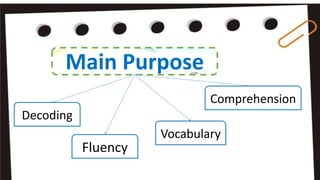
Main Purpose
Decoding
Fluency
Comprehension
Vocabulary
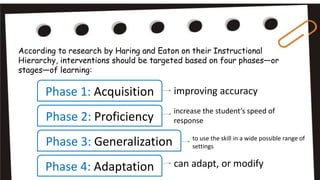
According to research by Haring and Eaton on their Instructional
Hierarchy, interventions should be targeted based on four phases—or
stages—of learning:
Phase 1: Acquisition
Phase 2: Proficiency
Phase 3: Generalization
Phase 4: Adaptation
improving accuracy
increase the student’s speed of
response
to use the skill in a wide possible range of
settings
can adapt, or modify
Reading Intervention
Programs
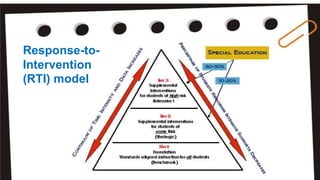
Response-to-
Intervention
(RTI) model
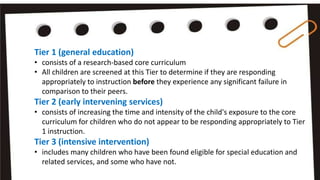
Tier 1 (general education)
• consists of a research-based core curriculum
• All children are screened at this Tier to determine if they are responding
appropriately to instruction before they experience any significant failure in
comparison to their peers.
Tier 2 (early intervening services)
• consists of increasing the time and intensity of the child's exposure to the core
curriculum for children who do not appear to be responding appropriately to Tier
1 instruction.
Tier 3 (intensive intervention)
• includes many children who have been found eligible for special education and
related services, and some who have not.
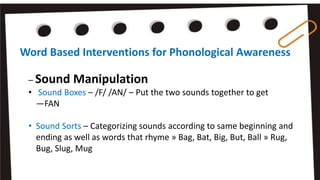
Word Based Interventions for Phonological Awareness
– Sound Manipulation
• Sound Boxes – /F/ /AN/ – Put the two sounds together to get
―FAN‖
• Sound Sorts – Categorizing sounds according to same beginning and
ending as well as words that rhyme » Bag, Bat, Big, But, Ball » Rug,
Bug, Slug, Mug
Flashcard drill
• Given sight words, told to go until time runs out, and then go
back and explain missed cards. Repeat
Incremental Rehearsal
• 10 unknown words, nine known words. Known words are shown,
then given 1 unknown word, and repeat showing nine known words
again and a new unknown word until all 10 words have been gone
through
Word Based Interventions for Fluency
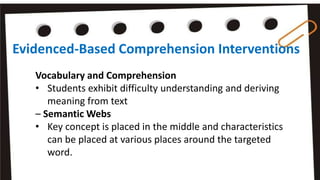
Evidenced-Based Comprehension Interventions
Vocabulary and Comprehension
• Students exhibit difficulty understanding and deriving
meaning from text
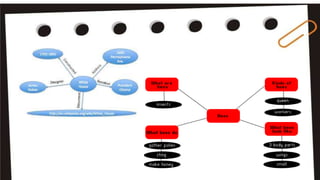
– Semantic Webs
• Key concept is placed in the middle and characteristics
can be placed at various places around the targeted
word.
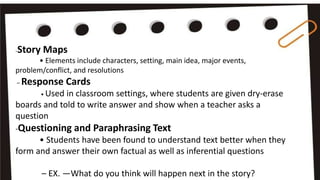
-Story Maps
• Elements include characters, setting, main idea, major events,
problem/conflict, and resolutions
– Response Cards
• Used in classroom settings, where students are given dry-erase
boards and told to write answer and show when a teacher asks a
question
-Questioning and Paraphrasing Text
• Students have been found to understand text better when they
form and answer their own factual as well as inferential questions
– EX. ―What do you think will happen next in the story?
Foorman and Moats (2004) summarized pertinent
findings regarding early reading intervention. These are:
1.Both explicit instruction in the alphabetic principle and
reading with comprehension should be incorporated.
2.Small-group instruction is as effective as one-on-one.
3.Skilled para-professionals work as well as teachers.
4.Grade 1 and 2 interventions are more efficient than
those implemented in later grades.
How do I evaluate programs?
Should:
1. Be adaptable to the students needs as identified by
assessment
2. Include alphabetic knowledge, phonemic awareness,
vocabulary development, and the reading of text as well as
systematic phonics instruction
3. Help teachers explicitly and systematically instruct students in
• how to relate letters and sounds
• how to break spoken words in to sounds
• and how to blend sounds to form words
The End

Reading Intervention

  • 1.
    • Reading InterventionPrograms • Remedial Reading Programs • Corrective Reading Programs
  • 2.
  • 3.
     program isone that hinders or alters the action of reading failure by preventing it from occurring or stopping it if it has already started.  Students who participate in intervention programs attain the goal of reading or the program is discontinued and other alternatives are considered (Hiebert & Taylor, 1994).
  • 4.
    • The moreaccurately teachers and reading specialists can define the student’s challenge, the more effective the intervention. what are the individual needs what requires help Use information to target a solution
  • 5.
  • 6.
    According to researchby Haring and Eaton on their Instructional Hierarchy, interventions should be targeted based on four phases—or stages—of learning: Phase 1: Acquisition Phase 2: Proficiency Phase 3: Generalization Phase 4: Adaptation improving accuracy increase the student’s speed of response to use the skill in a wide possible range of settings can adapt, or modify
  • 7.
  • 8.
  • 9.
    Tier 1 (generaleducation) • consists of a research-based core curriculum • All children are screened at this Tier to determine if they are responding appropriately to instruction before they experience any significant failure in comparison to their peers. Tier 2 (early intervening services) • consists of increasing the time and intensity of the child's exposure to the core curriculum for children who do not appear to be responding appropriately to Tier 1 instruction. Tier 3 (intensive intervention) • includes many children who have been found eligible for special education and related services, and some who have not.
  • 10.
    Word Based Interventionsfor Phonological Awareness – Sound Manipulation • Sound Boxes – /F/ /AN/ – Put the two sounds together to get ―FAN‖ • Sound Sorts – Categorizing sounds according to same beginning and ending as well as words that rhyme » Bag, Bat, Big, But, Ball » Rug, Bug, Slug, Mug
  • 11.
    Flashcard drill • Givensight words, told to go until time runs out, and then go back and explain missed cards. Repeat Incremental Rehearsal • 10 unknown words, nine known words. Known words are shown, then given 1 unknown word, and repeat showing nine known words again and a new unknown word until all 10 words have been gone through Word Based Interventions for Fluency
  • 12.
    Evidenced-Based Comprehension Interventions Vocabularyand Comprehension • Students exhibit difficulty understanding and deriving meaning from text – Semantic Webs • Key concept is placed in the middle and characteristics can be placed at various places around the targeted word.
  • 14.
    -Story Maps • Elementsinclude characters, setting, main idea, major events, problem/conflict, and resolutions – Response Cards • Used in classroom settings, where students are given dry-erase boards and told to write answer and show when a teacher asks a question -Questioning and Paraphrasing Text • Students have been found to understand text better when they form and answer their own factual as well as inferential questions – EX. ―What do you think will happen next in the story?
  • 15.
    Foorman and Moats(2004) summarized pertinent findings regarding early reading intervention. These are: 1.Both explicit instruction in the alphabetic principle and reading with comprehension should be incorporated. 2.Small-group instruction is as effective as one-on-one. 3.Skilled para-professionals work as well as teachers. 4.Grade 1 and 2 interventions are more efficient than those implemented in later grades.
  • 16.
    How do Ievaluate programs? Should: 1. Be adaptable to the students needs as identified by assessment 2. Include alphabetic knowledge, phonemic awareness, vocabulary development, and the reading of text as well as systematic phonics instruction 3. Help teachers explicitly and systematically instruct students in • how to relate letters and sounds • how to break spoken words in to sounds • and how to blend sounds to form words
  • 17.