Endocarditis 
By – Mr. Rahul P Kshirsagar M.Pharm (Ph.D) 
Assistant Professor 
Dept. of Pharmacology 
School of Pharmacy, Anurag Group of Institutions
Contents of Lecture 
 Endocarditis 
 Definitions 
 Epidemiology 
 Pathogenesis 
 Clinical Presentations 
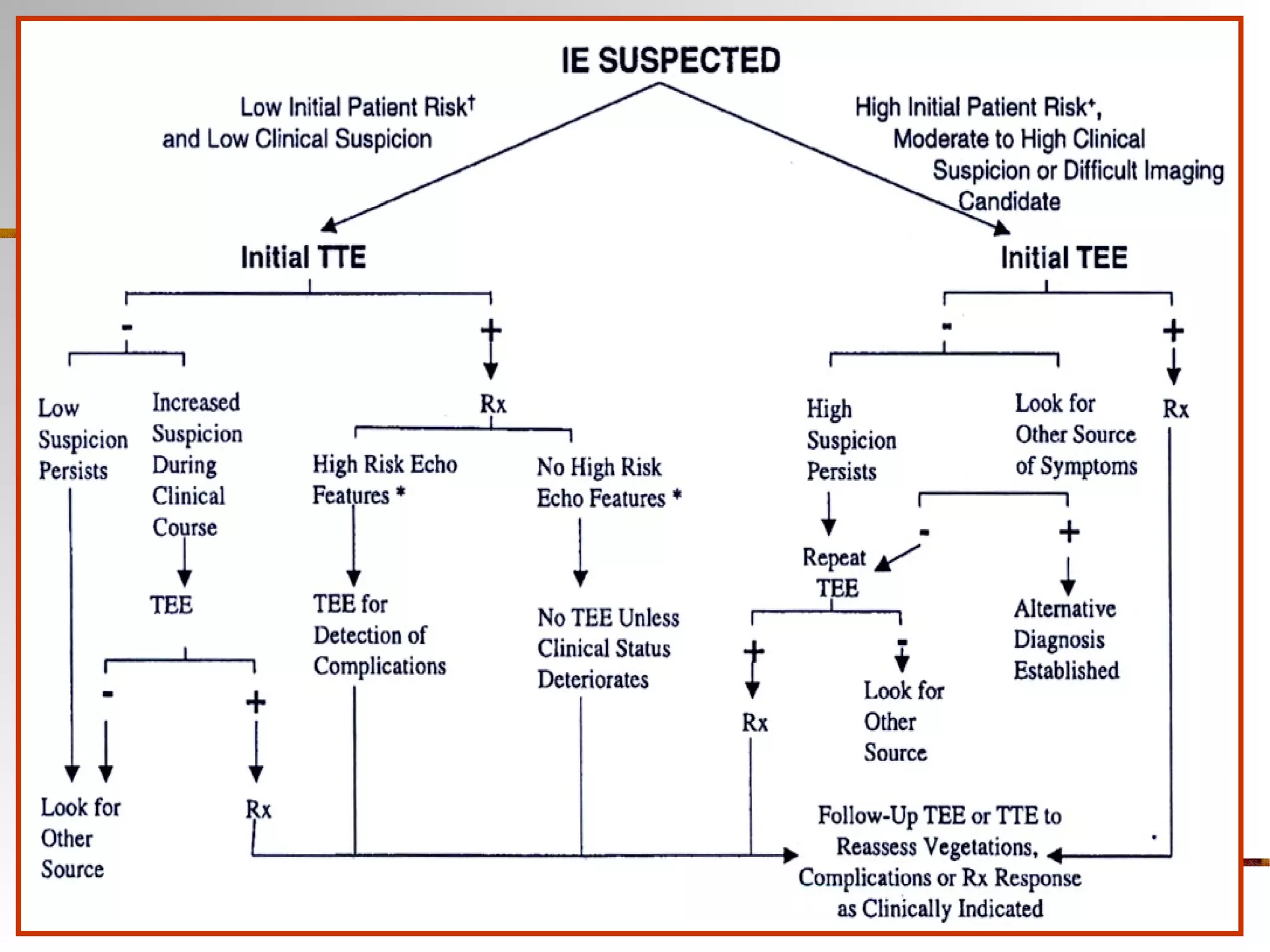
 Diagnosis 
 Complications/Mortality
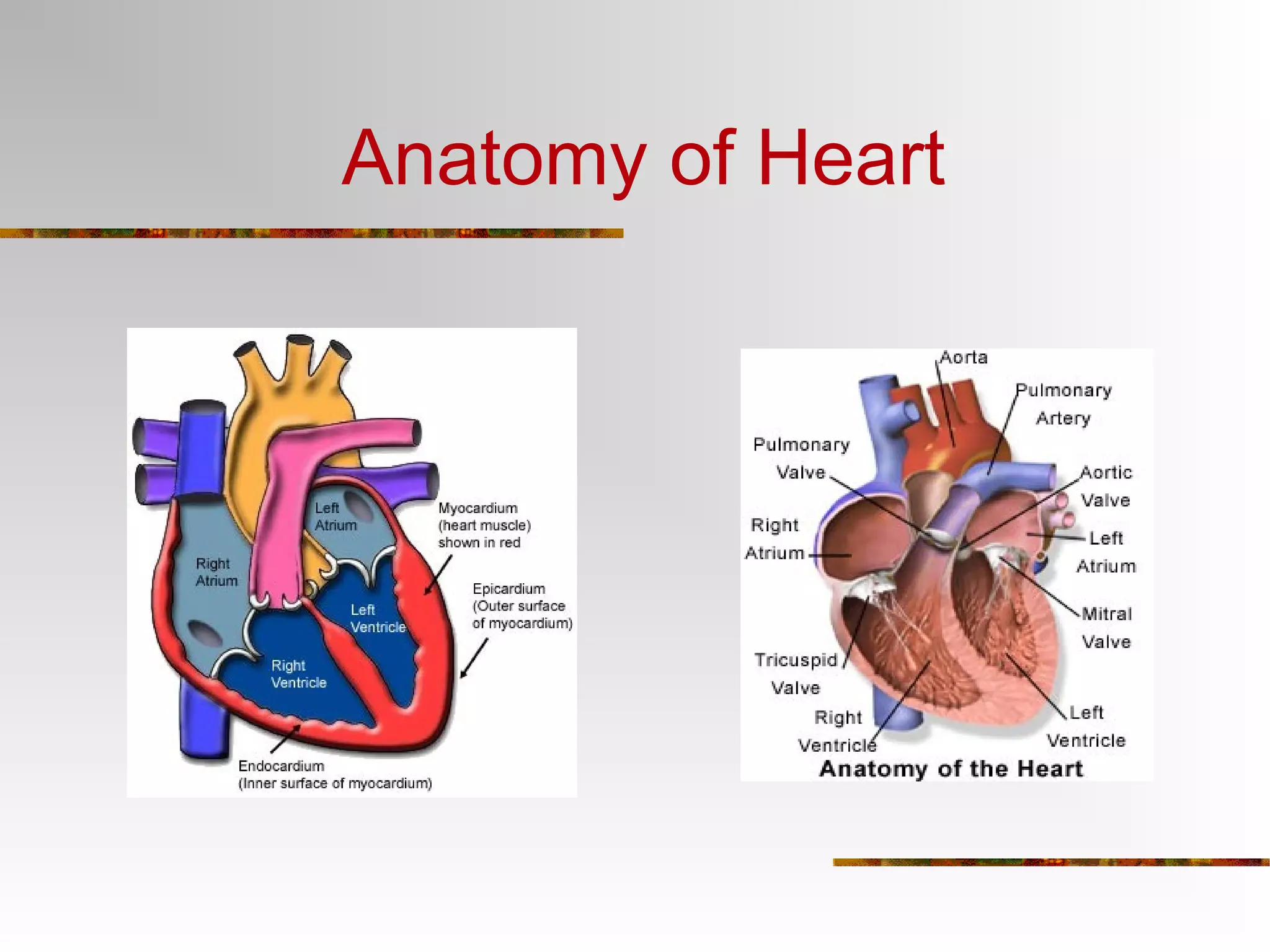
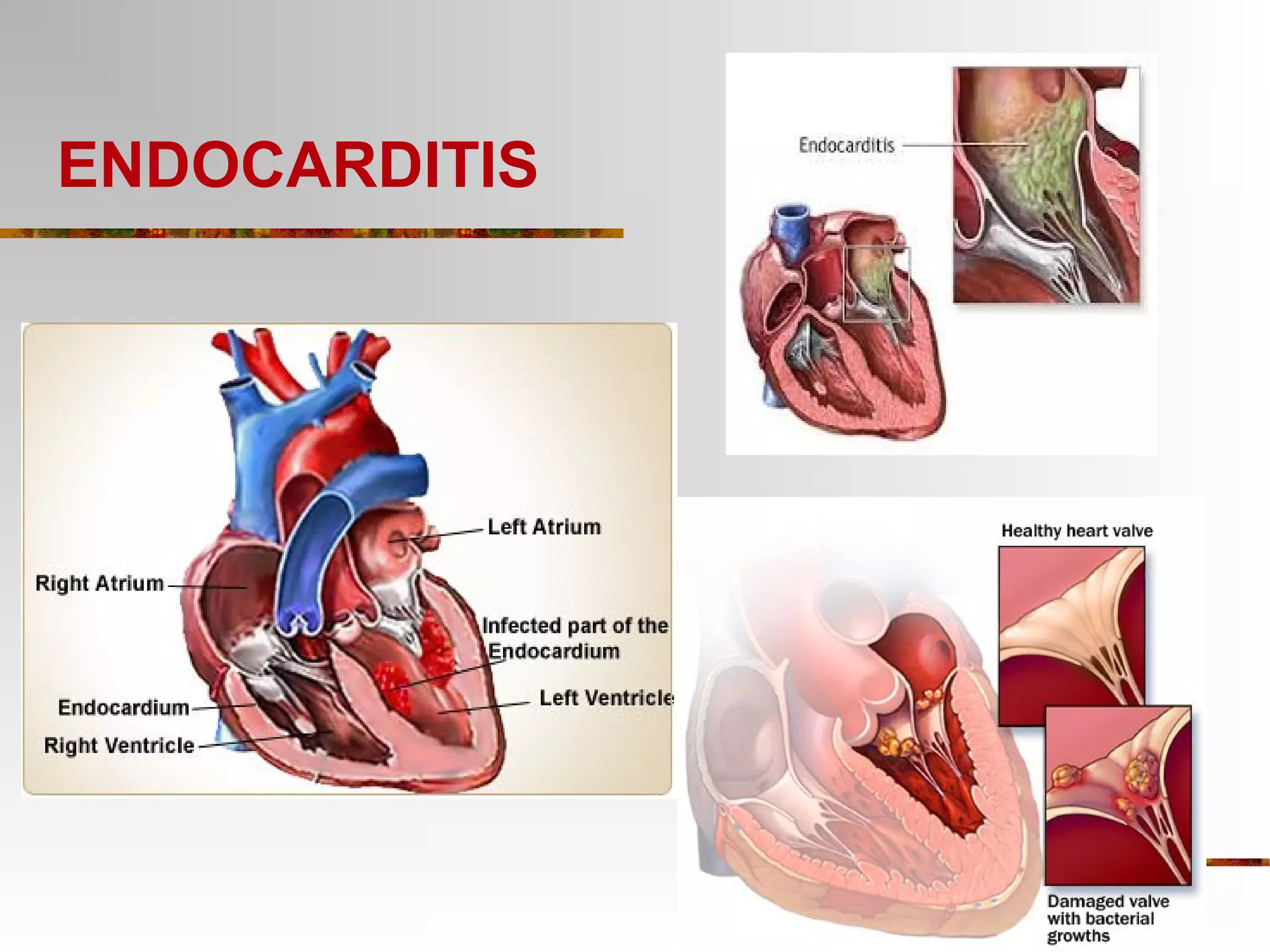
Anatomy of Heart
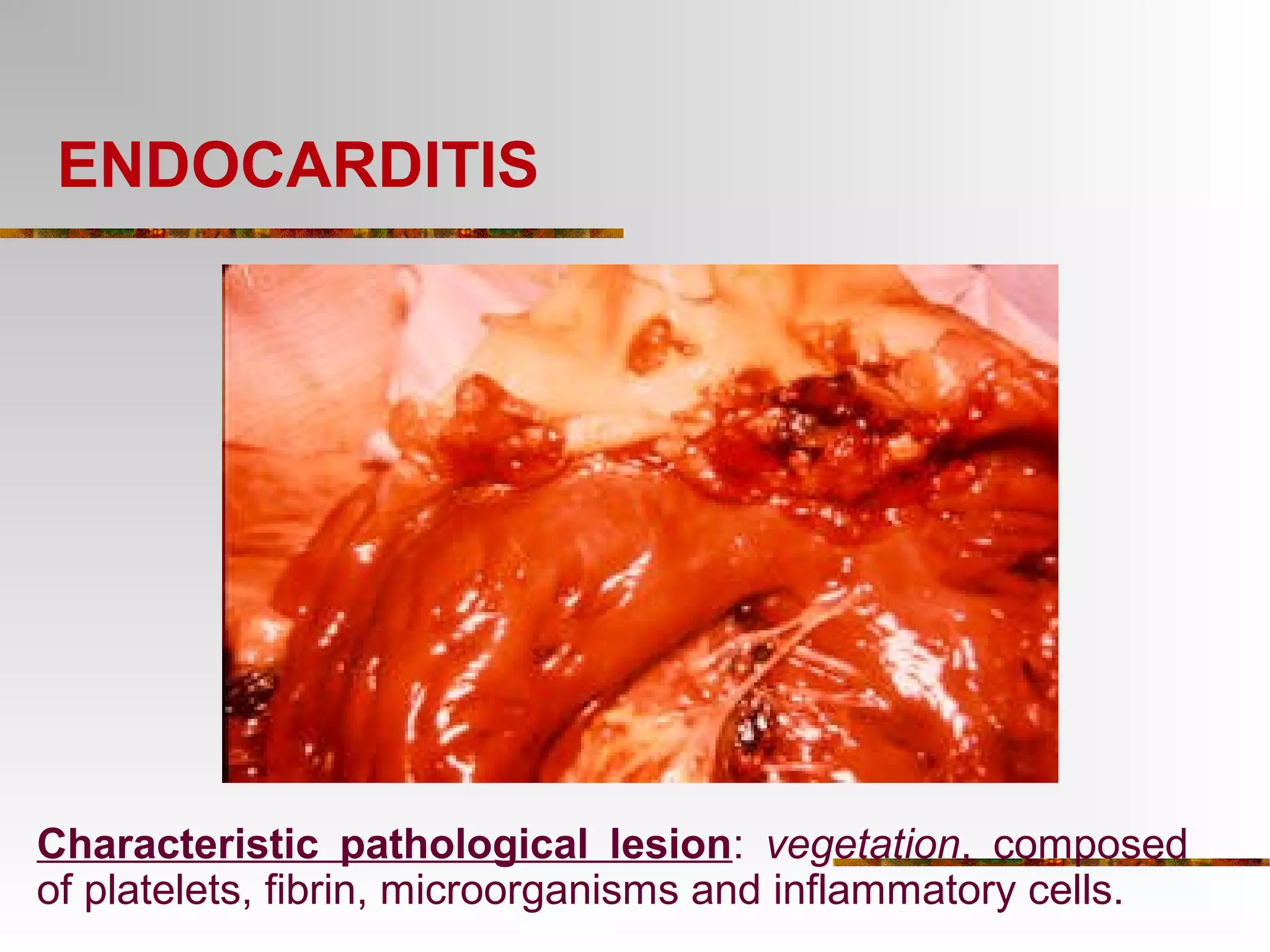
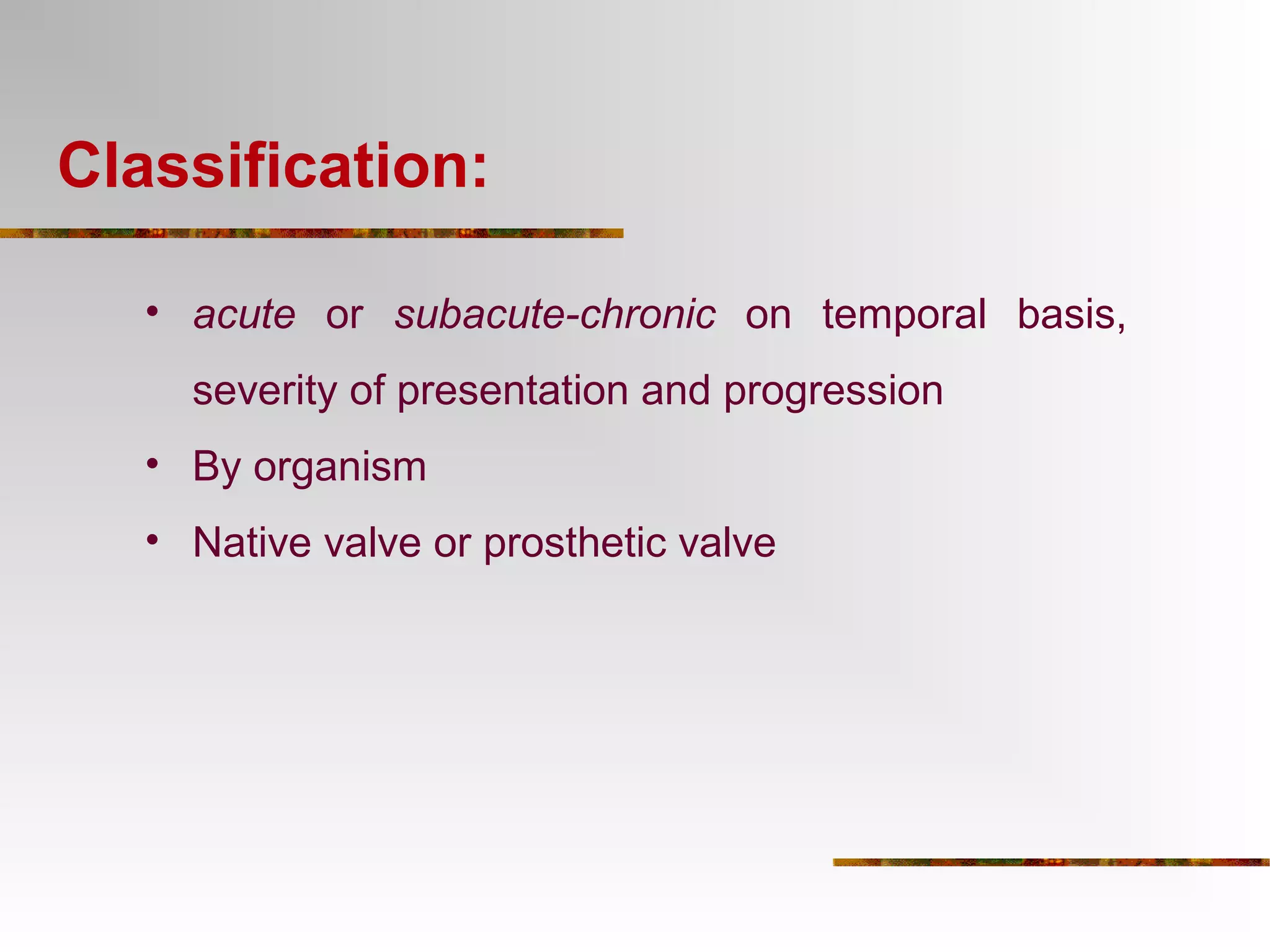
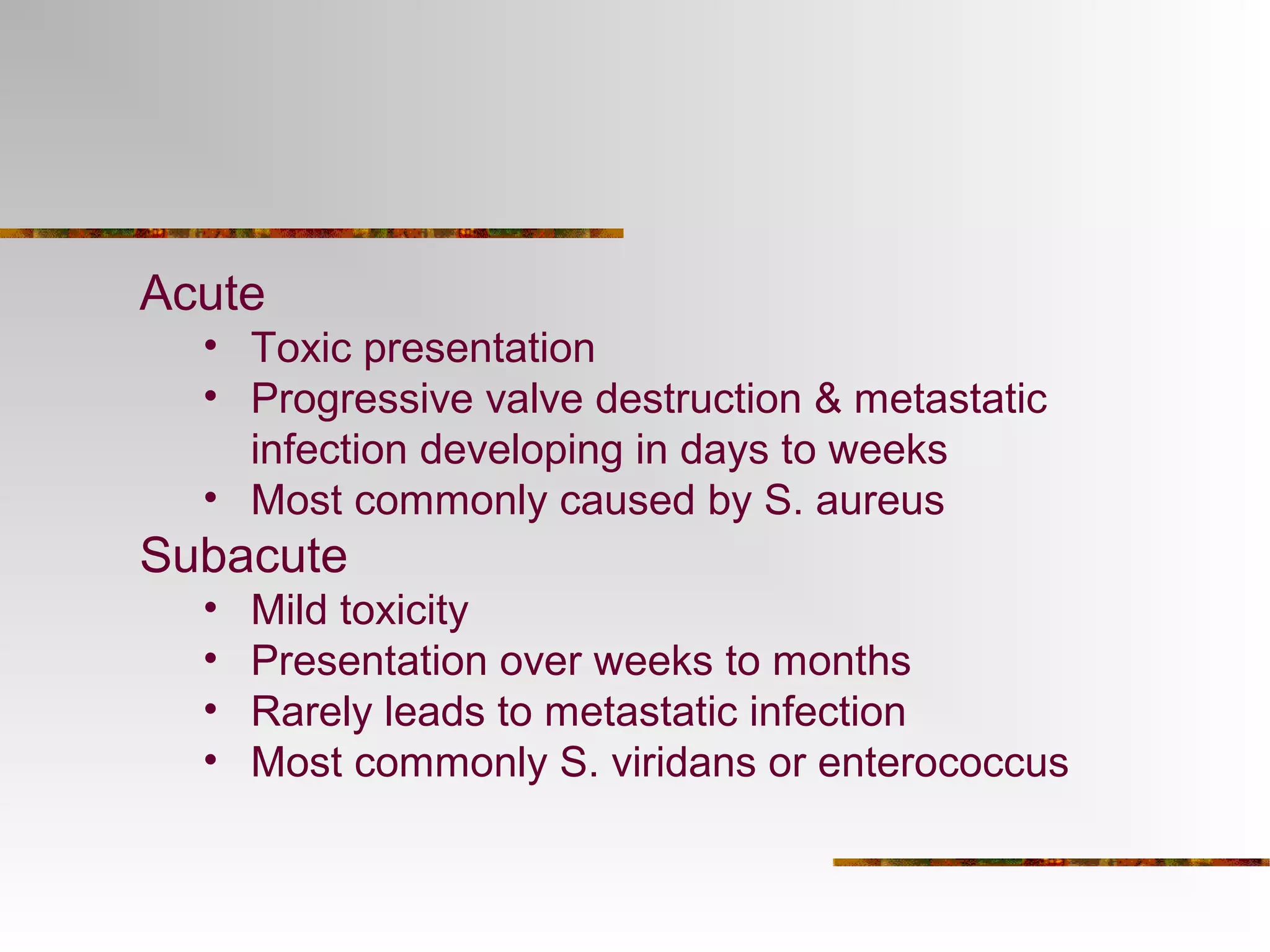
Endocarditis: Definition 
Infective Endocarditis: is an inflammation of the 
endocardium, the membrane lining the chambers of the 
heart and covering the cusps of the heart valves 
it refers to infection of the heart valves by various 
microorganisms
ENDOCARDITIS
ENDOCARDITIS 
Characteristic pathological lesion: vegetation, composed 
of platelets, fibrin, microorganisms and inflammatory cells.
Classification: 
• acute or subacute-chronic on temporal basis, 
severity of presentation and progression 
• By organism 
• Native valve or prosthetic valve
Acute 
• Toxic presentation 
• Progressive valve destruction & metastatic 
infection developing in days to weeks 
• Most commonly caused by S. aureus 
Subacute 
• Mild toxicity 
• Presentation over weeks to months 
• Rarely leads to metastatic infection 
• Most commonly S. viridans or enterococcus
EPIDEMIOLOGY AND ETIOLOGY 
• Infective endocarditis is an uncommon, but not rare, 
infection affecting about 10,000 to 20,000 persons 
annually in the United States. 
• accounts for approximately 1 in every 1,000 hospital 
admissions. 
• The mean male-to-female ratio is 1.7:1.
IMPORTANT RISK FACTORS 
• Presence of a prosthetic valve (highest risk) 
• Previous endocarditis (highest risk) 
• Complex cyanotic congenital heart disease (e.g., single-ventricle 
states) 
• Surgically constructed systemic pulmonary shunts or 
conduits 
• Acquired valvular dysfunction (e.g., rheumatic heart 
disease) 
• Hypertrophic cardiomyopathy 
• Mitral valve prolapse with regurgitation 
• IVDA (intravenous drug abuse).
EPIDEMIOLOGY 
 Incidence in IVDA group is estimated at 2000 per 
100,000 person-years, even higher if there is known 
valvular heart disease 
 Increased longevity leads to more degenerative valvular 
disease, placement of prosthetic valves and increased 
exposure to nosocomial bacteremia
PROSTHETIC VALVES 
 7-25% of cases of infective endocarditis 
 The rates of infection are the same at 5 years for 
both mechanical and bioprostheses, but higher for 
mechanical in first 3 months 
 Cumulative risk: 3.1% at 12 months and 5.7% at 60 
months post surgery 
 Onset: 
 within 2 months of surgery early and usually 
hospital acquired 
 12 months post surgery late onset and usually 
community acquired
Nosocomial Infective Endocarditis 
 7-29% of alll cases seen in tertiary referral 
hospitals 
 At least half linked to intravascular devices 
 Other sources GU and GIT procedures or 
surgical-wound infection
Aetiological Agents 
1. Streptococci 
 Viridans streptococci/α-haemolytic streptococci 
 S. mitis, S. sanguis, S. oralis 
 S. bovis 
 Associated with colonic carcinoma 
1. Enterococci 
 E. faecalis, E. faecium 
 Associated with GU/GI tract procedures 
 Approx. 10% of patients with enterococcal 
bacteraemia develop endocarditis
Aetiological Agents 
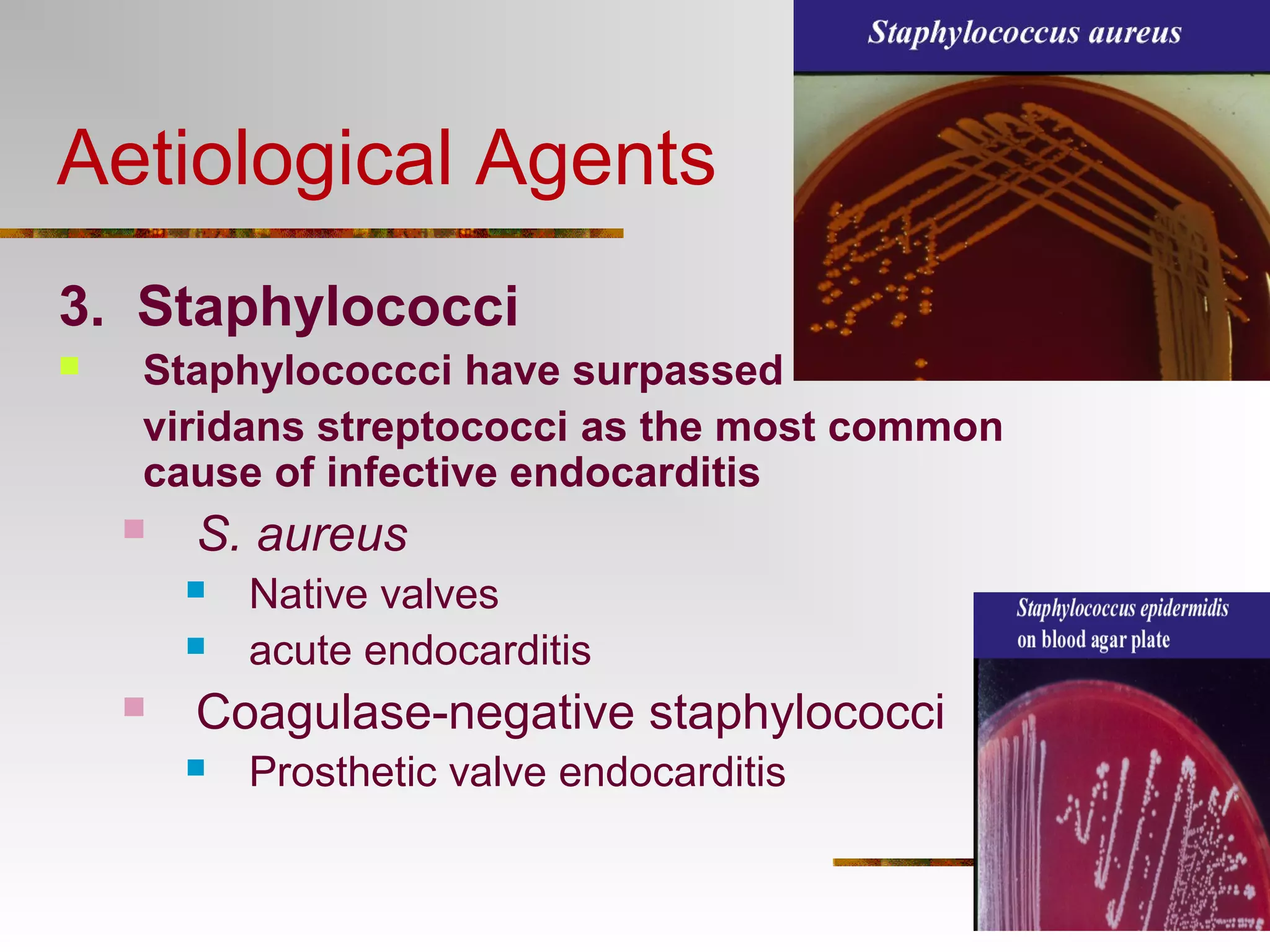
3. Staphylococci 
 Staphylococcci have surpassed 
viridans streptococci as the most common 
cause of infective endocarditis 
 S. aureus 
 Native valves 
 acute endocarditis 
 Coagulase-negative staphylococci 
 Prosthetic valve endocarditis
Aetiological Agents 
4. Gram-negative rods 
 HACEK group 
 Haemophilus aphrophilus, Actinobacillus 
actinomycetemcomitans, Cardiobacterium hominis, 
Eikenella corrodens, Kingella kingae. 
 Fastidious oropharyngeal GNBs 
 E. coli, Klebsiella etc 
 Uncommon 
 Pseudomonas aeruginosa 
 IVDA 
 Neisseria gonorrhoae 
 Rare since introduction of penicillin
Aetiological Agents 
5. Others 
 Fungi 
 Candida species, Aspergillus species 
 Chlamydia 
 Bartonella 
 Legionella
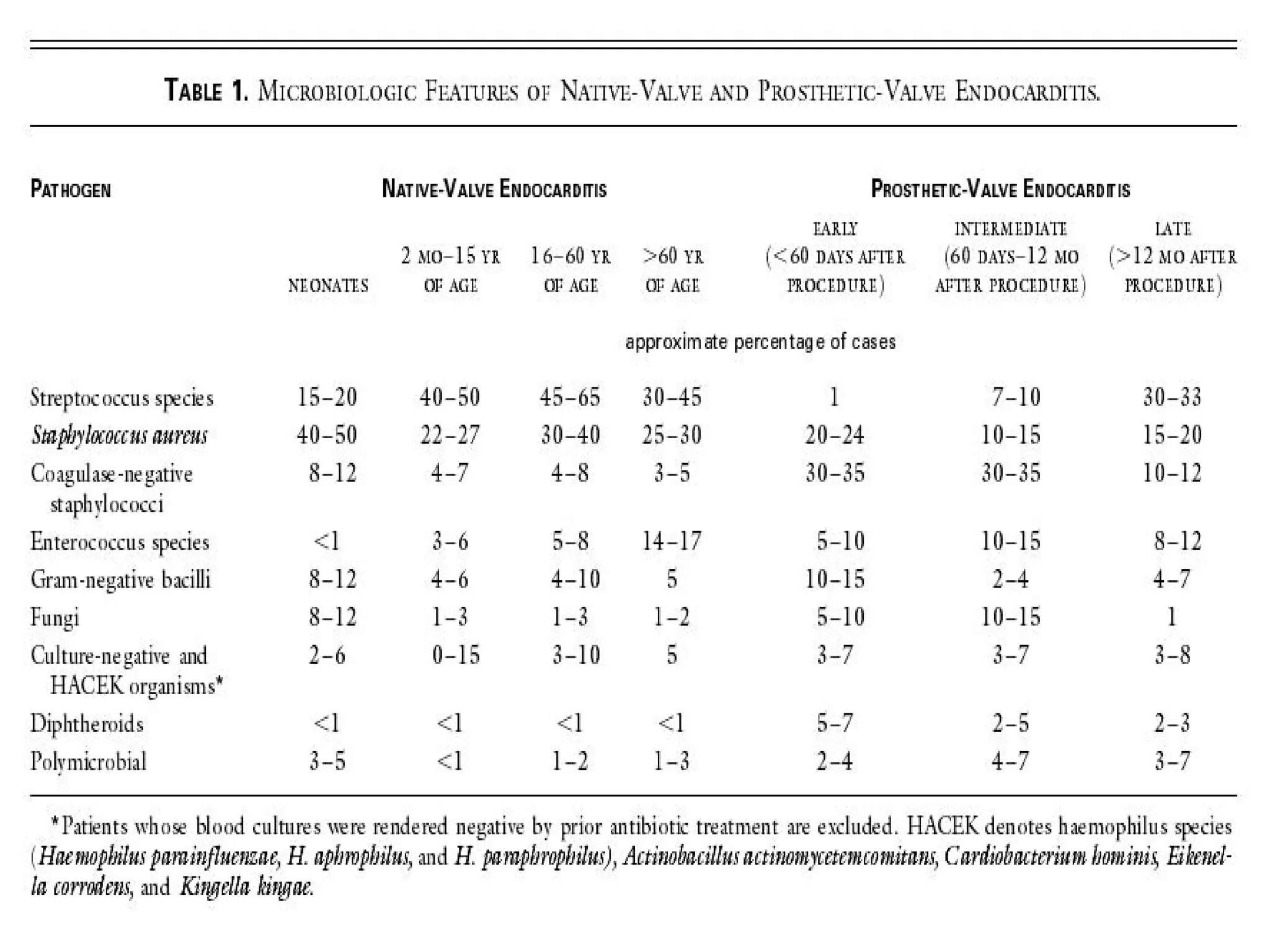
MICROBIOLOGY OF NATIVE 
VALVE ENDOCARDITIS
Pathogenesis 
 Altered valve surface 
 Animal experiments suggest that IE is almost 
impossible to establish unless the valve surface is 
damaged 
 Deposition of platelets and fibrin – nonbacterial 
thrombotic vegetation (NBTE) 
 Bacteraemia – attaches to platelet-fibrin deposits 
 Covered by more fibrin 
 Protected from neutrophils 
 Division of bacteria 
 Mature vegetation
Pathogenesis 
 Bacteraemia 
 Transient bacteraemia occurs when a heavily 
colonised mucosal surface is traumatised 
 Dental extraction 
 Periodontal surgery 
 Tooth brushing 
 Tonsillectomy 
 Operations involving the respiratory, GI or GU tract mucosa 
 Oesophageal dilatation 
 Biliary tract surgery
Site of Infection 
 Aortic valve more common than mitral 
 Aortic: 
 Vegetation usually on ventricular aspect, all 3 
cusps usually affected 
 Perforation or dysfunction of valve 
 Root abscess 
 Mitral: 
 Dysfunction by rupture of chordae tendineae
Clinical Manifestations 
 Fever, most common symptom, sign (but may be 
absent) 
 Anorexia, weight-loss, malaise, night sweats 
 Heart murmur 
 Petechiae on the skin, conjunctivae, oral mucosa 
 Right-sided endocarditis is not associated with 
peripheral emboli/phenomena but pulmonary findings 
predominate
Janeway Lesions 
Janeway lesions—Hemorrhagic, painless plaques on the palms 
of the hands or soles of the feet. These lesions are believed to 
be embolic in origin.
Splinter Hemorrhage 
Splinter hemorrhages— 
Thin, linear hemorrhages 
found under the nail beds 
of the fingers or toes.
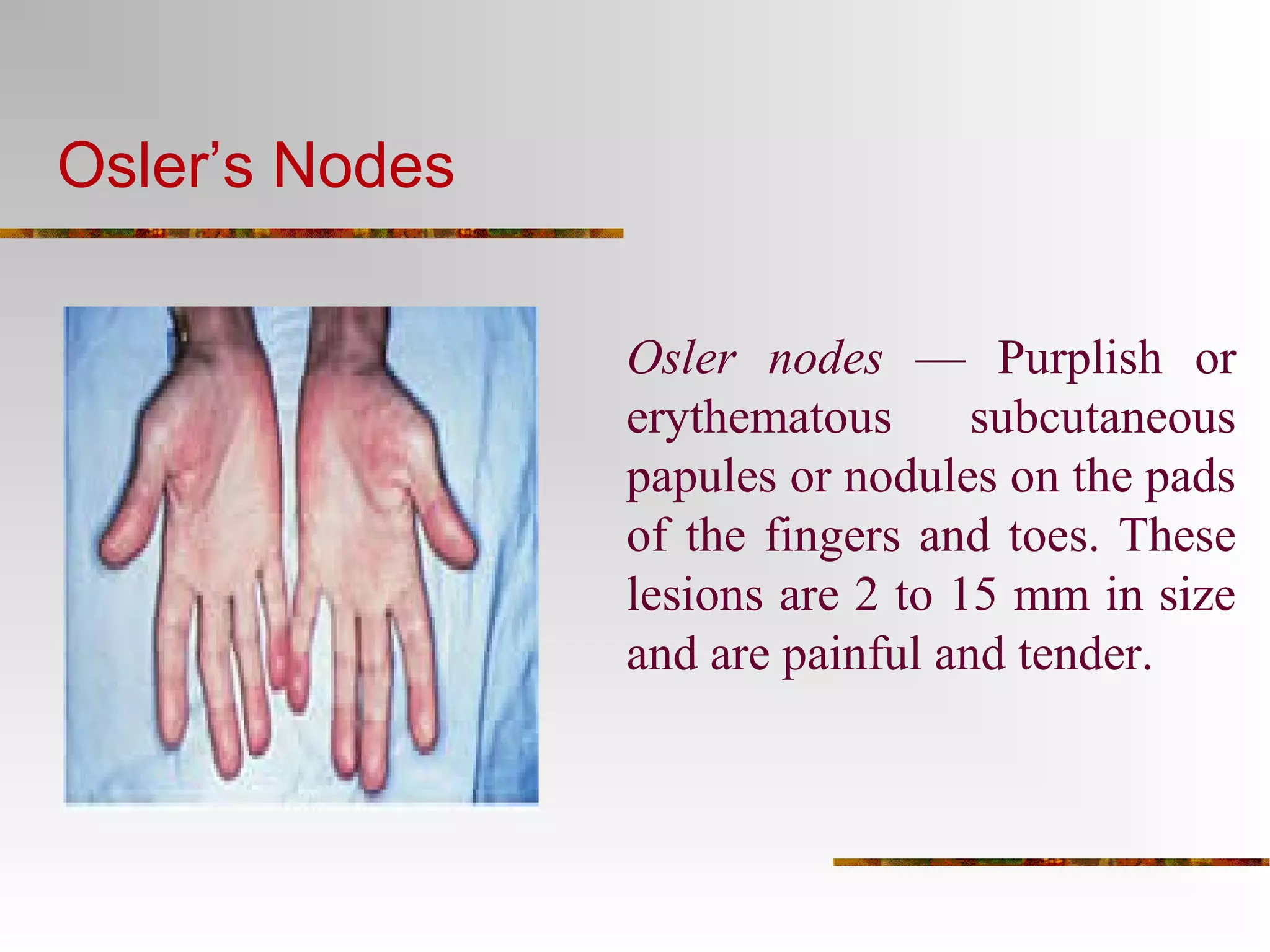
Osler’s Nodes 
Osler nodes — Purplish or 
erythematous subcutaneous 
papules or nodules on the pads 
of the fingers and toes. These 
lesions are 2 to 15 mm in size 
and are painful and tender.
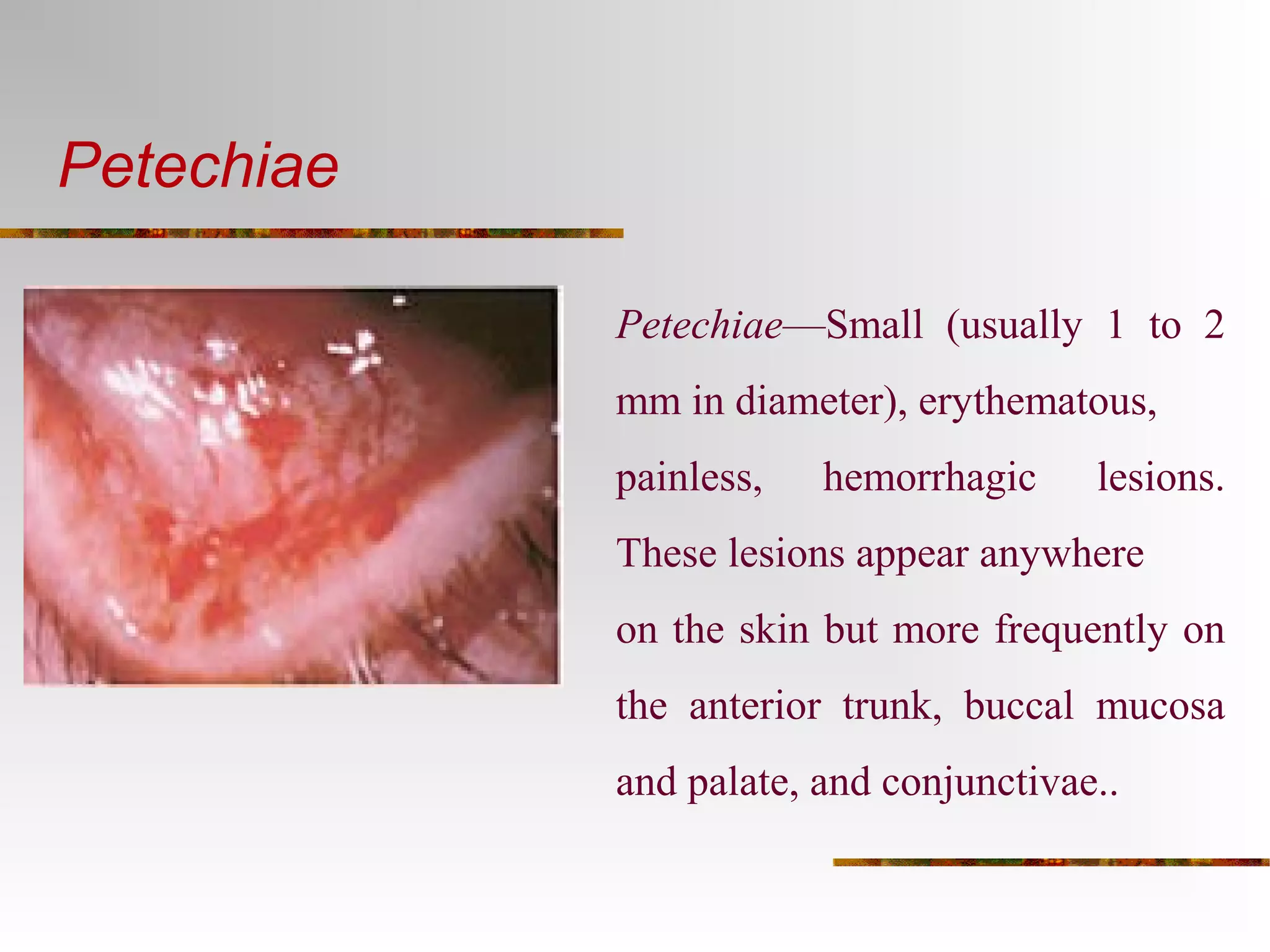
Petechiae 
Petechiae—Small (usually 1 to 2 
mm in diameter), erythematous, 
painless, hemorrhagic lesions. 
These lesions appear anywhere 
on the skin but more frequently on 
the anterior trunk, buccal mucosa 
and palate, and conjunctivae..
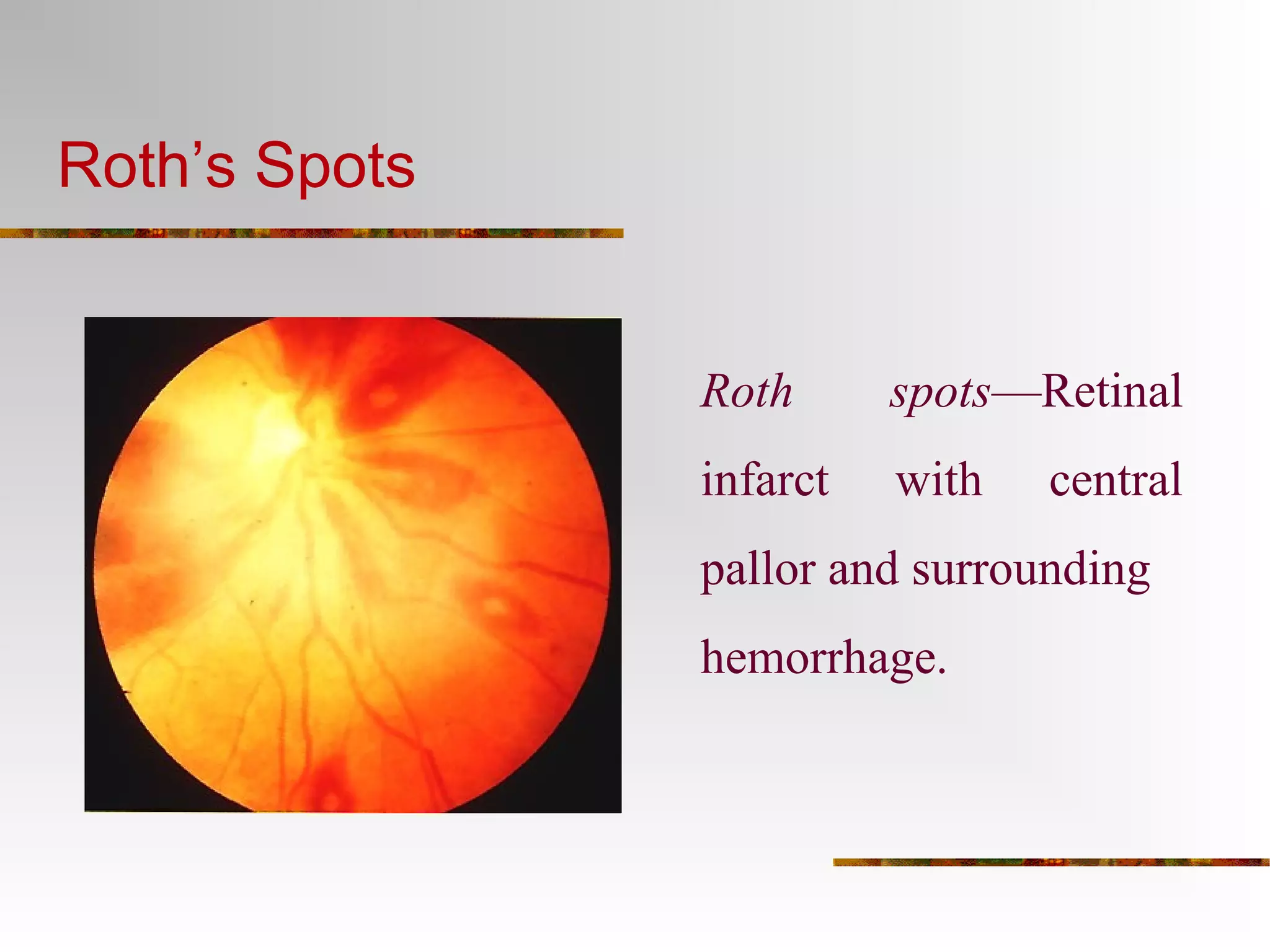
Roth’s Spots 
Roth spots—Retinal 
infarct with central 
pallor and surrounding 
hemorrhage.
Investigations 
1. Blood culture 
2. Echo 
 TTE 
 TOE 
1. FBC/ESR/CRP 
2. Rheumatoid Factor
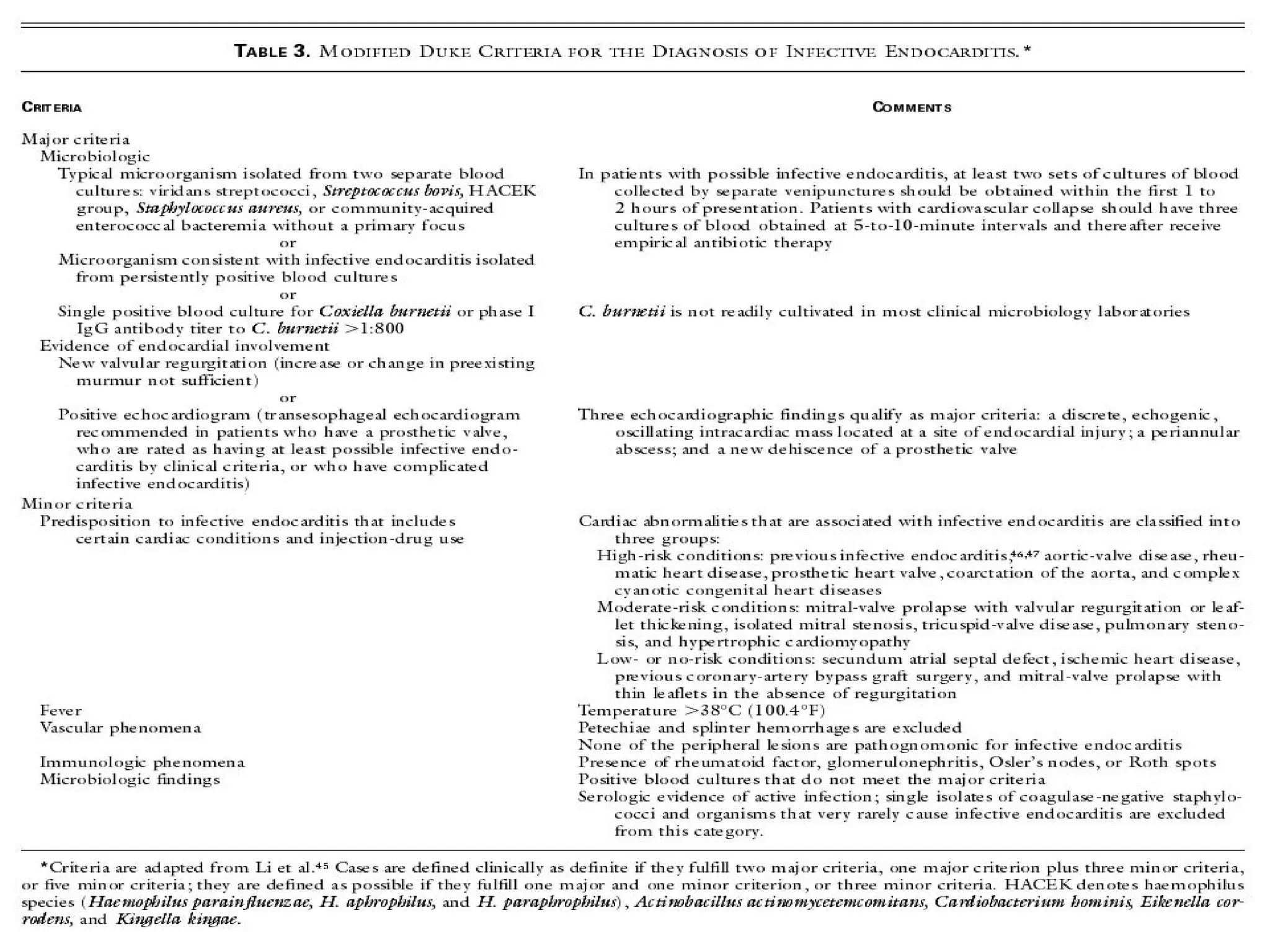
Diagnosis: Duke Criteria 
 In 1994 a group at Duke University 
standardised criteria for assessing patients 
with suspected endocarditis 
 Include 
-Predisposing Factors 
-Blood culture isolates or persistence of 
bacteremia 
-Echocardiogram findings with other clinical, 
laboratory findings
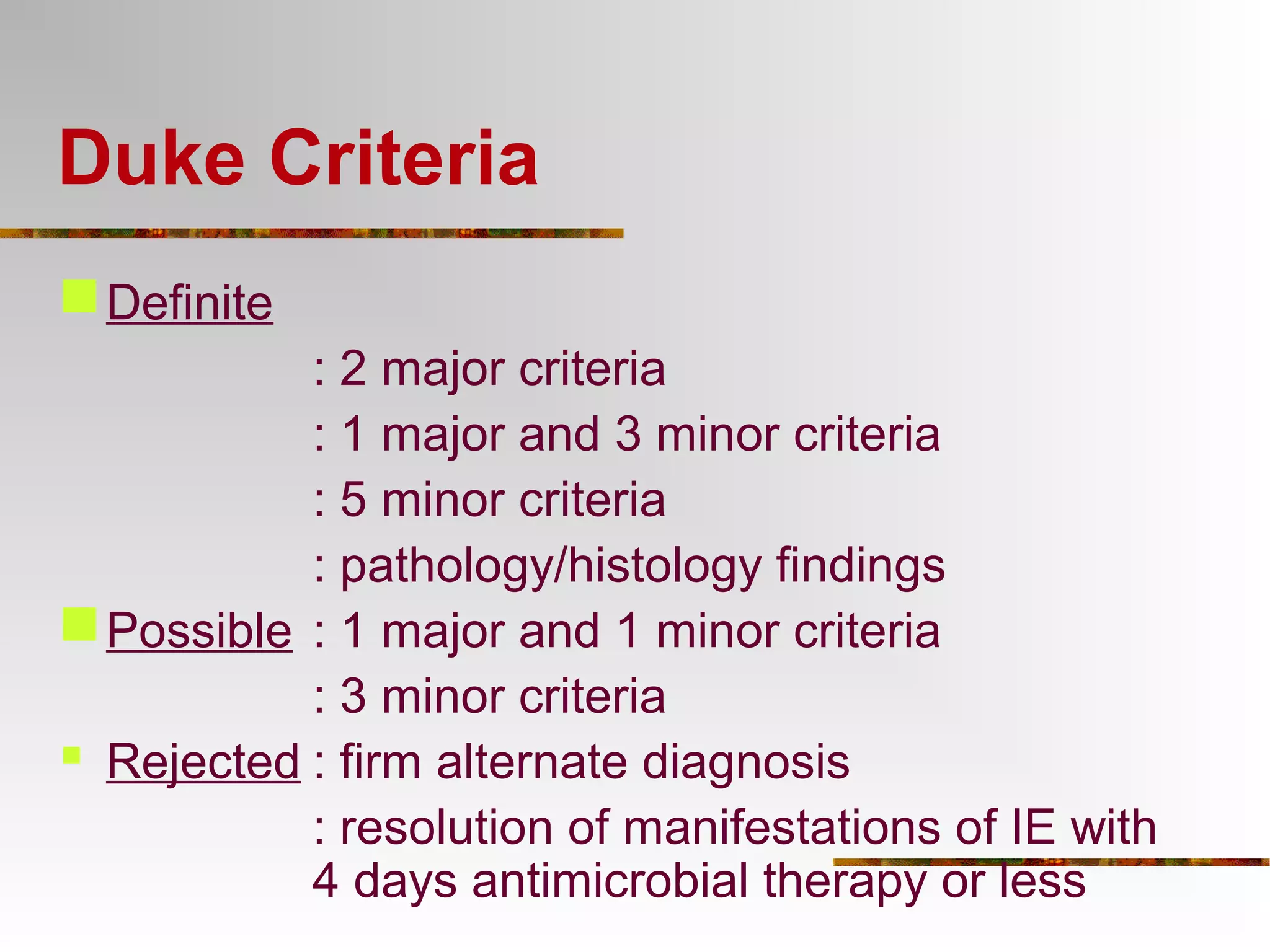
Duke Criteria 
Definite 
: 2 major criteria 
: 1 major and 3 minor criteria 
: 5 minor criteria 
: pathology/histology findings 
Possible : 1 major and 1 minor criteria 
: 3 minor criteria 
 Rejected : firm alternate diagnosis 
: resolution of manifestations of IE with 
4 days antimicrobial therapy or less
Echocardiography 
 Trans Thoracic Echocardiograpy (TTE) 
 rapid, non-invasive – excellent specificity (98%) 
but poor sensitivity 
 obesity, chronic obstructive pulmonary disease 
and chest wall deformities 
 Transesophageal Echo (TOE) 
 more invasive, sensitivity up to 95%, useful for 
prosthetic valves and to evaluate myocardial 
invasion 
 Negative predictive valve of 92% 
 TOE more cost effective in those with S. aureus 
catheter-associated bacteraemia and 
bacteraemia/fever and recent IVDA
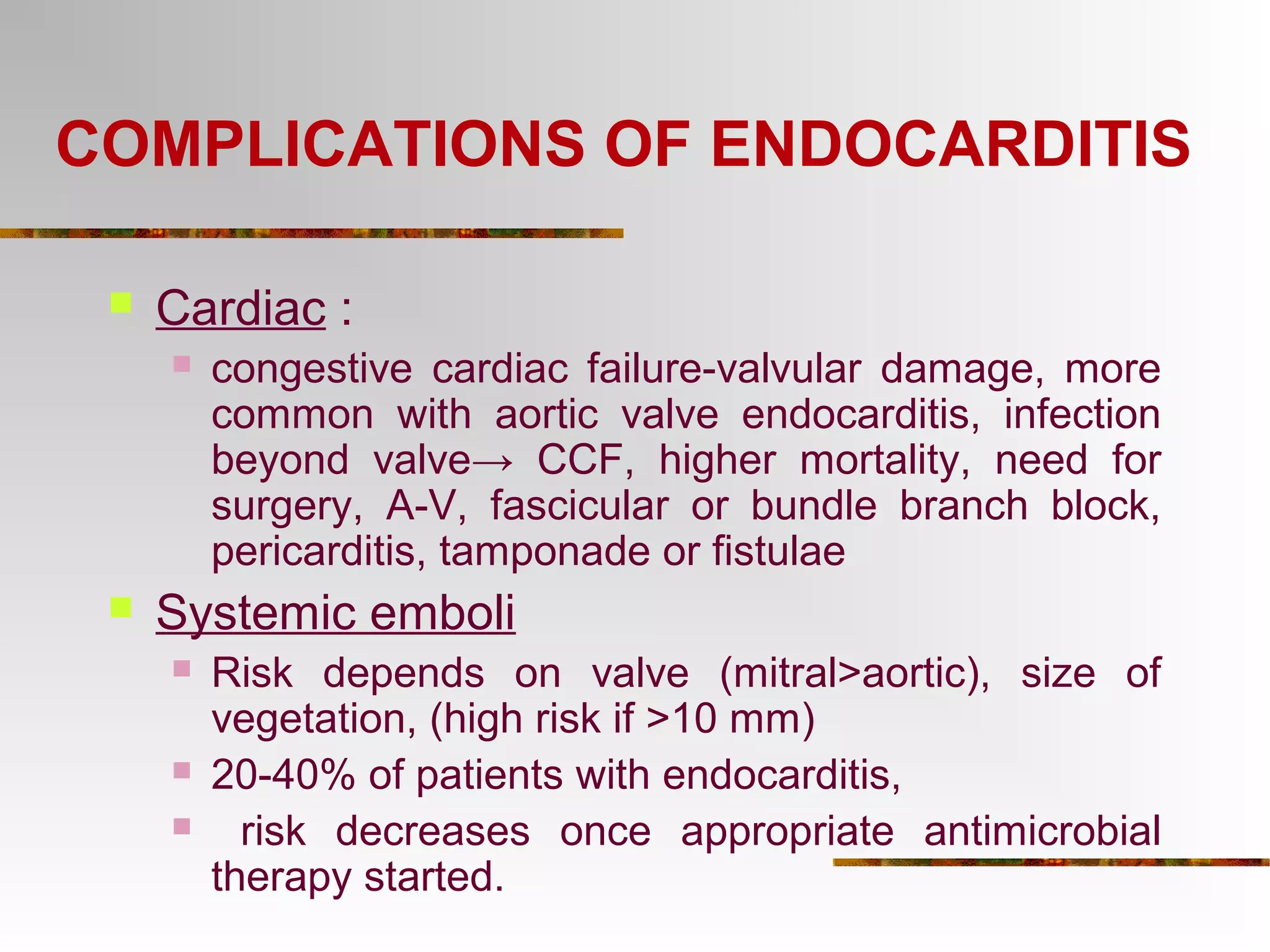
COMPLICATIONS OF ENDOCARDITIS 
 Cardiac : 
 congestive cardiac failure-valvular damage, more 
common with aortic valve endocarditis, infection 
beyond valve→ CCF, higher mortality, need for 
surgery, A-V, fascicular or bundle branch block, 
pericarditis, tamponade or fistulae 
 Systemic emboli 
 Risk depends on valve (mitral>aortic), size of 
vegetation, (high risk if >10 mm) 
 20-40% of patients with endocarditis, 
 risk decreases once appropriate antimicrobial 
therapy started.
Goals of Therapy 
1. Eradicate infection 
2. Definitively treat sequel of destructive 
intra-cardiac and extra-cardiac lesions
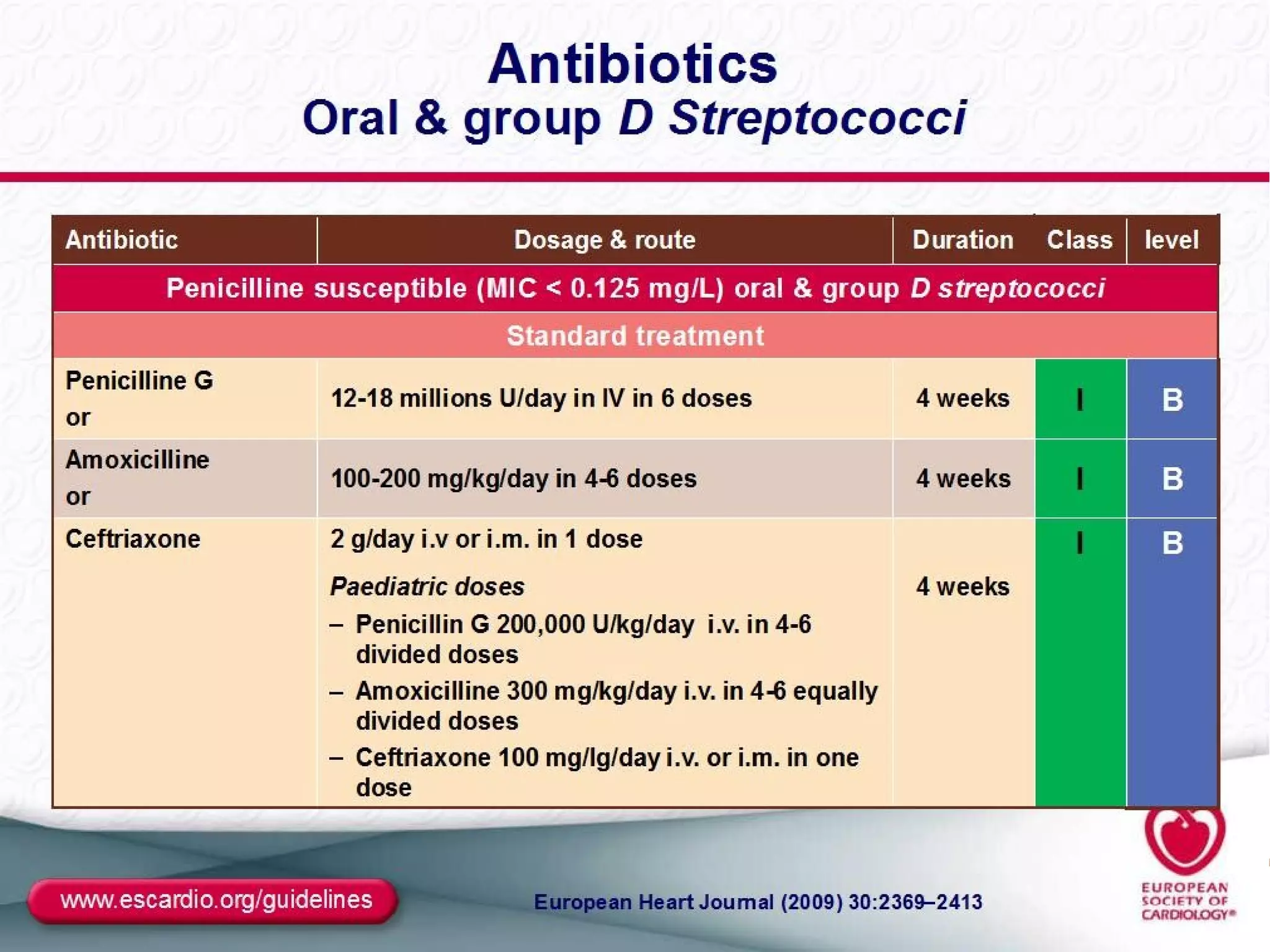
Therapy 
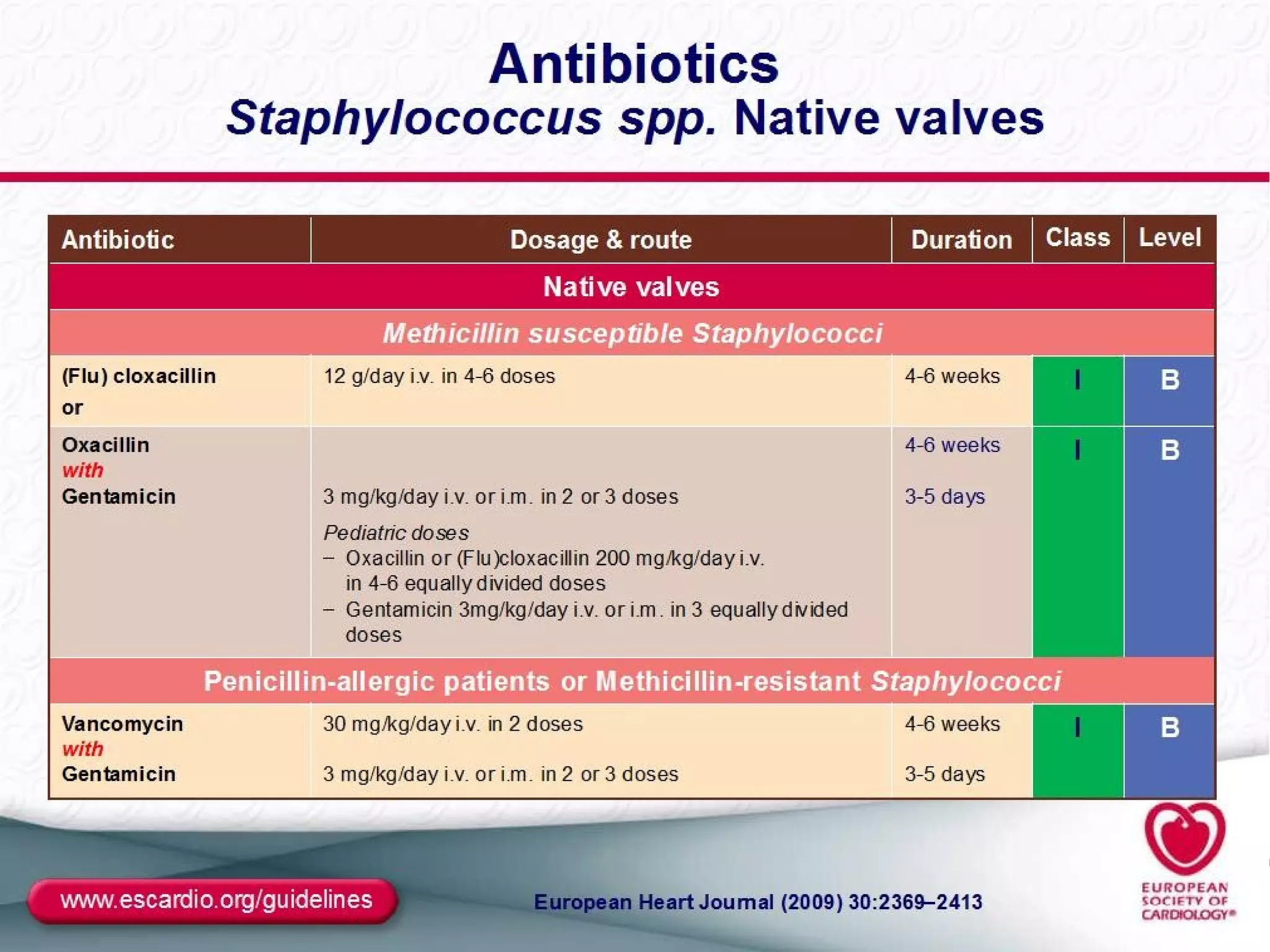
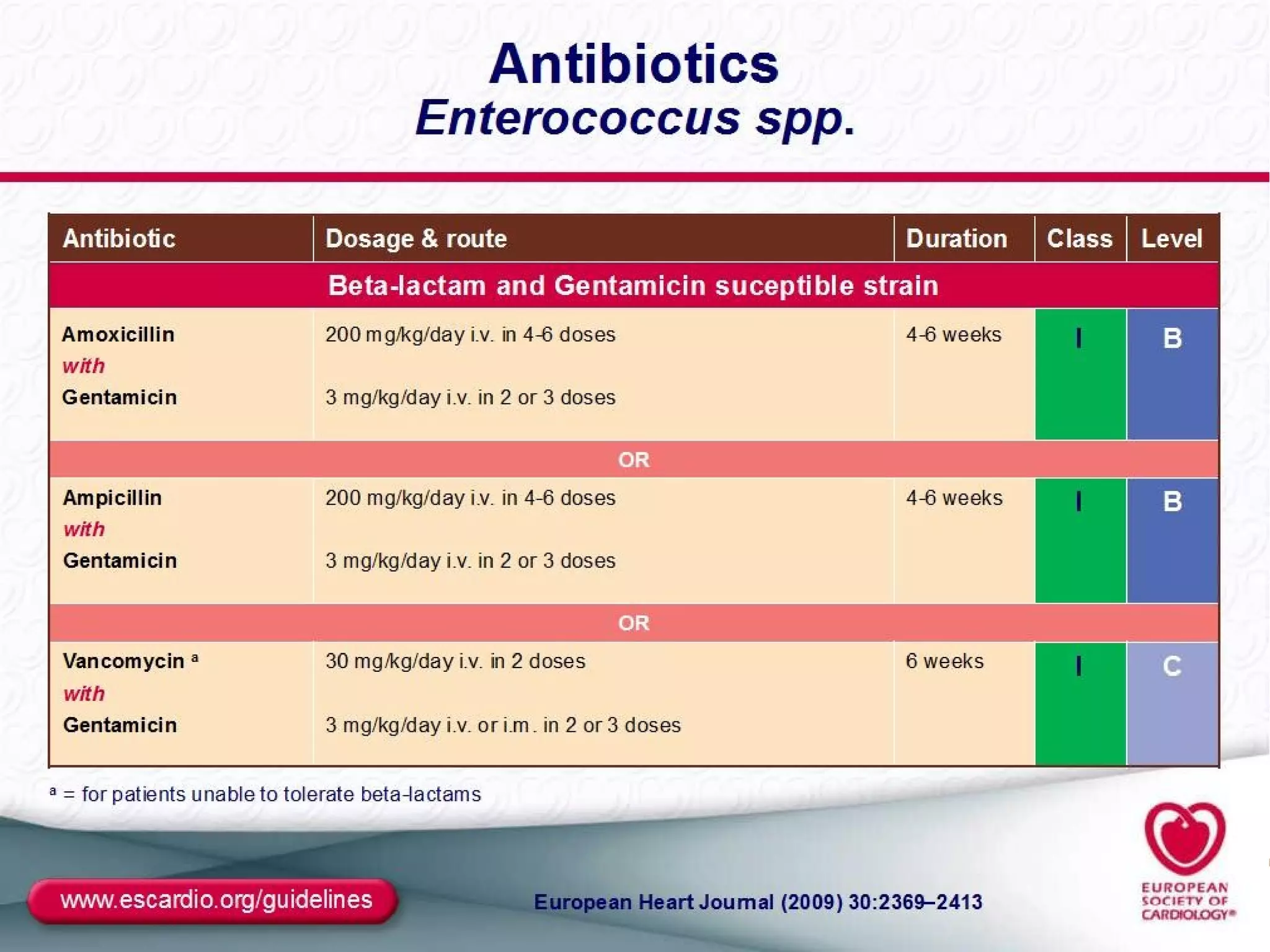
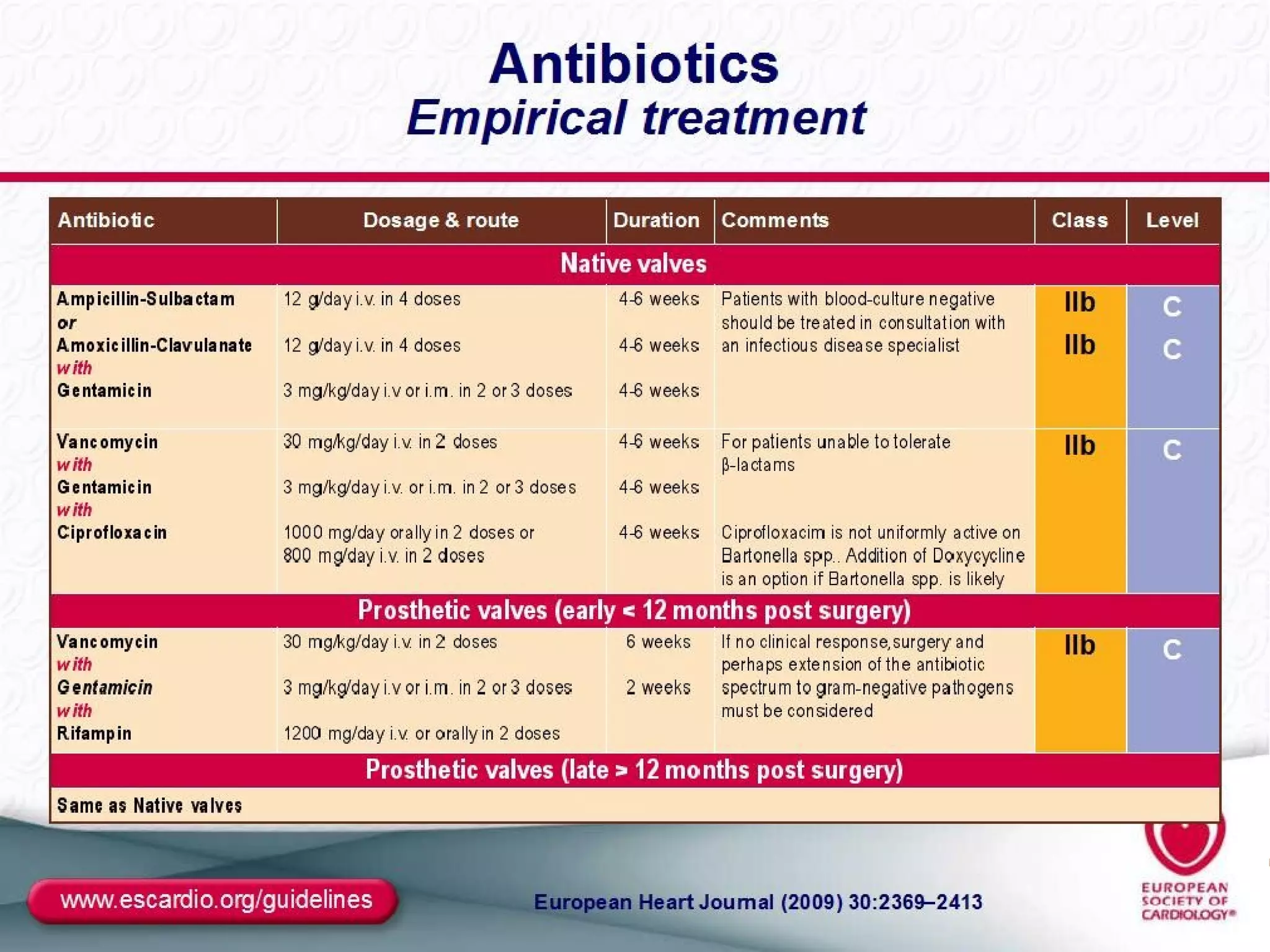
 Antimicrobial therapy 
 Use a bactericidal regimen 
 Use a recommended regimen for the organism 
isolated 
 E.g. American Heart Association JAMA 1995; 274: 1706-13., 
British Society for Antimicrobial Chemotherapy 
 Repeat blood cultures until blood is demonstrated to 
be sterile 
 Surgery
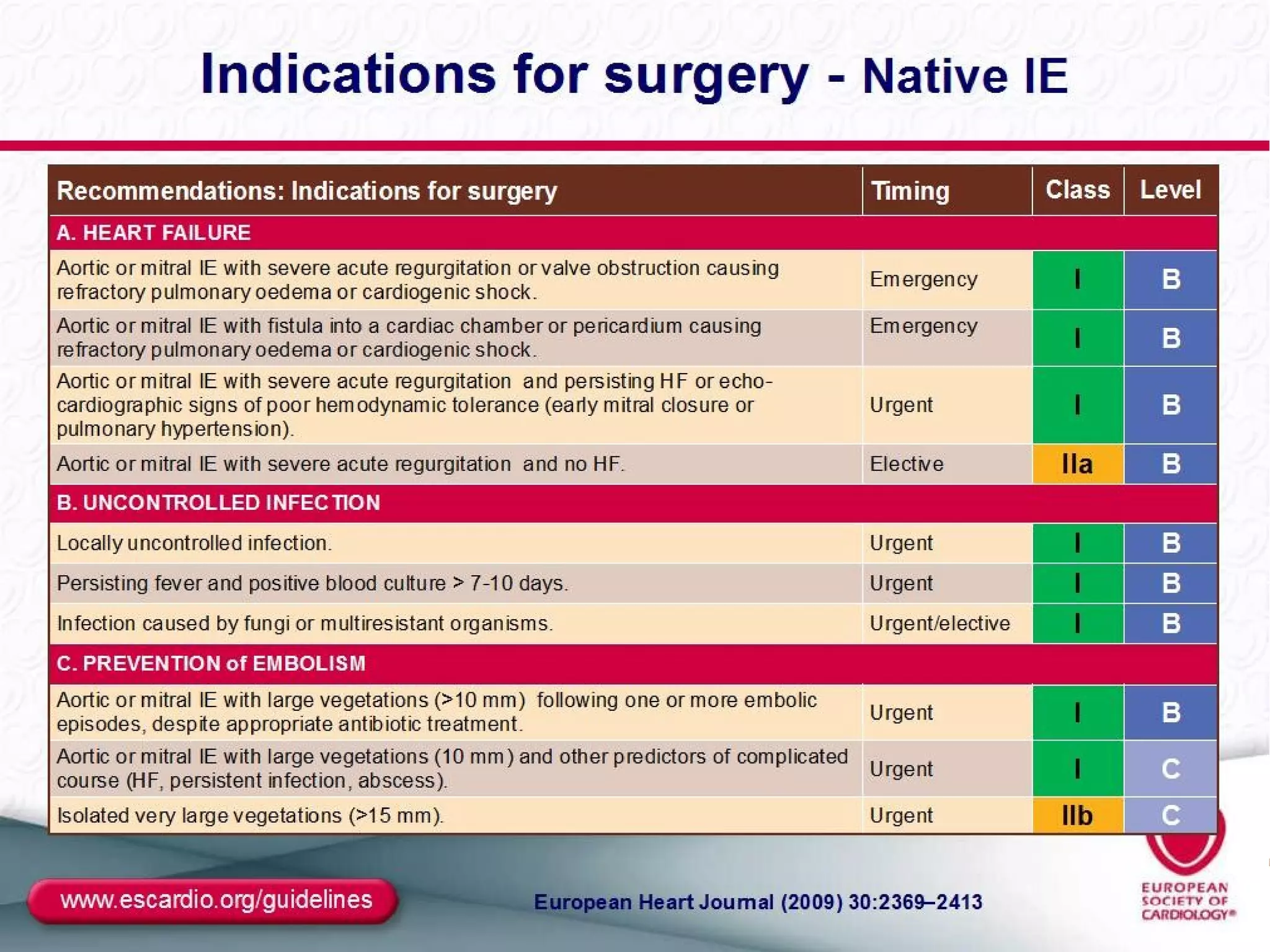
Surgical Therapy 
 Indications: 
 Congestive cardiac failure 
 perivalvular invasive disease 
 uncontrolled infection despite maximal 
antimicrobial therapy 
 Pseudomonas aeruginosa, Brucella species, Coxiella 
burnetti, Candida and fungi 
 Presence of prosthetic valve endocarditis 
unless late infection 
 Large vegetation 
 Major embolus 
 Heart block
Prevention 
 Antimicrobial prophylaxis is given to at risk 
patients when bacteraemia-inducing procedures 
are performed 
 Look up and follow guidelines 
 American Heart Association. Circulation 1997; 96: 
358-366 
 British Society for Antimicrobial Chemotherapy. 
Journal of Antimicrobial Chemotherapy 1993; 31: 
347-438 
 BNF

Endocarditis

  • 1.
    Endocarditis By –Mr. Rahul P Kshirsagar M.Pharm (Ph.D) Assistant Professor Dept. of Pharmacology School of Pharmacy, Anurag Group of Institutions
  • 2.
    Contents of Lecture  Endocarditis  Definitions  Epidemiology  Pathogenesis  Clinical Presentations  Diagnosis  Complications/Mortality
  • 3.
  • 4.
    Endocarditis: Definition InfectiveEndocarditis: is an inflammation of the endocardium, the membrane lining the chambers of the heart and covering the cusps of the heart valves it refers to infection of the heart valves by various microorganisms
  • 5.
  • 6.
    ENDOCARDITIS Characteristic pathologicallesion: vegetation, composed of platelets, fibrin, microorganisms and inflammatory cells.
  • 7.
    Classification: • acuteor subacute-chronic on temporal basis, severity of presentation and progression • By organism • Native valve or prosthetic valve
  • 8.
    Acute • Toxicpresentation • Progressive valve destruction & metastatic infection developing in days to weeks • Most commonly caused by S. aureus Subacute • Mild toxicity • Presentation over weeks to months • Rarely leads to metastatic infection • Most commonly S. viridans or enterococcus
  • 9.
    EPIDEMIOLOGY AND ETIOLOGY • Infective endocarditis is an uncommon, but not rare, infection affecting about 10,000 to 20,000 persons annually in the United States. • accounts for approximately 1 in every 1,000 hospital admissions. • The mean male-to-female ratio is 1.7:1.
  • 10.
    IMPORTANT RISK FACTORS • Presence of a prosthetic valve (highest risk) • Previous endocarditis (highest risk) • Complex cyanotic congenital heart disease (e.g., single-ventricle states) • Surgically constructed systemic pulmonary shunts or conduits • Acquired valvular dysfunction (e.g., rheumatic heart disease) • Hypertrophic cardiomyopathy • Mitral valve prolapse with regurgitation • IVDA (intravenous drug abuse).
  • 11.
    EPIDEMIOLOGY  Incidencein IVDA group is estimated at 2000 per 100,000 person-years, even higher if there is known valvular heart disease  Increased longevity leads to more degenerative valvular disease, placement of prosthetic valves and increased exposure to nosocomial bacteremia
  • 12.
    PROSTHETIC VALVES 7-25% of cases of infective endocarditis  The rates of infection are the same at 5 years for both mechanical and bioprostheses, but higher for mechanical in first 3 months  Cumulative risk: 3.1% at 12 months and 5.7% at 60 months post surgery  Onset:  within 2 months of surgery early and usually hospital acquired  12 months post surgery late onset and usually community acquired
  • 13.
    Nosocomial Infective Endocarditis  7-29% of alll cases seen in tertiary referral hospitals  At least half linked to intravascular devices  Other sources GU and GIT procedures or surgical-wound infection
  • 14.
    Aetiological Agents 1.Streptococci  Viridans streptococci/α-haemolytic streptococci  S. mitis, S. sanguis, S. oralis  S. bovis  Associated with colonic carcinoma 1. Enterococci  E. faecalis, E. faecium  Associated with GU/GI tract procedures  Approx. 10% of patients with enterococcal bacteraemia develop endocarditis
  • 15.
    Aetiological Agents 3.Staphylococci  Staphylococcci have surpassed viridans streptococci as the most common cause of infective endocarditis  S. aureus  Native valves  acute endocarditis  Coagulase-negative staphylococci  Prosthetic valve endocarditis
  • 16.
    Aetiological Agents 4.Gram-negative rods  HACEK group  Haemophilus aphrophilus, Actinobacillus actinomycetemcomitans, Cardiobacterium hominis, Eikenella corrodens, Kingella kingae.  Fastidious oropharyngeal GNBs  E. coli, Klebsiella etc  Uncommon  Pseudomonas aeruginosa  IVDA  Neisseria gonorrhoae  Rare since introduction of penicillin
  • 17.
    Aetiological Agents 5.Others  Fungi  Candida species, Aspergillus species  Chlamydia  Bartonella  Legionella
  • 18.
    MICROBIOLOGY OF NATIVE VALVE ENDOCARDITIS
  • 19.
    Pathogenesis  Alteredvalve surface  Animal experiments suggest that IE is almost impossible to establish unless the valve surface is damaged  Deposition of platelets and fibrin – nonbacterial thrombotic vegetation (NBTE)  Bacteraemia – attaches to platelet-fibrin deposits  Covered by more fibrin  Protected from neutrophils  Division of bacteria  Mature vegetation
  • 21.
    Pathogenesis  Bacteraemia  Transient bacteraemia occurs when a heavily colonised mucosal surface is traumatised  Dental extraction  Periodontal surgery  Tooth brushing  Tonsillectomy  Operations involving the respiratory, GI or GU tract mucosa  Oesophageal dilatation  Biliary tract surgery
  • 22.
    Site of Infection  Aortic valve more common than mitral  Aortic:  Vegetation usually on ventricular aspect, all 3 cusps usually affected  Perforation or dysfunction of valve  Root abscess  Mitral:  Dysfunction by rupture of chordae tendineae
  • 23.
    Clinical Manifestations Fever, most common symptom, sign (but may be absent)  Anorexia, weight-loss, malaise, night sweats  Heart murmur  Petechiae on the skin, conjunctivae, oral mucosa  Right-sided endocarditis is not associated with peripheral emboli/phenomena but pulmonary findings predominate
  • 24.
    Janeway Lesions Janewaylesions—Hemorrhagic, painless plaques on the palms of the hands or soles of the feet. These lesions are believed to be embolic in origin.
  • 25.
    Splinter Hemorrhage Splinterhemorrhages— Thin, linear hemorrhages found under the nail beds of the fingers or toes.
  • 26.
    Osler’s Nodes Oslernodes — Purplish or erythematous subcutaneous papules or nodules on the pads of the fingers and toes. These lesions are 2 to 15 mm in size and are painful and tender.
  • 27.
    Petechiae Petechiae—Small (usually1 to 2 mm in diameter), erythematous, painless, hemorrhagic lesions. These lesions appear anywhere on the skin but more frequently on the anterior trunk, buccal mucosa and palate, and conjunctivae..
  • 28.
    Roth’s Spots Rothspots—Retinal infarct with central pallor and surrounding hemorrhage.
  • 29.
    Investigations 1. Bloodculture 2. Echo  TTE  TOE 1. FBC/ESR/CRP 2. Rheumatoid Factor
  • 30.
    Diagnosis: Duke Criteria  In 1994 a group at Duke University standardised criteria for assessing patients with suspected endocarditis  Include -Predisposing Factors -Blood culture isolates or persistence of bacteremia -Echocardiogram findings with other clinical, laboratory findings
  • 31.
    Duke Criteria Definite : 2 major criteria : 1 major and 3 minor criteria : 5 minor criteria : pathology/histology findings Possible : 1 major and 1 minor criteria : 3 minor criteria  Rejected : firm alternate diagnosis : resolution of manifestations of IE with 4 days antimicrobial therapy or less
  • 35.
    Echocardiography  TransThoracic Echocardiograpy (TTE)  rapid, non-invasive – excellent specificity (98%) but poor sensitivity  obesity, chronic obstructive pulmonary disease and chest wall deformities  Transesophageal Echo (TOE)  more invasive, sensitivity up to 95%, useful for prosthetic valves and to evaluate myocardial invasion  Negative predictive valve of 92%  TOE more cost effective in those with S. aureus catheter-associated bacteraemia and bacteraemia/fever and recent IVDA
  • 37.
    COMPLICATIONS OF ENDOCARDITIS  Cardiac :  congestive cardiac failure-valvular damage, more common with aortic valve endocarditis, infection beyond valve→ CCF, higher mortality, need for surgery, A-V, fascicular or bundle branch block, pericarditis, tamponade or fistulae  Systemic emboli  Risk depends on valve (mitral>aortic), size of vegetation, (high risk if >10 mm)  20-40% of patients with endocarditis,  risk decreases once appropriate antimicrobial therapy started.
  • 38.
    Goals of Therapy 1. Eradicate infection 2. Definitively treat sequel of destructive intra-cardiac and extra-cardiac lesions
  • 39.
    Therapy  Antimicrobialtherapy  Use a bactericidal regimen  Use a recommended regimen for the organism isolated  E.g. American Heart Association JAMA 1995; 274: 1706-13., British Society for Antimicrobial Chemotherapy  Repeat blood cultures until blood is demonstrated to be sterile  Surgery
  • 49.
    Surgical Therapy Indications:  Congestive cardiac failure  perivalvular invasive disease  uncontrolled infection despite maximal antimicrobial therapy  Pseudomonas aeruginosa, Brucella species, Coxiella burnetti, Candida and fungi  Presence of prosthetic valve endocarditis unless late infection  Large vegetation  Major embolus  Heart block
  • 50.
    Prevention  Antimicrobialprophylaxis is given to at risk patients when bacteraemia-inducing procedures are performed  Look up and follow guidelines  American Heart Association. Circulation 1997; 96: 358-366  British Society for Antimicrobial Chemotherapy. Journal of Antimicrobial Chemotherapy 1993; 31: 347-438  BNF

Editor's Notes

  • #21 Early steps in bacterial valve colonisation. (A) Colonisation of damaged epithelium: exposed stromal cells and extracellular matrix proteins trigger deposition of fibrin-platelet clots to which streptococci bind (upper panel); fibrin adherent streptococci attract monocytes and induce them to produce tissue factor activity (TFA) and cytokines (middle panel); these mediators activate coagulation cascades, attract and activate blood platelets, and induce cytokine, integrin, and TFA production from neighbouring endothelial cells (lower panel), encouraging vegetation growth. (B) Colonisation of inflamed valve tissues: in response to local inflammation, endothelial cells express integrins that bind plasma fibronectin, to which microorganisms adhere by wall attached fibronectin binding proteins, resulting in endothelial internalisation of bacteria (upper panel); in response to invasion, endothelial cells produce TFA and cytokines, triggering blood clotting and extension of inflammation, and promoting formation of the vegetation (middle panel); internalised bacteria eventually lyse endothelial cells by secreting membrane active proteins such as haemolysins (lower panel).
  • #26 These lesions are not specific for infective endocarditis and more commonly are the result of traumatic injuries. Distal lesions are more likely the result of trauma, whereas proximal lesions tend to be associated with infective endocarditis.
  • #27 These nodes are not specific for infective endocarditis and may be the result of embolism, immunologic phenomena, or both.
  • #28 Petechiae are nonblanching and resolve after a few days