Downloaded 95 times



































This document discusses the applications and methodologies of machine learning within various scientific fields, including life sciences and bioinformatics, emphasizing the importance of data-driven science. It highlights the challenges posed by data deluge and the necessity of understanding the quality and coverage of data for successful machine learning outcomes. Additionally, it outlines different types of machine learning, including supervised, unsupervised, and reinforcement learning, and their roles in automating data analysis and pattern recognition.
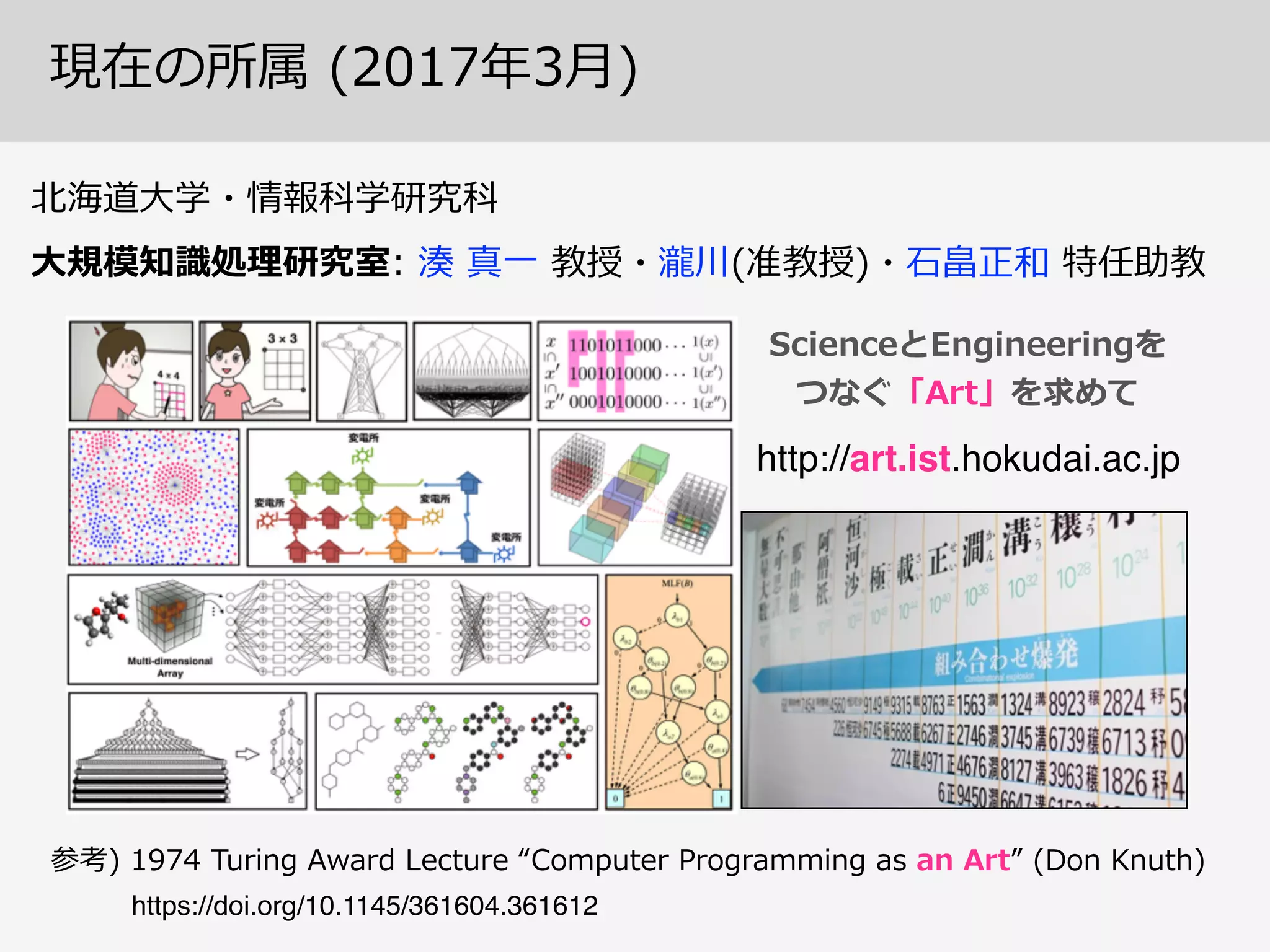
Introduction to machine learning as a crucial tool in various domains, highlighting the presenter's background and current association.
Focus on machine learning with sparse structures, applications in science data, bioinformatics, and data mining.
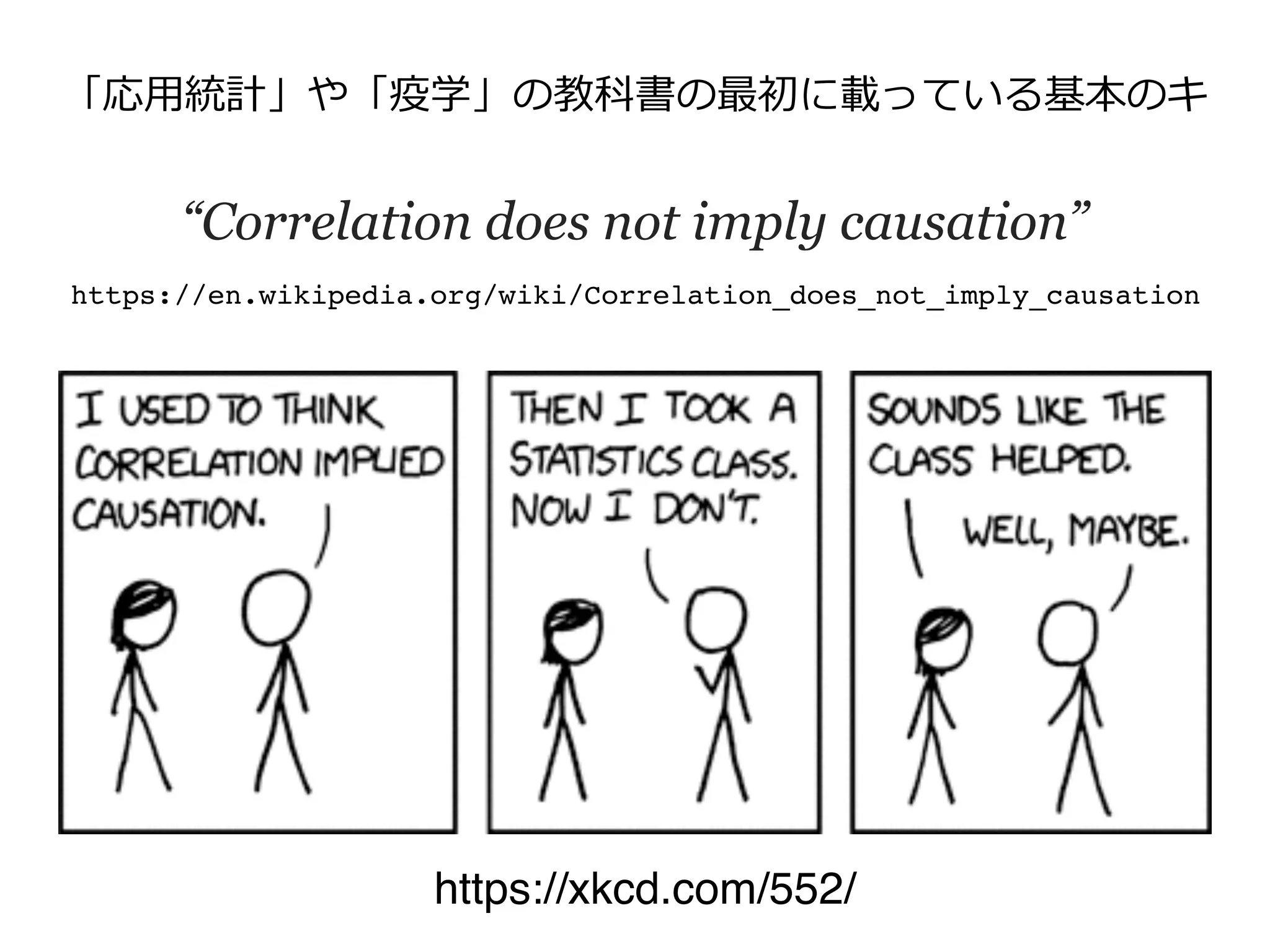
Overview of the data-driven economy, exploration of machine learning capabilities, necessary care to prevent misuse.
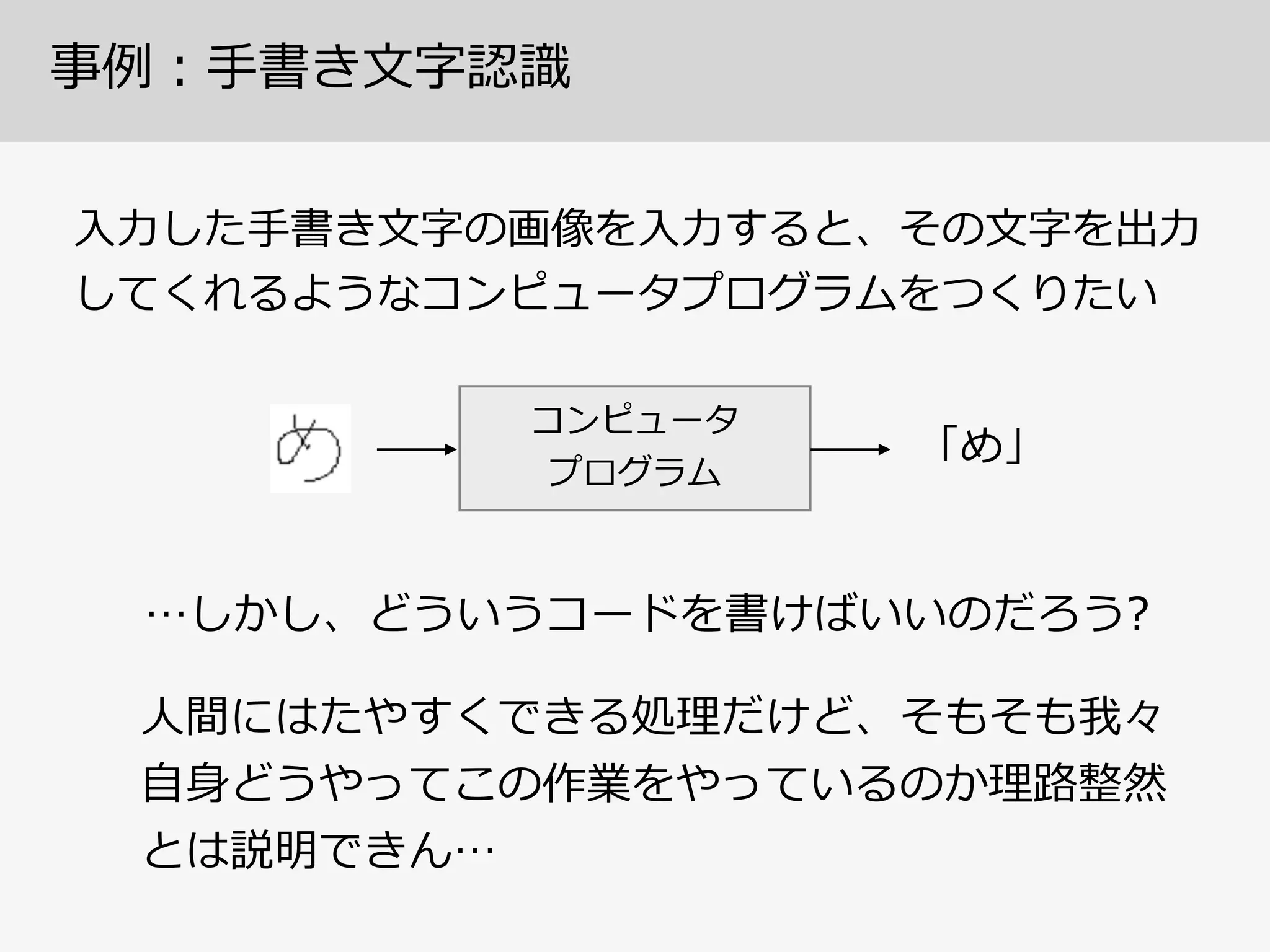
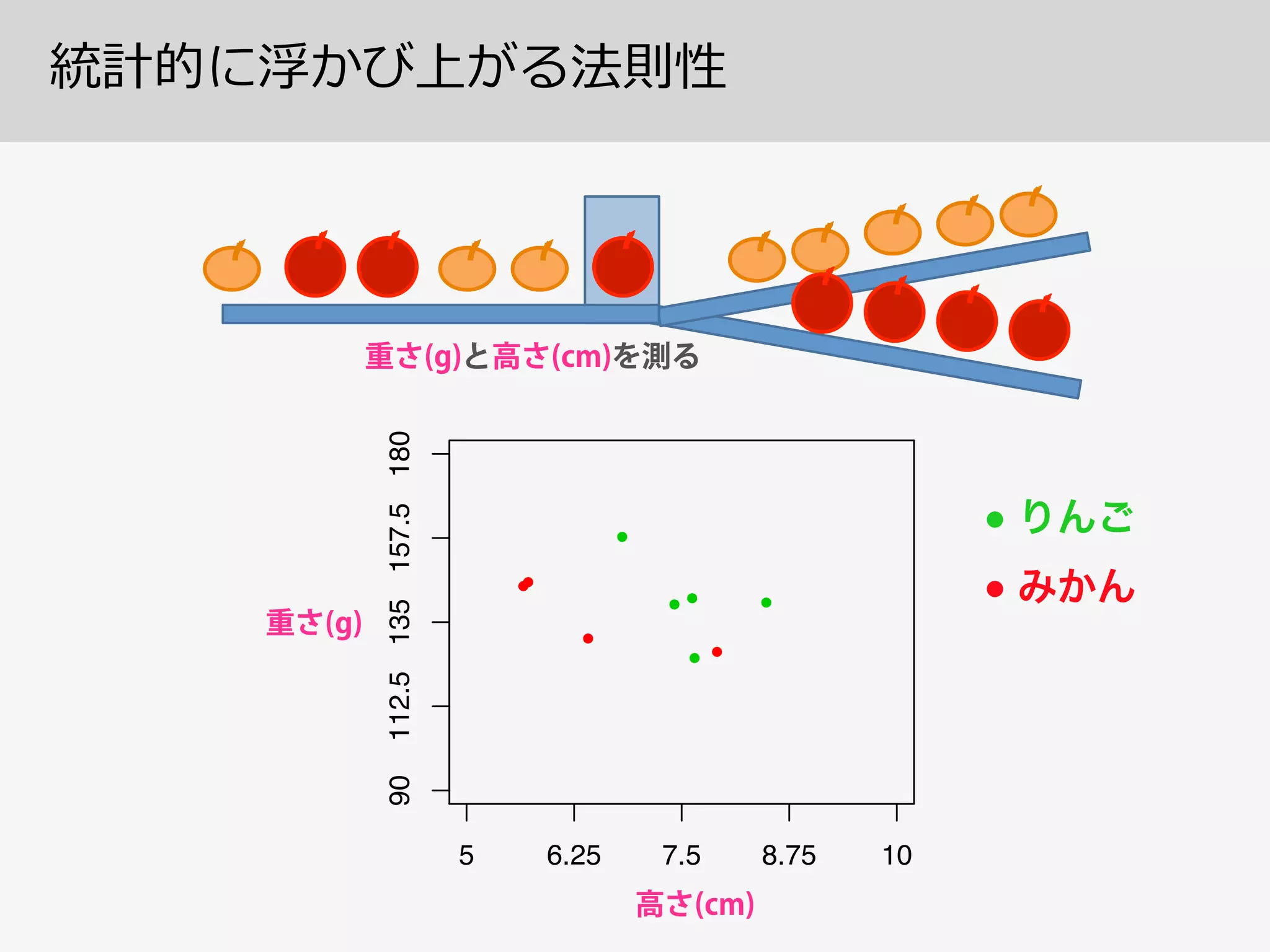
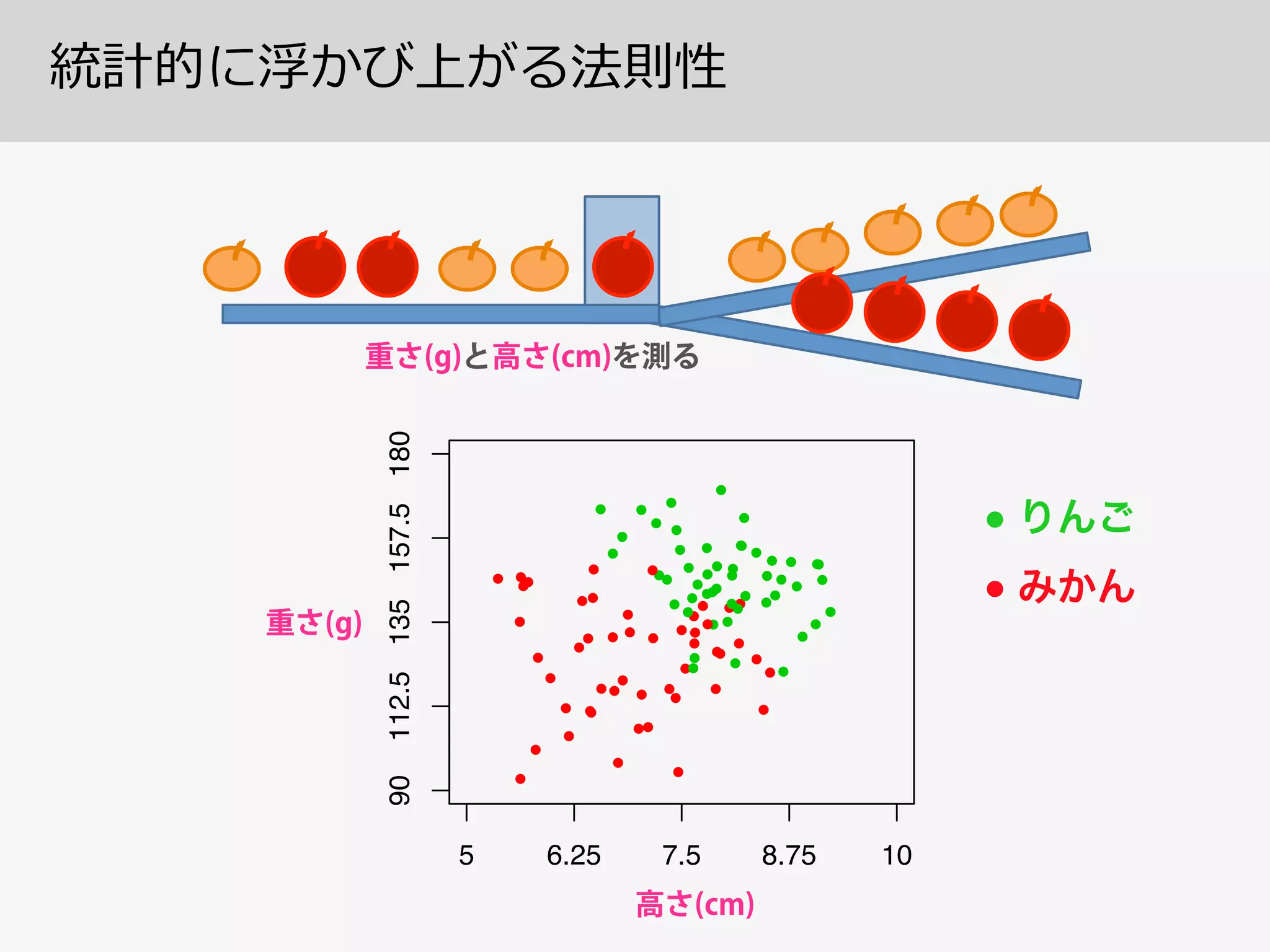
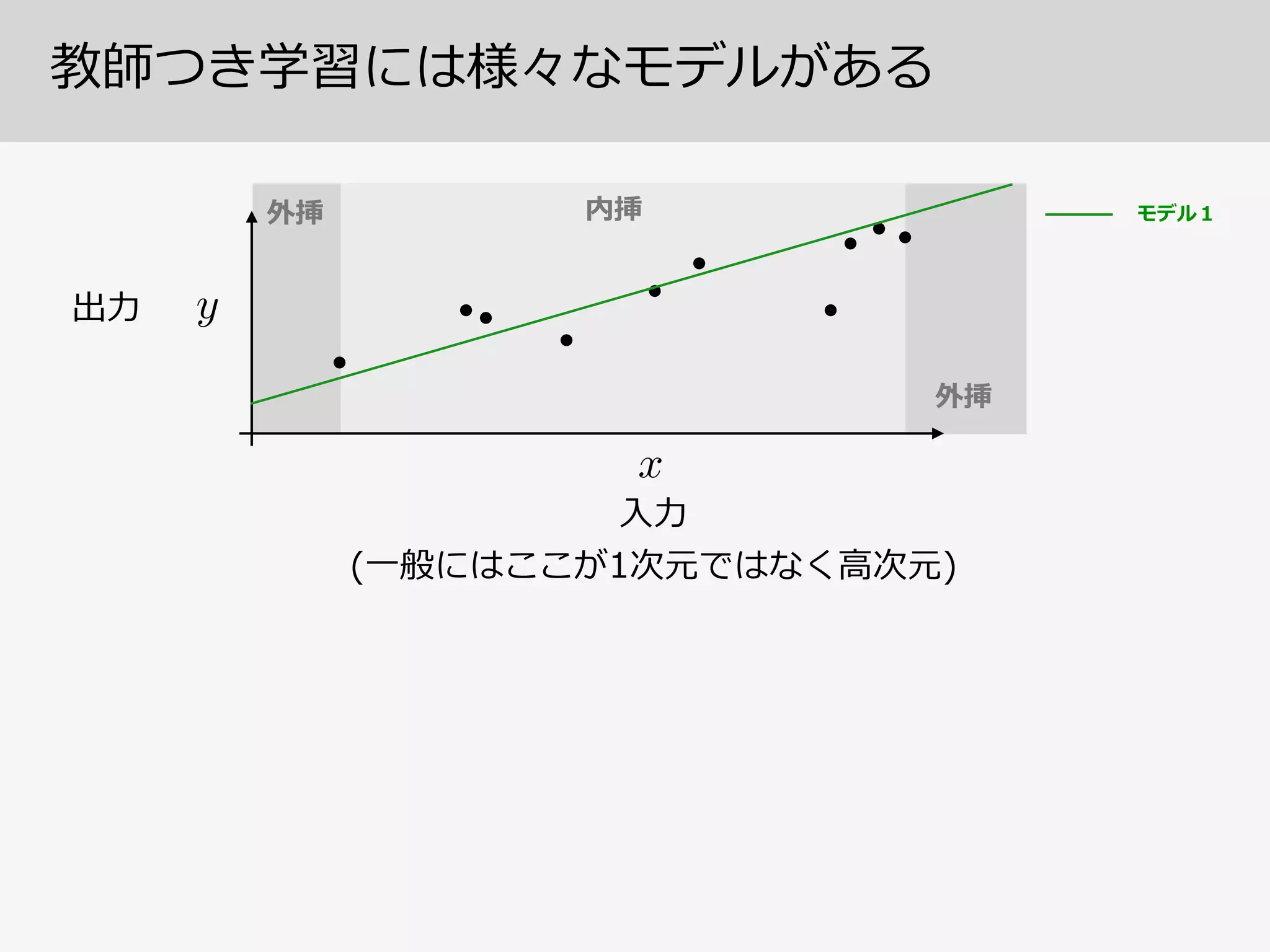
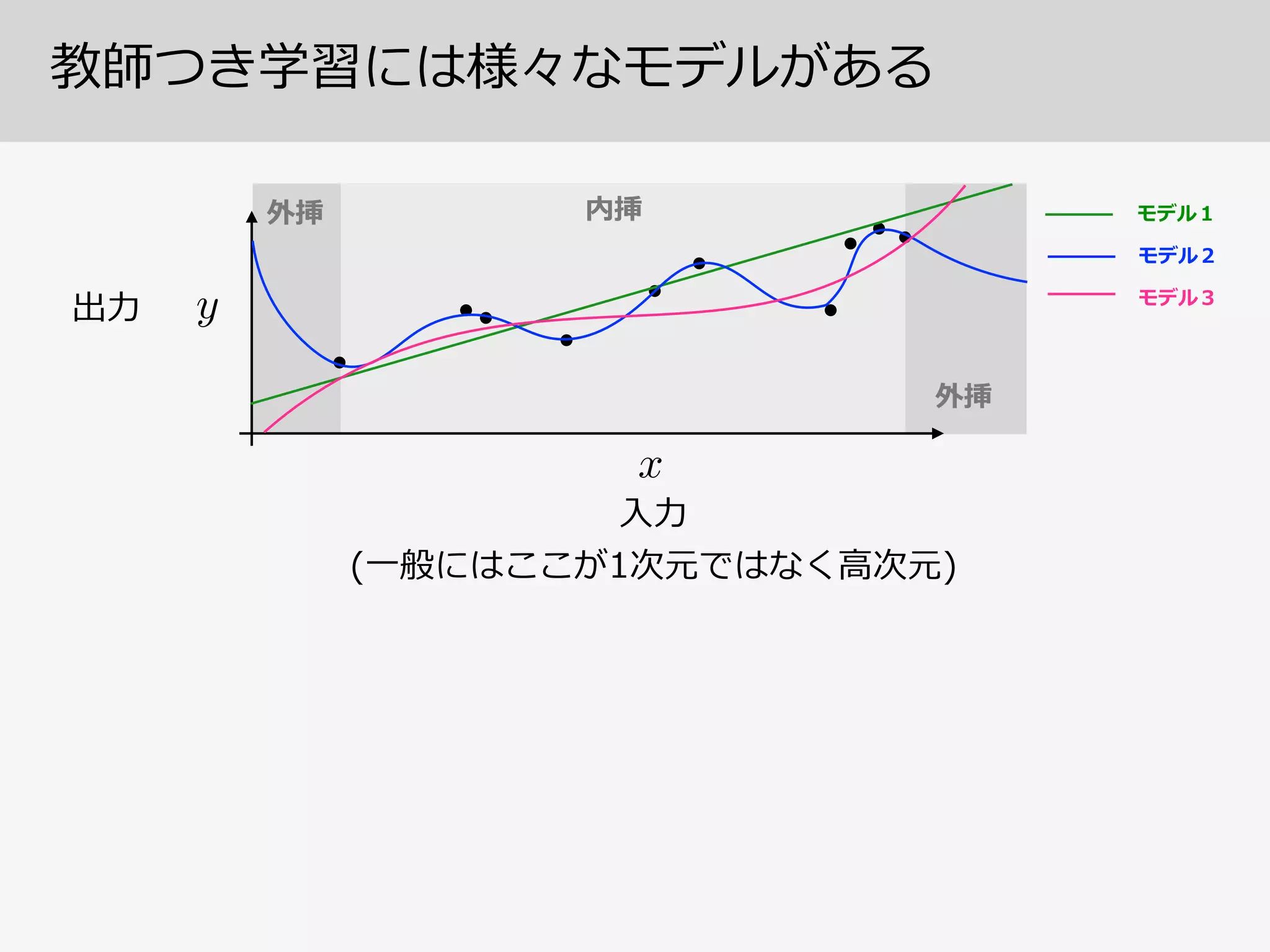
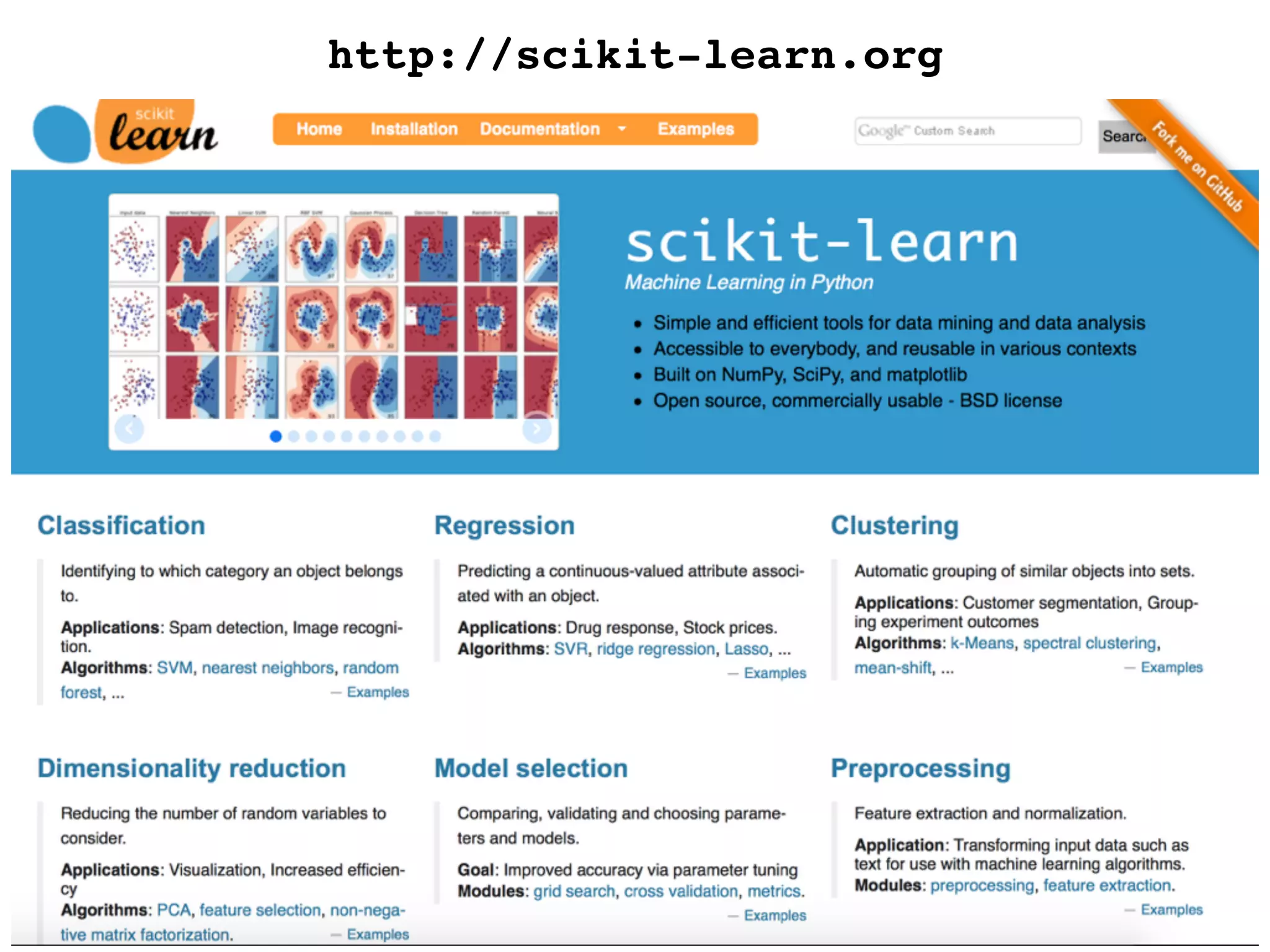
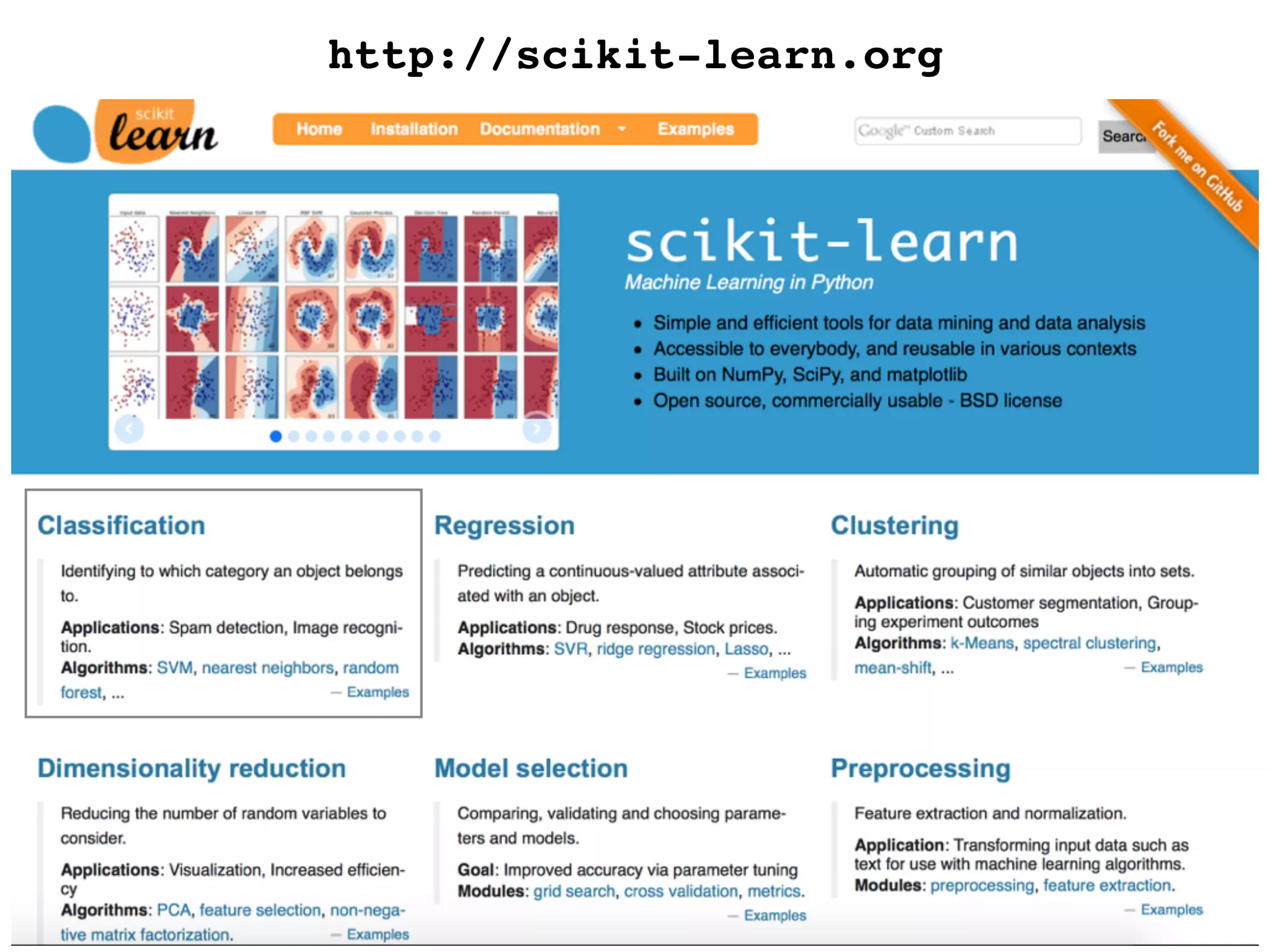
Detailed discussion on machine learning types, especially supervised learning, including models and training methods.
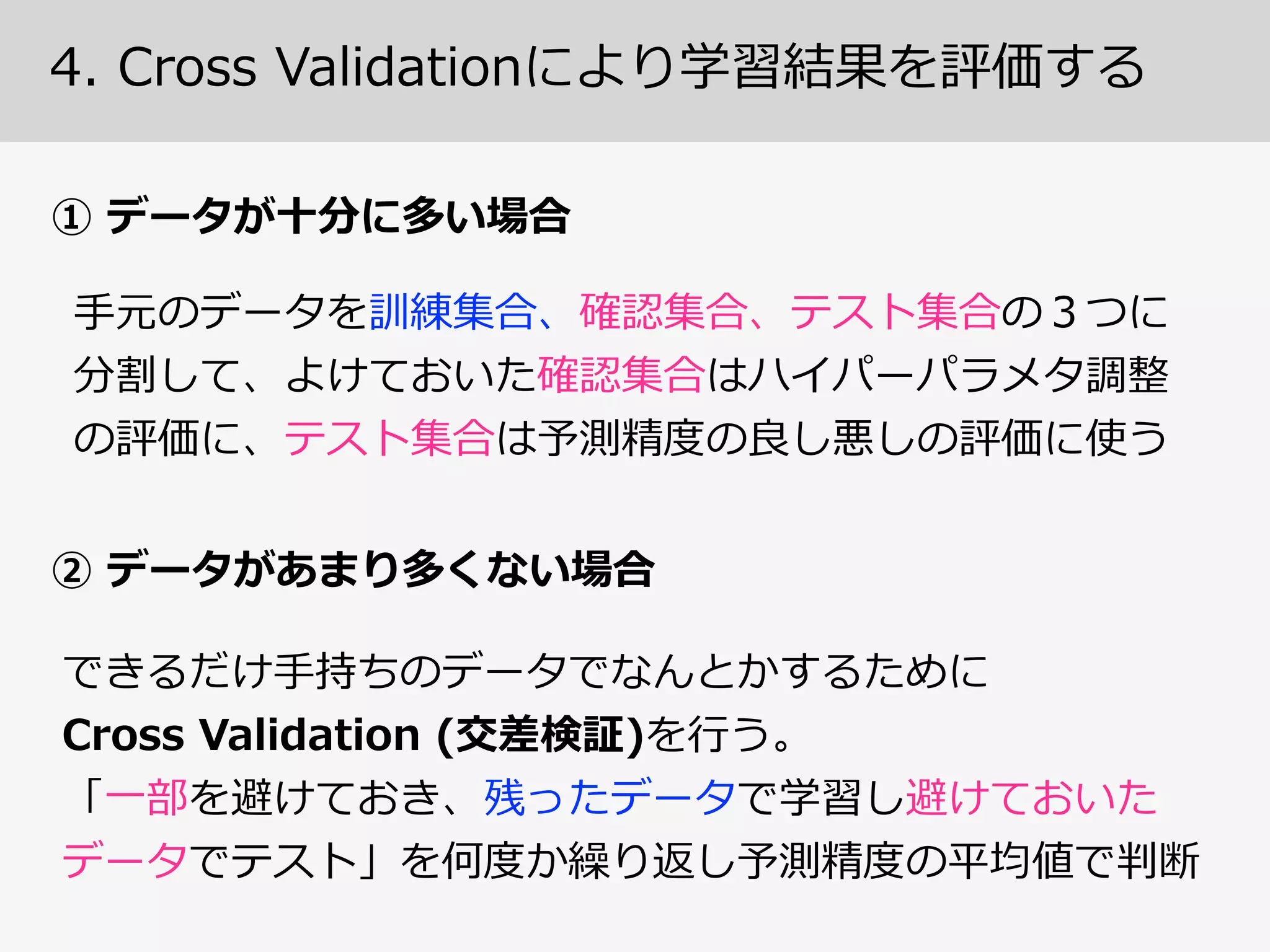
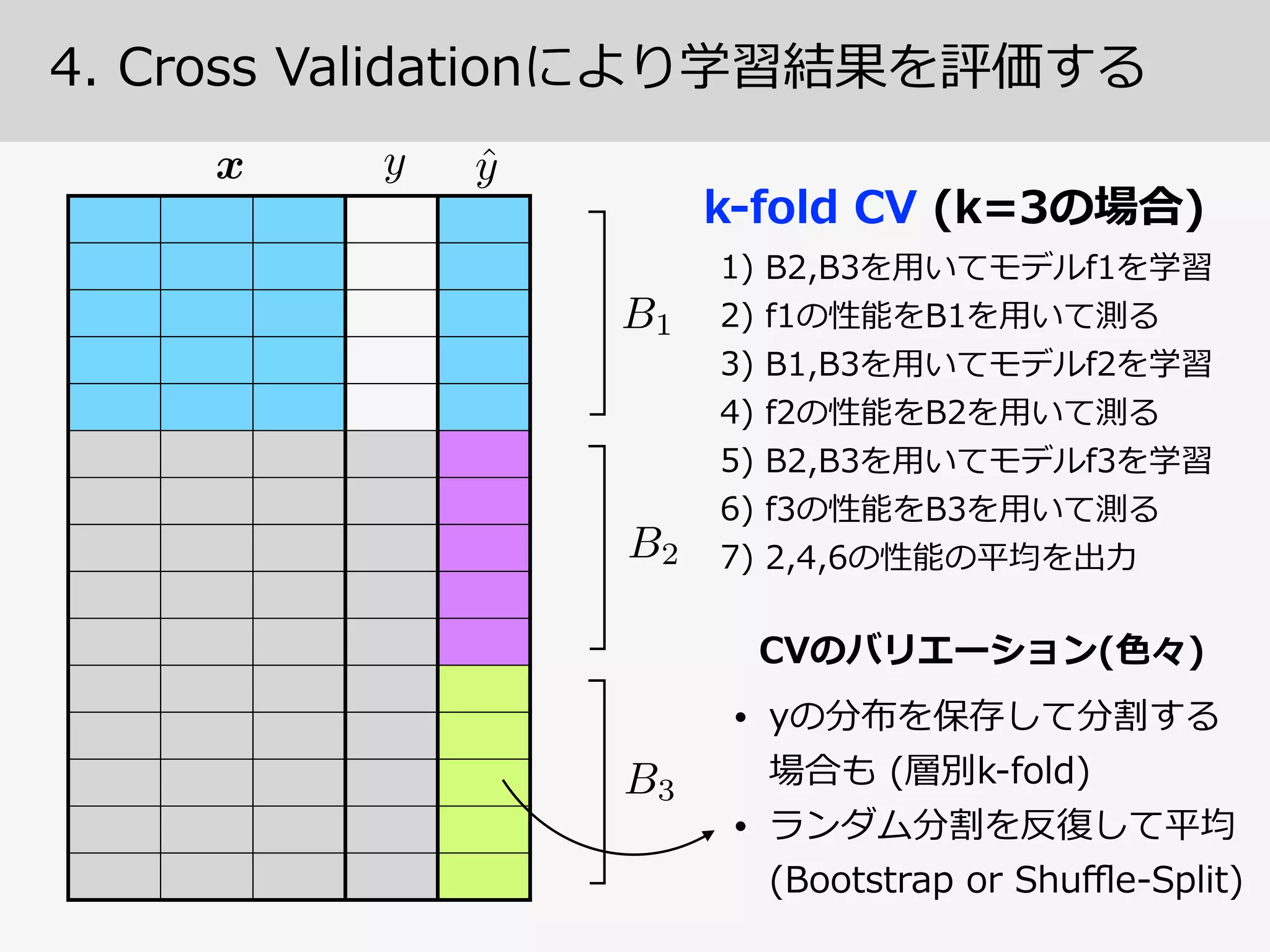
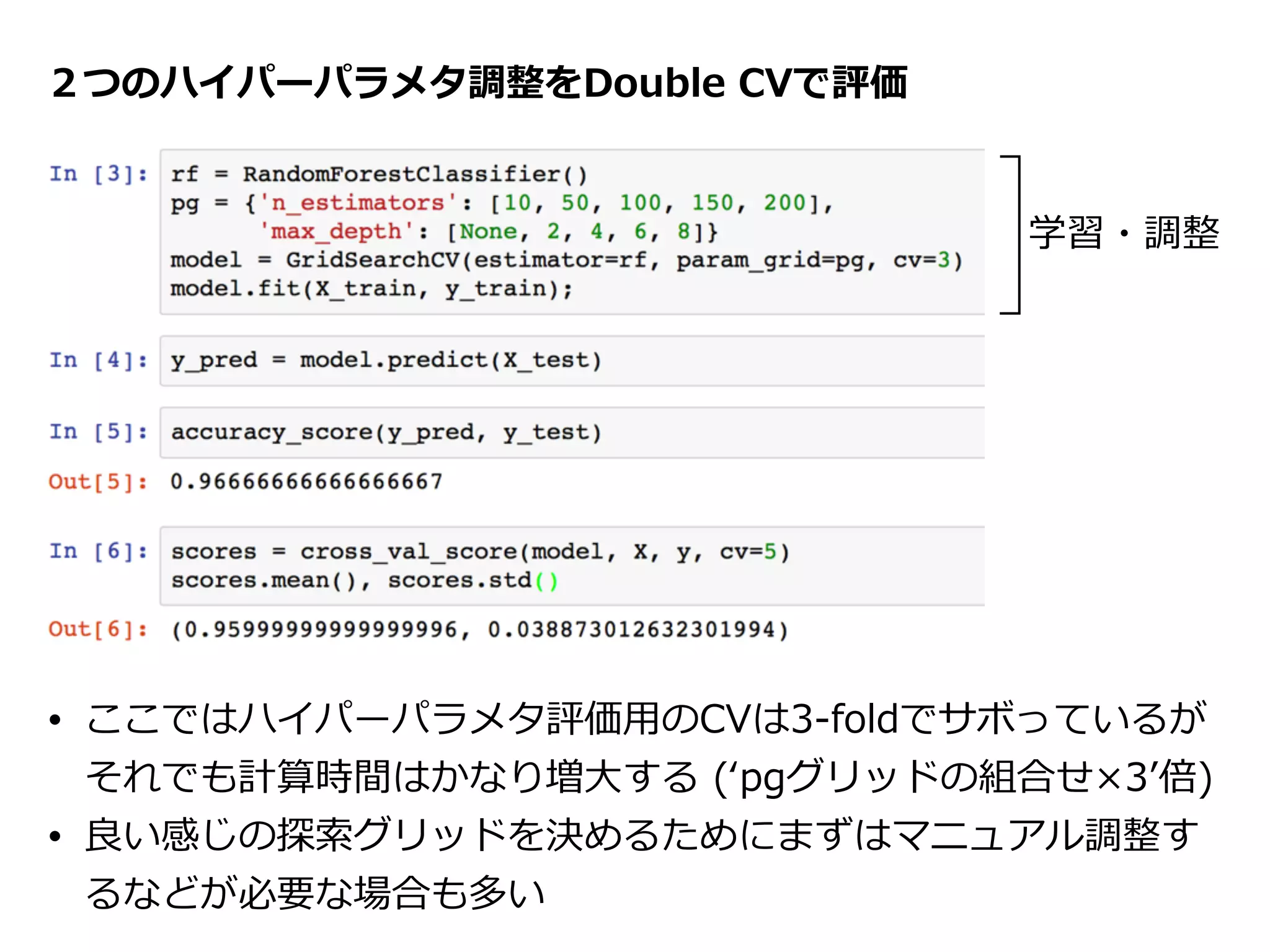
Explanation of the training process, including handling data, setting parameters, and evaluating model performance.
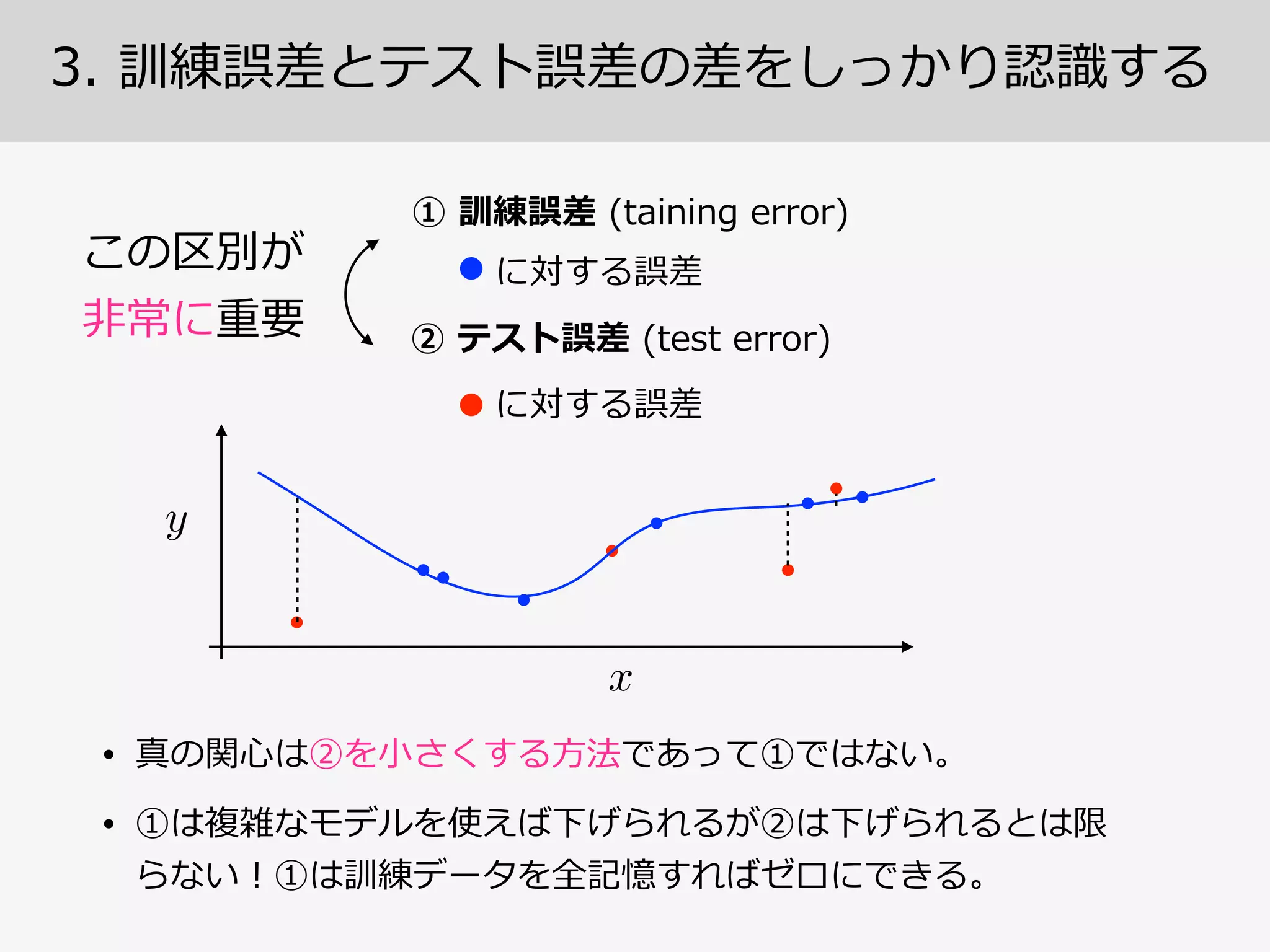
Challenges faced in data quality, hyperparameters tuning, understanding training vs. test errors, and the importance of validation.
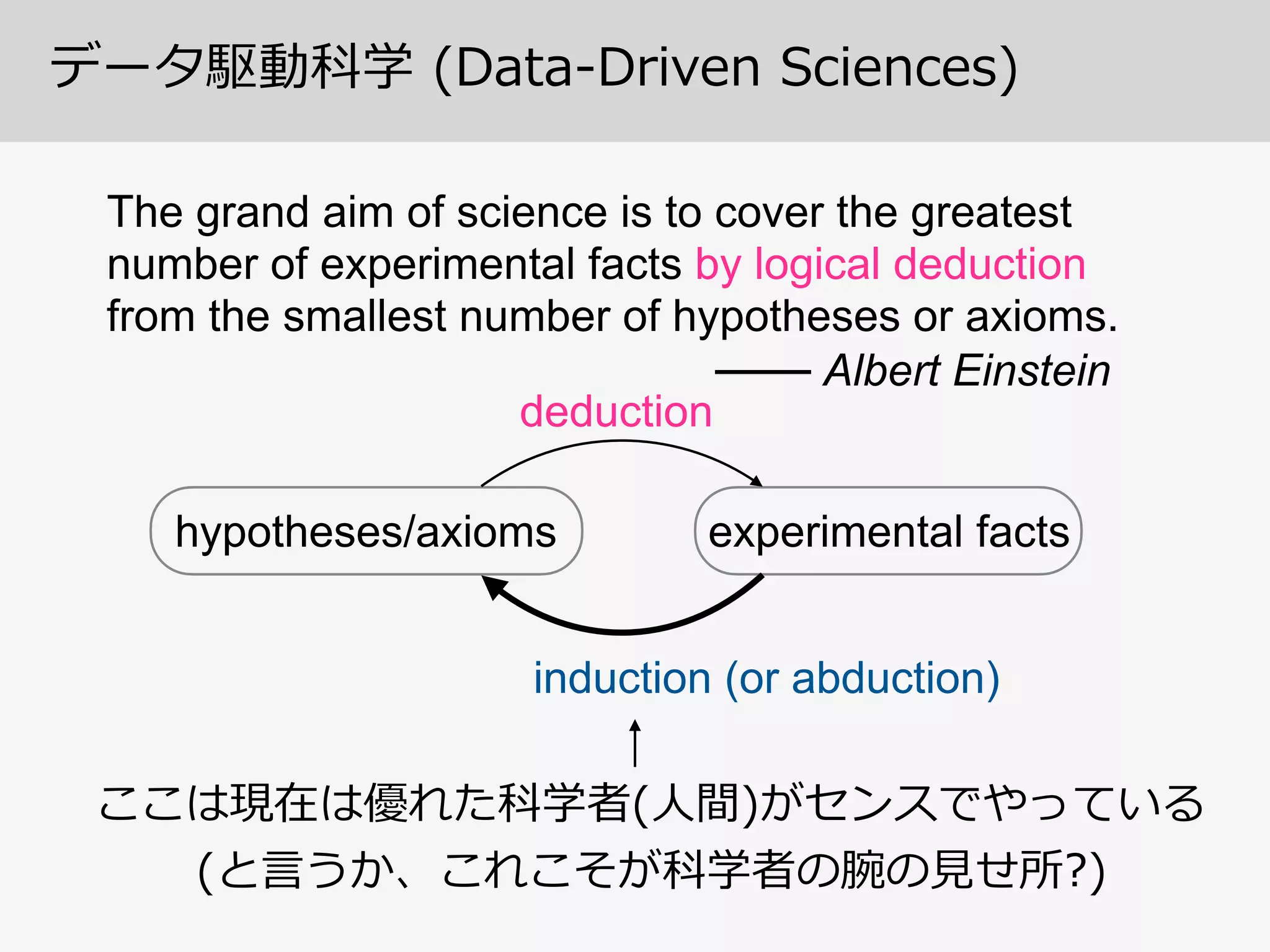
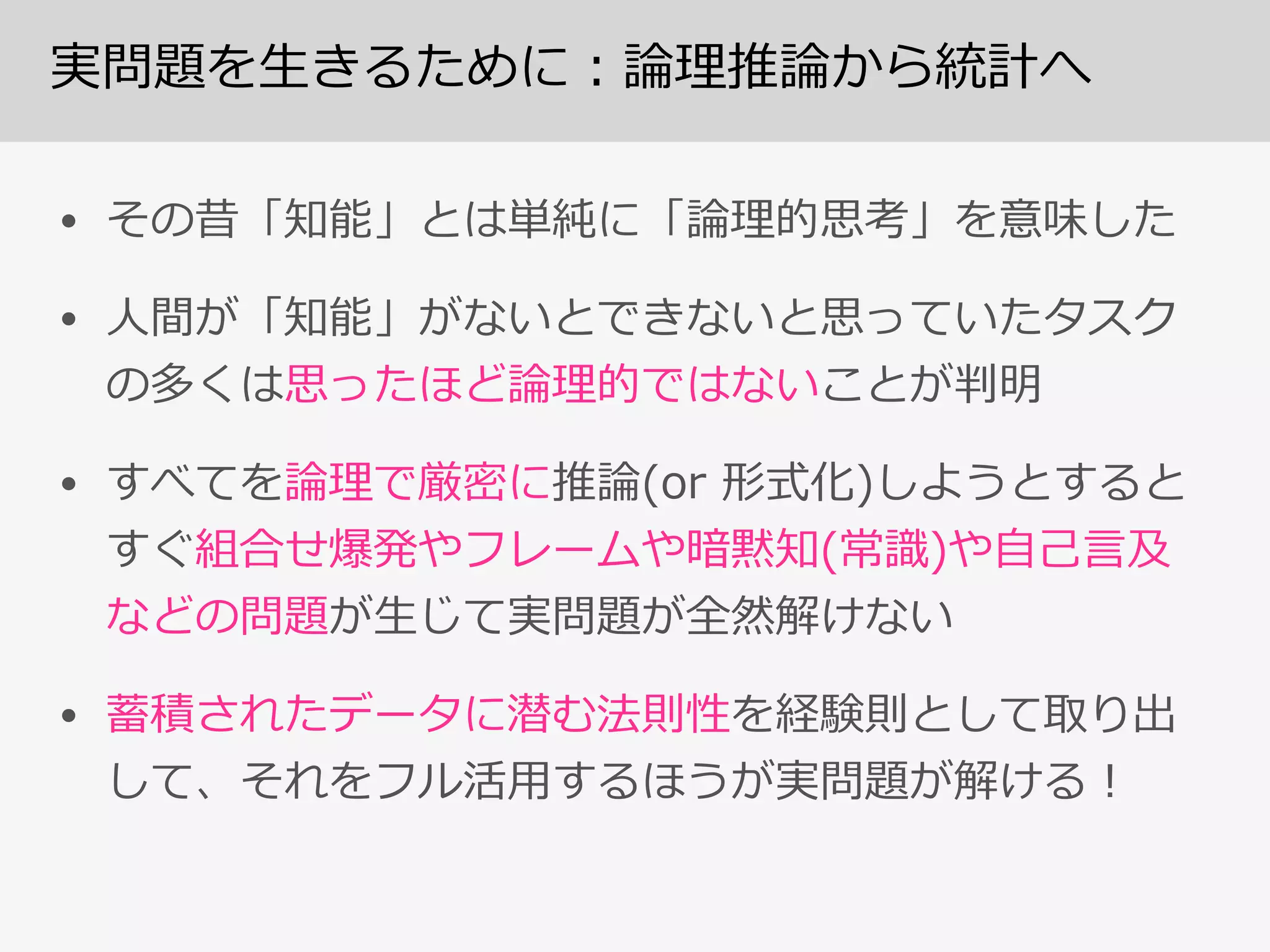
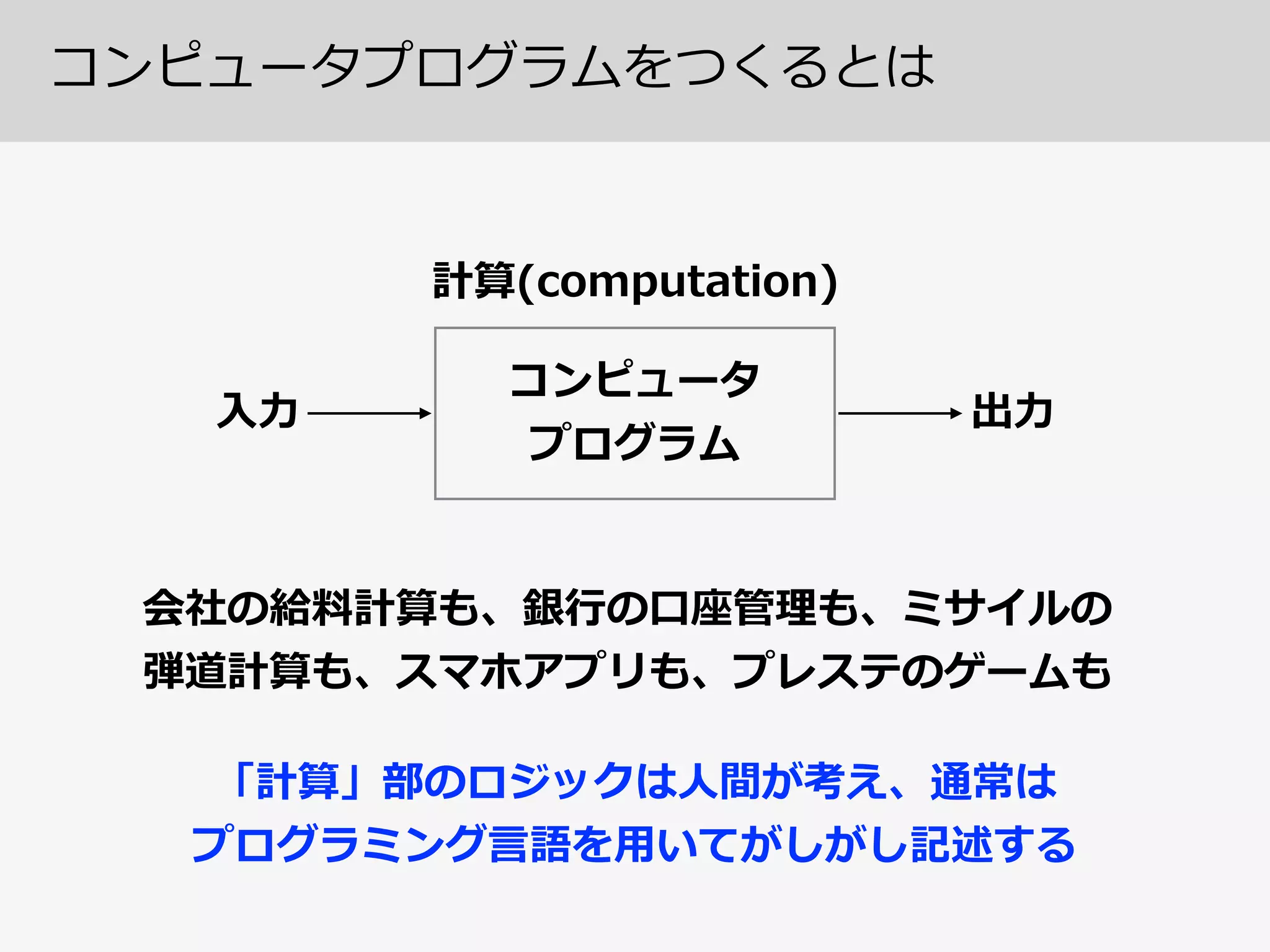
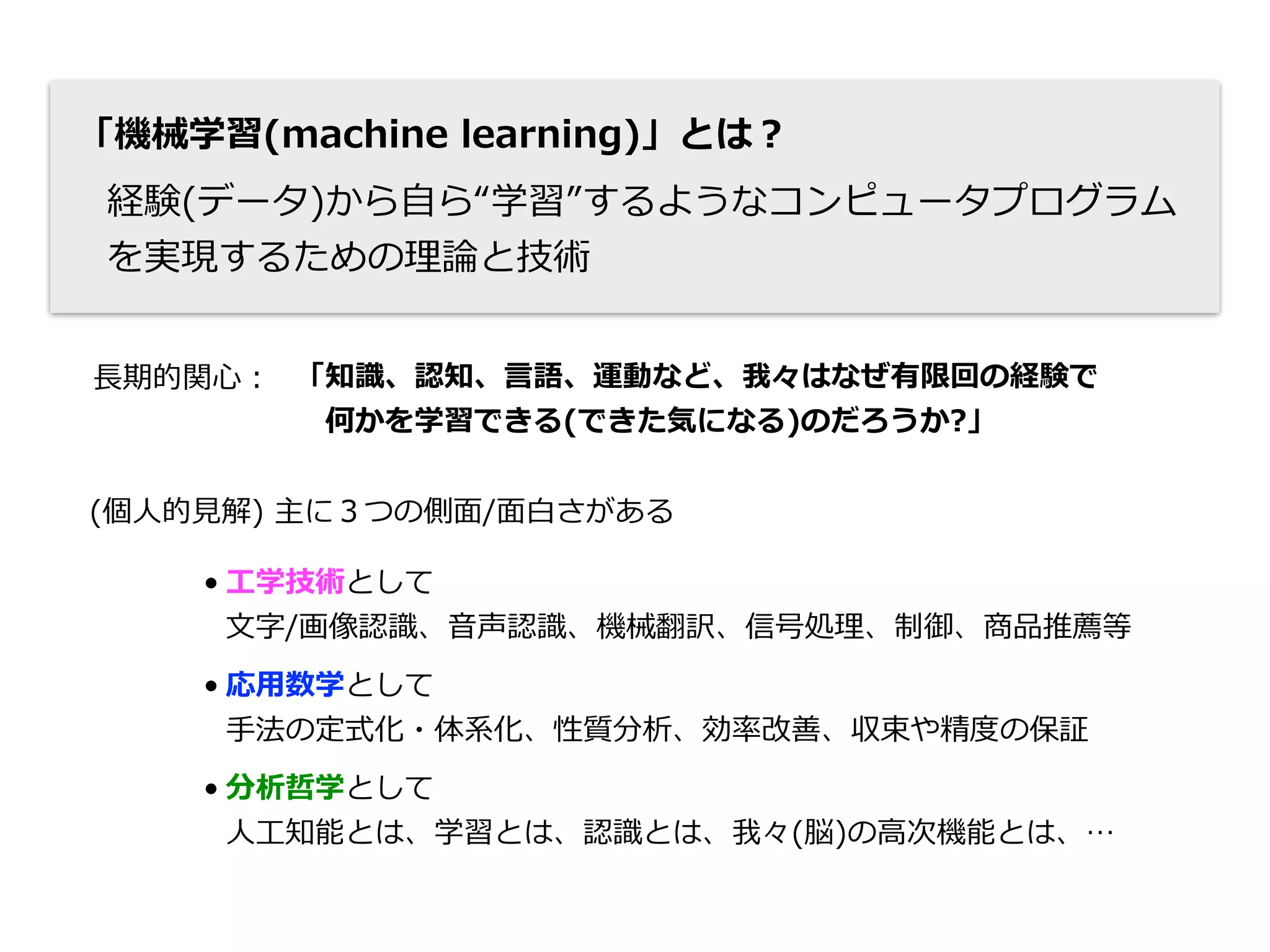
Summary of machine learning's role in a data-driven society, emphasizing the need to recognize its potential and limitations.Definition of machine learning and its applications in engineering and mathematics, highlighting its relationship with artificial intelligence.


![[DL輪読会]Grokking: Generalization Beyond Overfitting on Small Algorithmic Datasets](https://cdn.slidesharecdn.com/ss_thumbnails/20220325okimura-220405024717-thumbnail.jpg?width=640&height=640&fit=bounds)


![[DL輪読会]Revisiting Deep Learning Models for Tabular Data (NeurIPS 2021) 表形式デー...](https://cdn.slidesharecdn.com/ss_thumbnails/dl20220318dlfin-220322065433-thumbnail.jpg?width=640&height=640&fit=bounds)
![[DL輪読会]Focal Loss for Dense Object Detection](https://cdn.slidesharecdn.com/ss_thumbnails/focalloss-180208092846-thumbnail.jpg?width=640&height=640&fit=bounds)


