A disaster is a natural or man-made (or
technological) hazard resulting in an event of
substantial extent causing significant
physical damage or destruction, loss of life,
or drastic change to the environment. A
disaster can be ostensively defined as any
tragic event stemming from events such
as earthquakes, floods,
catastrophic accidents, fires, explosions &
drought. It is a phenomenon that can cause
damage to life and property and destroy the
economic, social and cultural life of people.
Lets know some about a particular disaster
lets say drought.
Many experts, organizations and reports like World Bank
have highlighted the unjustifiably high share of sugarcane in
Maharashtra's irrigation. That all these factors came
together in one year is not just an unfortunate coincidence.
It shows that the reasons behind the Maharashtra drought
are starker than simply less rainfall. Unless these root causes
are addressed, no amount of state and central assistance
can banish droughts. Farmers and rural and urban poor have
been suffering for too long due to the opportunistic and
myopic response of the political and administrative
leadership in Maharashtra to successive droughts. To
understand and change this, we need to first take a long,
deep look at some of the reasons sparking the water
shortage:
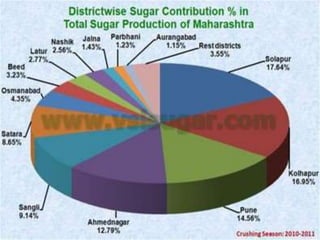
Worst drought-affected districts have the most sugar
factories
Sugarcane is one of the most water-intensive crops grown in
Maharashtra, requiring ten times more water than Jowar or
nut. Ironically, the regions where it is grown the most are
chronically drought hit regions, which have been receiving
central aid for drought proofing though the Drought Proof
Area Program and other such schemes. Sugarcane area
under drip irrigation in these regions is dismally low.
According to the Water Resources Department,
Maharashtra, in 2009-10, of the approximate 25 lakh
hectares (Ha) of irrigated area in Maharashtra, 3,97,000 Ha
was under sugarcane. However, according to the Union
Agricultural Ministry (which would get its data from the
State Agricultural Department), area under sugarcane was
9,70,000 hectares in 2010-11 and again 10,02, 000 hectares
in 2011-12.
When it was grown on 16% Irrigated area,
sugarcane used 76% of all water for
Irrigation. With area under sugarcane
increasing, its hegemony has increased
exponentially. Not only does it capture
maximum water, it results in water logging,
salinity and severe water pollution by sugar
factories. Incidentally, Maharashtra has 209
sugar factories, the highest in any state in
India.
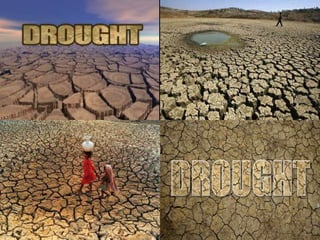
Drought
Drought is a temporary reduction in water or moisture availability
significantly below the normal or expected amount for a specific
period. This condition occurs either due to inadequacy of rainfall, or
lack or irrigation facilities, under-exploitation or deficient availability
for meeting the normal crop requirements in the context of the agro-
climatic conditions prevailing in any particular area.
Drought Management
The strategy for this management is basically threefold:-
1 Close monitoring of the emerging drought scenario so as develop an
advance warning system.
2 Relief measures required for providing immediate succor to the
affected population and the upkeep of the cattle wealth, and if
possible to integrate it with long term objectives.
3 Hammering out an alternative crop strategy for maximum possible
retrieval of the Kharif crop and a better ensuing Rabi crop.
Efforts By:-
karthekiya berry

Disaster management ppt

  • 2.
    A disaster isa natural or man-made (or technological) hazard resulting in an event of substantial extent causing significant physical damage or destruction, loss of life, or drastic change to the environment. A disaster can be ostensively defined as any tragic event stemming from events such as earthquakes, floods, catastrophic accidents, fires, explosions & drought. It is a phenomenon that can cause damage to life and property and destroy the economic, social and cultural life of people. Lets know some about a particular disaster lets say drought.
  • 5.
    Many experts, organizationsand reports like World Bank have highlighted the unjustifiably high share of sugarcane in Maharashtra's irrigation. That all these factors came together in one year is not just an unfortunate coincidence. It shows that the reasons behind the Maharashtra drought are starker than simply less rainfall. Unless these root causes are addressed, no amount of state and central assistance can banish droughts. Farmers and rural and urban poor have been suffering for too long due to the opportunistic and myopic response of the political and administrative leadership in Maharashtra to successive droughts. To understand and change this, we need to first take a long, deep look at some of the reasons sparking the water shortage: Worst drought-affected districts have the most sugar factories
  • 6.
    Sugarcane is oneof the most water-intensive crops grown in Maharashtra, requiring ten times more water than Jowar or nut. Ironically, the regions where it is grown the most are chronically drought hit regions, which have been receiving central aid for drought proofing though the Drought Proof Area Program and other such schemes. Sugarcane area under drip irrigation in these regions is dismally low. According to the Water Resources Department, Maharashtra, in 2009-10, of the approximate 25 lakh hectares (Ha) of irrigated area in Maharashtra, 3,97,000 Ha was under sugarcane. However, according to the Union Agricultural Ministry (which would get its data from the State Agricultural Department), area under sugarcane was 9,70,000 hectares in 2010-11 and again 10,02, 000 hectares in 2011-12.
  • 7.
    When it wasgrown on 16% Irrigated area, sugarcane used 76% of all water for Irrigation. With area under sugarcane increasing, its hegemony has increased exponentially. Not only does it capture maximum water, it results in water logging, salinity and severe water pollution by sugar factories. Incidentally, Maharashtra has 209 sugar factories, the highest in any state in India.
  • 8.
    Drought Drought is atemporary reduction in water or moisture availability significantly below the normal or expected amount for a specific period. This condition occurs either due to inadequacy of rainfall, or lack or irrigation facilities, under-exploitation or deficient availability for meeting the normal crop requirements in the context of the agro- climatic conditions prevailing in any particular area. Drought Management The strategy for this management is basically threefold:- 1 Close monitoring of the emerging drought scenario so as develop an advance warning system. 2 Relief measures required for providing immediate succor to the affected population and the upkeep of the cattle wealth, and if possible to integrate it with long term objectives. 3 Hammering out an alternative crop strategy for maximum possible retrieval of the Kharif crop and a better ensuing Rabi crop.
  • 9.