
APRIL 26 2012
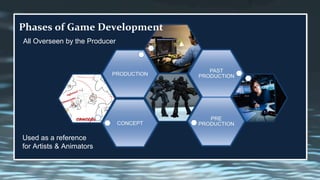
Phases of Game Development
All Overseen by the Producer
Used as a reference
for Artists & Animators
• GDD and TDD should provide enough info to determine the scope of the
project and will determine the staff size
• The staffing plan lists the full-time staff required
• The largest part of the budget is for employees’ salaries
When our team works together we glide forward easily
– Design Director and Design Team
– Technical Director and Programming Team
– Producer and Management Team
When our team works together we glide forward easily
– Art Director and Art Team
– Audio Director and Audio Team
– Director and Testing Team
– Flexible Staffing
• The project is divided in major categories
• Categories broken to individual tasks
• tasks are prioritized
• task length
• tasks risk assessment and alternative
solutions
• top-down planning
• down - top: new technologies involved
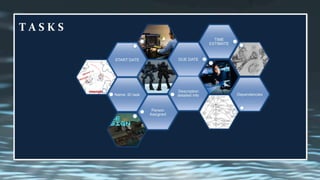
T A S K S
Master Project Schedule
• Microsoft Project
• the technical director maintains the software schedule, the art director the art
schedule, design director - the design schedule
• the producer needs the Master Project Schedule in order to see the whole
picture
• Milestones
• specific points in the schedule where various components are integrated, an end
result could be produced
• milestones should be entered into the schedule every 4-6 weeks
• Ex.
• Alpha
• Beta
• Gold Master
Could be broken into monthly
increments: CATAGORIES
• fixed cost - salaries, rent, electricity
• variable cost - short-turn contractors,
capital expenses, travel and
entertainment, software license fees
Budget could be broken to :
• salaries
• general and administrative
• research and development
• licenses
• travel and entertainment
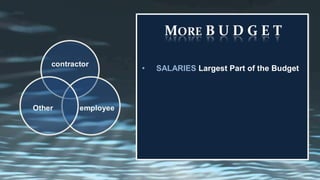
• SALARIES Largest Part of the Budget
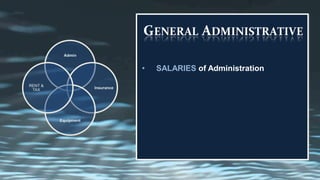
• SALARIES of Administration
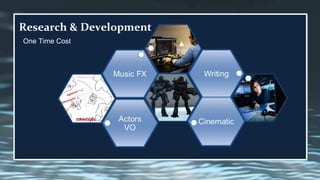
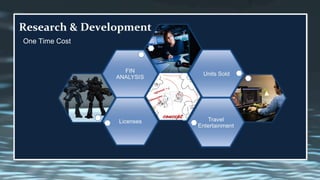
Research & Development
One Time Cost
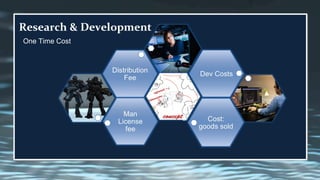
Research & Development
One Time Cost
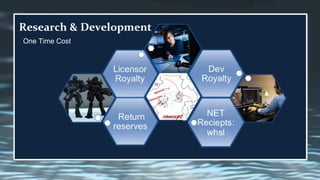
Research & Development
One Time Cost
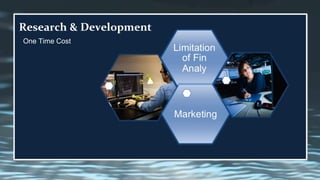
Research & Development
One Time Cost
Research & Development
One Time Cost
Mucho rulos

Game Design: The Production Plan

  • 1.
  • 3.
    Phases of GameDevelopment All Overseen by the Producer Used as a reference for Artists & Animators
  • 5.
    • GDD andTDD should provide enough info to determine the scope of the project and will determine the staff size • The staffing plan lists the full-time staff required • The largest part of the budget is for employees’ salaries
  • 6.
    When our teamworks together we glide forward easily – Design Director and Design Team – Technical Director and Programming Team – Producer and Management Team
  • 7.
    When our teamworks together we glide forward easily – Art Director and Art Team – Audio Director and Audio Team – Director and Testing Team – Flexible Staffing
  • 9.
    • The projectis divided in major categories • Categories broken to individual tasks • tasks are prioritized
  • 10.
    • task length •tasks risk assessment and alternative solutions • top-down planning • down - top: new technologies involved
  • 13.
    T A SK S
  • 14.
    Master Project Schedule •Microsoft Project • the technical director maintains the software schedule, the art director the art schedule, design director - the design schedule • the producer needs the Master Project Schedule in order to see the whole picture • Milestones • specific points in the schedule where various components are integrated, an end result could be produced • milestones should be entered into the schedule every 4-6 weeks • Ex. • Alpha • Beta • Gold Master
  • 16.
    Could be brokeninto monthly increments: CATAGORIES • fixed cost - salaries, rent, electricity • variable cost - short-turn contractors, capital expenses, travel and entertainment, software license fees Budget could be broken to : • salaries • general and administrative • research and development • licenses • travel and entertainment
  • 17.
    • SALARIES LargestPart of the Budget
  • 18.
    • SALARIES ofAdministration
  • 20.
  • 21.
  • 22.
  • 23.
  • 24.
  • 25.

Editor's Notes

  • #2 This slide can be used as a background before the presentation begins.
  • #3 This template is in widescreen format and demonstrates how transitions, animations, and multimedia choreography can be used to enrich a presentation.