LOCALIZATION AND
CONTEXTUALIZATION
17 MAY 2014
Objectives:
DEPARTMENT OF EDUCATION
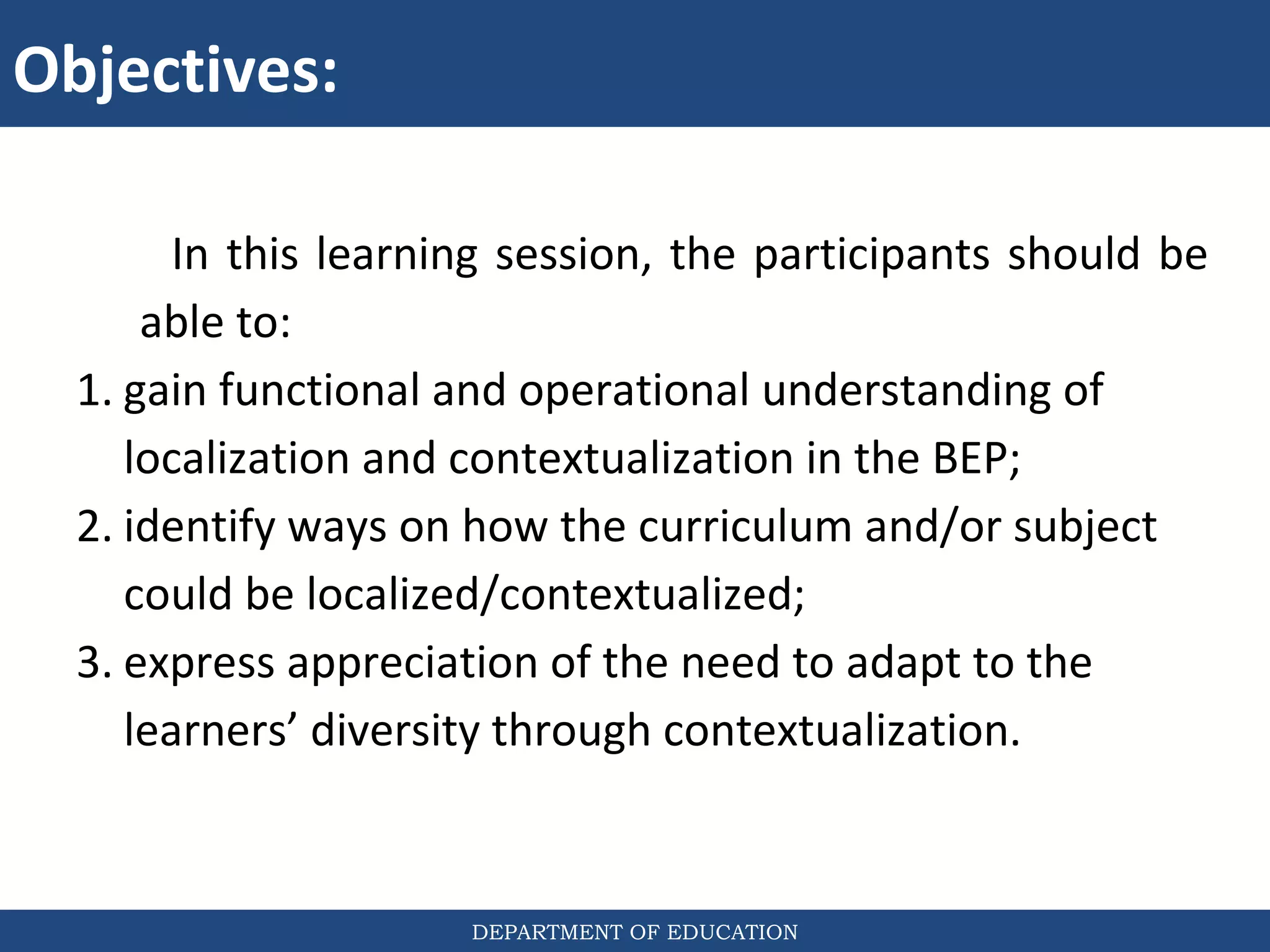
In this learning session, the participants should be
able to:
1. gain functional and operational understanding of
localization and contextualization in the BEP;
2. identify ways on how the curriculum and/or subject
could be localized/contextualized;
3. express appreciation of the need to adapt to the
learners’ diversity through contextualization.
DEPARTMENT OF EDUCATION
SING a PART of a song POPULAR
in your PLACE.
DEPARTMENT OF EDUCATION
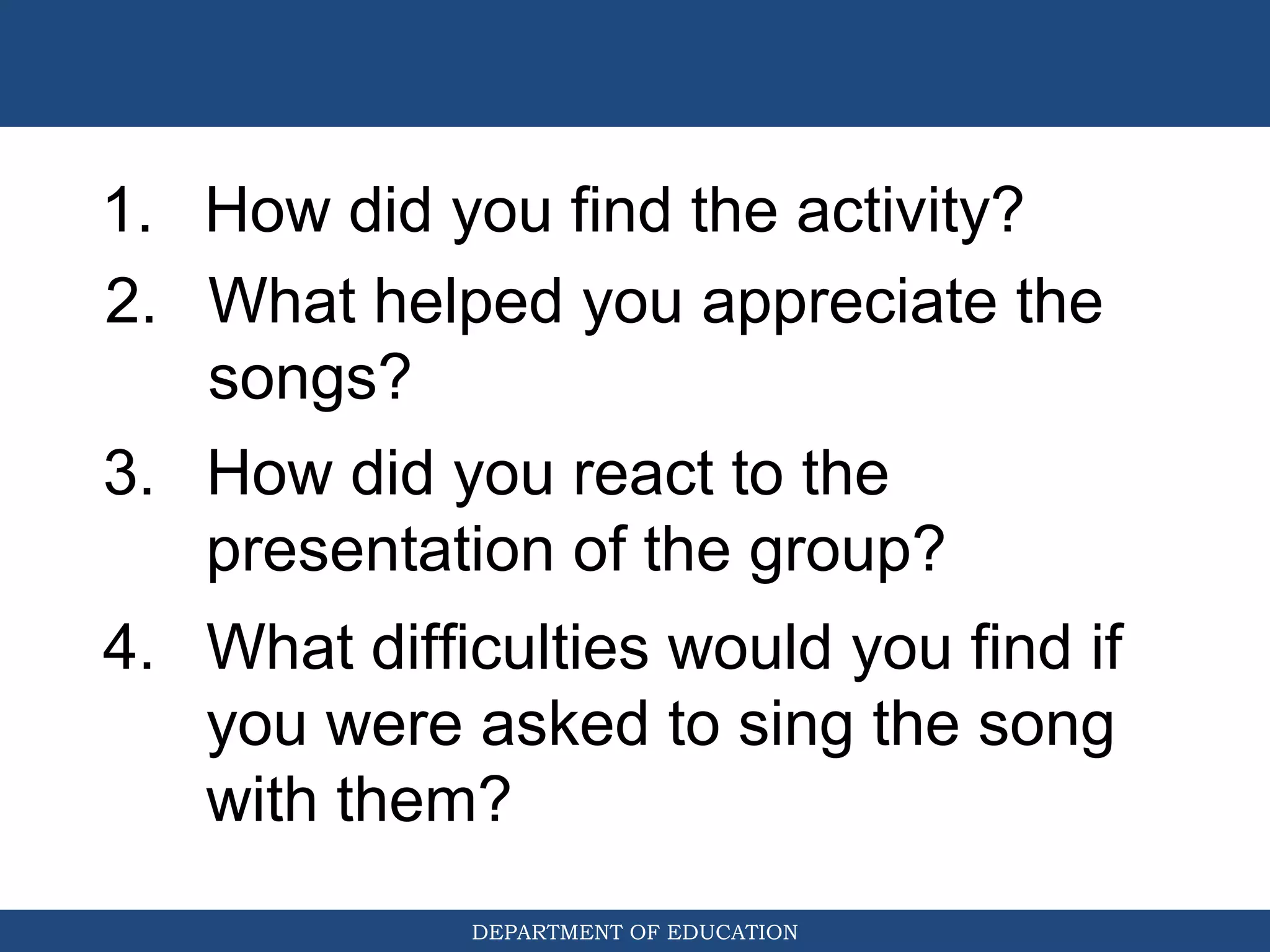
1. How did you find the activity?
2. What helped you appreciate the
songs?
3. How did you react to the
presentation of the group?
4. What difficulties would you find if
you were asked to sing the song
with them?
DEPARTMENT OF EDUCATION
5. How would you treat those difficulties?
6. What is this telling us about the way
lessons should be taught?
7. How is this similar to teaching in the
classroom?
8. What have you realized in this activity
as a teacher ?
Contextualization
DEPARTMENT OF EDUCATION
• Developing new skills, knowledge,
abilities, and attitudes in students
presenting new subject matter in
meaningful and relevant context:
context of previous experience,
real-life and workplace
DEPARTMENT OF EDUCATION
Localization
• Freedom for schools or local
authorities to adapt the
curriculum to local conditions and
relating the context of the
curriculum and the process of
teaching and learning to the local
environment...(Taylor 2004)
DEPARTMENT OF EDUCATION
• Localization and
contextualization can be done
in all subject areas
• Localization maximizes
materials that are locally
available
DEPARTMENT OF EDUCATION
• To contextualize, teachers use authentic
materials, activities, interests, issues,
and needs from learners’ lives
• Should create rooms for students to
pose problems and issues and develop
strategies together for addressing them
DEPARTMENT OF EDUCATION
• The localized or contextualized
curriculum is based on local
needs and relevance for the
learners where there is flexibility
and creativity in the lessons.
DEPARTMENT OF EDUCATION
• Tailor-fit the lesson
• Build on what they already have
• Accommodate and respect
cultural, linguistic, and racial
diversity
DEPARTMENT OF EDUCATION
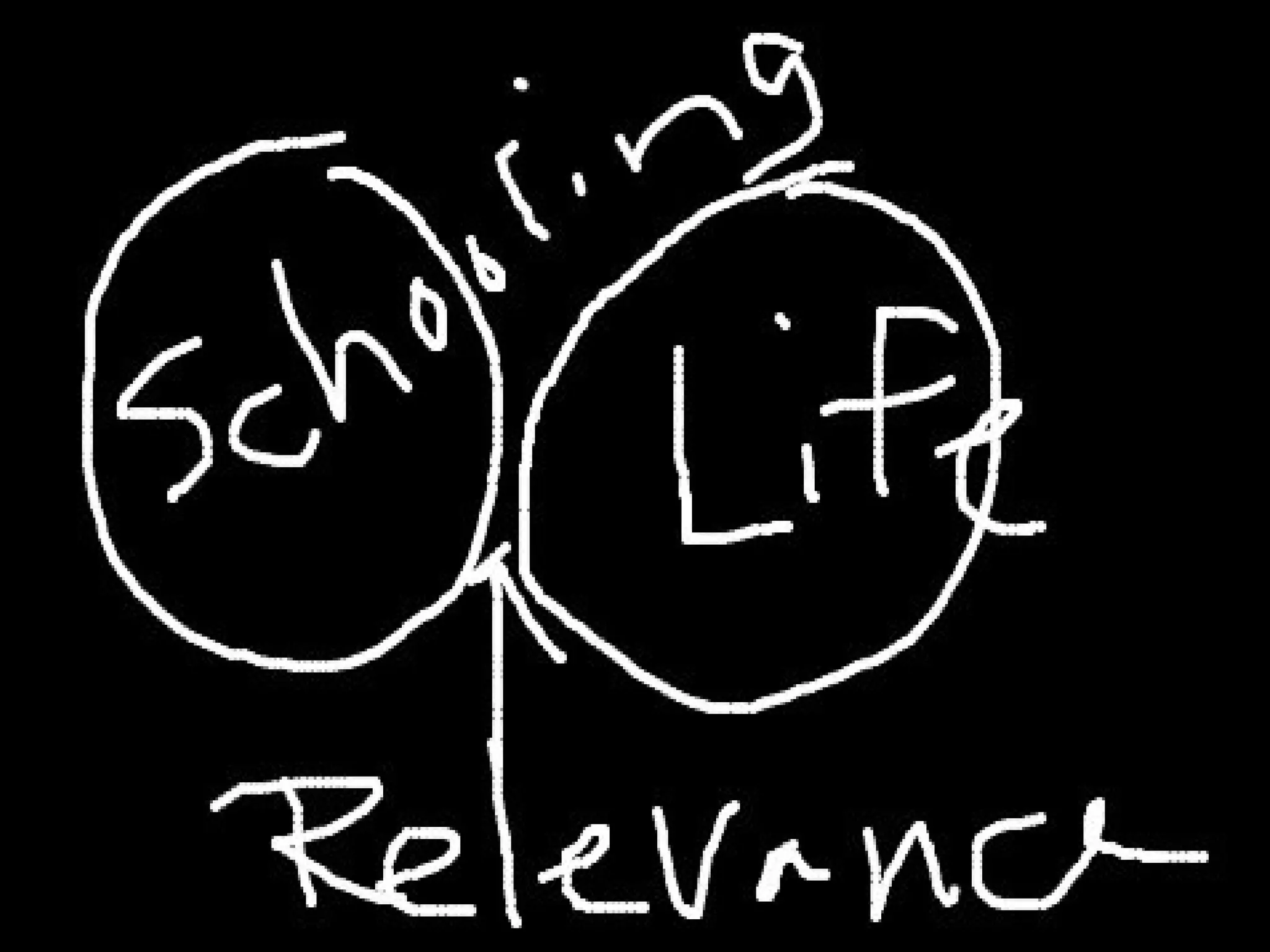
The Big Picture
DEPARTMENT OF EDUCATION
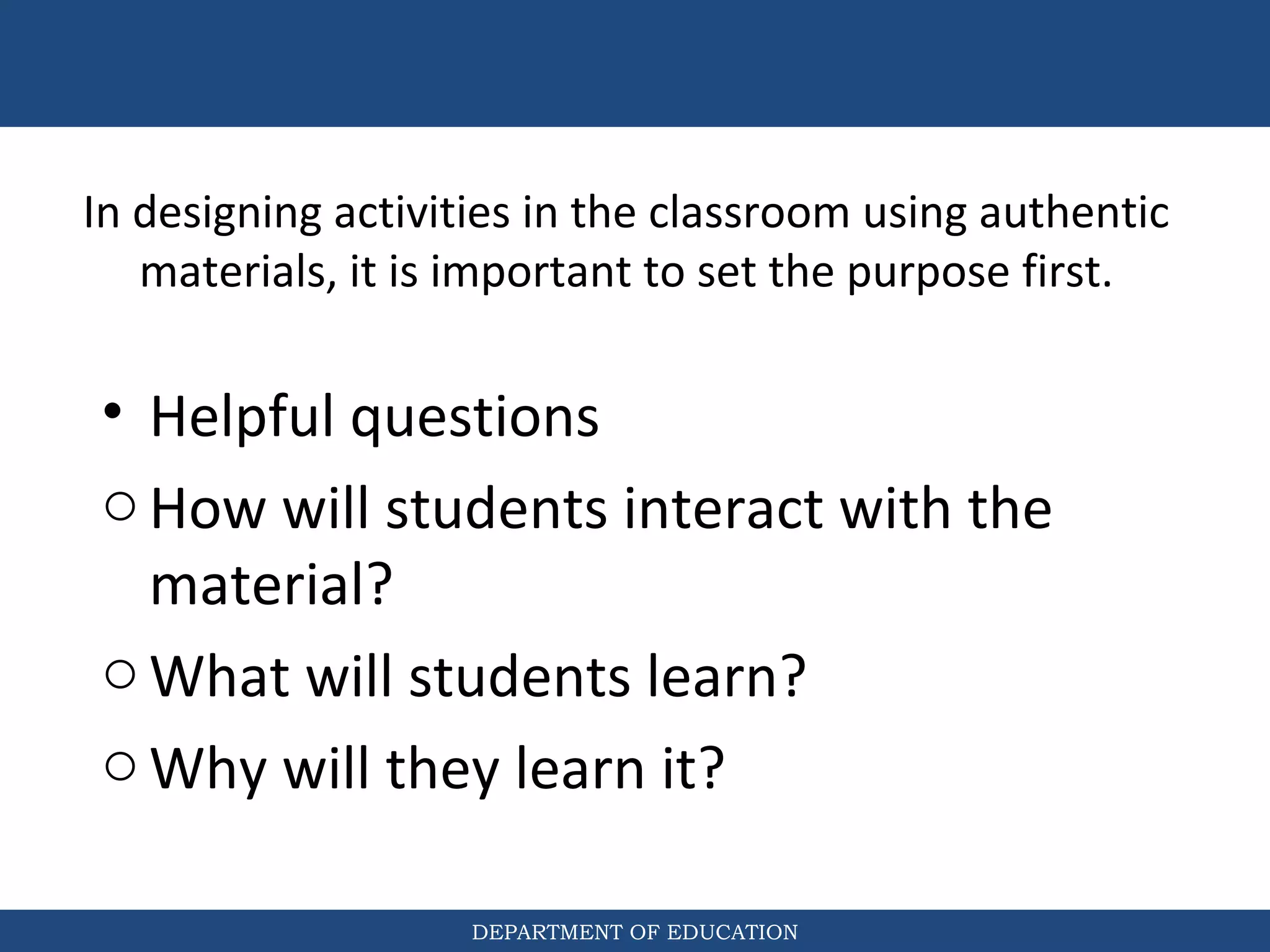
In designing activities in the classroom using authentic
materials, it is important to set the purpose first.
• Helpful questions
oHow will students interact with the
material?
oWhat will students learn?
oWhy will they learn it?
DEPARTMENT OF EDUCATION
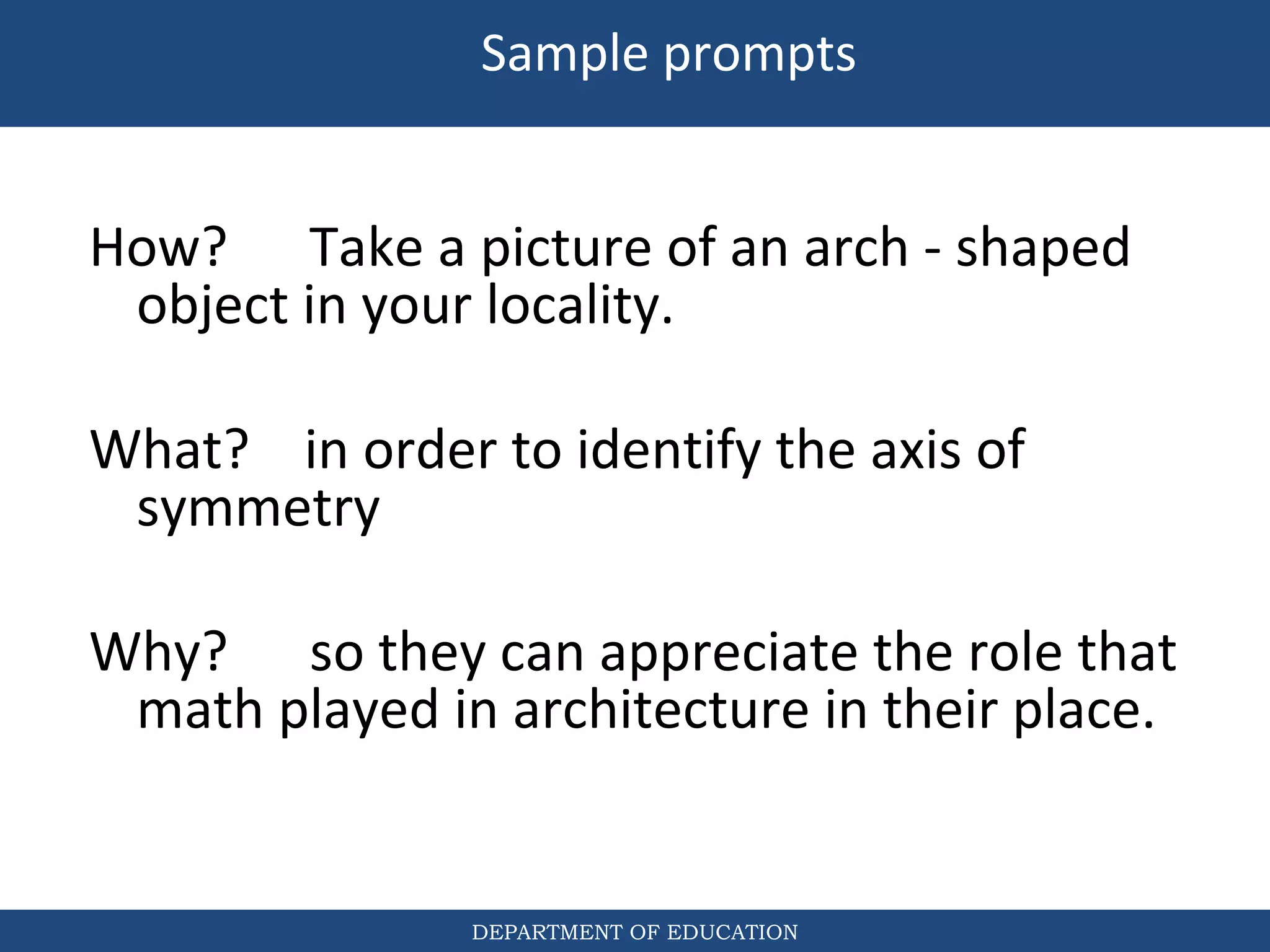
How? Take a picture of an arch - shaped
object in your locality.
What? in order to identify the axis of
symmetry
Why? so they can appreciate the role that
math played in architecture in their place.
Sample prompts
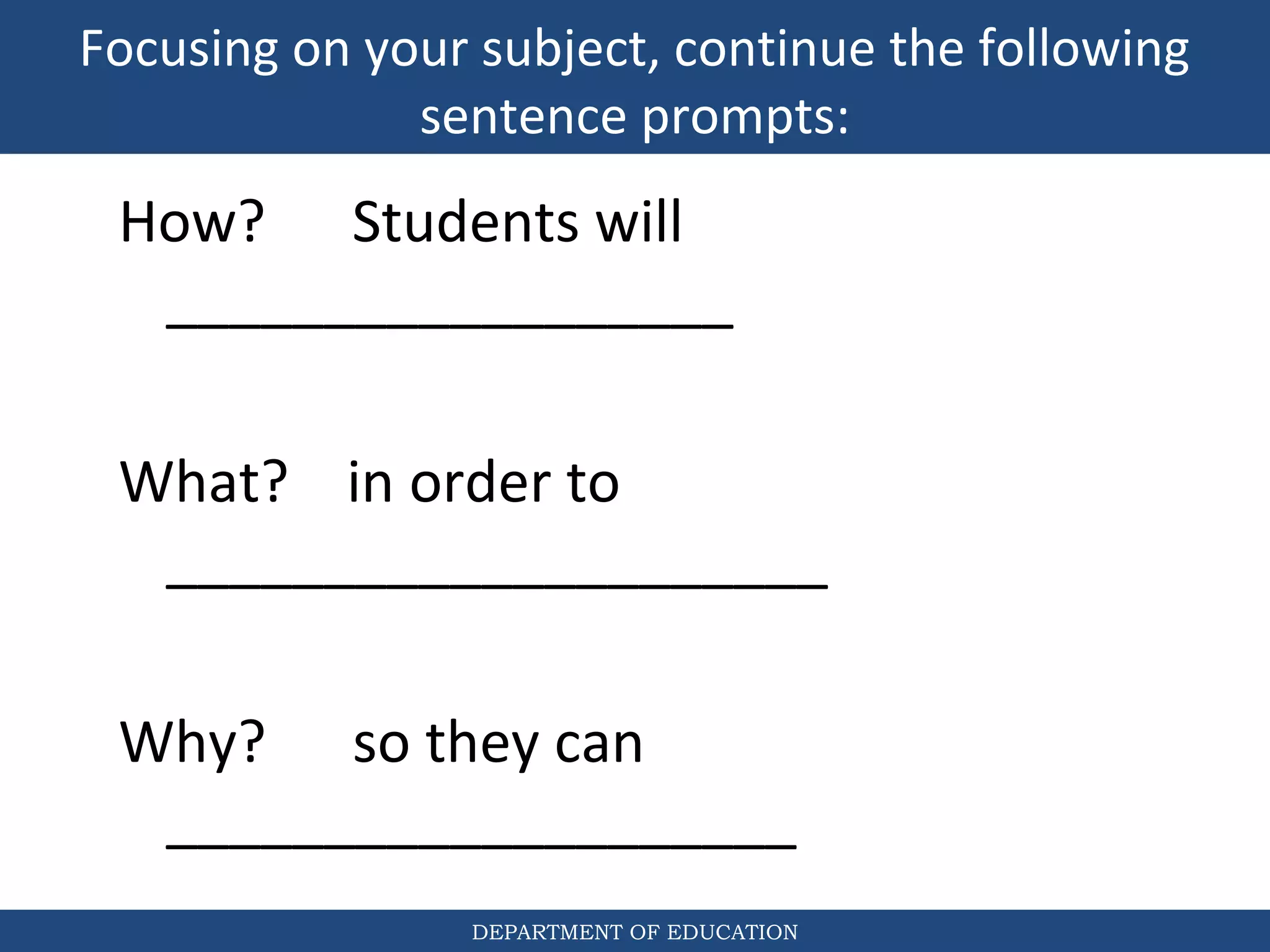
Focusing on your subject, continue the following
sentence prompts:
DEPARTMENT OF EDUCATION
How? Students will
__________________
What? in order to
_____________________
Why? so they can
____________________

Localization and contextualization_04162014

  • 1.
  • 2.
    Objectives: DEPARTMENT OF EDUCATION Inthis learning session, the participants should be able to: 1. gain functional and operational understanding of localization and contextualization in the BEP; 2. identify ways on how the curriculum and/or subject could be localized/contextualized; 3. express appreciation of the need to adapt to the learners’ diversity through contextualization.
  • 3.
    DEPARTMENT OF EDUCATION SINGa PART of a song POPULAR in your PLACE.
  • 4.
    DEPARTMENT OF EDUCATION 1.How did you find the activity? 2. What helped you appreciate the songs? 3. How did you react to the presentation of the group? 4. What difficulties would you find if you were asked to sing the song with them?
  • 5.
    DEPARTMENT OF EDUCATION 5.How would you treat those difficulties? 6. What is this telling us about the way lessons should be taught? 7. How is this similar to teaching in the classroom? 8. What have you realized in this activity as a teacher ?
  • 6.
    Contextualization DEPARTMENT OF EDUCATION •Developing new skills, knowledge, abilities, and attitudes in students presenting new subject matter in meaningful and relevant context: context of previous experience, real-life and workplace
  • 7.
    DEPARTMENT OF EDUCATION Localization •Freedom for schools or local authorities to adapt the curriculum to local conditions and relating the context of the curriculum and the process of teaching and learning to the local environment...(Taylor 2004)
  • 8.
    DEPARTMENT OF EDUCATION •Localization and contextualization can be done in all subject areas • Localization maximizes materials that are locally available
  • 9.
    DEPARTMENT OF EDUCATION •To contextualize, teachers use authentic materials, activities, interests, issues, and needs from learners’ lives • Should create rooms for students to pose problems and issues and develop strategies together for addressing them
  • 10.
    DEPARTMENT OF EDUCATION •The localized or contextualized curriculum is based on local needs and relevance for the learners where there is flexibility and creativity in the lessons.
  • 11.
    DEPARTMENT OF EDUCATION •Tailor-fit the lesson • Build on what they already have • Accommodate and respect cultural, linguistic, and racial diversity
  • 12.
  • 13.
  • 14.
    DEPARTMENT OF EDUCATION Indesigning activities in the classroom using authentic materials, it is important to set the purpose first. • Helpful questions oHow will students interact with the material? oWhat will students learn? oWhy will they learn it?
  • 15.
    DEPARTMENT OF EDUCATION How?Take a picture of an arch - shaped object in your locality. What? in order to identify the axis of symmetry Why? so they can appreciate the role that math played in architecture in their place. Sample prompts
  • 16.
    Focusing on yoursubject, continue the following sentence prompts: DEPARTMENT OF EDUCATION How? Students will __________________ What? in order to _____________________ Why? so they can ____________________