Presented by:
Girish Dhareshwar
What is bridge?
    A bridge is a structure that permits us to cross
    over an obstacle.
 Suppose we lay a plank across a brook. If we
      have a bridge. If the plank is thin in relation to
    its length , it will sag. In fact, if it is
    too long, it will collapse. This shows that we must consider the
    weight of a bridge itself---the “dead load”.
 If we stand at the middle of the plank, it sags even more. So, we
    must provide for the weight of whatever our bridge is designed to
    carry--- the “live load”.
 Also, when you walk across the plank, it bounces under you,
    illustrating the effect of a “moving live load”.
 Finally, there is a “wind load”. A strong wind pushes against the
  sides, lifts the deck, shakes the whole structure. Certainly the force of
  the wind is something to keep in mind.
 Bridges help us to connect to each other and the world.
 There are four main types of physical bridges. They are arch, beam,
  suspension and cable-stayed.
TYPES OF BRIDGES
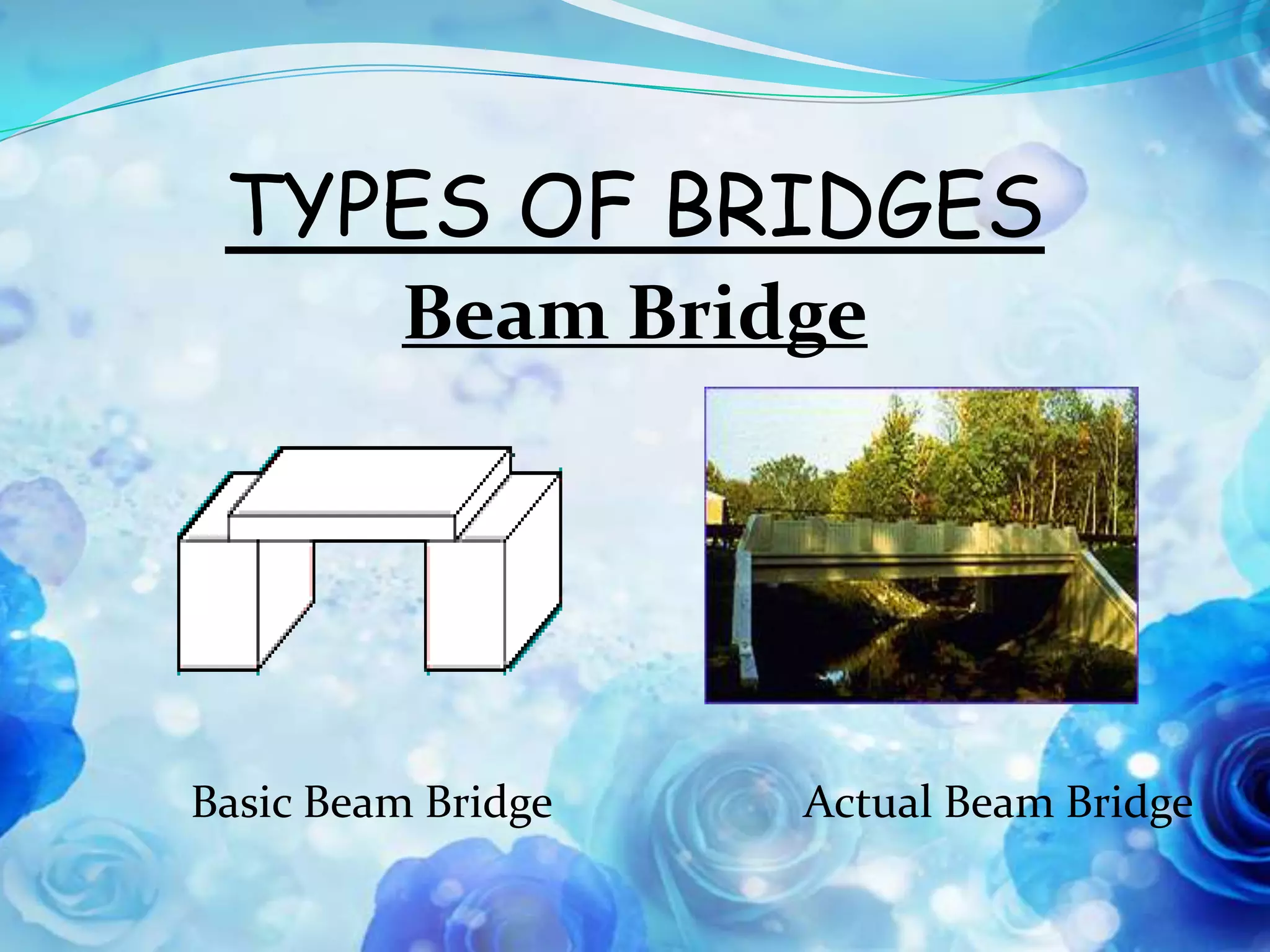
         Beam Bridge


Basic Beam Bridge   Actual Beam Bridge
Beam Bridge
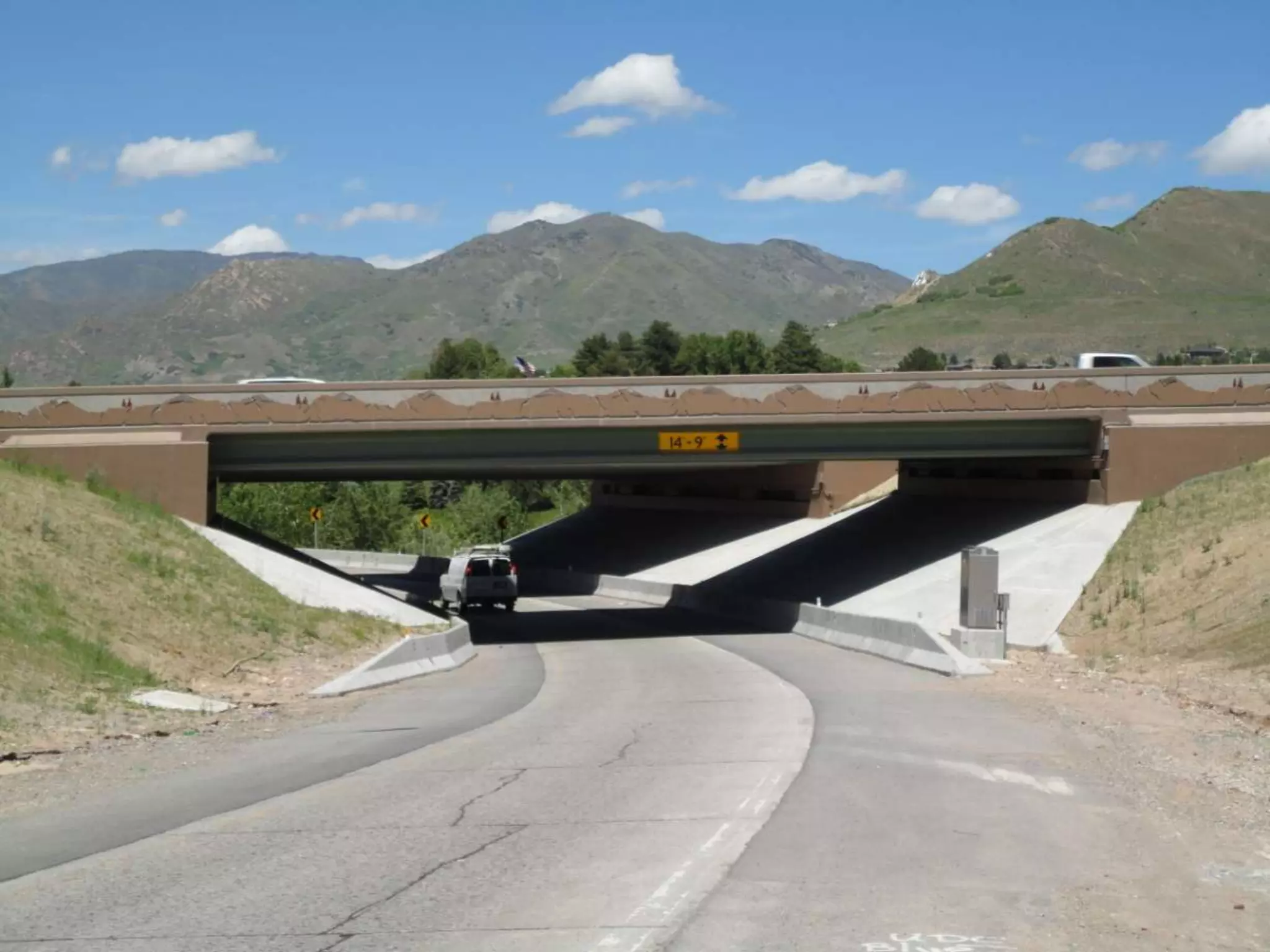
 A beam or "girder" bridge is the simplest and most
  inexpensive kind of bridge.
 In its most basic form, a beam bridge consists of a
  horizontal beam that is supported at each end by
  piers. The weight of the beam pushes straight down on
  the piers.
 The beam itself must be strong so that it doesn't bend
  under its own weight and the added weight of crossing
  traffic.
 When a load pushes down on the beam, the beam's
  top edge is pushed together (compression) while the
  bottom edge is stretched (tension).
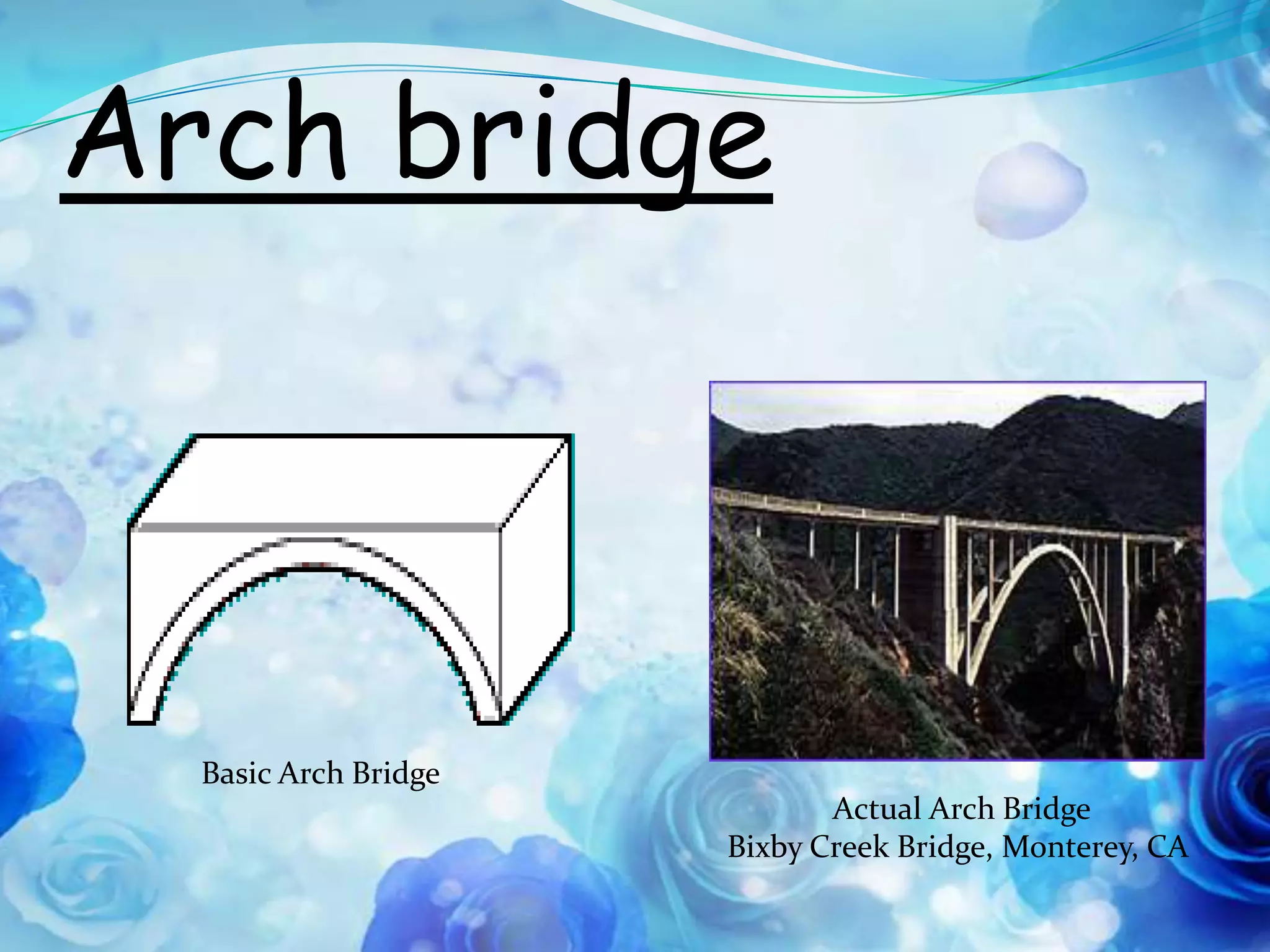
Arch bridge


  Basic Arch Bridge
                             Actual Arch Bridge
                      Bixby Creek Bridge, Monterey, CA
Arch Bridge
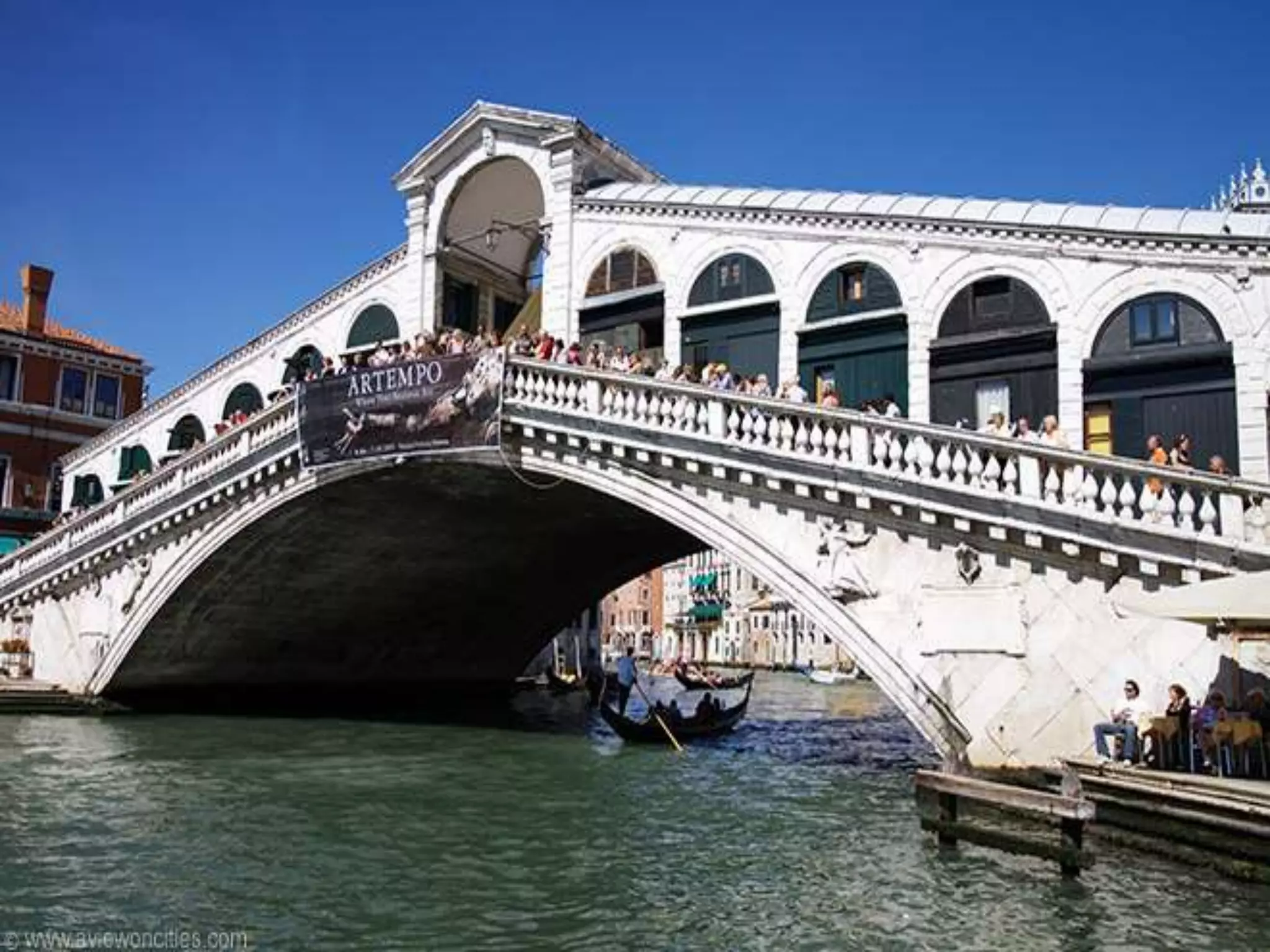
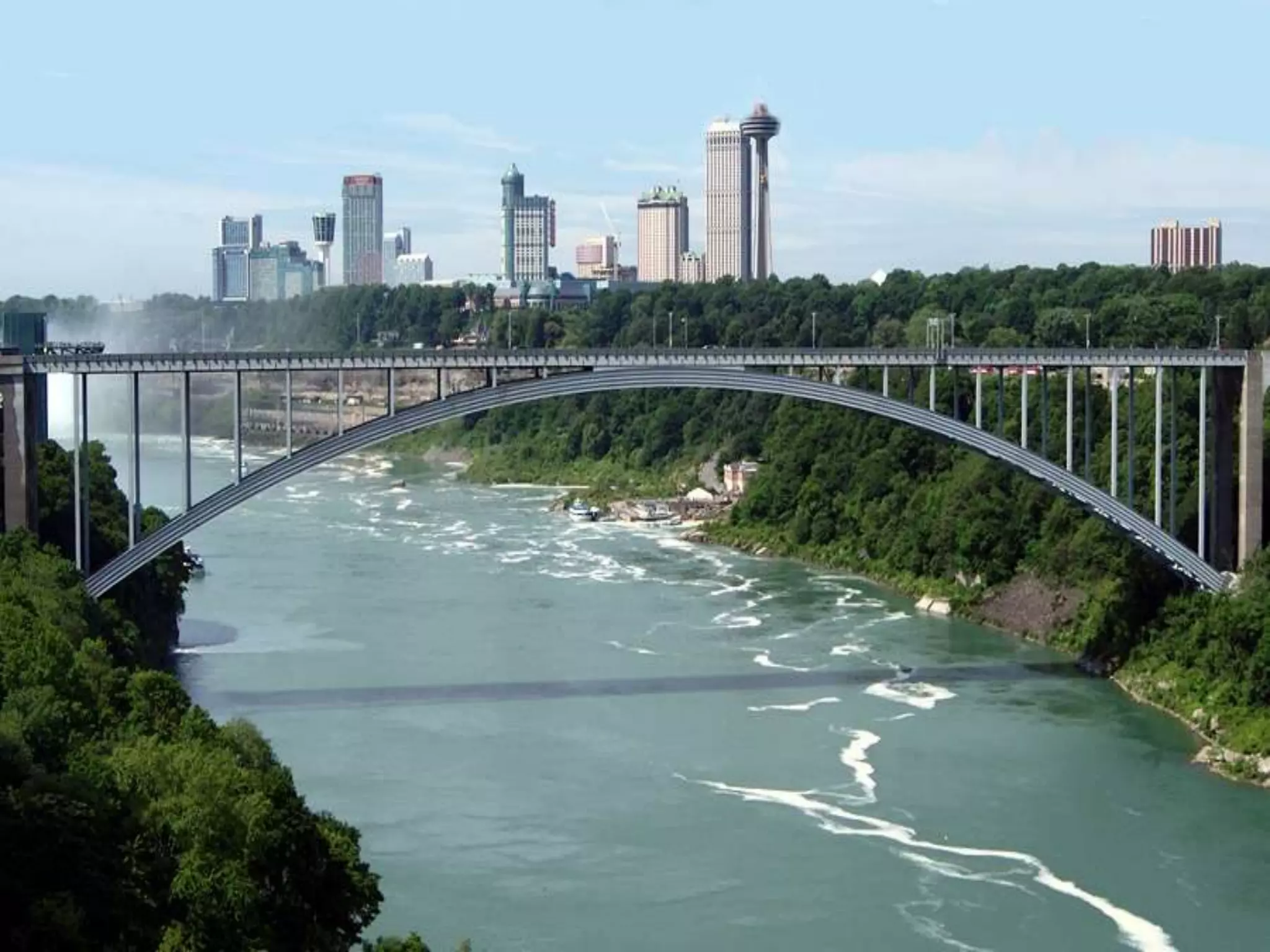
Arch bridges are one of the oldest types of
 bridges and have great natural strength.
Instead of pushing straight down, the
 weight of an arch bridge is carried outward
 along the curve of the arch to the supports
 at each end.
These supports, called the abutments, carry
 the load and keep the ends of the bridge
 from spreading out.
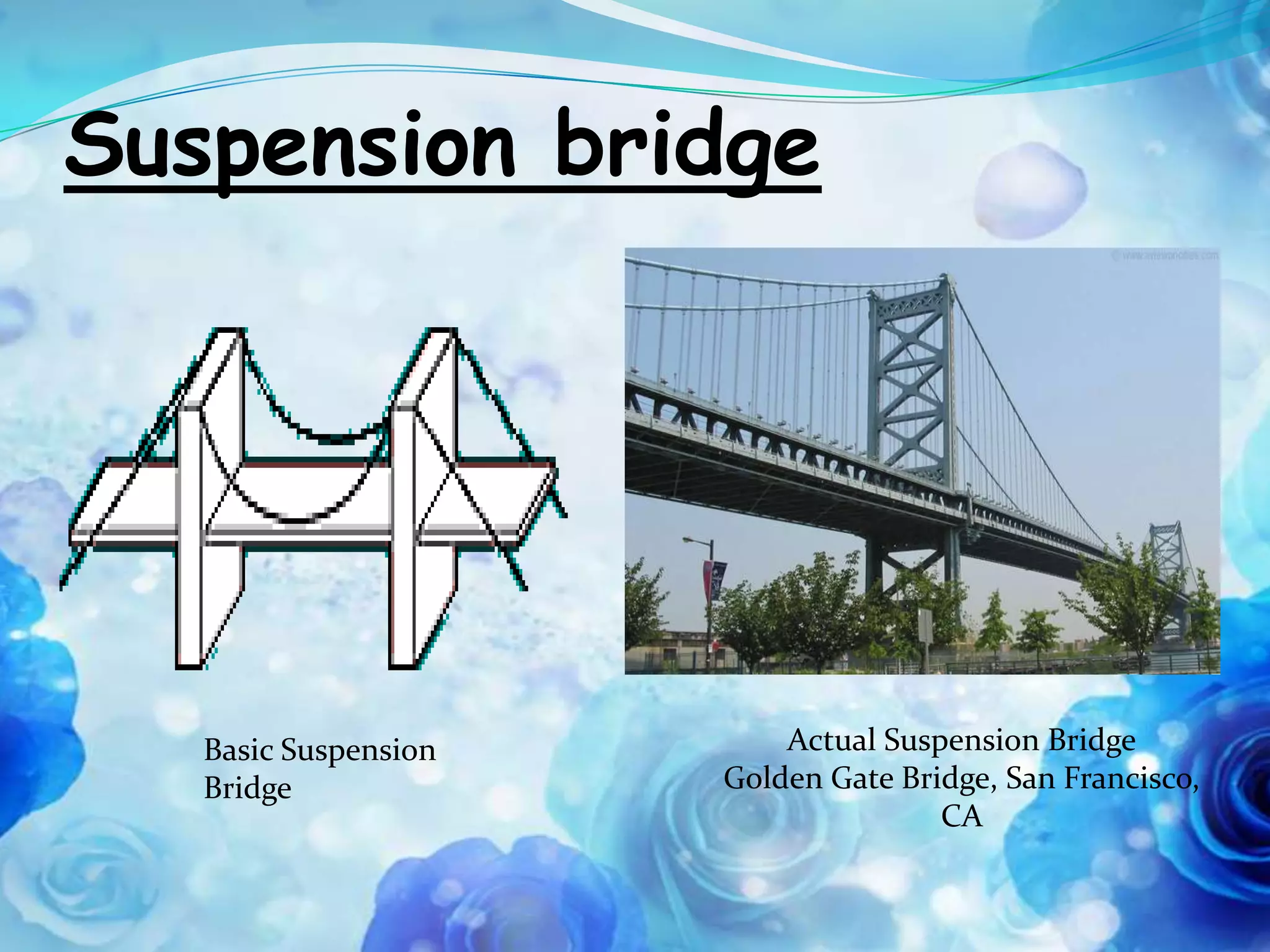
Suspension bridge


   Basic Suspension       Actual Suspension Bridge
   Bridge             Golden Gate Bridge, San Francisco,
                                     CA
Suspension bridge
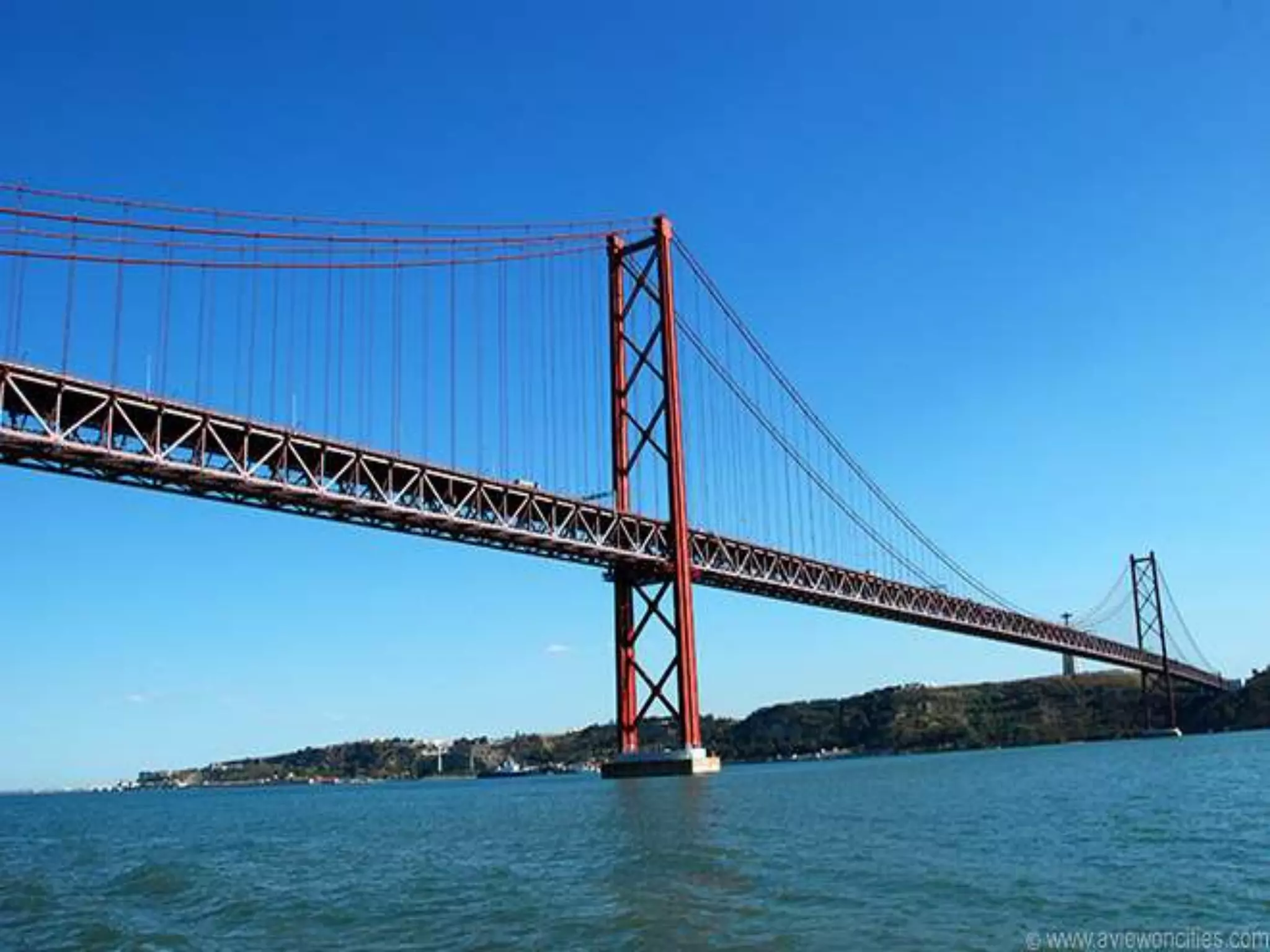
Aesthetic, light, and strong, suspension bridges
 can span distances from 2,000 to 7,000 feet -- far
 longer than any other kind of bridge.
They also tend to be the most expensive to build.
True to its name, a suspension bridge suspends the
 roadway from huge main cables, which extend
 from one end of the bridge to the other.
These cables rest on top of high towers and are
 secured at each end by anchorages.
The towers enable the main cables to
 be draped over long distances.
Most of the weight of the bridge is
 carried by the cables to the anchorages,
 which are imbedded in either solid
 rock or massive concrete blocks.
Inside the anchorages, the cables are
 spread over a large area to evenly
 distribute the load and to prevent the
 cables from breaking free.
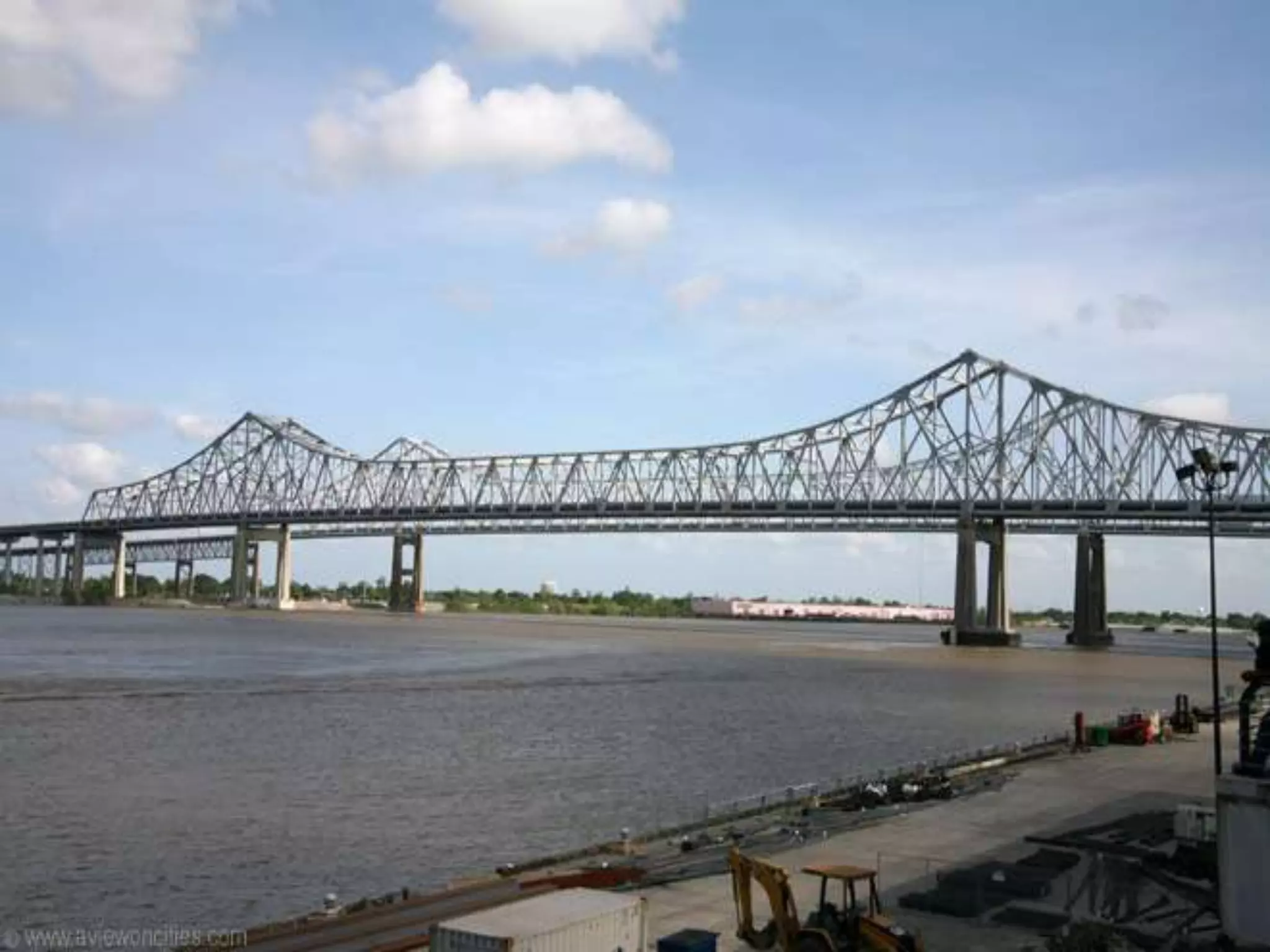
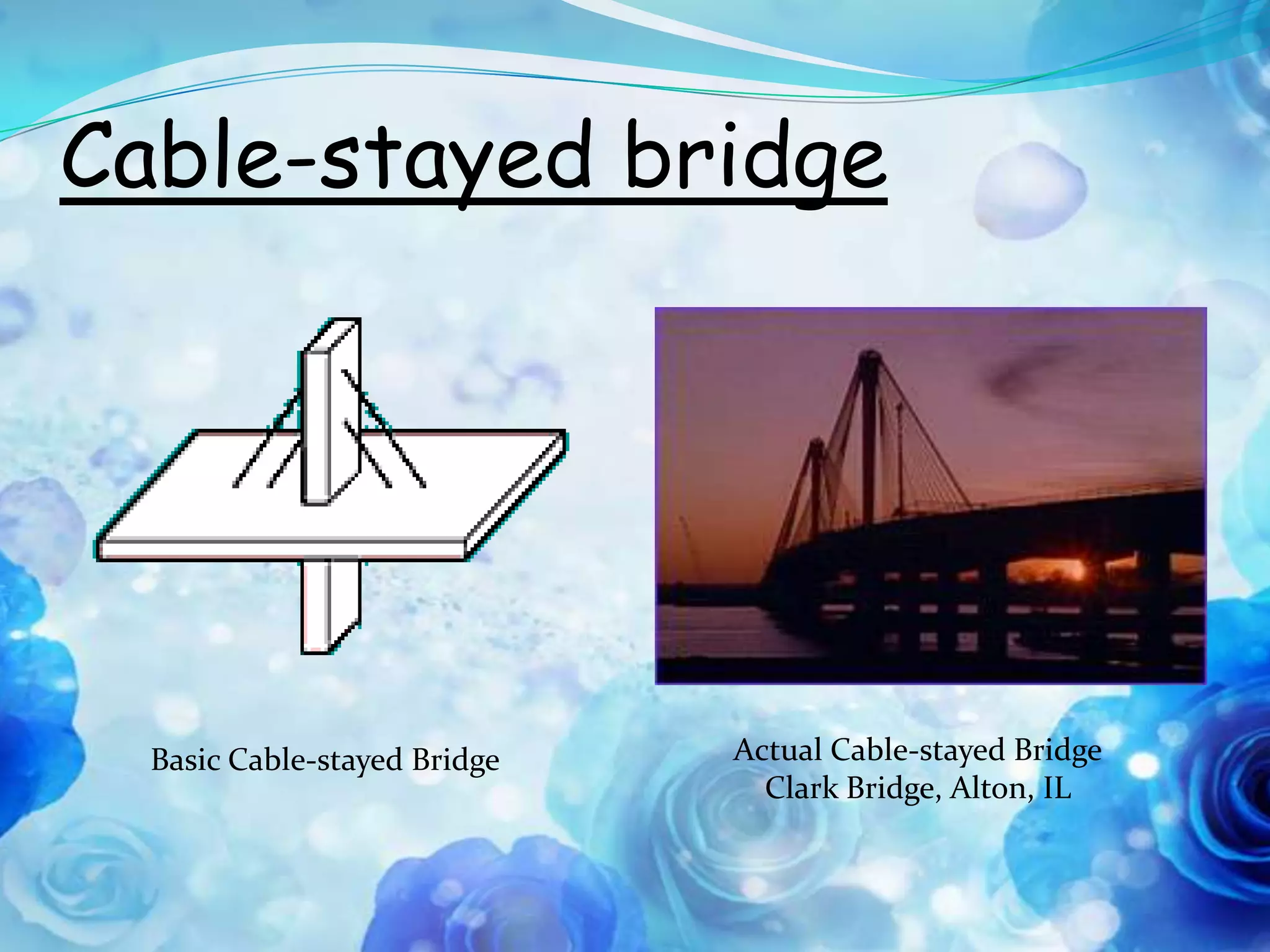
Cable-stayed bridge


  Basic Cable-stayed Bridge   Actual Cable-stayed Bridge
                                Clark Bridge, Alton, IL
Cable-stayed bridge
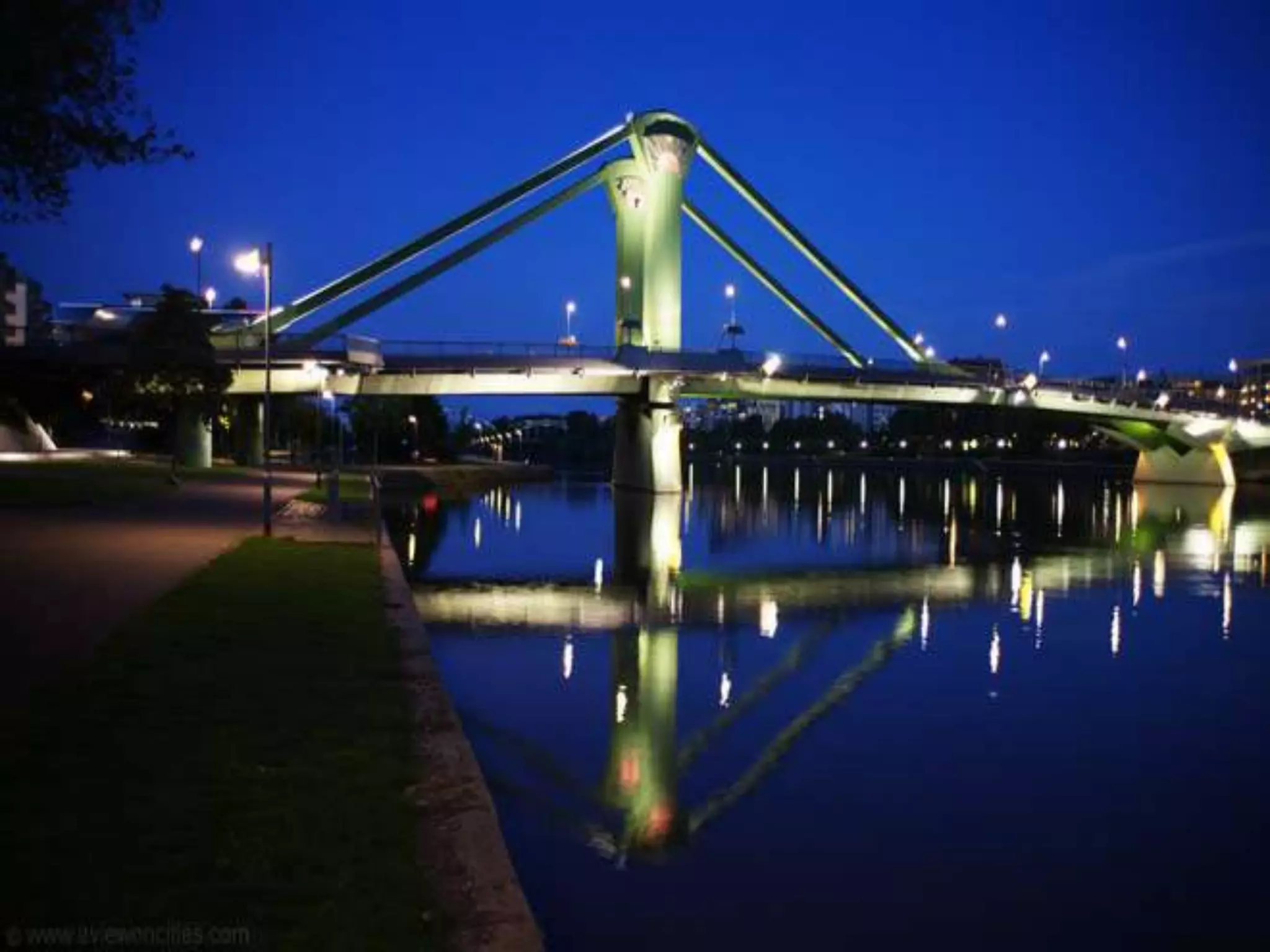
 Cable-stayed bridges may look similar to suspensions
  bridges -- both have roadways that hang from cables
  and both have towers.
 Two bridges support the load of the roadway in very
  different ways.
 The difference lies in how the cables are connected to
  the towers. In suspension bridges, the cables ride
  freely across the towers, transmitting the load to the
  anchorages at either end.
 In cable-stayeded bridges, the cables are attached to
  the towers, which alone bear the load.
The cables can be attached to the
 roadway in a variety of ways.
In a radial pattern, cables extend
 from several points on the road to a
 single point at the top of the tower.
In a parallel pattern, cables are
 attached at different heights along
 the tower, running parallel to one
 other.
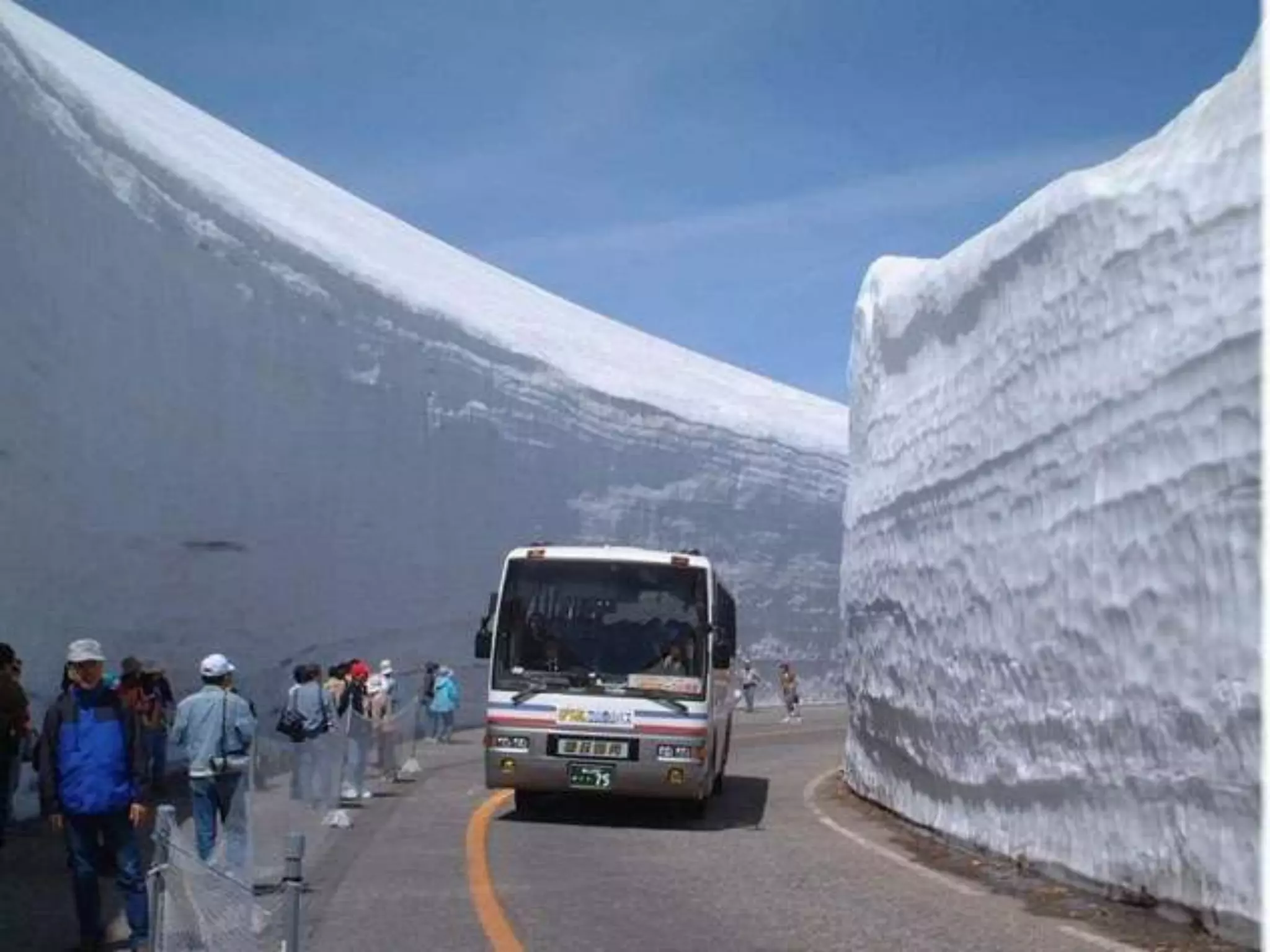
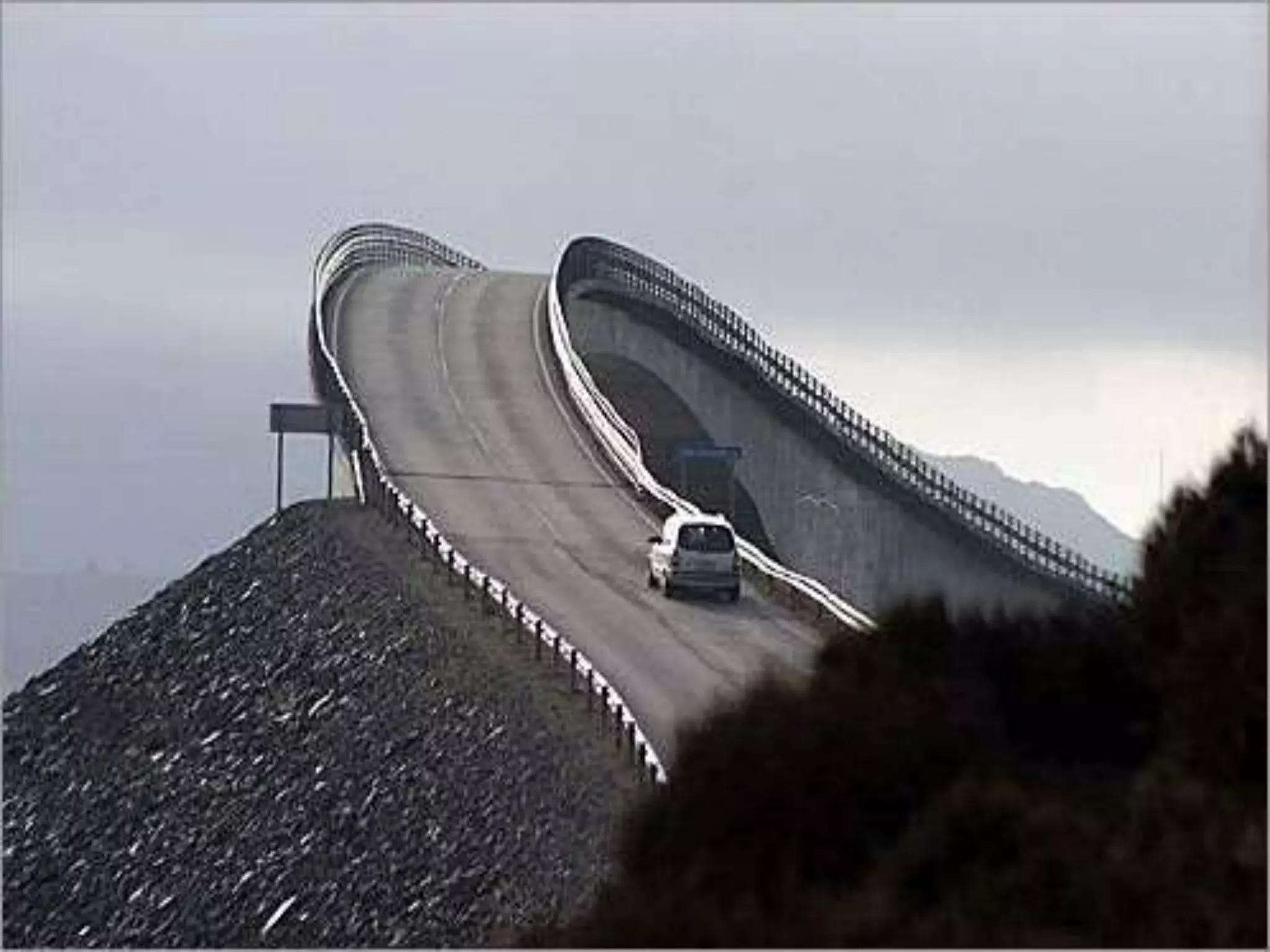
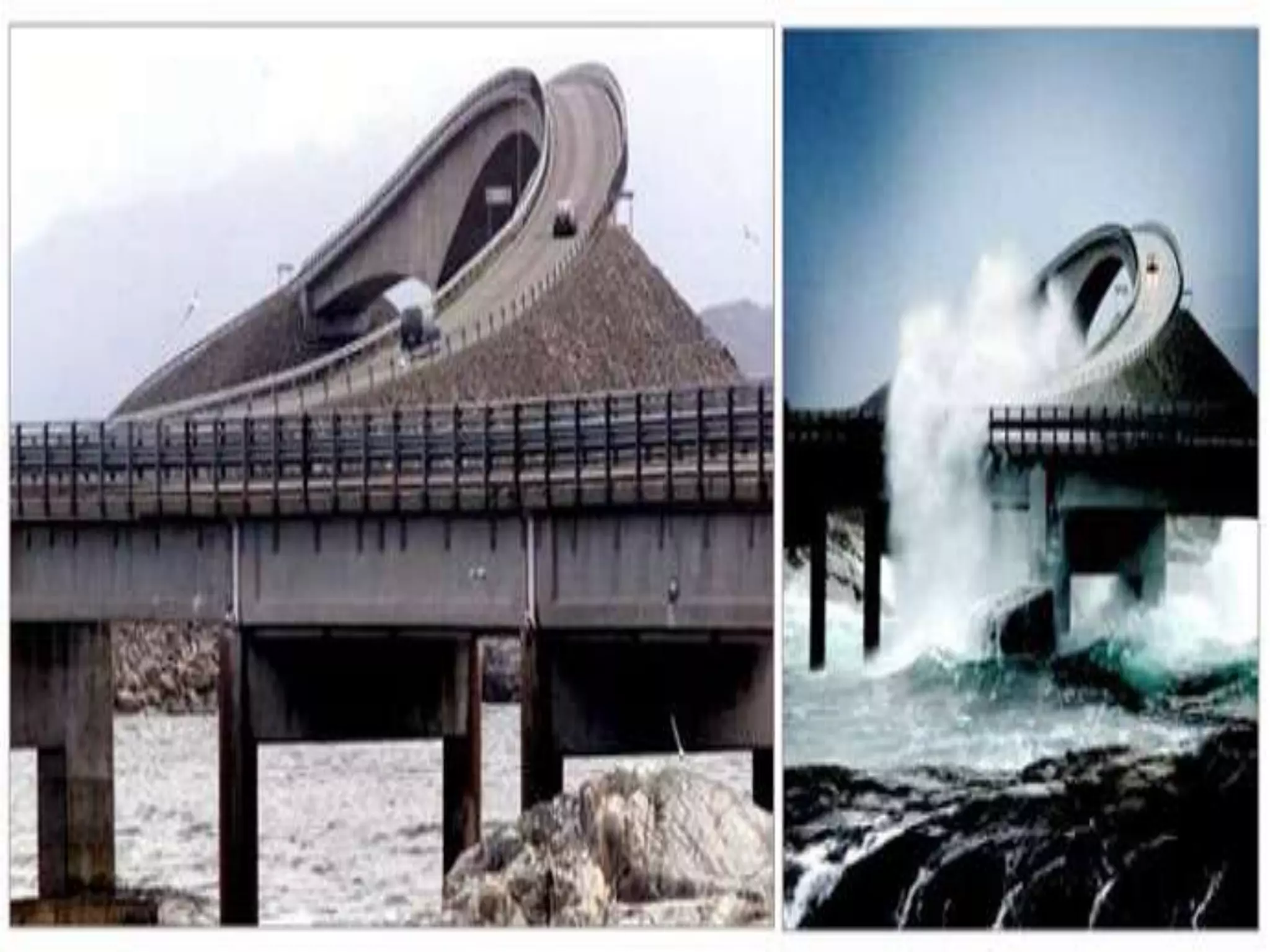
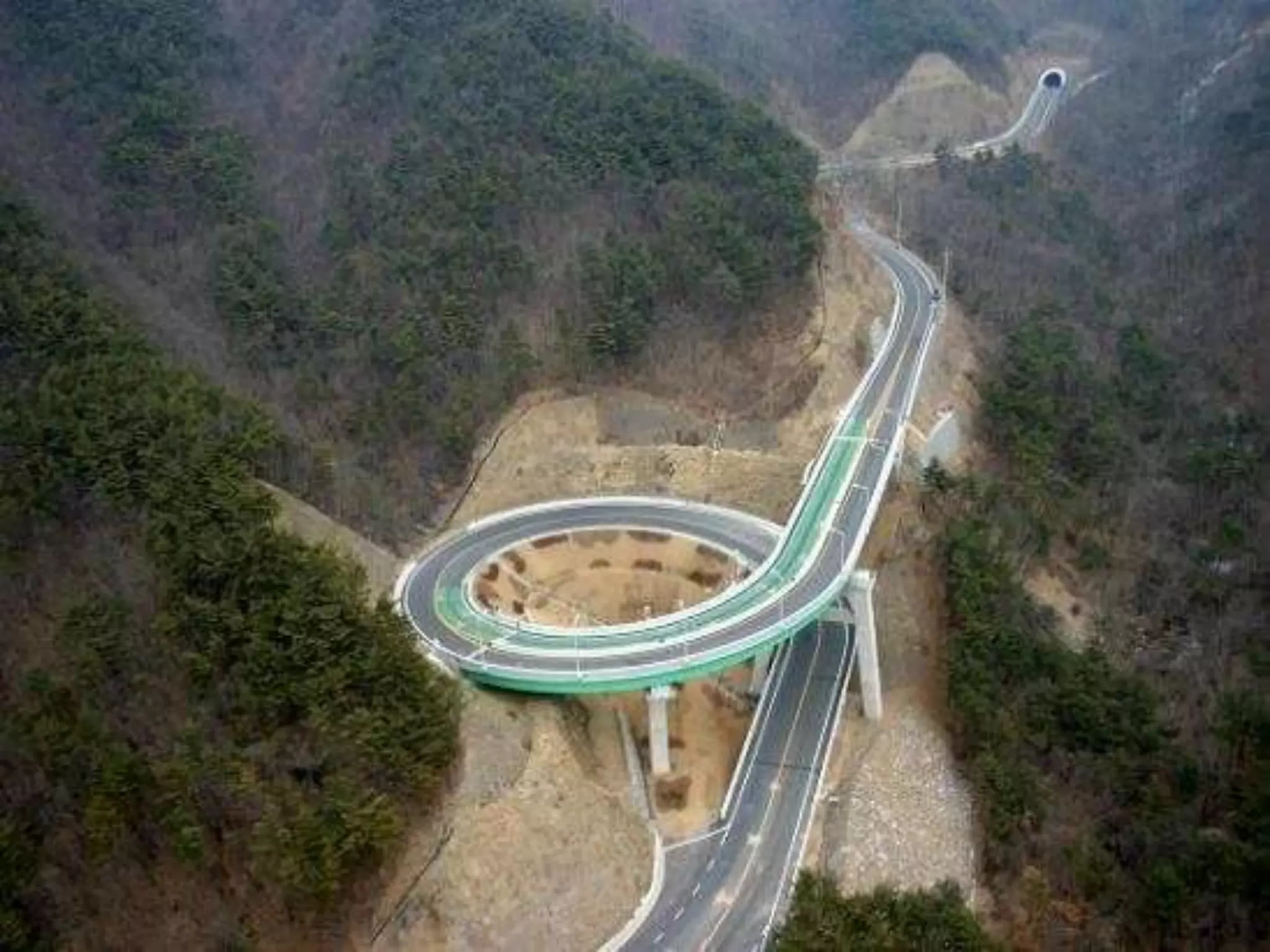
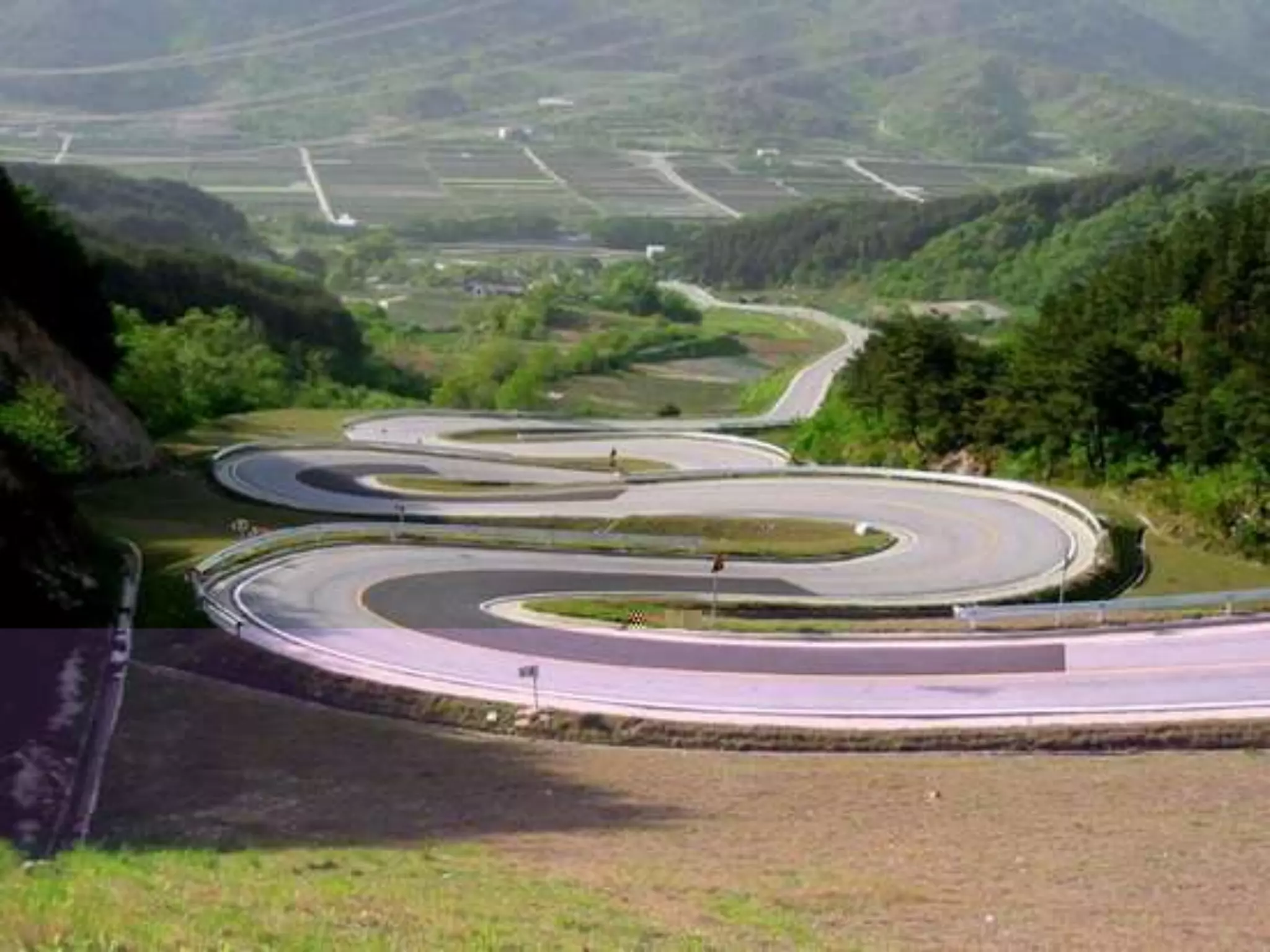
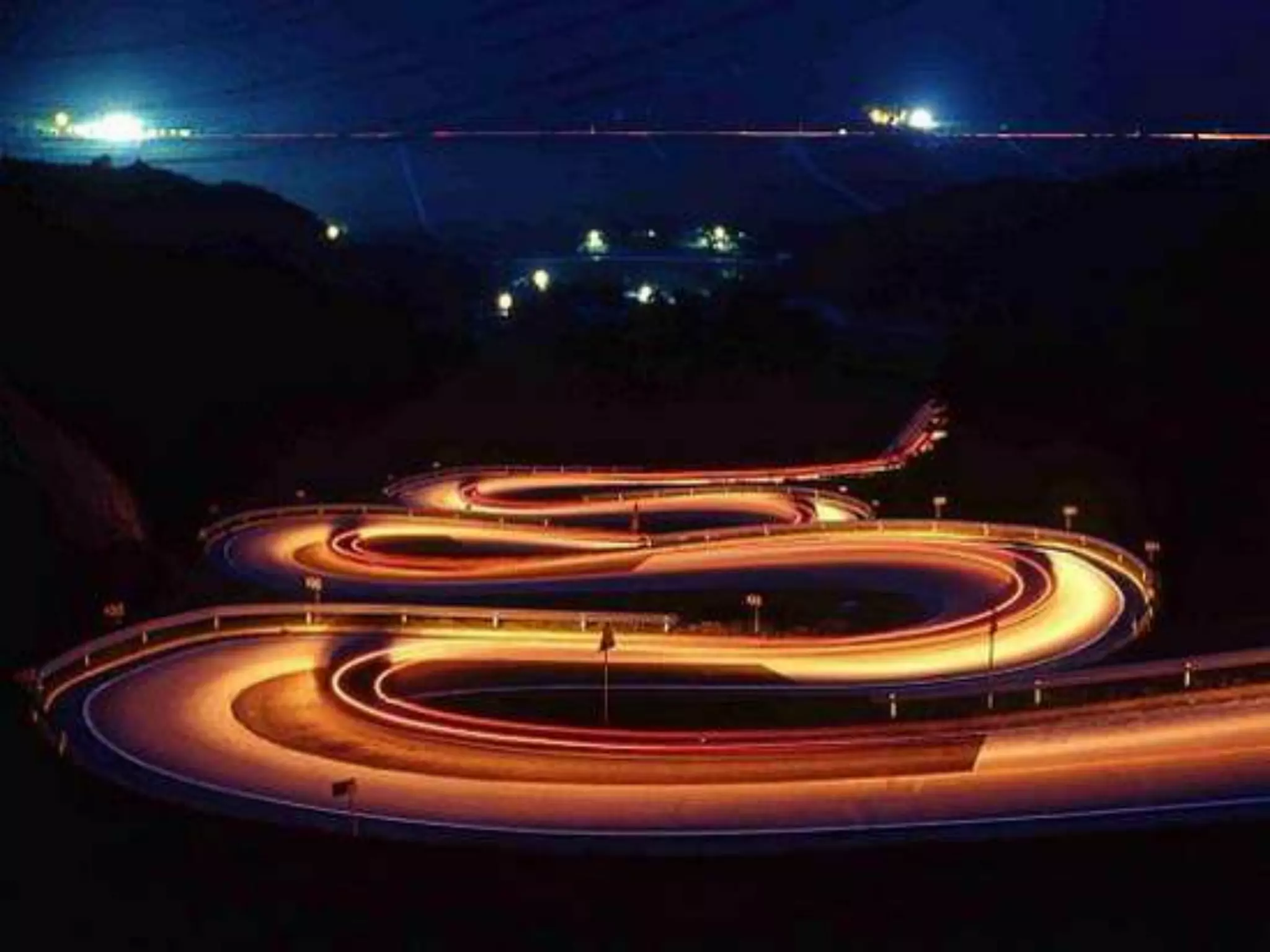
Dangerous
Driving .…
Types of bridges.pptx 1

Types of bridges.pptx 1

  • 1.
  • 2.
    What is bridge?  A bridge is a structure that permits us to cross over an obstacle.  Suppose we lay a plank across a brook. If we have a bridge. If the plank is thin in relation to its length , it will sag. In fact, if it is too long, it will collapse. This shows that we must consider the weight of a bridge itself---the “dead load”.  If we stand at the middle of the plank, it sags even more. So, we must provide for the weight of whatever our bridge is designed to carry--- the “live load”.  Also, when you walk across the plank, it bounces under you, illustrating the effect of a “moving live load”.  Finally, there is a “wind load”. A strong wind pushes against the sides, lifts the deck, shakes the whole structure. Certainly the force of the wind is something to keep in mind.  Bridges help us to connect to each other and the world.  There are four main types of physical bridges. They are arch, beam, suspension and cable-stayed.
  • 3.
    TYPES OF BRIDGES Beam Bridge Basic Beam Bridge Actual Beam Bridge
  • 6.
    Beam Bridge  Abeam or "girder" bridge is the simplest and most inexpensive kind of bridge.  In its most basic form, a beam bridge consists of a horizontal beam that is supported at each end by piers. The weight of the beam pushes straight down on the piers.  The beam itself must be strong so that it doesn't bend under its own weight and the added weight of crossing traffic.  When a load pushes down on the beam, the beam's top edge is pushed together (compression) while the bottom edge is stretched (tension).
  • 7.
    Arch bridge Basic Arch Bridge Actual Arch Bridge Bixby Creek Bridge, Monterey, CA
  • 10.
    Arch Bridge Arch bridgesare one of the oldest types of bridges and have great natural strength. Instead of pushing straight down, the weight of an arch bridge is carried outward along the curve of the arch to the supports at each end. These supports, called the abutments, carry the load and keep the ends of the bridge from spreading out.
  • 11.
    Suspension bridge Basic Suspension Actual Suspension Bridge Bridge Golden Gate Bridge, San Francisco, CA
  • 14.
    Suspension bridge Aesthetic, light,and strong, suspension bridges can span distances from 2,000 to 7,000 feet -- far longer than any other kind of bridge. They also tend to be the most expensive to build. True to its name, a suspension bridge suspends the roadway from huge main cables, which extend from one end of the bridge to the other. These cables rest on top of high towers and are secured at each end by anchorages.
  • 15.
    The towers enablethe main cables to be draped over long distances. Most of the weight of the bridge is carried by the cables to the anchorages, which are imbedded in either solid rock or massive concrete blocks. Inside the anchorages, the cables are spread over a large area to evenly distribute the load and to prevent the cables from breaking free.
  • 16.
    Cable-stayed bridge Basic Cable-stayed Bridge Actual Cable-stayed Bridge Clark Bridge, Alton, IL
  • 19.
    Cable-stayed bridge  Cable-stayedbridges may look similar to suspensions bridges -- both have roadways that hang from cables and both have towers.  Two bridges support the load of the roadway in very different ways.  The difference lies in how the cables are connected to the towers. In suspension bridges, the cables ride freely across the towers, transmitting the load to the anchorages at either end.  In cable-stayeded bridges, the cables are attached to the towers, which alone bear the load.
  • 20.
    The cables canbe attached to the roadway in a variety of ways. In a radial pattern, cables extend from several points on the road to a single point at the top of the tower. In a parallel pattern, cables are attached at different heights along the tower, running parallel to one other.
  • 21.