Refinery Basics
John Kulluk Ph.D.
Torrance Fire Department
&

Robert Distaso PE – 714/573-6253
Orange County Fire Authority
Refining Means. . .

1. To reduce to a pure state, to remove
impurities
2. To improve or perfect
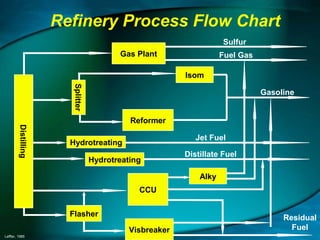
Refinery Process Flow Chart
Sulfur
Gas Plant

Fuel Gas
Isom

Splitter

Gasoline

Distilling

Reformer
Jet Fuel

Hydrotreating
Hydrotreating

Distillate Fuel
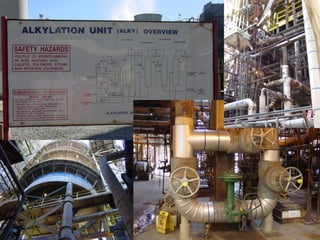
Alky

CCU
Flasher
Visbreaker
Leffler, 1985

Residual
Fuel
Other Refinery Units
•
•
•
•
•
•
•

Steam Generation
Wastewater Treatment
Hydrogen Generation
Power Generation (e.g., cogen)
Air Separation Plant
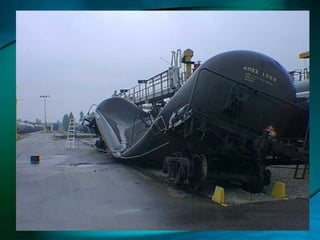
Loading/Unloading - Railcar, Trucks, etc.
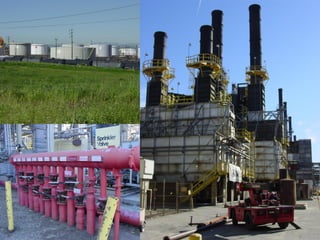
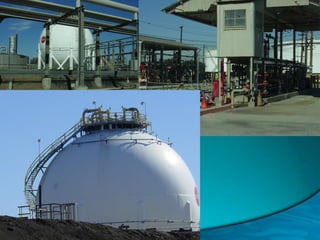
Storage (high pressure hydrocarbon, crude oil, intermediates)
Floating-Roof Tanks - 150‘ diameter is common
Spherical Tanks - 50‘ are common
Horton Spheroid (refrigerated)
Steam-Heated Tanks for “Heavier” Products
Self-Contained Firewater Supply
Firewater Pumps





•
•
What is Crude Oil?
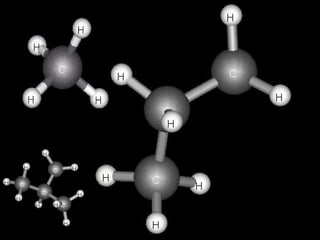
• Mixture of organic
•
•

carbon chain
molecules
Impurities include
sulfur and nitrogen
compounds
Some metals and
salts too
Components such as . . .
• Straight-Chain
•
•
•

Hydrocarbons
Olefins
Cyclic H/C
Aromatics
(Benzene, toluene,
xylenes)

• Mercaptans
• Hydrogen Sulfide
(H2S)

• Greases
• Propane
• LPG
Other Hazardous Materials
•
•
•
•
•
•
•
•

Sulfur
Hydrofluoric Acid (HF)
Sulfuric Acid (H2SO4)
Ammonia (NH3)
Sodium Hypochlorite
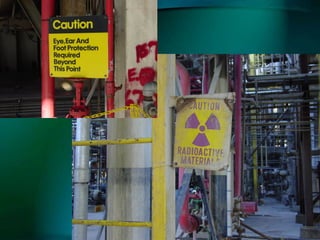
Radioactive Materials
Chlorine
Amines

•
•
•
•
•
•
•

MEK
Sulfur Dioxide (SO2)
Heavy Metal Catalysts
Sour Water
Caustic (fresh/spent)
Alcohol
Asbestos
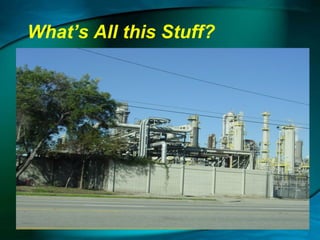
What’s All this Stuff?
What Goes on at a Refinery. . .?
• Separation of components by distillation, e.g.:




Atmospheric
Vacuum
Hydrotreating (uses excess hydrogen)

• Breaking apart molecules to make smaller ones, e.g.:



catalytic cracking
hydrocracking

• Joining molecules to make bigger ones, e.g.:




Reforming - alkylation that lengthens the hydrocarbon
chain
Reforming - cyclic that generates hydrogen
Physical Hazards
•
•
•
•
•
•
•
•
•
•
•
•

High Pressure/Temperature Steam
Oil/Gas-Fired Furnaces
Acoustic
High Voltage (4160V, 480V, 13.2 kV)
Falling Hazards
Confined Space Hazards
Cranes/Lifting Hazards
Hot Work Hazards
Acid Exposure
Toxic Vapors
Radiation
Flammability Hazards
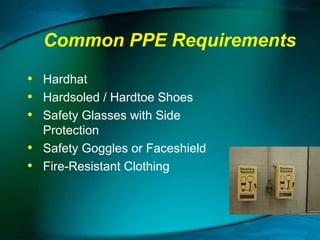
Common PPE Requirements
• Hardhat
• Hardsoled / Hardtoe Shoes
• Safety Glasses with Side
•
•

Protection
Safety Goggles or Faceshield
Fire-Resistant Clothing
Process Hazards
•
•
•
•

Emergency Flare
Atmospheric Pressure Relief
High Temperature (up to 2000oF)
Low Temperature (e.g., Brittle
Fracture)
• High Pressure (up to 3000 psig)
• Low Pressure (e.g., vacuum)
QUESTIONS ?

Refinery Basic

  • 1.
    Refinery Basics John KullukPh.D. Torrance Fire Department & Robert Distaso PE – 714/573-6253 Orange County Fire Authority
  • 2.
    Refining Means. .. 1. To reduce to a pure state, to remove impurities 2. To improve or perfect
  • 3.
    Refinery Process FlowChart Sulfur Gas Plant Fuel Gas Isom Splitter Gasoline Distilling Reformer Jet Fuel Hydrotreating Hydrotreating Distillate Fuel Alky CCU Flasher Visbreaker Leffler, 1985 Residual Fuel
  • 5.
    Other Refinery Units • • • • • • • SteamGeneration Wastewater Treatment Hydrogen Generation Power Generation (e.g., cogen) Air Separation Plant Loading/Unloading - Railcar, Trucks, etc. Storage (high pressure hydrocarbon, crude oil, intermediates) Floating-Roof Tanks - 150‘ diameter is common Spherical Tanks - 50‘ are common Horton Spheroid (refrigerated) Steam-Heated Tanks for “Heavier” Products Self-Contained Firewater Supply Firewater Pumps     • •
  • 8.
    What is CrudeOil? • Mixture of organic • • carbon chain molecules Impurities include sulfur and nitrogen compounds Some metals and salts too
  • 10.
    Components such as. . . • Straight-Chain • • • Hydrocarbons Olefins Cyclic H/C Aromatics (Benzene, toluene, xylenes) • Mercaptans • Hydrogen Sulfide (H2S) • Greases • Propane • LPG
  • 11.
    Other Hazardous Materials • • • • • • • • Sulfur HydrofluoricAcid (HF) Sulfuric Acid (H2SO4) Ammonia (NH3) Sodium Hypochlorite Radioactive Materials Chlorine Amines • • • • • • • MEK Sulfur Dioxide (SO2) Heavy Metal Catalysts Sour Water Caustic (fresh/spent) Alcohol Asbestos
  • 13.
  • 14.
    What Goes onat a Refinery. . .? • Separation of components by distillation, e.g.:    Atmospheric Vacuum Hydrotreating (uses excess hydrogen) • Breaking apart molecules to make smaller ones, e.g.:   catalytic cracking hydrocracking • Joining molecules to make bigger ones, e.g.:   Reforming - alkylation that lengthens the hydrocarbon chain Reforming - cyclic that generates hydrogen
  • 15.
    Physical Hazards • • • • • • • • • • • • High Pressure/TemperatureSteam Oil/Gas-Fired Furnaces Acoustic High Voltage (4160V, 480V, 13.2 kV) Falling Hazards Confined Space Hazards Cranes/Lifting Hazards Hot Work Hazards Acid Exposure Toxic Vapors Radiation Flammability Hazards
  • 17.
    Common PPE Requirements •Hardhat • Hardsoled / Hardtoe Shoes • Safety Glasses with Side • • Protection Safety Goggles or Faceshield Fire-Resistant Clothing
  • 18.
    Process Hazards • • • • Emergency Flare AtmosphericPressure Relief High Temperature (up to 2000oF) Low Temperature (e.g., Brittle Fracture) • High Pressure (up to 3000 psig) • Low Pressure (e.g., vacuum)
  • 20.