Diagnostic Tests Sandy Warner RNC-OB, MSN Carrie Hallett- Voss, RNFA
NST - Non Stress Test Evaluation of FHR pattern in the absence of regular contractions to determine fetal oxygenation, neurological and cardiac function
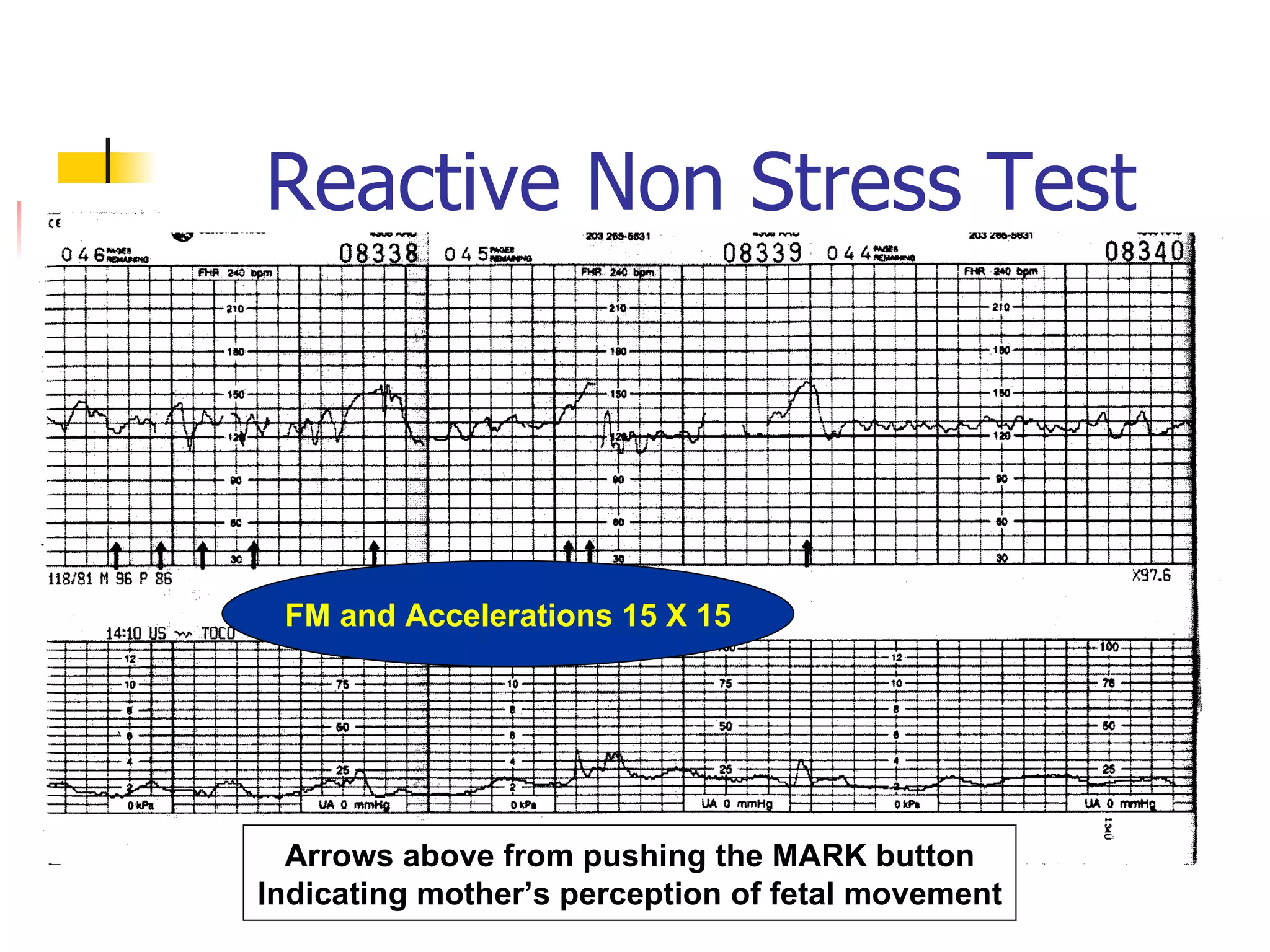
Non Stress Test (NST) NST became popular as primary surveillance in mid 1970’s due to simplicity and shorter testing  Currently a reactive pattern is  defined   as 2 accelerations in 20 minutes  that reach 15bpm or greater above BLFHR and lasts 15 seconds or greater
NST Definition  Reactive NST indicates less than 1% chance of fetal death within 1 week unless there is a catastrophic event Accelerations may occur either spontaneously or in association with fetal movement  NST done to determine the adequacy of fetal oxygenation and (CNS) autonomic function
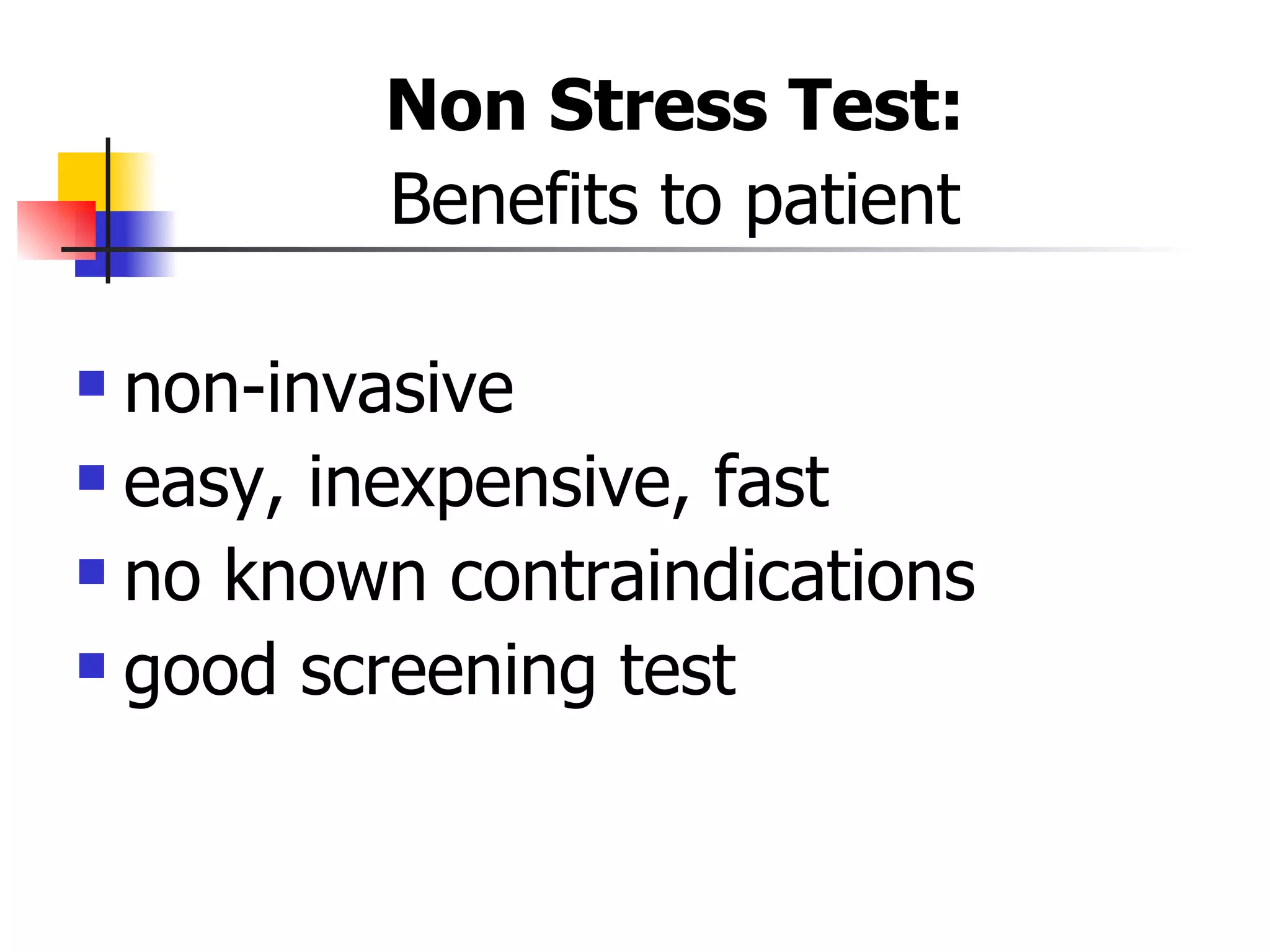
Non Stress Test: Benefits to patient non-invasive easy, inexpensive, fast no known contraindications good screening test
Non Stress Test (NST) Accelerations indicate intact neurological functioning between the fetal CNS and the fetal heart Pathway may be disrupted by:  Fetal sleep Fetal hypoxia Drugs (BTMS, ETOH, beta blockers, muscle relaxants, & CNS depressants) Congenital fetal anomalies
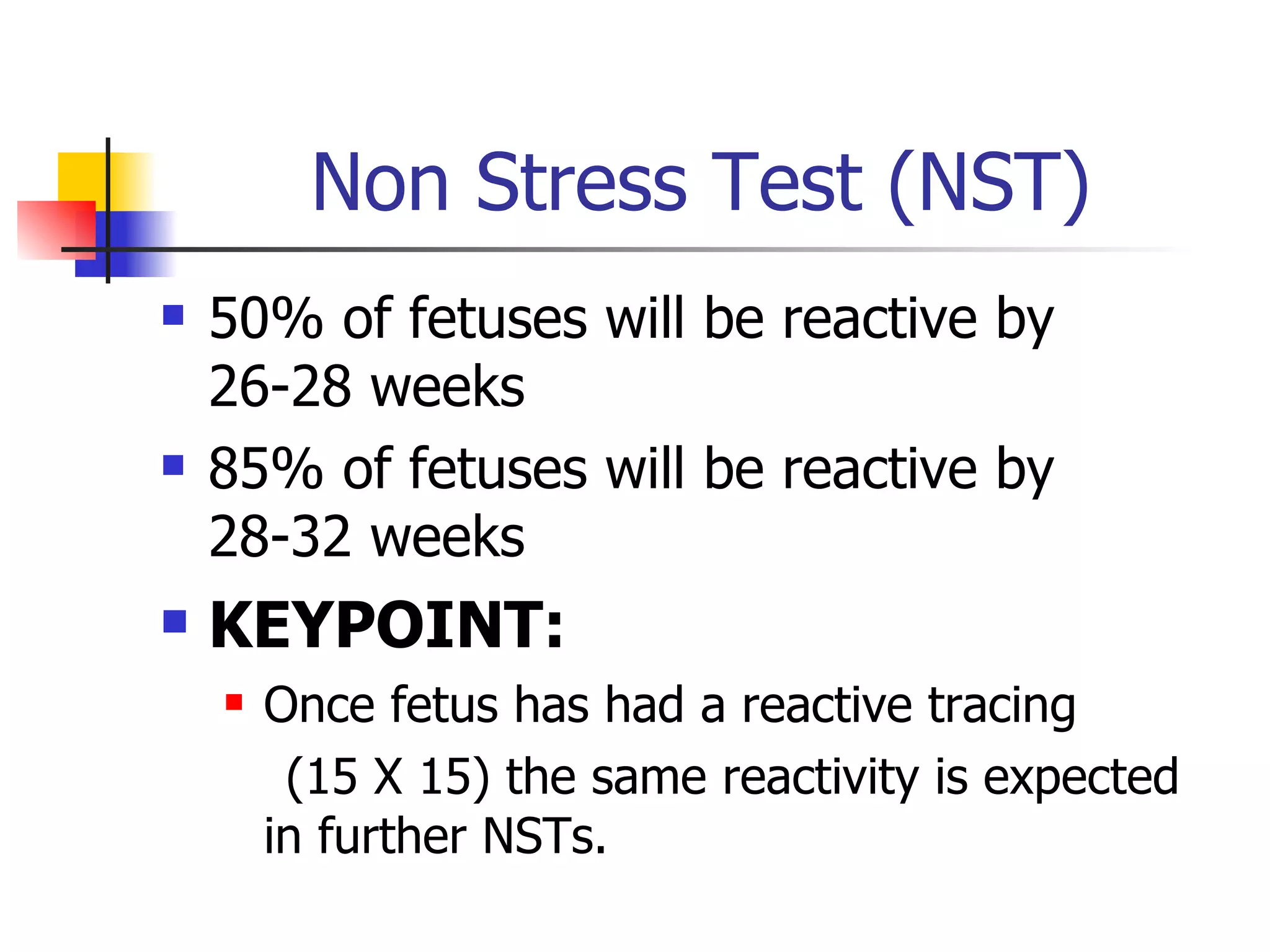
Non Stress Test (NST) 50% of fetuses will be reactive by 26-28 weeks 85% of fetuses will be reactive by 28-32 weeks KEYPOINT: Once fetus has had a reactive tracing  (15 X 15) the same reactivity is expected in further NSTs.
Indications for NST for High Risk Conditions high risk for utero-placental insufficiency (smokers, HTN, diabetes, autoimmune disease) post dates motor vehicle accident (MVA) previous stillbirth IUGR decreased fetal movement isoimmunization if other tests suggest fetal compromise routine
Reactive Non Stress Test Arrows above from pushing the MARK button Indicating mother’s perception of fetal movement FM and Accelerations 15 X 15
NST Regimen 1986 study by Boehm showed that by increasing NST to 2 times a week, the corrected stillbirth rate dropped from  6.1 /1000  to  1.9/1000 after a reactive NST Twice a week for high risk (post dates, HTN, IUGR, IDDM) Once q week for other risk conditions If condition no longer exists,  e.g. decreased fetal movement, continued testing is not required Same day evaluation for reporting of decreased fetal movement
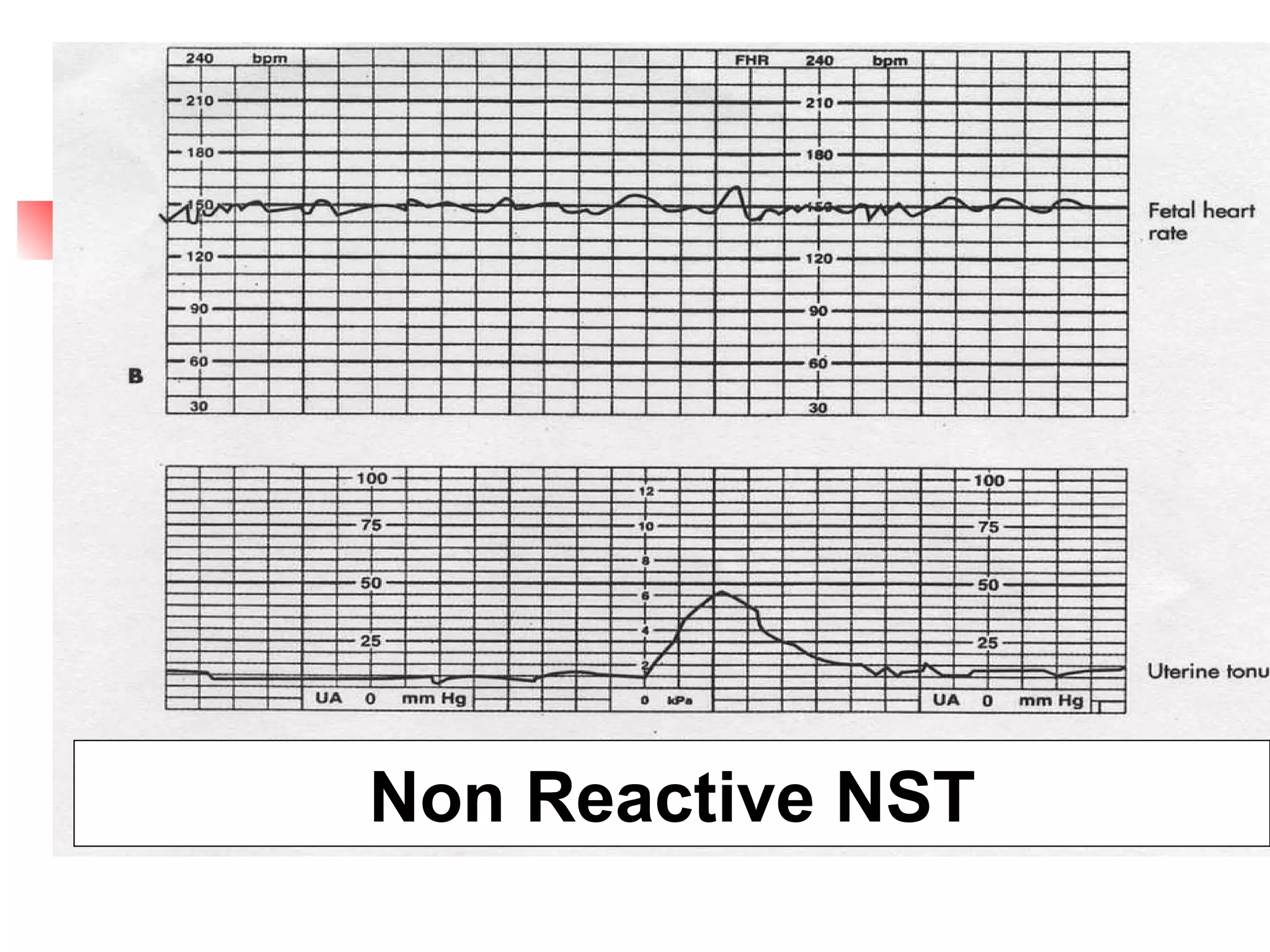
Non Reactive NST Not necessarily an ominous sign, rather it does indicate the need for further testing. May be followed by a BPP or a CST If initially non-reactive, prolonging the period of evaluation usually allows a change in the fetal status and it becomes reactive Occurs more often in the preterm fetus < 32 weeks due to immature ANS
Non Reactive NST  Non Reactive NST
NST Non reactive NST with good variability probably not an indication for delivery rather, could be related to fetal adaptation to stress Non Stress Test (NST)
Vibroaccoustic Stimulation (VAS) Artificial acoustic stimulation Done after 25 wks gestation when fetus can hear After 10 minutes of baseline and no  accelerations, place the artificial larynx on the maternal abdomen over the fetal head
Vibroaccoustic  Stimulation Provide  5-10 sec stimulation near fetal head, wait one minute  If no acceleration repeat cycle for a total of three times if non-reactive after 40 minutes, proceed with further evaluation
Vibroaccoustic Stimulation Fetuses  28 weeks or greater respond to VAS with  a consistent  increase in heart rate. Observed changes are greater as term is approached. Can be used during version to get breech to move from midline spine to lateral spine Use to startle the fetus to release cord
Contraction Stress Test  A method of observing the  response of the FHR to the stress of uterine contractions A FHR response to 3 spontaneous or induced uterine contractions in 10 minutes may   occur : Spontaneously Use of nipple stimulation Use of  Pitocin The desired result:  Negative CST  (no late decelerations)
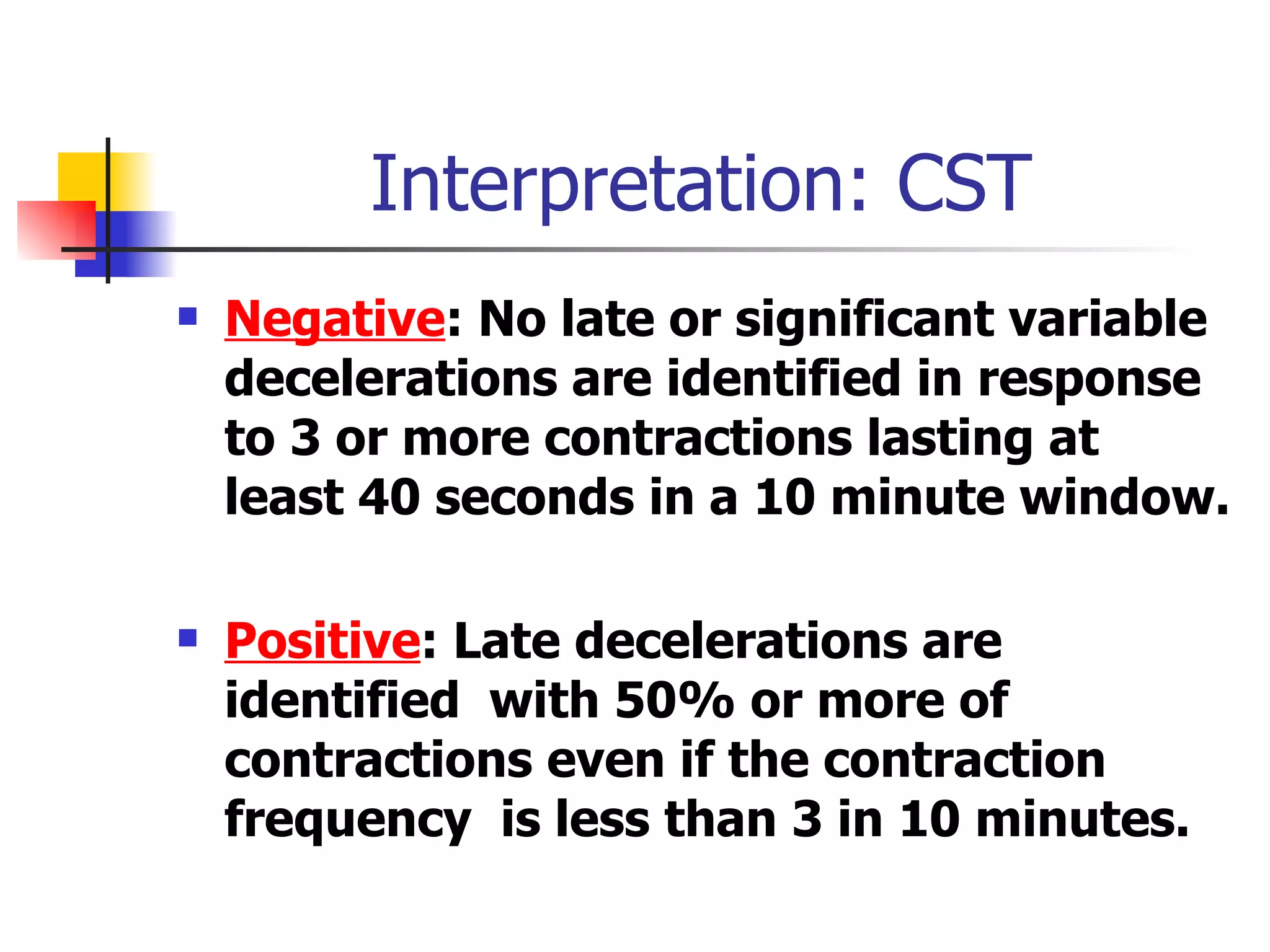
Interpretation: CST Negative :   No late or significant variable decelerations are identified in response to 3 or more contractions lasting at least 40 seconds in a 10 minute window.  Positive :   Late decelerations are identified  with   50% or more of contractions even if the contraction frequency  is less than 3 in 10 minutes.
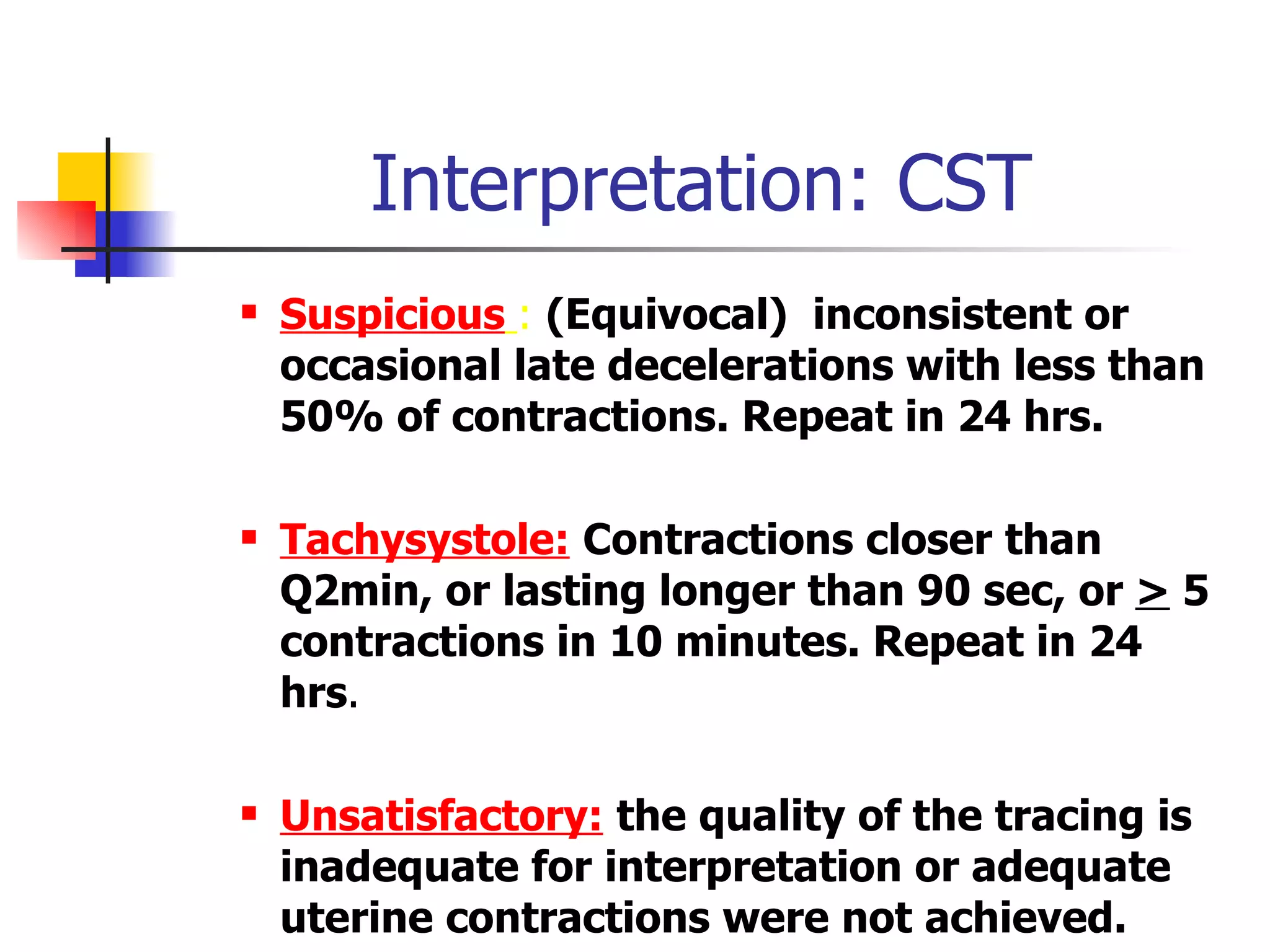
Interpretation: CST Suspicious   :   (Equivocal)  inconsistent or occasional late decelerations with less than 50% of contractions. Repeat in 24 hrs. Tachysystole:   Contractions closer than Q2min, or lasting longer than 90 sec, or  >  5 contractions in 10 minutes. Repeat in 24 hrs . Unsatisfactory:   the quality of the tracing is inadequate for interpretation or adequate uterine contractions were not achieved.
Limitations of CST 30% false positive == unnecessary premature intervention conduct in L+D or adjacent area more expensive, time consuming must observe  after test until uterine activity has returned to baseline activity level
Tachysystole of uterus Too many UC. Rising resting tonus. Positive CST
Key Points for  Contraction Stress Test CST now used less frequently Uterine contractions produce a reduction in blood flow to the intervillous spaces in the placenta A fetus with inadequate placental reserves demonstrates late decelerations in response to hypoxia
Ultrasound Developed in WWII with submarines Diagnostic use since 1950s Definition:  transmission of sound waves to investigate an object (Kline-Fath & Bitters, 2007)
Ultrasound Advantages: Inexpensive Noninvasive High degree of patient acceptance Yields much information (Kline-Fath & Bitters, 2007)
Ultrasound Indications Estimation of fetal age Earlier U/S performed, more accurate Viability Evaluation of fetal growth Location of placenta Fetal presentation in 3 rd  trimester or with multiples Anomalies Assessment of amniotic fluid volume
Ultrasound con’t Numerous studies show positive effect on maternal bonding with ultrasound experience 3D U/S especially helpful in facial anomalies Nuchal lucency and nasal bone Used in combination with maternal serum levels to assess for chromosomal abnormalities (Kline-Fath & Bitters, 2007)
Amniotic Fluid Index (AFI) AFI  = amount of amniotic fluid  measured  in largest pocket in each quadrant ( sum of 4 quadrants) Normal = 9-10 cm Borderline = 5-8cm Oligohydramnios  <  5cm Polyhydramnios  >  25cm
Biophysical Profile (BPP) “Intrauterine Apgar Score” Combines ultrasound and NST Fetal activities observed result from complex processes that are controlled by the CNS Activities that are first to develop are last to disappear when asphyxia occurs
1.  Reactive NST (within 1 hour of ultrasound portion of test) 2.  Amniotic Fluid: at least one deepest vertical pocket  >  2cm  3.  Movement- at least three episodes of gross body movement within a 30 minute period  Five Parameters of Biophysical Profile
Five Parameters of Biophysical Profile 4.  Tone- at least one episode of flexion and extension of an extremity within a 30 minute period  5.  Fetal Breathing Motions- at least 30 seconds  within a 30 minute period
Scoring the BPP 2 points for each of the criteria  met 0 points if the criteria is not met reported as:  0/10, 2/10, 4/10, 6/10, 8/10, or 10/10
Interpretation of BPP Anytime a (DVP) deep vertical pocket  ≤  2cm, further evaluation is warranted score 8/10 (excluding oligo) or 10/10: normal  score 6/10 : equivocal, repeat within 24 hours score 0/10, 2/10, 4/10:  delivery is indicated
Keypoints A deteriorating fetus will lose in this order : -Reactivity -Fetal breathing movements -Tone -Movement
Grading the Placenta
Doppler Studies Definition: Non-invasive study of the blood flow in the fetus and the placenta Studies the blood flow of the umbilical cord More recently may use to look at blood flow in the cerebral artery
Keypoints of Doppler Flow Studies Doppler waveform analysis can allow identification of a jeopardized fetus before compromises occur. Umbilical artery observed for flow Ratio number used to measure flow 3.5 in normal, can also be intermittently absent or absent Reverse diastolic flow is ominous
More Keypoints of Doppler Flow Studies The change in frequency is called the “Doppler Shift” This shift is computer analyzed and displayed as a  velocity waveform The frequency of the echoes changes during the systolic and diastolic components of the cardiac cycle
Amniocentesis Trans-abdominal needle aspiration of 10-20 ml of amniotic fluid for lab analysis Done under ultrasound Requires sterile technique and time out
Amniocentesis Indications: Genetic R/O infection Fetal lung maturity Assess for bilirubin with hemolytic incompatibility
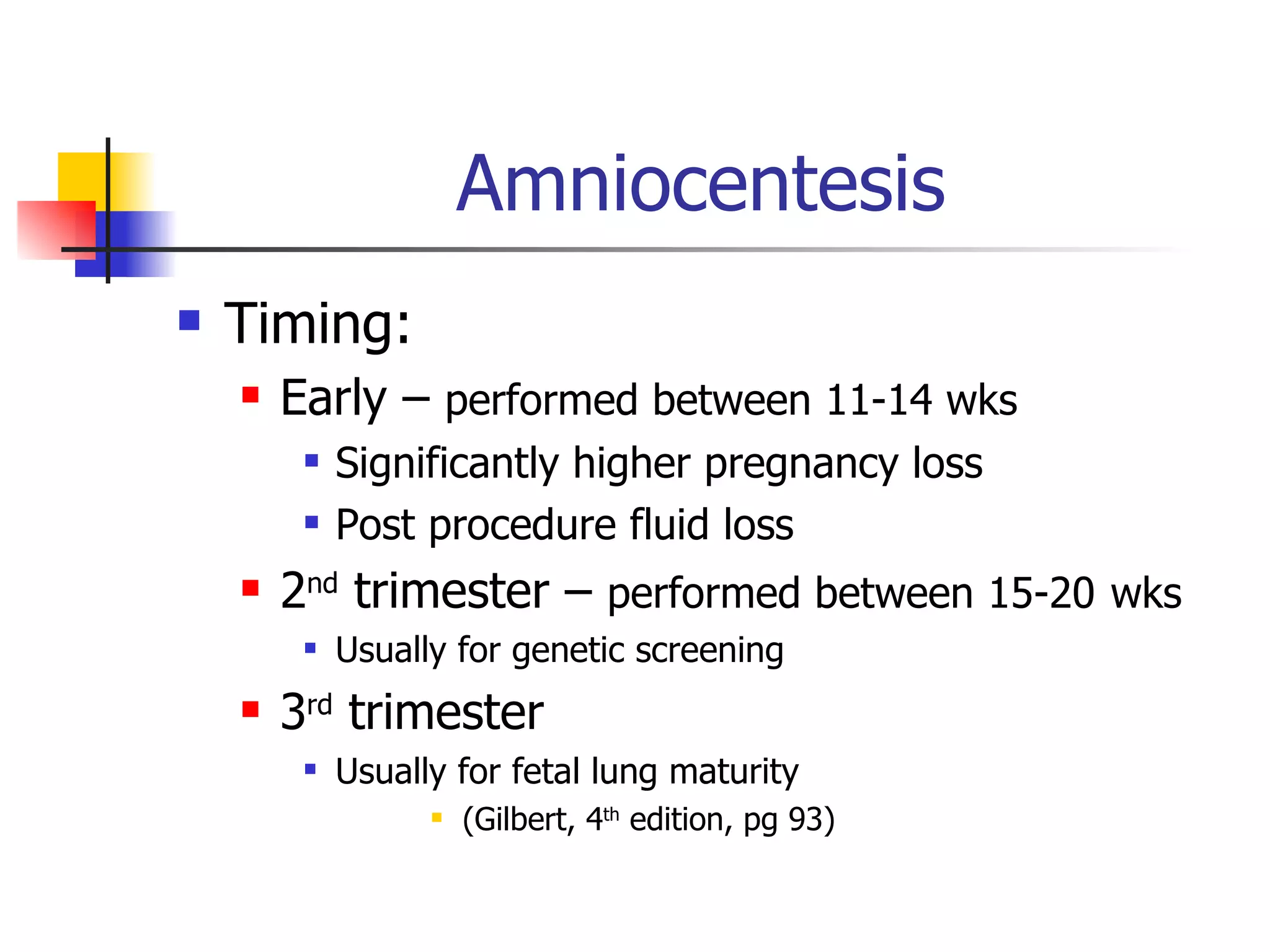
Amniocentesis Timing: Early –  performed between 11-14 wks Significantly higher pregnancy loss Post procedure fluid loss 2 nd  trimester –  performed between 15-20   wks Usually for genetic screening 3 rd  trimester   Usually for fetal lung maturity  (Gilbert, 4 th  edition, pg 93)
Amnioreduction Reduces amount of amniotic fluid around fetus Procedure like amniocentesis only with tubing to suction canister or stopcock Done to relieve maternal symptoms or with twin to twin transfusion syndrome
Amnioreduction
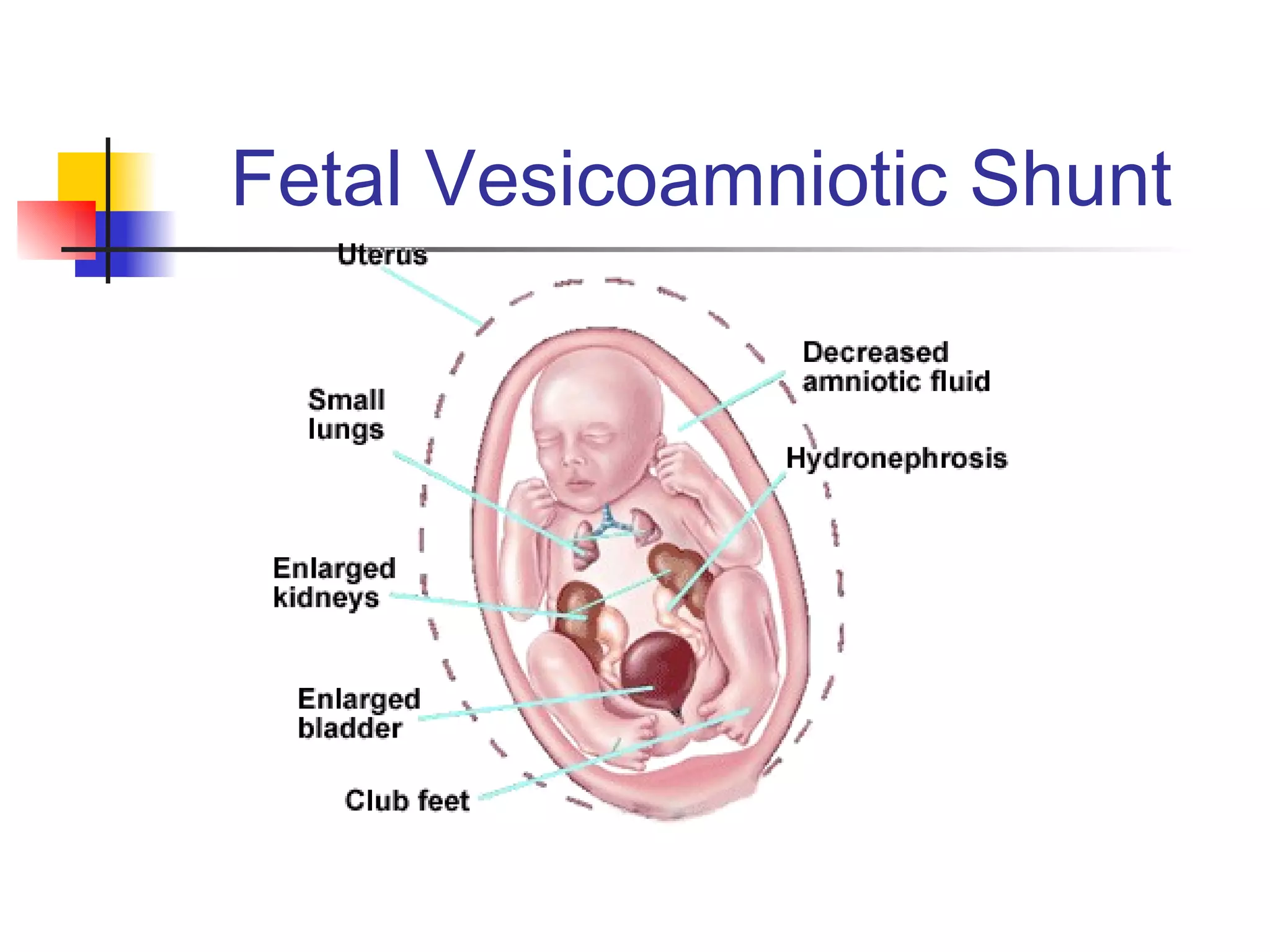
Fetal Vesicoamniotic Shunt Procedure done for bladder outlet obstruction Most common cause is a posterior urethral valve Predominantly in males Can cause bladder to lose tone Hydronephrosis Hydroureter Can lead to permanent damage if not treated by 20 weeks gestation
Fetal Vesicoamniotic Shunt
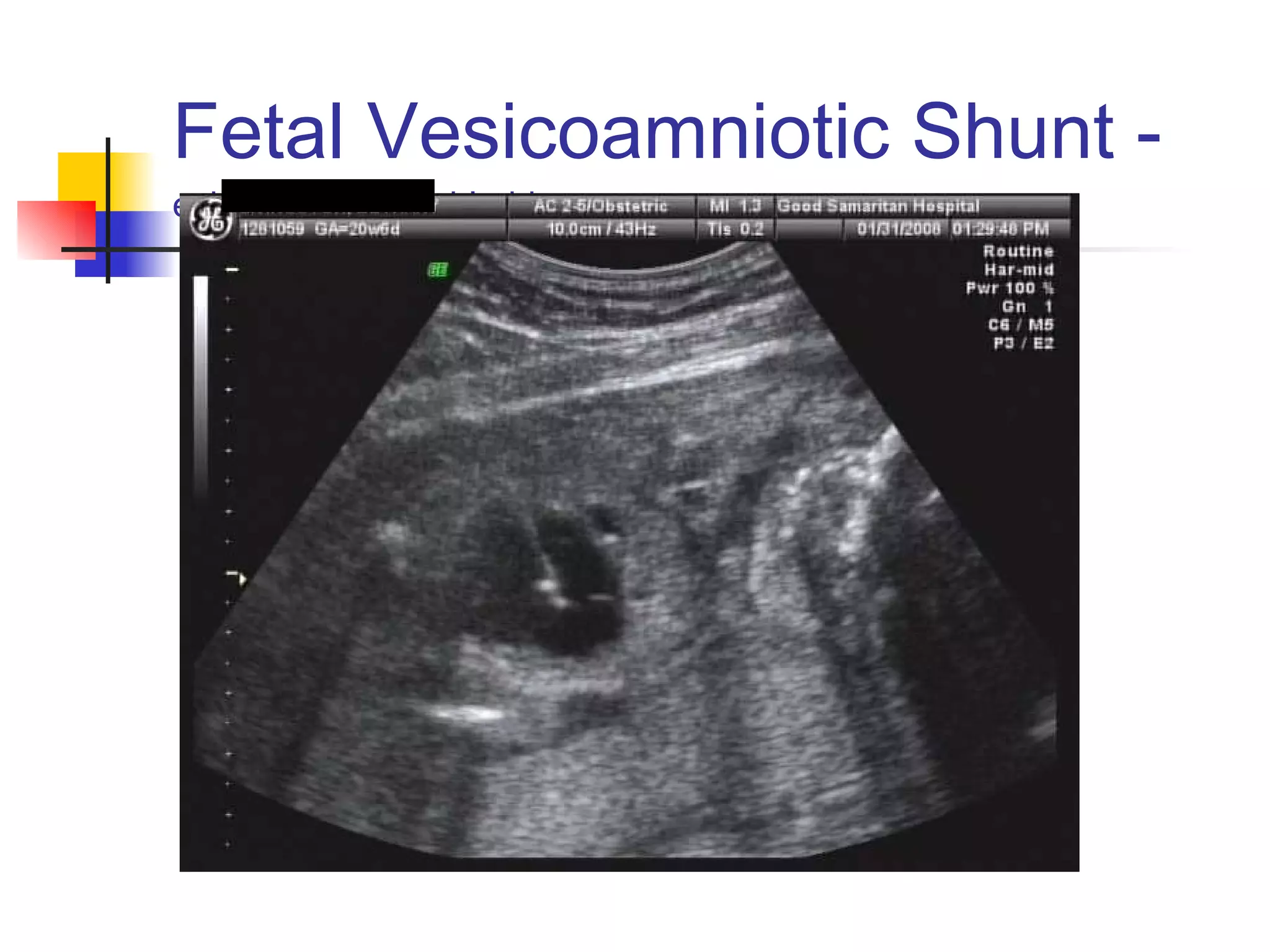
Fetal Vesicoamniotic Shunt -  echotip needle in bladder
Fetal Vesicoamniotic Shunt –  post shunt placement and decompression of bladder
Bilateral Hydronephrosis (enlarged kidneys)
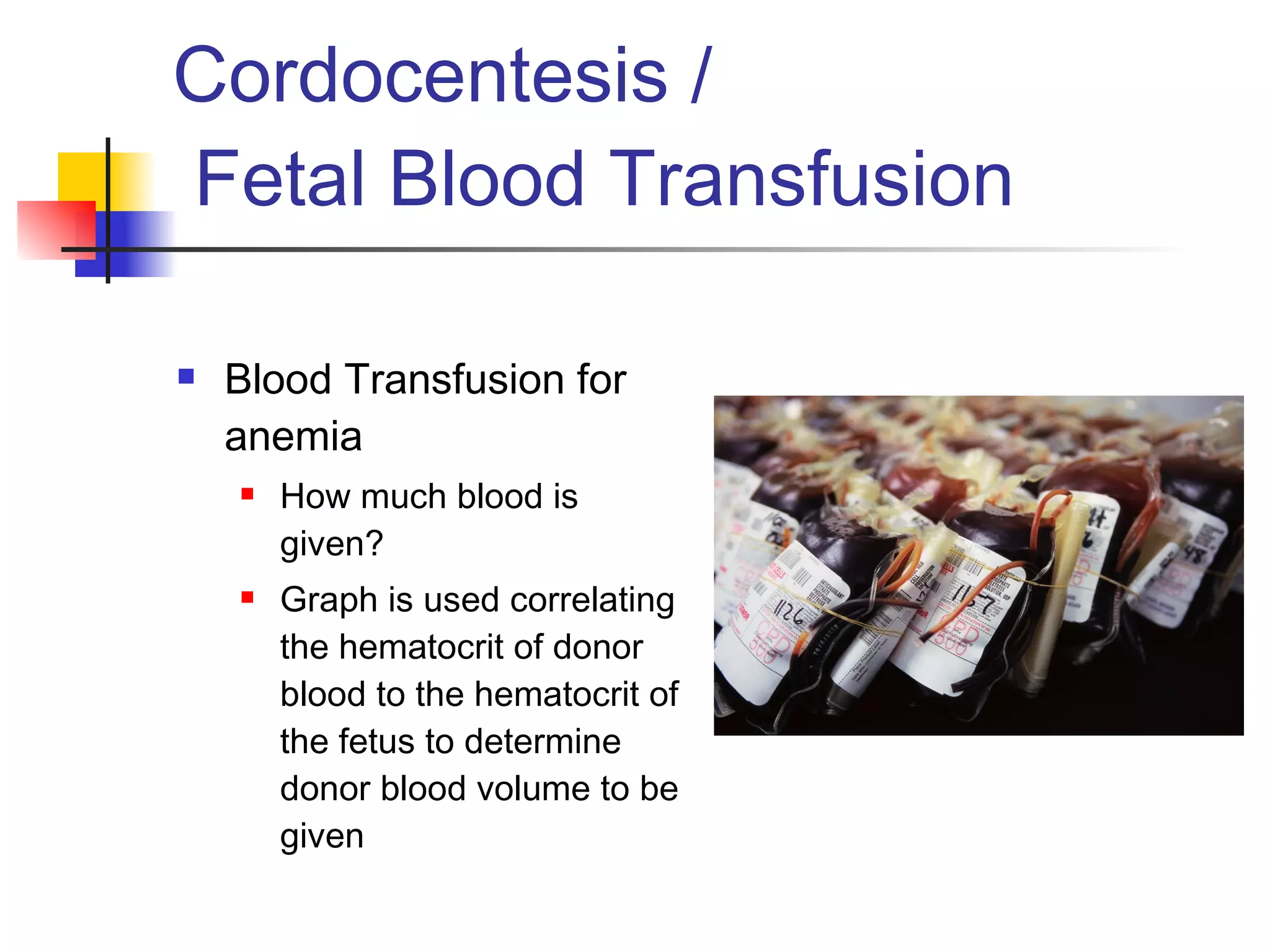
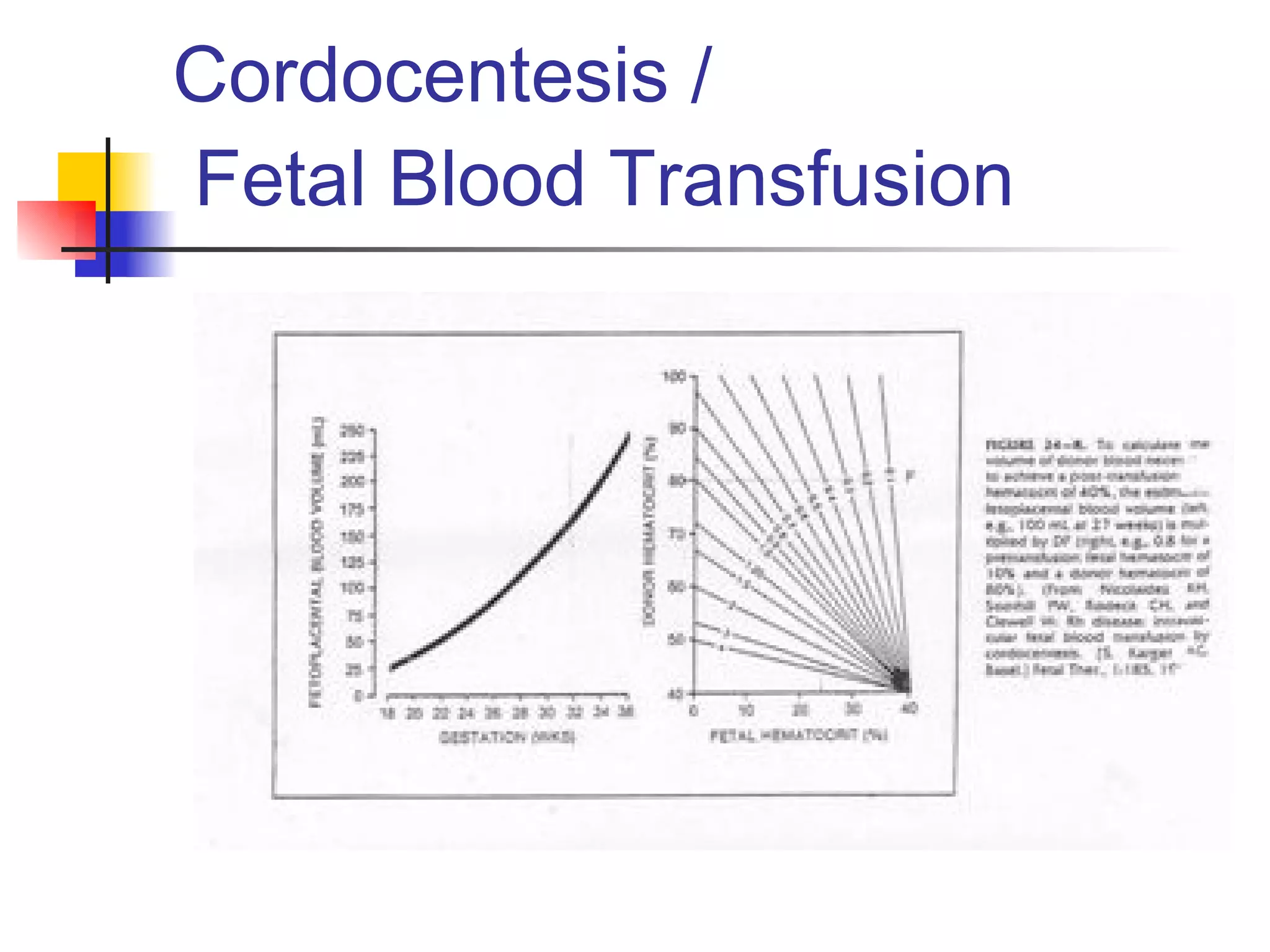
Cordocentesis /  Fetal Blood Transfusion Blood Transfusion for anemia How much blood is given? Graph is used correlating the hematocrit of donor blood to the hematocrit of the fetus to determine donor blood volume to be given
Cordocentesis /  Fetal Blood Transfusion
Fetal MRI Superior soft tissue contrast test Does not use radiation Used for fetal brain, spinal deformities, lesions, masses Also can assess placental and cord malformations Also used to measure lung volume Research still continuing for PPROM pts (Kline-Fath & Bitters, 2007)
Fetal MRI Con’t Not recommended in first trimester (no documented studies on harm  from heat or sound, but not recommended) Not used routinely, only after U/S not able to detect Contrast dye not recommended  Informed consent (Kline-Fath & Bitters, 2007)
Fetal Echocardiogram Timing: between 18-22 weeks Indications: Family history congenital heart defects Maternal diabetes Drug exposure Teratogenic exposure Chromosomal abnormalities Non-immune hydrops Maternal PKU Fetal arrhythmias Queenan, Hobbins & Spong (4 th  edition, 2007)
THE END

Diagnositcs day 2 review

  • 1.
    Diagnostic Tests SandyWarner RNC-OB, MSN Carrie Hallett- Voss, RNFA
  • 2.
    NST - NonStress Test Evaluation of FHR pattern in the absence of regular contractions to determine fetal oxygenation, neurological and cardiac function
  • 3.
    Non Stress Test(NST) NST became popular as primary surveillance in mid 1970’s due to simplicity and shorter testing Currently a reactive pattern is defined as 2 accelerations in 20 minutes that reach 15bpm or greater above BLFHR and lasts 15 seconds or greater
  • 4.
    NST Definition Reactive NST indicates less than 1% chance of fetal death within 1 week unless there is a catastrophic event Accelerations may occur either spontaneously or in association with fetal movement NST done to determine the adequacy of fetal oxygenation and (CNS) autonomic function
  • 5.
    Non Stress Test:Benefits to patient non-invasive easy, inexpensive, fast no known contraindications good screening test
  • 6.
    Non Stress Test(NST) Accelerations indicate intact neurological functioning between the fetal CNS and the fetal heart Pathway may be disrupted by: Fetal sleep Fetal hypoxia Drugs (BTMS, ETOH, beta blockers, muscle relaxants, & CNS depressants) Congenital fetal anomalies
  • 7.
    Non Stress Test(NST) 50% of fetuses will be reactive by 26-28 weeks 85% of fetuses will be reactive by 28-32 weeks KEYPOINT: Once fetus has had a reactive tracing (15 X 15) the same reactivity is expected in further NSTs.
  • 8.
    Indications for NSTfor High Risk Conditions high risk for utero-placental insufficiency (smokers, HTN, diabetes, autoimmune disease) post dates motor vehicle accident (MVA) previous stillbirth IUGR decreased fetal movement isoimmunization if other tests suggest fetal compromise routine
  • 9.
    Reactive Non StressTest Arrows above from pushing the MARK button Indicating mother’s perception of fetal movement FM and Accelerations 15 X 15
  • 10.
    NST Regimen 1986study by Boehm showed that by increasing NST to 2 times a week, the corrected stillbirth rate dropped from 6.1 /1000 to 1.9/1000 after a reactive NST Twice a week for high risk (post dates, HTN, IUGR, IDDM) Once q week for other risk conditions If condition no longer exists, e.g. decreased fetal movement, continued testing is not required Same day evaluation for reporting of decreased fetal movement
  • 11.
    Non Reactive NSTNot necessarily an ominous sign, rather it does indicate the need for further testing. May be followed by a BPP or a CST If initially non-reactive, prolonging the period of evaluation usually allows a change in the fetal status and it becomes reactive Occurs more often in the preterm fetus < 32 weeks due to immature ANS
  • 12.
    Non Reactive NST Non Reactive NST
  • 13.
    NST Non reactiveNST with good variability probably not an indication for delivery rather, could be related to fetal adaptation to stress Non Stress Test (NST)
  • 14.
    Vibroaccoustic Stimulation (VAS)Artificial acoustic stimulation Done after 25 wks gestation when fetus can hear After 10 minutes of baseline and no accelerations, place the artificial larynx on the maternal abdomen over the fetal head
  • 15.
    Vibroaccoustic StimulationProvide 5-10 sec stimulation near fetal head, wait one minute If no acceleration repeat cycle for a total of three times if non-reactive after 40 minutes, proceed with further evaluation
  • 16.
    Vibroaccoustic Stimulation Fetuses 28 weeks or greater respond to VAS with a consistent increase in heart rate. Observed changes are greater as term is approached. Can be used during version to get breech to move from midline spine to lateral spine Use to startle the fetus to release cord
  • 17.
    Contraction Stress Test A method of observing the response of the FHR to the stress of uterine contractions A FHR response to 3 spontaneous or induced uterine contractions in 10 minutes may occur : Spontaneously Use of nipple stimulation Use of Pitocin The desired result: Negative CST (no late decelerations)
  • 18.
    Interpretation: CST Negative: No late or significant variable decelerations are identified in response to 3 or more contractions lasting at least 40 seconds in a 10 minute window. Positive : Late decelerations are identified with 50% or more of contractions even if the contraction frequency is less than 3 in 10 minutes.
  • 19.
    Interpretation: CST Suspicious : (Equivocal) inconsistent or occasional late decelerations with less than 50% of contractions. Repeat in 24 hrs. Tachysystole: Contractions closer than Q2min, or lasting longer than 90 sec, or > 5 contractions in 10 minutes. Repeat in 24 hrs . Unsatisfactory: the quality of the tracing is inadequate for interpretation or adequate uterine contractions were not achieved.
  • 20.
    Limitations of CST30% false positive == unnecessary premature intervention conduct in L+D or adjacent area more expensive, time consuming must observe after test until uterine activity has returned to baseline activity level
  • 21.
    Tachysystole of uterusToo many UC. Rising resting tonus. Positive CST
  • 22.
    Key Points for Contraction Stress Test CST now used less frequently Uterine contractions produce a reduction in blood flow to the intervillous spaces in the placenta A fetus with inadequate placental reserves demonstrates late decelerations in response to hypoxia
  • 23.
    Ultrasound Developed inWWII with submarines Diagnostic use since 1950s Definition: transmission of sound waves to investigate an object (Kline-Fath & Bitters, 2007)
  • 24.
    Ultrasound Advantages: InexpensiveNoninvasive High degree of patient acceptance Yields much information (Kline-Fath & Bitters, 2007)
  • 25.
    Ultrasound Indications Estimationof fetal age Earlier U/S performed, more accurate Viability Evaluation of fetal growth Location of placenta Fetal presentation in 3 rd trimester or with multiples Anomalies Assessment of amniotic fluid volume
  • 26.
    Ultrasound con’t Numerousstudies show positive effect on maternal bonding with ultrasound experience 3D U/S especially helpful in facial anomalies Nuchal lucency and nasal bone Used in combination with maternal serum levels to assess for chromosomal abnormalities (Kline-Fath & Bitters, 2007)
  • 27.
    Amniotic Fluid Index(AFI) AFI = amount of amniotic fluid measured in largest pocket in each quadrant ( sum of 4 quadrants) Normal = 9-10 cm Borderline = 5-8cm Oligohydramnios < 5cm Polyhydramnios > 25cm
  • 28.
    Biophysical Profile (BPP)“Intrauterine Apgar Score” Combines ultrasound and NST Fetal activities observed result from complex processes that are controlled by the CNS Activities that are first to develop are last to disappear when asphyxia occurs
  • 29.
    1. ReactiveNST (within 1 hour of ultrasound portion of test) 2. Amniotic Fluid: at least one deepest vertical pocket > 2cm 3. Movement- at least three episodes of gross body movement within a 30 minute period Five Parameters of Biophysical Profile
  • 30.
    Five Parameters ofBiophysical Profile 4. Tone- at least one episode of flexion and extension of an extremity within a 30 minute period 5. Fetal Breathing Motions- at least 30 seconds within a 30 minute period
  • 31.
    Scoring the BPP2 points for each of the criteria met 0 points if the criteria is not met reported as: 0/10, 2/10, 4/10, 6/10, 8/10, or 10/10
  • 32.
    Interpretation of BPPAnytime a (DVP) deep vertical pocket ≤ 2cm, further evaluation is warranted score 8/10 (excluding oligo) or 10/10: normal score 6/10 : equivocal, repeat within 24 hours score 0/10, 2/10, 4/10: delivery is indicated
  • 33.
    Keypoints A deterioratingfetus will lose in this order : -Reactivity -Fetal breathing movements -Tone -Movement
  • 34.
  • 35.
    Doppler Studies Definition:Non-invasive study of the blood flow in the fetus and the placenta Studies the blood flow of the umbilical cord More recently may use to look at blood flow in the cerebral artery
  • 36.
    Keypoints of DopplerFlow Studies Doppler waveform analysis can allow identification of a jeopardized fetus before compromises occur. Umbilical artery observed for flow Ratio number used to measure flow 3.5 in normal, can also be intermittently absent or absent Reverse diastolic flow is ominous
  • 37.
    More Keypoints ofDoppler Flow Studies The change in frequency is called the “Doppler Shift” This shift is computer analyzed and displayed as a velocity waveform The frequency of the echoes changes during the systolic and diastolic components of the cardiac cycle
  • 38.
    Amniocentesis Trans-abdominal needleaspiration of 10-20 ml of amniotic fluid for lab analysis Done under ultrasound Requires sterile technique and time out
  • 39.
    Amniocentesis Indications: GeneticR/O infection Fetal lung maturity Assess for bilirubin with hemolytic incompatibility
  • 40.
    Amniocentesis Timing: Early– performed between 11-14 wks Significantly higher pregnancy loss Post procedure fluid loss 2 nd trimester – performed between 15-20 wks Usually for genetic screening 3 rd trimester Usually for fetal lung maturity (Gilbert, 4 th edition, pg 93)
  • 41.
    Amnioreduction Reduces amountof amniotic fluid around fetus Procedure like amniocentesis only with tubing to suction canister or stopcock Done to relieve maternal symptoms or with twin to twin transfusion syndrome
  • 42.
  • 43.
    Fetal Vesicoamniotic ShuntProcedure done for bladder outlet obstruction Most common cause is a posterior urethral valve Predominantly in males Can cause bladder to lose tone Hydronephrosis Hydroureter Can lead to permanent damage if not treated by 20 weeks gestation
  • 44.
  • 45.
    Fetal Vesicoamniotic Shunt- echotip needle in bladder
  • 46.
    Fetal Vesicoamniotic Shunt– post shunt placement and decompression of bladder
  • 47.
  • 48.
    Cordocentesis / Fetal Blood Transfusion Blood Transfusion for anemia How much blood is given? Graph is used correlating the hematocrit of donor blood to the hematocrit of the fetus to determine donor blood volume to be given
  • 49.
    Cordocentesis / Fetal Blood Transfusion
  • 50.
    Fetal MRI Superiorsoft tissue contrast test Does not use radiation Used for fetal brain, spinal deformities, lesions, masses Also can assess placental and cord malformations Also used to measure lung volume Research still continuing for PPROM pts (Kline-Fath & Bitters, 2007)
  • 51.
    Fetal MRI Con’tNot recommended in first trimester (no documented studies on harm from heat or sound, but not recommended) Not used routinely, only after U/S not able to detect Contrast dye not recommended Informed consent (Kline-Fath & Bitters, 2007)
  • 52.
    Fetal Echocardiogram Timing:between 18-22 weeks Indications: Family history congenital heart defects Maternal diabetes Drug exposure Teratogenic exposure Chromosomal abnormalities Non-immune hydrops Maternal PKU Fetal arrhythmias Queenan, Hobbins & Spong (4 th edition, 2007)
  • 53.

Editor's Notes

  • #3 Non-reactive NST does not meet the acceleration criteria Non-reactive NST’s occur more often in the preterm infant under 32 wks because they are more likely not to meet the criteria due to immature ANS Meds such as Betamethasone, alcohol, beta-blockers, muscle relaxants, and CNS depressants
  • #5 Multiple choice
  • #11 True or False TRUE or FALSE 8. Results of the NST can be reinforced and carry more weight when amniotic fluid volume is adequate.
  • #15 6. True or False Non stress tests can be facilitated by doing (VAS) Vibroaccoustic stimulation when the fetus is thought to be in a sleep mode.
  • #16 Watch language with pt – tazer, buzzer, zapper VAS programmed for this time, push button til stops Decels common Do not use if fetus compromised or has heart issues
  • #22 MULTIPLE CHOICE 10. The tracing above shows: a. lates and q1 min contractions b. positive CST; Non Reactive NST c. Late decelerations with hyperstimulation
  • #24 Many studies, none to find side effects to fetus
  • #26 Measurement of crown rump is most accurate. If LMP and crown rump measurement &gt; 7 days, date not changed Discrepancy &gt; 1 wk, usually due to inaccurate LMP As pregnancy progresses, measurements not as accurate for dating as genetic and other factors
  • #36 Decreased flow to cerebral artery can indicate anemia or hypoxemia
  • #37 Reverse flow needs immediate intervention – continous EFM AND/OR delivery
  • #40 For ABO imcompatbilities or hyprops, can tell amt of bilirubin in amniotic fluid to see if fetus needs transfusion
  • #42 Maternal symptoms: difficulty breathing, uterine contractions
  • #46 Enlarged bladder with echotip needle in fetal bladder to drain bladder
  • #47 Bladder now regular sized
  • #49 Isoimmunization(mom antibodies attack fetal RBC), parvo virus (slows production of RBC), fetal maternal hemorrhage
  • #50 Graph is little blurry but shows how much blood to transfuse.
  • #51 Magnetic resonance imaging Able to separate maternal and fetal tissue, clearer image Claustrophobia, size of abd and fitting in chamber
  • #52 Due to organ formation
  • #54 Goal 