SPO2 ppt
Prepared by:
Prof.VIJAYREDDY VANDALI
PhD Scholar, M.Sc (N),PGDHA,PGCDE.
Dept of MSN.
INDIA.
What is SpO2?
• SpO2, also known as blood oxygen saturation, is a
measure of the amount of oxygen-carrying hemoglobin
in the blood relative to the amount of hemoglobin not
carrying oxygen. The body needs there to be a certain
level of oxygen in the blood or it will not function as
efficiently. In fact, very low levels of SpO2 can result
in very serious symptoms. This condition is known as
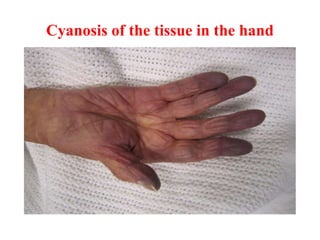
hypoxemia. There is a visible effect on the skin, known
as cyanosis due to the blue (cyan) tint it takes on.
Hypoxemia (low levels of oxygen in the blood) can
turn into hypoxia (low levels of oxygen in the tissue).
This progression and the difference between the two
conditions is important to understand.
How the Body Maintains Normal SpO2 levels
It is vital to maintain normal blood oxygen saturation
levels in order to prevent hypoxia. Thankfully, the
body usually does this by itself. The most important
way that the body maintains healthy SpO2 levels is
through breathing.
The lungs take oxygen that has been inhaled and binds it
to hemoglobin that then travels throughout the body
with the payload of oxygen. The oxygen needs of the
body increase during times of high physiological stress
(e.g., lifting weights or running) and at higher
altitudes. The body is usually able to adapt to these
increases, provided that they are not too extreme.
Measuring SpO2
• There are many ways that the blood can be tested to
ensure it contains normal oxygen levels. The most
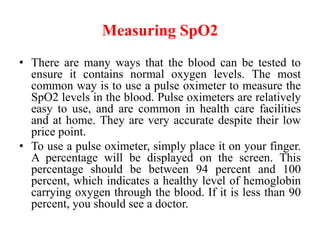
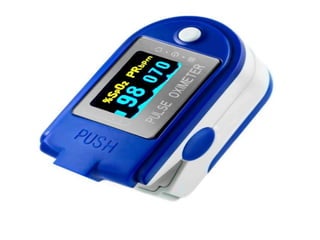
common way is to use a pulse oximeter to measure the
SpO2 levels in the blood. Pulse oximeters are relatively
easy to use, and are common in health care facilities
and at home. They are very accurate despite their low
price point.
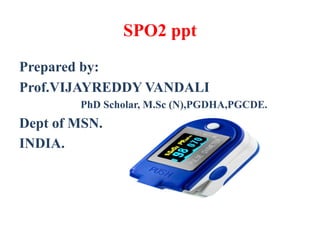
• To use a pulse oximeter, simply place it on your finger.
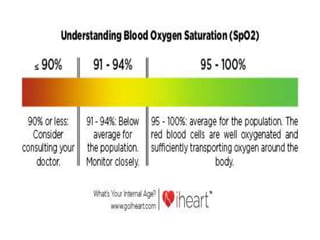
A percentage will be displayed on the screen. This
percentage should be between 94 percent and 100
percent, which indicates a healthy level of hemoglobin
carrying oxygen through the blood. If it is less than 90
percent, you should see a doctor.
Symptoms of Hypoxemia
• There are several common symptoms of
hypoxemia. The number and severity of these
symptoms depend on how low the SpO2 levels
are. Moderate hypoxemia results in fatigue,
light-headedness, numbness and tingling of the
extremities and nausea. Beyond this point,
hypoxemia usually becomes hypoxia.
Cyanosis of the tissue in the hand
THANK YOU

Spo2 ppt

  • 1.
    SPO2 ppt Prepared by: Prof.VIJAYREDDYVANDALI PhD Scholar, M.Sc (N),PGDHA,PGCDE. Dept of MSN. INDIA.
  • 2.
    What is SpO2? •SpO2, also known as blood oxygen saturation, is a measure of the amount of oxygen-carrying hemoglobin in the blood relative to the amount of hemoglobin not carrying oxygen. The body needs there to be a certain level of oxygen in the blood or it will not function as efficiently. In fact, very low levels of SpO2 can result in very serious symptoms. This condition is known as hypoxemia. There is a visible effect on the skin, known as cyanosis due to the blue (cyan) tint it takes on. Hypoxemia (low levels of oxygen in the blood) can turn into hypoxia (low levels of oxygen in the tissue). This progression and the difference between the two conditions is important to understand.
  • 3.
    How the BodyMaintains Normal SpO2 levels It is vital to maintain normal blood oxygen saturation levels in order to prevent hypoxia. Thankfully, the body usually does this by itself. The most important way that the body maintains healthy SpO2 levels is through breathing. The lungs take oxygen that has been inhaled and binds it to hemoglobin that then travels throughout the body with the payload of oxygen. The oxygen needs of the body increase during times of high physiological stress (e.g., lifting weights or running) and at higher altitudes. The body is usually able to adapt to these increases, provided that they are not too extreme.
  • 4.
    Measuring SpO2 • Thereare many ways that the blood can be tested to ensure it contains normal oxygen levels. The most common way is to use a pulse oximeter to measure the SpO2 levels in the blood. Pulse oximeters are relatively easy to use, and are common in health care facilities and at home. They are very accurate despite their low price point. • To use a pulse oximeter, simply place it on your finger. A percentage will be displayed on the screen. This percentage should be between 94 percent and 100 percent, which indicates a healthy level of hemoglobin carrying oxygen through the blood. If it is less than 90 percent, you should see a doctor.
  • 7.
    Symptoms of Hypoxemia •There are several common symptoms of hypoxemia. The number and severity of these symptoms depend on how low the SpO2 levels are. Moderate hypoxemia results in fatigue, light-headedness, numbness and tingling of the extremities and nausea. Beyond this point, hypoxemia usually becomes hypoxia.
  • 8.
    Cyanosis of thetissue in the hand
  • 9.