



Writing for Social Media
@stevebuttry
LSU Media Writing Class
November 2, 2015
Tweet during class
• At least 3 tweets #manship2010
• Use your account & post if you want
• Write on laptop or notebook & don’t
post if you prefer
• No more than 140 characters
• You decide content: quote, commentary,
question, photo, observation, etc.
Whatever your platform …
• Get to the point quickly
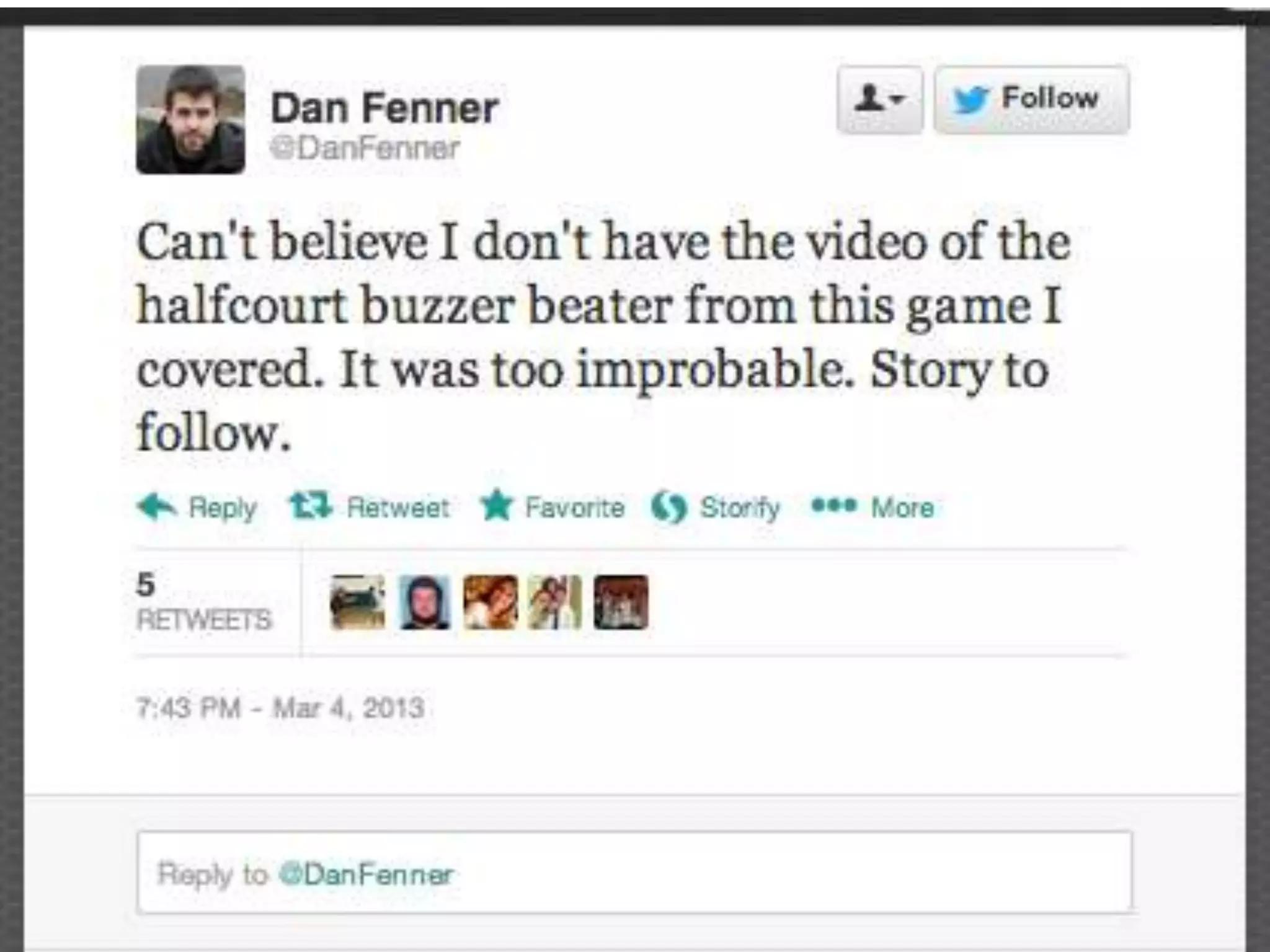
• Keep it brief (even if not limited)
• Consider images & make writing fit w/
photo or video
• Consider tone (what will make people
want to RT, share, engage?)
• Rewrite
Opinions in social media
• Opinions aren’t inherently bad
journalism (editorials, columns, cartoons,
commentary, etc.)
• Opinions can be troublesome for some
journalists in some positions or orgs
• Know whether opinions are appropriate
for your media role
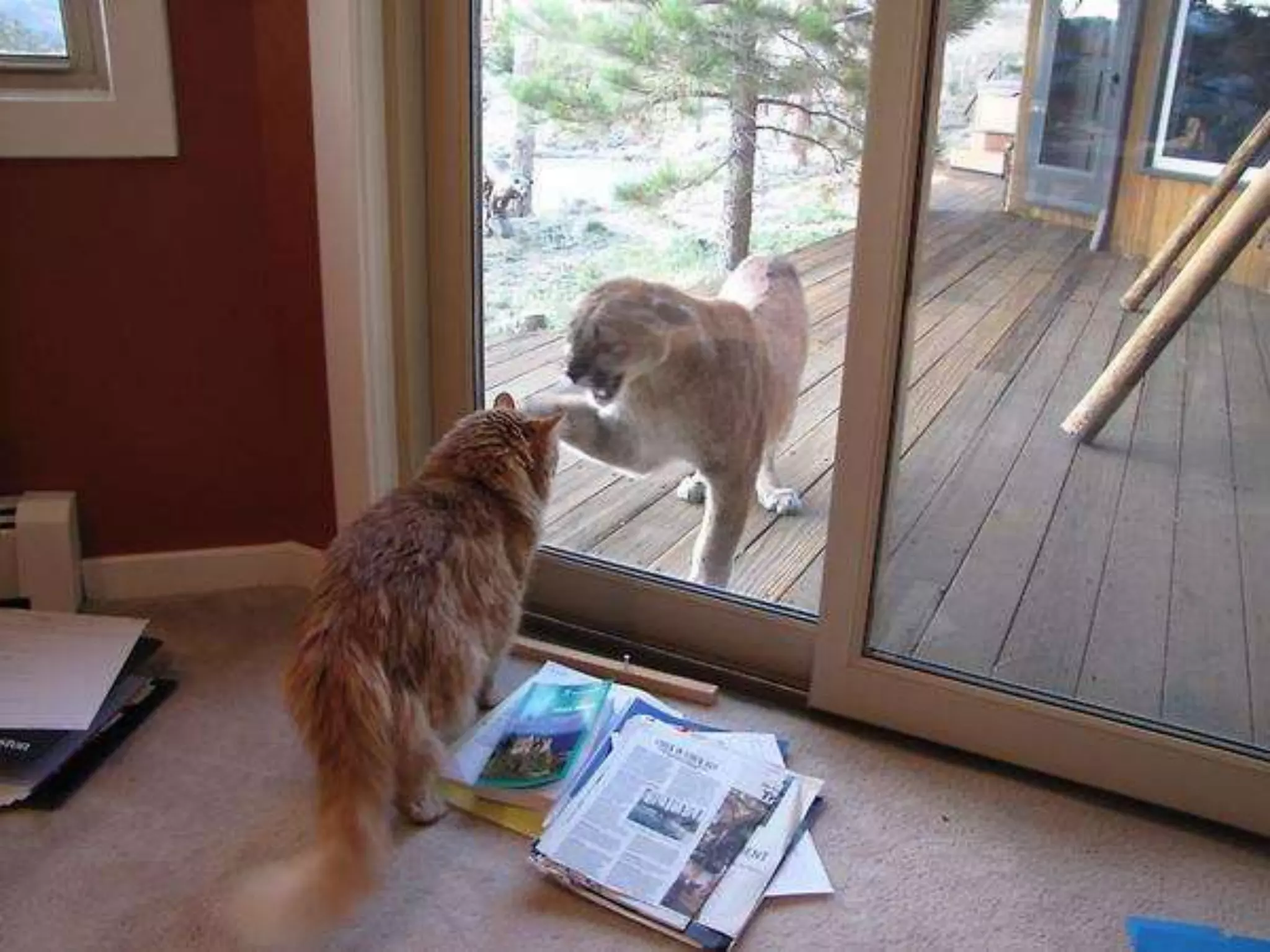
therealverge
on Snapchat
Tanya Sichynsky,
USA Today
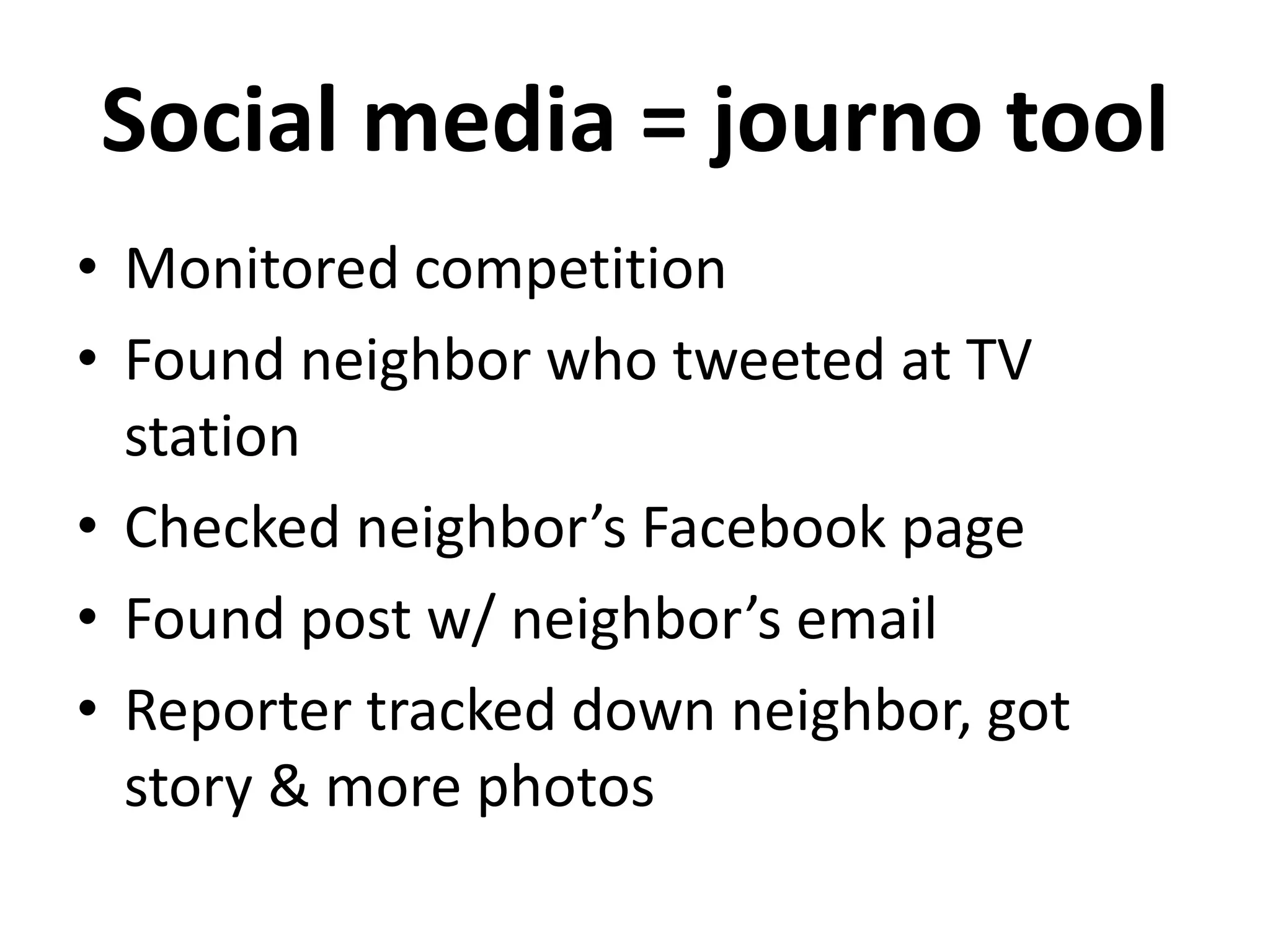
Social media = journo tool
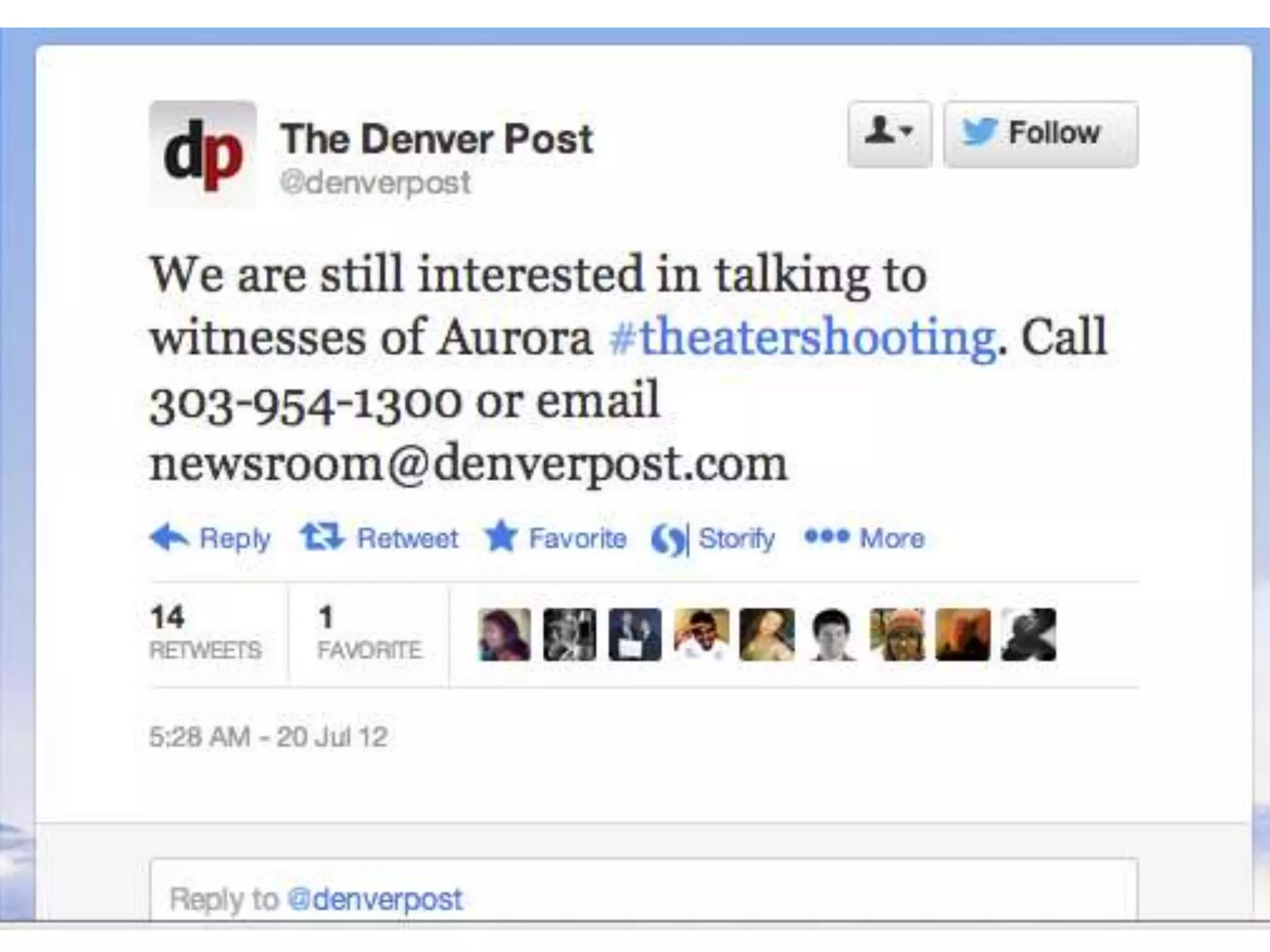
• Monitored competition
• Found neighbor who tweeted at TV
station
• Checked neighbor’s Facebook page
• Found post w/ neighbor’s email
• Reporter tracked down neighbor, got
story & more photos
Social media as a source
• How do you know a source is genuine?
• How does the source know?
• Check photos, location, timeline for
context, clues
• Ask to call you or connect in person
• Grab screenshots
• Posting too often
annoys friends, fans
• No 140 limit but
short is best
• Good questions start
conversations
• Engage, don’t
intrude
• Make a point in 140
• Story can unfold in
multiple tweets
• Hashtags help more
w/ search,
conversation
• Engagement not as
intrusive
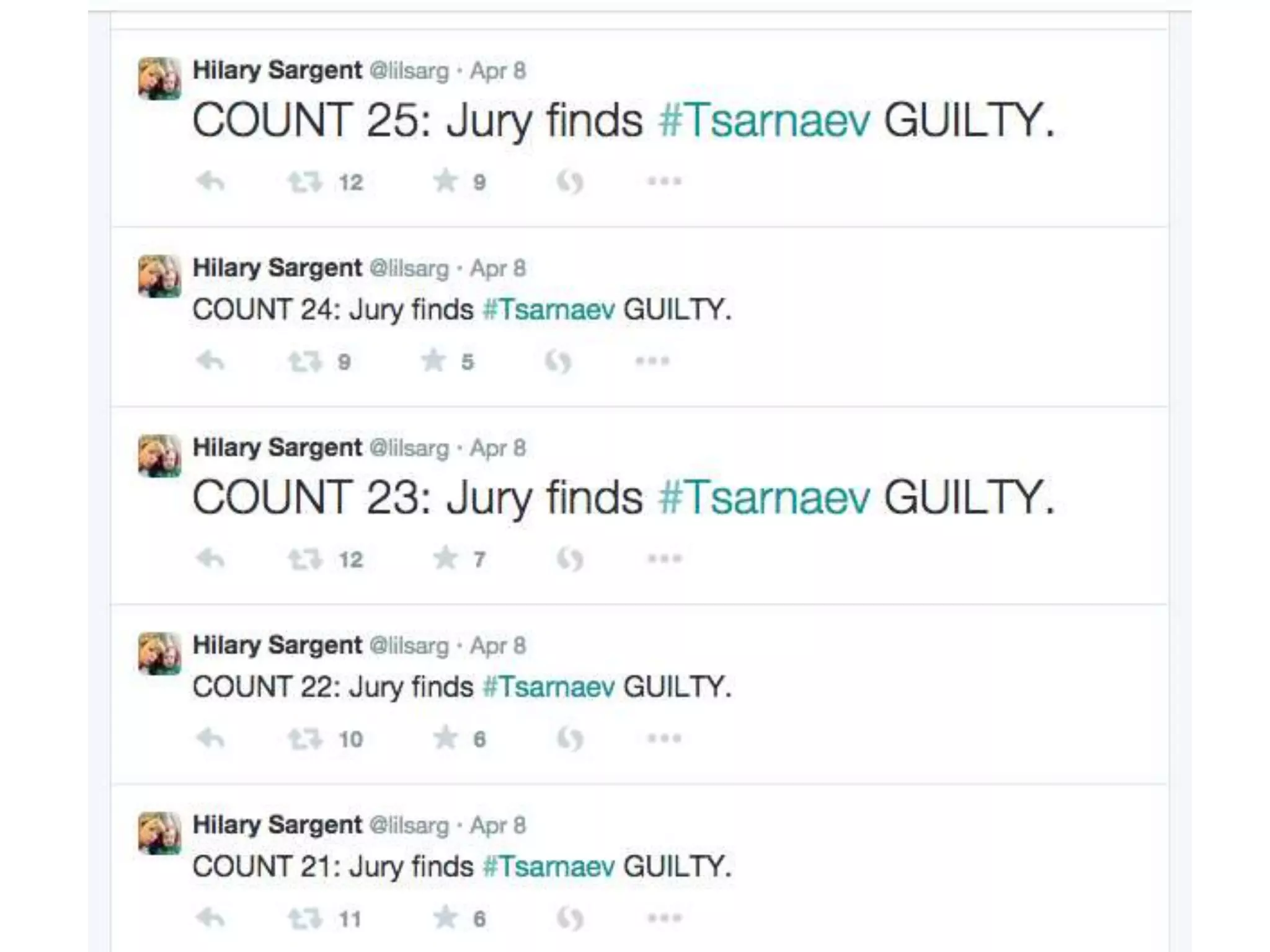
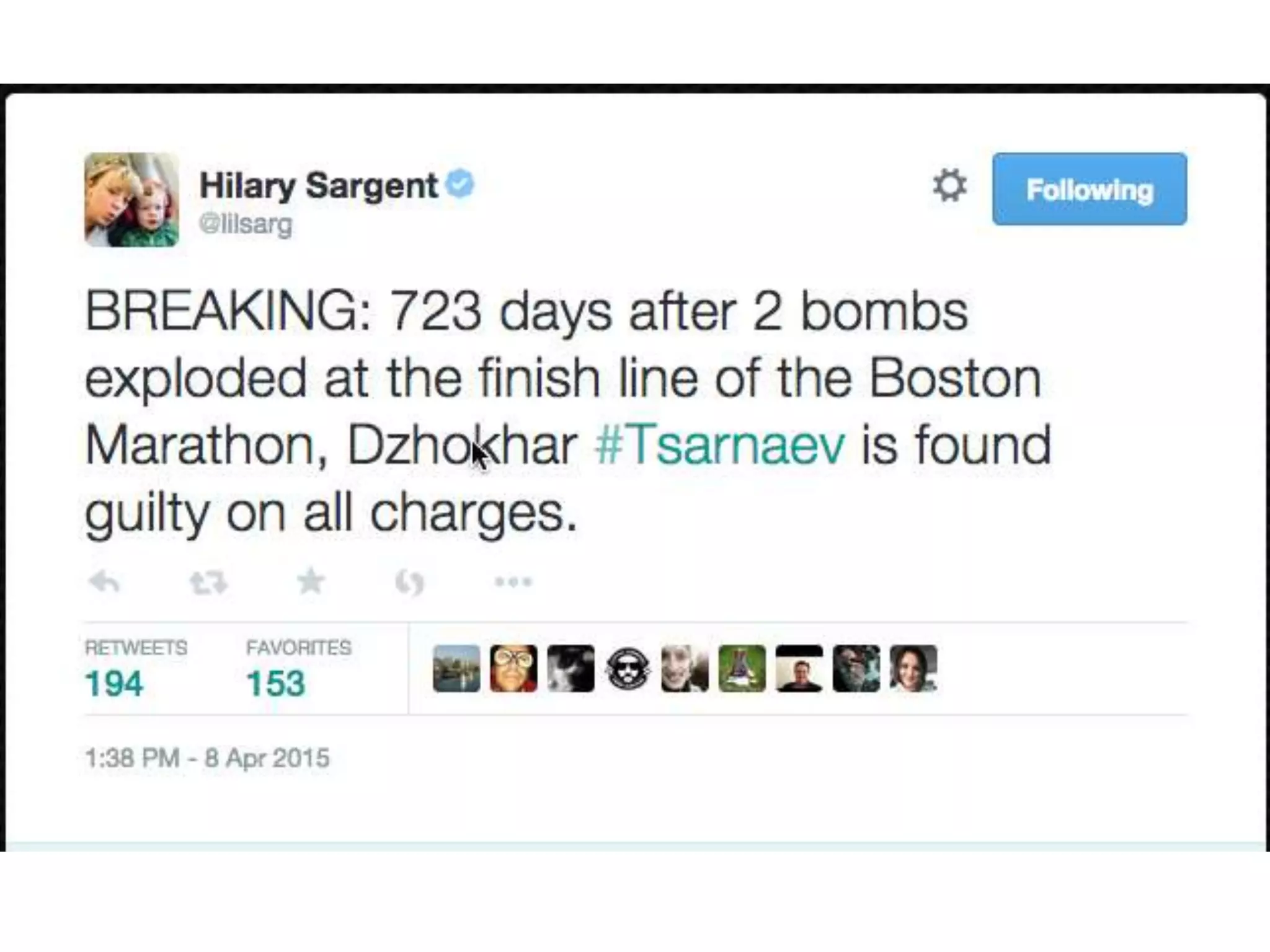
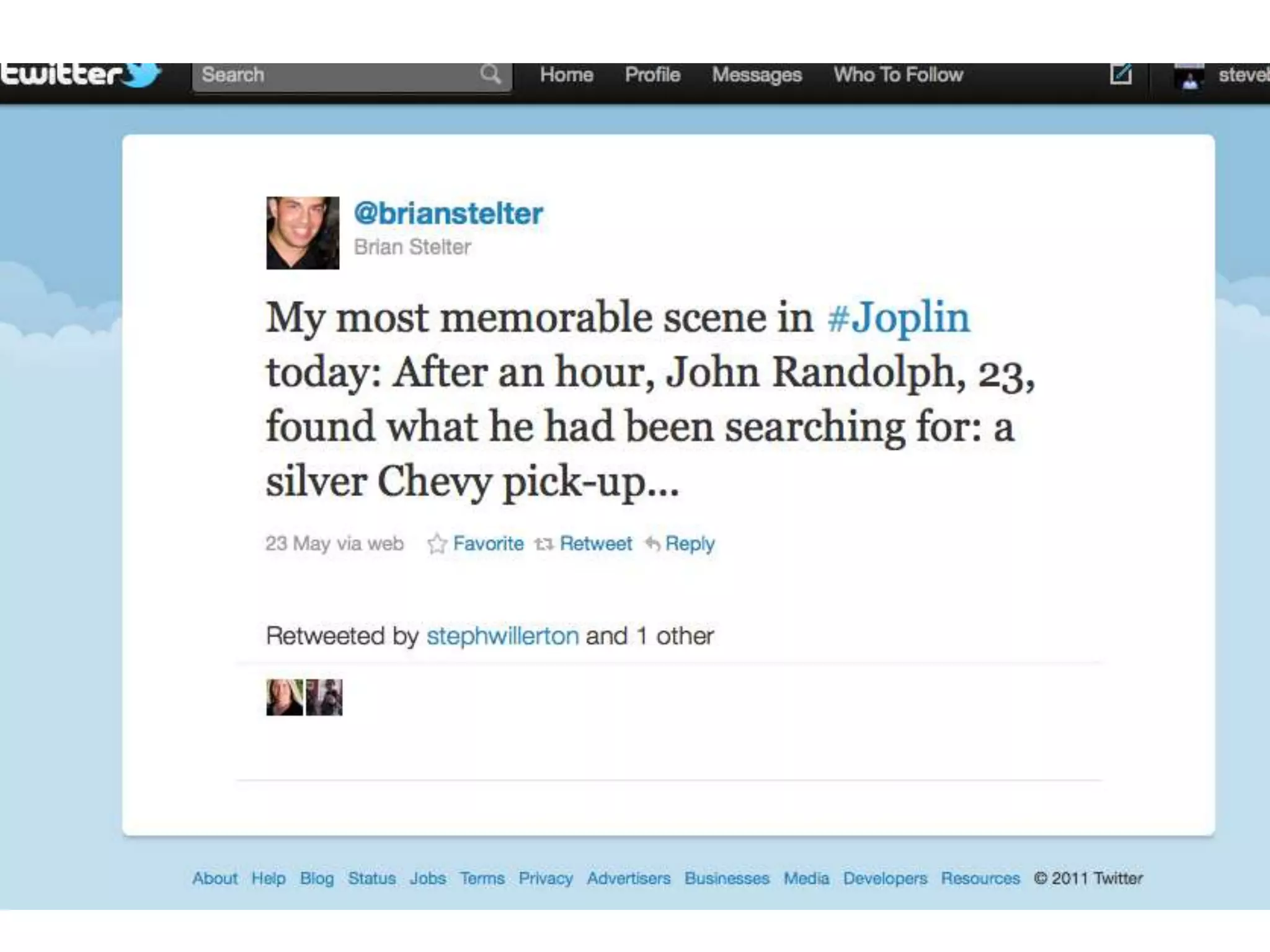
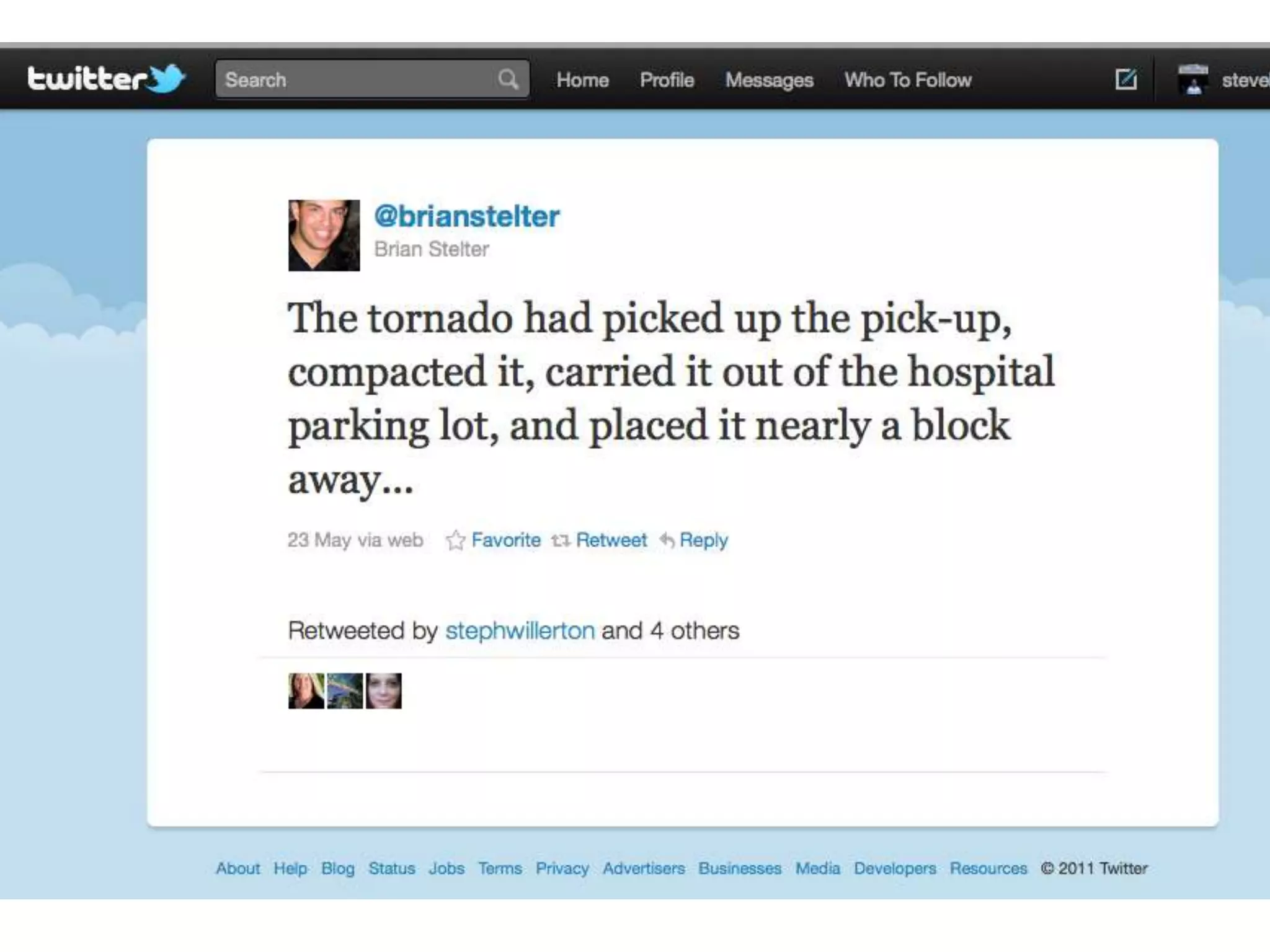
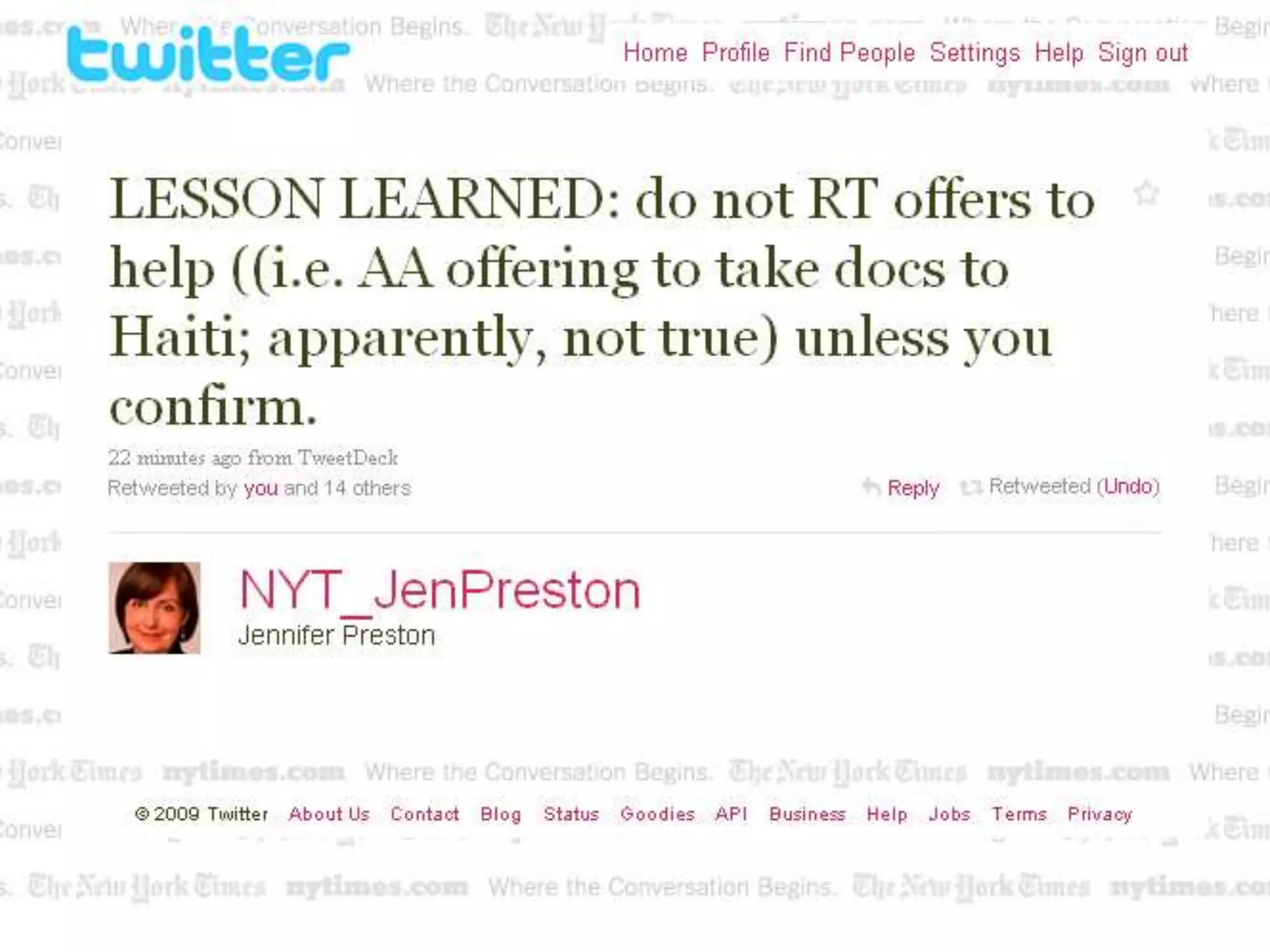
Breaking news on Twitter
• Tell unfolding story
• Capture the moment
• Tweet verified facts
• Say what you don’t know
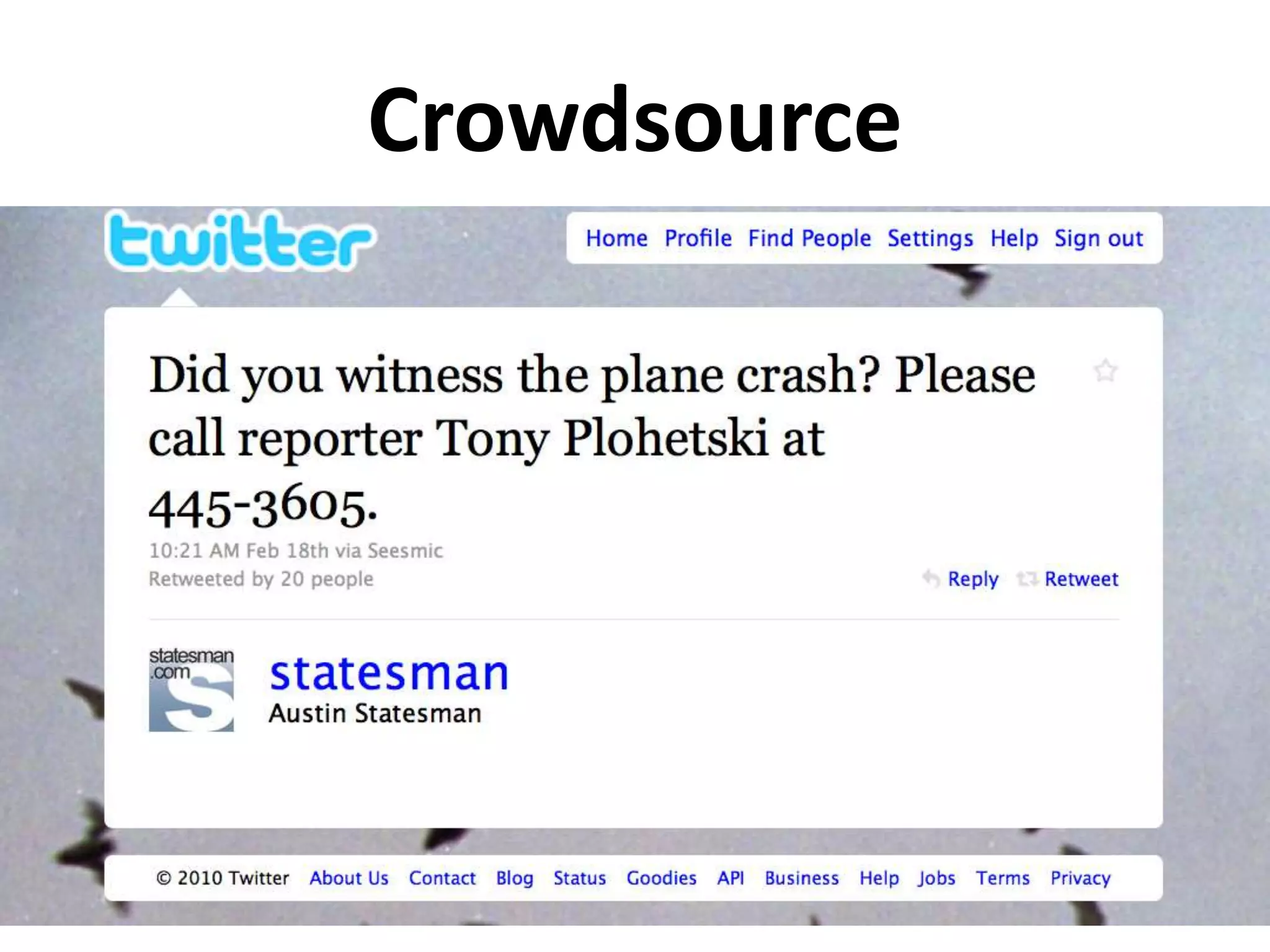
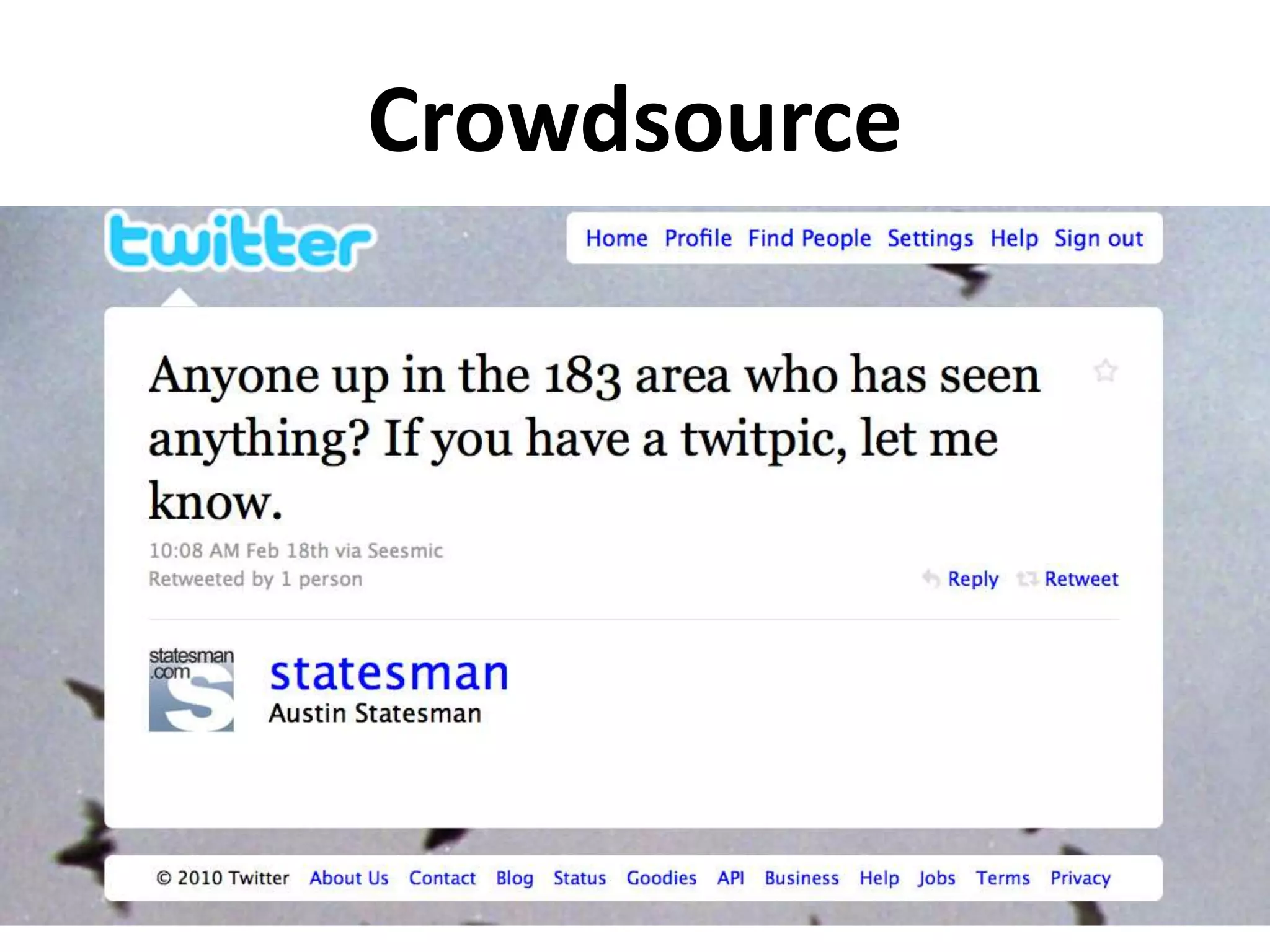
• Crowdsource
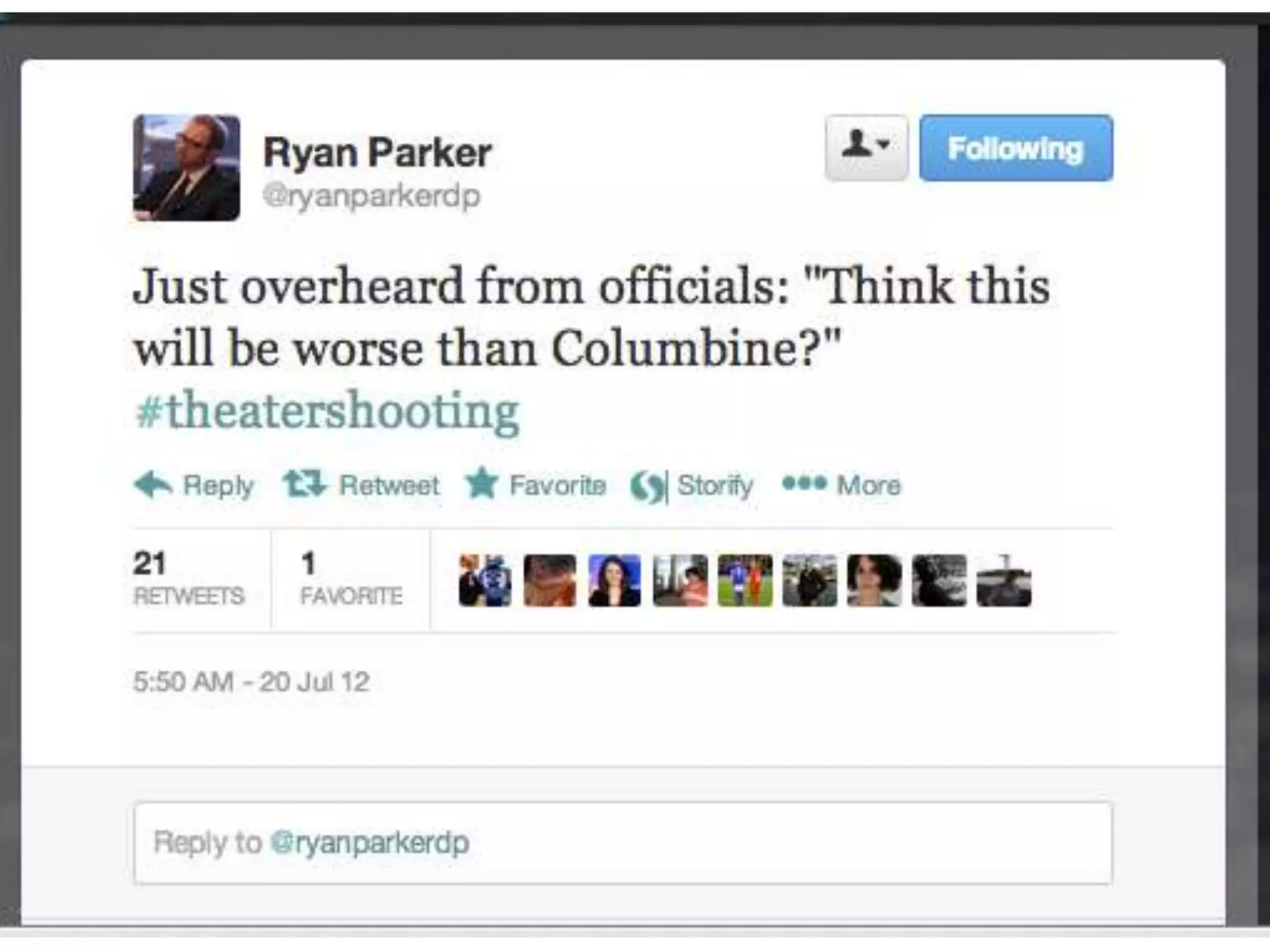
• Use hashtag
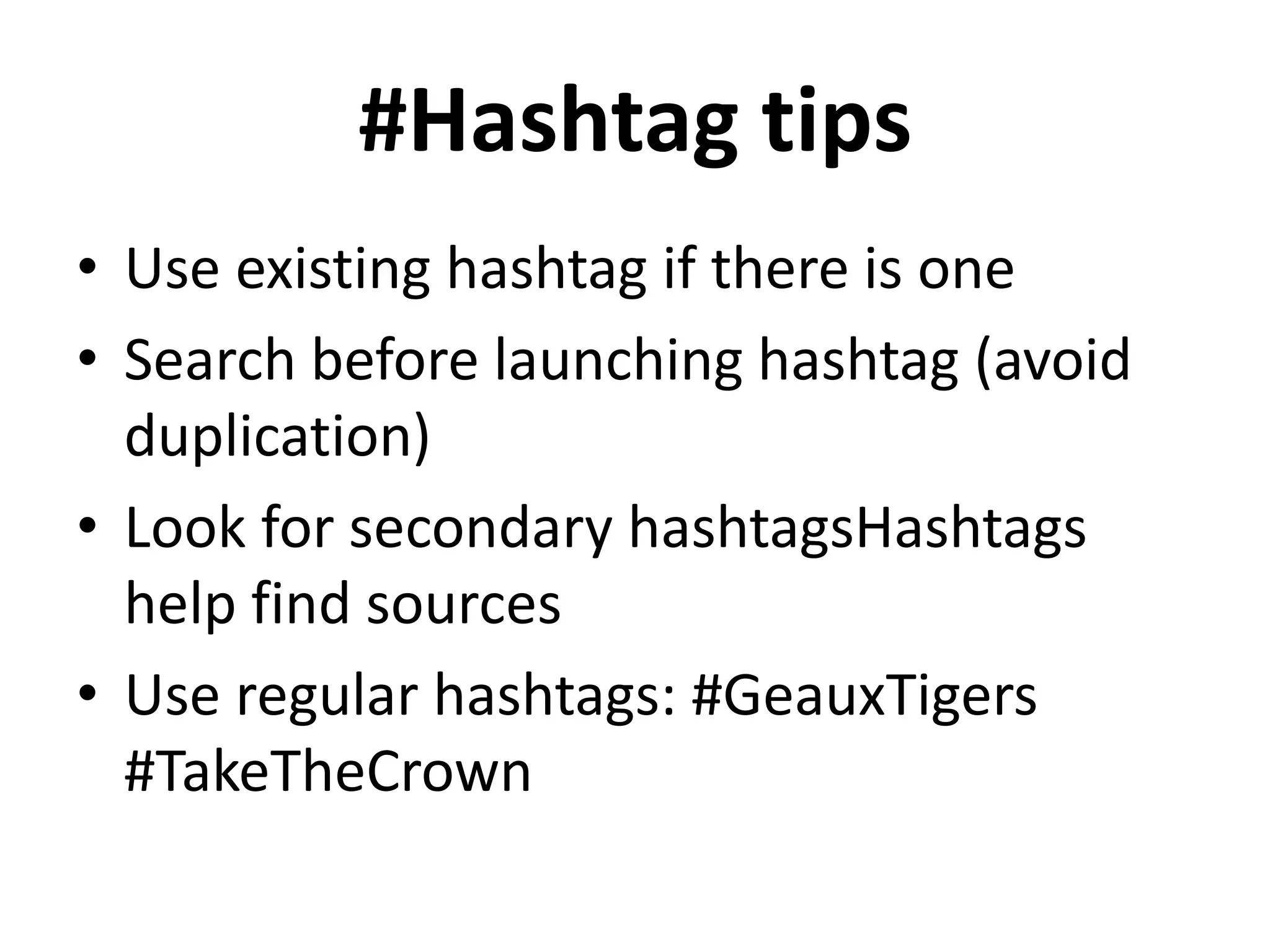
#Hashtag tips
• Use existing hashtag if there is one
• Search before launching hashtag (avoid
duplication)
• Look for secondary hashtagsHashtags
help find sources
• Use regular hashtags: #GeauxTigers
#TakeTheCrown
Crowdsource
Crowdsource
Writing benefits of Twitter
• Paste lead into tweet box. If it’s >140,
challenge whether it’s too long
• 140 characters gives great practice at
getting to the point
Even in longer writing …
Whether you’re writing a long
story for a newspaper or magazine,
or a political speech or a book,
whatever you write, consider
boiling the essence down to a
single tweet.
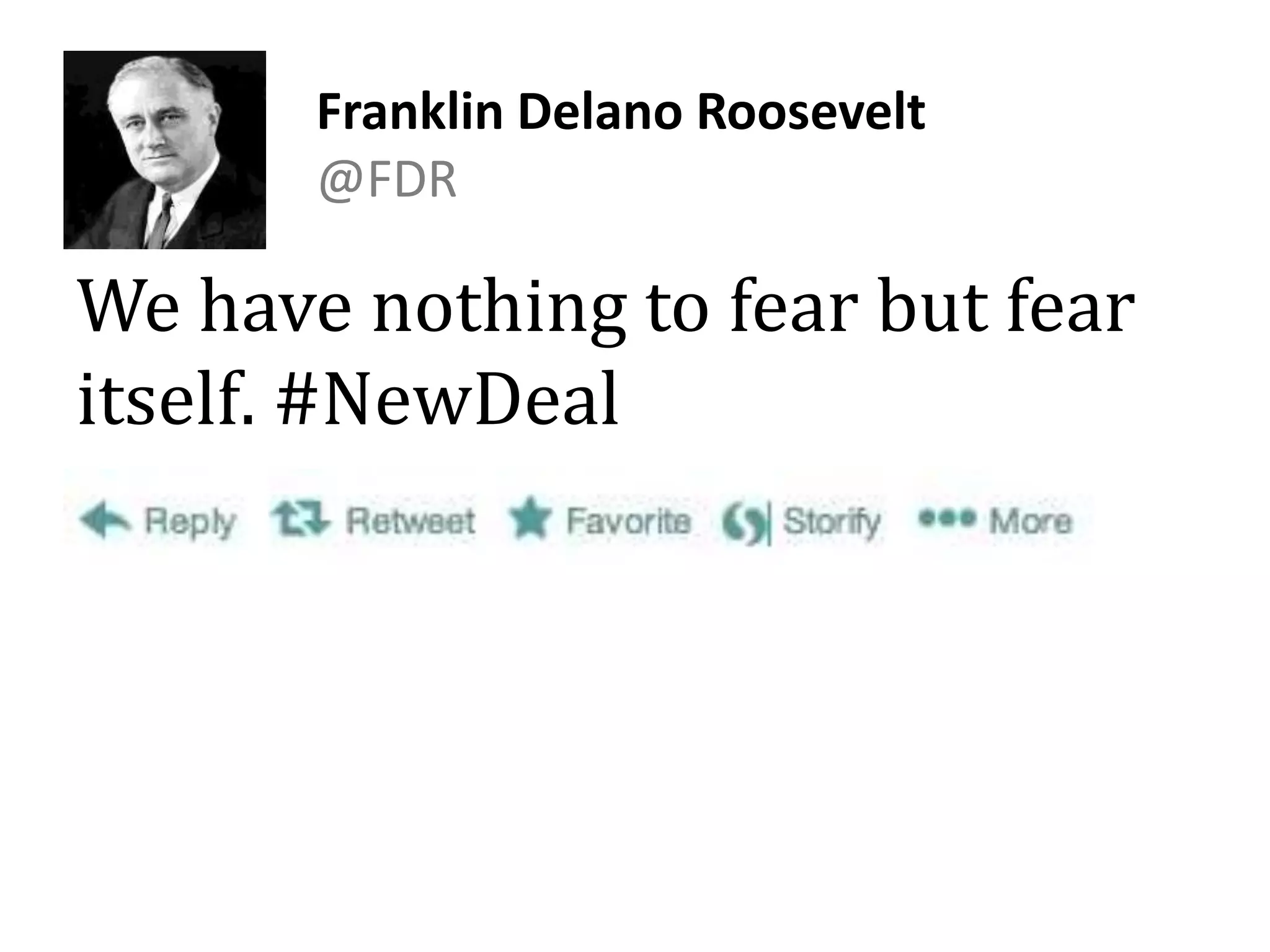
Franklin Delano Roosevelt
@FDR
We have nothing to fear but fear
itself. #NewDeal
Anne Frank
@AnnesDiary
Despite everything, I believe that
people are really good at heart.
#DiaryofaYoungGirl
President John F. Kennedy
@JFK
Ask not what your country can do
for you – ask what you can do for
your country. #NewFrontier
Rachel Carson
@RachelCarson
In nature nothing exists alone.
#SilentSpring
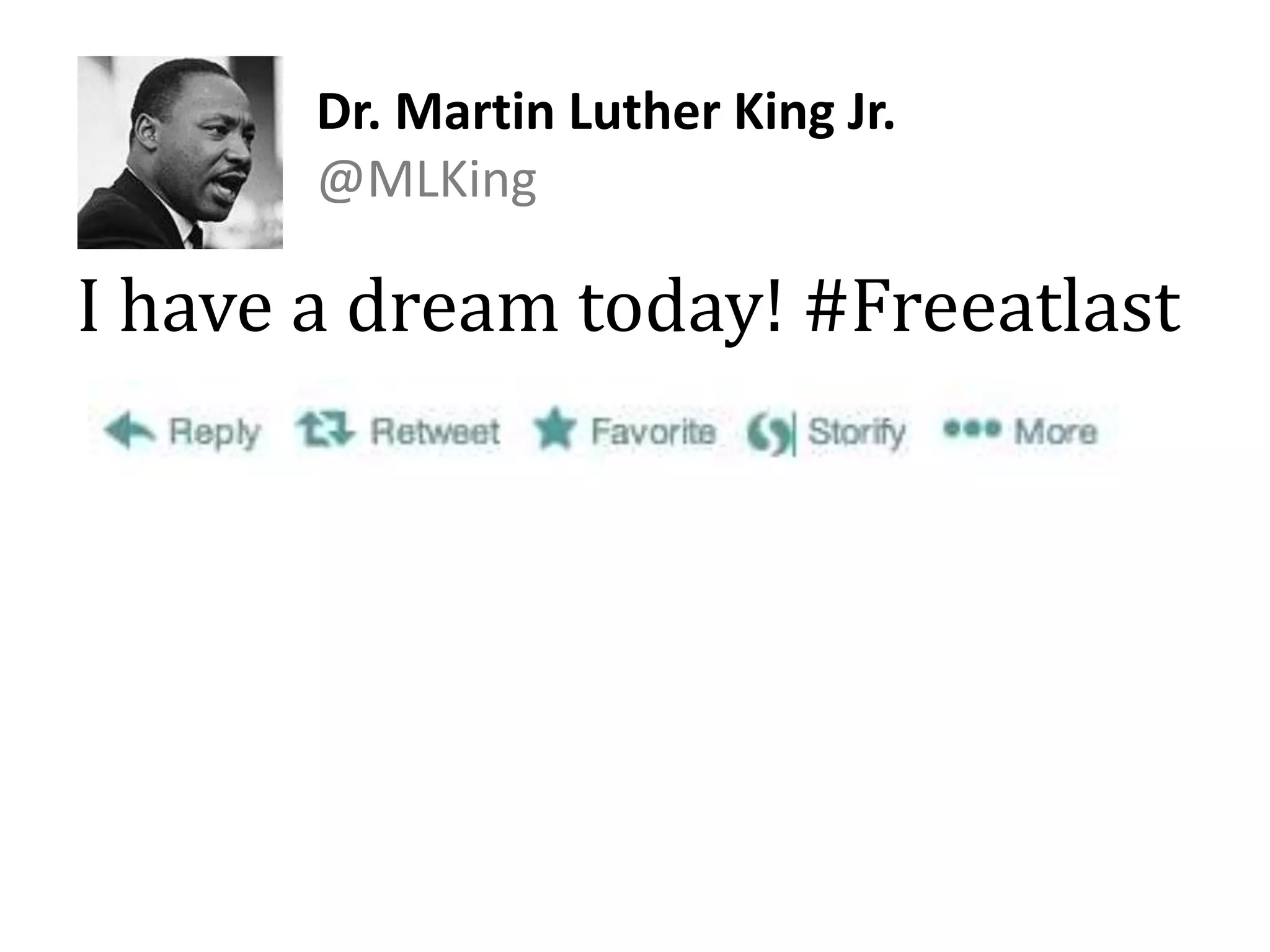
Dr. Martin Luther King Jr.
@MLKing
I have a dream today! #Freeatlast
Ronald Reagan
@TheGipper
Mr. Gorbachev, tear down this
wall! #Freedom
Let’s see (and hear)
your tweets
Writing for Social Media

Writing for Social Media

  • 1.
    Writing for SocialMedia @stevebuttry LSU Media Writing Class November 2, 2015
  • 2.
    Tweet during class •At least 3 tweets #manship2010 • Use your account & post if you want • Write on laptop or notebook & don’t post if you prefer • No more than 140 characters • You decide content: quote, commentary, question, photo, observation, etc.
  • 4.
    Whatever your platform… • Get to the point quickly • Keep it brief (even if not limited) • Consider images & make writing fit w/ photo or video • Consider tone (what will make people want to RT, share, engage?) • Rewrite
  • 5.
    Opinions in socialmedia • Opinions aren’t inherently bad journalism (editorials, columns, cartoons, commentary, etc.) • Opinions can be troublesome for some journalists in some positions or orgs • Know whether opinions are appropriate for your media role
  • 25.
  • 26.
  • 29.
    Social media =journo tool • Monitored competition • Found neighbor who tweeted at TV station • Checked neighbor’s Facebook page • Found post w/ neighbor’s email • Reporter tracked down neighbor, got story & more photos
  • 33.
    Social media asa source • How do you know a source is genuine? • How does the source know? • Check photos, location, timeline for context, clues • Ask to call you or connect in person • Grab screenshots
  • 34.
    • Posting toooften annoys friends, fans • No 140 limit but short is best • Good questions start conversations • Engage, don’t intrude • Make a point in 140 • Story can unfold in multiple tweets • Hashtags help more w/ search, conversation • Engagement not as intrusive
  • 42.
    Breaking news onTwitter • Tell unfolding story • Capture the moment • Tweet verified facts • Say what you don’t know • Crowdsource • Use hashtag
  • 48.
    #Hashtag tips • Useexisting hashtag if there is one • Search before launching hashtag (avoid duplication) • Look for secondary hashtagsHashtags help find sources • Use regular hashtags: #GeauxTigers #TakeTheCrown
  • 59.
  • 60.
  • 65.
    Writing benefits ofTwitter • Paste lead into tweet box. If it’s >140, challenge whether it’s too long • 140 characters gives great practice at getting to the point
  • 66.
    Even in longerwriting … Whether you’re writing a long story for a newspaper or magazine, or a political speech or a book, whatever you write, consider boiling the essence down to a single tweet.
  • 67.
    Franklin Delano Roosevelt @FDR Wehave nothing to fear but fear itself. #NewDeal
  • 68.
    Anne Frank @AnnesDiary Despite everything,I believe that people are really good at heart. #DiaryofaYoungGirl
  • 69.
    President John F.Kennedy @JFK Ask not what your country can do for you – ask what you can do for your country. #NewFrontier
  • 70.
    Rachel Carson @RachelCarson In naturenothing exists alone. #SilentSpring
  • 71.
    Dr. Martin LutherKing Jr. @MLKing I have a dream today! #Freeatlast
  • 72.
    Ronald Reagan @TheGipper Mr. Gorbachev,tear down this wall! #Freedom
  • 74.
    Let’s see (andhear) your tweets

Editor's Notes

  • #37 But starting a conversation works much more effectively, as this slide and the next one illustrate.