WPA-3
(Wi-Fi Protected Access - 3)
“Future of wireless security”
Present By :-
Digvijay Maurya
Content
 Introduction .
 List of Wireless Security Protocols.
 WEP(Wired Equivalent Privacy).
 WPA(Wi-Fi Protected Access).
 WPA Vulneribilities.
 WPA2 and its limitation.
 What is Man in the middle attack ?
 What is KRACK ?
 Tools.
 Advantages of WPA3.
 Summary.
Introduction
 “WPA” stands for Wi-Fi Protected
Access.
 WPA 3 is the next generation of wi-fi
security.
 It is standard version of WPA2.
 WPA3 will add new features to simplify
Wi-Fi security.
List of Wireless Security
Protocols
WEP(Wired Equivalent Privacy)
WPA(Wi-Fi Protected Access).
WPA2(Wi-Fi Protected Access I
WEP(Wired Equivalent
Privacy
 It was developed in 1997.
 part of the IEEE 802.11
 It use 64bit encryption.
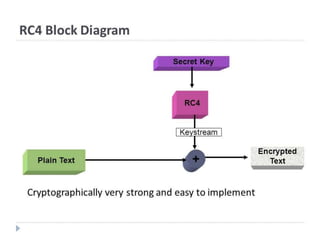
 It uses the RC4 encryption protocol to secure
the data.
 specification ƒgoal :
make the WiFi network at least as secure as a
wired LAN (that has no particular protection
mechanisms)
WPA(Wi-Fi Protected Access
Developed by the Wi-Fi Alliance to secure
wireless computer networks
• It was adopted in 2003 to solve weakness in
WEP
• Standardized in IEEE 802.11i
• Increased in safety: encryption 128 bits
• Known as TKIP(Temporal key Integrity)
• It uses RC4 encryption to secure the data
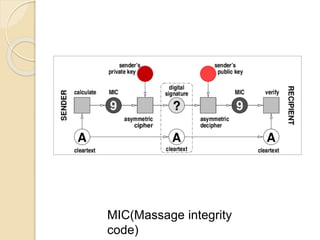
• It uses the MIC and frame counter to verify
the integrity of the data.
MIC(Massage integrity
code)
WPA Vulnerabilities
 Weakness in the key
combination algorithm
 PSK is vulnerable to
eavesdropping and
dictionary attack.
 TKIP vulnerability allows
attacker to guess IP
address of the subnet.
WPA2
 WPA2 is the security method
added for wireless networks that
provides stronger data protection and
network access control.
 Has replaced WPA.
 Was adopted in 2004.
 WPA2 has two types : WPA2-
Personnal,WPA-Enterprise.
WPA 2 Encryption
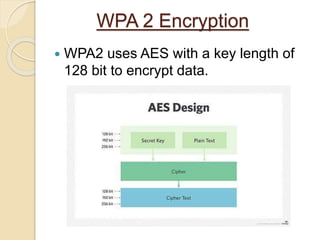
 WPA2 uses AES with a key length of
128 bit to encrypt data.
Limitation of WPA2
 The Password can be cracked online.
 Anyone can disconnect you.
 Once anyone know the password he
can spoof or sniff the wifi users by
“Man in the middle attack”.
 A hacker can hack the whole wifi
network and its user by using
“KRACK”.
What is Man in the middle attack
?
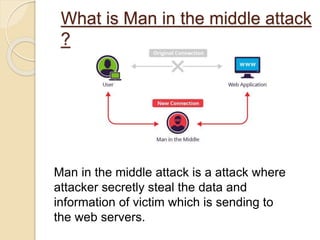
Man in the middle attack is a attack where
attacker secretly steal the data and
information of victim which is sending to
the web servers.
KRACK (Key Reinstallation
Attack)
•KRACK ("Key Reinstallation Attack") is a severe replay
attack (a type of exploitable flaw) on the Wi-Fi Protected
Access protocol that secures Wi-Fi connections
•It was discovered in 2016
•It was discovered by Belgian researchers Mathy Vanhoef and
Frank Piessens.
Tools
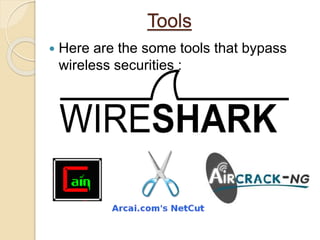
 Here are the some tools that bypass
wireless securities :
Advantages of WPA3
 Password protection.
 Protection against KRACK and Man in
the middle attack.
 It will simplify to connect with wifi.
 Stronger encryption.
 Protect public Wi-Fi.
Summary
 1.WPA2 is the improved version of
WPA.
 2.WPA only supports TKIP encryption
while WPA2 supports AES.
 3.WPA2 requires more processing
power than WPA
Thank you

WPA 3

  • 1.
    WPA-3 (Wi-Fi Protected Access- 3) “Future of wireless security” Present By :- Digvijay Maurya
  • 2.
    Content  Introduction . List of Wireless Security Protocols.  WEP(Wired Equivalent Privacy).  WPA(Wi-Fi Protected Access).  WPA Vulneribilities.  WPA2 and its limitation.  What is Man in the middle attack ?  What is KRACK ?  Tools.  Advantages of WPA3.  Summary.
  • 3.
    Introduction  “WPA” standsfor Wi-Fi Protected Access.  WPA 3 is the next generation of wi-fi security.  It is standard version of WPA2.  WPA3 will add new features to simplify Wi-Fi security.
  • 4.
    List of WirelessSecurity Protocols WEP(Wired Equivalent Privacy) WPA(Wi-Fi Protected Access). WPA2(Wi-Fi Protected Access I
  • 5.
    WEP(Wired Equivalent Privacy  Itwas developed in 1997.  part of the IEEE 802.11  It use 64bit encryption.  It uses the RC4 encryption protocol to secure the data.  specification ƒgoal : make the WiFi network at least as secure as a wired LAN (that has no particular protection mechanisms)
  • 7.
    WPA(Wi-Fi Protected Access Developedby the Wi-Fi Alliance to secure wireless computer networks • It was adopted in 2003 to solve weakness in WEP • Standardized in IEEE 802.11i • Increased in safety: encryption 128 bits • Known as TKIP(Temporal key Integrity) • It uses RC4 encryption to secure the data • It uses the MIC and frame counter to verify the integrity of the data.
  • 8.
  • 9.
    WPA Vulnerabilities  Weaknessin the key combination algorithm  PSK is vulnerable to eavesdropping and dictionary attack.  TKIP vulnerability allows attacker to guess IP address of the subnet.
  • 10.
    WPA2  WPA2 isthe security method added for wireless networks that provides stronger data protection and network access control.  Has replaced WPA.  Was adopted in 2004.  WPA2 has two types : WPA2- Personnal,WPA-Enterprise.
  • 11.
    WPA 2 Encryption WPA2 uses AES with a key length of 128 bit to encrypt data.
  • 12.
    Limitation of WPA2 The Password can be cracked online.  Anyone can disconnect you.  Once anyone know the password he can spoof or sniff the wifi users by “Man in the middle attack”.  A hacker can hack the whole wifi network and its user by using “KRACK”.
  • 13.
    What is Manin the middle attack ? Man in the middle attack is a attack where attacker secretly steal the data and information of victim which is sending to the web servers.
  • 14.
    KRACK (Key Reinstallation Attack) •KRACK("Key Reinstallation Attack") is a severe replay attack (a type of exploitable flaw) on the Wi-Fi Protected Access protocol that secures Wi-Fi connections •It was discovered in 2016 •It was discovered by Belgian researchers Mathy Vanhoef and Frank Piessens.
  • 15.
    Tools  Here arethe some tools that bypass wireless securities :
  • 16.
    Advantages of WPA3 Password protection.  Protection against KRACK and Man in the middle attack.  It will simplify to connect with wifi.  Stronger encryption.  Protect public Wi-Fi.
  • 17.
    Summary  1.WPA2 isthe improved version of WPA.  2.WPA only supports TKIP encryption while WPA2 supports AES.  3.WPA2 requires more processing power than WPA
  • 18.