drtoufiq1971@gmail.com
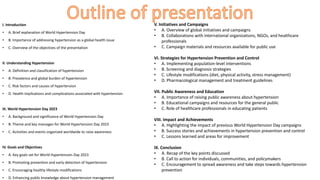
I. Introduction
• A. Brief explanation of World Hypertension Day
• B. Importance of addressing hypertension as a global health issue
• C. Overview of the objectives of the presentation
II. Understanding Hypertension
• A. Definition and classification of hypertension
• B. Prevalence and global burden of hypertension
• C. Risk factors and causes of hypertension
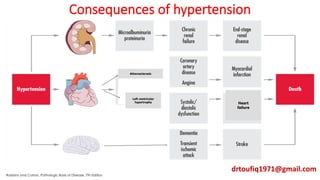
• D. Health implications and complications associated with hypertension
III. World Hypertension Day 2023
• A. Background and significance of World Hypertension Day
• B. Theme and key messages for World Hypertension Day 2023
• C. Activities and events organized worldwide to raise awareness
IV. Goals and Objectives
• A. Key goals set for World Hypertension Day 2023
• B. Promoting prevention and early detection of hypertension
• C. Encouraging healthy lifestyle modifications
• D. Enhancing public knowledge about hypertension management
V. Initiatives and Campaigns
• A. Overview of global initiatives and campaigns
• B. Collaborations with international organizations, NGOs, and healthcare
professionals
• C. Campaign materials and resources available for public use
VI. Strategies for Hypertension Prevention and Control
• A. Implementing population-level interventions
• B. Screening and diagnosis strategies
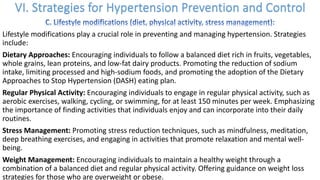
• C. Lifestyle modifications (diet, physical activity, stress management)
• D. Pharmacological management and treatment guidelines
VII. Public Awareness and Education
• A. Importance of raising public awareness about hypertension
• B. Educational campaigns and resources for the general public
• C. Role of healthcare professionals in educating patients
VIII. Impact and Achievements
• A. Highlighting the impact of previous World Hypertension Day campaigns
• B. Success stories and achievements in hypertension prevention and control
• C. Lessons learned and areas for improvement
IX. Conclusion
• A. Recap of the key points discussed
• B. Call to action for individuals, communities, and policymakers
• C. Encouragement to spread awareness and take steps towards hypertension
prevention
• World Hypertension Day is an annual event observed on May 17th to
raise awareness about hypertension, also known as high blood
pressure.
• It was first inaugurated in 2005 by the World Hypertension League
(WHL) and the International Society of Hypertension (ISH).
• The day serves as a platform to educate individuals, communities, and
policymakers about the risks, prevention, and management of
hypertension.
vHypertension is a significant global health concern, affecting a
large portion of the world's population.
vIt is a leading cause of cardiovascular diseases, stroke, and
kidney problems.
v According to the World Health Organization (WHO), high
blood pressure is responsible for approximately 8 million deaths
annually worldwide.
vAddressing hypertension is crucial to reduce the burden of
non-communicable diseases, improve health outcomes, and
enhance overall quality of life.
The primary objectives of this presentation on World Hypertension Day 2023 are as follows:
ØRaise Awareness: Educate individuals about hypertension, its risk factors, and the importance of early
detection and management.
ØPromote Prevention: Emphasize the significance of preventive measures, including healthy lifestyle
choices and regular health check-ups.
ØEncourage Collaboration: Highlight the need for collaboration among healthcare professionals,
organizations, and policymakers to develop effective strategies for hypertension prevention and control.
ØShare Resources: Provide information on available resources, campaigns, and initiatives related to
hypertension prevention and management.
ØInspire Action: Motivate individuals and communities to take proactive steps towards preventing
hypertension, promoting early detection, and supporting initiatives aimed at improving global health
outcomes.
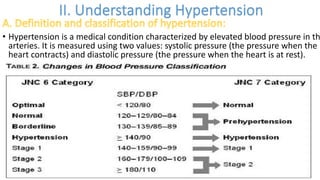
• Hypertension is a medical condition characterized by elevated blood pressure in th
arteries. It is measured using two values: systolic pressure (the pressure when the
heart contracts) and diastolic pressure (the pressure when the heart is at rest).
• Hypertension is a global health challenge affecting people of all ages and
backgrounds.
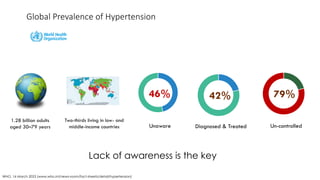
• According to the WHO, it is estimated that around 1.13 billion people worldwide
have hypertension.
• The prevalence is increasing, particularly in low- and middle-income countries.
Hypertension is a major risk factor for cardiovascular diseases, including heart
attacks and strokes, which are the leading causes of death globally.
WHO, 16 March 2023 (www.who.int/news-room/fact-sheets/detail/hypertension)
1.28 billion adults
aged 30–79 years
Two-thirds living in low- and
middle-income countries
46%
Unaware
42%
Diagnosed & Treated
79%
Un-controlled
Global Prevalence of Hypertension
Lack of awareness is the key
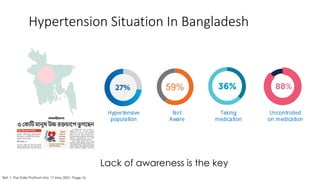
Hypertension Situation In Bangladesh
Ref: 1. The Daily Prothom Alo; 17 May 2021; Page-16
Hypertensive
population
Uncontrolled
on medication
Taking
medication
Not
Aware
Lack of awareness is the key
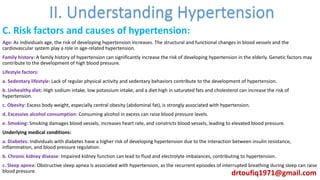
C. Risk factors and causes of hypertension:
Age: As individuals age, the risk of developing hypertension increases. The structural and functional changes in blood vessels and the
cardiovascular system play a role in age-related hypertension.
Family history: A family history of hypertension can significantly increase the risk of developing hypertension in the elderly. Genetic factors may
contribute to the development of high blood pressure.
Lifestyle factors:
a. Sedentary lifestyle: Lack of regular physical activity and sedentary behaviors contribute to the development of hypertension.
b. Unhealthy diet: High sodium intake, low potassium intake, and a diet high in saturated fats and cholesterol can increase the risk of
hypertension.
c. Obesity: Excess body weight, especially central obesity (abdominal fat), is strongly associated with hypertension.
d. Excessive alcohol consumption: Consuming alcohol in excess can raise blood pressure levels.
e. Smoking: Smoking damages blood vessels, increases heart rate, and constricts blood vessels, leading to elevated blood pressure.
Underlying medical conditions:
a. Diabetes: Individuals with diabetes have a higher risk of developing hypertension due to the interaction between insulin resistance,
inflammation, and blood pressure regulation.
b. Chronic kidney disease: Impaired kidney function can lead to fluid and electrolyte imbalances, contributing to hypertension.
c. Sleep apnea: Obstructive sleep apnea is associated with hypertension, as the recurrent episodes of interrupted breathing during sleep can raise
blood pressure. drtoufiq1971@gmail.com
Hypertension, if left uncontrolled, can lead to severe health implications and complications,
including:
• Cardiovascular diseases: Hypertension is a major risk factor for heart attacks, strokes, heart
failure, and other cardiovascular conditions.
• Kidney damage: Prolonged high blood pressure can damage the blood vessels in the
kidneys, leading to kidney disease and potential kidney failure.
• Eye problems: Hypertension can cause damage to the blood vessels in the eyes, resulting in
vision loss or retinopathy.
• Cognitive impairment: Chronic hypertension is associated with an increased risk of
cognitive decline and dementia.
• Other complications: Hypertension can also contribute to peripheral artery disease, sexual
dysfunction, and complications during pregnancy.
Consequences of hypertension
Robbins and Cotran, Pathologic Basis of Disease, 7th Edition
Atherosclerosis
Left ventricular
hypertrophy Heart
failure
drtoufiq1971@gmail.com
vWorld Hypertension Day holds immense significance in raising
awareness about hypertension and its impact on global health.
v The day was established to draw attention to the growing prevalence
of hypertension worldwide and the urgent need for preventive
measures and effective management strategies.
vIt serves as a platform to engage individuals, healthcare professionals,
organizations, and policymakers in collaborative efforts to combat
hypertension and its associated complications.
The theme for World Hypertension Day 2023 is carefully chosen to focus attention on specific aspects of hypertension prevention and
control.
While the theme may vary each year, the overarching goal remains the same: to improve understanding, promote prevention, and
enhance management of hypertension.
The key messages for World Hypertension Day 2023 may include:
• Know Your Numbers: Emphasizing the importance of regular blood pressure monitoring and awareness of personal blood pressure
readings.
• Healthy Lifestyle, Healthy Blood Pressure: Promoting the adoption of healthy lifestyle habits, such as a balanced diet, regular physical
activity, stress reduction, and tobacco cessation, as effective means to prevent and manage hypertension.
• Early Detection Saves Lives: Encouraging individuals to undergo regular health check-ups and screenings to detect hypertension early
and initiate appropriate interventions.
• Collaborate for Better Hypertension Management: Highlighting the significance of partnerships among individuals, healthcare
providers, communities, and policymakers to address hypertension comprehensively and implement effective preventive strategies.
• Empower Yourself: Providing individuals with resources, information, and tools to take control of their own blood pressure
management and overall cardiovascular health.
World Hypertension Day 2023 will witness a range of activities and events organized globally to raise awareness about hypertension and
promote its prevention and control. Some of the activities may include:
v Health Screenings: Conducting blood pressure checks and health screenings in communities, workplaces, healthcare centers, and
public spaces to detect undiagnosed hypertension cases.
v Awareness Campaigns: Launching multimedia campaigns, including television and radio spots, social media initiatives, and online
resources, to disseminate information about hypertension, its risk factors, and preventive measures.
v Educational Workshops and Webinars: Organizing workshops and webinars led by healthcare professionals to educate the public
about hypertension management, lifestyle modifications, and treatment options.
v Community Engagement: Engaging community organizations, schools, and local groups to spread awareness through educational
sessions, awareness walks, and distribution of informational materials.
v Policy Advocacy: Encouraging policymakers to prioritize hypertension prevention and control through policy initiatives, legislation, and
funding for public health programs.
v Collaboration with Healthcare Providers: Collaborating with healthcare providers and professional organizations to promote
guidelines for hypertension management, conduct educational programs for healthcare professionals, and enhance patient care.
v By organizing these activities and events worldwide, World Hypertension Day 2023 aims to reach a broad audience, empower
individuals with knowledge and resources, and drive collective action towards preventing and managing hypertension on a global
scale.
World Hypertension Day 2023 has several key goals that serve as guiding principles for the activities and
initiatives organized on this day. These goals include:
vRaise Awareness: Increase public awareness about hypertension as a global health issue and its impact
on individuals, families, and communities.
vPromote Prevention: Emphasize the importance of preventive measures to reduce the incidence and
prevalence of hypertension.
vEnhance Early Detection: Encourage individuals to monitor their blood pressure regularly and promote
early detection of hypertension through screenings and health check-ups.
vSupport Effective Management: Provide information, resources, and tools to support healthcare
professionals and individuals in managing hypertension effectively.
vAdvocate for Policy Changes: Advocate for policies and initiatives that prioritize hypertension
prevention, control, and management at the national and global levels.
Prevention and early detection are critical in addressing hypertension and reducing its impact on public
health. The following strategies can be employed to promote prevention and early detection:
vCommunity Education: Conduct educational campaigns to raise awareness about hypertension risk
factors, lifestyle modifications, and the importance of regular blood pressure monitoring.
vHealth Screenings: Organize blood pressure screening events in various settings, such as schools,
workplaces, community centers, and healthcare facilities, to identify individuals with undiagnosed
hypertension.
vTargeted Outreach: Focus on high-risk populations, such as individuals with a family history of
hypertension, older adults, and those with comorbidities, to provide targeted education and screening
opportunities.
vCollaboration with Healthcare Providers: Collaborate with healthcare professionals to encourage
routine blood pressure measurements during routine check-ups and provide guidance on hypertension
prevention and early detection.
Healthy lifestyle choices play a crucial role in preventing and managing hypertension. The
following strategies can be employed to encourage healthy lifestyle modifications:
vPromote Balanced Diets: Educate individuals about the importance of a balanced diet rich
in fruits, vegetables, whole grains, lean proteins, and low-fat dairy products, while
minimizing salt, saturated fats, and processed foods.
vEncourage Regular Physical Activity: Highlight the benefits of regular physical activity in
managing blood pressure, such as aerobic exercises, strength training, and other forms of
moderate-intensity activities.
vStress Reduction Techniques: Educate individuals about stress management techniques,
such as meditation, deep breathing exercises, and mindfulness, to help lower blood
pressure.
vTobacco and Alcohol Control: Promote smoking cessation programs and encourage
individuals to limit alcohol consumption, as both smoking and excessive alcohol intake can
contribute to hypertension.
Empowering individuals with knowledge about hypertension management is crucial for
improving health outcomes. The following strategies can enhance public knowledge:
vEducational Materials: Develop and disseminate educational materials, brochures,
infographics, and online resources that provide clear and accessible information about
hypertension, its management, and available treatment options.
vPublic Awareness Campaigns: Launch multimedia campaigns using various platforms,
including social media, television, radio, and print media, to reach a wide audience and
provide information about hypertension management.
vPatient Education Programs: Collaborate with healthcare professionals to develop patient
education programs that provide individuals with practical tips, self-management
techniques, and resources for hypertension management.
vEngage Community Organizations: Partner with community organizations, patient
advocacy groups, and support networks to conduct workshops, seminars, and interactive
sessions
World Hypertension Day is supported by various global initiatives and campaigns aimed at raising
awareness and promoting hypertension prevention and control. Some key initiatives and
campaigns include:
vWorld Hypertension League (WHL): WHL plays a crucial role in coordinating World
Hypertension Day activities, advocating for hypertension prevention and control, and fostering
collaborations among healthcare professionals and organizations worldwide.
vGlobal Hearts Initiative: Led by the World Health Organization (WHO), the Global Hearts
Initiative aims to reduce cardiovascular disease, including hypertension, through the
implementation of evidence-based interventions at the population level.
vMay Measurement Month (MMM): MMM is an annual global screening campaign organized
by the International Society of Hypertension (ISH) and WHL. It involves thousands of volunteers
conducting blood pressure screenings and raising awareness about hypertension in
communities around the world.
vGlobal Hypertension Awareness Campaigns: Various international organizations, such as the American Heart
Association (AHA), the European Society of Hypertension (ESH), and national health authorities, run their own
awareness campaigns to educate the public about hypertension and its management.
World Hypertension Day encourages collaborations among international organizations, non-
governmental organizations (NGOs), and healthcare professionals to amplify efforts in
hypertension prevention and control. Collaborations include:
vInternational Society of Hypertension (ISH): ISH collaborates with WHL to support World
Hypertension Day initiatives, promote hypertension research and provide evidence-based
guidelines for healthcare professionals.
vWorld Health Organization (WHO): WHO supports World Hypertension Day by providing
technical guidance, resources, and expertise in cardiovascular health, advocating for policy
changes and promoting global initiatives for hypertension prevention and control.
vNon-Governmental Organizations (NGOs): NGOs, such as the World Heart Federation (WHF),
engage in partnerships with WHL, ISH, and other organizations to raise awareness, conduct
research, and implement community-based interventions for hypertension prevention and
control.
vHealthcare Professionals and Associations: Healthcare professionals, including physicians, nurses, pharmacists,
and allied healthcare providers, actively participate in World Hypertension Day campaigns, provide education, and
contribute to the development of guidelines and best practices for hypertension management.
World Hypertension Day provides a range of campaign materials and resources that are freely available for public
use. These materials include:
vInformational Brochures and Pamphlets: Print and digital materials that provide concise information about
hypertension, its risk factors, prevention, and management strategies. These can be distributed in healthcare
settings, community centers, and public events.
vInfographics and Posters: Visual aids that present key messages and facts about hypertension in an easily
understandable format. Infographics can be shared on social media platforms and displayed in healthcare facilities,
schools, and workplaces.
vWeb-Based Resources: Online portals and websites with comprehensive information on hypertension, including
FAQs, guidelines, healthy lifestyle tips, and links to additional resources. These resources can be accessed by the
public to gain knowledge about hypertension and self-management.
vSocial Media Toolkits: Pre-designed social media posts, hashtags, and images that individuals and organizations
can use to spread awareness about hypertension on platforms like Facebook, Twitter, and Instagram.
vEducational Videos: Videos featuring healthcare professionals and experts providing information on hypertension,
lifestyle modifications, medication management, and other relevant topics. These videos can be shared online or
used in educational sessions.
By making these campaign materials and resources readily available, World Hypertension Day facilitates the dissemination of accurate
information, supports educational initiatives, and empowers individuals and communities to take action against hypertension.
Population-level interventions are essential for addressing hypertension on a broader scale.
Some strategies include:
Policy Changes: Governments and health authorities can implement policies to
regulate salt content in food, promote healthy food environments, and enforce
tobacco control measures to reduce the prevalence of hypertension risk factors.
Health Promotion Campaigns: Conducting awareness campaigns to educate the
public about hypertension, its risk factors, and the importance of healthy lifestyles.
These campaigns can target schools, workplaces, community centers, and media
platforms.
Public Health Initiatives: Collaborating with community organizations and
healthcare providers to implement hypertension prevention programs, such as
offering free blood pressure screenings, promoting healthy behaviors, and
facilitating access to healthcare services.
Early detection of hypertension is crucial for effective management. Strategies for
screening and diagnosis include:
Regular Blood Pressure Measurements: Encouraging individuals to have their
blood pressure checked regularly, especially for those at higher risk, such as older
adults, individuals with a family history of hypertension, and those with other
cardiovascular risk factors.
Opportunistic Screening: Healthcare professionals can take advantage of routine
healthcare visits, such as annual check-ups or visits for other conditions, to screen
for hypertension and assess cardiovascular risk factors.
Community-Based Screenings: Organizing community health fairs, outreach
programs, and campaigns to provide free blood pressure screenings and raise
awareness about the importance of hypertension screening.
Lifestyle modifications play a crucial role in preventing and managing hypertension. Strategies
include:
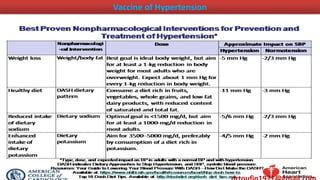
Dietary Approaches: Encouraging individuals to follow a balanced diet rich in fruits, vegetables,
whole grains, lean proteins, and low-fat dairy products. Promoting the reduction of sodium
intake, limiting processed and high-sodium foods, and promoting the adoption of the Dietary
Approaches to Stop Hypertension (DASH) eating plan.
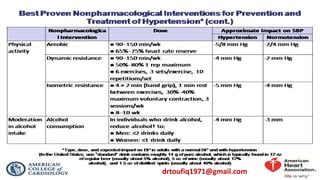
Regular Physical Activity: Encouraging individuals to engage in regular physical activity, such as
aerobic exercises, walking, cycling, or swimming, for at least 150 minutes per week. Emphasizing
the importance of finding activities that individuals enjoy and can incorporate into their daily
routines.
Stress Management: Promoting stress reduction techniques, such as mindfulness, meditation,
deep breathing exercises, and engaging in activities that promote relaxation and mental well-
being.
Weight Management: Encouraging individuals to maintain a healthy weight through a
combination of a balanced diet and regular physical activity. Offering guidance on weight loss
strategies for those who are overweight or obese.
Vaccine of Hypertension
drtoufiq1971@gmail.com
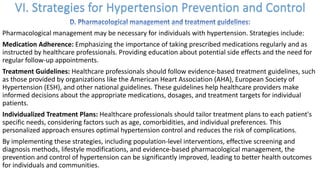
Pharmacological management may be necessary for individuals with hypertension. Strategies include:
Medication Adherence: Emphasizing the importance of taking prescribed medications regularly and as
instructed by healthcare professionals. Providing education about potential side effects and the need for
regular follow-up appointments.
Treatment Guidelines: Healthcare professionals should follow evidence-based treatment guidelines, such
as those provided by organizations like the American Heart Association (AHA), European Society of
Hypertension (ESH), and other national guidelines. These guidelines help healthcare providers make
informed decisions about the appropriate medications, dosages, and treatment targets for individual
patients.
Individualized Treatment Plans: Healthcare professionals should tailor treatment plans to each patient's
specific needs, considering factors such as age, comorbidities, and individual preferences. This
personalized approach ensures optimal hypertension control and reduces the risk of complications.
By implementing these strategies, including population-level interventions, effective screening and
diagnosis methods, lifestyle modifications, and evidence-based pharmacological management, the
prevention and control of hypertension can be significantly improved, leading to better health outcomes
for individuals and communities.
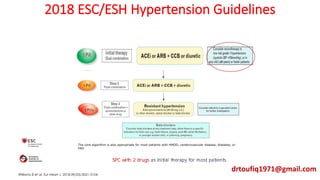
2018 ESC/ESH Hypertension Guidelines
The core algorithm is also appropriate for most patients with HMOD, cerebrovascular disease, diabetes, or
PAD
SPC with 2 drugs as initial therapy for most patients
Williams B et al. Eur Heart J. 2018;39(33):3021-3104.
drtoufiq1971@gmail.com
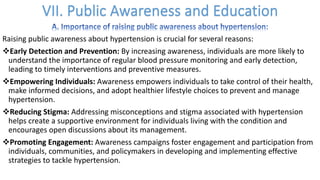
Raising public awareness about hypertension is crucial for several reasons:
vEarly Detection and Prevention: By increasing awareness, individuals are more likely to
understand the importance of regular blood pressure monitoring and early detection,
leading to timely interventions and preventive measures.
vEmpowering Individuals: Awareness empowers individuals to take control of their health,
make informed decisions, and adopt healthier lifestyle choices to prevent and manage
hypertension.
vReducing Stigma: Addressing misconceptions and stigma associated with hypertension
helps create a supportive environment for individuals living with the condition and
encourages open discussions about its management.
vPromoting Engagement: Awareness campaigns foster engagement and participation from
individuals, communities, and policymakers in developing and implementing effective
strategies to tackle hypertension.
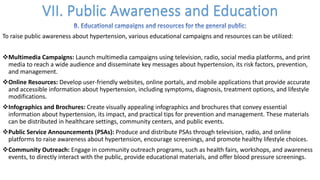
To raise public awareness about hypertension, various educational campaigns and resources can be utilized:
vMultimedia Campaigns: Launch multimedia campaigns using television, radio, social media platforms, and print
media to reach a wide audience and disseminate key messages about hypertension, its risk factors, prevention,
and management.
vOnline Resources: Develop user-friendly websites, online portals, and mobile applications that provide accurate
and accessible information about hypertension, including symptoms, diagnosis, treatment options, and lifestyle
modifications.
vInfographics and Brochures: Create visually appealing infographics and brochures that convey essential
information about hypertension, its impact, and practical tips for prevention and management. These materials
can be distributed in healthcare settings, community centers, and public events.
vPublic Service Announcements (PSAs): Produce and distribute PSAs through television, radio, and online
platforms to raise awareness about hypertension, encourage screenings, and promote healthy lifestyle choices.
vCommunity Outreach: Engage in community outreach programs, such as health fairs, workshops, and awareness
events, to directly interact with the public, provide educational materials, and offer blood pressure screenings.
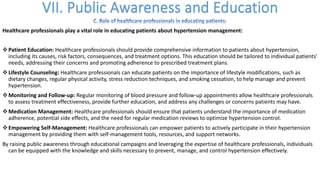
Healthcare professionals play a vital role in educating patients about hypertension management:
vPatient Education: Healthcare professionals should provide comprehensive information to patients about hypertension,
including its causes, risk factors, consequences, and treatment options. This education should be tailored to individual patients'
needs, addressing their concerns and promoting adherence to prescribed treatment plans.
vLifestyle Counseling: Healthcare professionals can educate patients on the importance of lifestyle modifications, such as
dietary changes, regular physical activity, stress reduction techniques, and smoking cessation, to help manage and prevent
hypertension.
vMonitoring and Follow-up: Regular monitoring of blood pressure and follow-up appointments allow healthcare professionals
to assess treatment effectiveness, provide further education, and address any challenges or concerns patients may have.
vMedication Management: Healthcare professionals should ensure that patients understand the importance of medication
adherence, potential side effects, and the need for regular medication reviews to optimize hypertension control.
vEmpowering Self-Management: Healthcare professionals can empower patients to actively participate in their hypertension
management by providing them with self-management tools, resources, and support networks.
By raising public awareness through educational campaigns and leveraging the expertise of healthcare professionals, individuals
can be equipped with the knowledge and skills necessary to prevent, manage, and control hypertension effectively.
Previous World Hypertension Day campaigns have made significant impacts in raising awareness and
promoting hypertension prevention and control. Some key highlights of these campaigns include:
vIncreased Awareness: Through targeted campaigns and educational initiatives, there has been an increase in
public awareness about hypertension as a global health issue and the importance of blood pressure
monitoring.
vScreening and Detection: Many World Hypertension Day campaigns have facilitated screenings and health
check-ups, leading to the identification of undiagnosed cases of hypertension and encouraging early
detection and intervention.
vBehavior Change: Campaigns focusing on lifestyle modifications have inspired individuals to adopt healthier
habits, such as reducing salt intake, increasing physical activity, and quitting smoking.
vPolicy Changes: Advocacy efforts during World Hypertension Day have contributed to policy changes and the
implementation of public health initiatives that prioritize hypertension prevention, control, and management.
The efforts made during World Hypertension Day and beyond have yielded notable success stories and
achievements in hypertension prevention and control. Some examples include:
Reduction in Population-Level Blood Pressure: In regions where comprehensive hypertension control
programs have been implemented, there has been a measurable reduction in population-level blood pressure,
leading to a decrease in cardiovascular events and improved health outcomes.
Increased Awareness and Screenings: Successful campaigns have led to an increased number of individuals
seeking blood pressure screenings, resulting in earlier detection, diagnosis, and initiation of appropriate
treatment.
Improved Hypertension Management: Access to educational resources, awareness campaigns, and patient-
centered care models have contributed to improved hypertension management, including better medication
adherence and lifestyle modifications.
Collaborative Efforts: Multidisciplinary collaborations among healthcare professionals, organizations,
communities, and policymakers have resulted in comprehensive approaches to hypertension prevention and
control, fostering innovation and sustainable solutions.
Reflecting on past experiences, there are valuable lessons learned and areas for improvement in future World
Hypertension Day campaigns:
vTailored Approaches: Recognizing the diverse needs and contexts of different populations, campaigns should
consider tailoring educational materials and interventions to specific target groups, taking into account cultural,
socioeconomic, and geographical factors.
vLong-Term Commitment: Sustained efforts and long-term commitment are necessary to create lasting changes in
awareness, behavior, and policy. Continued investment in hypertension prevention and control is crucial for
sustained impact.
vCollaborative Partnerships: Strengthening collaborations among healthcare professionals, organizations, and
policymakers can maximize the impact of World Hypertension Day campaigns and facilitate the implementation of
evidence-based strategies.
vEvaluation and Monitoring: Incorporating robust evaluation mechanisms into campaigns can help assess their
effectiveness, identify areas for improvement, and inform future initiatives.
vHarnessing Technology: Leveraging technology, such as mobile health applications and telemedicine, can enhance
access to information, facilitate self-management, and improve patient-provider communication in hypertension
prevention and control.
By acknowledging the impact, celebrating success stories, and identifying areas for improvement, World Hypertension Day campaigns can
continue to evolve and drive positive changes in hypertension prevention, control, and management on a global scale.
vIn this presentation, we explored various aspects of World Hypertension Day
2023 and its significance in addressing hypertension as a global health issue.
vWe discussed the definition and classification of hypertension, its prevalence,
risk factors, and associated health implications.
vWe highlighted the goals and objectives of World Hypertension Day 2023,
focusing on promoting prevention, healthy lifestyle modifications, and enhancing
public knowledge about hypertension management.
vAdditionally, we explored the importance of public awareness, educational
campaigns, and the role of healthcare professionals in hypertension prevention
and control.
v Lastly, we discussed the impact of previous World Hypertension Day campaigns,
success stories in hypertension prevention and control, and areas for
improvement.
vIt is now time for action! As individuals, we can take charge of
our own health by regularly monitoring our blood pressure,
adopting healthy lifestyle habits and seeking medical advice
when needed.
vCommunities can organize awareness campaigns, provide
access to screenings and promote healthy environments.
vPolicymakers have the power to implement population-level
interventions, advocate for policy changes and allocate
resources for hypertension prevention and control programs.
vLet's join hands in spreading awareness about hypertension and its
prevention.
vShare the knowledge gained from this presentation with your family,
friends, and colleagues.
vEncourage them to monitor their blood pressure regularly, make
healthy lifestyle choices, and seek professional advice if needed.
v By taking these steps, we can collectively contribute to the prevention
and control of hypertension, improving our overall health and well-
being.
vRemember, hypertension is a manageable condition, and together, we
can make a difference!
world Hypertension  day 2023.pdf

world Hypertension day 2023.pdf

  • 2.
  • 3.
    I. Introduction • A.Brief explanation of World Hypertension Day • B. Importance of addressing hypertension as a global health issue • C. Overview of the objectives of the presentation II. Understanding Hypertension • A. Definition and classification of hypertension • B. Prevalence and global burden of hypertension • C. Risk factors and causes of hypertension • D. Health implications and complications associated with hypertension III. World Hypertension Day 2023 • A. Background and significance of World Hypertension Day • B. Theme and key messages for World Hypertension Day 2023 • C. Activities and events organized worldwide to raise awareness IV. Goals and Objectives • A. Key goals set for World Hypertension Day 2023 • B. Promoting prevention and early detection of hypertension • C. Encouraging healthy lifestyle modifications • D. Enhancing public knowledge about hypertension management V. Initiatives and Campaigns • A. Overview of global initiatives and campaigns • B. Collaborations with international organizations, NGOs, and healthcare professionals • C. Campaign materials and resources available for public use VI. Strategies for Hypertension Prevention and Control • A. Implementing population-level interventions • B. Screening and diagnosis strategies • C. Lifestyle modifications (diet, physical activity, stress management) • D. Pharmacological management and treatment guidelines VII. Public Awareness and Education • A. Importance of raising public awareness about hypertension • B. Educational campaigns and resources for the general public • C. Role of healthcare professionals in educating patients VIII. Impact and Achievements • A. Highlighting the impact of previous World Hypertension Day campaigns • B. Success stories and achievements in hypertension prevention and control • C. Lessons learned and areas for improvement IX. Conclusion • A. Recap of the key points discussed • B. Call to action for individuals, communities, and policymakers • C. Encouragement to spread awareness and take steps towards hypertension prevention
  • 4.
    • World HypertensionDay is an annual event observed on May 17th to raise awareness about hypertension, also known as high blood pressure. • It was first inaugurated in 2005 by the World Hypertension League (WHL) and the International Society of Hypertension (ISH). • The day serves as a platform to educate individuals, communities, and policymakers about the risks, prevention, and management of hypertension.
  • 5.
    vHypertension is asignificant global health concern, affecting a large portion of the world's population. vIt is a leading cause of cardiovascular diseases, stroke, and kidney problems. v According to the World Health Organization (WHO), high blood pressure is responsible for approximately 8 million deaths annually worldwide. vAddressing hypertension is crucial to reduce the burden of non-communicable diseases, improve health outcomes, and enhance overall quality of life.
  • 6.
    The primary objectivesof this presentation on World Hypertension Day 2023 are as follows: ØRaise Awareness: Educate individuals about hypertension, its risk factors, and the importance of early detection and management. ØPromote Prevention: Emphasize the significance of preventive measures, including healthy lifestyle choices and regular health check-ups. ØEncourage Collaboration: Highlight the need for collaboration among healthcare professionals, organizations, and policymakers to develop effective strategies for hypertension prevention and control. ØShare Resources: Provide information on available resources, campaigns, and initiatives related to hypertension prevention and management. ØInspire Action: Motivate individuals and communities to take proactive steps towards preventing hypertension, promoting early detection, and supporting initiatives aimed at improving global health outcomes.
  • 7.
    • Hypertension isa medical condition characterized by elevated blood pressure in th arteries. It is measured using two values: systolic pressure (the pressure when the heart contracts) and diastolic pressure (the pressure when the heart is at rest).
  • 8.
    • Hypertension isa global health challenge affecting people of all ages and backgrounds. • According to the WHO, it is estimated that around 1.13 billion people worldwide have hypertension. • The prevalence is increasing, particularly in low- and middle-income countries. Hypertension is a major risk factor for cardiovascular diseases, including heart attacks and strokes, which are the leading causes of death globally.
  • 9.
    WHO, 16 March2023 (www.who.int/news-room/fact-sheets/detail/hypertension) 1.28 billion adults aged 30–79 years Two-thirds living in low- and middle-income countries 46% Unaware 42% Diagnosed & Treated 79% Un-controlled Global Prevalence of Hypertension Lack of awareness is the key
  • 10.
    Hypertension Situation InBangladesh Ref: 1. The Daily Prothom Alo; 17 May 2021; Page-16 Hypertensive population Uncontrolled on medication Taking medication Not Aware Lack of awareness is the key
  • 11.
    C. Risk factorsand causes of hypertension: Age: As individuals age, the risk of developing hypertension increases. The structural and functional changes in blood vessels and the cardiovascular system play a role in age-related hypertension. Family history: A family history of hypertension can significantly increase the risk of developing hypertension in the elderly. Genetic factors may contribute to the development of high blood pressure. Lifestyle factors: a. Sedentary lifestyle: Lack of regular physical activity and sedentary behaviors contribute to the development of hypertension. b. Unhealthy diet: High sodium intake, low potassium intake, and a diet high in saturated fats and cholesterol can increase the risk of hypertension. c. Obesity: Excess body weight, especially central obesity (abdominal fat), is strongly associated with hypertension. d. Excessive alcohol consumption: Consuming alcohol in excess can raise blood pressure levels. e. Smoking: Smoking damages blood vessels, increases heart rate, and constricts blood vessels, leading to elevated blood pressure. Underlying medical conditions: a. Diabetes: Individuals with diabetes have a higher risk of developing hypertension due to the interaction between insulin resistance, inflammation, and blood pressure regulation. b. Chronic kidney disease: Impaired kidney function can lead to fluid and electrolyte imbalances, contributing to hypertension. c. Sleep apnea: Obstructive sleep apnea is associated with hypertension, as the recurrent episodes of interrupted breathing during sleep can raise blood pressure. drtoufiq1971@gmail.com
  • 12.
    Hypertension, if leftuncontrolled, can lead to severe health implications and complications, including: • Cardiovascular diseases: Hypertension is a major risk factor for heart attacks, strokes, heart failure, and other cardiovascular conditions. • Kidney damage: Prolonged high blood pressure can damage the blood vessels in the kidneys, leading to kidney disease and potential kidney failure. • Eye problems: Hypertension can cause damage to the blood vessels in the eyes, resulting in vision loss or retinopathy. • Cognitive impairment: Chronic hypertension is associated with an increased risk of cognitive decline and dementia. • Other complications: Hypertension can also contribute to peripheral artery disease, sexual dysfunction, and complications during pregnancy.
  • 13.
    Consequences of hypertension Robbinsand Cotran, Pathologic Basis of Disease, 7th Edition Atherosclerosis Left ventricular hypertrophy Heart failure drtoufiq1971@gmail.com
  • 14.
    vWorld Hypertension Dayholds immense significance in raising awareness about hypertension and its impact on global health. v The day was established to draw attention to the growing prevalence of hypertension worldwide and the urgent need for preventive measures and effective management strategies. vIt serves as a platform to engage individuals, healthcare professionals, organizations, and policymakers in collaborative efforts to combat hypertension and its associated complications.
  • 15.
    The theme forWorld Hypertension Day 2023 is carefully chosen to focus attention on specific aspects of hypertension prevention and control. While the theme may vary each year, the overarching goal remains the same: to improve understanding, promote prevention, and enhance management of hypertension. The key messages for World Hypertension Day 2023 may include: • Know Your Numbers: Emphasizing the importance of regular blood pressure monitoring and awareness of personal blood pressure readings. • Healthy Lifestyle, Healthy Blood Pressure: Promoting the adoption of healthy lifestyle habits, such as a balanced diet, regular physical activity, stress reduction, and tobacco cessation, as effective means to prevent and manage hypertension. • Early Detection Saves Lives: Encouraging individuals to undergo regular health check-ups and screenings to detect hypertension early and initiate appropriate interventions. • Collaborate for Better Hypertension Management: Highlighting the significance of partnerships among individuals, healthcare providers, communities, and policymakers to address hypertension comprehensively and implement effective preventive strategies. • Empower Yourself: Providing individuals with resources, information, and tools to take control of their own blood pressure management and overall cardiovascular health.
  • 16.
    World Hypertension Day2023 will witness a range of activities and events organized globally to raise awareness about hypertension and promote its prevention and control. Some of the activities may include: v Health Screenings: Conducting blood pressure checks and health screenings in communities, workplaces, healthcare centers, and public spaces to detect undiagnosed hypertension cases. v Awareness Campaigns: Launching multimedia campaigns, including television and radio spots, social media initiatives, and online resources, to disseminate information about hypertension, its risk factors, and preventive measures. v Educational Workshops and Webinars: Organizing workshops and webinars led by healthcare professionals to educate the public about hypertension management, lifestyle modifications, and treatment options. v Community Engagement: Engaging community organizations, schools, and local groups to spread awareness through educational sessions, awareness walks, and distribution of informational materials. v Policy Advocacy: Encouraging policymakers to prioritize hypertension prevention and control through policy initiatives, legislation, and funding for public health programs. v Collaboration with Healthcare Providers: Collaborating with healthcare providers and professional organizations to promote guidelines for hypertension management, conduct educational programs for healthcare professionals, and enhance patient care. v By organizing these activities and events worldwide, World Hypertension Day 2023 aims to reach a broad audience, empower individuals with knowledge and resources, and drive collective action towards preventing and managing hypertension on a global scale.
  • 17.
    World Hypertension Day2023 has several key goals that serve as guiding principles for the activities and initiatives organized on this day. These goals include: vRaise Awareness: Increase public awareness about hypertension as a global health issue and its impact on individuals, families, and communities. vPromote Prevention: Emphasize the importance of preventive measures to reduce the incidence and prevalence of hypertension. vEnhance Early Detection: Encourage individuals to monitor their blood pressure regularly and promote early detection of hypertension through screenings and health check-ups. vSupport Effective Management: Provide information, resources, and tools to support healthcare professionals and individuals in managing hypertension effectively. vAdvocate for Policy Changes: Advocate for policies and initiatives that prioritize hypertension prevention, control, and management at the national and global levels.
  • 18.
    Prevention and earlydetection are critical in addressing hypertension and reducing its impact on public health. The following strategies can be employed to promote prevention and early detection: vCommunity Education: Conduct educational campaigns to raise awareness about hypertension risk factors, lifestyle modifications, and the importance of regular blood pressure monitoring. vHealth Screenings: Organize blood pressure screening events in various settings, such as schools, workplaces, community centers, and healthcare facilities, to identify individuals with undiagnosed hypertension. vTargeted Outreach: Focus on high-risk populations, such as individuals with a family history of hypertension, older adults, and those with comorbidities, to provide targeted education and screening opportunities. vCollaboration with Healthcare Providers: Collaborate with healthcare professionals to encourage routine blood pressure measurements during routine check-ups and provide guidance on hypertension prevention and early detection.
  • 19.
    Healthy lifestyle choicesplay a crucial role in preventing and managing hypertension. The following strategies can be employed to encourage healthy lifestyle modifications: vPromote Balanced Diets: Educate individuals about the importance of a balanced diet rich in fruits, vegetables, whole grains, lean proteins, and low-fat dairy products, while minimizing salt, saturated fats, and processed foods. vEncourage Regular Physical Activity: Highlight the benefits of regular physical activity in managing blood pressure, such as aerobic exercises, strength training, and other forms of moderate-intensity activities. vStress Reduction Techniques: Educate individuals about stress management techniques, such as meditation, deep breathing exercises, and mindfulness, to help lower blood pressure. vTobacco and Alcohol Control: Promote smoking cessation programs and encourage individuals to limit alcohol consumption, as both smoking and excessive alcohol intake can contribute to hypertension.
  • 20.
    Empowering individuals withknowledge about hypertension management is crucial for improving health outcomes. The following strategies can enhance public knowledge: vEducational Materials: Develop and disseminate educational materials, brochures, infographics, and online resources that provide clear and accessible information about hypertension, its management, and available treatment options. vPublic Awareness Campaigns: Launch multimedia campaigns using various platforms, including social media, television, radio, and print media, to reach a wide audience and provide information about hypertension management. vPatient Education Programs: Collaborate with healthcare professionals to develop patient education programs that provide individuals with practical tips, self-management techniques, and resources for hypertension management. vEngage Community Organizations: Partner with community organizations, patient advocacy groups, and support networks to conduct workshops, seminars, and interactive sessions
  • 21.
    World Hypertension Dayis supported by various global initiatives and campaigns aimed at raising awareness and promoting hypertension prevention and control. Some key initiatives and campaigns include: vWorld Hypertension League (WHL): WHL plays a crucial role in coordinating World Hypertension Day activities, advocating for hypertension prevention and control, and fostering collaborations among healthcare professionals and organizations worldwide. vGlobal Hearts Initiative: Led by the World Health Organization (WHO), the Global Hearts Initiative aims to reduce cardiovascular disease, including hypertension, through the implementation of evidence-based interventions at the population level. vMay Measurement Month (MMM): MMM is an annual global screening campaign organized by the International Society of Hypertension (ISH) and WHL. It involves thousands of volunteers conducting blood pressure screenings and raising awareness about hypertension in communities around the world. vGlobal Hypertension Awareness Campaigns: Various international organizations, such as the American Heart Association (AHA), the European Society of Hypertension (ESH), and national health authorities, run their own awareness campaigns to educate the public about hypertension and its management.
  • 22.
    World Hypertension Dayencourages collaborations among international organizations, non- governmental organizations (NGOs), and healthcare professionals to amplify efforts in hypertension prevention and control. Collaborations include: vInternational Society of Hypertension (ISH): ISH collaborates with WHL to support World Hypertension Day initiatives, promote hypertension research and provide evidence-based guidelines for healthcare professionals. vWorld Health Organization (WHO): WHO supports World Hypertension Day by providing technical guidance, resources, and expertise in cardiovascular health, advocating for policy changes and promoting global initiatives for hypertension prevention and control. vNon-Governmental Organizations (NGOs): NGOs, such as the World Heart Federation (WHF), engage in partnerships with WHL, ISH, and other organizations to raise awareness, conduct research, and implement community-based interventions for hypertension prevention and control. vHealthcare Professionals and Associations: Healthcare professionals, including physicians, nurses, pharmacists, and allied healthcare providers, actively participate in World Hypertension Day campaigns, provide education, and contribute to the development of guidelines and best practices for hypertension management.
  • 23.
    World Hypertension Dayprovides a range of campaign materials and resources that are freely available for public use. These materials include: vInformational Brochures and Pamphlets: Print and digital materials that provide concise information about hypertension, its risk factors, prevention, and management strategies. These can be distributed in healthcare settings, community centers, and public events. vInfographics and Posters: Visual aids that present key messages and facts about hypertension in an easily understandable format. Infographics can be shared on social media platforms and displayed in healthcare facilities, schools, and workplaces. vWeb-Based Resources: Online portals and websites with comprehensive information on hypertension, including FAQs, guidelines, healthy lifestyle tips, and links to additional resources. These resources can be accessed by the public to gain knowledge about hypertension and self-management. vSocial Media Toolkits: Pre-designed social media posts, hashtags, and images that individuals and organizations can use to spread awareness about hypertension on platforms like Facebook, Twitter, and Instagram. vEducational Videos: Videos featuring healthcare professionals and experts providing information on hypertension, lifestyle modifications, medication management, and other relevant topics. These videos can be shared online or used in educational sessions. By making these campaign materials and resources readily available, World Hypertension Day facilitates the dissemination of accurate information, supports educational initiatives, and empowers individuals and communities to take action against hypertension.
  • 24.
    Population-level interventions areessential for addressing hypertension on a broader scale. Some strategies include: Policy Changes: Governments and health authorities can implement policies to regulate salt content in food, promote healthy food environments, and enforce tobacco control measures to reduce the prevalence of hypertension risk factors. Health Promotion Campaigns: Conducting awareness campaigns to educate the public about hypertension, its risk factors, and the importance of healthy lifestyles. These campaigns can target schools, workplaces, community centers, and media platforms. Public Health Initiatives: Collaborating with community organizations and healthcare providers to implement hypertension prevention programs, such as offering free blood pressure screenings, promoting healthy behaviors, and facilitating access to healthcare services.
  • 25.
    Early detection ofhypertension is crucial for effective management. Strategies for screening and diagnosis include: Regular Blood Pressure Measurements: Encouraging individuals to have their blood pressure checked regularly, especially for those at higher risk, such as older adults, individuals with a family history of hypertension, and those with other cardiovascular risk factors. Opportunistic Screening: Healthcare professionals can take advantage of routine healthcare visits, such as annual check-ups or visits for other conditions, to screen for hypertension and assess cardiovascular risk factors. Community-Based Screenings: Organizing community health fairs, outreach programs, and campaigns to provide free blood pressure screenings and raise awareness about the importance of hypertension screening.
  • 26.
    Lifestyle modifications playa crucial role in preventing and managing hypertension. Strategies include: Dietary Approaches: Encouraging individuals to follow a balanced diet rich in fruits, vegetables, whole grains, lean proteins, and low-fat dairy products. Promoting the reduction of sodium intake, limiting processed and high-sodium foods, and promoting the adoption of the Dietary Approaches to Stop Hypertension (DASH) eating plan. Regular Physical Activity: Encouraging individuals to engage in regular physical activity, such as aerobic exercises, walking, cycling, or swimming, for at least 150 minutes per week. Emphasizing the importance of finding activities that individuals enjoy and can incorporate into their daily routines. Stress Management: Promoting stress reduction techniques, such as mindfulness, meditation, deep breathing exercises, and engaging in activities that promote relaxation and mental well- being. Weight Management: Encouraging individuals to maintain a healthy weight through a combination of a balanced diet and regular physical activity. Offering guidance on weight loss strategies for those who are overweight or obese.
  • 27.
  • 28.
  • 29.
    Pharmacological management maybe necessary for individuals with hypertension. Strategies include: Medication Adherence: Emphasizing the importance of taking prescribed medications regularly and as instructed by healthcare professionals. Providing education about potential side effects and the need for regular follow-up appointments. Treatment Guidelines: Healthcare professionals should follow evidence-based treatment guidelines, such as those provided by organizations like the American Heart Association (AHA), European Society of Hypertension (ESH), and other national guidelines. These guidelines help healthcare providers make informed decisions about the appropriate medications, dosages, and treatment targets for individual patients. Individualized Treatment Plans: Healthcare professionals should tailor treatment plans to each patient's specific needs, considering factors such as age, comorbidities, and individual preferences. This personalized approach ensures optimal hypertension control and reduces the risk of complications. By implementing these strategies, including population-level interventions, effective screening and diagnosis methods, lifestyle modifications, and evidence-based pharmacological management, the prevention and control of hypertension can be significantly improved, leading to better health outcomes for individuals and communities.
  • 30.
    2018 ESC/ESH HypertensionGuidelines The core algorithm is also appropriate for most patients with HMOD, cerebrovascular disease, diabetes, or PAD SPC with 2 drugs as initial therapy for most patients Williams B et al. Eur Heart J. 2018;39(33):3021-3104. drtoufiq1971@gmail.com
  • 31.
    Raising public awarenessabout hypertension is crucial for several reasons: vEarly Detection and Prevention: By increasing awareness, individuals are more likely to understand the importance of regular blood pressure monitoring and early detection, leading to timely interventions and preventive measures. vEmpowering Individuals: Awareness empowers individuals to take control of their health, make informed decisions, and adopt healthier lifestyle choices to prevent and manage hypertension. vReducing Stigma: Addressing misconceptions and stigma associated with hypertension helps create a supportive environment for individuals living with the condition and encourages open discussions about its management. vPromoting Engagement: Awareness campaigns foster engagement and participation from individuals, communities, and policymakers in developing and implementing effective strategies to tackle hypertension.
  • 32.
    To raise publicawareness about hypertension, various educational campaigns and resources can be utilized: vMultimedia Campaigns: Launch multimedia campaigns using television, radio, social media platforms, and print media to reach a wide audience and disseminate key messages about hypertension, its risk factors, prevention, and management. vOnline Resources: Develop user-friendly websites, online portals, and mobile applications that provide accurate and accessible information about hypertension, including symptoms, diagnosis, treatment options, and lifestyle modifications. vInfographics and Brochures: Create visually appealing infographics and brochures that convey essential information about hypertension, its impact, and practical tips for prevention and management. These materials can be distributed in healthcare settings, community centers, and public events. vPublic Service Announcements (PSAs): Produce and distribute PSAs through television, radio, and online platforms to raise awareness about hypertension, encourage screenings, and promote healthy lifestyle choices. vCommunity Outreach: Engage in community outreach programs, such as health fairs, workshops, and awareness events, to directly interact with the public, provide educational materials, and offer blood pressure screenings.
  • 33.
    Healthcare professionals playa vital role in educating patients about hypertension management: vPatient Education: Healthcare professionals should provide comprehensive information to patients about hypertension, including its causes, risk factors, consequences, and treatment options. This education should be tailored to individual patients' needs, addressing their concerns and promoting adherence to prescribed treatment plans. vLifestyle Counseling: Healthcare professionals can educate patients on the importance of lifestyle modifications, such as dietary changes, regular physical activity, stress reduction techniques, and smoking cessation, to help manage and prevent hypertension. vMonitoring and Follow-up: Regular monitoring of blood pressure and follow-up appointments allow healthcare professionals to assess treatment effectiveness, provide further education, and address any challenges or concerns patients may have. vMedication Management: Healthcare professionals should ensure that patients understand the importance of medication adherence, potential side effects, and the need for regular medication reviews to optimize hypertension control. vEmpowering Self-Management: Healthcare professionals can empower patients to actively participate in their hypertension management by providing them with self-management tools, resources, and support networks. By raising public awareness through educational campaigns and leveraging the expertise of healthcare professionals, individuals can be equipped with the knowledge and skills necessary to prevent, manage, and control hypertension effectively.
  • 34.
    Previous World HypertensionDay campaigns have made significant impacts in raising awareness and promoting hypertension prevention and control. Some key highlights of these campaigns include: vIncreased Awareness: Through targeted campaigns and educational initiatives, there has been an increase in public awareness about hypertension as a global health issue and the importance of blood pressure monitoring. vScreening and Detection: Many World Hypertension Day campaigns have facilitated screenings and health check-ups, leading to the identification of undiagnosed cases of hypertension and encouraging early detection and intervention. vBehavior Change: Campaigns focusing on lifestyle modifications have inspired individuals to adopt healthier habits, such as reducing salt intake, increasing physical activity, and quitting smoking. vPolicy Changes: Advocacy efforts during World Hypertension Day have contributed to policy changes and the implementation of public health initiatives that prioritize hypertension prevention, control, and management.
  • 35.
    The efforts madeduring World Hypertension Day and beyond have yielded notable success stories and achievements in hypertension prevention and control. Some examples include: Reduction in Population-Level Blood Pressure: In regions where comprehensive hypertension control programs have been implemented, there has been a measurable reduction in population-level blood pressure, leading to a decrease in cardiovascular events and improved health outcomes. Increased Awareness and Screenings: Successful campaigns have led to an increased number of individuals seeking blood pressure screenings, resulting in earlier detection, diagnosis, and initiation of appropriate treatment. Improved Hypertension Management: Access to educational resources, awareness campaigns, and patient- centered care models have contributed to improved hypertension management, including better medication adherence and lifestyle modifications. Collaborative Efforts: Multidisciplinary collaborations among healthcare professionals, organizations, communities, and policymakers have resulted in comprehensive approaches to hypertension prevention and control, fostering innovation and sustainable solutions.
  • 36.
    Reflecting on pastexperiences, there are valuable lessons learned and areas for improvement in future World Hypertension Day campaigns: vTailored Approaches: Recognizing the diverse needs and contexts of different populations, campaigns should consider tailoring educational materials and interventions to specific target groups, taking into account cultural, socioeconomic, and geographical factors. vLong-Term Commitment: Sustained efforts and long-term commitment are necessary to create lasting changes in awareness, behavior, and policy. Continued investment in hypertension prevention and control is crucial for sustained impact. vCollaborative Partnerships: Strengthening collaborations among healthcare professionals, organizations, and policymakers can maximize the impact of World Hypertension Day campaigns and facilitate the implementation of evidence-based strategies. vEvaluation and Monitoring: Incorporating robust evaluation mechanisms into campaigns can help assess their effectiveness, identify areas for improvement, and inform future initiatives. vHarnessing Technology: Leveraging technology, such as mobile health applications and telemedicine, can enhance access to information, facilitate self-management, and improve patient-provider communication in hypertension prevention and control. By acknowledging the impact, celebrating success stories, and identifying areas for improvement, World Hypertension Day campaigns can continue to evolve and drive positive changes in hypertension prevention, control, and management on a global scale.
  • 37.
    vIn this presentation,we explored various aspects of World Hypertension Day 2023 and its significance in addressing hypertension as a global health issue. vWe discussed the definition and classification of hypertension, its prevalence, risk factors, and associated health implications. vWe highlighted the goals and objectives of World Hypertension Day 2023, focusing on promoting prevention, healthy lifestyle modifications, and enhancing public knowledge about hypertension management. vAdditionally, we explored the importance of public awareness, educational campaigns, and the role of healthcare professionals in hypertension prevention and control. v Lastly, we discussed the impact of previous World Hypertension Day campaigns, success stories in hypertension prevention and control, and areas for improvement.
  • 38.
    vIt is nowtime for action! As individuals, we can take charge of our own health by regularly monitoring our blood pressure, adopting healthy lifestyle habits and seeking medical advice when needed. vCommunities can organize awareness campaigns, provide access to screenings and promote healthy environments. vPolicymakers have the power to implement population-level interventions, advocate for policy changes and allocate resources for hypertension prevention and control programs.
  • 39.
    vLet's join handsin spreading awareness about hypertension and its prevention. vShare the knowledge gained from this presentation with your family, friends, and colleagues. vEncourage them to monitor their blood pressure regularly, make healthy lifestyle choices, and seek professional advice if needed. v By taking these steps, we can collectively contribute to the prevention and control of hypertension, improving our overall health and well- being. vRemember, hypertension is a manageable condition, and together, we can make a difference!