72,2
101,9
342,8


              148
        Ø9


             What is an AC drive?
What is an AC drive and how does it work?
An AC drive is a device used to control the speed of an electrical motor.
The speed is controlled by changing the frequency of the electrical
supply to the motor. The 3-phase voltage in the national electrical grid
connected to a motor creates a rotating magnetic field in the motor. The
rotor of the electrical motor follows this rotating magnetic field. An AC
drive converts the frequency of the network to anything from 0 up to 300
Hz or even higher, and thus controls the speed of the motor in proportion
to the frequency.


The technology
Rectifier unit                                               Inverter unit

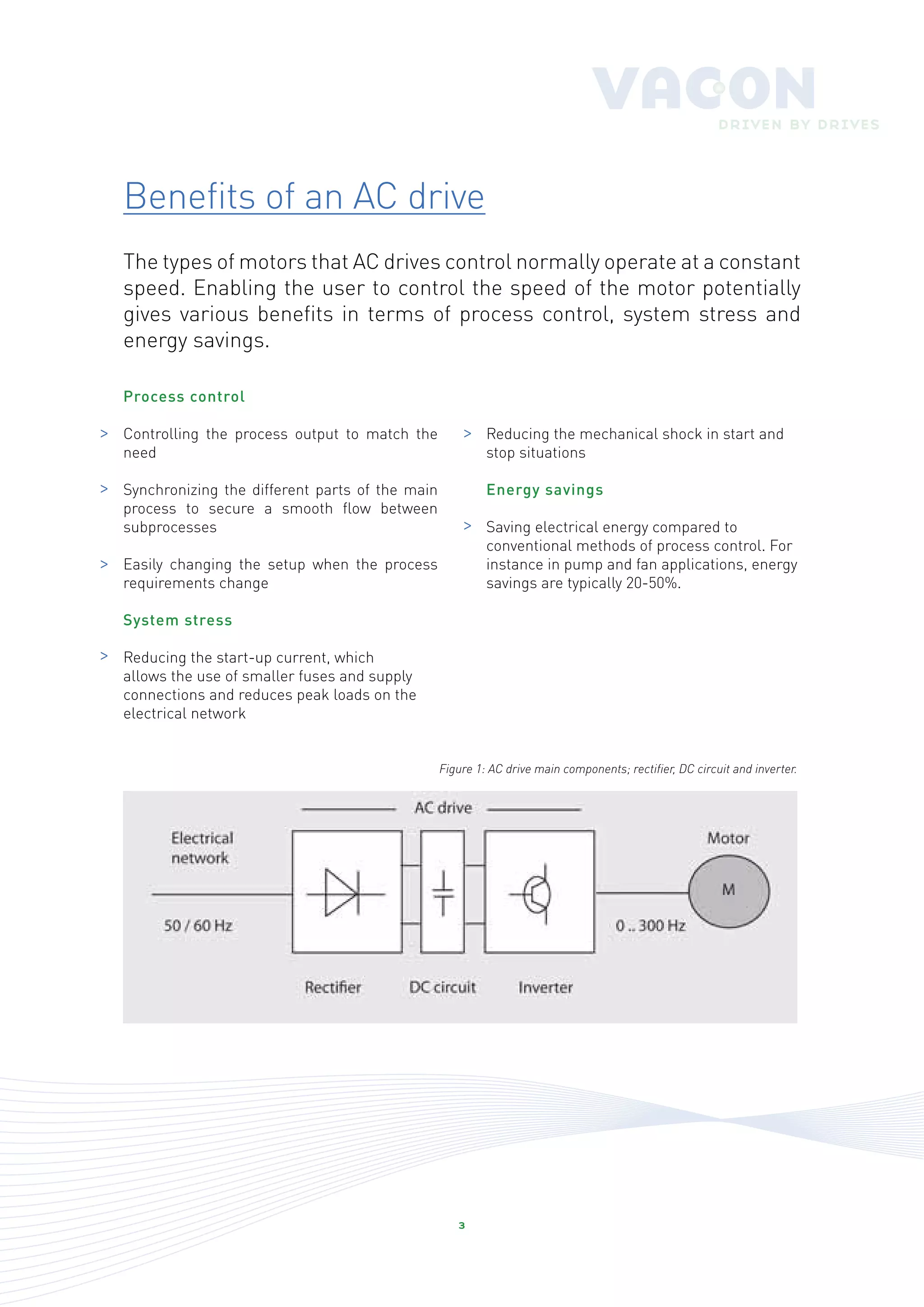
The AC drive is supplied with power from the                 The inverter unit takes the electrical energy
electrical network via a rectifier. The rectifier unit       from the DC circuit and supplies it to the motor.
can be uni- or bidirectional. When unidirectional,           The inverter uses modulation techniques to
the AC drive can accelerate and run the motor by             create the needed 3-phase AC voltage output
taking energy from the network. If bidirectional,            for the motor. The frequency can be adjusted to
the AC drive can also take the mechanical                    match the need of the process. The higher the
rotation energy from the motor and process and               frequency of the output voltage is, the higher the
feed it back to the electrical network.                      speed of the motor and, therefore, the output
                                                             from the process.
DC circuit

The DC circuit stores the electrical energy from
the rectifier for the inverter to use. In most
cases, the energy is stored in high-power
capacitors.


                                                         2
Benefits of an AC drive
    The types of motors that AC drives control normally operate at a constant
    speed. Enabling the user to control the speed of the motor potentially
    gives various benefits in terms of process control, system stress and
    energy savings.

    Process control

>   Controlling the process output to match the         >    Reducing the mechanical shock in start and
    need                                                     stop situations

>   Synchronizing the different parts of the main            Energy savings
    process to secure a smooth flow between
    subprocesses                                        >    Saving electrical energy compared to
                                                             conventional methods of process control. For
>   Easily changing the setup when the process               instance in pump and fan applications, energy
    requirements change                                      savings are typically 20-50%.

    System stress

>   Reducing the start-up current, which
    allows the use of smaller fuses and supply
    connections and reduces peak loads on the
    electrical network


                                                    Figure 1: AC drive main components; rectifier, DC circuit and inverter.


                                                       3
How can AC drives be used?
Heating, ventilation and air conditioning (HVAC)


AC drives are important in all sorts of industries, including marine, oil
& gas, water & wastewater management and pulping, to name a few. In
HVAC applications the main processes are related to heating, cooling,
drying and circulating air. Supporting processes are mostly related to
taking the extra heat out of a building or providing additional heat energy
to a building. AC drives are mainly used in HVAC applications in fans,
pumps and compressors.


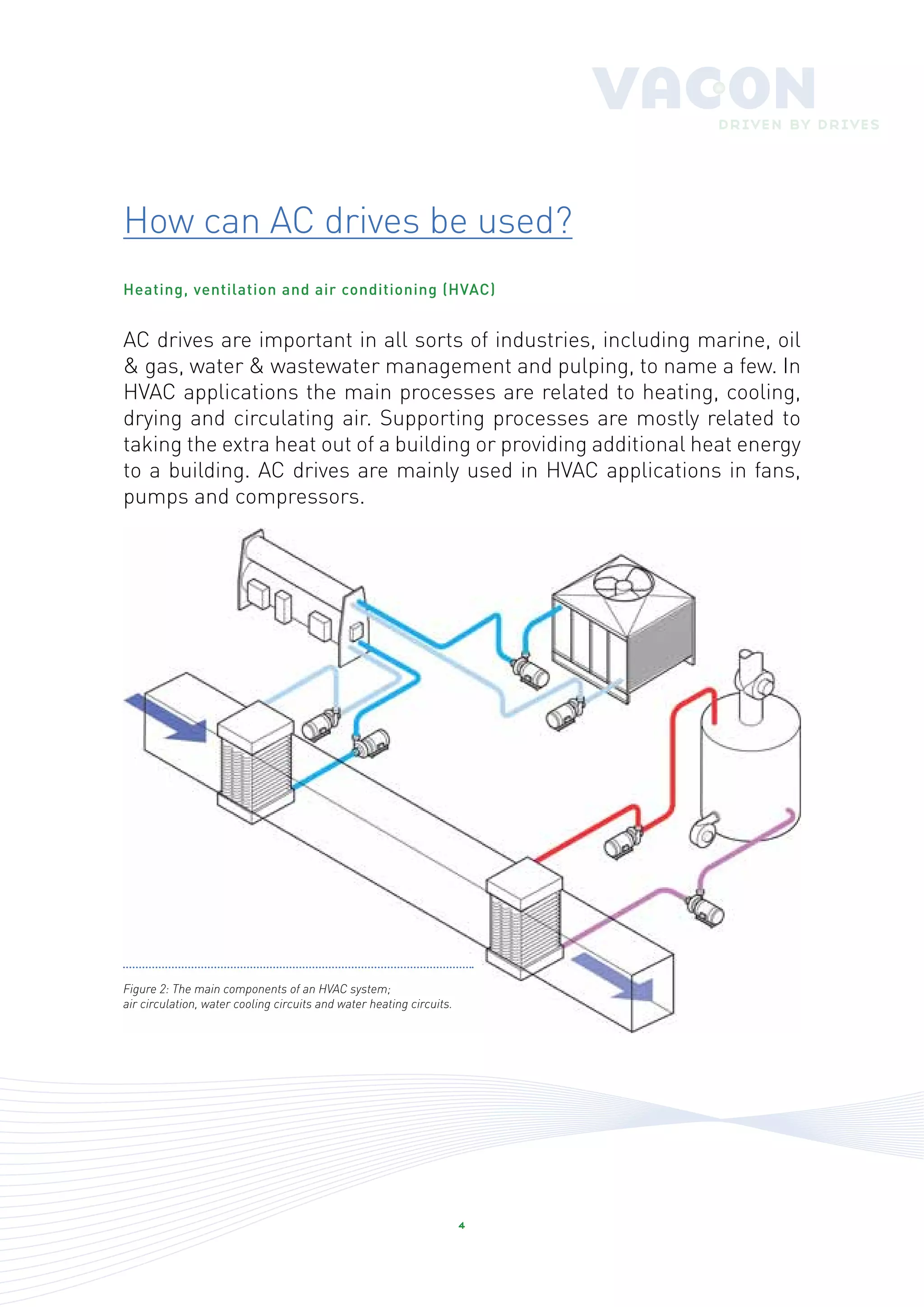
Figure 2: The main components of an HVAC system;
air circulation, water cooling circuits and water heating circuits.


                                                                      4
Fans and pumps

    Using an AC drive to control the fan or pump        >     Tuning the HVAC system during and after
    output, rather than using dampers, vanes,                 commissioning is easier with the flexibility of
    valves or on/off control, brings substantial              an AC drive
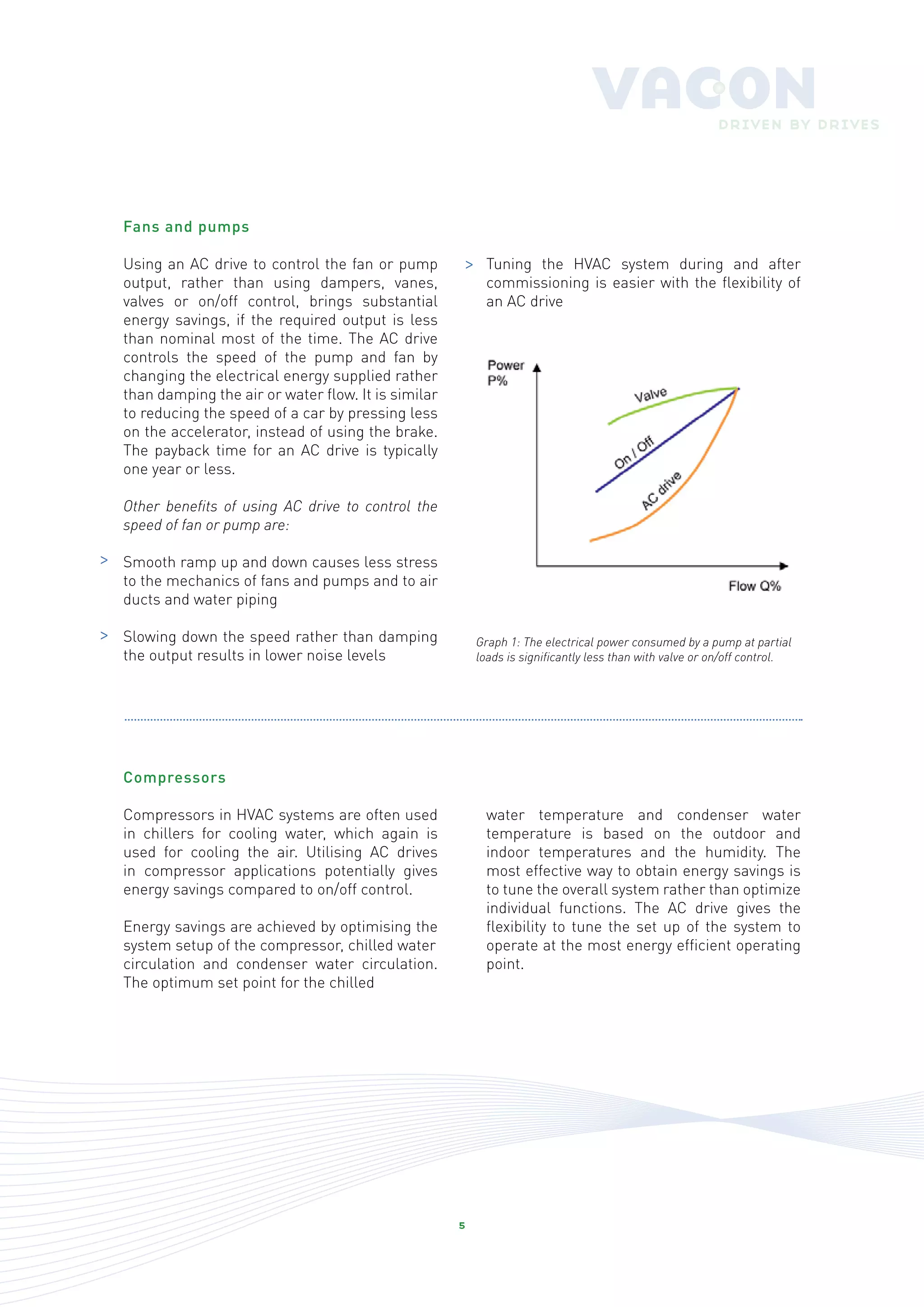
    energy savings, if the required output is less
    than nominal most of the time. The AC drive
    controls the speed of the pump and fan by
    changing the electrical energy supplied rather
    than damping the air or water flow. It is similar
    to reducing the speed of a car by pressing less
    on the accelerator, instead of using the brake.
    The payback time for an AC drive is typically
    one year or less.

    Other benefits of using AC drive to control the
    speed of fan or pump are:

>   Smooth ramp up and down causes less stress
    to the mechanics of fans and pumps and to air
    ducts and water piping

>   Slowing down the speed rather than damping              Graph 1: The electrical power consumed by a pump at partial
    the output results in lower noise levels                loads is significantly less than with valve or on/off control.


    Compressors

    Compressors in HVAC systems are often used                water temperature and condenser water
    in chillers for cooling water, which again is             temperature is based on the outdoor and
    used for cooling the air. Utilising AC drives             indoor temperatures and the humidity. The
    in compressor applications potentially gives              most effective way to obtain energy savings is
    energy savings compared to on/off control.                to tune the overall system rather than optimize
                                                              individual functions. The AC drive gives the
    Energy savings are achieved by optimising the             flexibility to tune the set up of the system to
    system setup of the compressor, chilled water             operate at the most energy efficient operating
    circulation and condenser water circulation.              point.
    The optimum set point for the chilled


                                                        5
Other benefits

>   Fewer starts and stops reduce the wear on the compressor

>   The piping and mechanics are subject to less stress in ramp up or down situations

>   Reduced noise level in low load situations

>   Possibility to use high-speed compressors


    Summary
    40% of all the energy used in Europe and North America is consumed in buildings. The biggest share
    of this energy is consumed by HVAC applications. With rising energy costs and concerns about CO2
    levels and global warming, it is crucial to use all means available to reduce the energy consumption by
    HVAC applications. The savings potential is large. The key issue is to start looking more at the lifetime
    costs of a HVAC system, where energy costs play a big role, rather than at the initial investment in a
    HVAC system. To give one example, energy accounts for 90% of the lifetime costs of a pump or fan.


                                                       6

What is an AC Drive

  • 1.
    72,2 101,9 342,8 148 Ø9 What is an AC drive?
  • 2.
    What is anAC drive and how does it work? An AC drive is a device used to control the speed of an electrical motor. The speed is controlled by changing the frequency of the electrical supply to the motor. The 3-phase voltage in the national electrical grid connected to a motor creates a rotating magnetic field in the motor. The rotor of the electrical motor follows this rotating magnetic field. An AC drive converts the frequency of the network to anything from 0 up to 300 Hz or even higher, and thus controls the speed of the motor in proportion to the frequency. The technology Rectifier unit Inverter unit The AC drive is supplied with power from the The inverter unit takes the electrical energy electrical network via a rectifier. The rectifier unit from the DC circuit and supplies it to the motor. can be uni- or bidirectional. When unidirectional, The inverter uses modulation techniques to the AC drive can accelerate and run the motor by create the needed 3-phase AC voltage output taking energy from the network. If bidirectional, for the motor. The frequency can be adjusted to the AC drive can also take the mechanical match the need of the process. The higher the rotation energy from the motor and process and frequency of the output voltage is, the higher the feed it back to the electrical network. speed of the motor and, therefore, the output from the process. DC circuit The DC circuit stores the electrical energy from the rectifier for the inverter to use. In most cases, the energy is stored in high-power capacitors. 2
  • 3.
    Benefits of anAC drive The types of motors that AC drives control normally operate at a constant speed. Enabling the user to control the speed of the motor potentially gives various benefits in terms of process control, system stress and energy savings. Process control > Controlling the process output to match the > Reducing the mechanical shock in start and need stop situations > Synchronizing the different parts of the main Energy savings process to secure a smooth flow between subprocesses > Saving electrical energy compared to conventional methods of process control. For > Easily changing the setup when the process instance in pump and fan applications, energy requirements change savings are typically 20-50%. System stress > Reducing the start-up current, which allows the use of smaller fuses and supply connections and reduces peak loads on the electrical network Figure 1: AC drive main components; rectifier, DC circuit and inverter. 3
  • 4.
    How can ACdrives be used? Heating, ventilation and air conditioning (HVAC) AC drives are important in all sorts of industries, including marine, oil & gas, water & wastewater management and pulping, to name a few. In HVAC applications the main processes are related to heating, cooling, drying and circulating air. Supporting processes are mostly related to taking the extra heat out of a building or providing additional heat energy to a building. AC drives are mainly used in HVAC applications in fans, pumps and compressors. Figure 2: The main components of an HVAC system; air circulation, water cooling circuits and water heating circuits. 4
  • 5.
    Fans and pumps Using an AC drive to control the fan or pump > Tuning the HVAC system during and after output, rather than using dampers, vanes, commissioning is easier with the flexibility of valves or on/off control, brings substantial an AC drive energy savings, if the required output is less than nominal most of the time. The AC drive controls the speed of the pump and fan by changing the electrical energy supplied rather than damping the air or water flow. It is similar to reducing the speed of a car by pressing less on the accelerator, instead of using the brake. The payback time for an AC drive is typically one year or less. Other benefits of using AC drive to control the speed of fan or pump are: > Smooth ramp up and down causes less stress to the mechanics of fans and pumps and to air ducts and water piping > Slowing down the speed rather than damping Graph 1: The electrical power consumed by a pump at partial the output results in lower noise levels loads is significantly less than with valve or on/off control. Compressors Compressors in HVAC systems are often used water temperature and condenser water in chillers for cooling water, which again is temperature is based on the outdoor and used for cooling the air. Utilising AC drives indoor temperatures and the humidity. The in compressor applications potentially gives most effective way to obtain energy savings is energy savings compared to on/off control. to tune the overall system rather than optimize individual functions. The AC drive gives the Energy savings are achieved by optimising the flexibility to tune the set up of the system to system setup of the compressor, chilled water operate at the most energy efficient operating circulation and condenser water circulation. point. The optimum set point for the chilled 5
  • 6.
    Other benefits > Fewer starts and stops reduce the wear on the compressor > The piping and mechanics are subject to less stress in ramp up or down situations > Reduced noise level in low load situations > Possibility to use high-speed compressors Summary 40% of all the energy used in Europe and North America is consumed in buildings. The biggest share of this energy is consumed by HVAC applications. With rising energy costs and concerns about CO2 levels and global warming, it is crucial to use all means available to reduce the energy consumption by HVAC applications. The savings potential is large. The key issue is to start looking more at the lifetime costs of a HVAC system, where energy costs play a big role, rather than at the initial investment in a HVAC system. To give one example, energy accounts for 90% of the lifetime costs of a pump or fan. 6