web 2.0 understanding the semantic web  and its impact on technical communication presented by Scott Abel, The Content Wrangler, Inc.
scott abel nightclub dj, investigative reporter, technical writer, trouble-maker, entrepreneur, evangelist Tampa, Amsterdam, Indianapolis, New York City, San Diego, on route to Key West
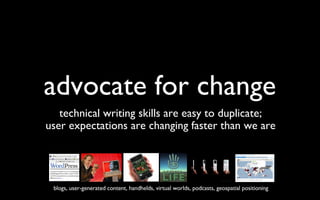
advocate for change technical writing skills are easy to duplicate; user expectations are changing faster than we are blogs, user-generated content, handhelds, virtual worlds, podcasts, geospatial positioning
 
the problem content -- it’s everywhere -- and managing it is getting out of hand signage, brochures, user manuals, maps, books, websites, online help, telephone scripts
the semantic web also referred to as Web 2.0; seeks to leverage the internet to deliver service
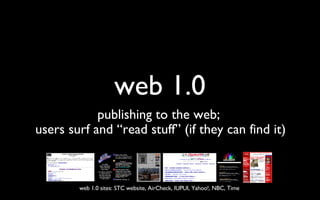
web 1.0 publishing to the web;  users surf and “read stuff” (if they can find it) web 1.0 sites: STC website, AirCheck, IUPUI, Yahoo!, NBC, Time
web 1.0 content is published to websites; writers create content to fill these virtual places “ the medium is the message”
web 1.0 users inefficiently search the “visible web”; search fails to meet goal: finding information
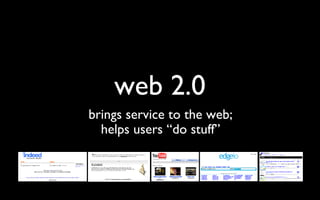
web 2.0 brings service to the web; helps users “do stuff”
web 2.0 technologies improve access, management, and reuse of digital content; supports end-user goals
web 2.0 syndication allows users to remix content; structured content makes it possible
really simple syndication an XML standard; provides structure and semantic value to content
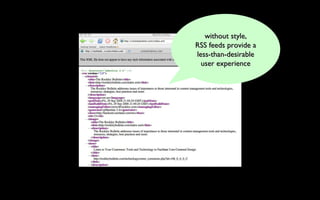
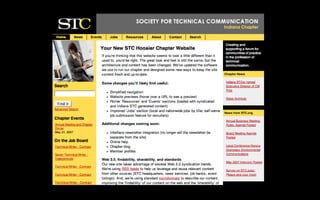
without style, RSS feeds provide a less-than-desirable user experience
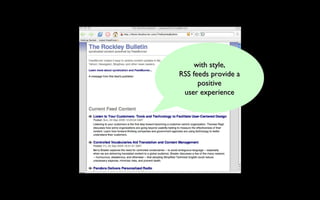
with style, RSS feeds provide a positive user experience
publish/subscribe extends the reach of content; users reuse content in unlimited ways
publish write it once and let go of control;  content is both human and machine readable
subscribe services provide relevant information, delivered how, when, and where users want it
 
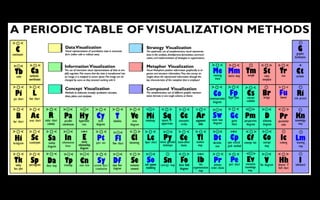
old info, new views looking at content from all angles helps us make meaning of content; new technologies make content accessible in meaningful ways
 
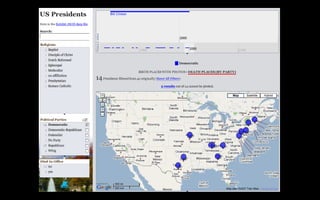
the S.I.M.I.L.E. project Semantic Interoperability of Metadata  and Information in unLike Environments
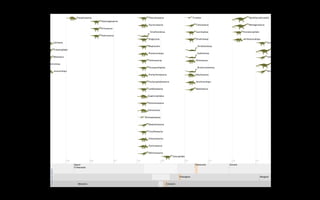
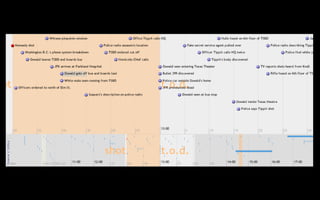
Timeline A DHTML AJAX timeline widget  for visualizing temporal information
 
 
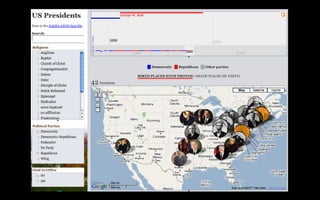
Exhibit publishing framework that lets you create web pages with support for sorting, filtering, and rich visualization without a database; make mashups
 
 
your turn how might you use this capability to better serve your customers or improve your productivity? ?
 
blogs two new blogs are created  every second of every day
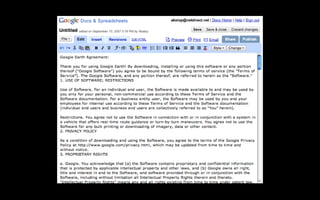
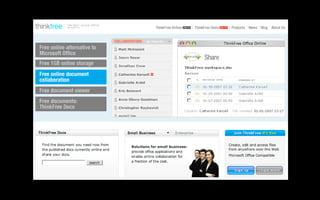
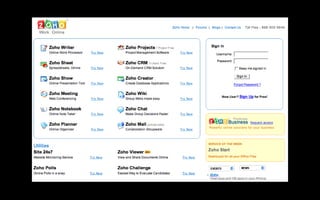
hosted software online office applications are exploding in popularity; open standards and ease of use drive adoption; offline access now available


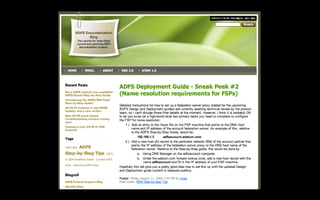
blogs for documentation? blogs provide a low cost entry point; blogs that support DITA are being developed now
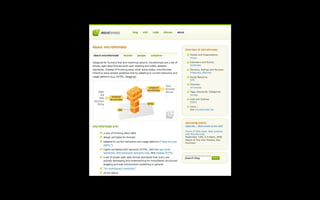
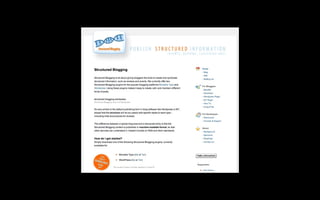
structured blogging allows us to create structured XML content; uses microformats (granular structured content)
 
 
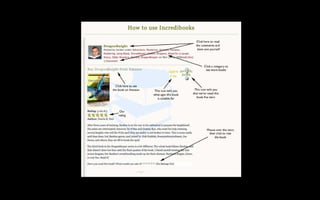
incredibooks.com structured blogging is so easy even kids are doing it (and earning money for their efforts)
 
 
your turn how might you use this capability to better serve your customers or improve your productivity? ?
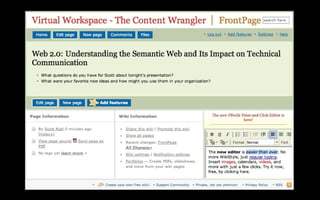
wikis web-based collaboration tools that support user-generated content; users can consume, create, correct, corrupt, and cut content
 
 
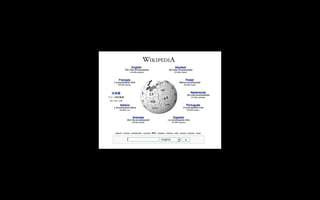
wiki tools there are many available (free to expensive)
 
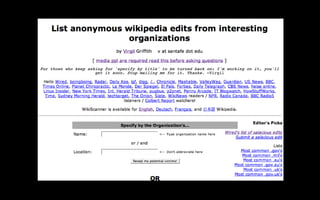
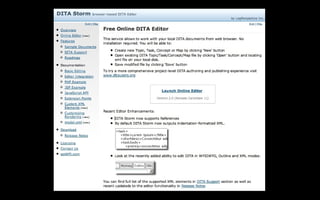
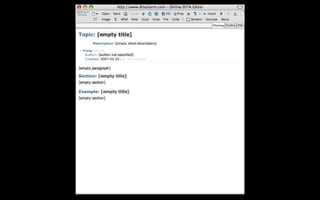
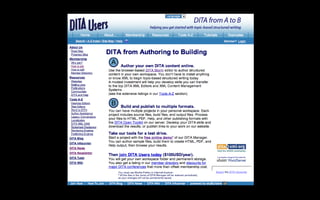
wikis for documentation? wikis are being used to create documentation; there’s even a wiki based on DITA


your turn how might you use this capability to better serve your customers or improve your productivity? ?
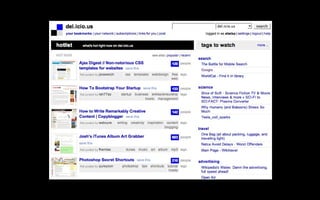
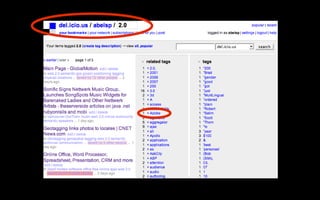
tagging tagging helps us stay organized; sharing tags helps us help others quickly; what we tag can help improve documentation
 
 
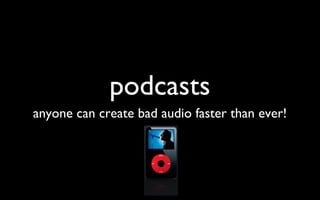
podcasts anyone can create bad audio faster than ever!
 
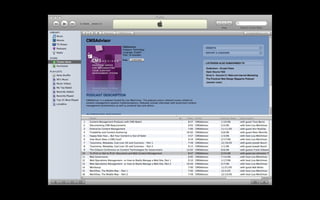
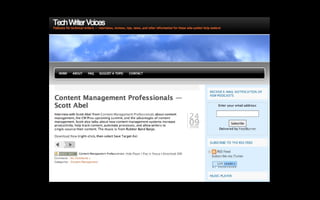
iTunes is the secret new audiences can find your content; syndication is increasingly popular option
 
 
your turn how might you use this capability to better serve your customers or improve your productivity? ?
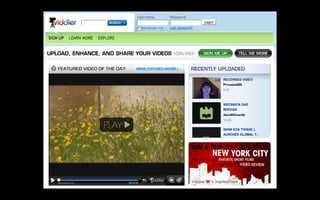
user-generated content users are creating their own documentation whether you want them to or not
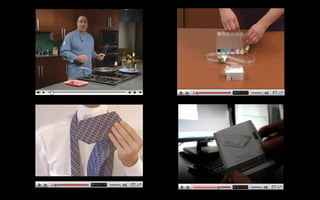
video documentation user expectations are changing; are you?
 
 
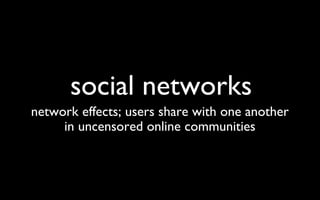
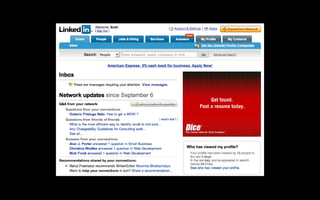
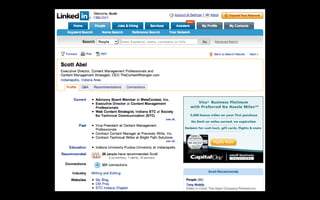
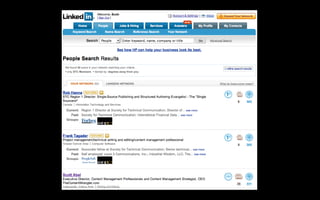
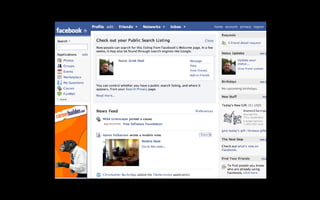
social networks network effects; users share with one another in uncensored online communities


your turn how might you use this capability to better serve your customers or improve your productivity? ?
findability web 2.0 makes finding relevant content easy; enhanced findability combined with personalized recommendations improve relevance
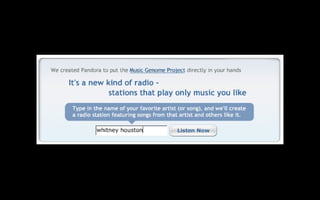
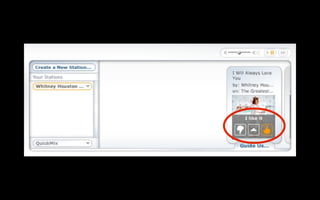
Pandora provides customized music recommendations through streaming internet radio
 
 
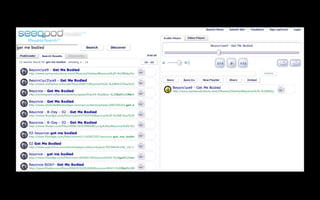
seeqpod helps you find and listen to music almost instantaneously; it also works for videos
 
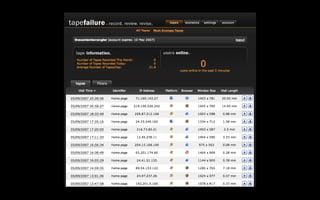
tape failure no more guessing what website users like; watch them use your site and make changes based on real user experiences
 
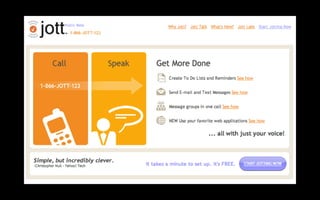
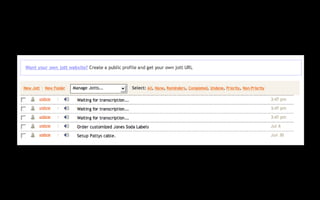
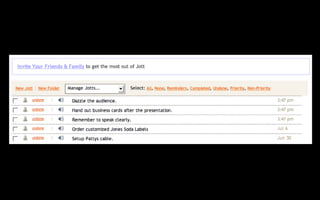
jott helps you remember what you don’t want to forget; audio in, text out


for additional information contact Scott Abel at TheContentWrangler.com 317.466.1840  scottabel [at] mac [dot] com
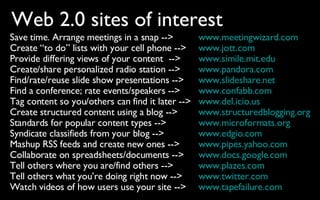
www.meetingwizard.com www.jott.com www.simile.mit.edu www.pandora.com www. slideshare .net www.confabb.com www.del.icio.us www.structuredblogging.org www.microformats.org www.edgio.com www.pipes.yahoo.com www.docs.google.com www.plazes.com www.twitter.com www.tapefailure.com Save time. Arrange meetings in a snap --> Create “to do” lists with your cell phone --> Provide differing views of your content  --> Create/share personalized radio station --> Find/rate/reuse slide show presentations --> Find a conference; rate events/speakers --> Tag content so you/others can find it later --> Create structured content using a blog --> Standards for popular content types --> Syndicate classifieds from your blog --> Mashup RSS feeds and create new ones --> Collaborate on spreadsheets/documents --> Tell others where you are/find others --> Tell others what you’re doing right now --> Watch videos of how users use your site --> Web 2.0 sites of interest

Web 2.0 101: Understanding Web 2.0 and its Impact on Technical Communication

  • 1.
    web 2.0 understandingthe semantic web and its impact on technical communication presented by Scott Abel, The Content Wrangler, Inc.
  • 2.
    scott abel nightclubdj, investigative reporter, technical writer, trouble-maker, entrepreneur, evangelist Tampa, Amsterdam, Indianapolis, New York City, San Diego, on route to Key West
  • 3.
    advocate for changetechnical writing skills are easy to duplicate; user expectations are changing faster than we are blogs, user-generated content, handhelds, virtual worlds, podcasts, geospatial positioning
  • 4.
  • 5.
    the problem content-- it’s everywhere -- and managing it is getting out of hand signage, brochures, user manuals, maps, books, websites, online help, telephone scripts
  • 6.
    the semantic webalso referred to as Web 2.0; seeks to leverage the internet to deliver service
  • 7.
    web 1.0 publishingto the web; users surf and “read stuff” (if they can find it) web 1.0 sites: STC website, AirCheck, IUPUI, Yahoo!, NBC, Time
  • 8.
    web 1.0 contentis published to websites; writers create content to fill these virtual places “ the medium is the message”
  • 9.
    web 1.0 usersinefficiently search the “visible web”; search fails to meet goal: finding information
  • 10.
    web 2.0 bringsservice to the web; helps users “do stuff”
  • 11.
    web 2.0 technologiesimprove access, management, and reuse of digital content; supports end-user goals
  • 12.
    web 2.0 syndicationallows users to remix content; structured content makes it possible
  • 13.
    really simple syndicationan XML standard; provides structure and semantic value to content
  • 14.
    without style, RSSfeeds provide a less-than-desirable user experience
  • 15.
    with style, RSSfeeds provide a positive user experience
  • 16.
    publish/subscribe extends thereach of content; users reuse content in unlimited ways
  • 17.
    publish write itonce and let go of control; content is both human and machine readable
  • 18.
    subscribe services providerelevant information, delivered how, when, and where users want it
  • 19.
  • 20.
    old info, newviews looking at content from all angles helps us make meaning of content; new technologies make content accessible in meaningful ways
  • 21.
  • 22.
    the S.I.M.I.L.E. projectSemantic Interoperability of Metadata and Information in unLike Environments
  • 23.
    Timeline A DHTMLAJAX timeline widget for visualizing temporal information
  • 24.
  • 25.
  • 26.
    Exhibit publishing frameworkthat lets you create web pages with support for sorting, filtering, and rich visualization without a database; make mashups
  • 27.
  • 28.
  • 29.
    your turn howmight you use this capability to better serve your customers or improve your productivity? ?
  • 30.
  • 31.
    blogs two newblogs are created every second of every day
  • 32.
    hosted software onlineoffice applications are exploding in popularity; open standards and ease of use drive adoption; offline access now available
  • 33.
  • 34.
  • 35.
  • 36.
    blogs for documentation?blogs provide a low cost entry point; blogs that support DITA are being developed now
  • 37.
    structured blogging allowsus to create structured XML content; uses microformats (granular structured content)
  • 38.
  • 39.
  • 40.
    incredibooks.com structured bloggingis so easy even kids are doing it (and earning money for their efforts)
  • 41.
  • 42.
  • 43.
    your turn howmight you use this capability to better serve your customers or improve your productivity? ?
  • 44.
    wikis web-based collaborationtools that support user-generated content; users can consume, create, correct, corrupt, and cut content
  • 45.
  • 46.
  • 47.
    wiki tools thereare many available (free to expensive)
  • 48.
  • 49.
    wikis for documentation?wikis are being used to create documentation; there’s even a wiki based on DITA
  • 50.
  • 51.
  • 52.
  • 53.
    your turn howmight you use this capability to better serve your customers or improve your productivity? ?
  • 54.
    tagging tagging helpsus stay organized; sharing tags helps us help others quickly; what we tag can help improve documentation
  • 55.
  • 56.
  • 57.
    podcasts anyone cancreate bad audio faster than ever!
  • 58.
  • 59.
    iTunes is thesecret new audiences can find your content; syndication is increasingly popular option
  • 60.
  • 61.
  • 62.
    your turn howmight you use this capability to better serve your customers or improve your productivity? ?
  • 63.
    user-generated content usersare creating their own documentation whether you want them to or not
  • 64.
    video documentation userexpectations are changing; are you?
  • 65.
  • 66.
  • 67.
    social networks networkeffects; users share with one another in uncensored online communities
  • 68.
  • 69.
  • 70.
  • 71.
  • 72.
  • 73.
    your turn howmight you use this capability to better serve your customers or improve your productivity? ?
  • 74.
    findability web 2.0makes finding relevant content easy; enhanced findability combined with personalized recommendations improve relevance
  • 75.
    Pandora provides customizedmusic recommendations through streaming internet radio
  • 76.
  • 77.
  • 78.
    seeqpod helps youfind and listen to music almost instantaneously; it also works for videos
  • 79.
  • 80.
    tape failure nomore guessing what website users like; watch them use your site and make changes based on real user experiences
  • 81.
  • 82.
    jott helps youremember what you don’t want to forget; audio in, text out
  • 83.
  • 84.
  • 85.
  • 86.
    for additional informationcontact Scott Abel at TheContentWrangler.com 317.466.1840 scottabel [at] mac [dot] com
  • 87.
    www.meetingwizard.com www.jott.com www.simile.mit.eduwww.pandora.com www. slideshare .net www.confabb.com www.del.icio.us www.structuredblogging.org www.microformats.org www.edgio.com www.pipes.yahoo.com www.docs.google.com www.plazes.com www.twitter.com www.tapefailure.com Save time. Arrange meetings in a snap --> Create “to do” lists with your cell phone --> Provide differing views of your content --> Create/share personalized radio station --> Find/rate/reuse slide show presentations --> Find a conference; rate events/speakers --> Tag content so you/others can find it later --> Create structured content using a blog --> Standards for popular content types --> Syndicate classifieds from your blog --> Mashup RSS feeds and create new ones --> Collaborate on spreadsheets/documents --> Tell others where you are/find others --> Tell others what you’re doing right now --> Watch videos of how users use your site --> Web 2.0 sites of interest