Download to read offline




The document discusses various properties of common materials including strength, hardness, flexibility, elasticity, transparency, and buoyancy. It examines everyday items made of materials like metal, wood, rubber, plastic, cloth, and combinations thereof. Readers are prompted to consider which materials would be best for certain purposes based on their properties, like choosing a school book bag or a car windshield material. Key material properties and common items made from different materials are defined.
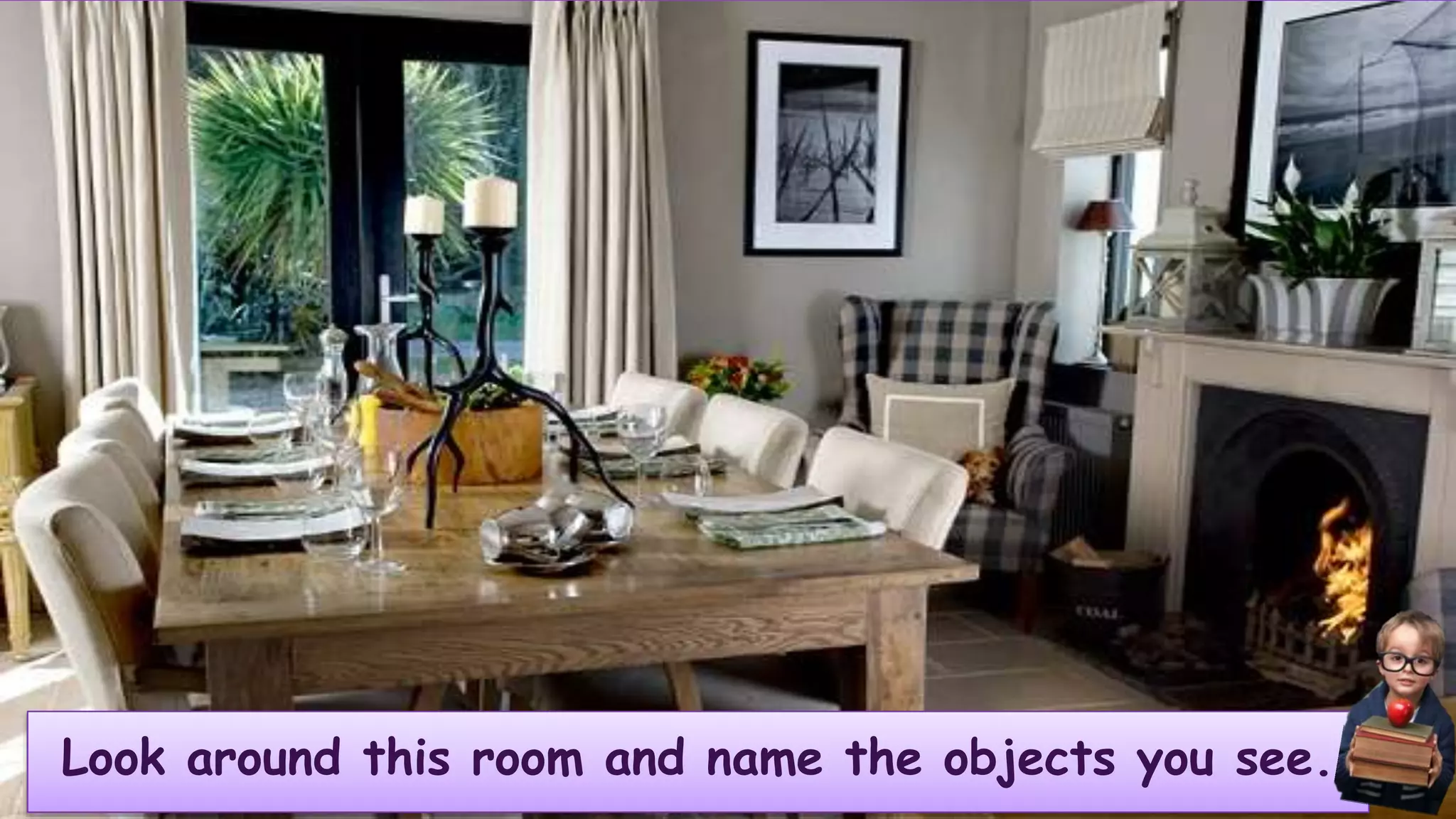
Encourages participants to observe and name objects in the room, prompting discussions on material properties.
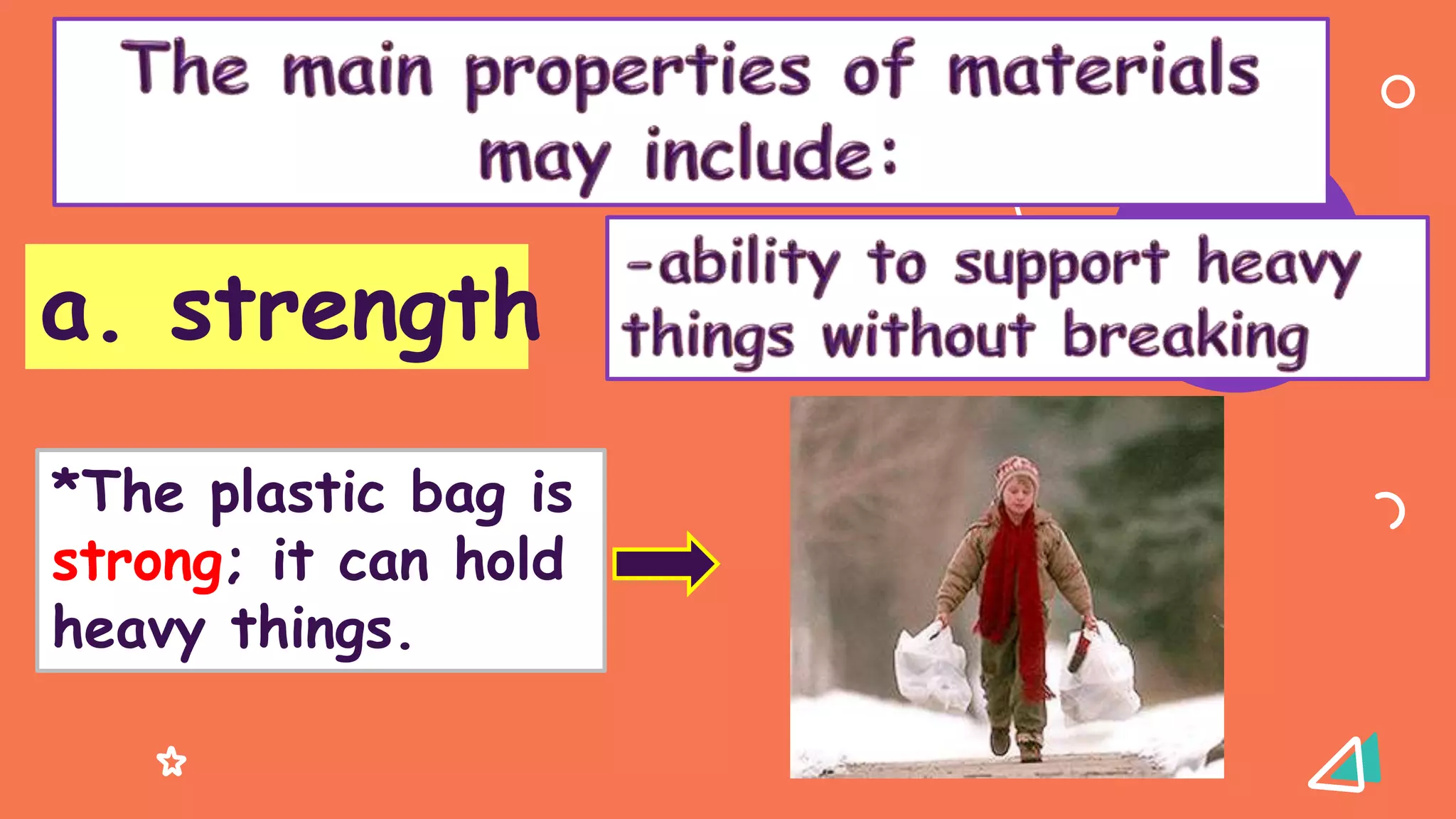
Discusses the strength of plastic bags, emphasizing their durability for holding heavy items.
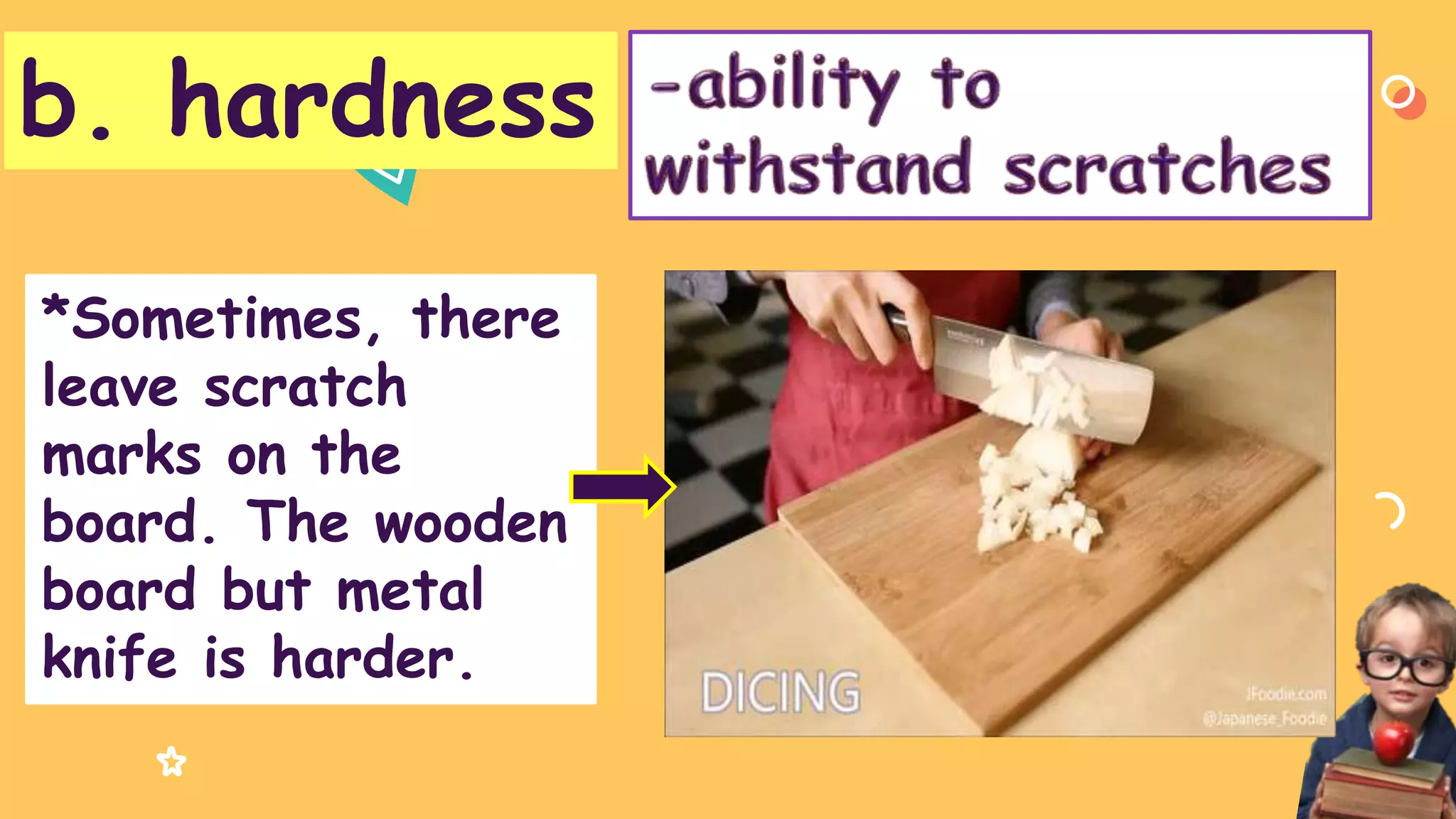
Explores hardness comparisons between different materials, highlighting how metal can scratch wood.
Illustrates buoyancy with a wooden boat example, explaining its floating capability on water.
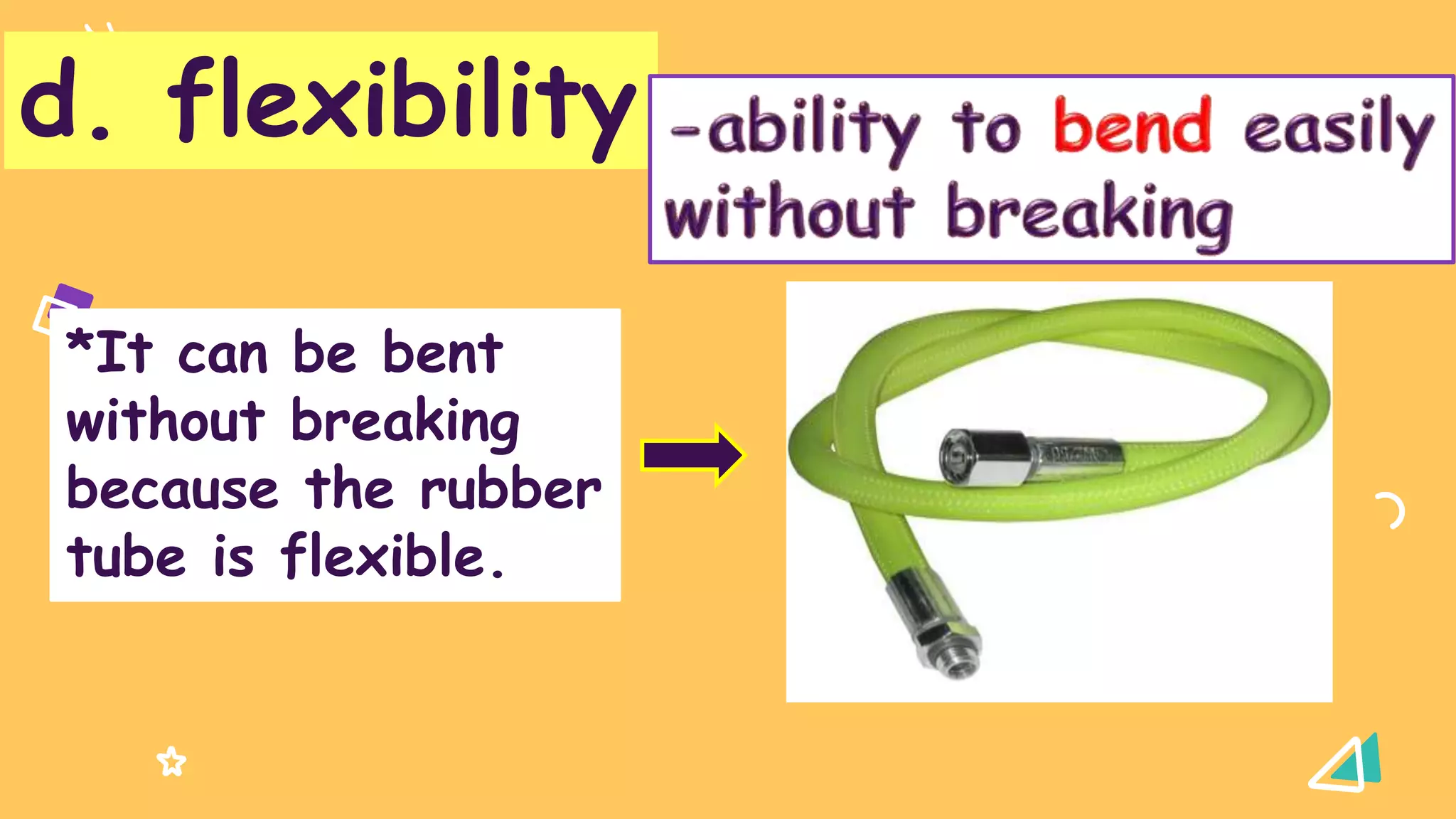
Examines flexibility using a rubber tube, showing how flexible materials can bend without breaking.
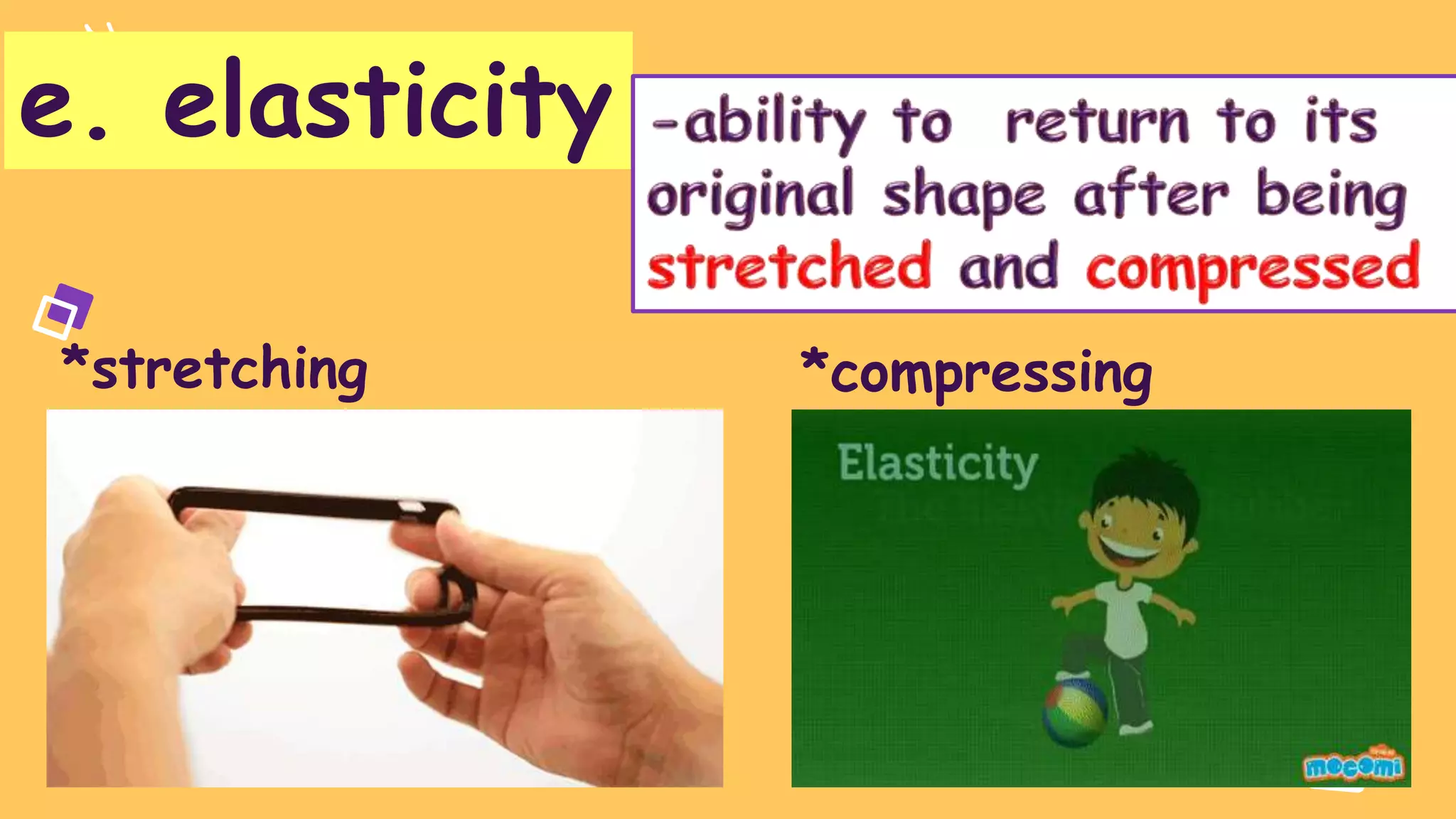
Introduces elasticity including stretching and compressing, explaining material behavior under stress.
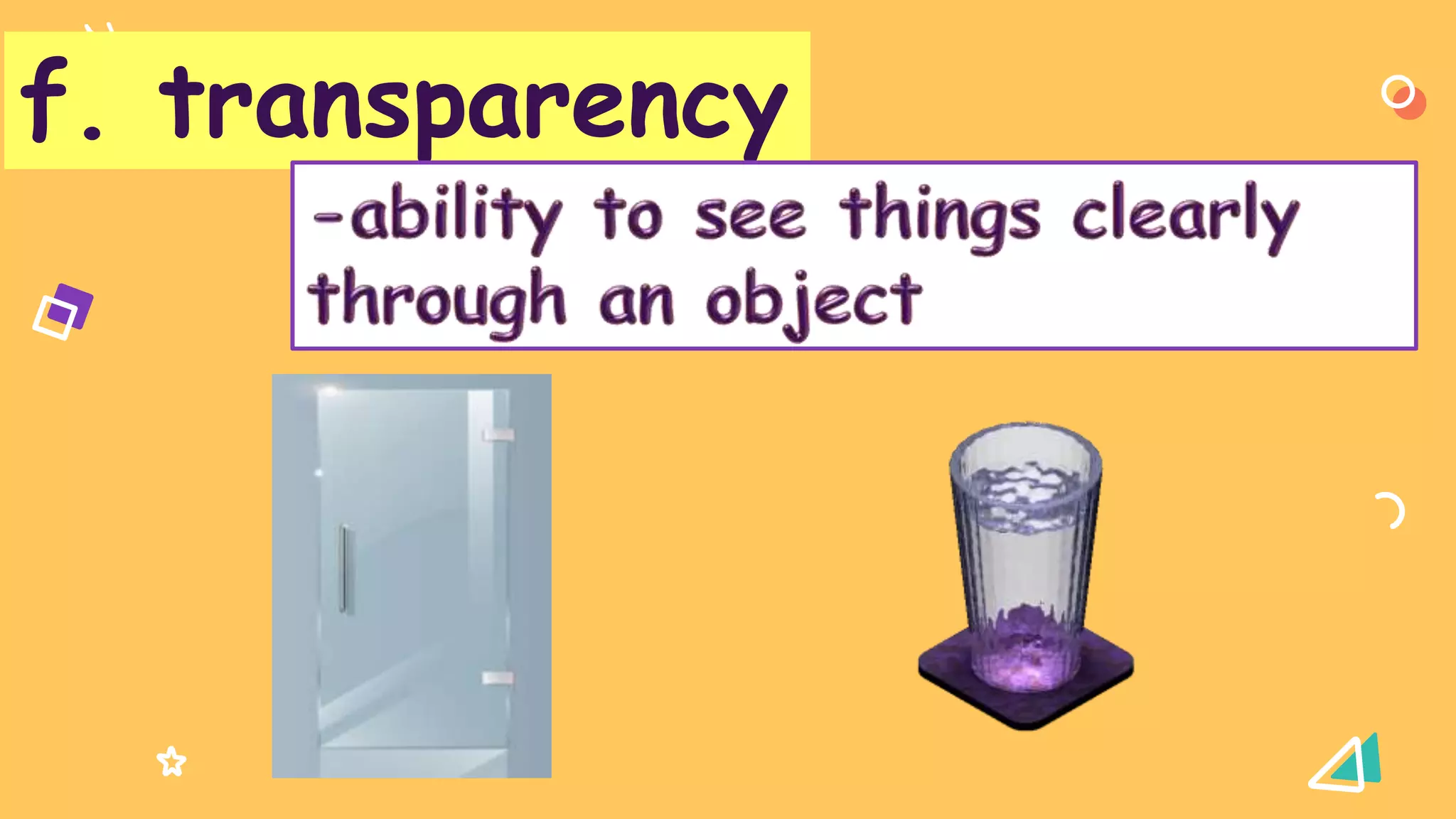
Mentions transparency as a property of materials without elaboration, possibly requiring further exploration.
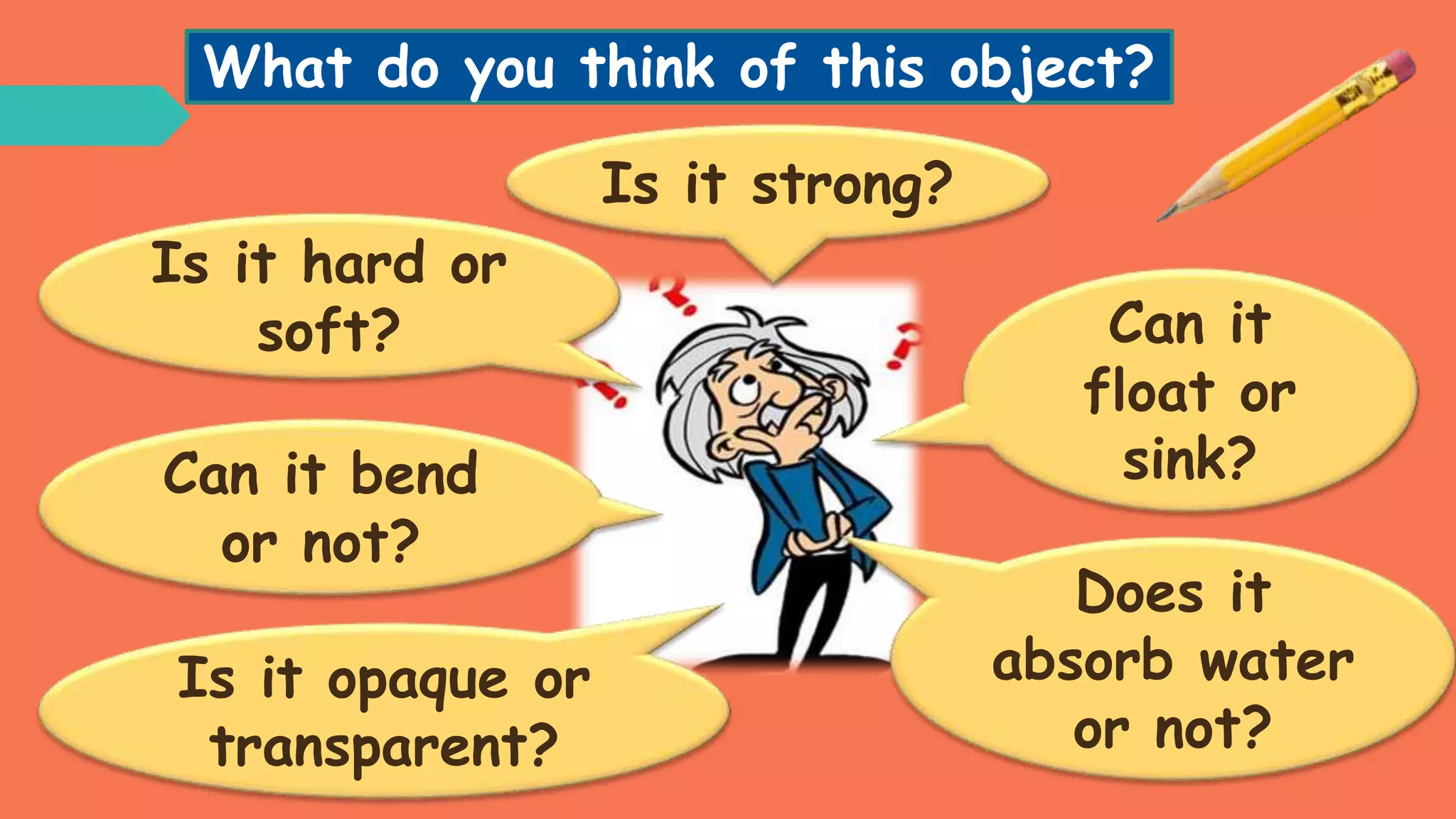
Presents thought-provoking questions about object properties, prompting critical thinking regarding materials.
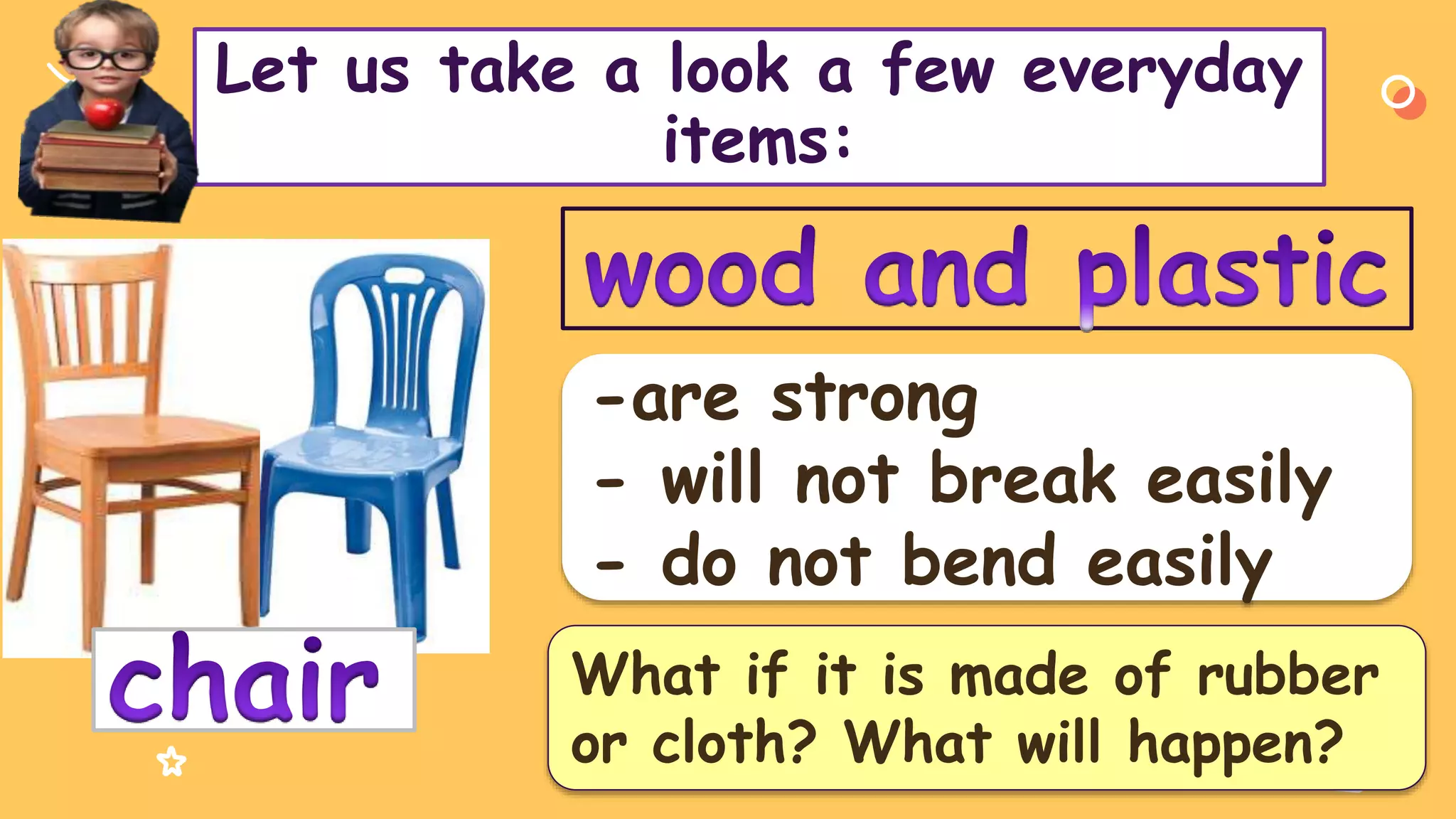
Analyzes everyday items in terms of strength, durability, and material composition, inviting comparisons.
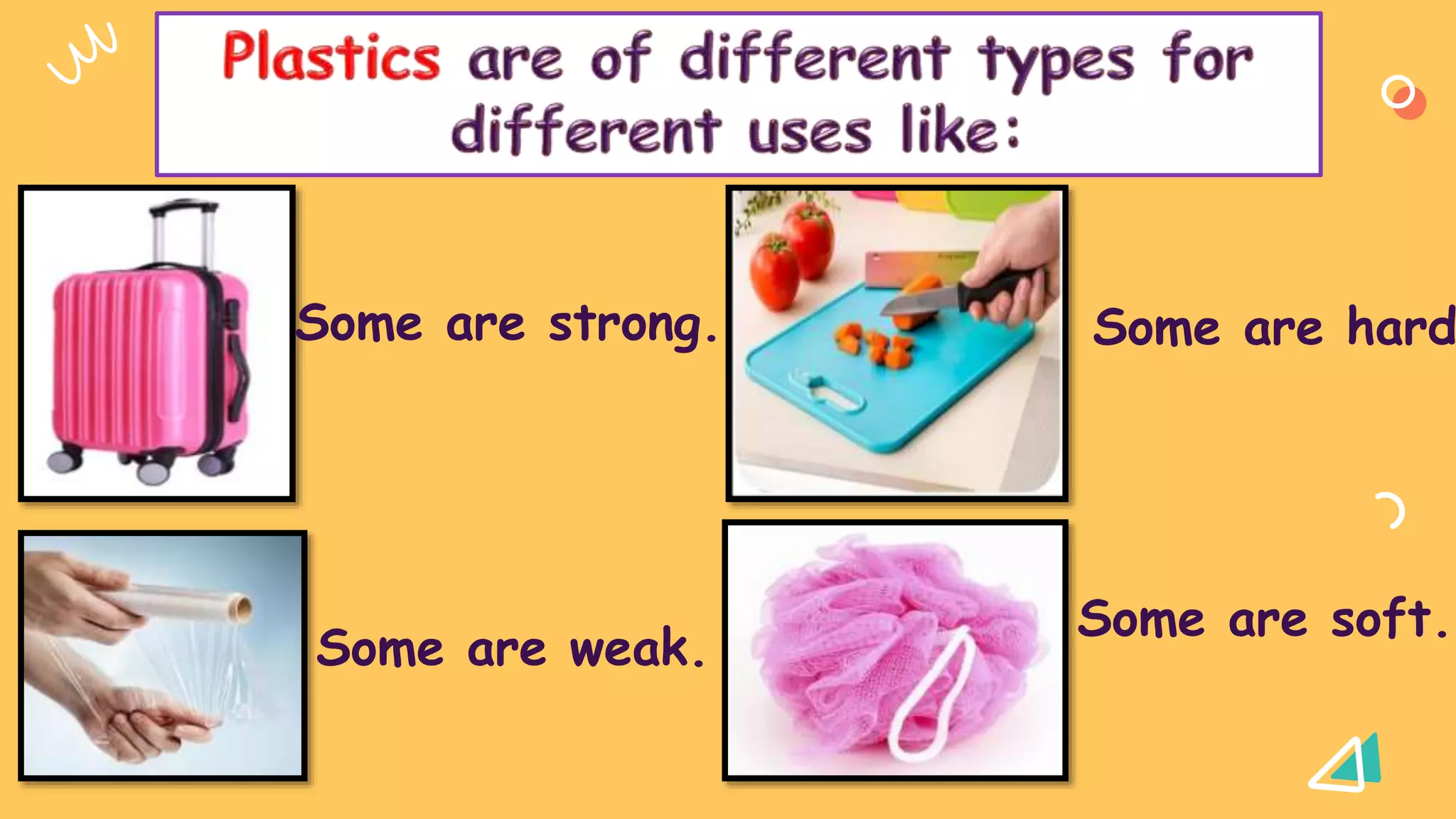
Summarizes characteristics of materials, categorizing them as strong, weak, hard, soft, flexible, or not.
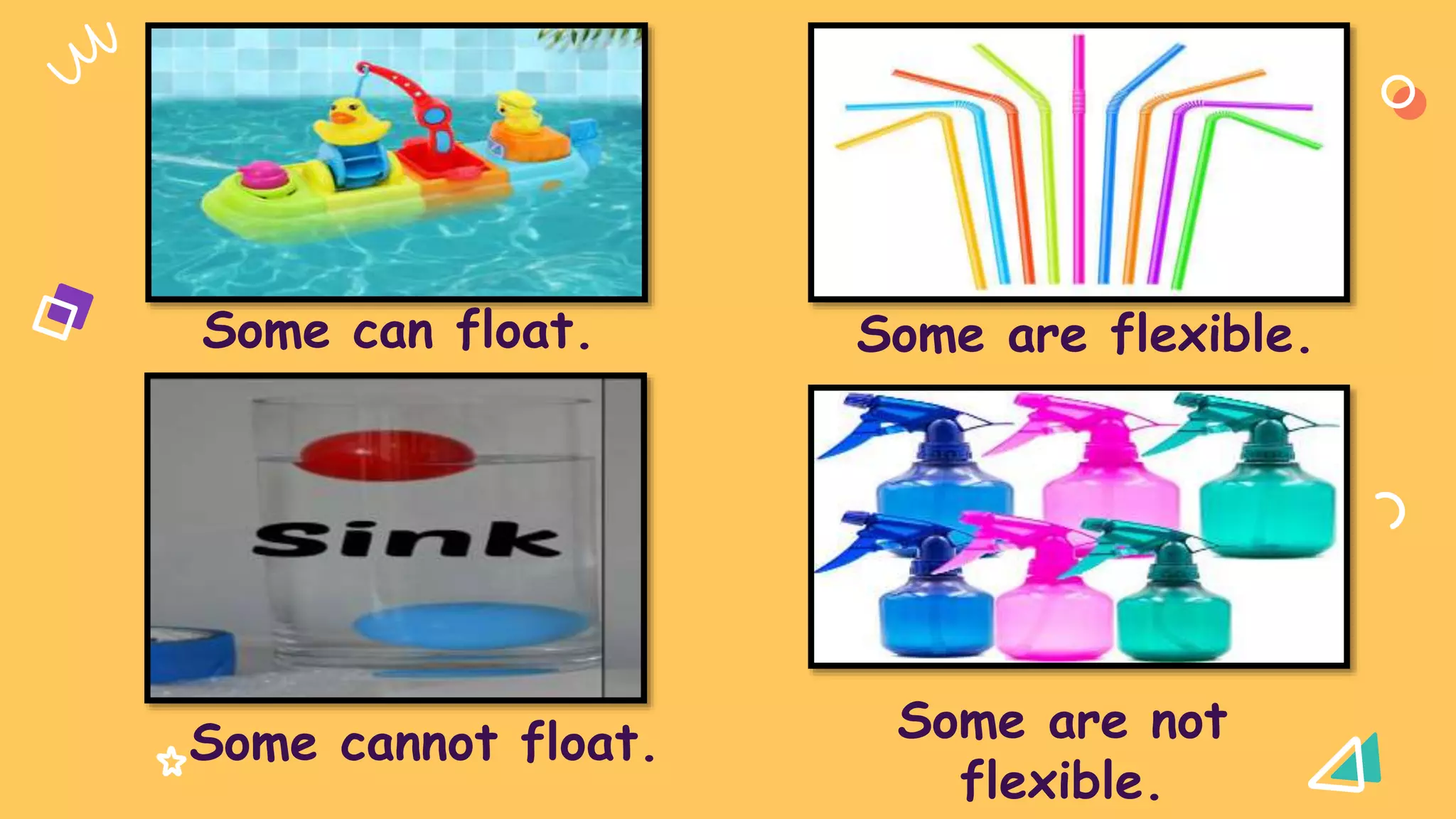
Distinguishes between materials that can float or sink and those that exhibit flexibility.
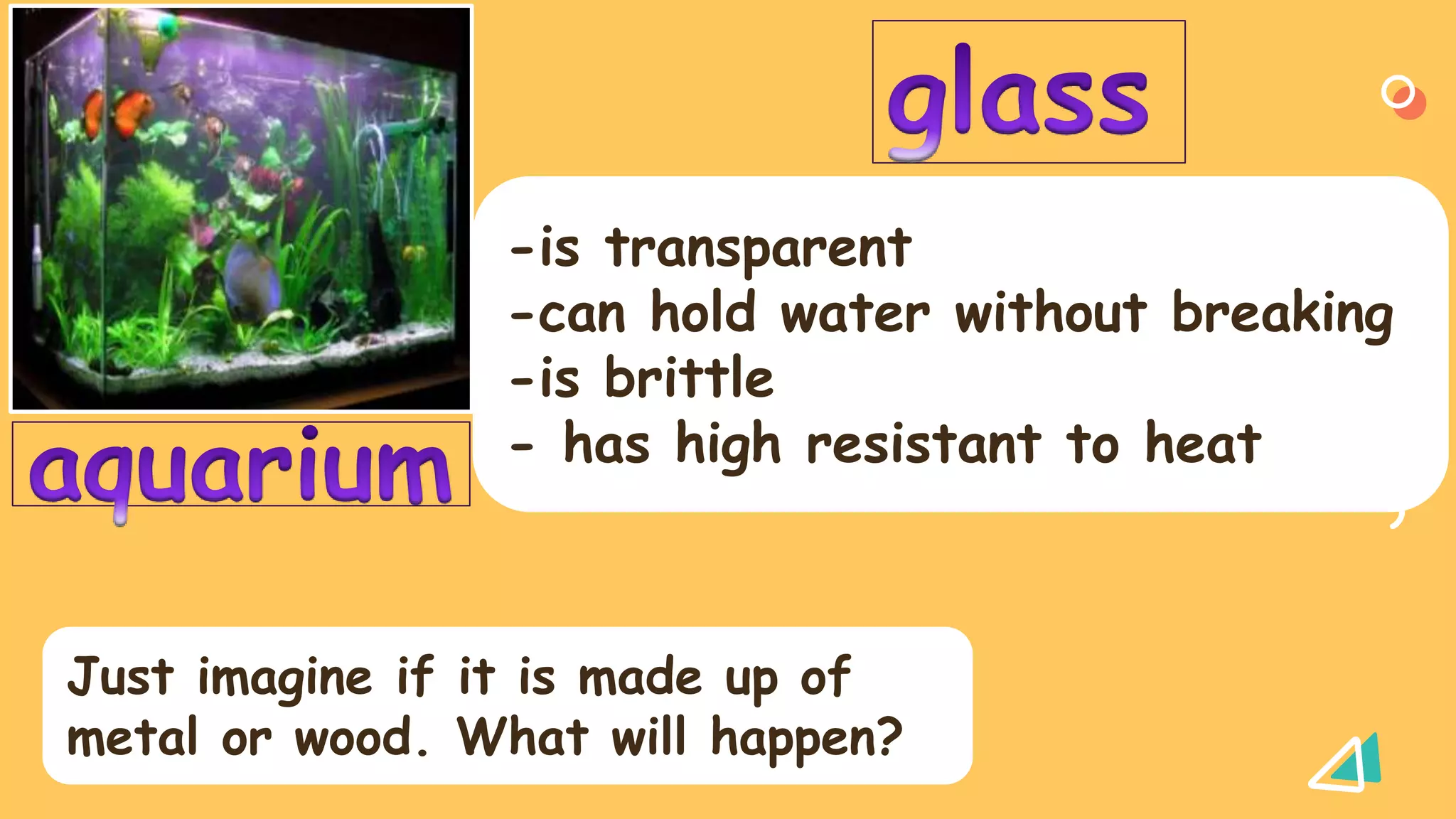
Discusses a variety of material properties including transparency and heat resistance, with hypothetical scenarios.
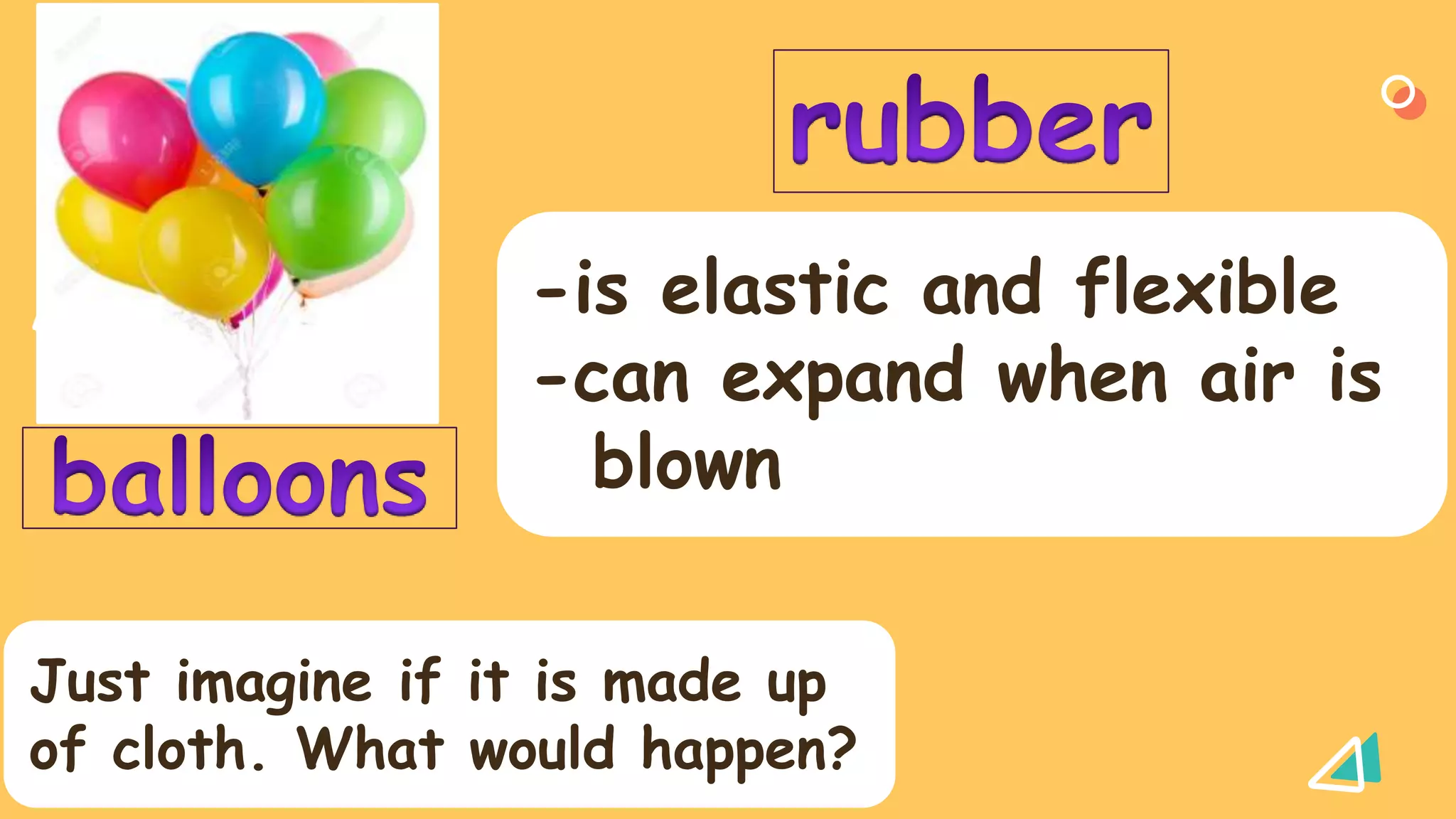
Explores elastic materials that expand when air is blown, inviting consideration of other material types.
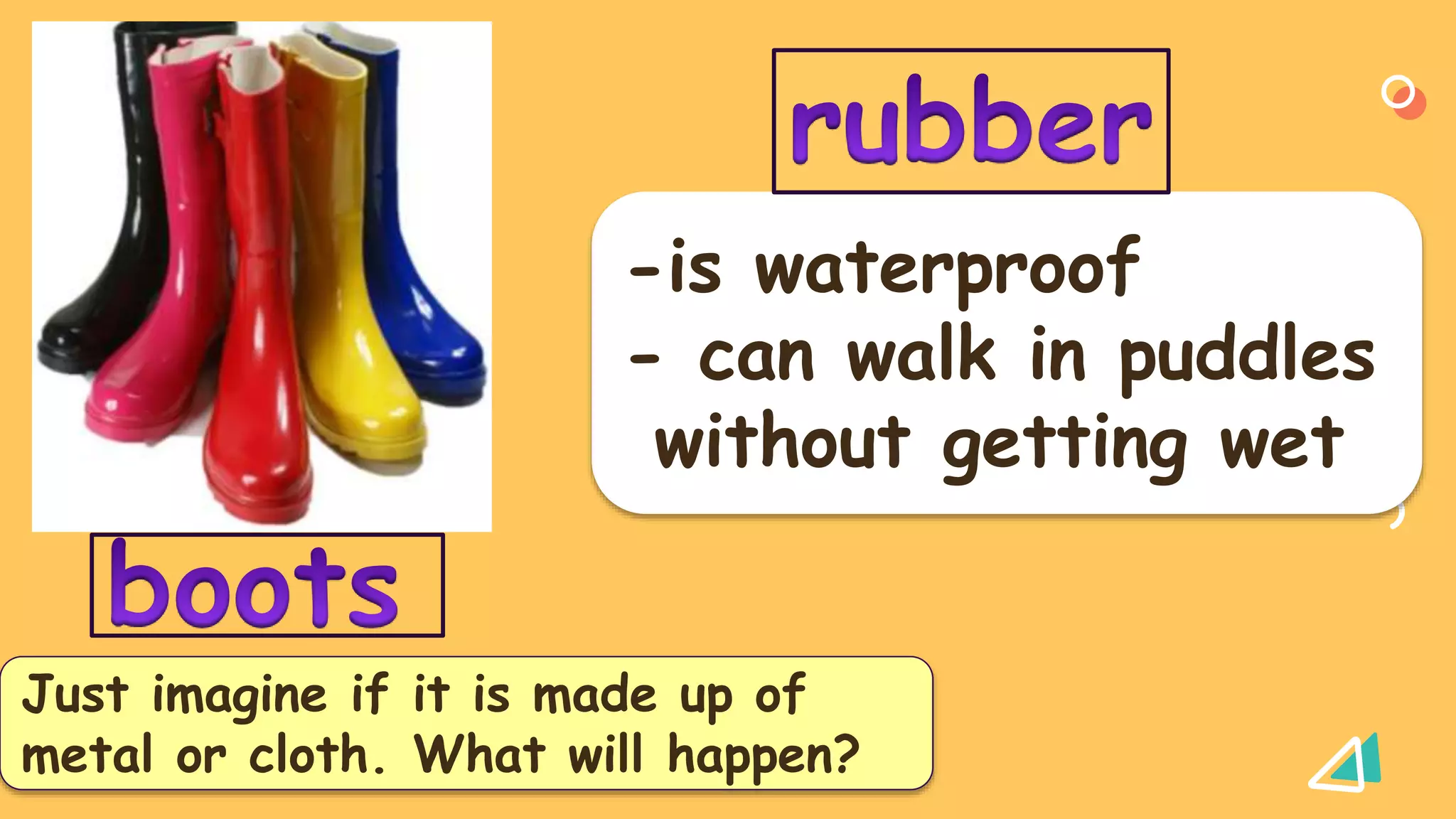
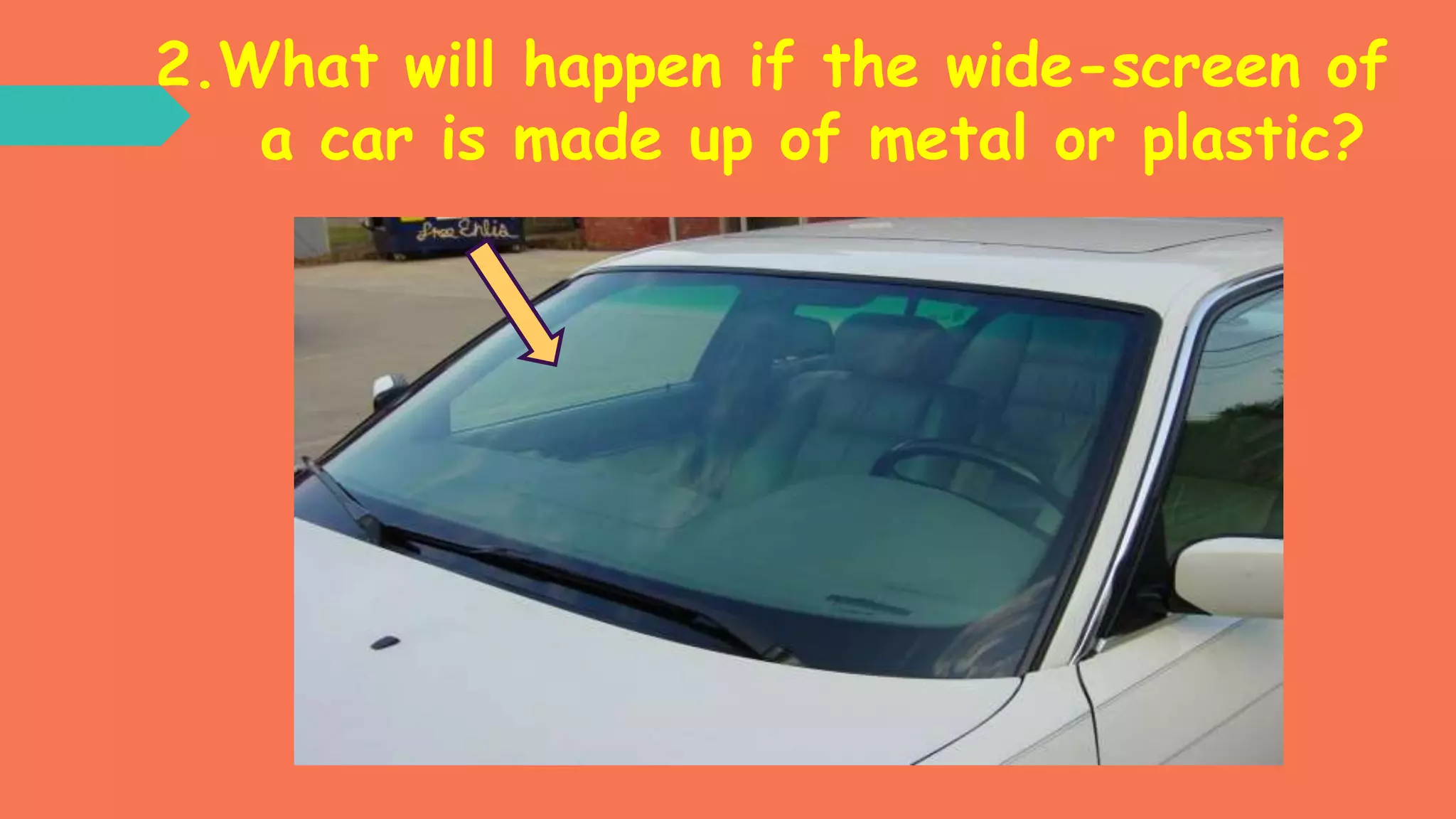
Focuses on waterproof properties of materials and compares the implications of using different materials.
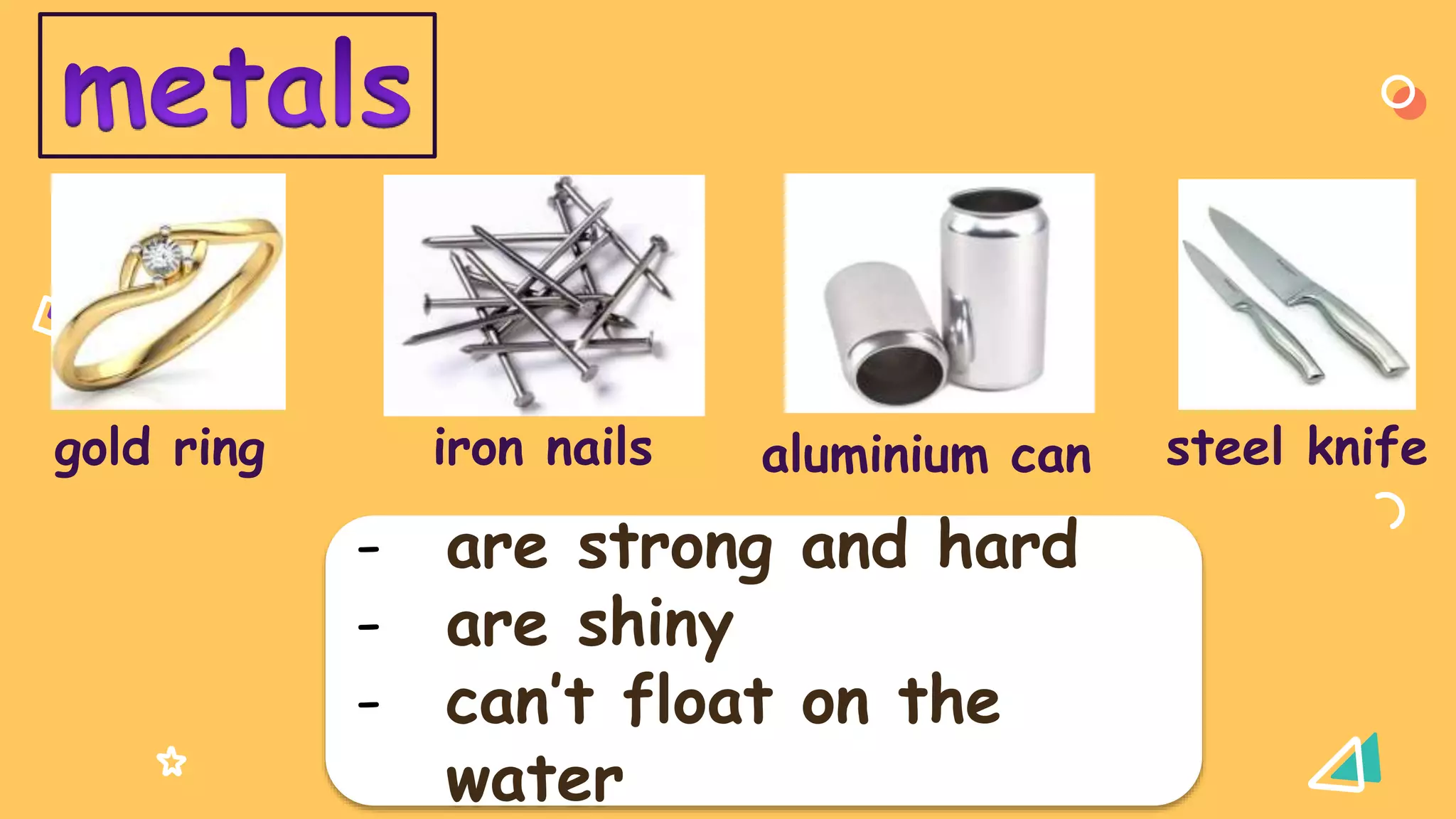
Identifies strong and hard materials such as gold, iron, and aluminum, noting their inability to float.
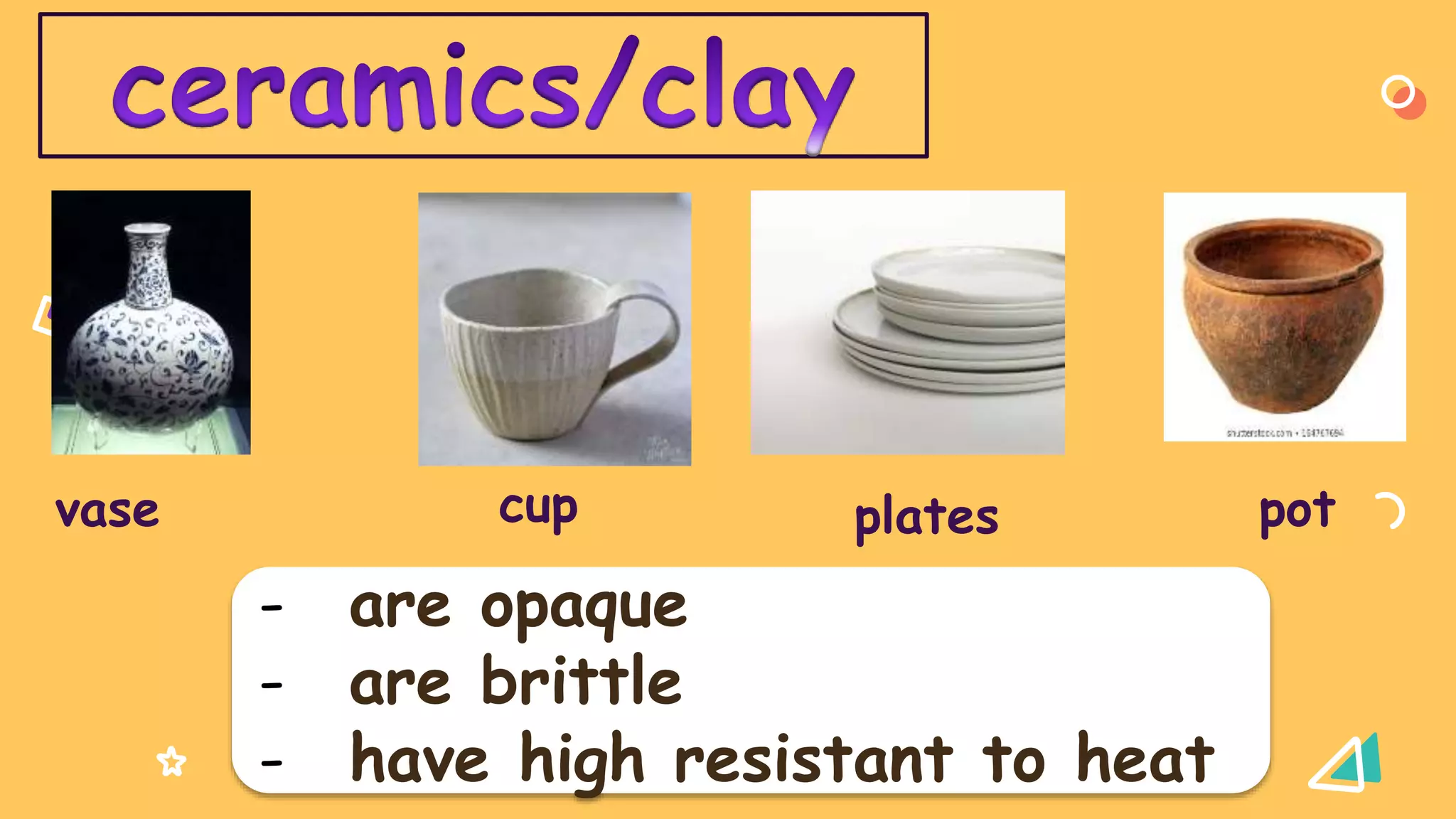
Highlights opaque materials like vases and pots, detailing attributes like brittleness and heat resistance.
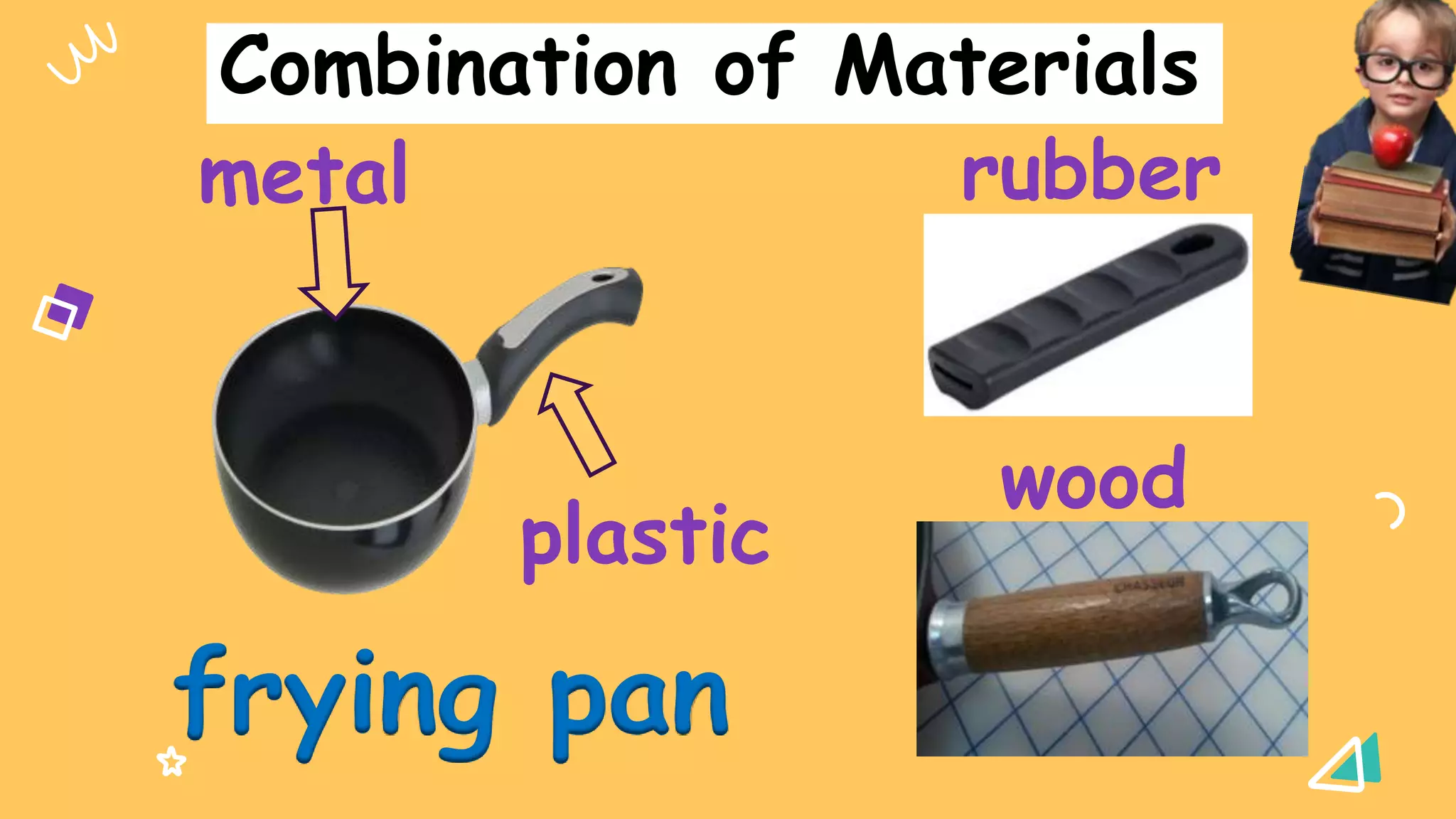
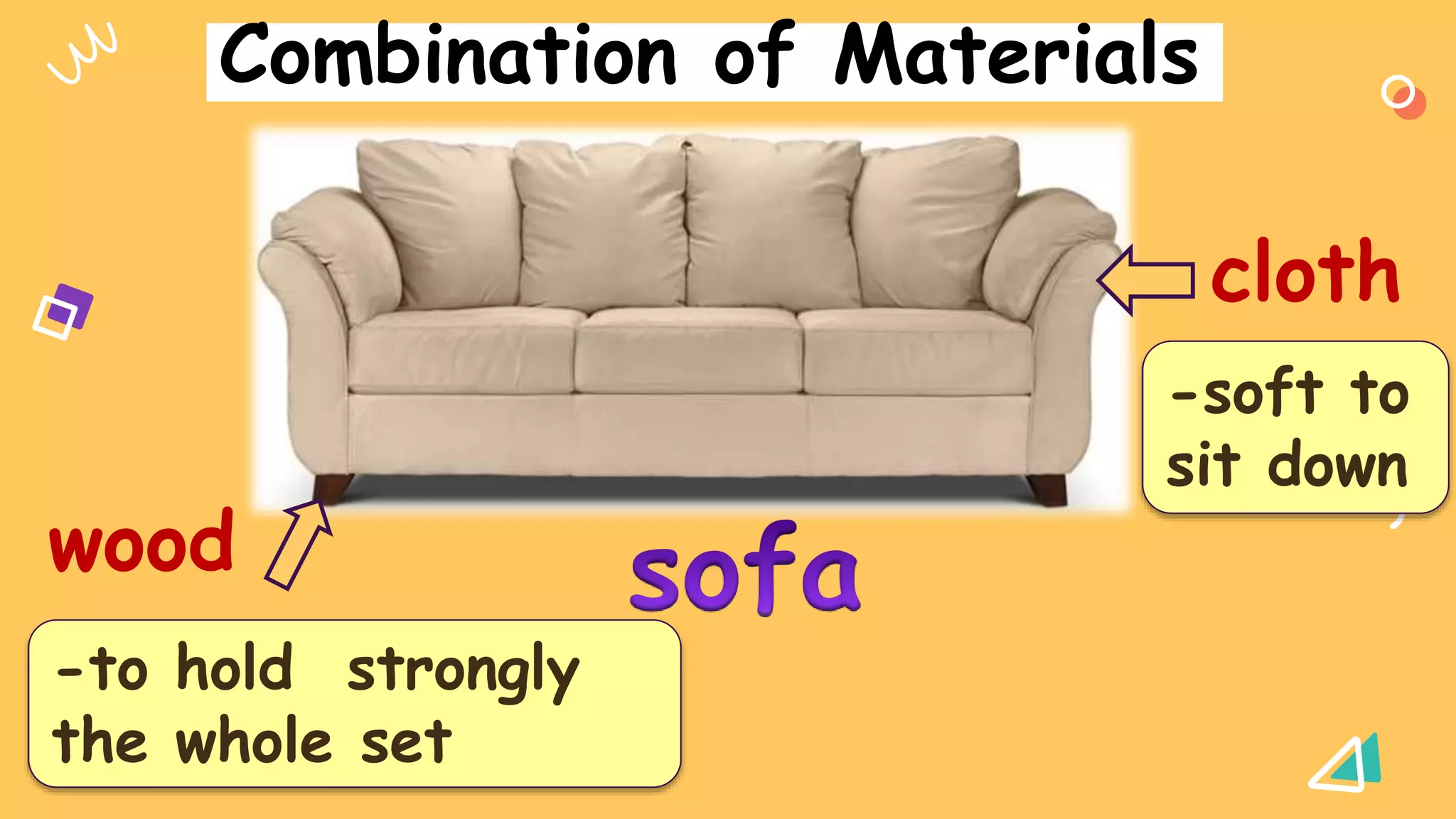
Explains combinations of materials used in everyday items, demonstrating practical applications.
Describes the balance of soft and strong features in combined materials, with specific examples.
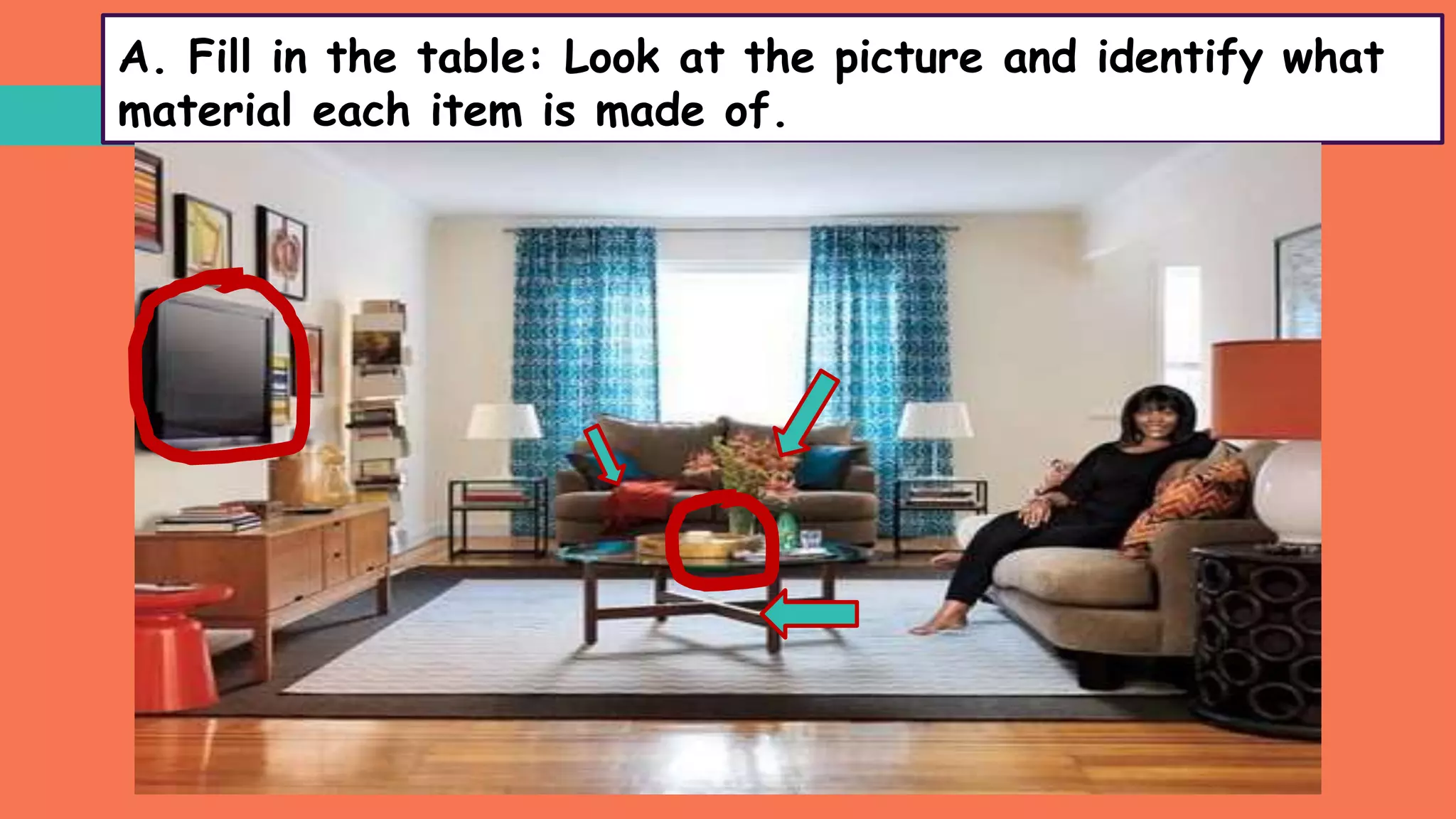
Engages audience in identifying materials and their properties based on provided pictures.
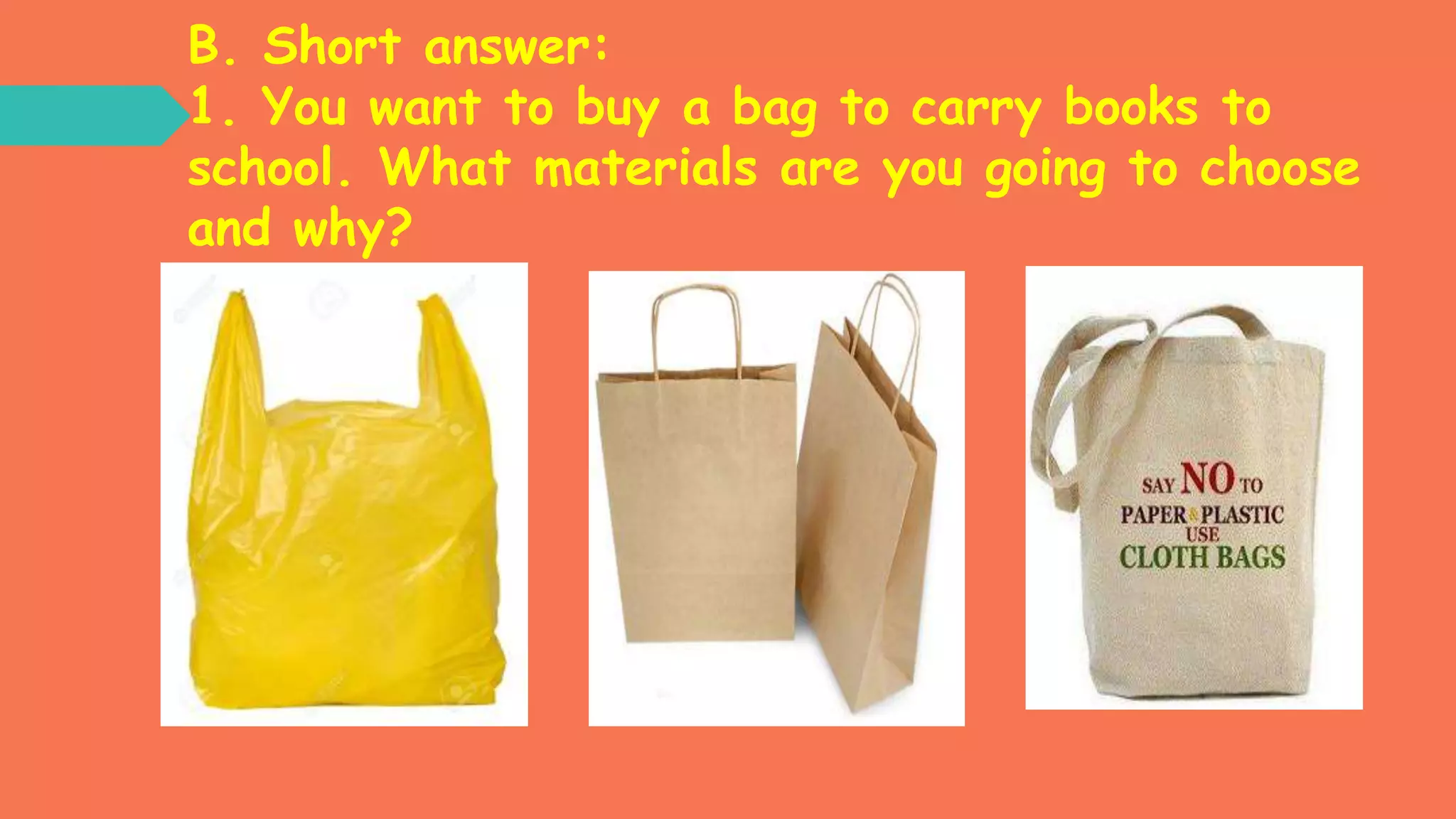
Asks participants to consider material choices for a school bag based on property requirements.
Encourages participants to think about practical consequences of using different materials in everyday items.
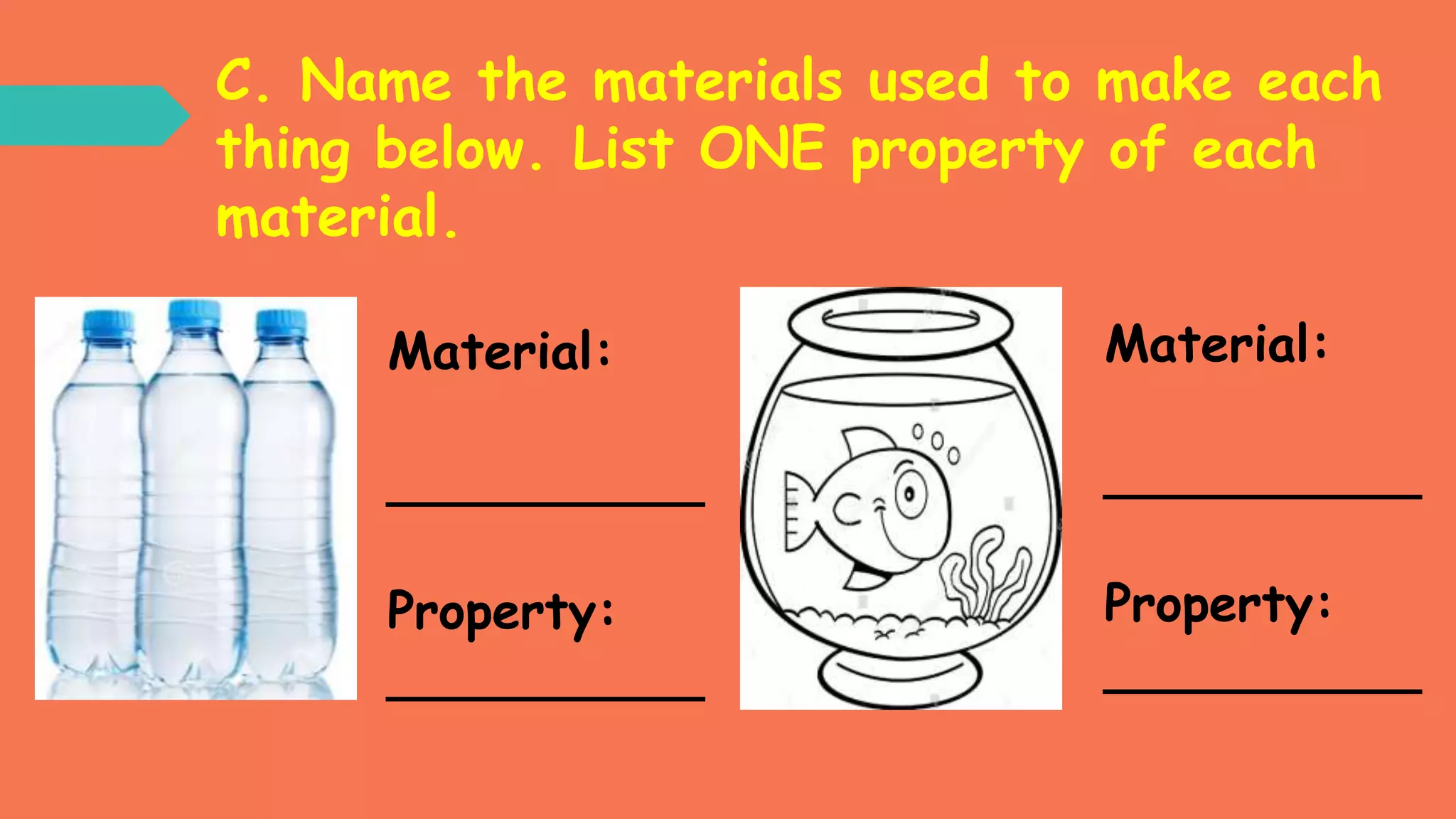
Involves attendees in naming materials and identifying one key property of each listed item.
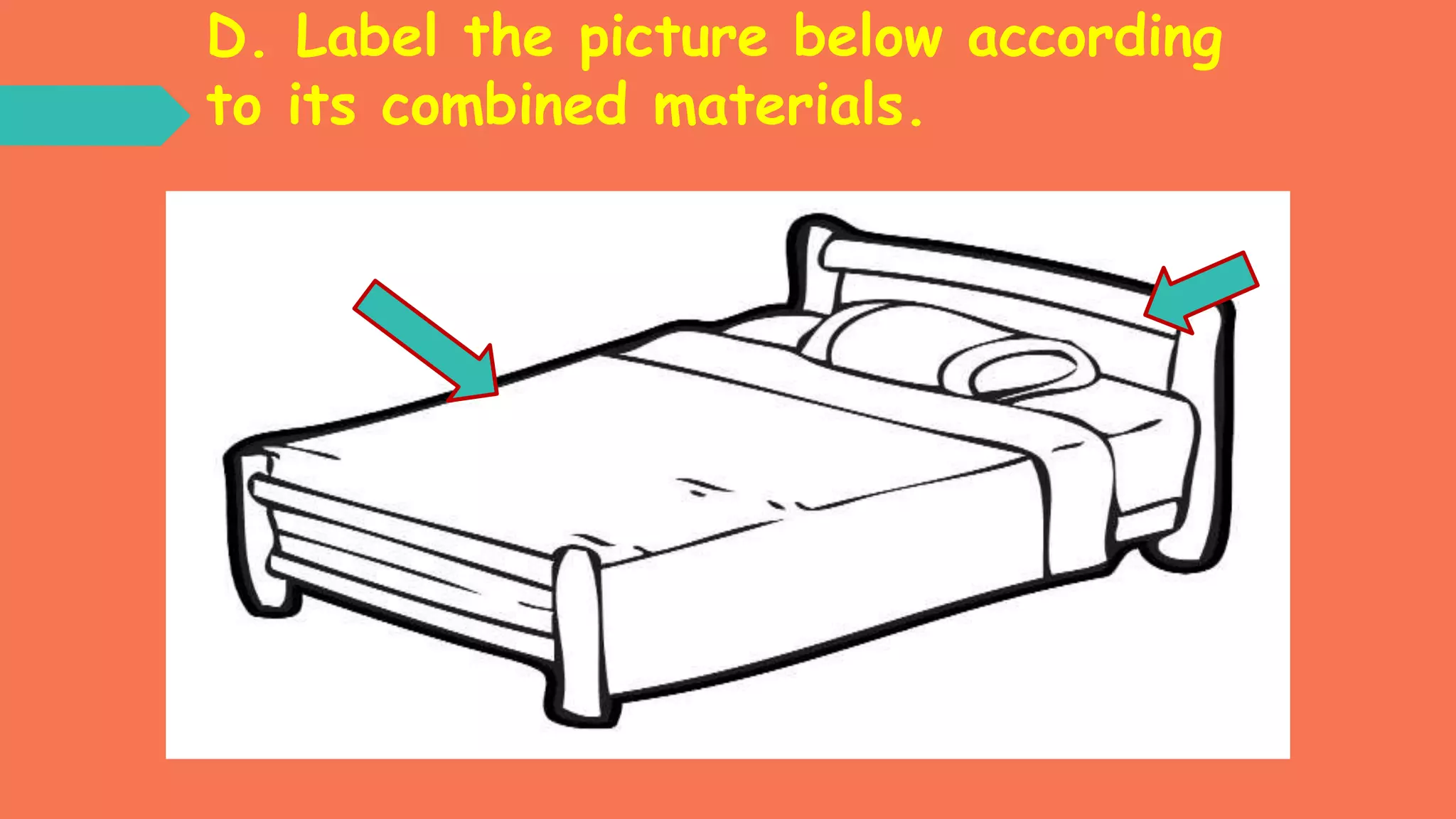
Instructs participants to label a picture by identifying and classifying composed materials.


