Download to read offline

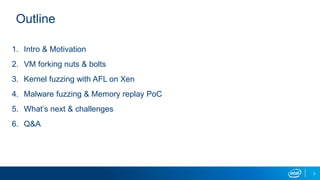
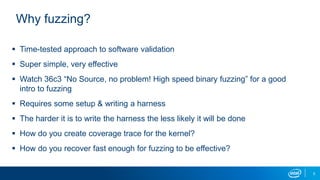
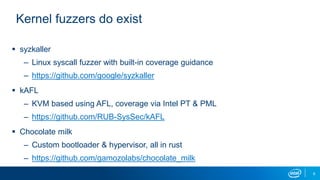
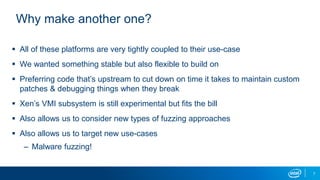
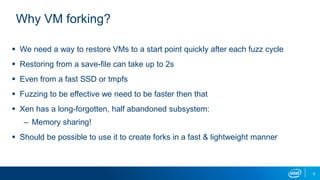
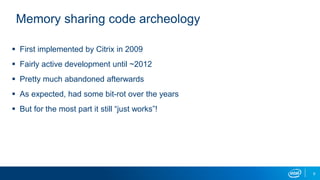
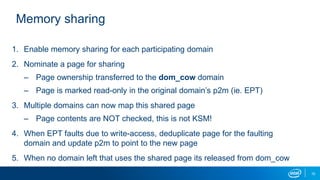
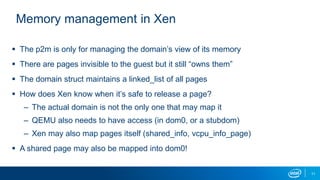
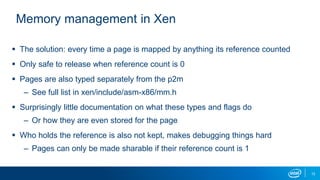
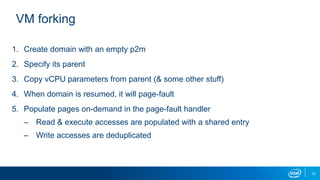
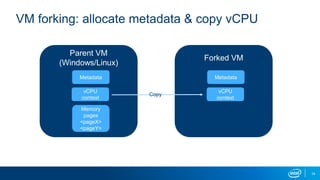
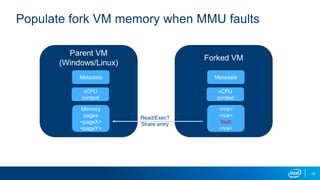
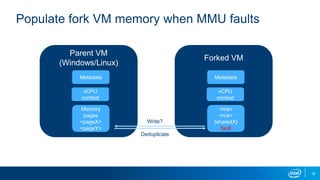
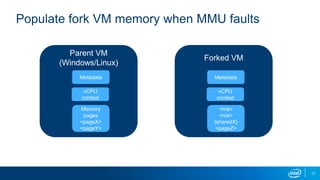
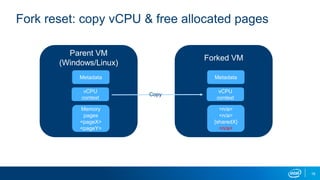
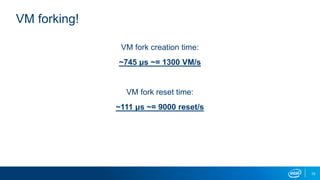
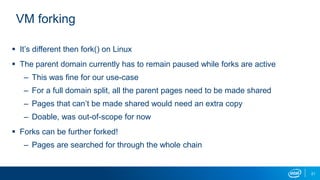
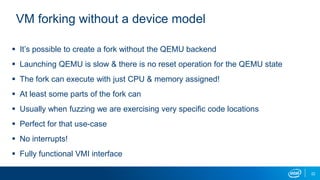
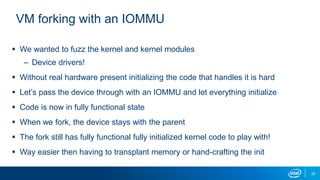
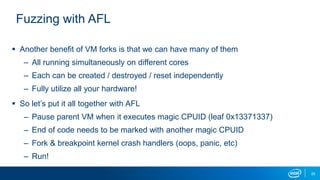
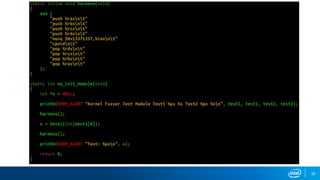
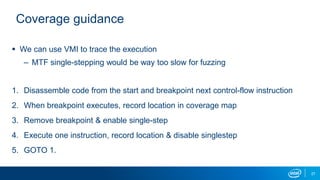
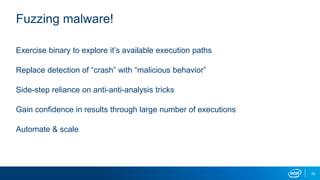
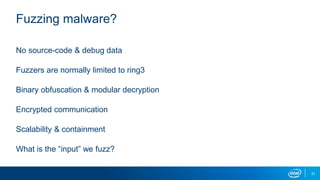
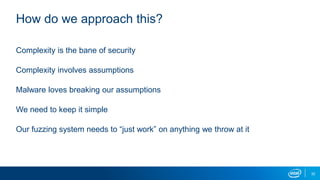
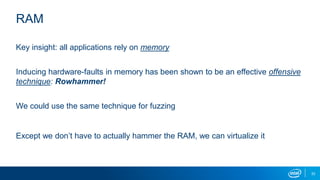
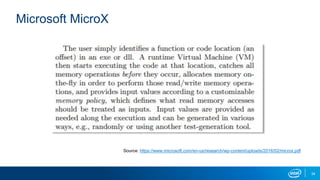
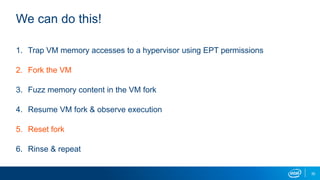
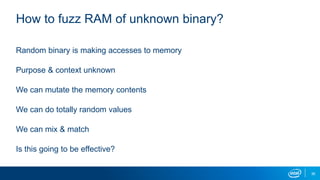
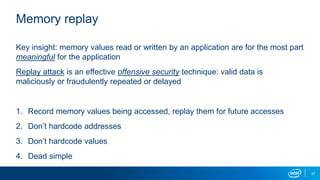

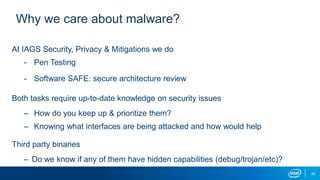
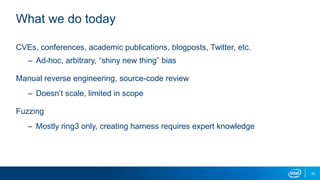
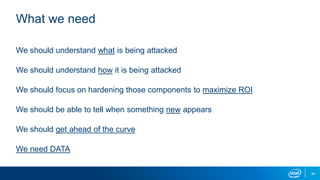
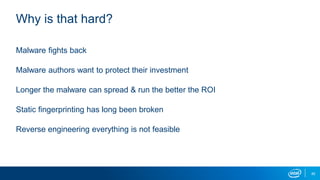
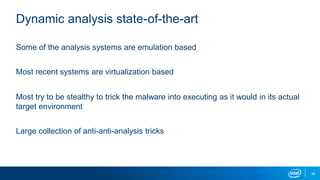
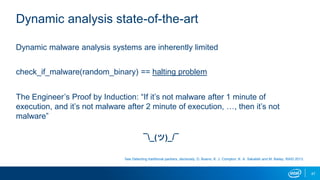
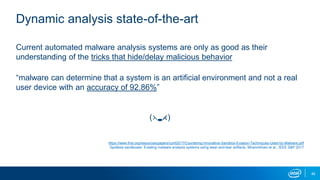
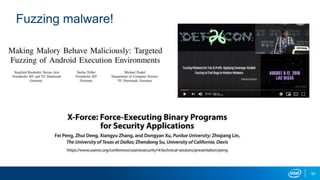
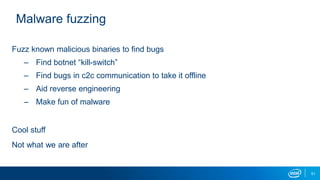
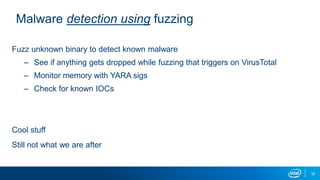
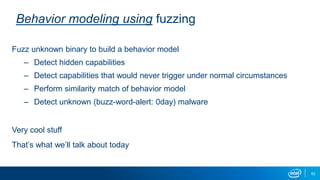
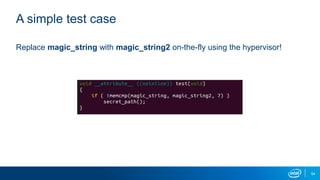
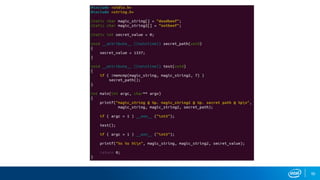
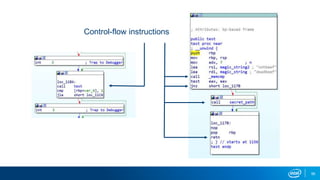
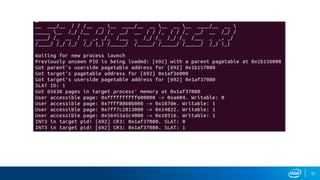
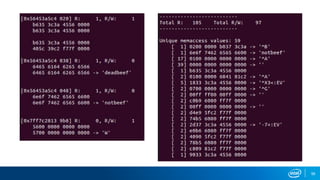
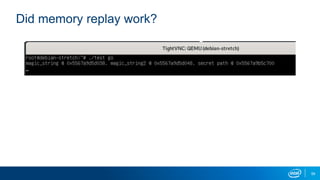
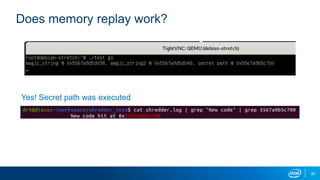
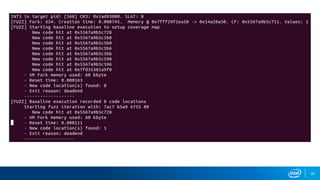
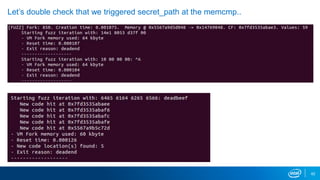
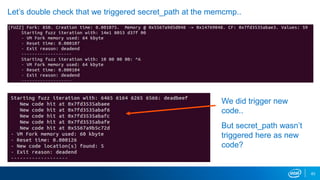
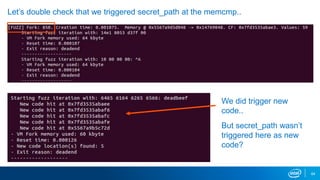
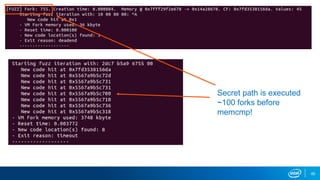
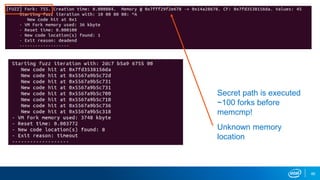
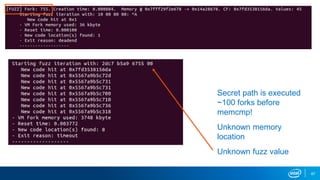
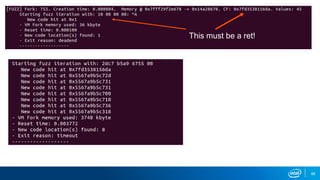
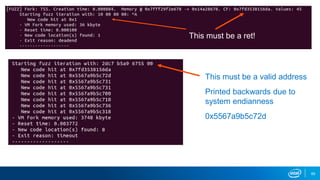
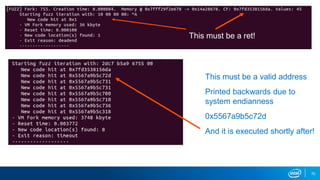
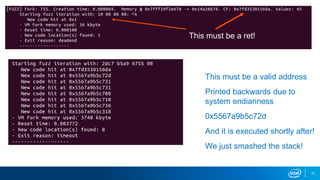
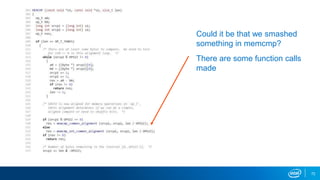
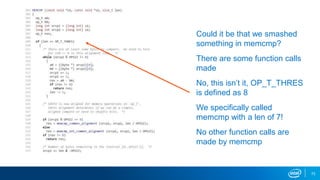
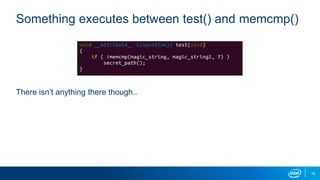
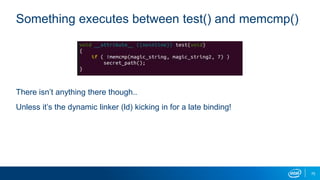
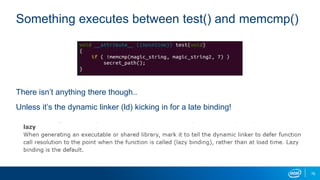
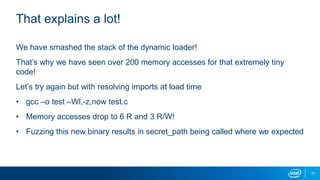
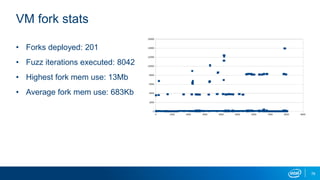
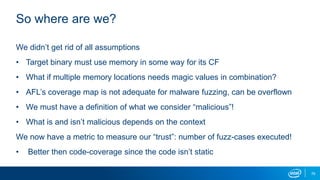
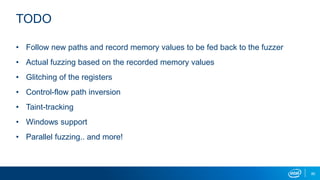
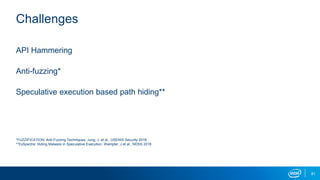

This document outlines a presentation on using virtual machine forking and memory replay techniques for malware fuzzing and behavior modeling. Key points include: - VM forking allows quickly resetting VMs for fuzzing by sharing and duplicating memory pages between forks. This enables high throughput fuzzing. - Memory replay replays recorded memory values accessed by an application to induce faults, as an alternative to random fuzzing which may not be effective. - These techniques were implemented in proof-of-concept tools to demonstrate fuzzing unknown binaries and building behavior models without assumptions about malware tricks or payloads. - The goal is to dynamically analyze malware without limitations of traditional analysis systems and gain insights into prevalent attack


![[Hackito2012] Hardware backdooring is practical](https://cdn.slidesharecdn.com/ss_thumbnails/slides-120502051125-phpapp02-thumbnail.jpg?width=640&height=640&fit=bounds)


![[Defcon] Hardware backdooring is practical](https://cdn.slidesharecdn.com/ss_thumbnails/slidesdefcon2012brossard-120729030359-phpapp01-thumbnail.jpg?width=640&height=640&fit=bounds)
![[Ruxcon 2011] Post Memory Corruption Memory Analysis](https://cdn.slidesharecdn.com/ss_thumbnails/ruxcon-111127233040-phpapp02-thumbnail.jpg?width=640&height=640&fit=bounds)


![he-dieu-hanh_david-mazieres_l18-virtual-machines - [cuuduongthancong.com].pdf](https://cdn.slidesharecdn.com/ss_thumbnails/he-dieu-hanhdavid-mazieresl18-virtual-machines-cuuduongthancong-230504152824-d5e49a1c-thumbnail.jpg?width=640&height=640&fit=bounds)


