TRAUMA AND TRIAGE
SURG LT CDR K S PATEL
Defination
• A BODY WOUND OR SHOCK PRODUCED BY A SUDDEN
PHYSICAL INJURY AS FROM VIOLENCE OR ACCIDENT ,
A DEEPLY DISTRESSING OR UPSETTING EXPERIENCE
THAT PRODUCES PSYCHOLOGICAL OR BEHAVIOURAL
INJURY IS TERMED AS TRAUMA.
Trauma -Types
Two basic types:
 Serious and life-threatening injury
 Significant trauma requiring treatment but not
immediately life threatening.
( While it is acknowledged that the two can and often
do overlap.)
Mechanism of Trauma
. Blunt Trauma – Direct or indirect blunt injury can occur. Seat belt
reduces the blunt injury in vehicles.
• Penetrating injury – severity depends on the extent of deeper
injury.
• Blast injury.
• Crush injury – earthquake, industrial accidents, and train
accidents –
causes crush syndrome, compartment syndrome.
• Burn injury.
Trauma-terminology
* Multiple casualties - Here, the number and severity of injuries
do not exceed the ability of the facility to render care.
Priority is given to the life-threatening injuries followed by those with
polytrauma.
* Mass casualties - The number and severity of the injuries
exceed the capability and facilities available to the staff.
In this situation, those with the greatest chance of survival and the least
expenditure of time, equipment and supplies are prioritized.
ATLS
• The Advanced Trauma Life Support (ATLS) system was
therefore created initially in the USA and rapidly
taken up globally.
• At present, over 40 countries worldwide are actively
providing the ATLS course to their physicians.
Trauma -Analysis
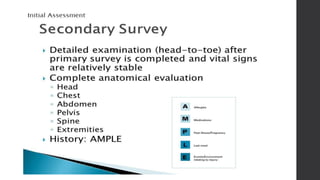
• Initial assessment
• Primary survey
• Secondary survey
• Re-evaluation
Triage -Defination
Definition
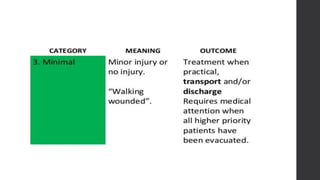
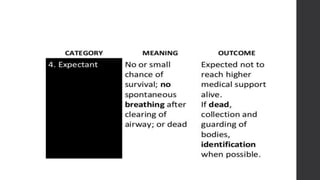
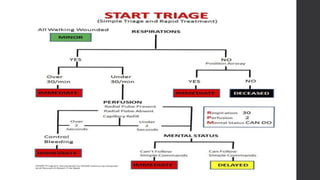
A Process of prioritizing patients based on the severity of
their condition.
OR
A process of priority of emergency care of simultaneous
multiple patients in function of rear available care resources.
Origin
Term comes from the French verb ‘trier’,Means to separate
/sort / shift or select.
Triage -Phase
Triage is an important concept in modern health-care
systems & three essential phases have developed:
1.At the scene of trauma
2.Pre-hospital triage – in order to dispatch
3.On arrival at the receiving hospital
Primary survey
• AIRWAY
• BRETHING
• CIRCULATION
• DISABILITY
• EXPOSURE
Airway
• If patient talks normally, airway not compromised.
• Hoarse voice or audible breathing, suspicious
• Assess the patient for airway obstruction
• Agitation -- hypoxia
• Cyanosis -- hypoxemia, secondary to inadequate
oxygenation
• Hoarseness -- suspected laryngeal fracture
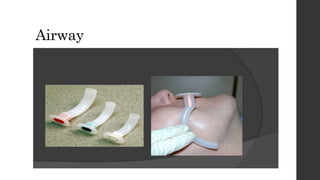
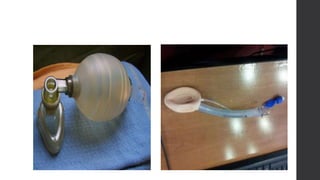
Airway
• If debris ( broken tooth, dentures) is present, remove it by—Finger
sweep technique or
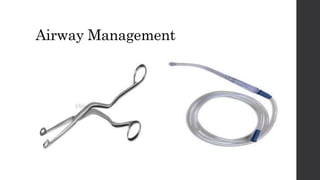
--Yankauer suction or
-- Magill’s forceps (for large object)
• If ---no foreign body is visible, airway tubes may be used to secure the
established airway
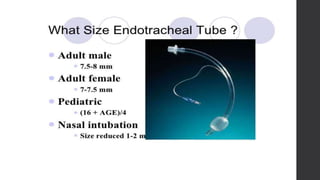
• --- If the foreign body cannot be removed quickly or the vocal cords
cannot be adequately visualized or endotracheal intubation is not
possible, then
• cricothyroidotomy is indicated
Airway Management
Airway
Established maintenance of airway through either of the two
---Head tilt-chin lift
---Jaw thrust
JAW THRUST
• Rescuer fingers are placed behind the posterior border of
the ramus of the mandible, displace the mandible forward
• Retract the lower lip with the thump
Airway
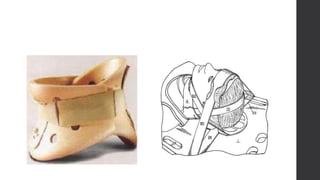
Cervical spine injury
• In patient sustaining significant blunt injury, should be
assume to have cervical spine injury, until prove otherwise
• such pt. should have cervical spine immobilized with semi
rigid cervical collar and bilateral sand bags or
• block joined with tapes or straps across the Forehead
Breathing
Conditions that acutely compromised breathing are--
• Tension pneumothorax
• Massive hemothorax
• Flail thorax accompanied by pulmonary contusion
• open pneumothorax compromise breathing
• Such condition can be diagnosed with physical examination
& should be treated immediately
• It can be treated with endotracheal intubation, mechanical
ventilation, needle thoracocentesis, or tube thoracostomy
Circulation
Circulatory problems in trauma patients are usually caused by
hemorrhage
• First action is to stop bleeding
• For ---
• Intra oral bleeding - bite a cotton swap
• Tongue laceration - deep suture across the laceration
• Bleeding from fracture - manually reducing and wiring of the
fracture fragments
• Soft tissues of head & neck----direct pressure on the bleeding site
Disability
Assessment of the neurological status.
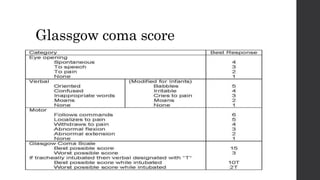
• The Glasgow coma score (GCS)
• worst score is 3 points
• GCS can be caused by a focal brain injury
• Optimal oxygenation and circulation are important to
prevent secondary injury to the brain
• Patients who open their eyes spontaneously, obey
commands, and are normally oriented - score is maximum
(15)
Glassgow coma score
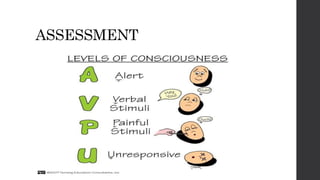
ASSESSMENT
• Rapid neurolog
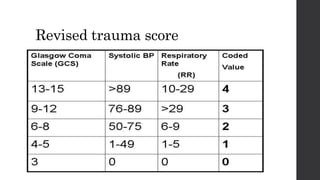
Revised trauma score
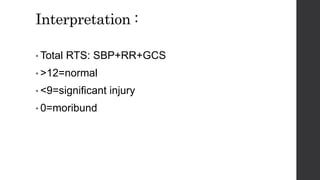
Interpretation :
• Total RTS: SBP+RR+GCS
• >12=normal
• <9=significant injury
• 0=moribund
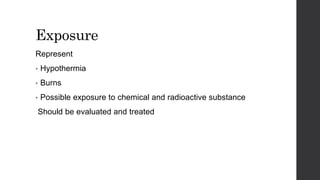
Exposure
Represent
• Hypothermia
• Burns
• Possible exposure to chemical and radioactive substance
Should be evaluated and treated
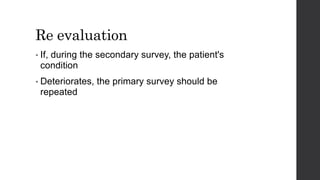
Re evaluation
• If, during the secondary survey, the patient's
condition
• Deteriorates, the primary survey should be
repeated
THANK YOU

Triage

  • 1.
    TRAUMA AND TRIAGE SURGLT CDR K S PATEL
  • 2.
    Defination • A BODYWOUND OR SHOCK PRODUCED BY A SUDDEN PHYSICAL INJURY AS FROM VIOLENCE OR ACCIDENT , A DEEPLY DISTRESSING OR UPSETTING EXPERIENCE THAT PRODUCES PSYCHOLOGICAL OR BEHAVIOURAL INJURY IS TERMED AS TRAUMA.
  • 3.
    Trauma -Types Two basictypes:  Serious and life-threatening injury  Significant trauma requiring treatment but not immediately life threatening. ( While it is acknowledged that the two can and often do overlap.)
  • 4.
    Mechanism of Trauma .Blunt Trauma – Direct or indirect blunt injury can occur. Seat belt reduces the blunt injury in vehicles. • Penetrating injury – severity depends on the extent of deeper injury. • Blast injury. • Crush injury – earthquake, industrial accidents, and train accidents – causes crush syndrome, compartment syndrome. • Burn injury.
  • 5.
    Trauma-terminology * Multiple casualties- Here, the number and severity of injuries do not exceed the ability of the facility to render care. Priority is given to the life-threatening injuries followed by those with polytrauma. * Mass casualties - The number and severity of the injuries exceed the capability and facilities available to the staff. In this situation, those with the greatest chance of survival and the least expenditure of time, equipment and supplies are prioritized.
  • 6.
    ATLS • The AdvancedTrauma Life Support (ATLS) system was therefore created initially in the USA and rapidly taken up globally. • At present, over 40 countries worldwide are actively providing the ATLS course to their physicians.
  • 7.
    Trauma -Analysis • Initialassessment • Primary survey • Secondary survey • Re-evaluation
  • 8.
    Triage -Defination Definition A Processof prioritizing patients based on the severity of their condition. OR A process of priority of emergency care of simultaneous multiple patients in function of rear available care resources. Origin Term comes from the French verb ‘trier’,Means to separate /sort / shift or select.
  • 9.
    Triage -Phase Triage isan important concept in modern health-care systems & three essential phases have developed: 1.At the scene of trauma 2.Pre-hospital triage – in order to dispatch 3.On arrival at the receiving hospital
  • 15.
    Primary survey • AIRWAY •BRETHING • CIRCULATION • DISABILITY • EXPOSURE
  • 16.
    Airway • If patienttalks normally, airway not compromised. • Hoarse voice or audible breathing, suspicious • Assess the patient for airway obstruction • Agitation -- hypoxia • Cyanosis -- hypoxemia, secondary to inadequate oxygenation • Hoarseness -- suspected laryngeal fracture
  • 17.
    Airway • If debris( broken tooth, dentures) is present, remove it by—Finger sweep technique or --Yankauer suction or -- Magill’s forceps (for large object) • If ---no foreign body is visible, airway tubes may be used to secure the established airway • --- If the foreign body cannot be removed quickly or the vocal cords cannot be adequately visualized or endotracheal intubation is not possible, then • cricothyroidotomy is indicated
  • 18.
  • 19.
    Airway Established maintenance ofairway through either of the two ---Head tilt-chin lift ---Jaw thrust JAW THRUST • Rescuer fingers are placed behind the posterior border of the ramus of the mandible, displace the mandible forward • Retract the lower lip with the thump
  • 20.
  • 23.
    Cervical spine injury •In patient sustaining significant blunt injury, should be assume to have cervical spine injury, until prove otherwise • such pt. should have cervical spine immobilized with semi rigid cervical collar and bilateral sand bags or • block joined with tapes or straps across the Forehead
  • 25.
    Breathing Conditions that acutelycompromised breathing are-- • Tension pneumothorax • Massive hemothorax • Flail thorax accompanied by pulmonary contusion • open pneumothorax compromise breathing • Such condition can be diagnosed with physical examination & should be treated immediately • It can be treated with endotracheal intubation, mechanical ventilation, needle thoracocentesis, or tube thoracostomy
  • 26.
    Circulation Circulatory problems intrauma patients are usually caused by hemorrhage • First action is to stop bleeding • For --- • Intra oral bleeding - bite a cotton swap • Tongue laceration - deep suture across the laceration • Bleeding from fracture - manually reducing and wiring of the fracture fragments • Soft tissues of head & neck----direct pressure on the bleeding site
  • 27.
    Disability Assessment of theneurological status. • The Glasgow coma score (GCS) • worst score is 3 points • GCS can be caused by a focal brain injury • Optimal oxygenation and circulation are important to prevent secondary injury to the brain • Patients who open their eyes spontaneously, obey commands, and are normally oriented - score is maximum (15)
  • 28.
  • 29.
  • 30.
  • 31.
    Interpretation : • TotalRTS: SBP+RR+GCS • >12=normal • <9=significant injury • 0=moribund
  • 32.
    Exposure Represent • Hypothermia • Burns •Possible exposure to chemical and radioactive substance Should be evaluated and treated
  • 34.
    Re evaluation • If,during the secondary survey, the patient's condition • Deteriorates, the primary survey should be repeated
  • 35.