Eryk Korfel | March 2019
Intersection of
Design Thinking and Agile
I’m here to discuss and share
experiences with Design Thinking and Agile
Hi!
I’m Eryk Korfel
eryk@iaccelerated.com
linkedin.com/in/eryk-korfel/
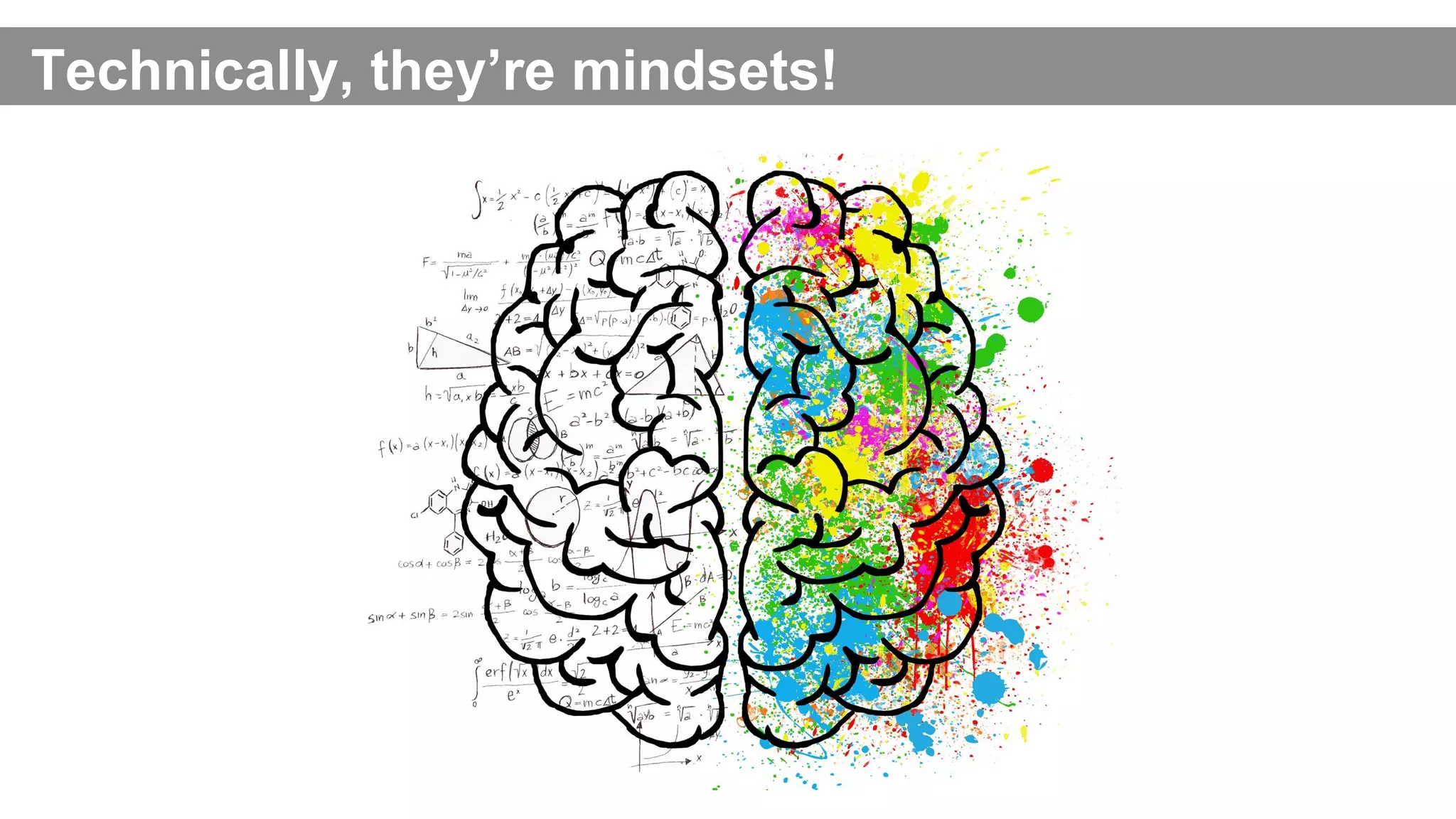
Technically, they’re mindsets!
What is Agile?
What is Agile?
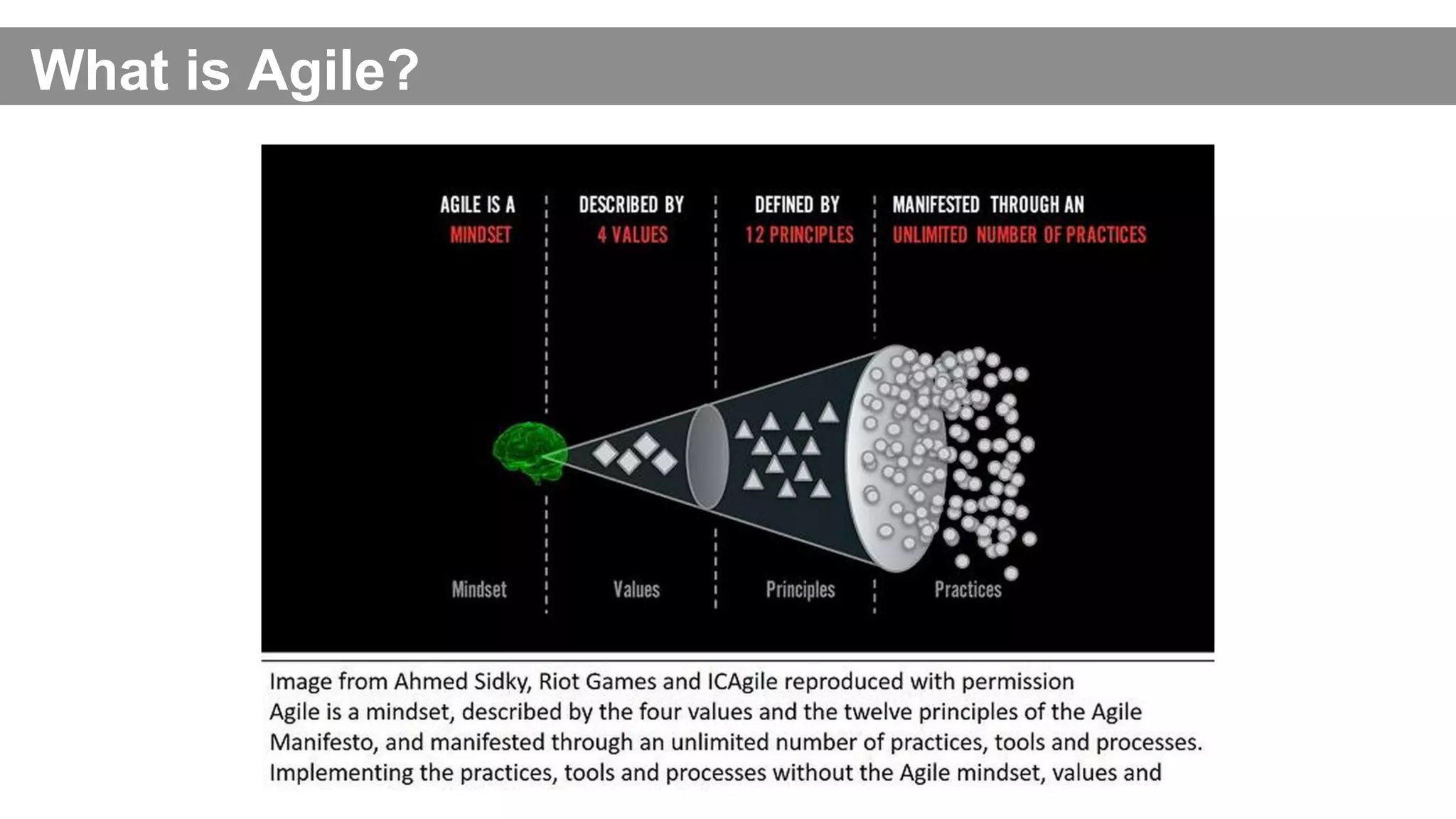
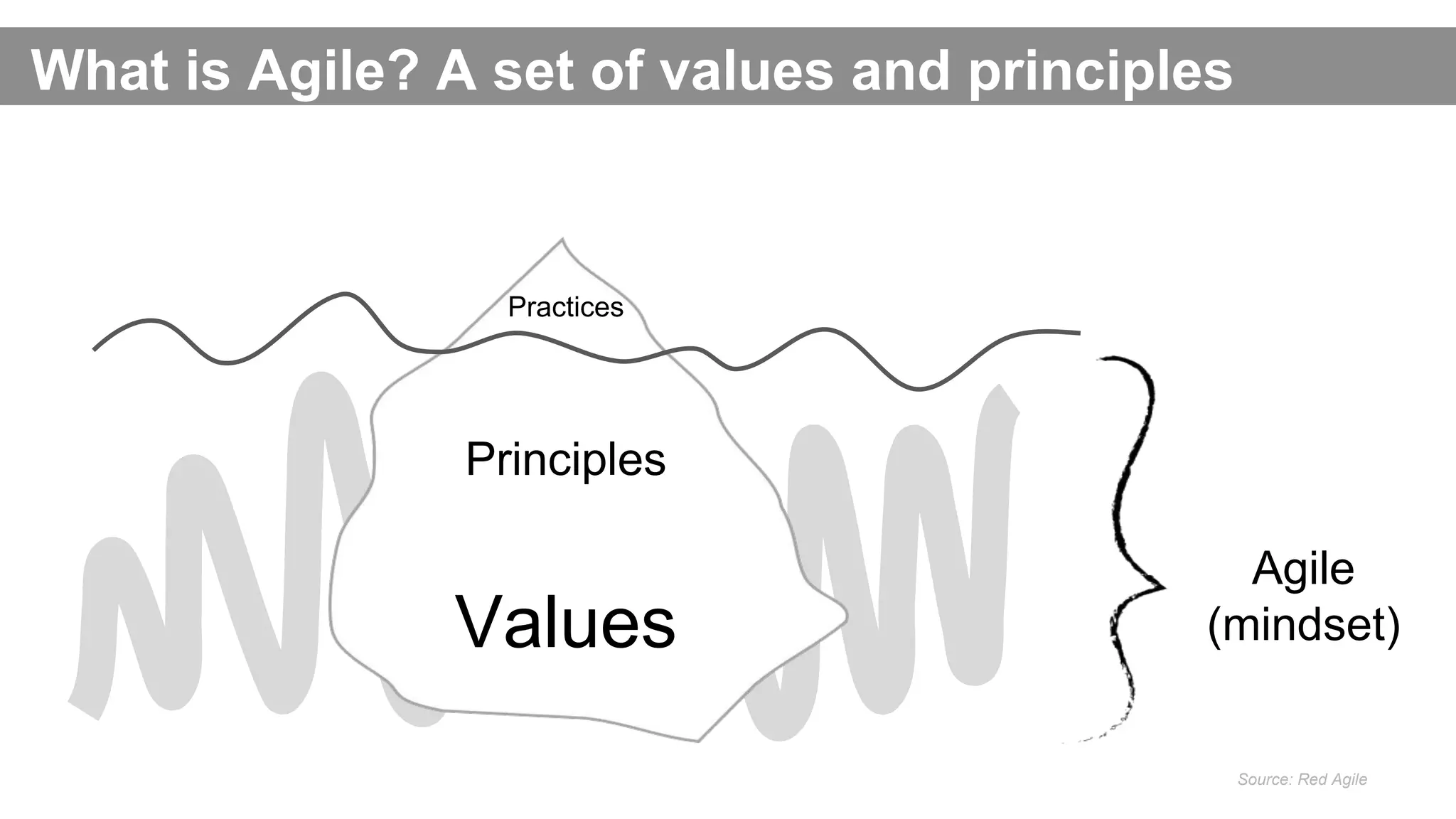
What is Agile? A set of values and principles
Practices
Principles
Values
Agile
(mindset)
Source: Red Agile
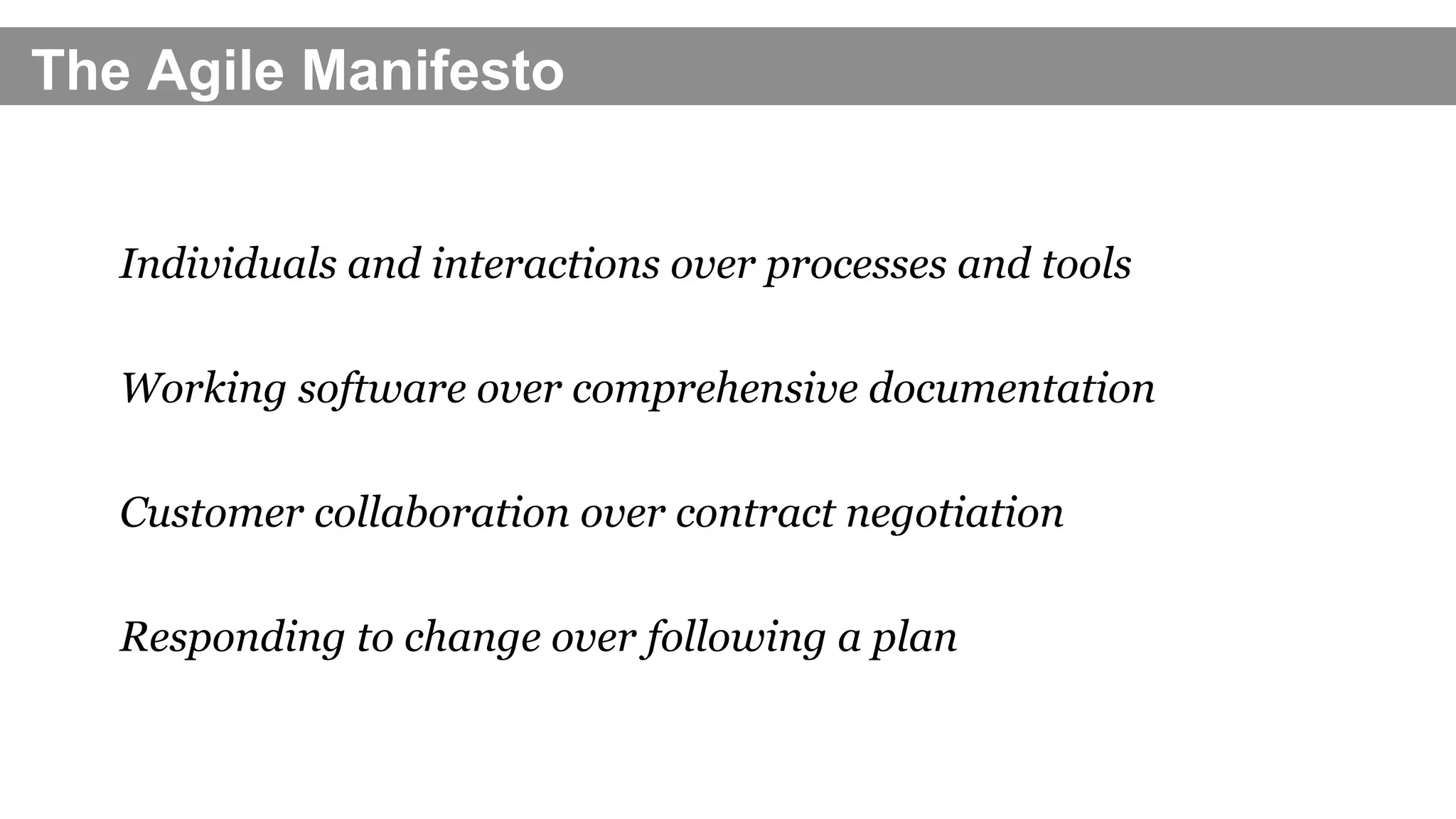
The Agile Manifesto
Individuals and interactions over processes and tools
Working software over comprehensive documentation
Customer collaboration over contract negotiation
Responding to change over following a plan
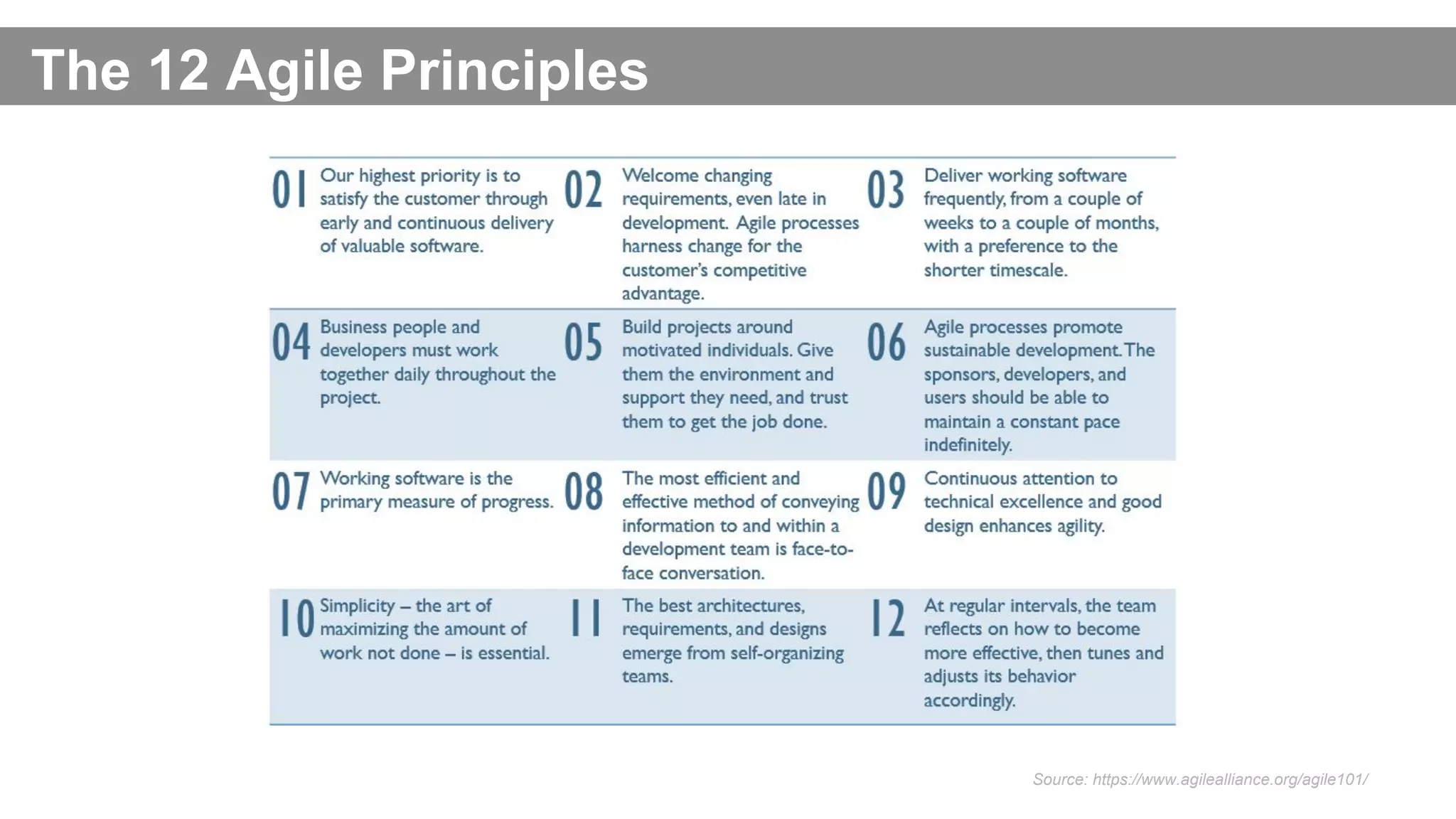
Source: https://www.agilealliance.org/agile101/
The 12 Agile Principles
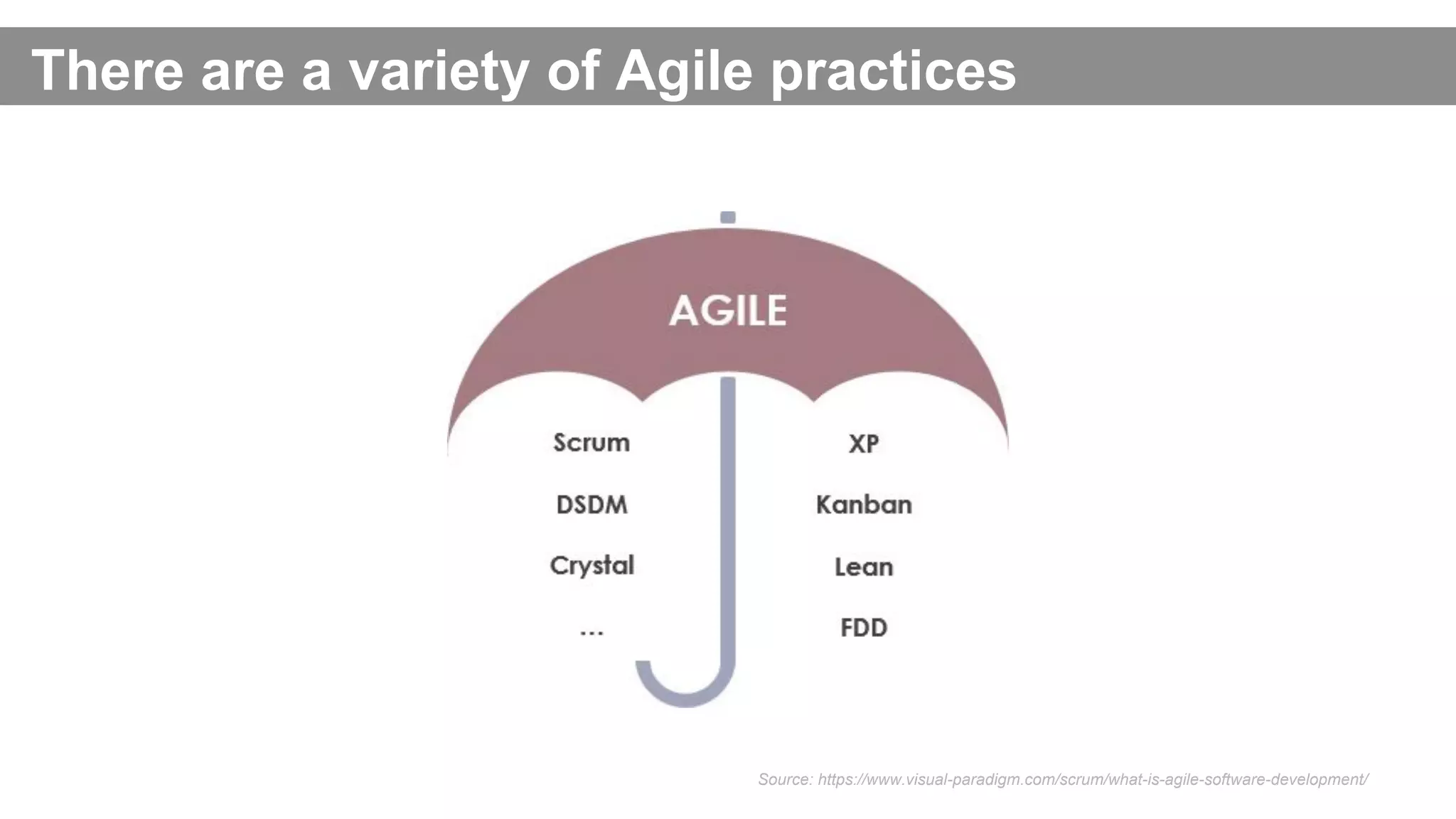
There are a variety of Agile practices
Source: https://www.visual-paradigm.com/scrum/what-is-agile-software-development/
Why is agile so popular?
Quickly push out new features
It’s all about reducing risk
What happens when you do Agile without Design Thinking?
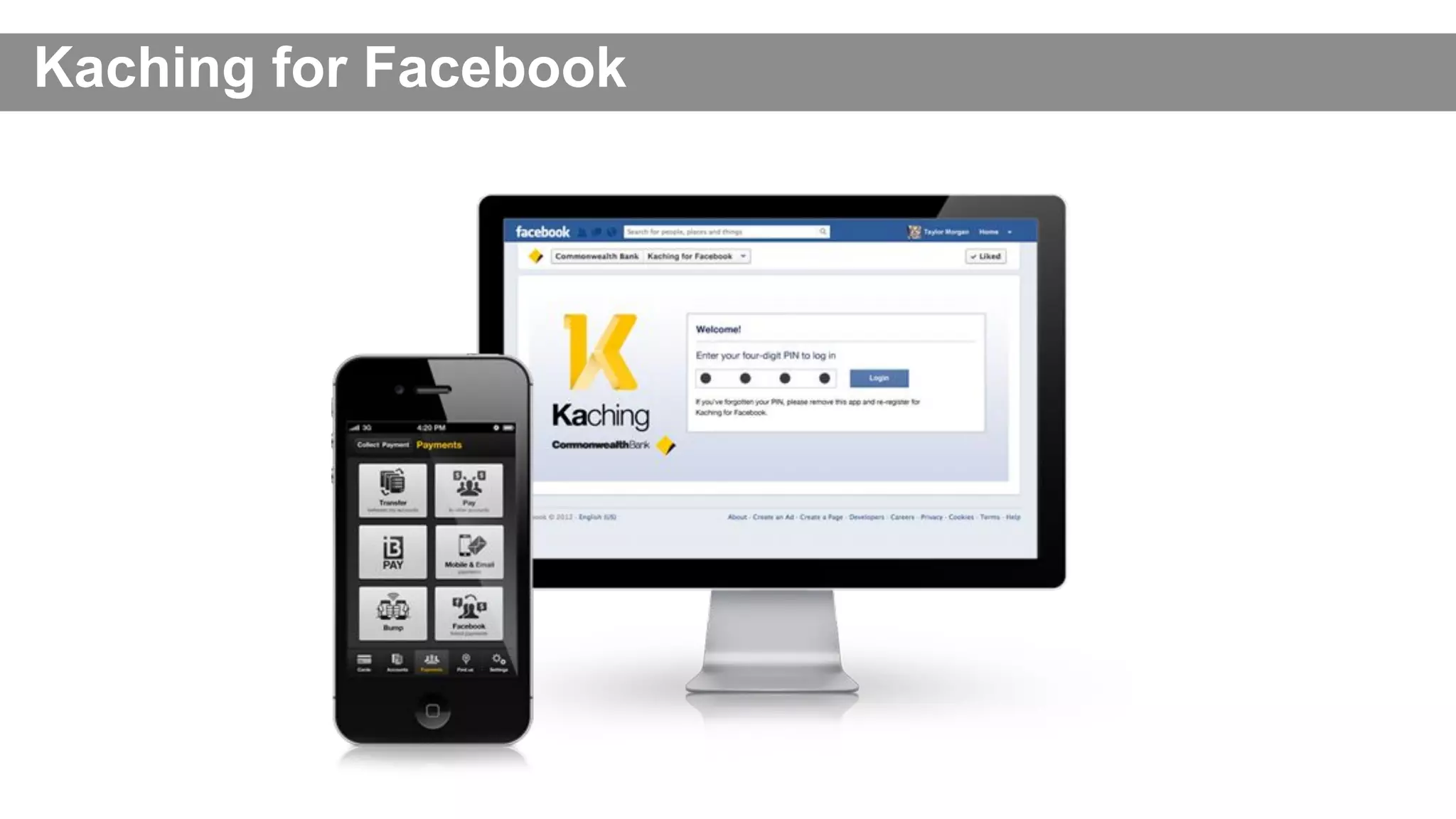
Kaching for Facebook
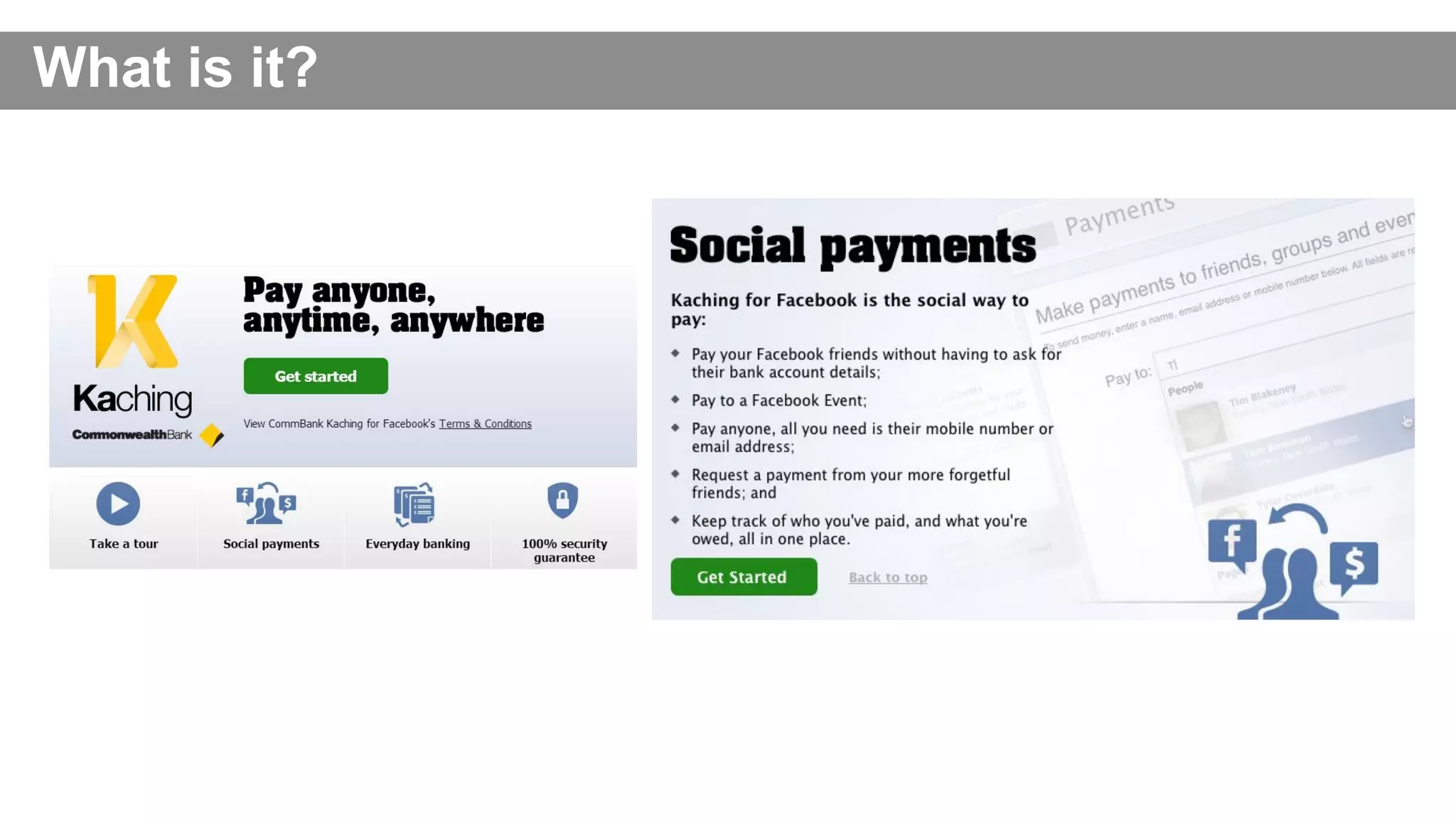
What is it?
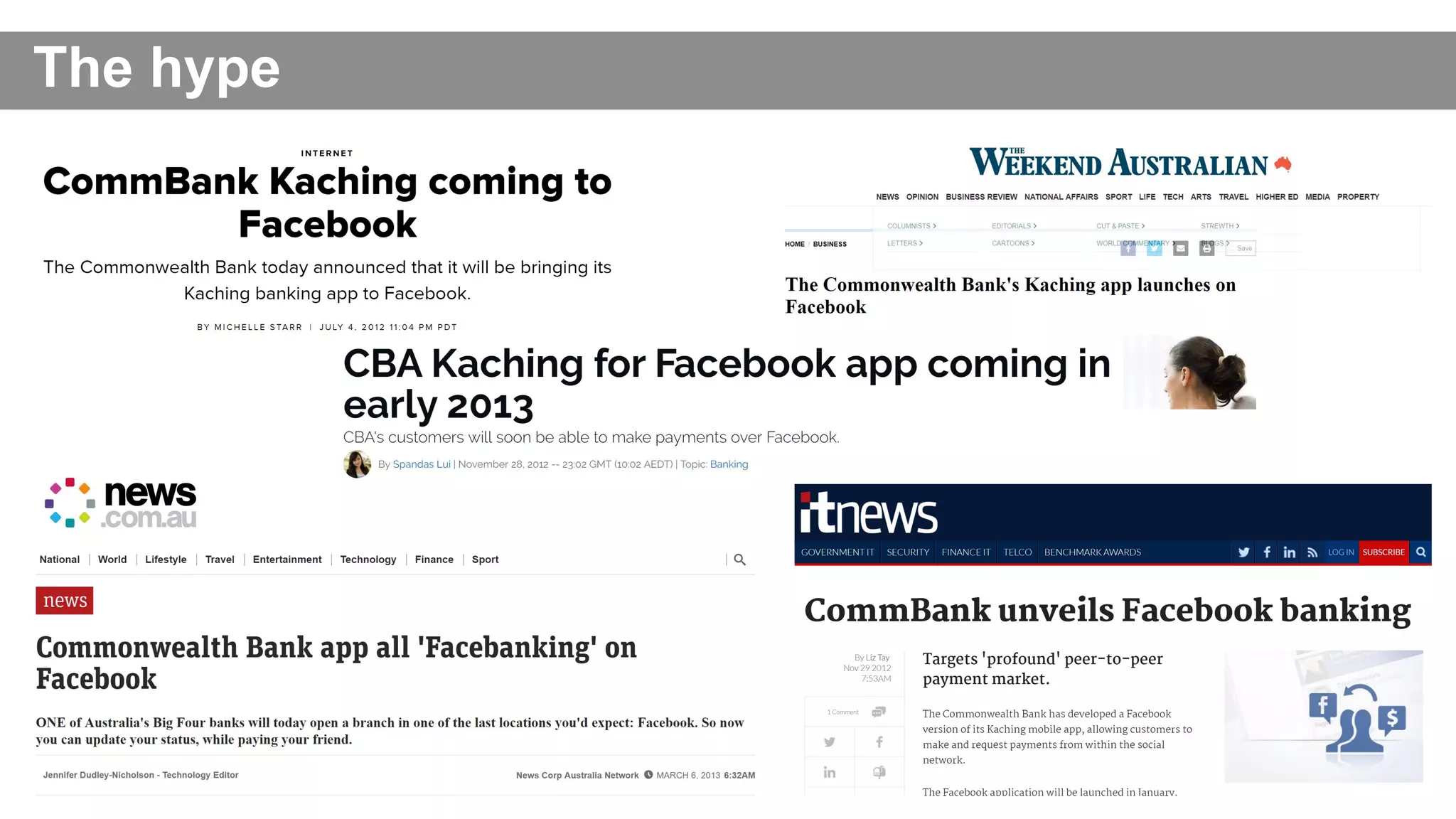
The hype
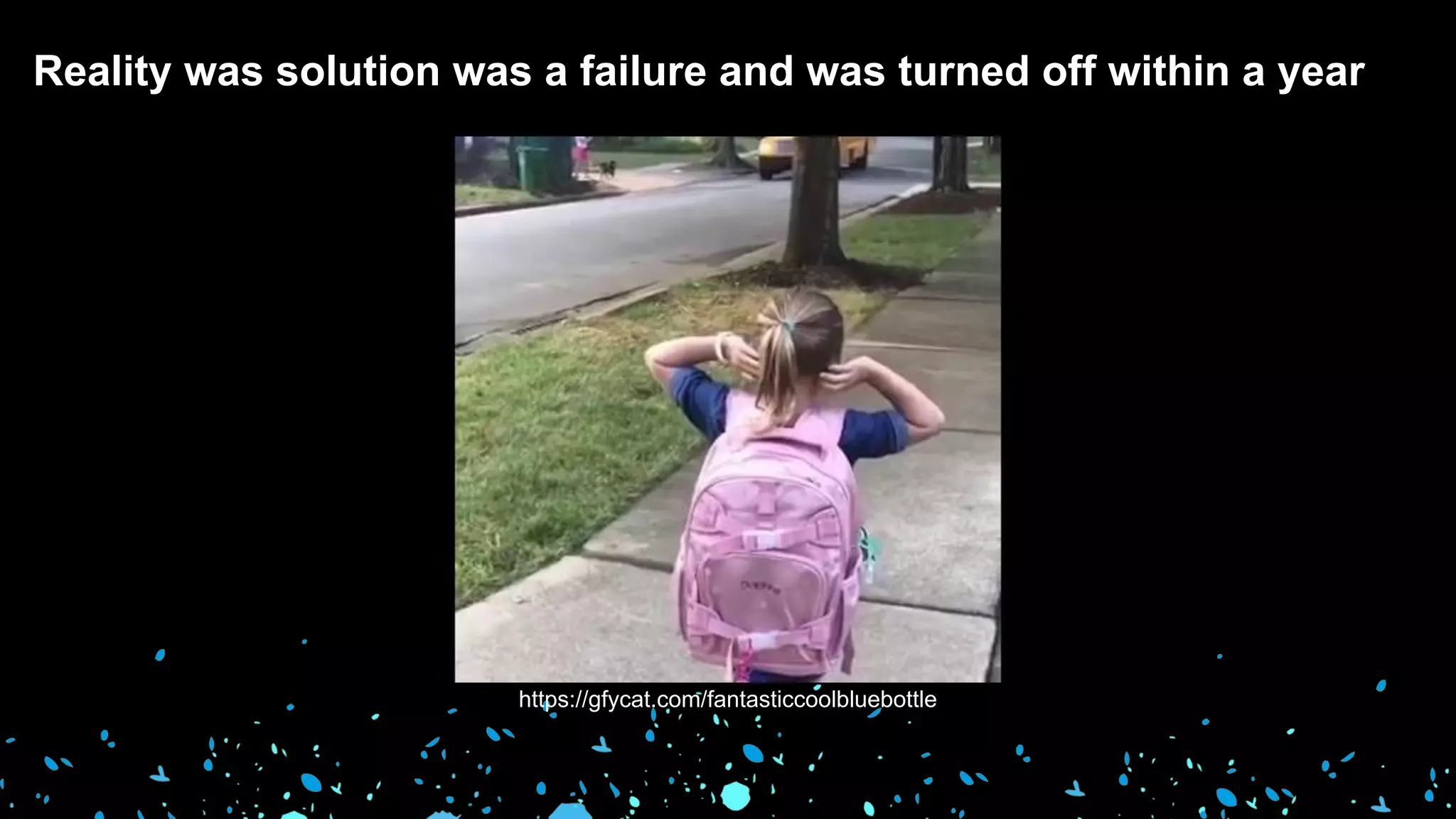
Reality was solution was a failure and was turned off within a year
https://gfycat.com/fantasticcoolbluebottle
What went wrong?
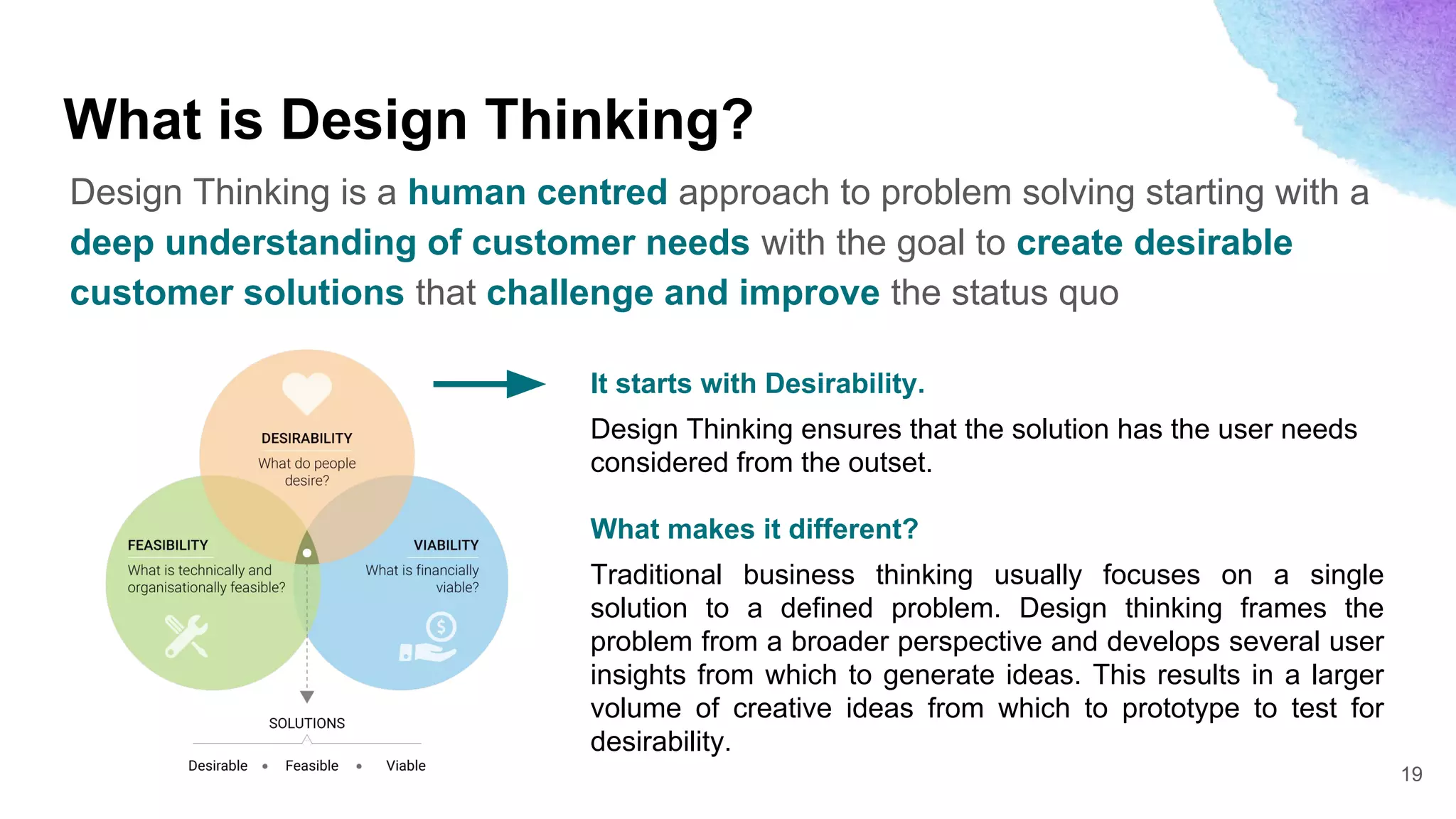
What is Design Thinking?
Design Thinking is a human centred approach to problem solving starting with a
deep understanding of customer needs with the goal to create desirable
customer solutions that challenge and improve the status quo
It starts with Desirability.
Design Thinking ensures that the solution has the user needs
considered from the outset.
What makes it different?
Traditional business thinking usually focuses on a single
solution to a defined problem. Design thinking frames the

problem from a broader perspective and develops several user
insights from which to generate ideas. This results in a larger
volume of creative ideas from which to prototype to test for
desirability.
19
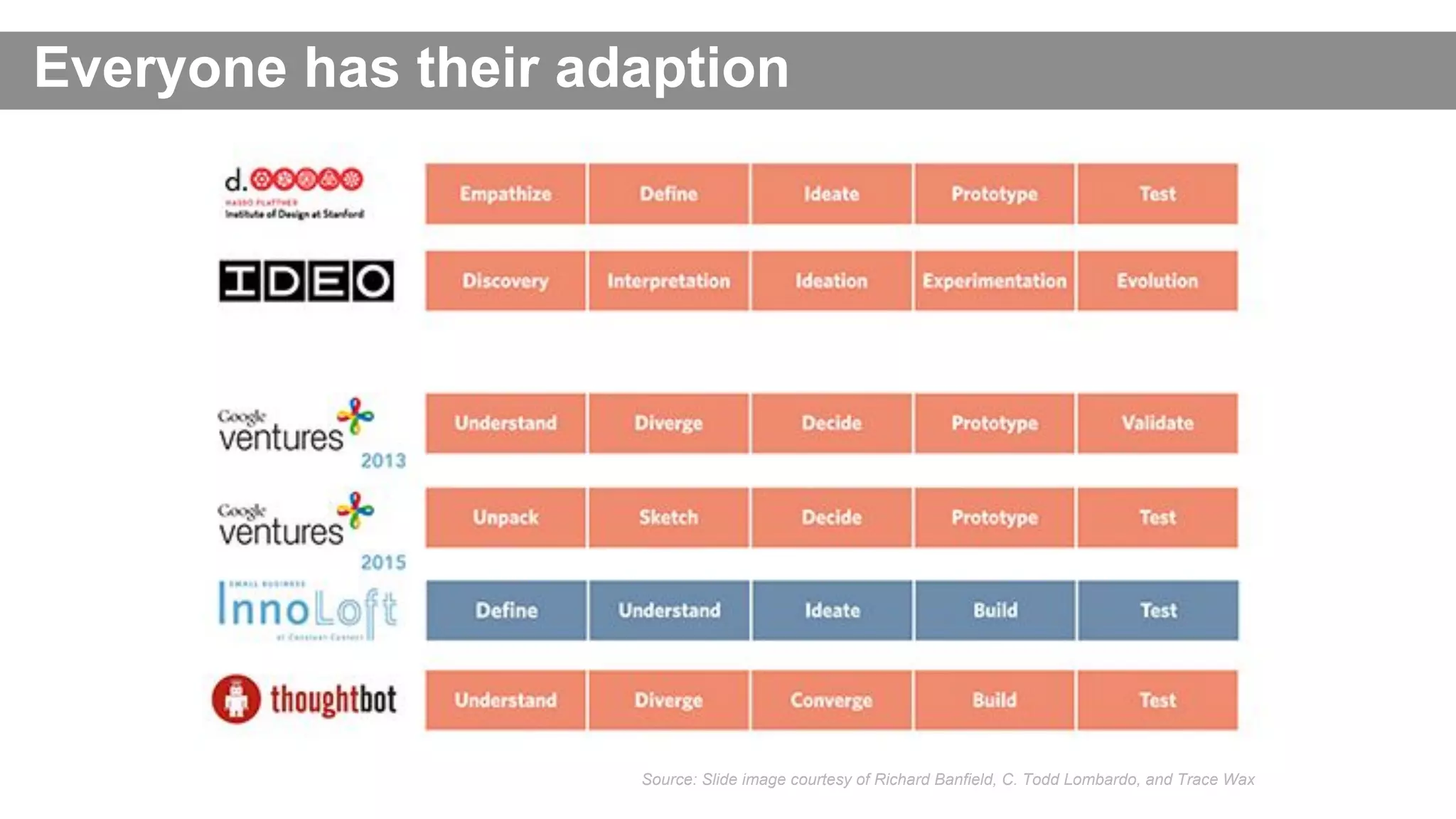
Everyone has their adaption
Source: Slide image courtesy of Richard Banfield, C. Todd Lombardo, and Trace Wax
How could have Design Thinking helped?
5 tips to integrate Design Thinking with Agile
The Agile Manifesto
Individuals and interactions over processes and tools
Working software over comprehensive documentation
Customer collaboration over contract negotiation
Responding to change over following a plan
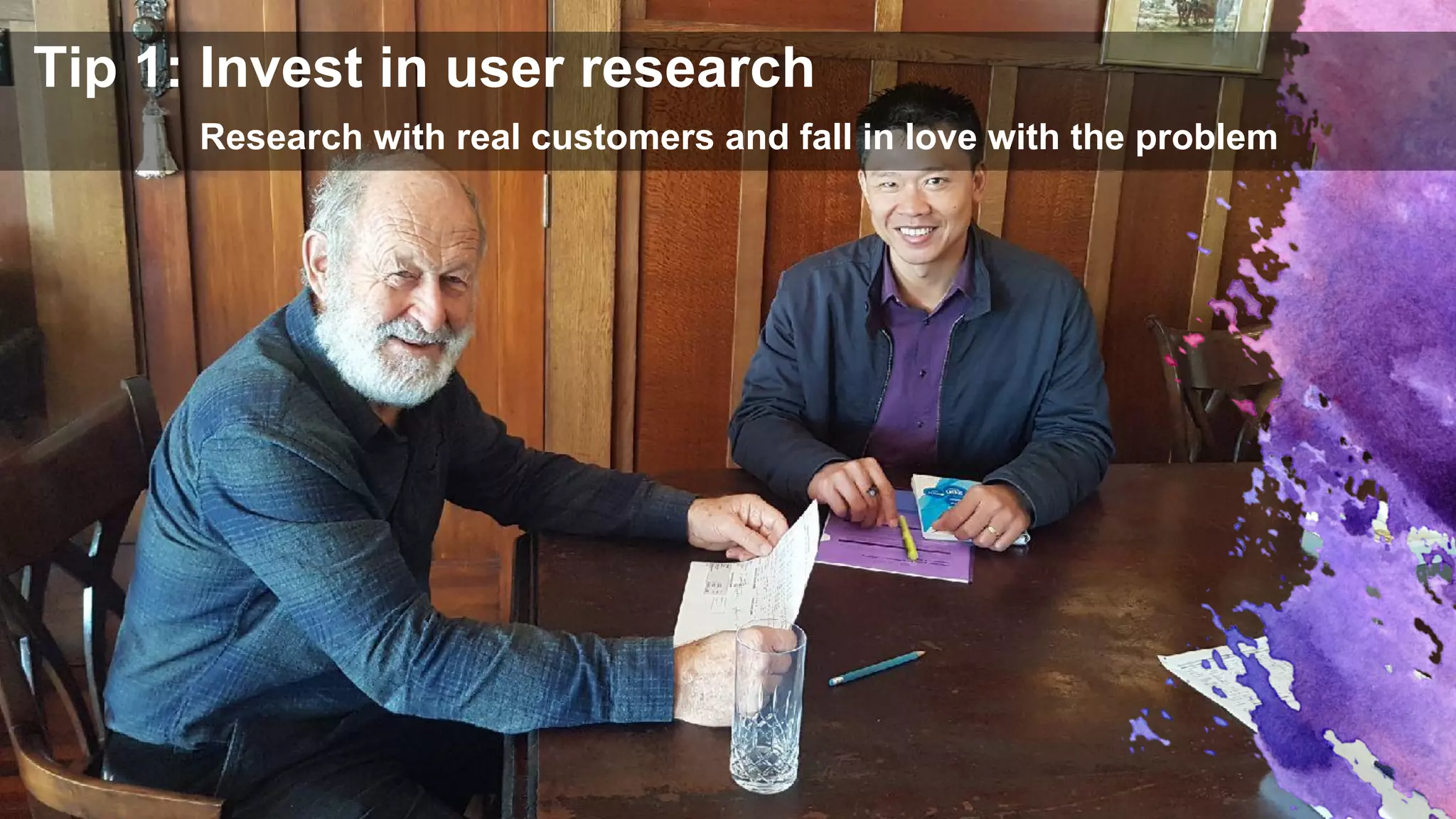
Tip 1: Invest in user research
Research with real customers and fall in love with the problem
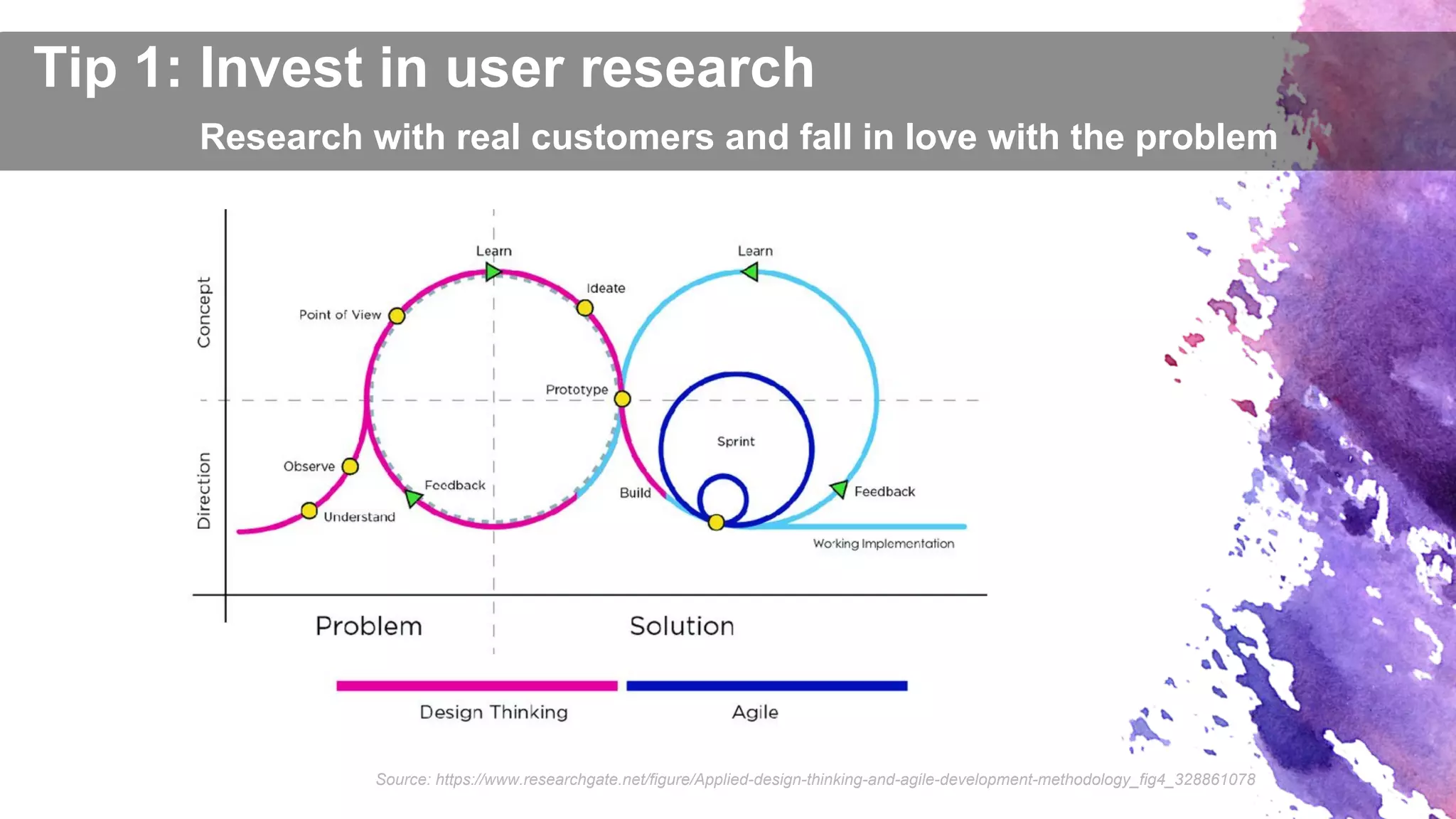
Tip 1: Invest in user research
Source: https://www.researchgate.net/figure/Applied-design-thinking-and-agile-development-methodology_fig4_328861078
Research with real customers and fall in love with the problem
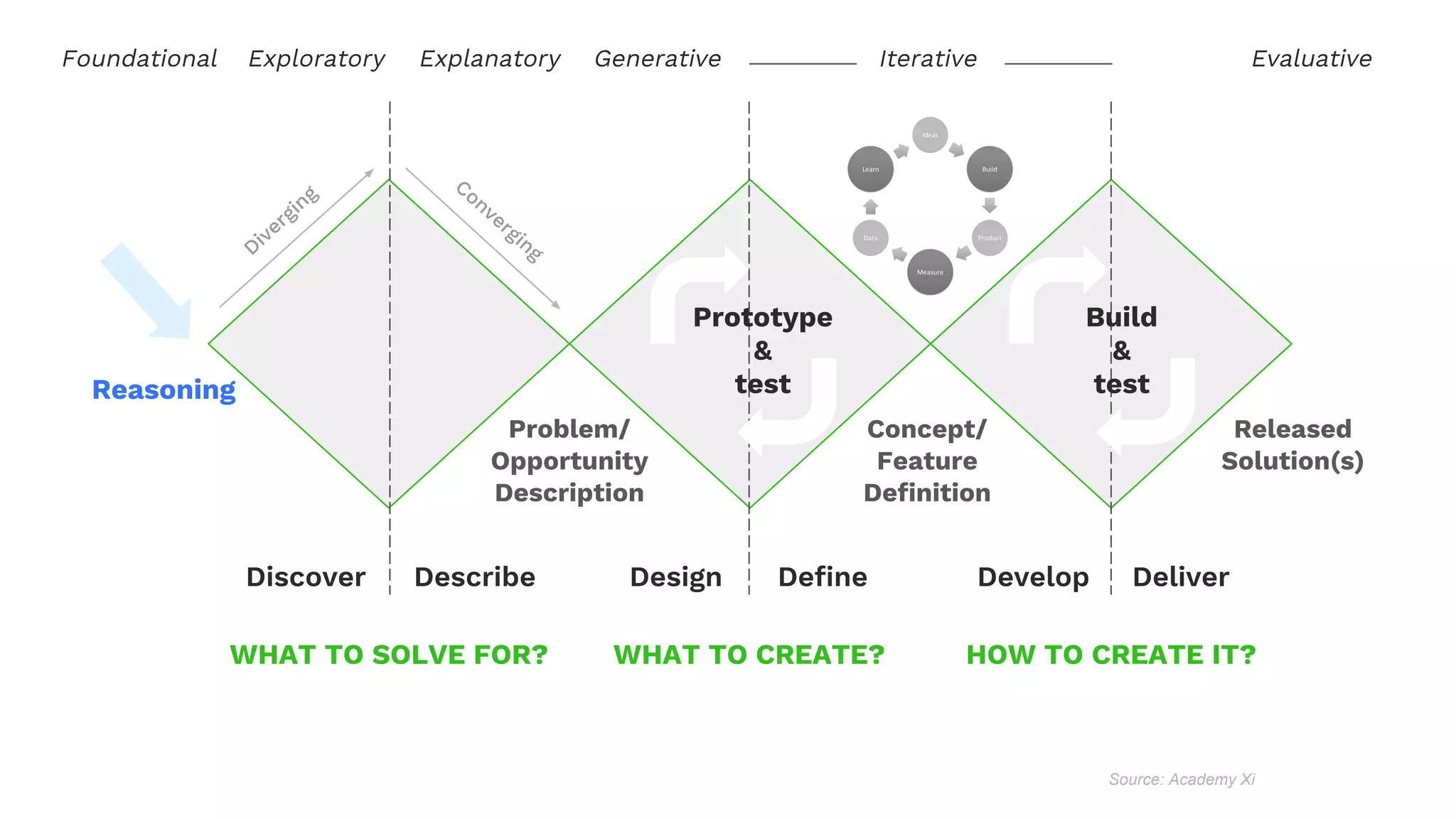
Source: Academy Xi
Discover Describe Design Define
Released
Solution(s)
Diverging
Converging
Reasoning
Problem/
Opportunity
Description
Concept/
Feature
Definition
Develop Deliver
Prototype
&
test
Build
&
test
Foundational Exploratory Explanatory IterativeGenerative Evaluative
WHAT TO SOLVE FOR? WHAT TO CREATE? HOW TO CREATE IT?
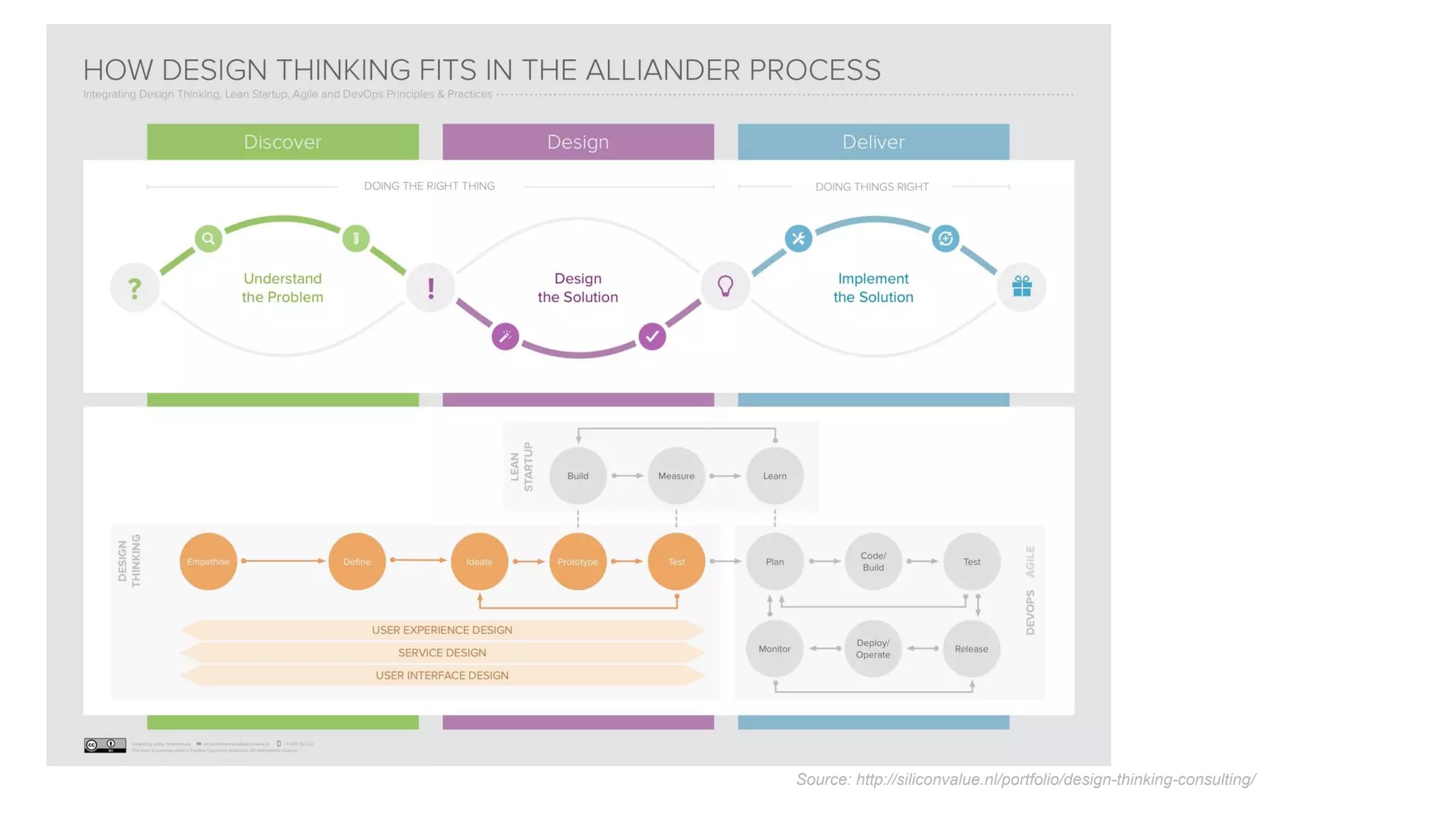
Source: http://siliconvalue.nl/portfolio/design-thinking-consulting/
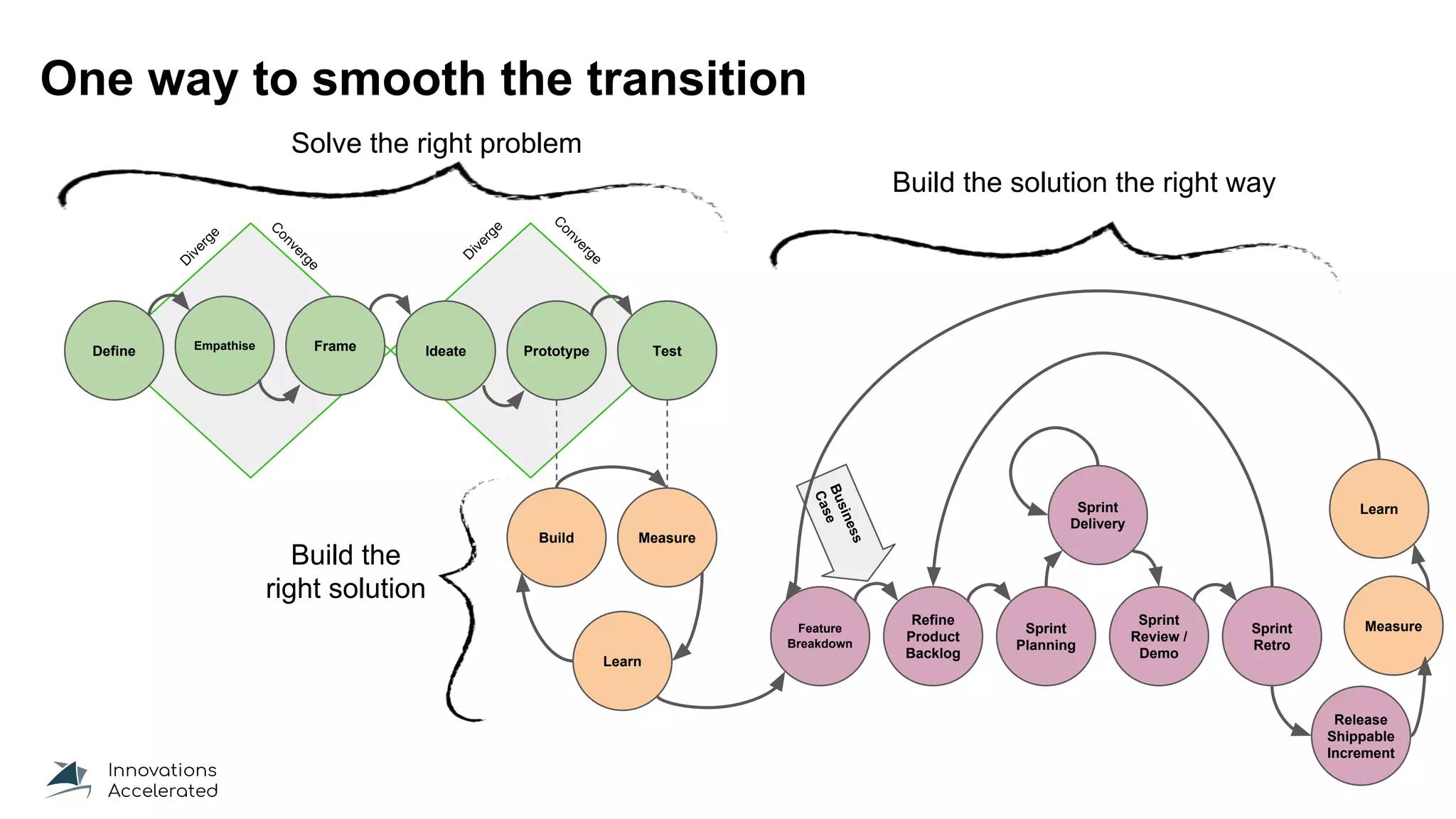
D
iverge
C
onverge
D
iverge
C
onverge
Define Empathise Frame Ideate Prototype Test
Build Measure
Learn
One way to smooth the transition
Solve the right problem
Build the
right solution
Build the solution the right way
Feature
Breakdown
Refine
Product
Backlog
Sprint
Planning
Sprint
Review /
Demo
Sprint
Retro
Sprint
Delivery
Release
Shippable
Increment
Business
Case
Measure
Learn
Tip 2: User stories to be grounded in user research
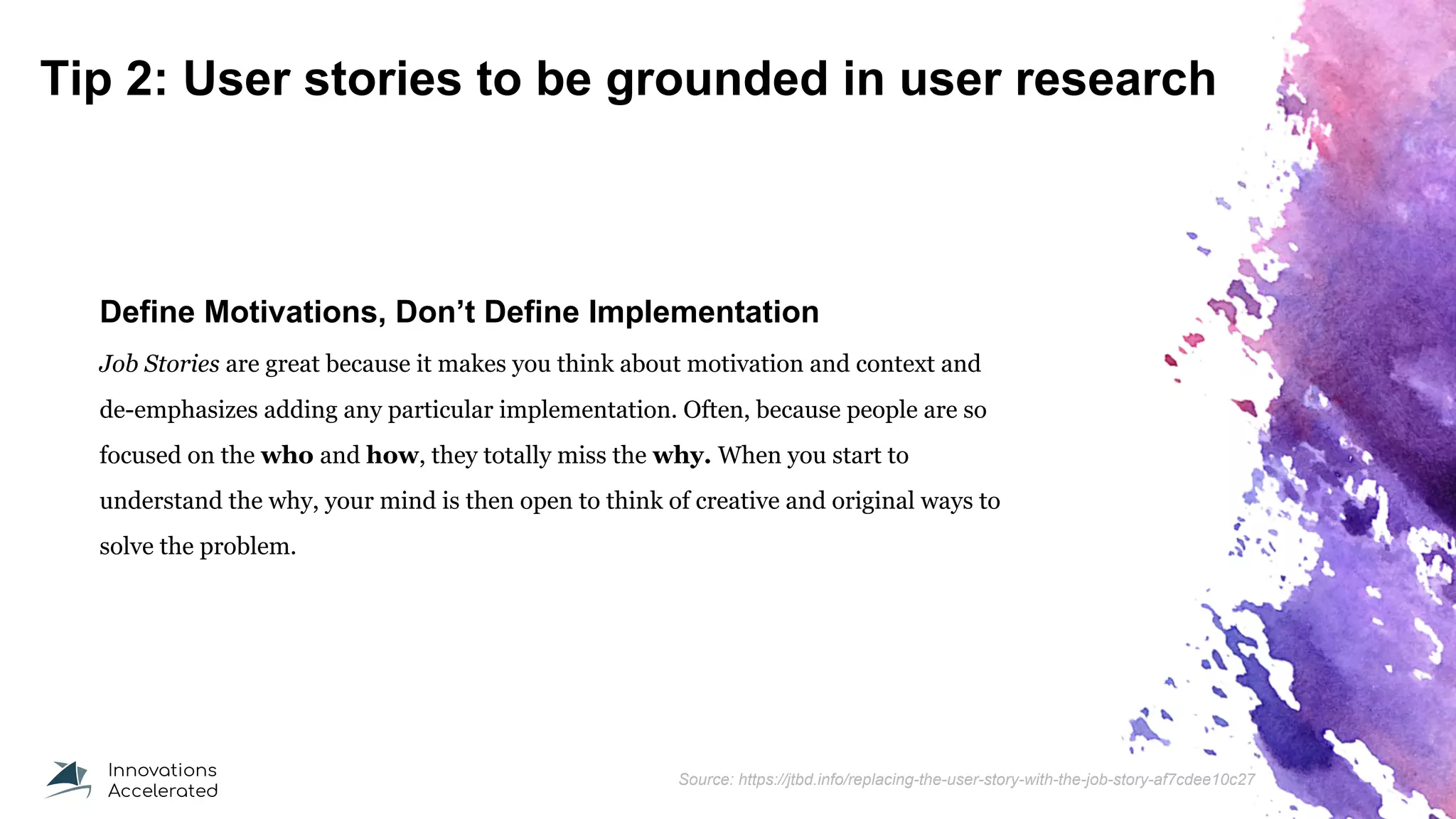
Define Motivations, Don’t Define Implementation
Job Stories are great because it makes you think about motivation and context and
de-emphasizes adding any particular implementation. Often, because people are so
focused on the who and how, they totally miss the why. When you start to
understand the why, your mind is then open to think of creative and original ways to
solve the problem.
Source: https://jtbd.info/replacing-the-user-story-with-the-job-story-af7cdee10c27
Tip 2: User stories to be grounded in user research
Source: https://jtbd.info/replacing-the-user-story-with-the-job-story-af7cdee10c27
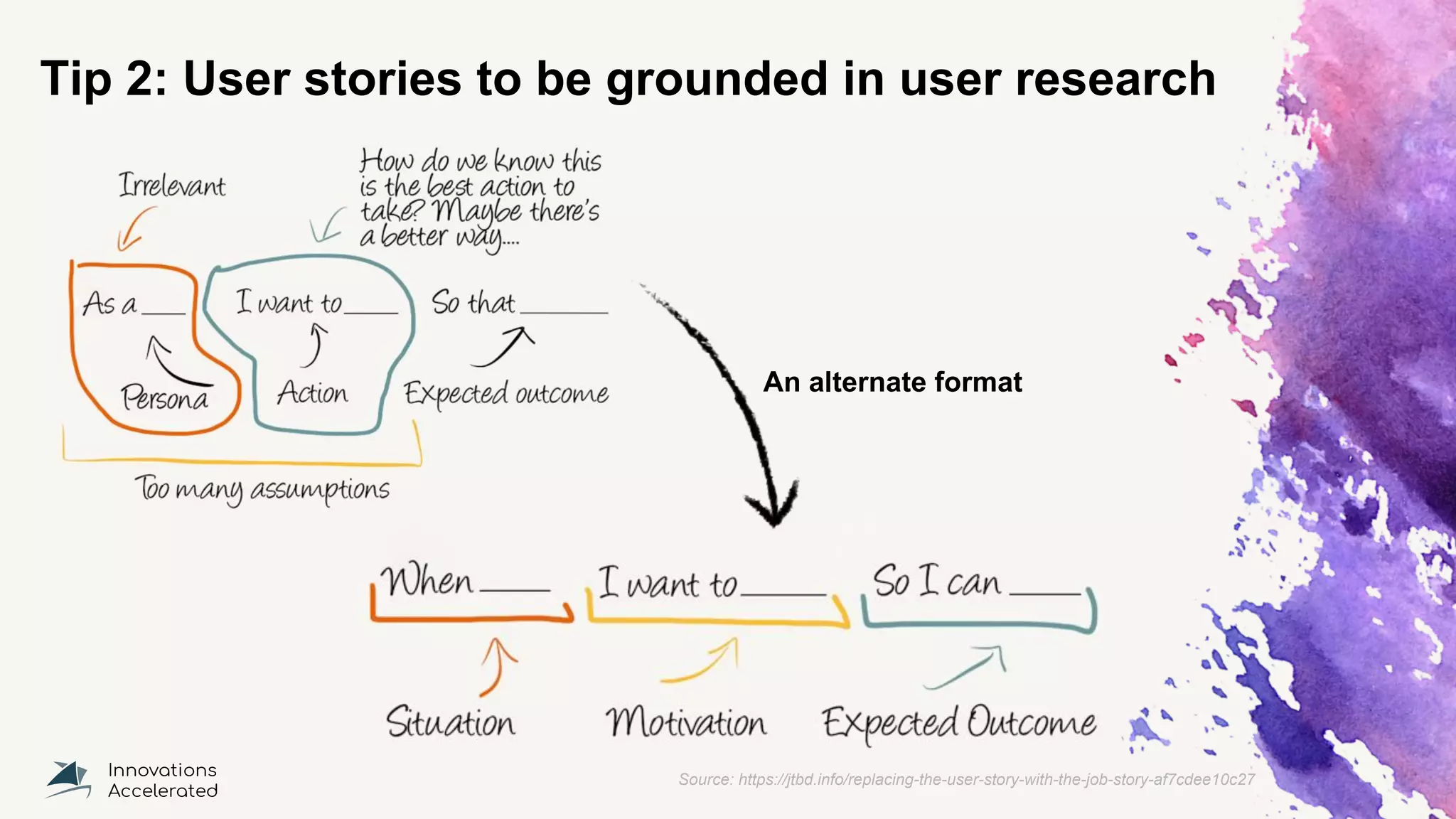
An alternate format
Tip 2: User stories to be grounded in user research
USER STORY (POOR):
As a student, I want to click through an image carousel so that I can see many pictures of the
prospective campus.
USER STORY (GOOD):
As Mark (persona), I want to see what the campus looks like virtually so I can envision myself
walking to class or studying on the grass.
JOBS TO BE DONE VARIATION (GOOD):
When I’m looking at prospective campuses, I want to see what the campus looks like virtually
so I can envision myself walking to class or studying on the grass.
Sources: https://medium.com/@himeag/job-stories-vs-user-stories-fb161221536c
https://www.atlassian.com/agile/project-management/user-stories
Tip 3: Use Sprint 0 for building empathy
● Help the team fall in love with the problem and really understand the
customers/employees they will be solving for
● Use artefacts created earlier to tell the story of the customers: customer
journey maps, service design blueprints, personas, prototypes with testing
feedback, etc
● Use this time to conduct ‘Design Spikes’, which are all about answering
open questions we may have about the customer/employee or the
proposed solution.
Tip 4: Integrate designers into the sprint teams
● They should attend sprint planning
● They should attend stand-ups to see if any blockers need attention
● They should assist with pairing with the developers to provide clarity
around the user, their problems and their needs.
● Designers can use the demos (typically before a retro) to share prototypes
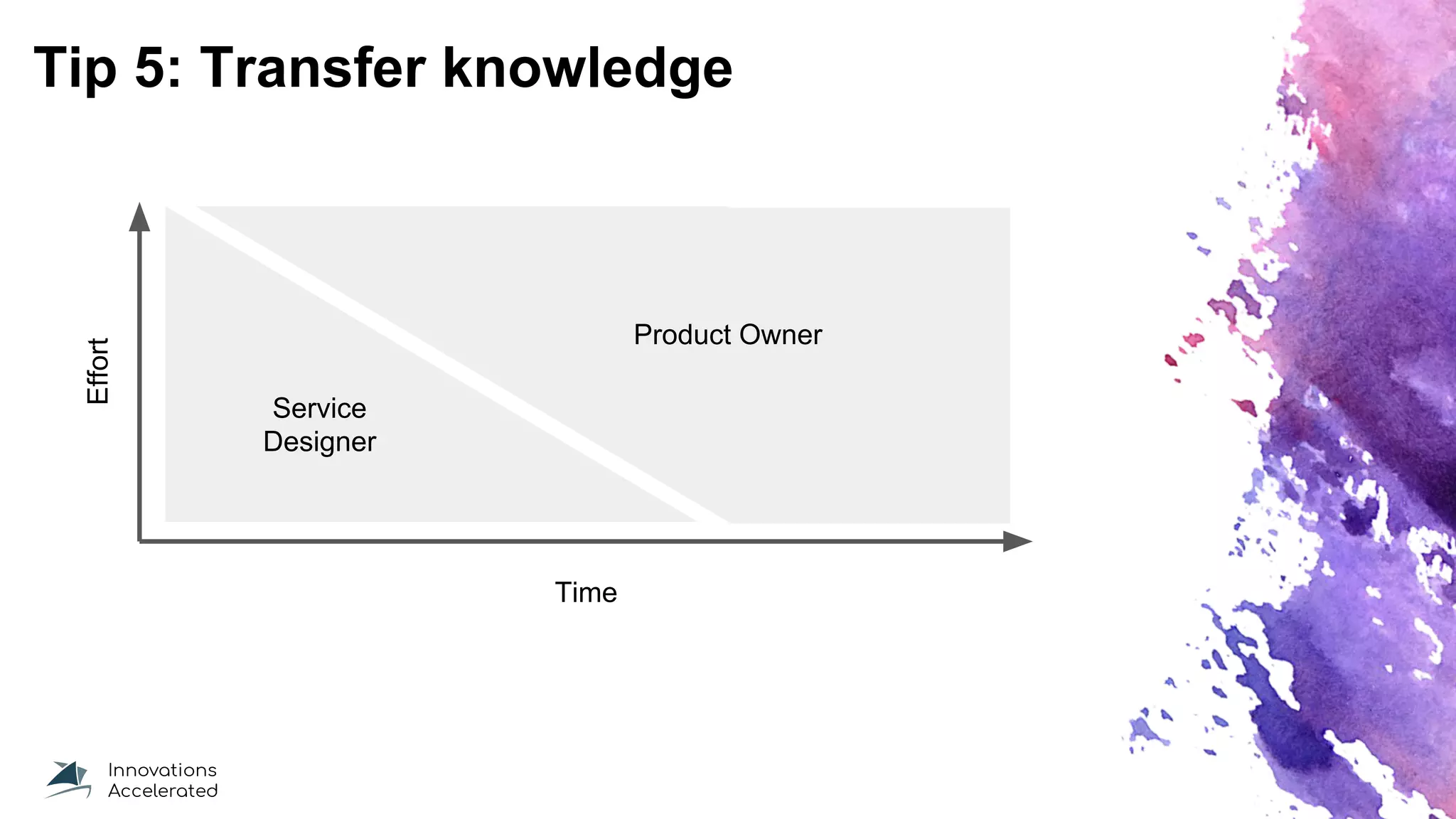
Tip 5: Transfer knowledge
Tip 5: Transfer knowledgeEffort
Time
Service
Designer
Product Owner
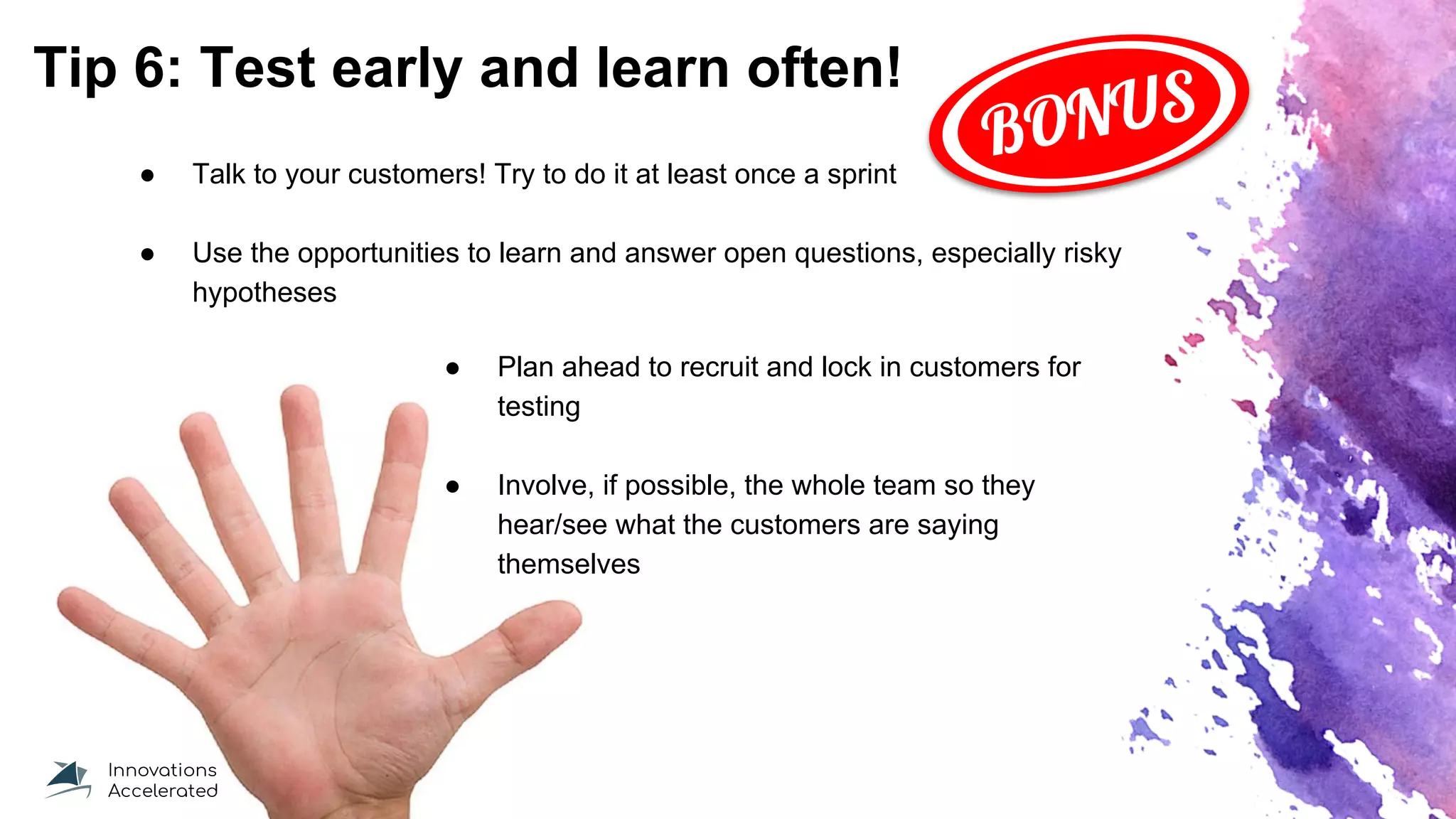
Tip 6: Test early and learn often!
● Talk to your customers! Try to do it at least once a sprint
● Use the opportunities to learn and answer open questions, especially risky
hypotheses
● Plan ahead to recruit and lock in customers for
testing
● Involve, if possible, the whole team so they
hear/see what the customers are saying
themselves
BONUS
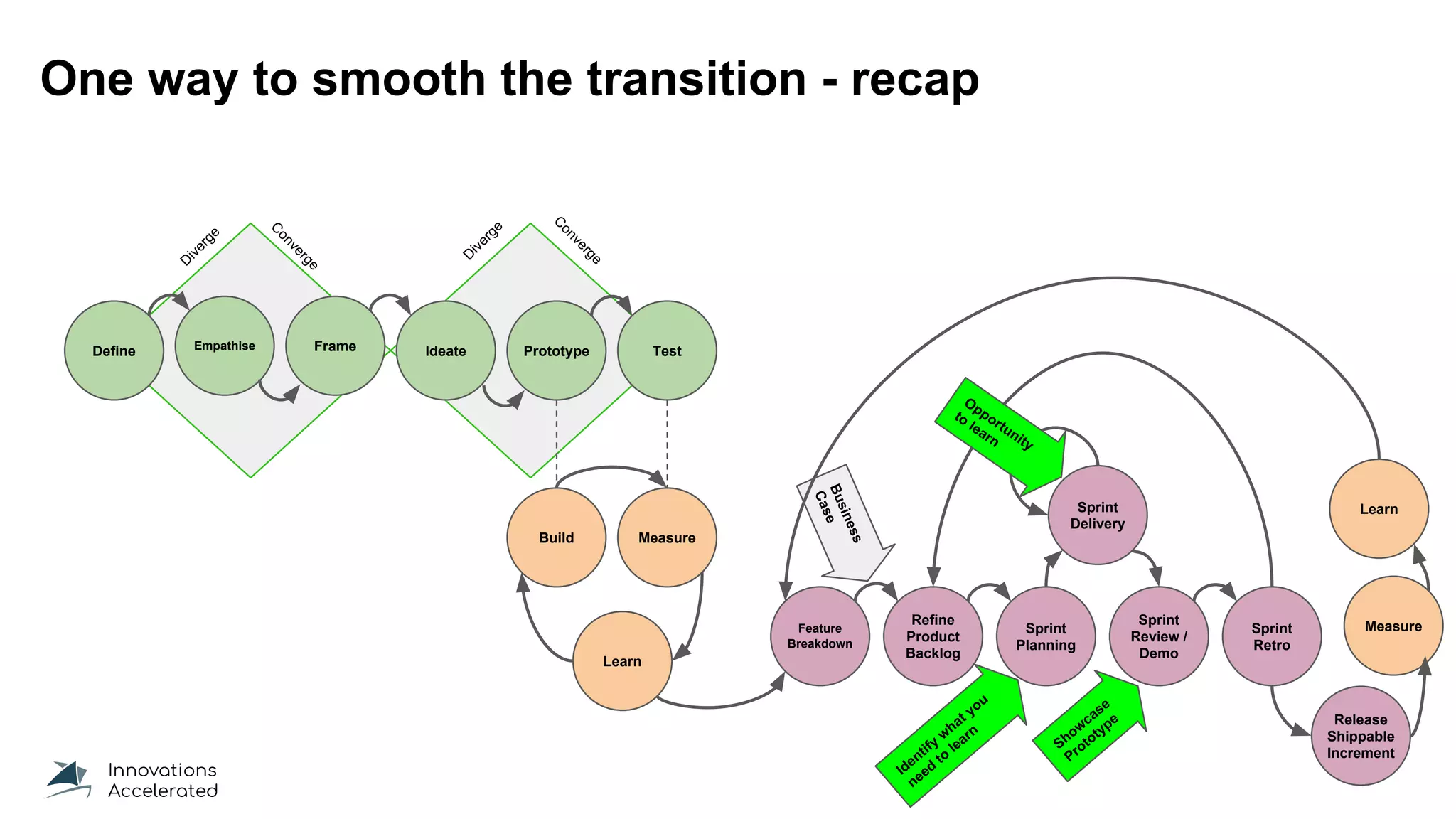
D
iverge
C
onverge
D
iverge
C
onverge
Define Empathise Frame Ideate Prototype Test
Build Measure
Learn
One way to smooth the transition - recap
Feature
Breakdown
Refine
Product
Backlog
Sprint
Planning
Sprint
Review /
Demo
Sprint
Retro
Sprint
Delivery
Release
Shippable
Increment
Business
Case
Show
case
Prototype
Identify
w
hat you
need
to
learn
Opportunity
to
learn
Measure
Learn
Questions?
Hi!
Please connect
if you would like
to learn more
eryk@iaccelerated.com
linkedin.com/in/eryk-korfel/
Let’s do it!

The intersection of Design Thinking and Agile - Talk at Academy Xi by Eryk Korfel (Innovations Accelerated)

  • 1.
    Eryk Korfel |March 2019 Intersection of Design Thinking and Agile
  • 2.
    I’m here todiscuss and share experiences with Design Thinking and Agile Hi! I’m Eryk Korfel eryk@iaccelerated.com linkedin.com/in/eryk-korfel/
  • 3.
  • 4.
  • 5.
  • 6.
    What is Agile?A set of values and principles Practices Principles Values Agile (mindset) Source: Red Agile
  • 7.
    The Agile Manifesto Individualsand interactions over processes and tools Working software over comprehensive documentation Customer collaboration over contract negotiation Responding to change over following a plan
  • 8.
  • 9.
    There are avariety of Agile practices Source: https://www.visual-paradigm.com/scrum/what-is-agile-software-development/
  • 10.
    Why is agileso popular?
  • 11.
    Quickly push outnew features
  • 12.
    It’s all aboutreducing risk
  • 13.
    What happens whenyou do Agile without Design Thinking?
  • 14.
  • 15.
  • 16.
  • 17.
    Reality was solutionwas a failure and was turned off within a year https://gfycat.com/fantasticcoolbluebottle
  • 18.
  • 19.
    What is DesignThinking? Design Thinking is a human centred approach to problem solving starting with a deep understanding of customer needs with the goal to create desirable customer solutions that challenge and improve the status quo It starts with Desirability. Design Thinking ensures that the solution has the user needs considered from the outset. What makes it different? Traditional business thinking usually focuses on a single solution to a defined problem. Design thinking frames the problem from a broader perspective and develops several user insights from which to generate ideas. This results in a larger volume of creative ideas from which to prototype to test for desirability. 19
  • 20.
    Everyone has theiradaption Source: Slide image courtesy of Richard Banfield, C. Todd Lombardo, and Trace Wax
  • 21.
    How could haveDesign Thinking helped?
  • 22.
    5 tips tointegrate Design Thinking with Agile
  • 23.
    The Agile Manifesto Individualsand interactions over processes and tools Working software over comprehensive documentation Customer collaboration over contract negotiation Responding to change over following a plan
  • 24.
    Tip 1: Investin user research Research with real customers and fall in love with the problem
  • 25.
    Tip 1: Investin user research Source: https://www.researchgate.net/figure/Applied-design-thinking-and-agile-development-methodology_fig4_328861078 Research with real customers and fall in love with the problem
  • 26.
    Source: Academy Xi DiscoverDescribe Design Define Released Solution(s) Diverging Converging Reasoning Problem/ Opportunity Description Concept/ Feature Definition Develop Deliver Prototype & test Build & test Foundational Exploratory Explanatory IterativeGenerative Evaluative WHAT TO SOLVE FOR? WHAT TO CREATE? HOW TO CREATE IT?
  • 27.
  • 28.
    D iverge C onverge D iverge C onverge Define Empathise FrameIdeate Prototype Test Build Measure Learn One way to smooth the transition Solve the right problem Build the right solution Build the solution the right way Feature Breakdown Refine Product Backlog Sprint Planning Sprint Review / Demo Sprint Retro Sprint Delivery Release Shippable Increment Business Case Measure Learn
  • 29.
    Tip 2: Userstories to be grounded in user research Define Motivations, Don’t Define Implementation Job Stories are great because it makes you think about motivation and context and de-emphasizes adding any particular implementation. Often, because people are so focused on the who and how, they totally miss the why. When you start to understand the why, your mind is then open to think of creative and original ways to solve the problem. Source: https://jtbd.info/replacing-the-user-story-with-the-job-story-af7cdee10c27
  • 30.
    Tip 2: Userstories to be grounded in user research Source: https://jtbd.info/replacing-the-user-story-with-the-job-story-af7cdee10c27 An alternate format
  • 31.
    Tip 2: Userstories to be grounded in user research USER STORY (POOR): As a student, I want to click through an image carousel so that I can see many pictures of the prospective campus. USER STORY (GOOD): As Mark (persona), I want to see what the campus looks like virtually so I can envision myself walking to class or studying on the grass. JOBS TO BE DONE VARIATION (GOOD): When I’m looking at prospective campuses, I want to see what the campus looks like virtually so I can envision myself walking to class or studying on the grass. Sources: https://medium.com/@himeag/job-stories-vs-user-stories-fb161221536c https://www.atlassian.com/agile/project-management/user-stories
  • 32.
    Tip 3: UseSprint 0 for building empathy ● Help the team fall in love with the problem and really understand the customers/employees they will be solving for ● Use artefacts created earlier to tell the story of the customers: customer journey maps, service design blueprints, personas, prototypes with testing feedback, etc ● Use this time to conduct ‘Design Spikes’, which are all about answering open questions we may have about the customer/employee or the proposed solution.
  • 33.
    Tip 4: Integratedesigners into the sprint teams
  • 34.
    Tip 4: Integratedesigners into the sprint teams ● They should attend sprint planning ● They should attend stand-ups to see if any blockers need attention ● They should assist with pairing with the developers to provide clarity around the user, their problems and their needs. ● Designers can use the demos (typically before a retro) to share prototypes
  • 35.
    Tip 5: Transferknowledge
  • 36.
    Tip 5: TransferknowledgeEffort Time Service Designer Product Owner
  • 37.
    Tip 6: Testearly and learn often! ● Talk to your customers! Try to do it at least once a sprint ● Use the opportunities to learn and answer open questions, especially risky hypotheses ● Plan ahead to recruit and lock in customers for testing ● Involve, if possible, the whole team so they hear/see what the customers are saying themselves BONUS
  • 38.
    D iverge C onverge D iverge C onverge Define Empathise FrameIdeate Prototype Test Build Measure Learn One way to smooth the transition - recap Feature Breakdown Refine Product Backlog Sprint Planning Sprint Review / Demo Sprint Retro Sprint Delivery Release Shippable Increment Business Case Show case Prototype Identify w hat you need to learn Opportunity to learn Measure Learn
  • 39.
  • 40.
    Hi! Please connect if youwould like to learn more eryk@iaccelerated.com linkedin.com/in/eryk-korfel/
  • 41.