50 ways to solve any problem visually.

              A taster.
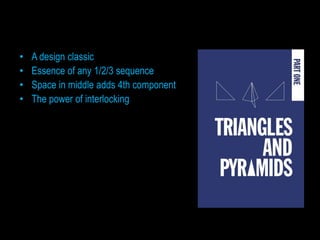
•   A design classic
•   Essence of any 1/2/3 sequence
•   Space in middle adds 4th component
•   The power of interlocking
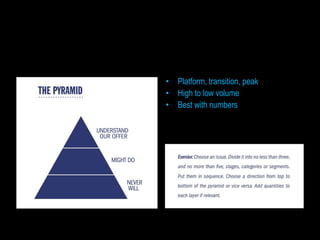
• Platform, transition, peak
• High to low volume
• Best with numbers
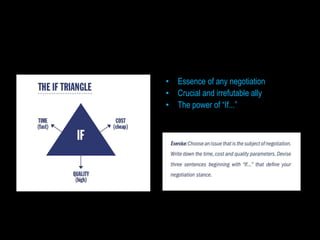
• Essence of any negotiation
• Crucial and irrefutable ally
• The power of “If...”
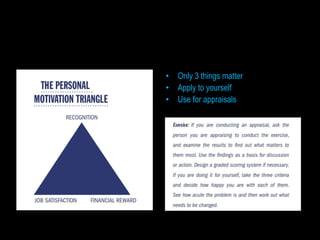
• Only 3 things matter
• Apply to yourself
• Use for appraisals
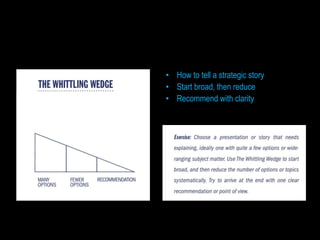
• How to tell a strategic story
• Start broad, then reduce
• Recommend with clarity
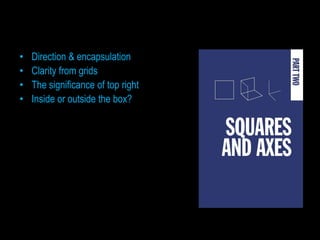
•   Direction & encapsulation
•   Clarity from grids
•   The significance of top right
•   Inside or outside the box?
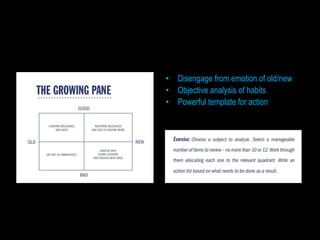
• Disengage from emotion of old/new
• Objective analysis of habits
• Powerful template for action
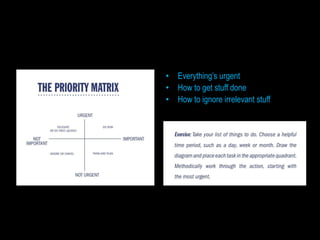
• Everything’s urgent
• How to get stuff done
• How to ignore irrelevant stuff
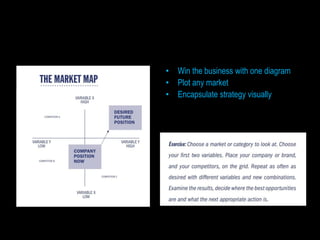
• Win the business with one diagram
• Plot any market
• Encapsulate strategy visually
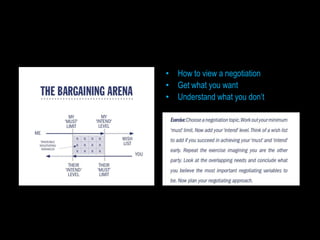
• How to view a negotiation
• Get what you want
• Understand what you don’t
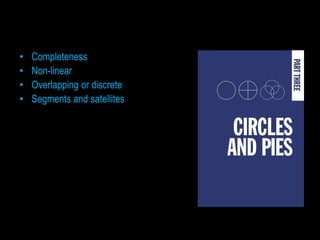
•   Completeness
•   Non-linear
•   Overlapping or discrete
•   Segments and satellites
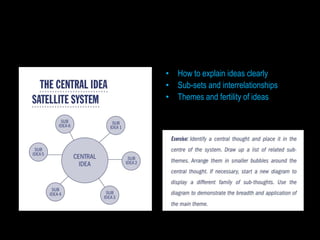
• How to explain ideas clearly
• Sub-sets and interrelationships
• Themes and fertility of ideas
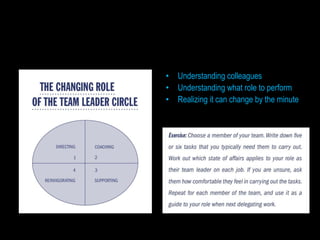
• Understanding colleagues
• Understanding what role to perform
• Realizing it can change by the minute
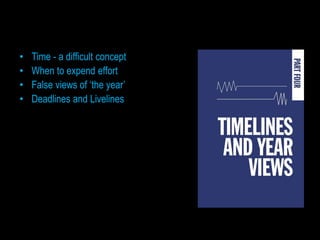
•   Time - a difficult concept
•   When to expend effort
•   False views of ‘the year’
•   Deadlines and Livelines
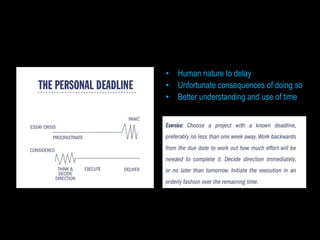
• Human nature to delay
• Unfortunate consequences of doing so
• Better understanding and use of time
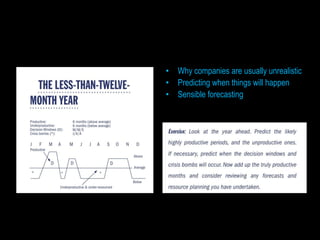
• Why companies are usually unrealistic
• Predicting when things will happen
• Sensible forecasting
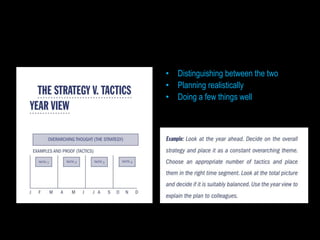
• Distinguishing between the two
• Planning realistically
• Doing a few things well
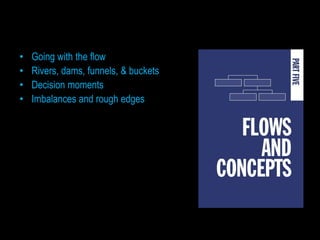
•   Going with the flow
•   Rivers, dams, funnels, & buckets
•   Decision moments
•   Imbalances and rough edges
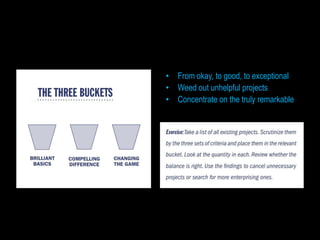
• From okay, to good, to exceptional
• Weed out unhelpful projects
• Concentrate on the truly remarkable
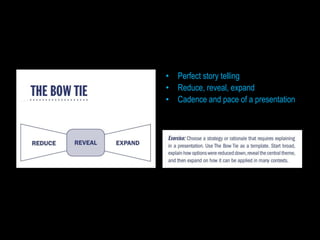
• Perfect story telling
• Reduce, reveal, expand
• Cadence and pace of a presentation
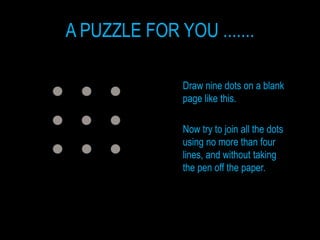
A PUZZLE FOR YOU .......

              Draw nine dots on a blank
              page like this.

              Now try to join all the dots
              using no more than four
              lines, and without taking
              the pen off the paper.
To find out the answer, buy the book
        or ask Kevin to speak.


                   www.thediagramsbook.com

The Diagrams Book

  • 2.
    50 ways tosolve any problem visually. A taster.
  • 3.
    A design classic • Essence of any 1/2/3 sequence • Space in middle adds 4th component • The power of interlocking
  • 4.
    • Platform, transition,peak • High to low volume • Best with numbers
  • 5.
    • Essence ofany negotiation • Crucial and irrefutable ally • The power of “If...”
  • 6.
    • Only 3things matter • Apply to yourself • Use for appraisals
  • 7.
    • How totell a strategic story • Start broad, then reduce • Recommend with clarity
  • 8.
    Direction & encapsulation • Clarity from grids • The significance of top right • Inside or outside the box?
  • 9.
    • Disengage fromemotion of old/new • Objective analysis of habits • Powerful template for action
  • 10.
    • Everything’s urgent •How to get stuff done • How to ignore irrelevant stuff
  • 11.
    • Win thebusiness with one diagram • Plot any market • Encapsulate strategy visually
  • 12.
    • How toview a negotiation • Get what you want • Understand what you don’t
  • 13.
    Completeness • Non-linear • Overlapping or discrete • Segments and satellites
  • 14.
    • How toexplain ideas clearly • Sub-sets and interrelationships • Themes and fertility of ideas
  • 15.
    • Understanding colleagues •Understanding what role to perform • Realizing it can change by the minute
  • 16.
    Time - a difficult concept • When to expend effort • False views of ‘the year’ • Deadlines and Livelines
  • 17.
    • Human natureto delay • Unfortunate consequences of doing so • Better understanding and use of time
  • 18.
    • Why companiesare usually unrealistic • Predicting when things will happen • Sensible forecasting
  • 19.
    • Distinguishing betweenthe two • Planning realistically • Doing a few things well
  • 20.
    Going with the flow • Rivers, dams, funnels, & buckets • Decision moments • Imbalances and rough edges
  • 21.
    • From okay,to good, to exceptional • Weed out unhelpful projects • Concentrate on the truly remarkable
  • 22.
    • Perfect storytelling • Reduce, reveal, expand • Cadence and pace of a presentation
  • 23.
    A PUZZLE FORYOU ....... Draw nine dots on a blank page like this. Now try to join all the dots using no more than four lines, and without taking the pen off the paper.
  • 24.
    To find outthe answer, buy the book or ask Kevin to speak. www.thediagramsbook.com