Relevant tests in organ
transplantation
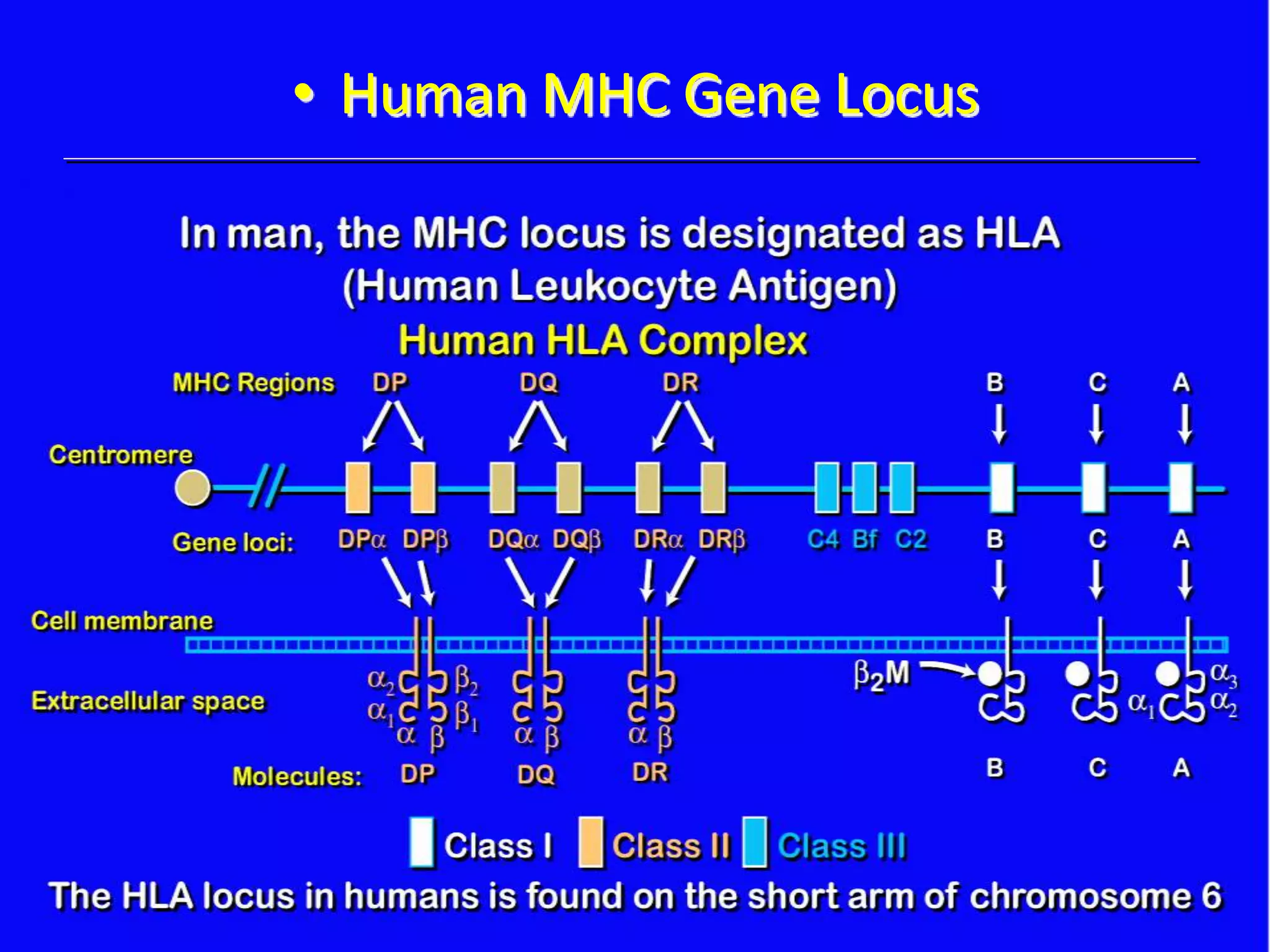
• Human MHC Gene Locus
CLASS 1
Encodes glycoproteins expressed on surface of nearly all
nucleated cells and platelets
Main function is presentation of antigen to cytotoxic T cells
Encoded by 3 closely linked loci – HLA A,B,C
CLASS II
Designated as HLA D
Expressed on macrophages , B lymphocytes, activated T cell
Specialised in processing & presenting extracellular antigens to
T lymphocytes
CLASS III
Diverse group of molecules with variety of functions
Include complement proteins responsible for immune
response , inflammatory cytokines , TNF , HSP
1
3
2
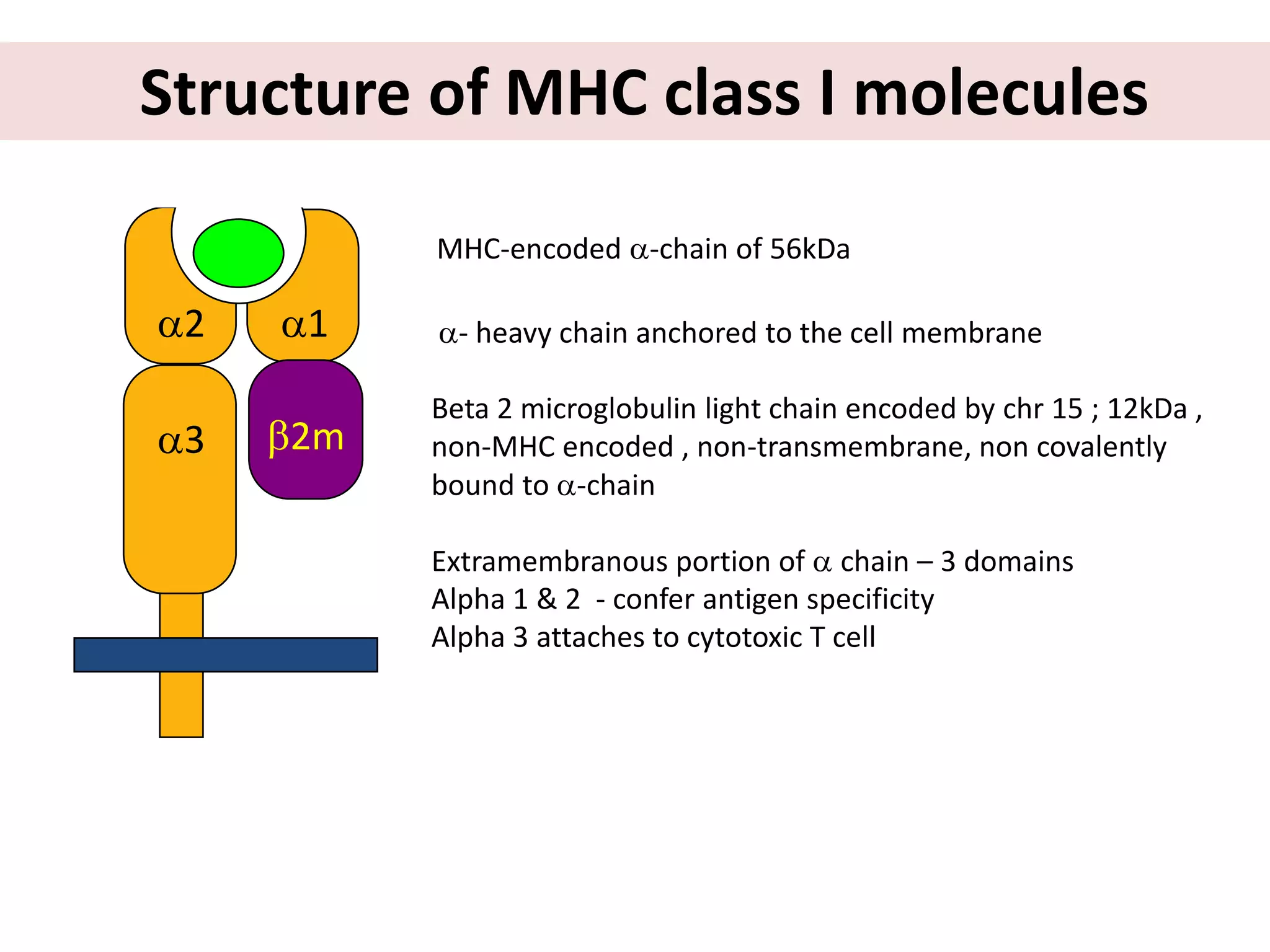
MHC-encoded -chain of 56kDa
Structure of MHC class I molecules
2m
- heavy chain anchored to the cell membrane
Beta 2 microglobulin light chain encoded by chr 15 ; 12kDa ,
non-MHC encoded , non-transmembrane, non covalently
bound to -chain
Extramembranous portion of  chain – 3 domains
Alpha 1 & 2 - confer antigen specificity
Alpha 3 attaches to cytotoxic T cell
2
1
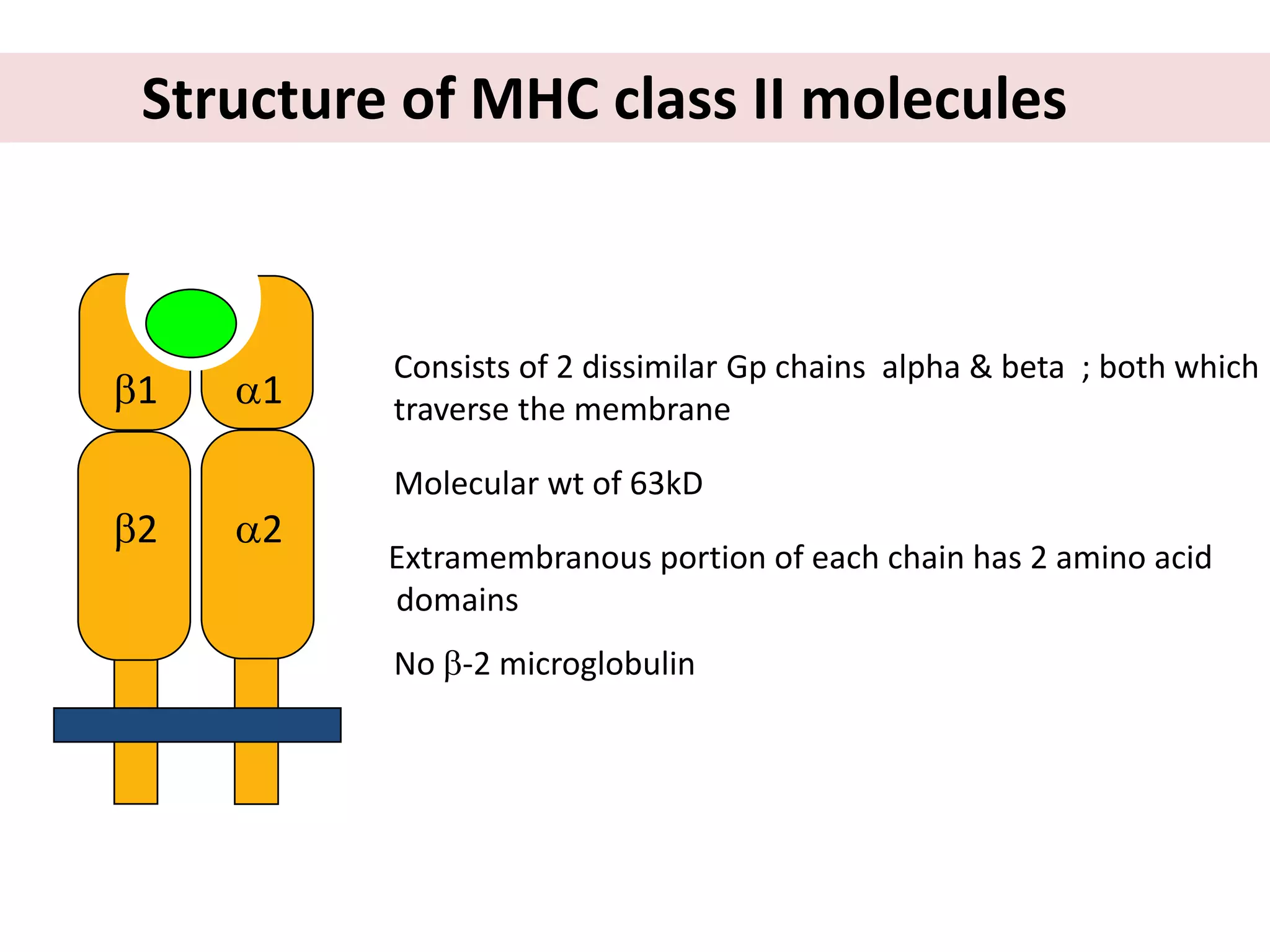
Molecular wt of 63kD
Consists of 2 dissimilar Gp chains alpha & beta ; both which
traverse the membrane
2
1
Structure of MHC class II molecules
Extramembranous portion of each chain has 2 amino acid
domains
No -2 microglobulin
Biologic Function
• Self –nonself discrimination
• Interaction of T lymphocytes with peptide
antigens
• T lymphocytes interact with the peptide antigen
only when the TCR for antigen engages both the
HLA molecule & the antigenic peptide
• This limitation is “MHC RESTRICTION”
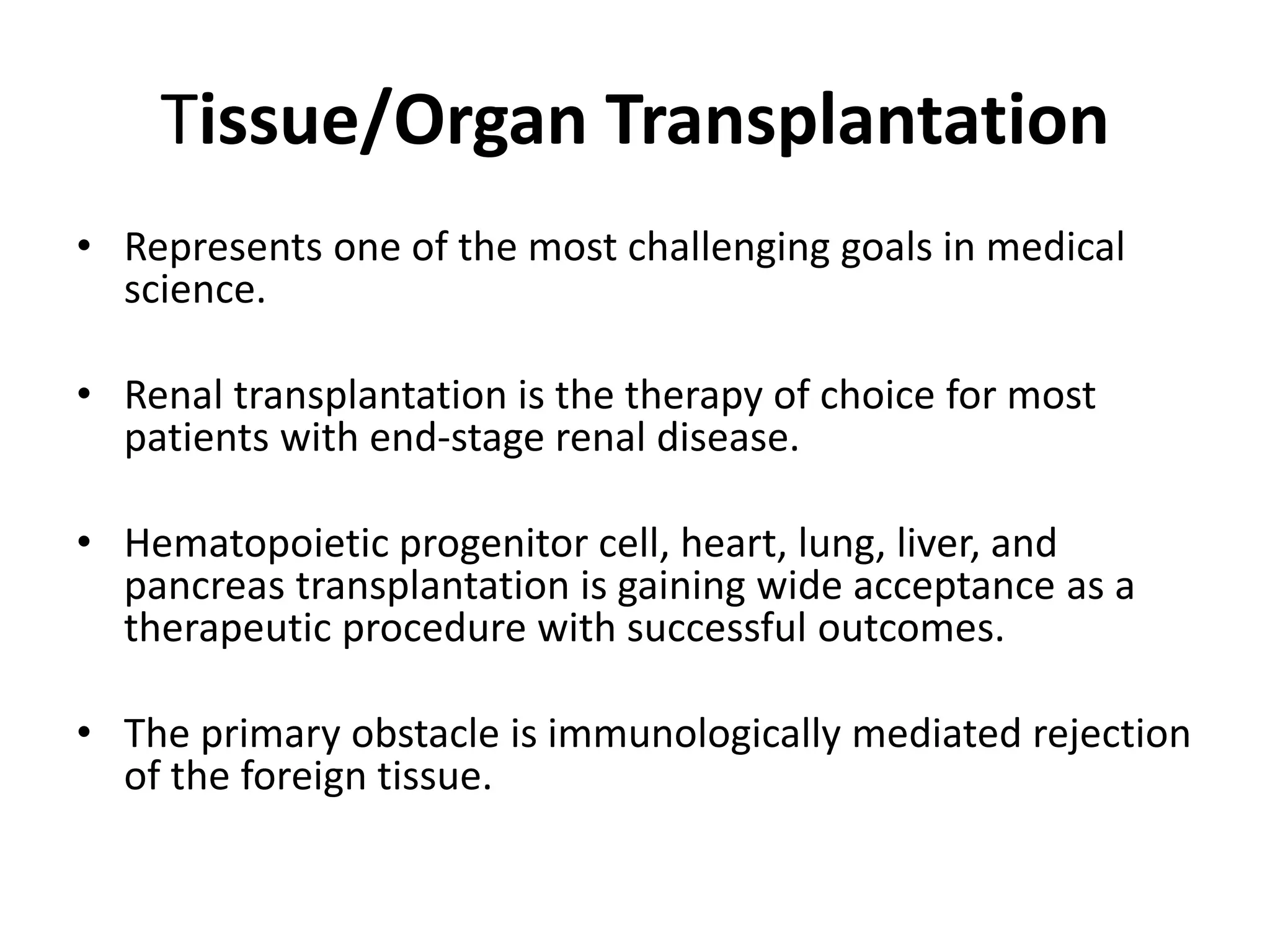
Tissue/Organ Transplantation
• Represents one of the most challenging goals in medical
science.
• Renal transplantation is the therapy of choice for most
patients with end-stage renal disease.
• Hematopoietic progenitor cell, heart, lung, liver, and
pancreas transplantation is gaining wide acceptance as a
therapeutic procedure with successful outcomes.
• The primary obstacle is immunologically mediated rejection
of the foreign tissue.
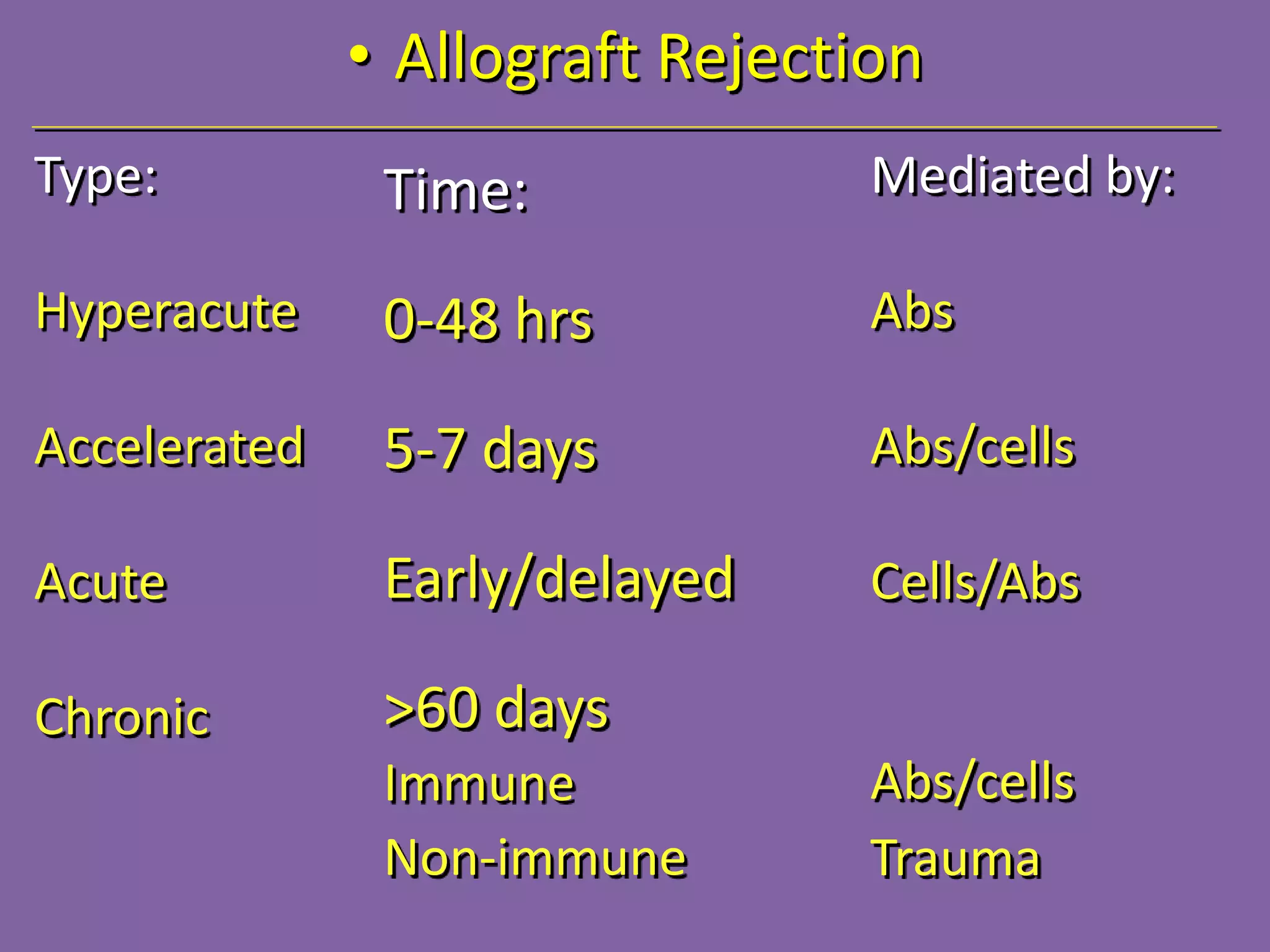
• Allograft Rejection
Type:
Hyperacute
Accelerated
Acute
Chronic
Time:
0-48 hrs
5-7 days
Early/delayed
>60 days
Immune
Non-immune
Mediated by:
Abs
Abs/cells
Cells/Abs
Abs/cells
Trauma
• Transplant Considerations:
• ABO compatibility
• Matching for HLA
• Pre-sensitization
• Histocompatibility Systems:
• 1) ABO – Red blood cells
• 2) HLA – White blood cells
and most body cells
• Histo (tissue) Compatibility
• HLA Ab Sensitization
Pregnancy
Blood transfusions
Failed allograft
Some types of bacterial infections
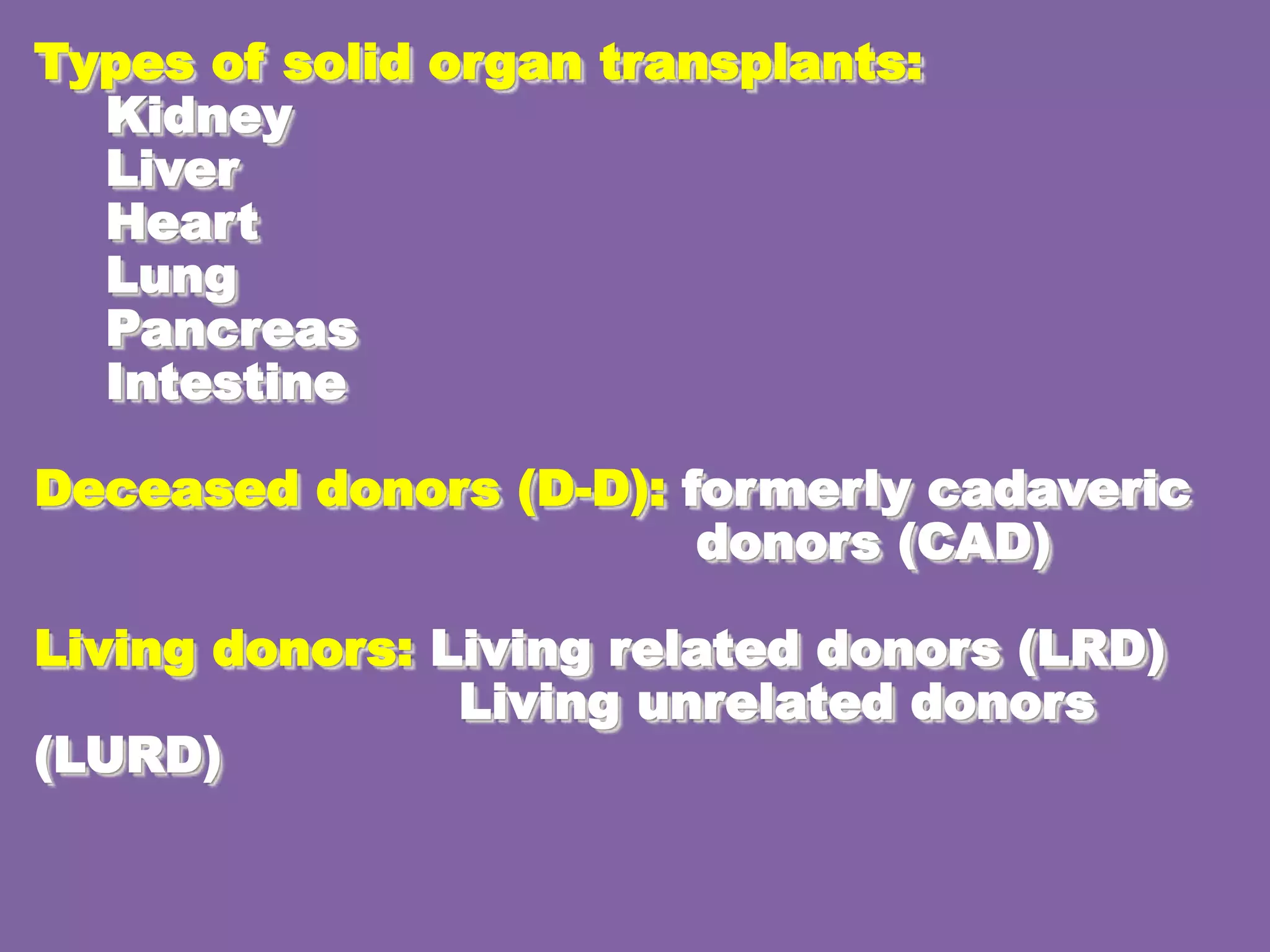
Types of solid organ transplants:
Kidney
Liver
Heart
Lung
Pancreas
Intestine
Deceased donors (D-D): formerly cadaveric
donors (CAD)
Living donors: Living related donors (LRD)
Living unrelated donors
(LURD)
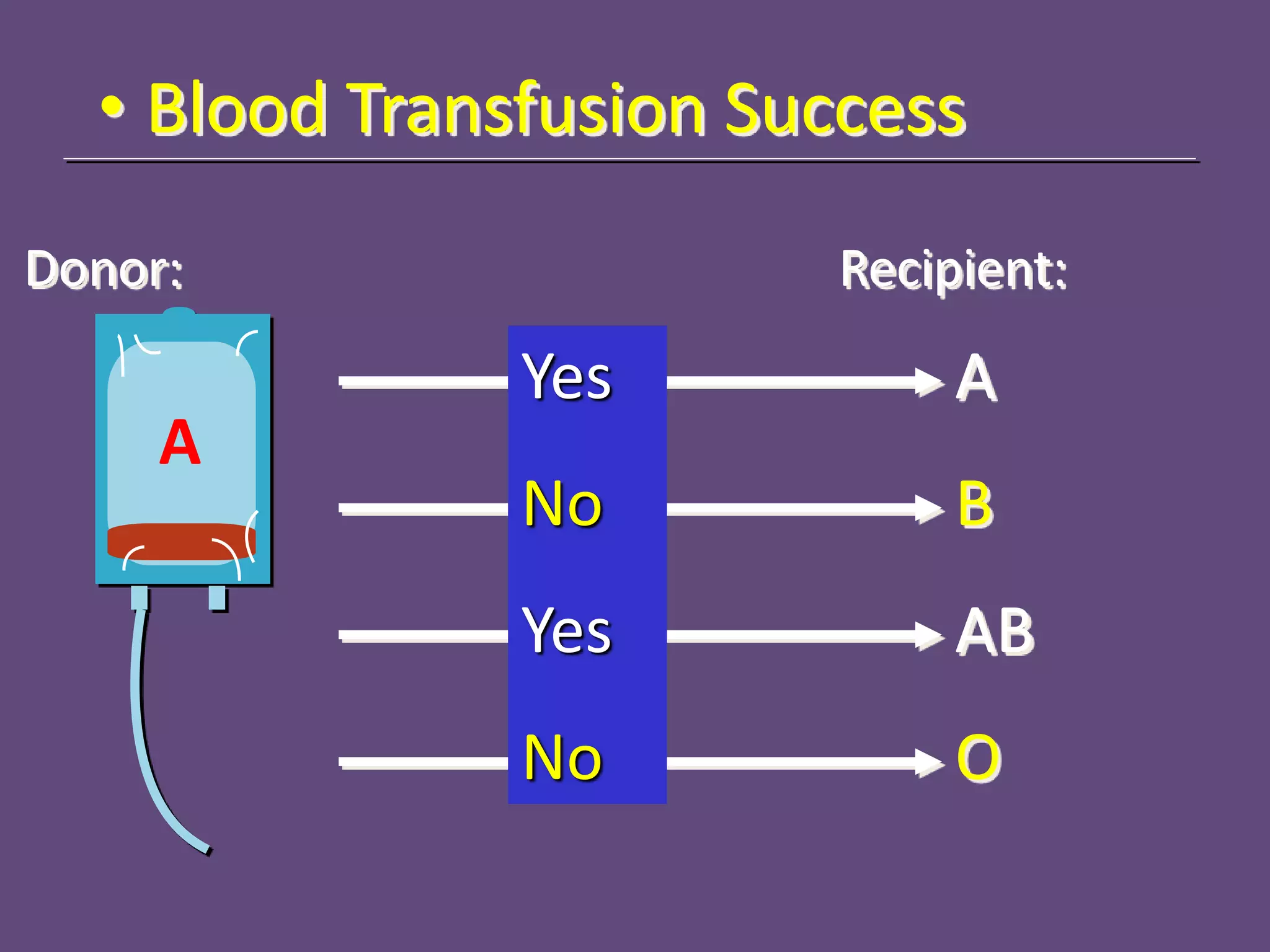
• Blood Transfusion Success
Yes
No
Yes
No
A
B
AB
O
Recipient:Donor:
A
• Success of allografting may be accomplished
by
– (1) histocompatibility matching between the
donor and the recipient;
– (2) immunosuppressive therapy of the recipient
and
– (3) ultimately achieving specific unresponsiveness
to donor alloantigen
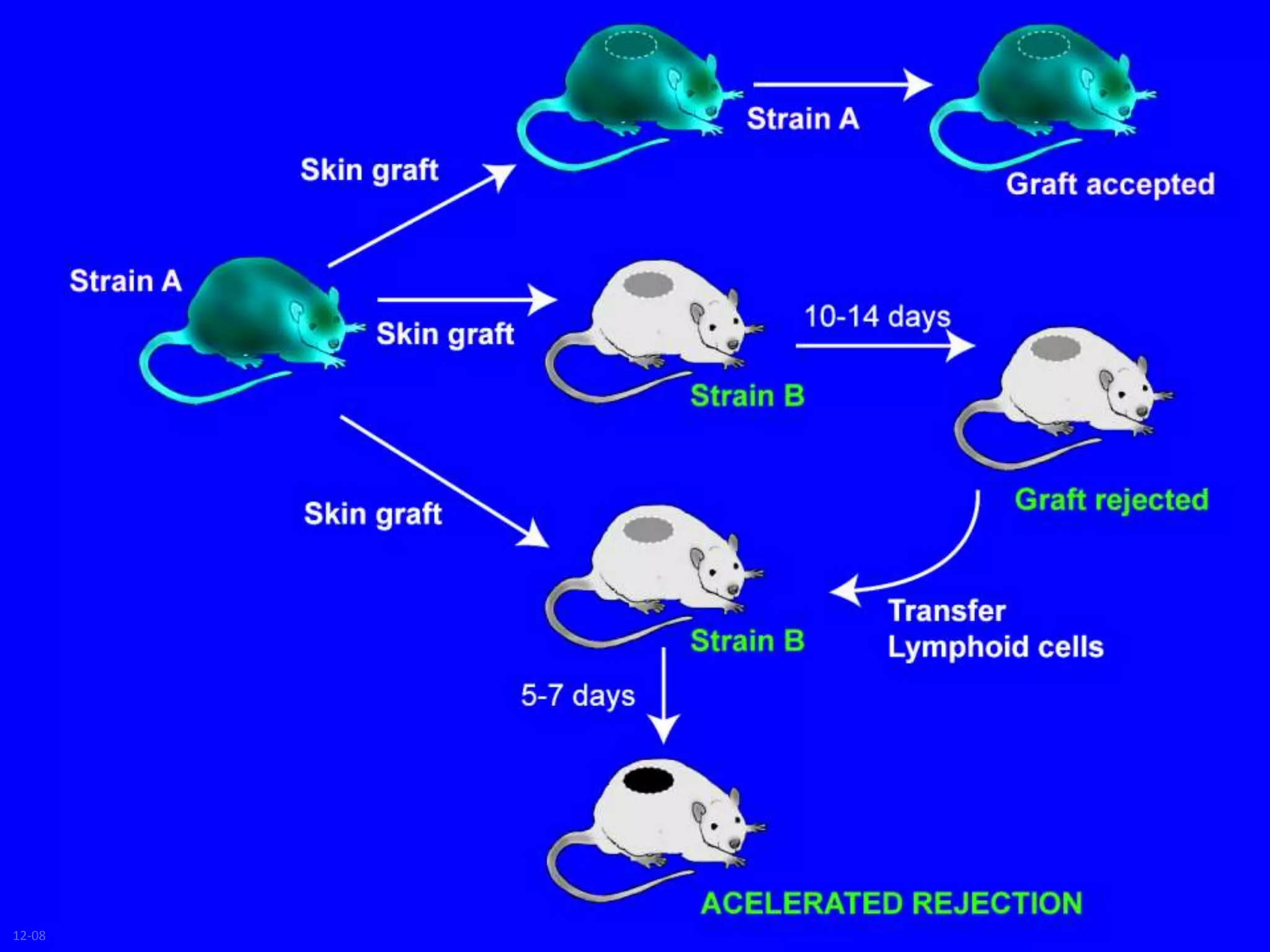
GENETIC BASIS OF TRANSPLANTATION
• The genetic basis of transplantation was first
determined in 1916 as a result of tumor
transplantation experiments in mice and was
subsequently extended to transplants of
normal tissue
12-08
HISTOCOMPATIBILITY MATCHING
• HLA Matching
– DNA based typing
• Sequence specific priming
• Sequence specific oligonucleotide hybridization
• Sequence specific conformational polymorphism/ heteroduplex
analysis
• Nucleic acid sequencing
– Serological detection
– Cellular detection
• HLA- Specific Ab detection in Recipient serum
– Serum screening
– Donor specific cross matching
HLA Matching
• Histocompatibility matching is different in
different settings, and strategies for matching
vary. Criteria differ with variables that include:
– type of graft (e.g., solid vascularized organ vs.
hematopoietic progenitor cell)
– the disease (e.g., chronic myelogenous leukemia vs.
aplastic anemia)
– the age of the patient
– the clinical protocol (e.g., marrow vs. umbilical cord
blood; T cell depletion of marrow vs. non–T cell
depletion)
• Matching usually includes evaluation of at
least three loci: HLA-A, HLA-B, and HLA-DR.
– Zero mismatches (a term used in solid organ
transplantation) refer to donor/recipient pairs
where the donor has no detectable HLA
differences from the recipient
Techniques for Identifying HLA
Polymorphism
• Uses specialized procedures and reagents.
• Commercially available kits can be obtained
for both DNA-based and serologic testing
• Interpretation of the test results requires
considerable experience and knowledge
1.DNA-BASED TYPING OF CLASS I AND
CLASS II ALLELES
• With the advent of rapid and reliable methods
for the isolation and characterization of class I
and II genes and the determination of
nucleotide sequences of class I and II alleles
• DNA-based typing of HLA alleles is now a
commonly used technique
• 1. It is specific.
– The specificity of each DNA typing reagent (i.e.,
synthetic oligonucleotide primers and probes) is
clearly defined and is based on a specific, known
nucleotide sequence
• 2. It is flexible.
– New reagents can be designed as new alleles are
discovered and unique nucleotide sequences
identified
• 3. Robust than other techniques.
– Does not require viable lymphocytes and is not influenced by
the health of the patient
– highly reproducible
• 4. Used for large-scale typing
– facilitated by automated and computerized methods reduces
cost and errors.
– Applicable for the HLA typing of large numbers of volunteers for
donor registries.
• 5. It can discriminate by detecting the full extent of HLA
diversity.
Preparation and Amplification of DNA
• Any cell with a nucleus can be used as a
source of DNA.
– lymphocytes, are a good source of DNA.
– Cell lines such as Epstein-Barr virus– transformed
B lymphocytes are also a good source of DNA.
• transformed cells can be grown in culture in the
laboratory, provide replenishable supply of DNA and
used for quality control of typing procedures.
• DNA is usually prepared from a small quantity
(0.2–1 mL) of whole blood.
• Many different protocols can be used to isolate
DNA from cells, and commercial kits are available
for the preparation of DNA.
• The sensitivity of detection of HLA types is
enhanced greatly by the amplification of DNA-
encoding HLA genes using the PCR technique
• Sequence-specific Primer (PCR-SSP)
The SSP utilizes DNA primers that are specific
for individual or similar groups of Class II
alleles.
The primers are used with PCR to amplify
relevant genomic DNA
• Sequence-specific Oligonucleotide Probes (PCR-
SSOP)
Uses locus-specific or group-specific primers
to amplify the desired genomic DNA.
This is followed by application of a labeled
oligonucleotide probe that binds to an allele-
specific sequence.
Highly accurate, specific and reliable
Sequence-Specific Conformational
Polymorphism or Heteroduplex Analysis
• Analyzes the mobility of amplified DNA, either
denatured or as a renatured DNA duplex, following
electrophoresis
• The mobility of the DNA is compared with the mobility
of amplified DNA from known HLA alleles to define an
HLA allele.
• Useful in typing a small number of samples,
particularly in comparisons between individuals
Nucleic Acid Sequencing
• Involves direct determination of the DNA sequences of the
HLA alleles carried by an individual (sequence-based typing
[SBT]).
• Identified following PCR amplification to separate the
alleles based on SSPs, or as a mixture of two alleles.
• Sequencing is labor-intensive and highly complex
• Determine the HLA match at an allele level between
hematopoietic progenitor cell transplant patients and their
prospective
• Efforts to develop automated SBT methods have
yielded several potentially promising high-
throughput approaches.
– Denaturing high-performance liquid chromatography
(HPLC)
– Pyrosequencing technique
• real-time, nonelectrophoretic DNA sequencing method that
uses luciferase–luciferin light emission as a detection signal
as nucleotides are incorporated into target DNA.
2.SEROLOGIC DETECTION OF CLASS I
AND CLASS II MOLECULES
• Lymphocyte microcytotoxicity
• Reproducible under controlled, standardized conditions
• Large-scale testing (e.g., for registries),
• Error rates may increase
• Fairly widely for class I specificities (HLA-A, -B) but has been
supplanted by DNA-based testing for HLA-C and for class II
specificities (HLA-DR, -DQ, -DP) in most typing laboratories.
Lymphocyte Preparation
• Obtained from peripheral whole blood by layering onto
a Ficoll-Hypaque gradient to separate the blood cells by
density centrifugation.
• (PBLs) can be used for HLA-A, -B, -C typing.
• To test for HLA-DR, -DQ serologic specificities,
– it is necessary to enrich for B lymphocytes, or
– to use a special two-color fluorescent technique
• Done to simultaneously differentiate between
unseparated B cells and T cells.
Lymphocyte Microcytotoxicity Assay
• Determined by testing
– the unseparated lymphocyte preparation (PBL)
– or T lymphocytes (for HLA-A, -B, -C) or
– the enriched B lymphocytes (for HLA-DR, -DQ)
• against a panel of well-characterized HLA alloantisera.
• The assay is a two-stage test.
• Reactions are read for percentage lysis and are
numerically graded.
3.CELLULAR DETECTION OF CLASS II
MOLECULES
• The response of one cell in tissue culture to the
alloantigens on the surface of a second cell is called the
mixed leukocyte culture or mixed lymphocyte reaction
• The MLC is considered an in vitro measure of class II
disparity between individuals that recognizes
determinants found on class II molecules, which are
known collectively as HLA-D.
• Use of the MLC has declined because of limitations
inherent in the technique
– influenced by the health of the patient, the type of disease
• MLC is used to identify renal allograft
recipients with specific hyporeactivity to
donor HLA molecules following
transplantation as a guideline for tapering of
immunosuppression
• HLA Matching
– DNA based typing
• Sequence specific priming
• Sequence specific oligonucleotide hybridization
• Sequence specific conformational polymorphism/ heteroduplex
analysis
• Nucleic acid sequencing
– Serological detection
– Cellular detection
• HLA- Specific Ab detection in Recipient serum
– Serum screening
– Donor specific cross matching
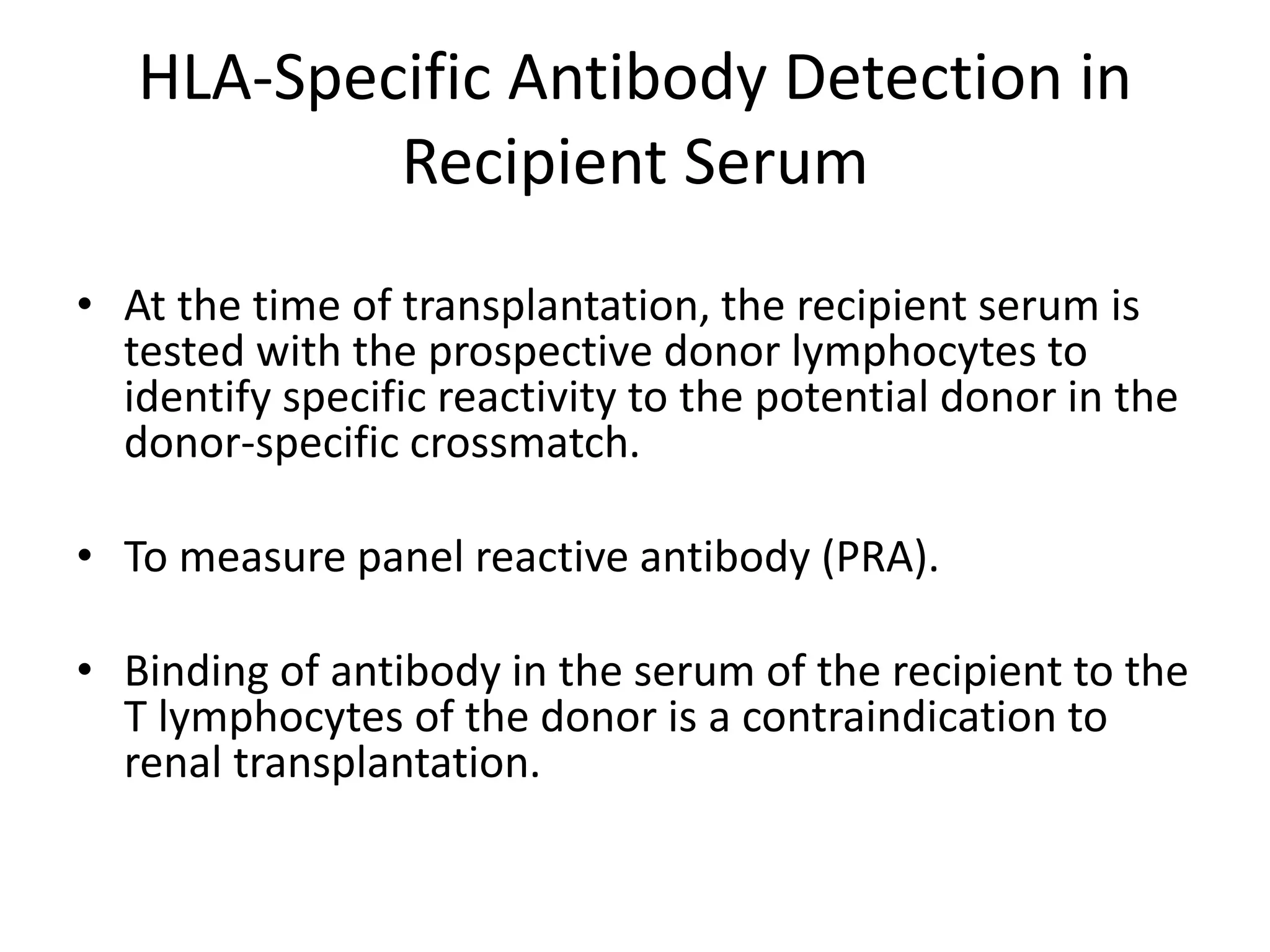
HLA-Specific Antibody Detection in
Recipient Serum
• At the time of transplantation, the recipient serum is
tested with the prospective donor lymphocytes to
identify specific reactivity to the potential donor in the
donor-specific crossmatch.
• To measure panel reactive antibody (PRA).
• Binding of antibody in the serum of the recipient to the
T lymphocytes of the donor is a contraindication to
renal transplantation.
Serum Screening (PRA)
• The goals of a PRA screen are as follows:
• 1. To identify the level of presensitization of the patient to
HLA antigens
• 2. To identify the HLA specificity of the antibodies to predict
the HLA antigen(s) to be avoided when donors are selected.
• 3. To identify patients with irrelevant antibodies (e.g.,
immunoglobulin [Ig]M autoantibodies)
– to avoid false-positive readings at the time of the donor-specific
crossmatch.
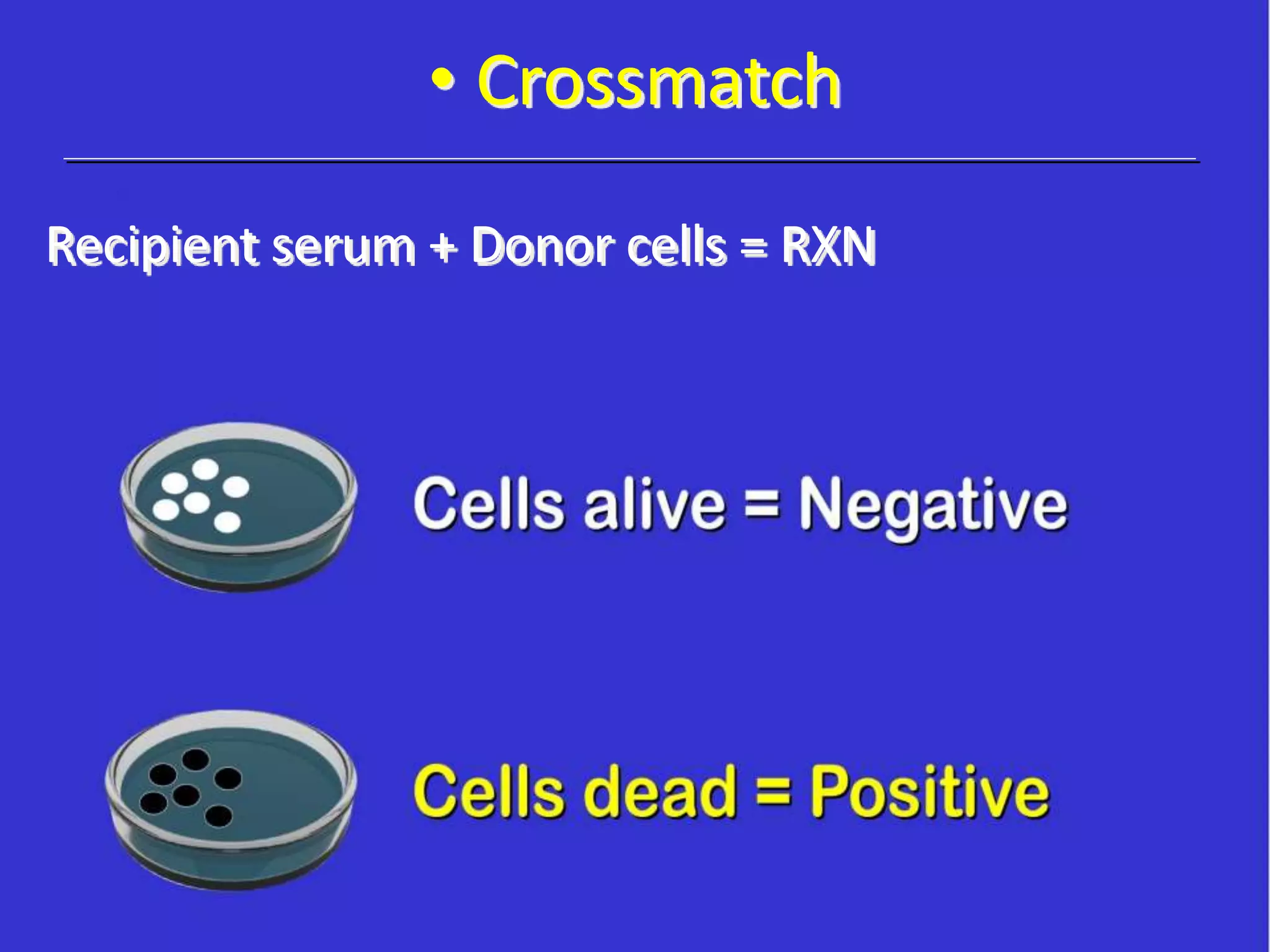
• Crossmatch
Recipient serum + Donor cells = RXN
Donor-Specific Crossmatch
• In the crossmatch test, the lymphocyte is the
target cell of choice because it expresses high
levels of HLA molecules and is easy to isolate.
• This test is probably the most important
contribution of the HLA tissue typing
laboratory to clinical renal transplantation
• The purpose of the crossmatch is to
detect clinically relevant IgG anti-
donor antibodies to prevent
hyperacute, accelerated or chronic
rejection.
Antibody Detection Techniques
• Direct Complement-Dependent Cytotoxicity
• Indirect Crossmatch Techniques
Direct Complement-Dependent
Cytotoxicity
• Includes all assays that use the addition of complement to
detect the direct binding of antibody to lymphocytes.
• Fixation of complement by the antibody–antigen
complexes on the cell surface results in cell death or
cytotoxicity..
• Advantages
– reproducible,
– correlation with the incidence of hyperacute rejection is
excellent.
Indirect Crossmatch Techniques
• Include the anti-globulin augmented
lymphocytotoxicity assay technique (anti-human
globulin cytotoxicity assay) and flow cytometry.
• Advantages of the flow cytometry assay include
– discrimination of the subclass of the cell-bound
immunoglobulin (IgG vs. IgM) and
– characterization of the target cell binding the
alloantibody (T lymphocyte vs. B lymphocyte vs.
monocyte).
Autoantibodies
• The presence of circulating autoantibodies in the
recipient is not known to be deleterious.
• If autoantibodies are present, the sera used for
donor crossmatching should have the
autoreactivity removed.
• Autoantibodies are primarily IgM, and HLA-
specific antibodies are primarily IgG
B Cell Antibodies
• A crossmatch using donor B lymphocytes (B cell
crossmatch) may be performed in sensitized
patient
• A positive donor-specific B cell crossmatch is not
a contraindication to transplantation.
• The clinical significance has not been resolved,
but a positive test may be a risk factor,
particularly in patients who have previously been
transplanted.
Selection of Recipient Serum Samples
for Donor Crossmatch
• No detectable sensitization (i.e., 0% PRA),
– the most recent serum sample available can be
used for the donor-specific crossmatch.
• Preexisting antibodies or has had a recent
sensitizing event,
– a current serum sample (i.e., within 48 hours of
transplantation) should be collected.
RENAL TRANSPLANTATION
• Current practice is to select donors for
recipients who are ABO compatible, T cell,
donor specific, crossmatch negative with
appropriate recipient sera and the best
available HLA match.
NONRENAL ORGAN
TRANSPLANTATION
• Survival of heart, liver, lung, and pancreas grafts is good
• Donors usually are not matched for HLA type, and a
pretransplant donor crossmatch is not routinely performed.
• Serum antibody screens are recommended to identify the
state of sensitization as an immunologic risk factor for the
recipient
• Recent international CTS data show no effect of HLA
matching on outcomes of liver transplantation; however,
the CTS data do show a significant impact of matching for
HLA-A, -B, and -DR on outcomes of first heart transplants
ALLOGENEIC HEMATOPOIETIC
PROGENITOR CELL TRANSPLANTATION
• Performed for
– hematologic malignancies and disorders,
– bone marrow failure,
– certain inherited metabolic disorders such as lipid
storage diseases,
– and congenital immunodeficiency syndrome
• From a histocompatibility standpoint, the best donor
is either self (autogeneic transplant), if the
malignancy is not one that involves the bone marrow
or the disease is not genetic, or an identical twin
(syngeneic transplant)
• Progenitor cells from an HLA-identical sibling donor
are a frequent source.
• Hematopoietic progenitor cell grafts are among
the most difficult of all clinical procedures for
several reasons
– First, at the time of transplantation, the recipients are
nearly totally immunodeficient,
• inherited deficiency (severe combined immunodeficiency) or
• pretransplantation conditioning (cytotoxic chemotherapy
and irradiation)
– second risk is the potential for immunologic attack of
the recipient by the transplanted allogeneic
progenitor cells, resulting in GVHD.
HLA Typing for Progenitor Cell
Transplantation
• The pretransplantation workup includes
– HLA-A, -B, and -DR typing of all available members
of the immediate family
• to identify a matched related donor and
• to establish inheritance of haplotypes.
– DNA-based typing for class II genes has become
standard, and DNA-based typing for class I genes
has been implemented in many centers.
Other typings/tests done
• Typing of the extended family
• Allele-level (i.e., high-resolution) typing of specific
HLA class I and class II loci
• Typing of other loci within the MHC (i.e., short
tandem repeats or complement loci)
• Crossmatching, cytotoxic T cell precursor
measurements
Thank you !!

Tests In Organ Transplantation

  • 1.
    Relevant tests inorgan transplantation
  • 2.
    • Human MHCGene Locus
  • 3.
    CLASS 1 Encodes glycoproteinsexpressed on surface of nearly all nucleated cells and platelets Main function is presentation of antigen to cytotoxic T cells Encoded by 3 closely linked loci – HLA A,B,C
  • 4.
    CLASS II Designated asHLA D Expressed on macrophages , B lymphocytes, activated T cell Specialised in processing & presenting extracellular antigens to T lymphocytes
  • 5.
    CLASS III Diverse groupof molecules with variety of functions Include complement proteins responsible for immune response , inflammatory cytokines , TNF , HSP
  • 6.
    1 3 2 MHC-encoded -chain of56kDa Structure of MHC class I molecules 2m - heavy chain anchored to the cell membrane Beta 2 microglobulin light chain encoded by chr 15 ; 12kDa , non-MHC encoded , non-transmembrane, non covalently bound to -chain Extramembranous portion of  chain – 3 domains Alpha 1 & 2 - confer antigen specificity Alpha 3 attaches to cytotoxic T cell
  • 7.
    2 1 Molecular wt of63kD Consists of 2 dissimilar Gp chains alpha & beta ; both which traverse the membrane 2 1 Structure of MHC class II molecules Extramembranous portion of each chain has 2 amino acid domains No -2 microglobulin
  • 8.
    Biologic Function • Self–nonself discrimination • Interaction of T lymphocytes with peptide antigens • T lymphocytes interact with the peptide antigen only when the TCR for antigen engages both the HLA molecule & the antigenic peptide • This limitation is “MHC RESTRICTION”
  • 9.
    Tissue/Organ Transplantation • Representsone of the most challenging goals in medical science. • Renal transplantation is the therapy of choice for most patients with end-stage renal disease. • Hematopoietic progenitor cell, heart, lung, liver, and pancreas transplantation is gaining wide acceptance as a therapeutic procedure with successful outcomes. • The primary obstacle is immunologically mediated rejection of the foreign tissue.
  • 10.
    • Allograft Rejection Type: Hyperacute Accelerated Acute Chronic Time: 0-48hrs 5-7 days Early/delayed >60 days Immune Non-immune Mediated by: Abs Abs/cells Cells/Abs Abs/cells Trauma
  • 11.
    • Transplant Considerations: •ABO compatibility • Matching for HLA • Pre-sensitization
  • 12.
    • Histocompatibility Systems: •1) ABO – Red blood cells • 2) HLA – White blood cells and most body cells • Histo (tissue) Compatibility
  • 13.
    • HLA AbSensitization Pregnancy Blood transfusions Failed allograft Some types of bacterial infections
  • 14.
    Types of solidorgan transplants: Kidney Liver Heart Lung Pancreas Intestine Deceased donors (D-D): formerly cadaveric donors (CAD) Living donors: Living related donors (LRD) Living unrelated donors (LURD)
  • 15.
    • Blood TransfusionSuccess Yes No Yes No A B AB O Recipient:Donor: A
  • 16.
    • Success ofallografting may be accomplished by – (1) histocompatibility matching between the donor and the recipient; – (2) immunosuppressive therapy of the recipient and – (3) ultimately achieving specific unresponsiveness to donor alloantigen
  • 17.
    GENETIC BASIS OFTRANSPLANTATION • The genetic basis of transplantation was first determined in 1916 as a result of tumor transplantation experiments in mice and was subsequently extended to transplants of normal tissue
  • 18.
  • 19.
  • 20.
    • HLA Matching –DNA based typing • Sequence specific priming • Sequence specific oligonucleotide hybridization • Sequence specific conformational polymorphism/ heteroduplex analysis • Nucleic acid sequencing – Serological detection – Cellular detection • HLA- Specific Ab detection in Recipient serum – Serum screening – Donor specific cross matching
  • 21.
    HLA Matching • Histocompatibilitymatching is different in different settings, and strategies for matching vary. Criteria differ with variables that include: – type of graft (e.g., solid vascularized organ vs. hematopoietic progenitor cell) – the disease (e.g., chronic myelogenous leukemia vs. aplastic anemia) – the age of the patient – the clinical protocol (e.g., marrow vs. umbilical cord blood; T cell depletion of marrow vs. non–T cell depletion)
  • 22.
    • Matching usuallyincludes evaluation of at least three loci: HLA-A, HLA-B, and HLA-DR. – Zero mismatches (a term used in solid organ transplantation) refer to donor/recipient pairs where the donor has no detectable HLA differences from the recipient
  • 23.
    Techniques for IdentifyingHLA Polymorphism • Uses specialized procedures and reagents. • Commercially available kits can be obtained for both DNA-based and serologic testing • Interpretation of the test results requires considerable experience and knowledge
  • 24.
    1.DNA-BASED TYPING OFCLASS I AND CLASS II ALLELES • With the advent of rapid and reliable methods for the isolation and characterization of class I and II genes and the determination of nucleotide sequences of class I and II alleles • DNA-based typing of HLA alleles is now a commonly used technique
  • 25.
    • 1. Itis specific. – The specificity of each DNA typing reagent (i.e., synthetic oligonucleotide primers and probes) is clearly defined and is based on a specific, known nucleotide sequence • 2. It is flexible. – New reagents can be designed as new alleles are discovered and unique nucleotide sequences identified
  • 26.
    • 3. Robustthan other techniques. – Does not require viable lymphocytes and is not influenced by the health of the patient – highly reproducible • 4. Used for large-scale typing – facilitated by automated and computerized methods reduces cost and errors. – Applicable for the HLA typing of large numbers of volunteers for donor registries. • 5. It can discriminate by detecting the full extent of HLA diversity.
  • 27.
    Preparation and Amplificationof DNA • Any cell with a nucleus can be used as a source of DNA. – lymphocytes, are a good source of DNA. – Cell lines such as Epstein-Barr virus– transformed B lymphocytes are also a good source of DNA. • transformed cells can be grown in culture in the laboratory, provide replenishable supply of DNA and used for quality control of typing procedures.
  • 28.
    • DNA isusually prepared from a small quantity (0.2–1 mL) of whole blood. • Many different protocols can be used to isolate DNA from cells, and commercial kits are available for the preparation of DNA. • The sensitivity of detection of HLA types is enhanced greatly by the amplification of DNA- encoding HLA genes using the PCR technique
  • 29.
    • Sequence-specific Primer(PCR-SSP) The SSP utilizes DNA primers that are specific for individual or similar groups of Class II alleles. The primers are used with PCR to amplify relevant genomic DNA
  • 30.
    • Sequence-specific OligonucleotideProbes (PCR- SSOP) Uses locus-specific or group-specific primers to amplify the desired genomic DNA. This is followed by application of a labeled oligonucleotide probe that binds to an allele- specific sequence. Highly accurate, specific and reliable
  • 31.
    Sequence-Specific Conformational Polymorphism orHeteroduplex Analysis • Analyzes the mobility of amplified DNA, either denatured or as a renatured DNA duplex, following electrophoresis • The mobility of the DNA is compared with the mobility of amplified DNA from known HLA alleles to define an HLA allele. • Useful in typing a small number of samples, particularly in comparisons between individuals
  • 32.
    Nucleic Acid Sequencing •Involves direct determination of the DNA sequences of the HLA alleles carried by an individual (sequence-based typing [SBT]). • Identified following PCR amplification to separate the alleles based on SSPs, or as a mixture of two alleles. • Sequencing is labor-intensive and highly complex • Determine the HLA match at an allele level between hematopoietic progenitor cell transplant patients and their prospective
  • 33.
    • Efforts todevelop automated SBT methods have yielded several potentially promising high- throughput approaches. – Denaturing high-performance liquid chromatography (HPLC) – Pyrosequencing technique • real-time, nonelectrophoretic DNA sequencing method that uses luciferase–luciferin light emission as a detection signal as nucleotides are incorporated into target DNA.
  • 34.
    2.SEROLOGIC DETECTION OFCLASS I AND CLASS II MOLECULES • Lymphocyte microcytotoxicity • Reproducible under controlled, standardized conditions • Large-scale testing (e.g., for registries), • Error rates may increase • Fairly widely for class I specificities (HLA-A, -B) but has been supplanted by DNA-based testing for HLA-C and for class II specificities (HLA-DR, -DQ, -DP) in most typing laboratories.
  • 35.
    Lymphocyte Preparation • Obtainedfrom peripheral whole blood by layering onto a Ficoll-Hypaque gradient to separate the blood cells by density centrifugation. • (PBLs) can be used for HLA-A, -B, -C typing. • To test for HLA-DR, -DQ serologic specificities, – it is necessary to enrich for B lymphocytes, or – to use a special two-color fluorescent technique • Done to simultaneously differentiate between unseparated B cells and T cells.
  • 36.
    Lymphocyte Microcytotoxicity Assay •Determined by testing – the unseparated lymphocyte preparation (PBL) – or T lymphocytes (for HLA-A, -B, -C) or – the enriched B lymphocytes (for HLA-DR, -DQ) • against a panel of well-characterized HLA alloantisera. • The assay is a two-stage test. • Reactions are read for percentage lysis and are numerically graded.
  • 37.
    3.CELLULAR DETECTION OFCLASS II MOLECULES • The response of one cell in tissue culture to the alloantigens on the surface of a second cell is called the mixed leukocyte culture or mixed lymphocyte reaction • The MLC is considered an in vitro measure of class II disparity between individuals that recognizes determinants found on class II molecules, which are known collectively as HLA-D. • Use of the MLC has declined because of limitations inherent in the technique – influenced by the health of the patient, the type of disease
  • 38.
    • MLC isused to identify renal allograft recipients with specific hyporeactivity to donor HLA molecules following transplantation as a guideline for tapering of immunosuppression
  • 39.
    • HLA Matching –DNA based typing • Sequence specific priming • Sequence specific oligonucleotide hybridization • Sequence specific conformational polymorphism/ heteroduplex analysis • Nucleic acid sequencing – Serological detection – Cellular detection • HLA- Specific Ab detection in Recipient serum – Serum screening – Donor specific cross matching
  • 40.
    HLA-Specific Antibody Detectionin Recipient Serum • At the time of transplantation, the recipient serum is tested with the prospective donor lymphocytes to identify specific reactivity to the potential donor in the donor-specific crossmatch. • To measure panel reactive antibody (PRA). • Binding of antibody in the serum of the recipient to the T lymphocytes of the donor is a contraindication to renal transplantation.
  • 41.
    Serum Screening (PRA) •The goals of a PRA screen are as follows: • 1. To identify the level of presensitization of the patient to HLA antigens • 2. To identify the HLA specificity of the antibodies to predict the HLA antigen(s) to be avoided when donors are selected. • 3. To identify patients with irrelevant antibodies (e.g., immunoglobulin [Ig]M autoantibodies) – to avoid false-positive readings at the time of the donor-specific crossmatch.
  • 42.
    • Crossmatch Recipient serum+ Donor cells = RXN
  • 43.
    Donor-Specific Crossmatch • Inthe crossmatch test, the lymphocyte is the target cell of choice because it expresses high levels of HLA molecules and is easy to isolate. • This test is probably the most important contribution of the HLA tissue typing laboratory to clinical renal transplantation
  • 44.
    • The purposeof the crossmatch is to detect clinically relevant IgG anti- donor antibodies to prevent hyperacute, accelerated or chronic rejection.
  • 45.
    Antibody Detection Techniques •Direct Complement-Dependent Cytotoxicity • Indirect Crossmatch Techniques
  • 46.
    Direct Complement-Dependent Cytotoxicity • Includesall assays that use the addition of complement to detect the direct binding of antibody to lymphocytes. • Fixation of complement by the antibody–antigen complexes on the cell surface results in cell death or cytotoxicity.. • Advantages – reproducible, – correlation with the incidence of hyperacute rejection is excellent.
  • 47.
    Indirect Crossmatch Techniques •Include the anti-globulin augmented lymphocytotoxicity assay technique (anti-human globulin cytotoxicity assay) and flow cytometry. • Advantages of the flow cytometry assay include – discrimination of the subclass of the cell-bound immunoglobulin (IgG vs. IgM) and – characterization of the target cell binding the alloantibody (T lymphocyte vs. B lymphocyte vs. monocyte).
  • 48.
    Autoantibodies • The presenceof circulating autoantibodies in the recipient is not known to be deleterious. • If autoantibodies are present, the sera used for donor crossmatching should have the autoreactivity removed. • Autoantibodies are primarily IgM, and HLA- specific antibodies are primarily IgG
  • 49.
    B Cell Antibodies •A crossmatch using donor B lymphocytes (B cell crossmatch) may be performed in sensitized patient • A positive donor-specific B cell crossmatch is not a contraindication to transplantation. • The clinical significance has not been resolved, but a positive test may be a risk factor, particularly in patients who have previously been transplanted.
  • 50.
    Selection of RecipientSerum Samples for Donor Crossmatch • No detectable sensitization (i.e., 0% PRA), – the most recent serum sample available can be used for the donor-specific crossmatch. • Preexisting antibodies or has had a recent sensitizing event, – a current serum sample (i.e., within 48 hours of transplantation) should be collected.
  • 51.
    RENAL TRANSPLANTATION • Currentpractice is to select donors for recipients who are ABO compatible, T cell, donor specific, crossmatch negative with appropriate recipient sera and the best available HLA match.
  • 52.
    NONRENAL ORGAN TRANSPLANTATION • Survivalof heart, liver, lung, and pancreas grafts is good • Donors usually are not matched for HLA type, and a pretransplant donor crossmatch is not routinely performed. • Serum antibody screens are recommended to identify the state of sensitization as an immunologic risk factor for the recipient • Recent international CTS data show no effect of HLA matching on outcomes of liver transplantation; however, the CTS data do show a significant impact of matching for HLA-A, -B, and -DR on outcomes of first heart transplants
  • 53.
    ALLOGENEIC HEMATOPOIETIC PROGENITOR CELLTRANSPLANTATION • Performed for – hematologic malignancies and disorders, – bone marrow failure, – certain inherited metabolic disorders such as lipid storage diseases, – and congenital immunodeficiency syndrome
  • 54.
    • From ahistocompatibility standpoint, the best donor is either self (autogeneic transplant), if the malignancy is not one that involves the bone marrow or the disease is not genetic, or an identical twin (syngeneic transplant) • Progenitor cells from an HLA-identical sibling donor are a frequent source.
  • 55.
    • Hematopoietic progenitorcell grafts are among the most difficult of all clinical procedures for several reasons – First, at the time of transplantation, the recipients are nearly totally immunodeficient, • inherited deficiency (severe combined immunodeficiency) or • pretransplantation conditioning (cytotoxic chemotherapy and irradiation) – second risk is the potential for immunologic attack of the recipient by the transplanted allogeneic progenitor cells, resulting in GVHD.
  • 56.
    HLA Typing forProgenitor Cell Transplantation • The pretransplantation workup includes – HLA-A, -B, and -DR typing of all available members of the immediate family • to identify a matched related donor and • to establish inheritance of haplotypes. – DNA-based typing for class II genes has become standard, and DNA-based typing for class I genes has been implemented in many centers.
  • 57.
    Other typings/tests done •Typing of the extended family • Allele-level (i.e., high-resolution) typing of specific HLA class I and class II loci • Typing of other loci within the MHC (i.e., short tandem repeats or complement loci) • Crossmatching, cytotoxic T cell precursor measurements
  • 58.