"Inventing a Translingual Learning Community in
           the Elementary Classroom”


         TESOL 2013 The 47th Annual Convention
                      Dallas, TX

                   David Schwarzer
                Montclair State University
Attempts for more fluid
            conceptualizations
 Transnational   education
 Hybridity
 Third space
 Dynamic bilingualism
 World minded educator
 Translingual education
Trans-language learner? Jonietz
                  (1994)
   “If the traditional terms are not really applicable, is
    there a more appropriate term? Is it possible that
    these learners are ‘trans-language learners’ (TLL)?
    Trans-language learner is a term which describes an
    individual who moves from a maternal/native
    language to competence in an additional
    environmental/instructional language and culture.”
    (p.43)
Translingual Writers –
                Kellman (2003)
   Translingual authors as “those who write in more than
    one language or in a language other than their primary
    one.” (p. ix)

   By expressing themselves in multiple verbal systems,
    [translingual writers] flaunt their freedom from the
    constrains of the culture into which they happen to be
    born (ix). Kellman (2003)
Cutter, M. J. (2005) Book (review
            of Kellman 2003)
   Translingualism as a subject is certainly worthy of
    theorization and study… However, the definition of
    translingualism presented here is very broad and the
    collection as a whole therefore remains rather diffuse
    and unfocused. Problematically, Kellman never
    distinguishes translingualism from bilingualism,
    multilingualism, or ambibilingualism. (p.199)
Proposing a new definition:
        translingualism/transliteracy
1.   Languages and literacies that develop while
     interacting with each other in a dynamic and fluid
     way
2.   while moving back and forth between real and
     “imagined” glocalized borders
3.   and transacting with different cultural identities
     within a unified self. (Schwarzer, in preparation)
Three ways to define
           translingualism
 Translingualism   as a new phenomenon of
  study
 Translingualism as an ideology
 Transligualism as a new methodology
 For more information – Visit

http://transligualism.ning.com
Translingualism as a new
              Phenomenon
 Canagarajah,  S (2013). Translingual Practice:
  Global Englishes and Cosmopolitan Relations.
 Shahjahan, R & Kezar, A (2013). Methodological
  Nationalism.
 “Glonacality” emphasize the intersections,
  interactions, mutual determinations of these levels
  (global, national, and local)… not as a linear flow
  from the global to the local; rather a simultaneity
  of flows. (Marginson & Rhodes, 2002)
Linguistic Landscapes – Multiliteracy
     dig – Environmental Print
   Linguistic objects that mark the public space (Ben-Rafael et al.,
    2006).
   LL reveal social realities as they are evidence of socio-political
    forces, cultural identities, and linguistic heritage language
    representations relates to issues of the relative power and status of
    the different languages in a specific sociolinguistic context (Cenoz
    & Gorter, 2008)
   "private" vs. "public" signs - signs issued by public authorities (like
    government, municipalities or public agencies) and signs issued by
    individuals, associations, or firms acting more or less autonomously
    in the limits authorized by official regulations (Ben-Rafael et al.,
    2006)
Linguistic Landscape of Harrison, NJ
3  schools and 1,783 students
 180 (approx. 10%) are classified as LEP
 Student population is: 9% Asian, 1% African-
  American, 58% Hispanic, 32% Caucasian
 19% of students below poverty level
 The districts spends $400,000 on bilingual
  education annually
Translingualism in Harrison
Translingualism as a new ideology
 Can  you be bilingual and have a monolingual
  view of language and literacy development?
 The bilingual middle school teacher story.
 Can you be monolingual and have a translingual
  view of language and literacy development?
 Monolingual teachers as “jazz band” directors in
  their translingual classrooms.
Translingualism as a New
               Methodology
 Unit  plans designed by monolingual students to
  impact learning in their translingual learning
  communities.
 http://translingualism.ning.com
 http://translingualismtoday.weebly.com/
 http://translyricism.weebly.com/
 http://www.multiliteracyintheham.myeweb.net/
Transliteracy Education
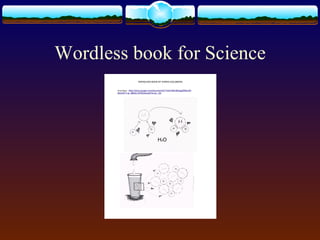
Wordless book for Science
Wordless book Continued
Immune System Biology Unit Plan
for the STEM School in Paterson, NJ
      A Culturally Relevant Plan to
      Cultivate Scientific Learning
Paterson, NJ
   City of Paterson dates back to the Revolutionary War era

   Former industrial center

   The residents are dominantly of Hispanic descent. The population also
    contains significant African American, Middle Eastern and Caucasian
    populations.

   The school populations are overwhelmingly poor with significant
    proportions of students who are ELLs. Also, the schools have high
    proportions of students classified under IDEA.
Immune System Unit Plan
   Deductive approach to learning.

   Culturally relevant.

   Multi-lingual

   Values student experiences

   Approach to science education in line with AAAS standards.
Concrete Examples for Elementary
  ESL Teachers in the Content Areas
 Translingual teacher as an jazz band director
 Translingual linguistic landscape project
 Visits by community members
 Multilingual word wall
 Written assignments in heritage language
 Family Language Use Tree
 Community Language Use Tree
 Identity Texts
Thank You – Muchas Gracias –
            Toda Raba
Dr. David Schwarzer, Chairperson
Secondary and Special Education
College of Education and Human Services
Montclair State University

schwarzerd@mail.montclair.edu

Tesol 2013

  • 1.
    "Inventing a TranslingualLearning Community in the Elementary Classroom” TESOL 2013 The 47th Annual Convention Dallas, TX David Schwarzer Montclair State University
  • 2.
    Attempts for morefluid conceptualizations  Transnational education  Hybridity  Third space  Dynamic bilingualism  World minded educator  Translingual education
  • 3.
    Trans-language learner? Jonietz (1994)  “If the traditional terms are not really applicable, is there a more appropriate term? Is it possible that these learners are ‘trans-language learners’ (TLL)? Trans-language learner is a term which describes an individual who moves from a maternal/native language to competence in an additional environmental/instructional language and culture.” (p.43)
  • 4.
    Translingual Writers – Kellman (2003)  Translingual authors as “those who write in more than one language or in a language other than their primary one.” (p. ix)  By expressing themselves in multiple verbal systems, [translingual writers] flaunt their freedom from the constrains of the culture into which they happen to be born (ix). Kellman (2003)
  • 5.
    Cutter, M. J.(2005) Book (review of Kellman 2003)  Translingualism as a subject is certainly worthy of theorization and study… However, the definition of translingualism presented here is very broad and the collection as a whole therefore remains rather diffuse and unfocused. Problematically, Kellman never distinguishes translingualism from bilingualism, multilingualism, or ambibilingualism. (p.199)
  • 6.
    Proposing a newdefinition: translingualism/transliteracy 1. Languages and literacies that develop while interacting with each other in a dynamic and fluid way 2. while moving back and forth between real and “imagined” glocalized borders 3. and transacting with different cultural identities within a unified self. (Schwarzer, in preparation)
  • 7.
    Three ways todefine translingualism  Translingualism as a new phenomenon of study  Translingualism as an ideology  Transligualism as a new methodology  For more information – Visit http://transligualism.ning.com
  • 8.
    Translingualism as anew Phenomenon  Canagarajah, S (2013). Translingual Practice: Global Englishes and Cosmopolitan Relations.  Shahjahan, R & Kezar, A (2013). Methodological Nationalism.  “Glonacality” emphasize the intersections, interactions, mutual determinations of these levels (global, national, and local)… not as a linear flow from the global to the local; rather a simultaneity of flows. (Marginson & Rhodes, 2002)
  • 9.
    Linguistic Landscapes –Multiliteracy dig – Environmental Print  Linguistic objects that mark the public space (Ben-Rafael et al., 2006).  LL reveal social realities as they are evidence of socio-political forces, cultural identities, and linguistic heritage language representations relates to issues of the relative power and status of the different languages in a specific sociolinguistic context (Cenoz & Gorter, 2008)  "private" vs. "public" signs - signs issued by public authorities (like government, municipalities or public agencies) and signs issued by individuals, associations, or firms acting more or less autonomously in the limits authorized by official regulations (Ben-Rafael et al., 2006)
  • 10.
    Linguistic Landscape ofHarrison, NJ 3 schools and 1,783 students  180 (approx. 10%) are classified as LEP  Student population is: 9% Asian, 1% African- American, 58% Hispanic, 32% Caucasian  19% of students below poverty level  The districts spends $400,000 on bilingual education annually
  • 11.
  • 14.
    Translingualism as anew ideology  Can you be bilingual and have a monolingual view of language and literacy development?  The bilingual middle school teacher story.  Can you be monolingual and have a translingual view of language and literacy development?  Monolingual teachers as “jazz band” directors in their translingual classrooms.
  • 15.
    Translingualism as aNew Methodology  Unit plans designed by monolingual students to impact learning in their translingual learning communities.  http://translingualism.ning.com  http://translingualismtoday.weebly.com/  http://translyricism.weebly.com/  http://www.multiliteracyintheham.myeweb.net/
  • 16.
  • 17.
  • 18.
  • 19.
    Immune System BiologyUnit Plan for the STEM School in Paterson, NJ A Culturally Relevant Plan to Cultivate Scientific Learning
  • 20.
    Paterson, NJ  City of Paterson dates back to the Revolutionary War era  Former industrial center  The residents are dominantly of Hispanic descent. The population also contains significant African American, Middle Eastern and Caucasian populations.  The school populations are overwhelmingly poor with significant proportions of students who are ELLs. Also, the schools have high proportions of students classified under IDEA.
  • 21.
    Immune System UnitPlan  Deductive approach to learning.  Culturally relevant.  Multi-lingual  Values student experiences  Approach to science education in line with AAAS standards.
  • 22.
    Concrete Examples forElementary ESL Teachers in the Content Areas  Translingual teacher as an jazz band director  Translingual linguistic landscape project  Visits by community members  Multilingual word wall  Written assignments in heritage language  Family Language Use Tree  Community Language Use Tree  Identity Texts
  • 23.
    Thank You –Muchas Gracias – Toda Raba Dr. David Schwarzer, Chairperson Secondary and Special Education College of Education and Human Services Montclair State University schwarzerd@mail.montclair.edu

Editor's Notes

  • #12 This restaurant is an excellent example of linguistic diversity in Harrison and the of the fluidity of translingualism. Initially from the exterior, it appears the restaurant serves (and delivers) Chinese food. The yellow sign includes both Chinese characters and English words.
  • #13 But a closer glance reveals the restaurant, which is Chinese-operated, also serves Peruvian-Chinese fusion food. In the 19 th and 20 th centuries, Chinese immigrants in Peru began to use Peruvian ingredients for their cooking and Latin American cooking techniques. As a result, “ chifa ” or “ chaufa ” was born. The two words, “ chifa ” or “ chaufa ” come from a Spanish pronunciation of the Mandarin words, “ chi fan ” or “ chao fan, ” meaning “ to eat rice ” or “ fried rice. ” This sign, therefore, is not only evidence of a Peruvian community In Harrison, but also the mixing of a Chinese-American restaurant with Peruvian-Chinese fusion food. For example, the sign here is in English, Spanish, and a Spanish pronunciation of a Chinese word. “ Seafood ” is English, “ Arroz ” is Spanish for rice, and “ Chaufa, ” meaning the rice is specially prepared.
  • #14 Much like the Chinese/Peruvian restaurant, this Harrison storefront displays a combination of words and phrases from multiple languages. The store offers a variety of services – it is a travel agency and bank, which the owners have signified with English words like “travel” and “money transfer.” The store also advertises access to the internet, with Spanish words and phrases, like “internet café” and “cyber café.” Other phrases like “fax, copias & P.O. Box,” are a fluid mixture of English and Spanish. Most importantly, this sign was purposely created by the store owner in a permanent manner, by affixing adhesive letters to glass and ordering a printed plexi-glass sign. The design was created and assumingly vetted by a number of people, members of the community who approved of the language use inherent in it.