EARTH & LIFE SCIENCE
By: MRS. ANGELI Y. DULLO, RN,LPT
Activity: “Organism Classification Game”
Instructions
1.Choose an organism:
2.Guess the Organism: Once the players
think they know the answer, they can make
a guess.
Tiger
Clue 1: I'm a multicellular organism.
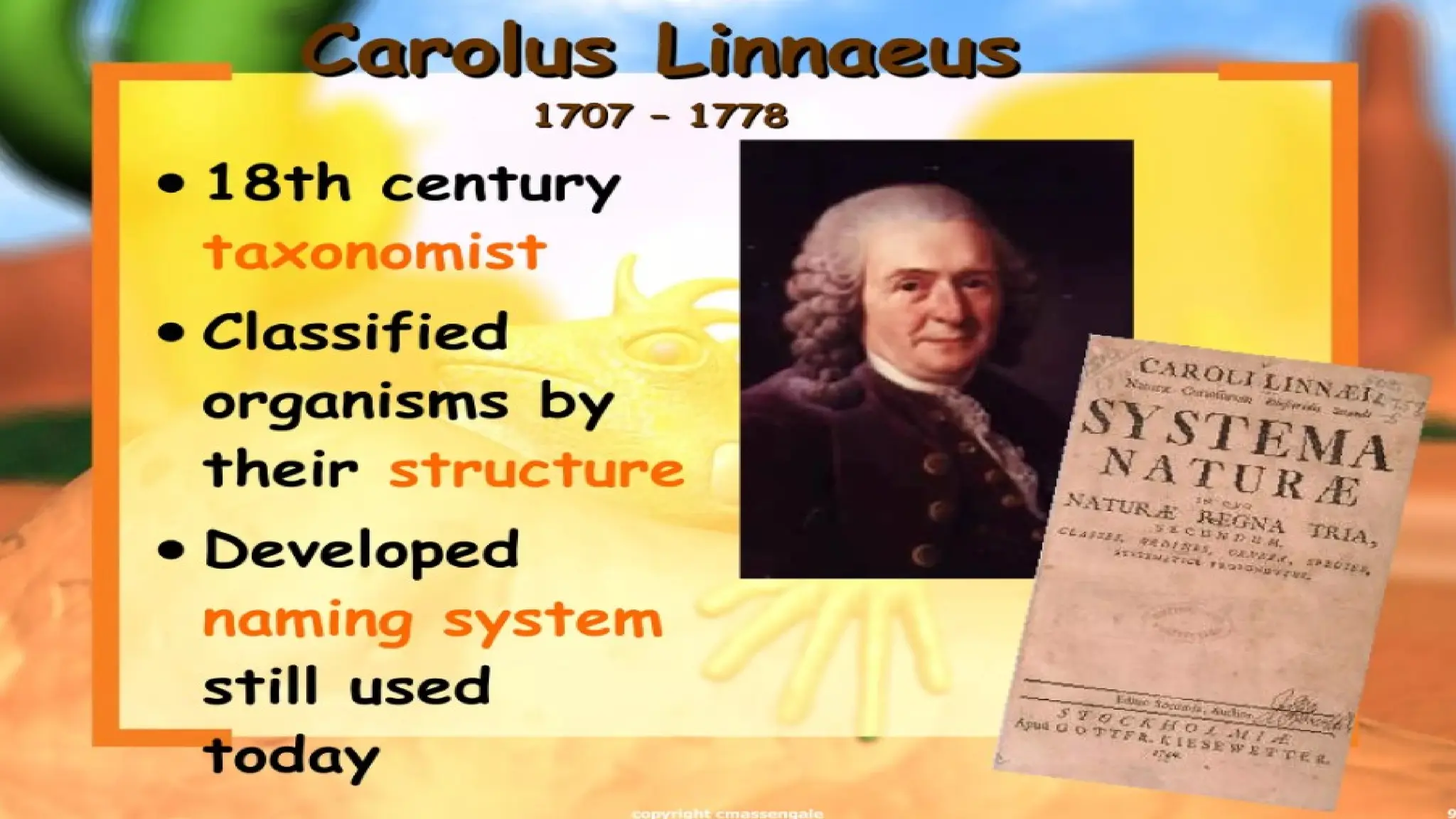
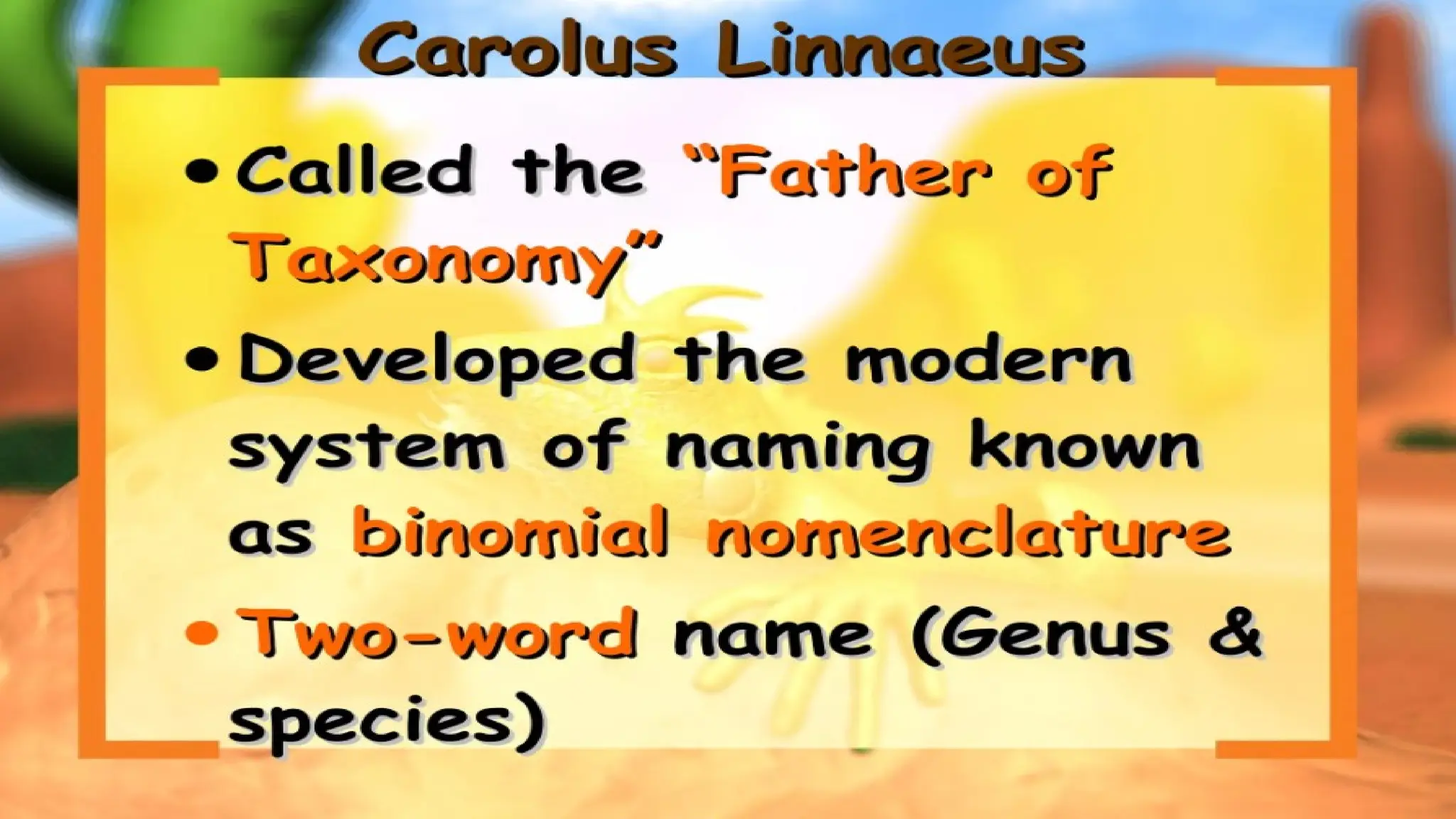
Clue 2: I belong to the animal
kingdom.
Clue 3: I have a backbone.
Clue 4: I'm a carnivore.
Frog
Clue 1: I'm a multicellular organism.
Clue 2: I belong to the animal kingdom.
Clue 3: I have a backbone.
Clue 4: I can live both on land and in
water.
Bacteria
Clue 1: I'm a single-celled
organism
Clue 2: I don't have a nucleus.
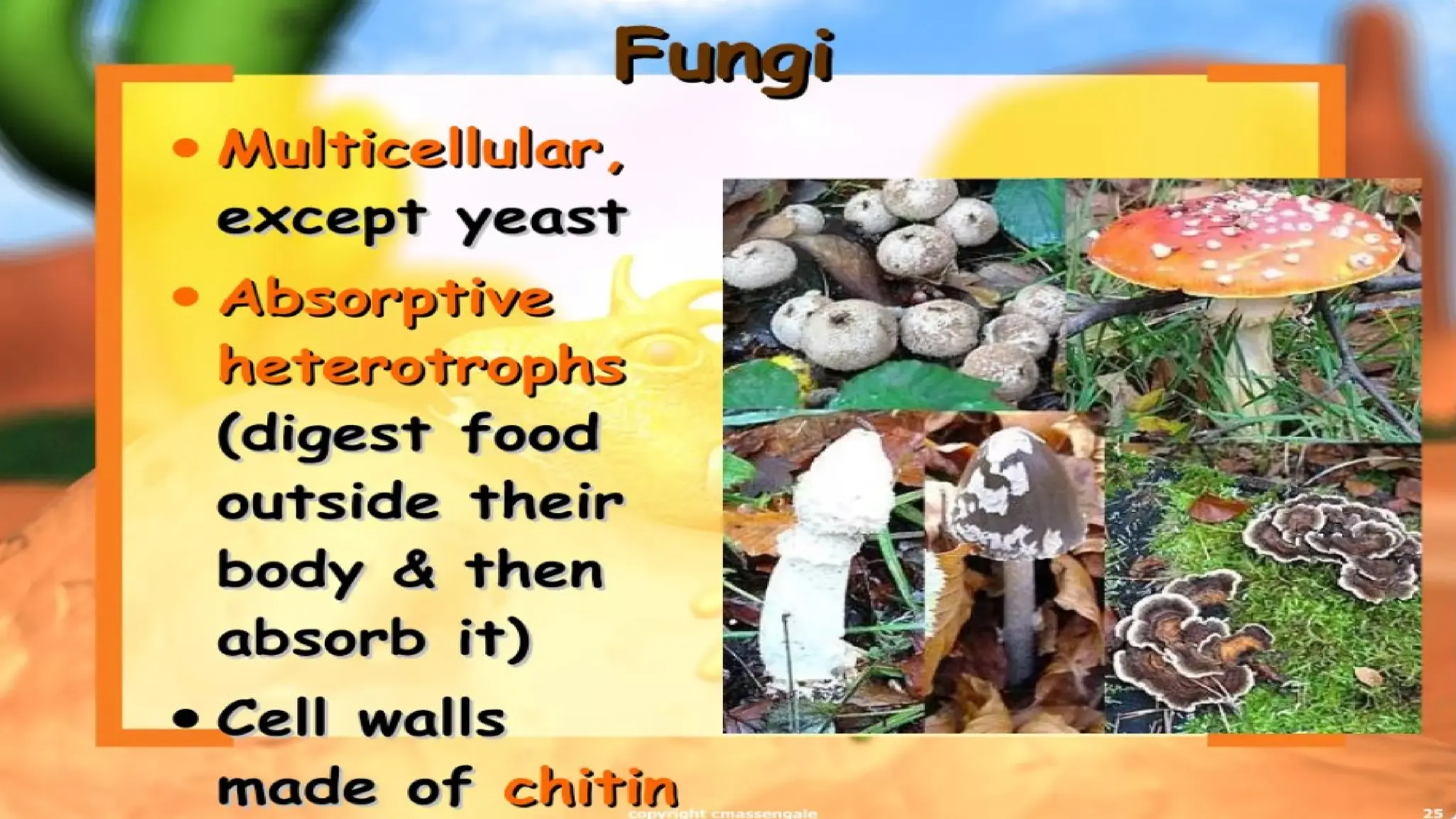
Mushroom
Clue 1: I'm a multicellular organism.
Clue 2: I belong to the fungus
kingdom.
Clue 3: I don't have chlorophyll.

Reviewing lessons
Natural Selection
Refers to the process that has
transformed or changed life on
Earth from its earliest forms to the
vast diversity we observe today.
Reviewing lessons
Evolution
The process in nature by which
organisms better adapted to their
environment and tend to survive
and reproduce more than those
less adapted to their environment
Awareness:
Definition of terms:
What is taxonomy?
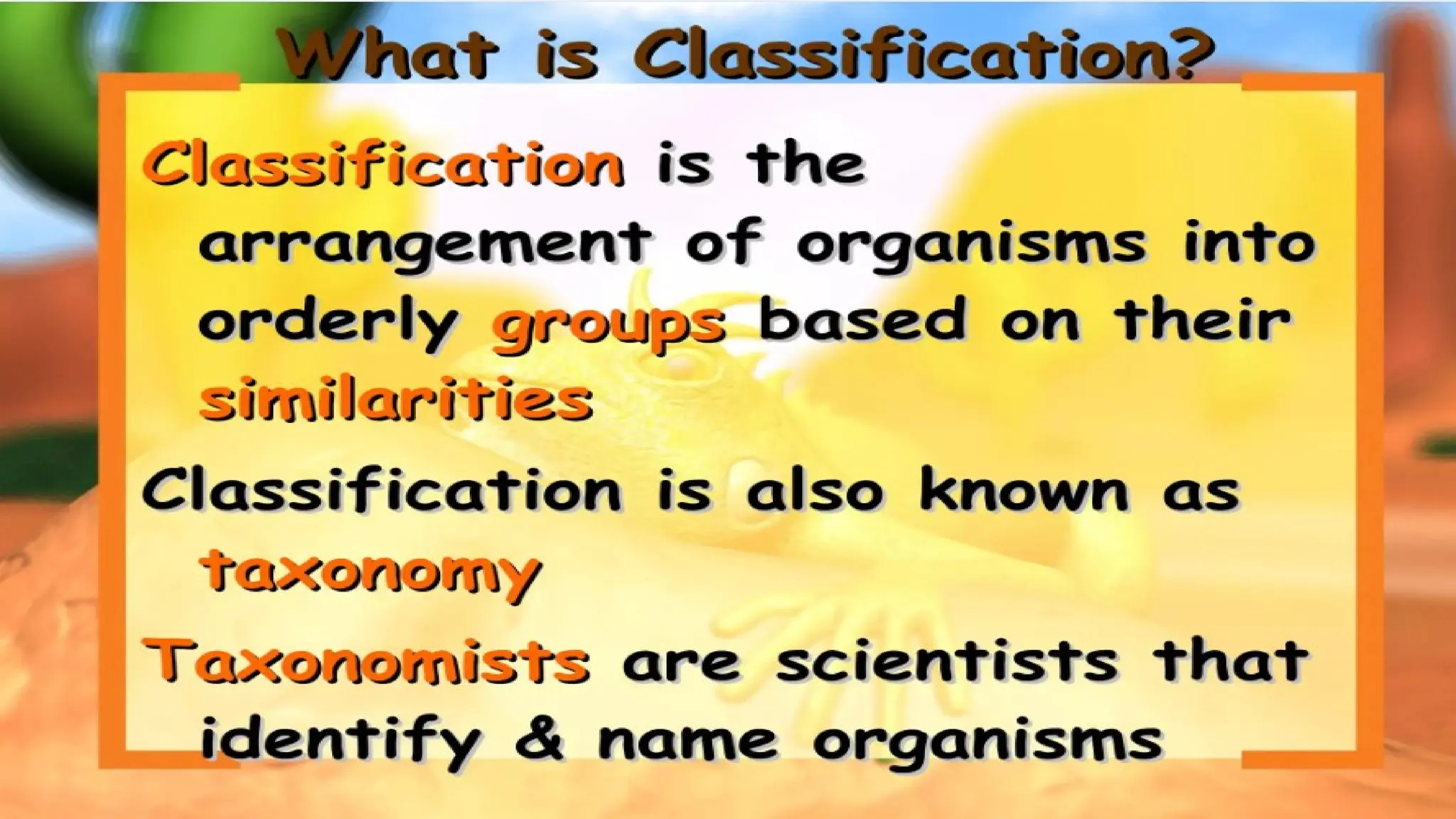
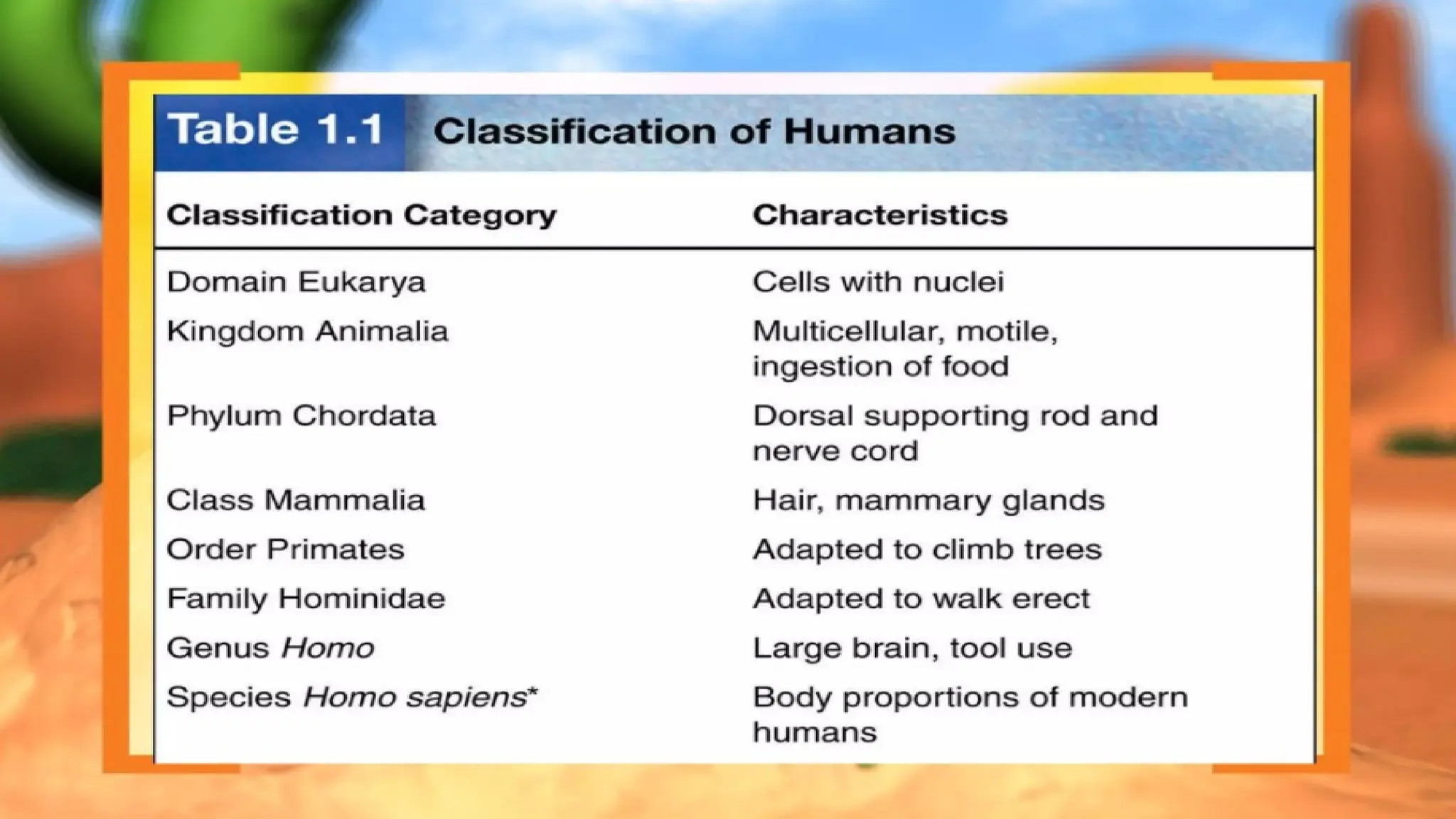
Taxonomy is the science of classifying
organisms. It involves naming, describing, and
classifying organisms into groups based on
their shared characteristics. This helps us
organize and understand the diversity of life
on Earth.
Awareness:
Definition of terms:
What is Binomial Nomenclature?
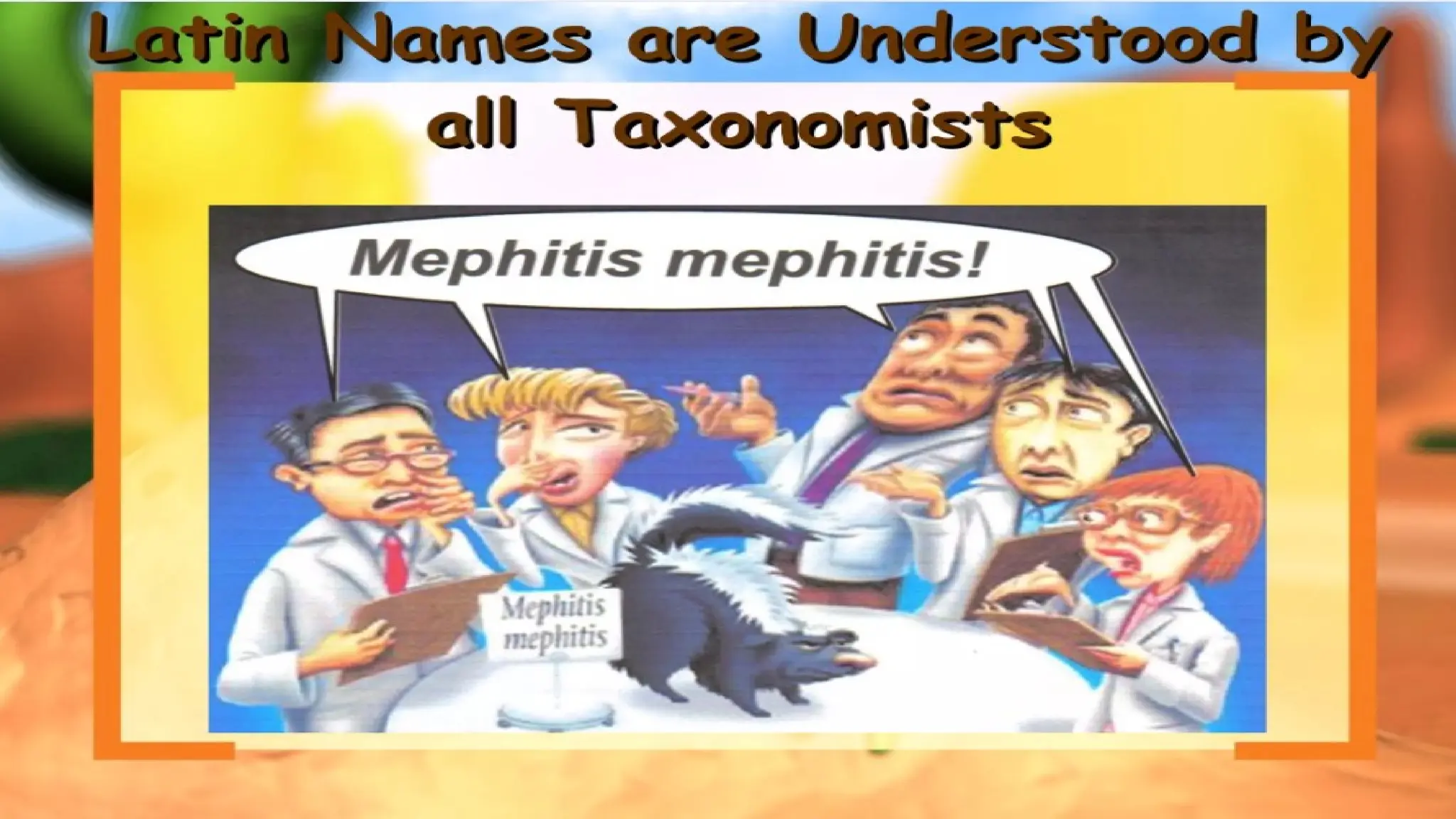
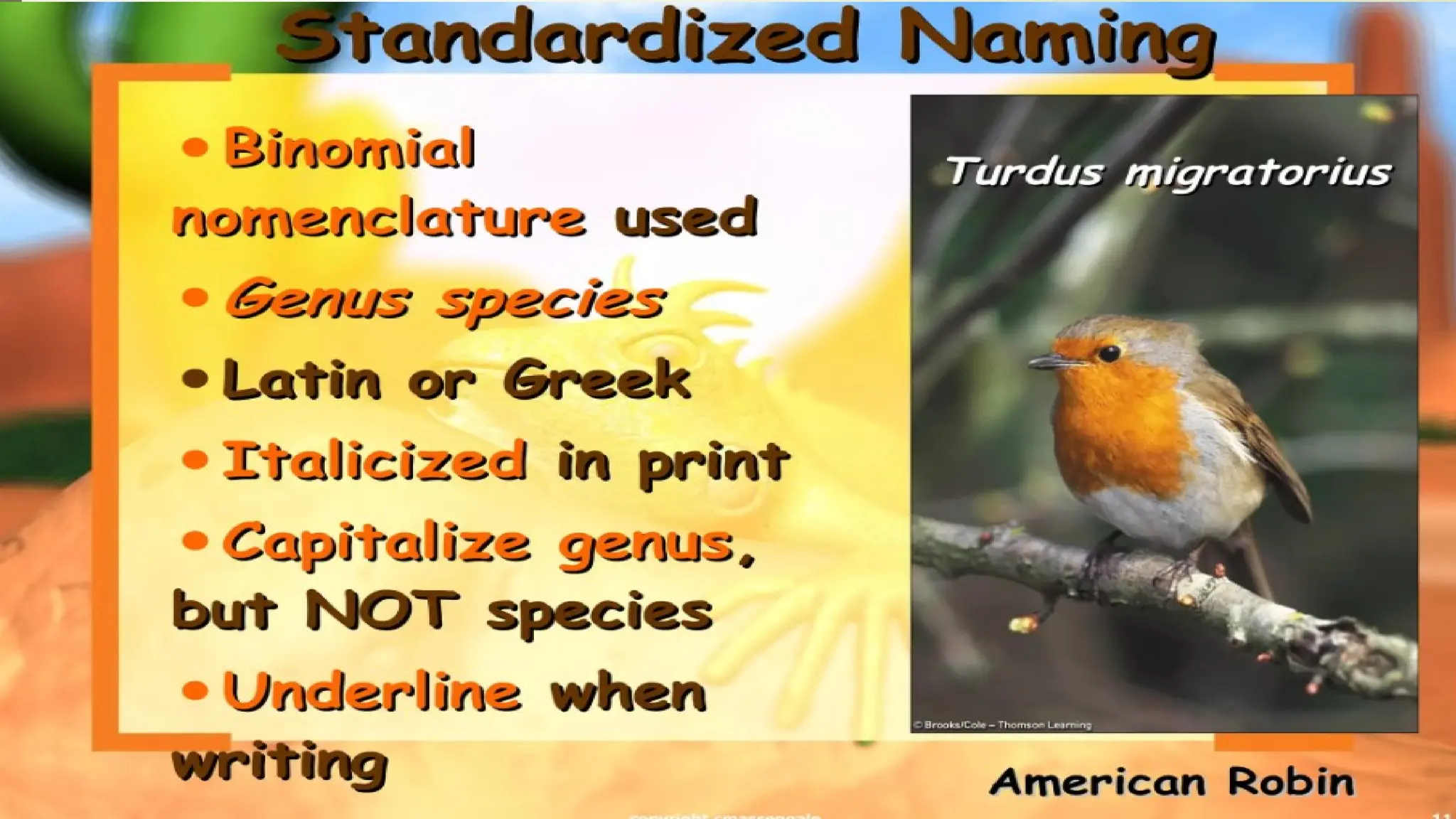
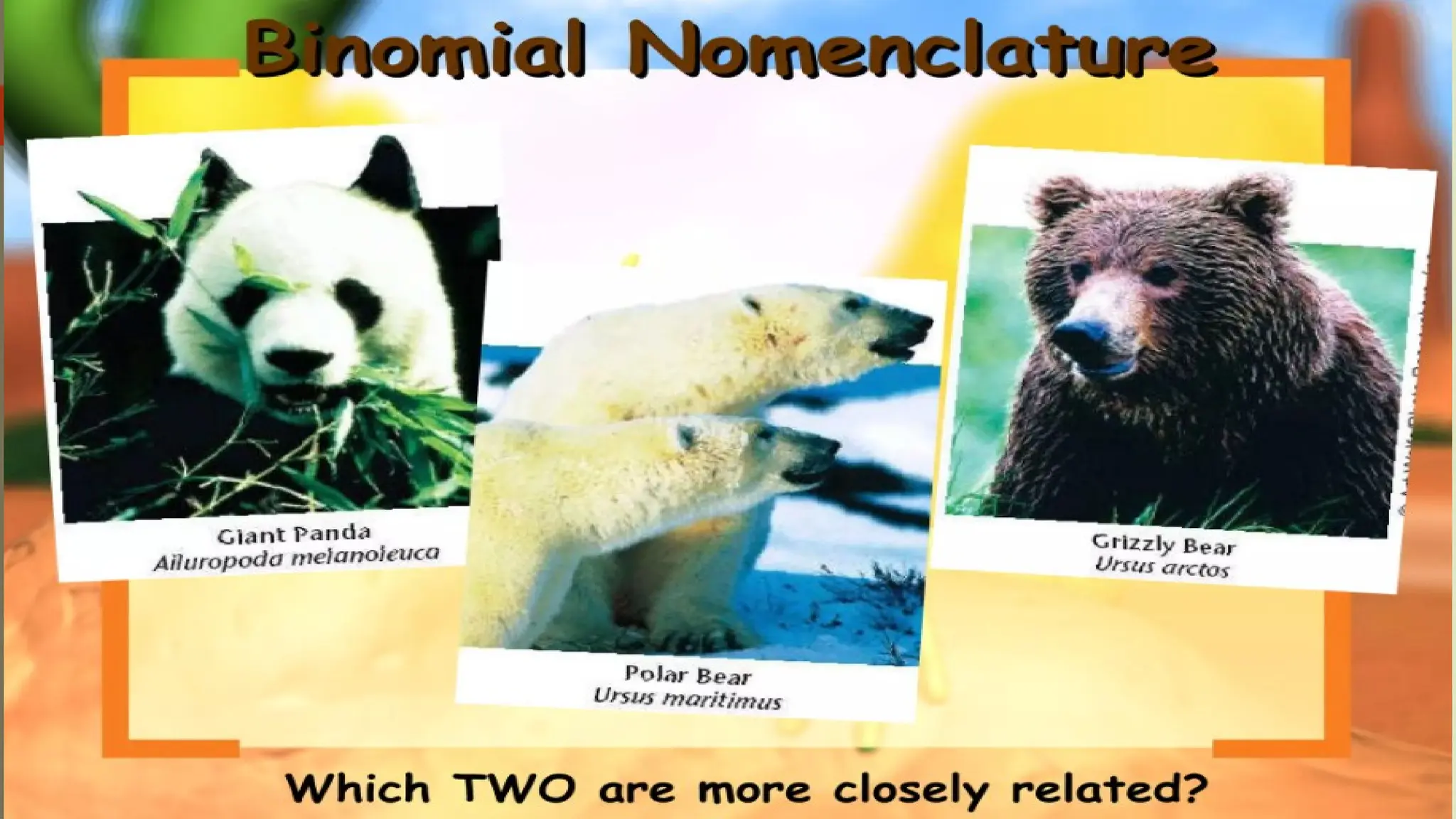
Binomial nomenclature is a standardized
system of naming organisms using two
names: a genus name and a specific
epithet. This system was introduced by the
renowned Swedish botanist, Carl Linnaeus.
Awareness:
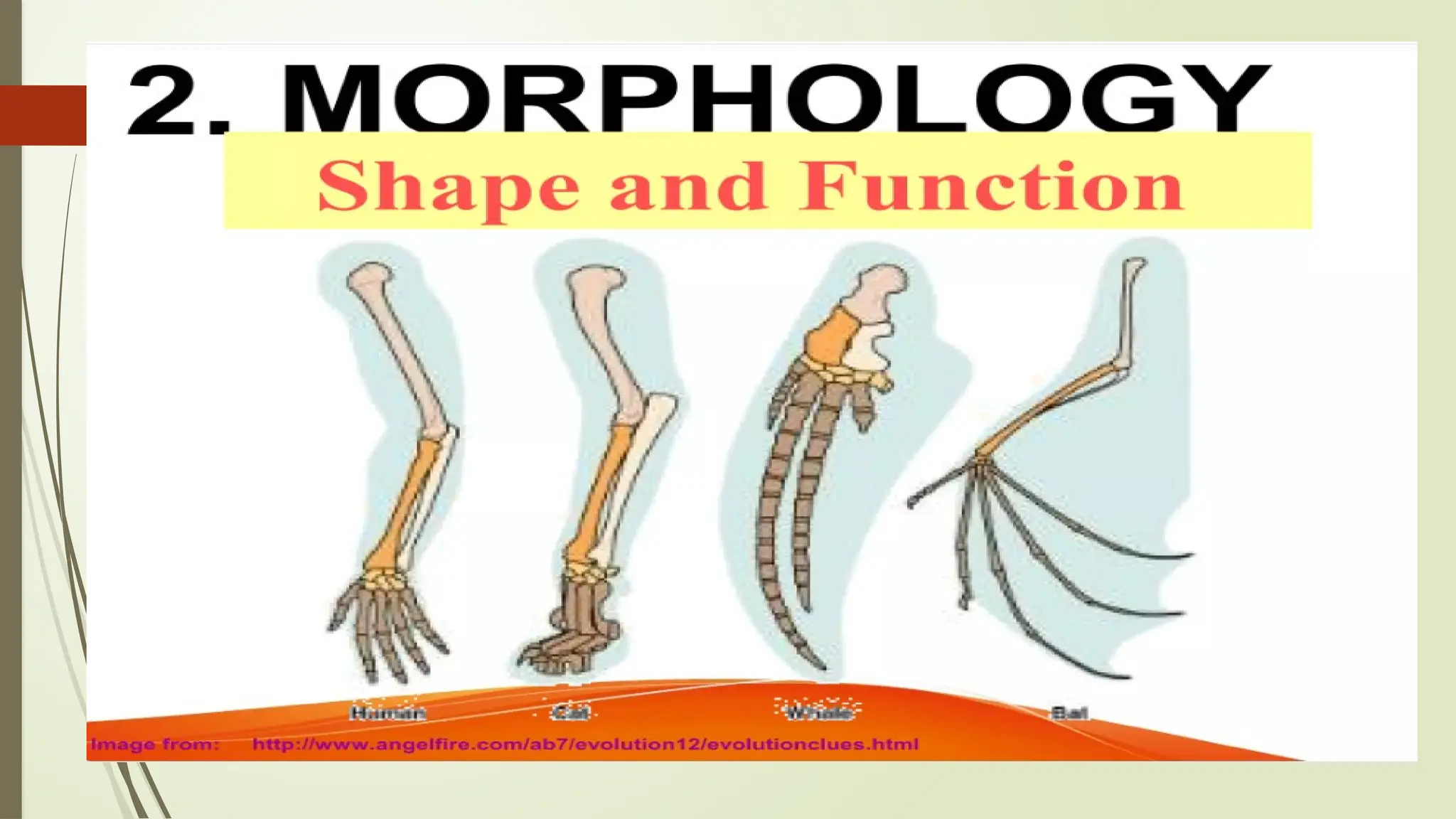
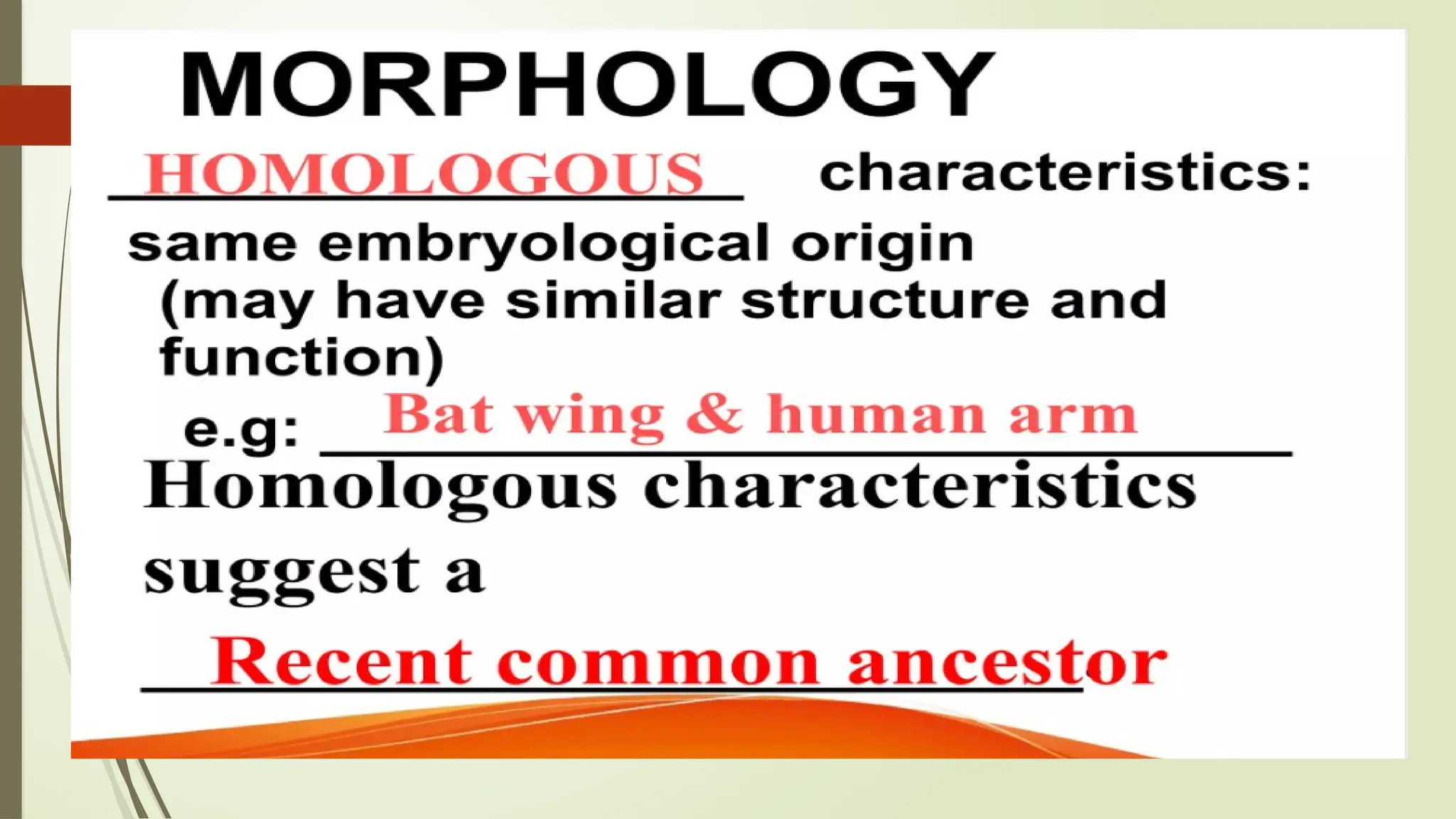
What is morphology
Morphology is the study of the form and
structure of organisms. It involves
examining organisms' external and
internal features to understand their
functions, development, and
evolutionary relationships.
ACTIVITY: “Taxonomy Tree Creation”
Instructions -
1) In groups, create a taxonomy tree for a
specific group of organisms (e.g., mammals,
birds).
2) Use reference materials to determine the
classification from kingdom to species.
3) Present your taxonomy tree to the class,
explaining the evolutionary relationships.
Rubric

Clarity of Classification (5 pts)

Creativity and Design (5 pts)

Group Presentation Skills (5
pts)
ANALYSIS
1) What are the main categories in
your taxonomy tree?
2) How did you determine the
relationships between the organisms?
3) What challenges did you face
while creating your taxonomy tree?
APPLICATION

Create a presentation on a
specific organism's evolutionary
history and classification,
highlighting key adaptations and
relationships with other organisms
“We are the facilitators
of our own creative
evolution.” – Bill Hicks
ASESSMENT
 FILL IN THE BLANKS
1. Classification is also known as
_____________________________
ASESSMENT
 FILL IN THE BLANKS
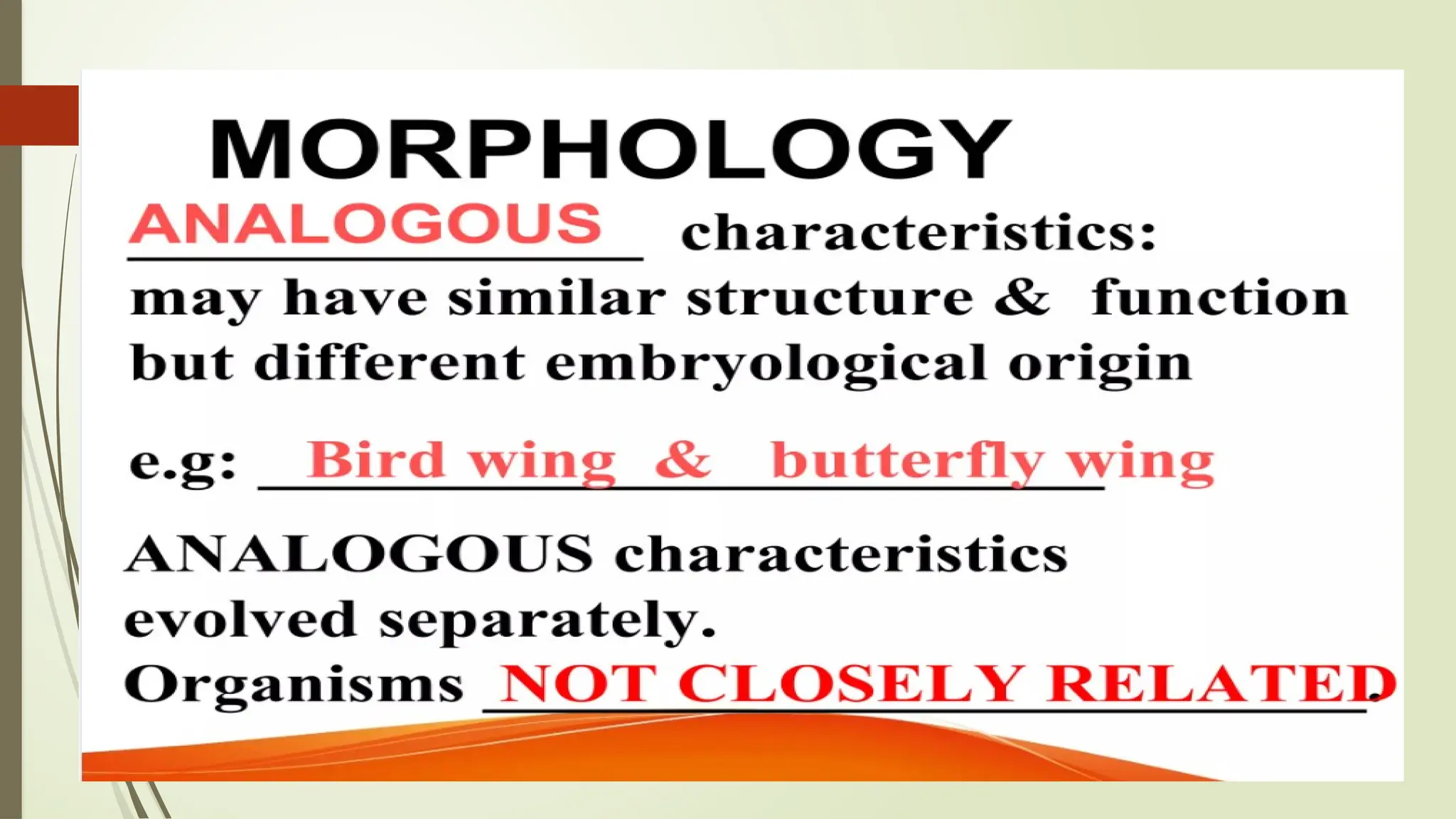
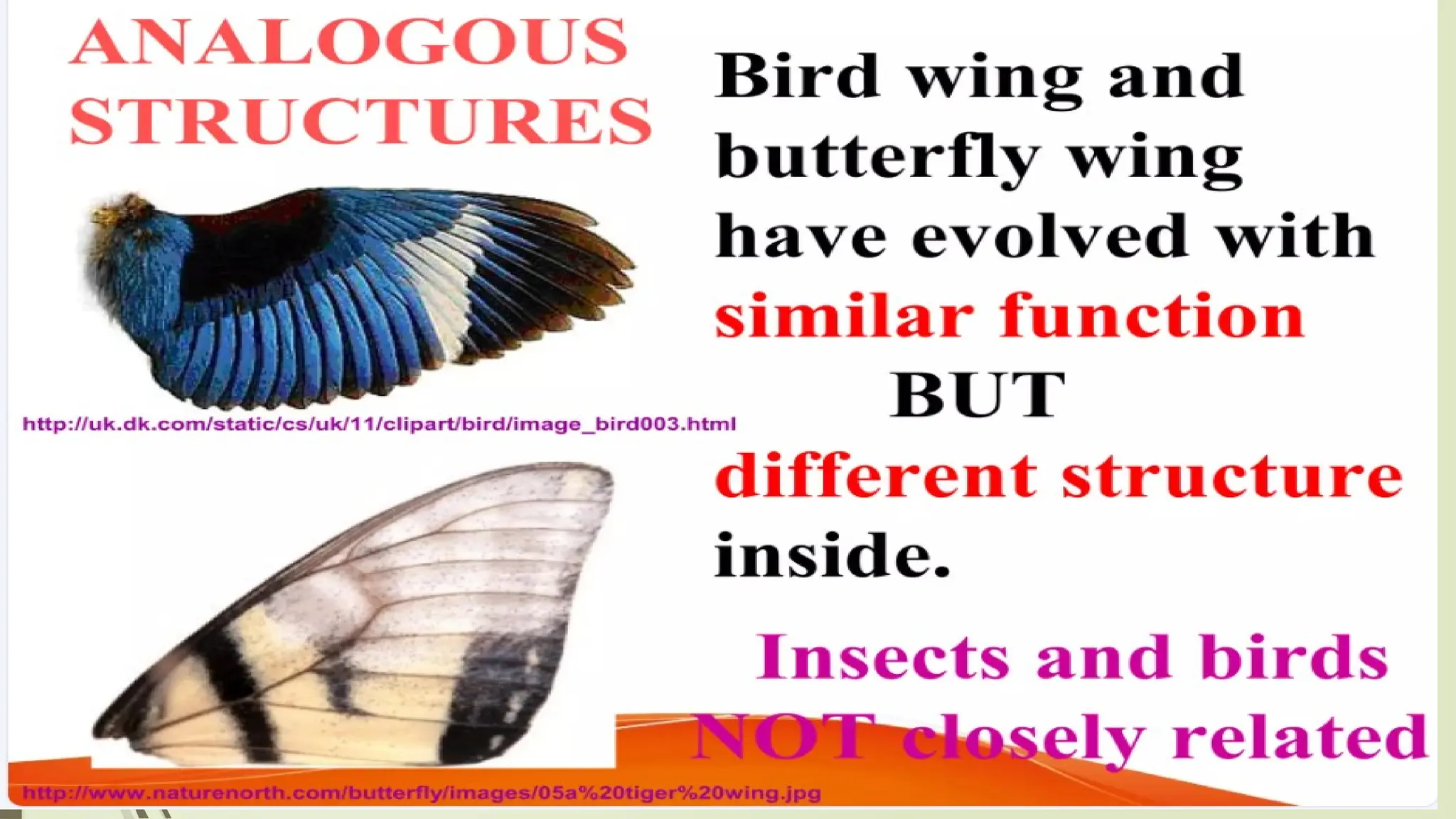
2.________________ Structures that
have similar functions but different
evolutionary origins.
ASESSMENT
 FILL IN THE BLANKS
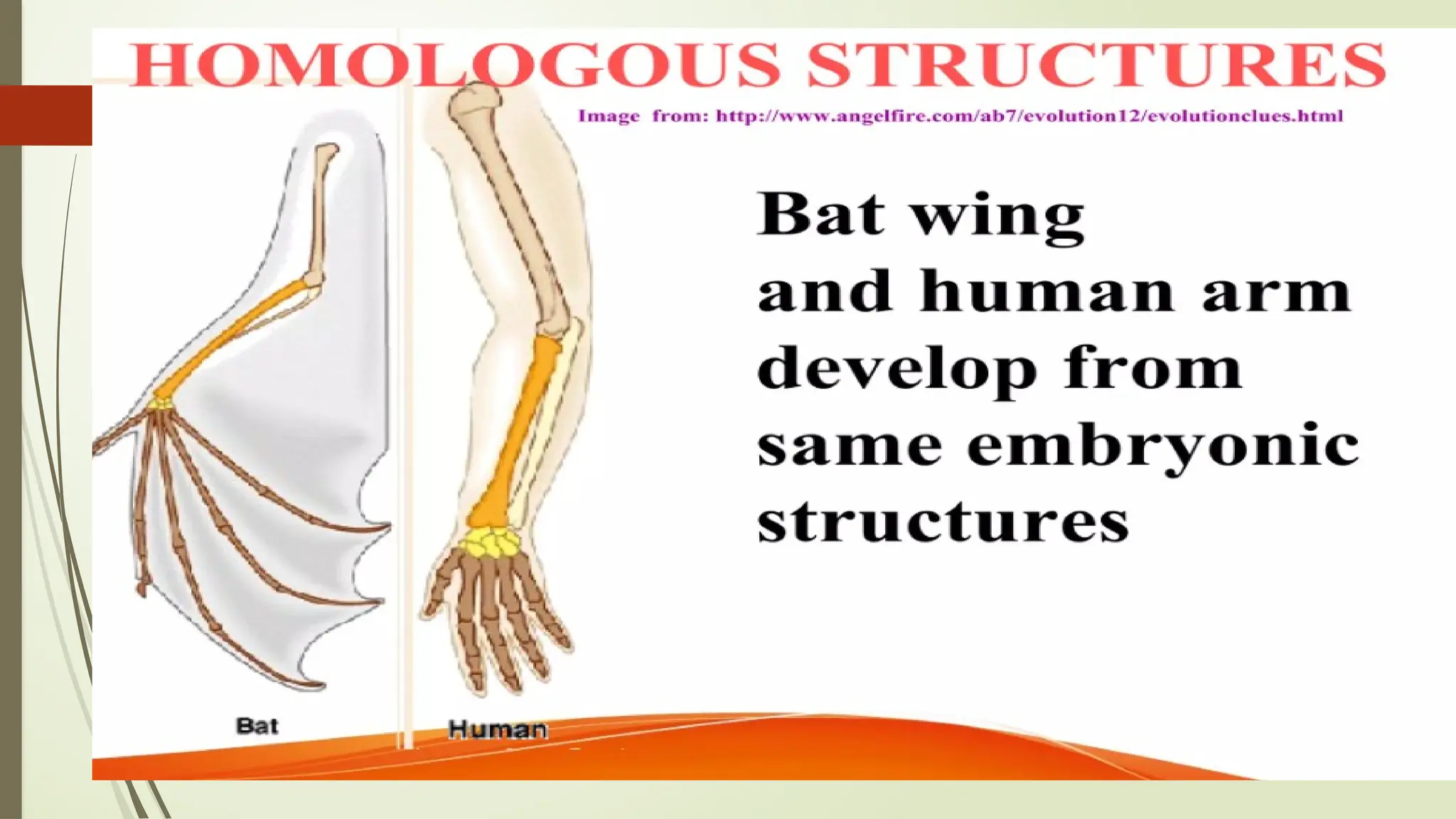
3. ____________________ Structures
that share a common evolutionary
origin and often have similar
underlying bone structure.
ASESSMENT
 FILL IN THE BLANKS
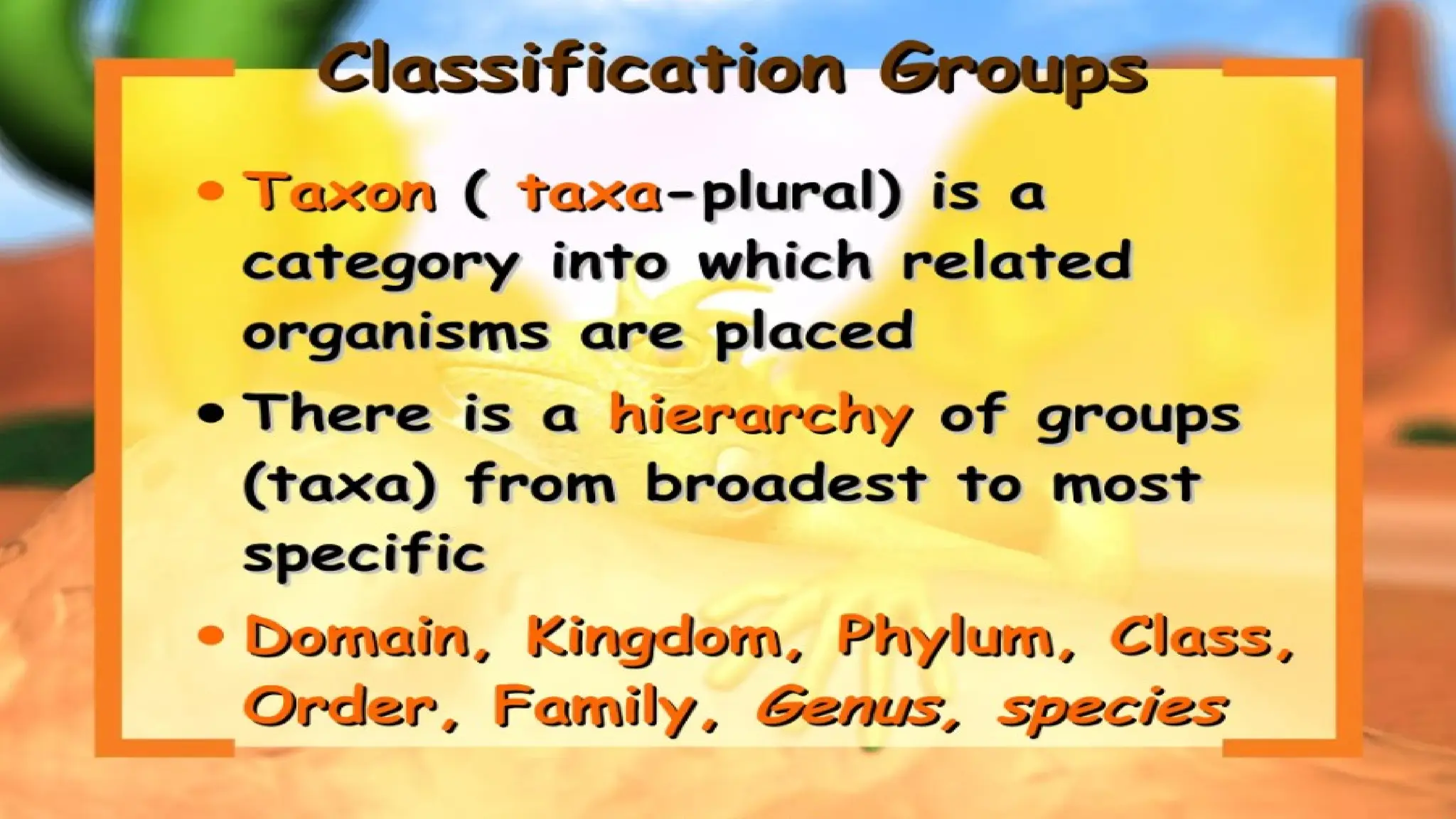
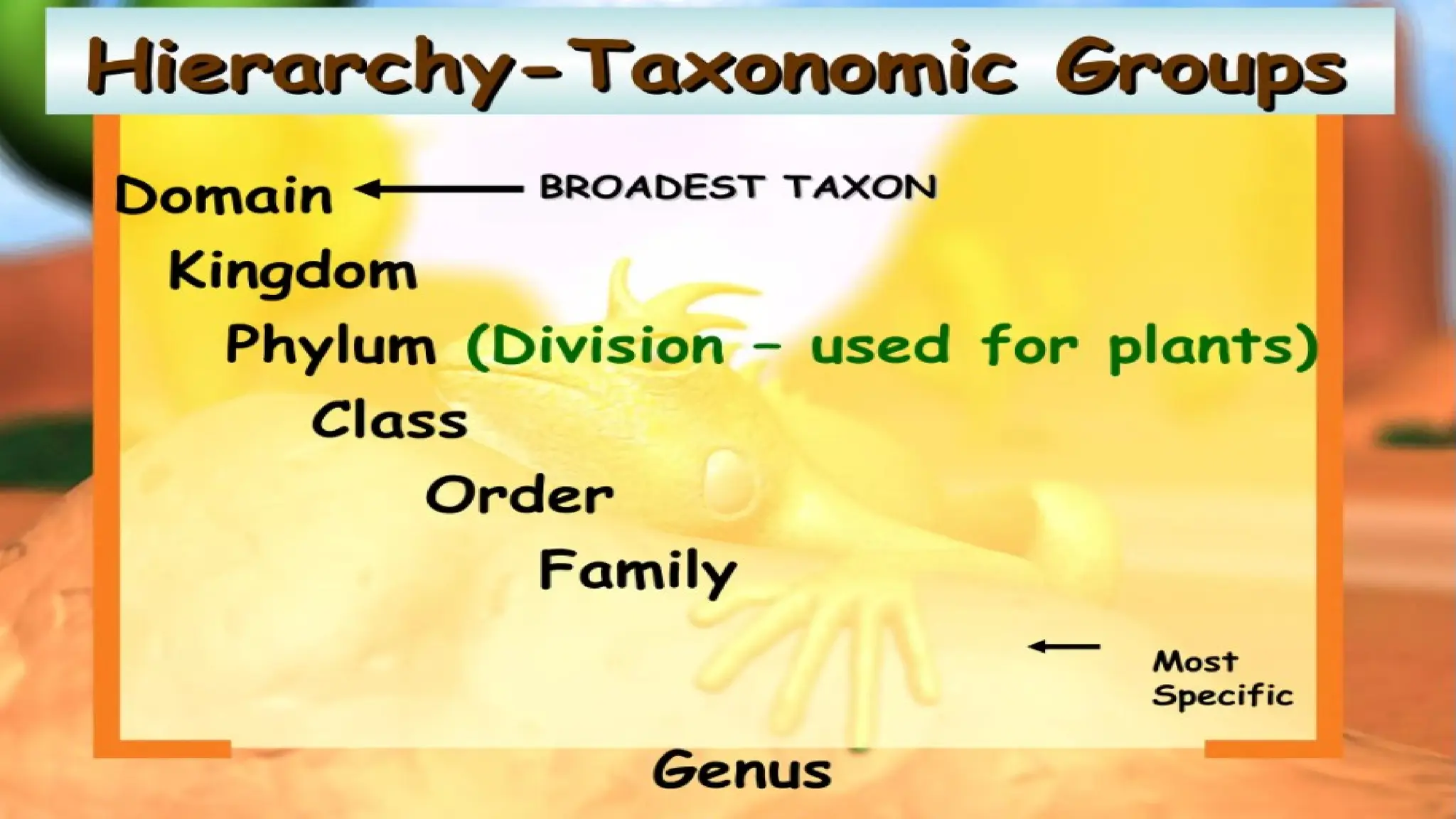
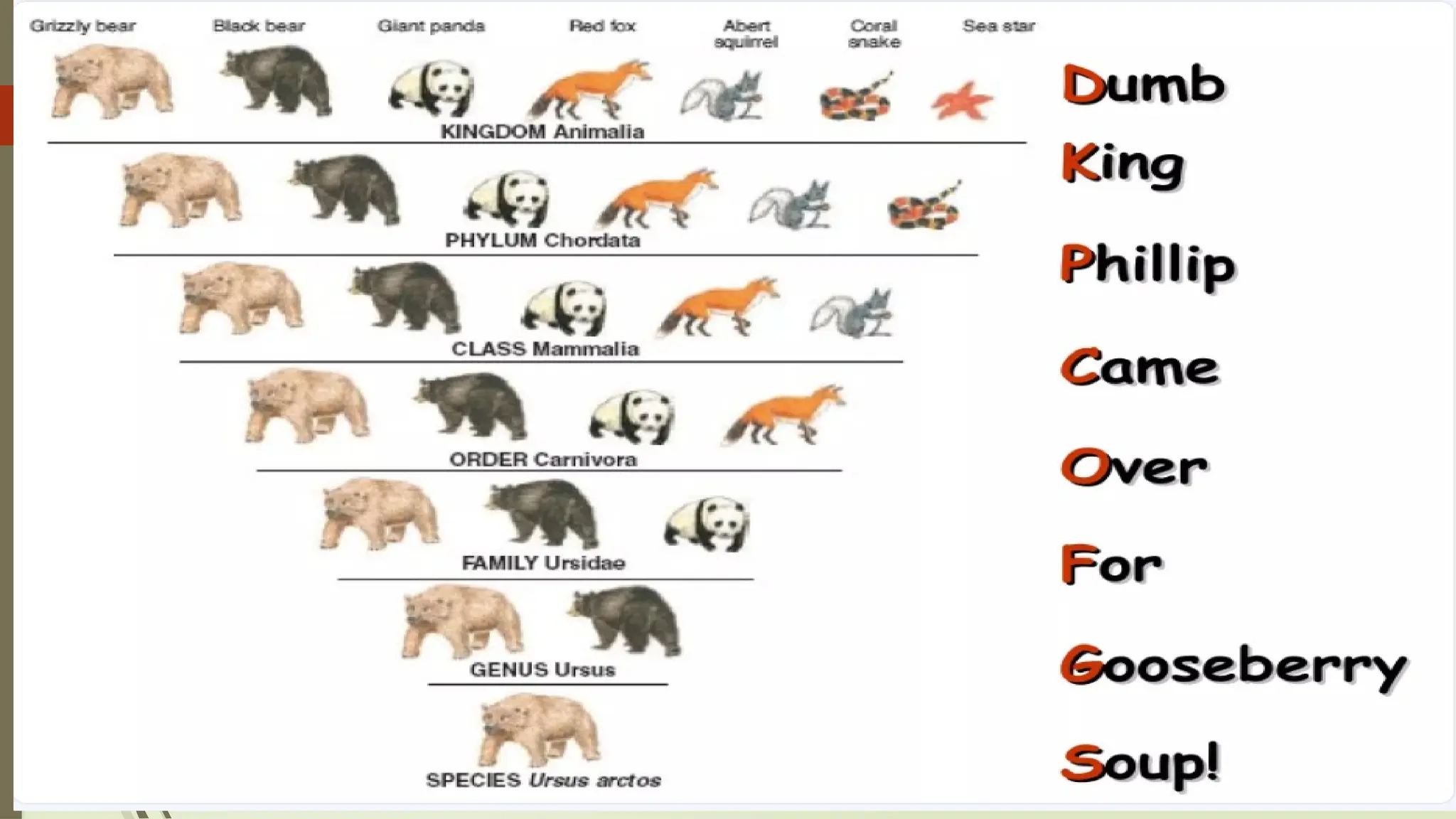
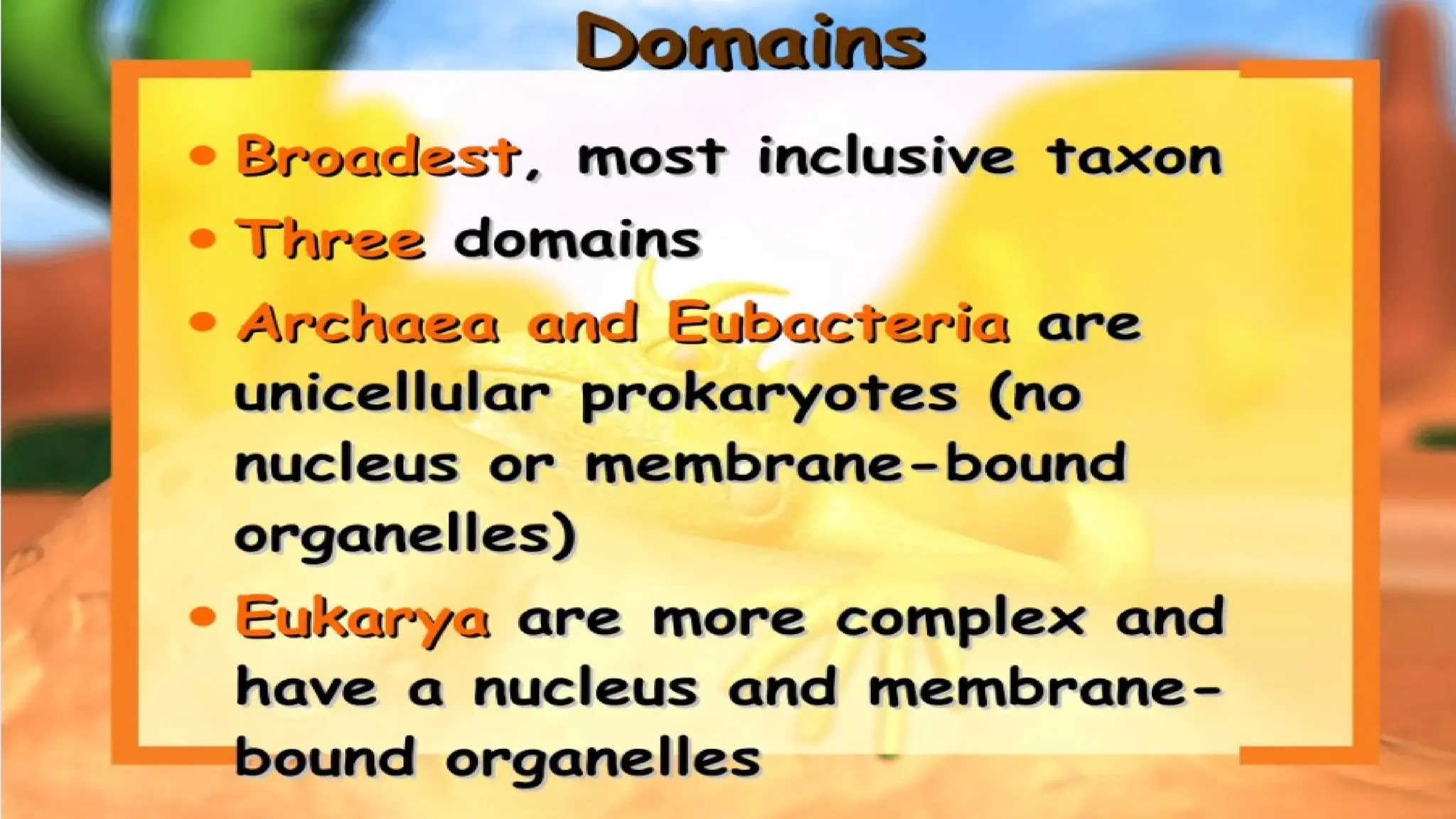
4. Hierarchy of groups (taxa) from
broadest to most specific

Taxonomy Morphology.ppt. Structure and Its function

  • 1.
    EARTH & LIFESCIENCE By: MRS. ANGELI Y. DULLO, RN,LPT
  • 2.
    Activity: “Organism ClassificationGame” Instructions 1.Choose an organism: 2.Guess the Organism: Once the players think they know the answer, they can make a guess.
  • 3.
    Tiger Clue 1: I'ma multicellular organism. Clue 2: I belong to the animal kingdom. Clue 3: I have a backbone. Clue 4: I'm a carnivore.
  • 4.
    Frog Clue 1: I'ma multicellular organism. Clue 2: I belong to the animal kingdom. Clue 3: I have a backbone. Clue 4: I can live both on land and in water.
  • 5.
    Bacteria Clue 1: I'ma single-celled organism Clue 2: I don't have a nucleus.
  • 6.
    Mushroom Clue 1: I'ma multicellular organism. Clue 2: I belong to the fungus kingdom. Clue 3: I don't have chlorophyll. 
  • 7.
    Reviewing lessons Natural Selection Refersto the process that has transformed or changed life on Earth from its earliest forms to the vast diversity we observe today.
  • 8.
    Reviewing lessons Evolution The processin nature by which organisms better adapted to their environment and tend to survive and reproduce more than those less adapted to their environment
  • 9.
    Awareness: Definition of terms: Whatis taxonomy? Taxonomy is the science of classifying organisms. It involves naming, describing, and classifying organisms into groups based on their shared characteristics. This helps us organize and understand the diversity of life on Earth.
  • 10.
    Awareness: Definition of terms: Whatis Binomial Nomenclature? Binomial nomenclature is a standardized system of naming organisms using two names: a genus name and a specific epithet. This system was introduced by the renowned Swedish botanist, Carl Linnaeus.
  • 11.
    Awareness: What is morphology Morphologyis the study of the form and structure of organisms. It involves examining organisms' external and internal features to understand their functions, development, and evolutionary relationships.
  • 12.
    ACTIVITY: “Taxonomy TreeCreation” Instructions - 1) In groups, create a taxonomy tree for a specific group of organisms (e.g., mammals, birds). 2) Use reference materials to determine the classification from kingdom to species. 3) Present your taxonomy tree to the class, explaining the evolutionary relationships.
  • 13.
    Rubric  Clarity of Classification(5 pts)  Creativity and Design (5 pts)  Group Presentation Skills (5 pts)
  • 14.
    ANALYSIS 1) What arethe main categories in your taxonomy tree? 2) How did you determine the relationships between the organisms? 3) What challenges did you face while creating your taxonomy tree?
  • 59.
    APPLICATION  Create a presentationon a specific organism's evolutionary history and classification, highlighting key adaptations and relationships with other organisms
  • 60.
    “We are thefacilitators of our own creative evolution.” – Bill Hicks
  • 61.
    ASESSMENT  FILL INTHE BLANKS 1. Classification is also known as _____________________________
  • 62.
    ASESSMENT  FILL INTHE BLANKS 2.________________ Structures that have similar functions but different evolutionary origins.
  • 63.
    ASESSMENT  FILL INTHE BLANKS 3. ____________________ Structures that share a common evolutionary origin and often have similar underlying bone structure.
  • 64.
    ASESSMENT  FILL INTHE BLANKS 4. Hierarchy of groups (taxa) from broadest to most specific