SYSTEMIC EFFECTS OF INJURY
Presented by: Ujjal Rajbangshi
1st year PGT, Orthopaedics
INTRODUCTION
 Survival or death of an organism after injury depends upon the dynamic balance
between the Magnitude of the injury and adequacy of the protective physiological
responses of the body essential to preserve cellular function.
 It may be Immediate, Early or Late systemic effect.
 Immidiate: Hypovolemic shock
 Early: Hypovolemic shock,
 ARDS
 Fat embolism,
 DVT and pulmonary embolism
 Aseptic traumatic fever,
 Crush syndrome
 Septicaemia
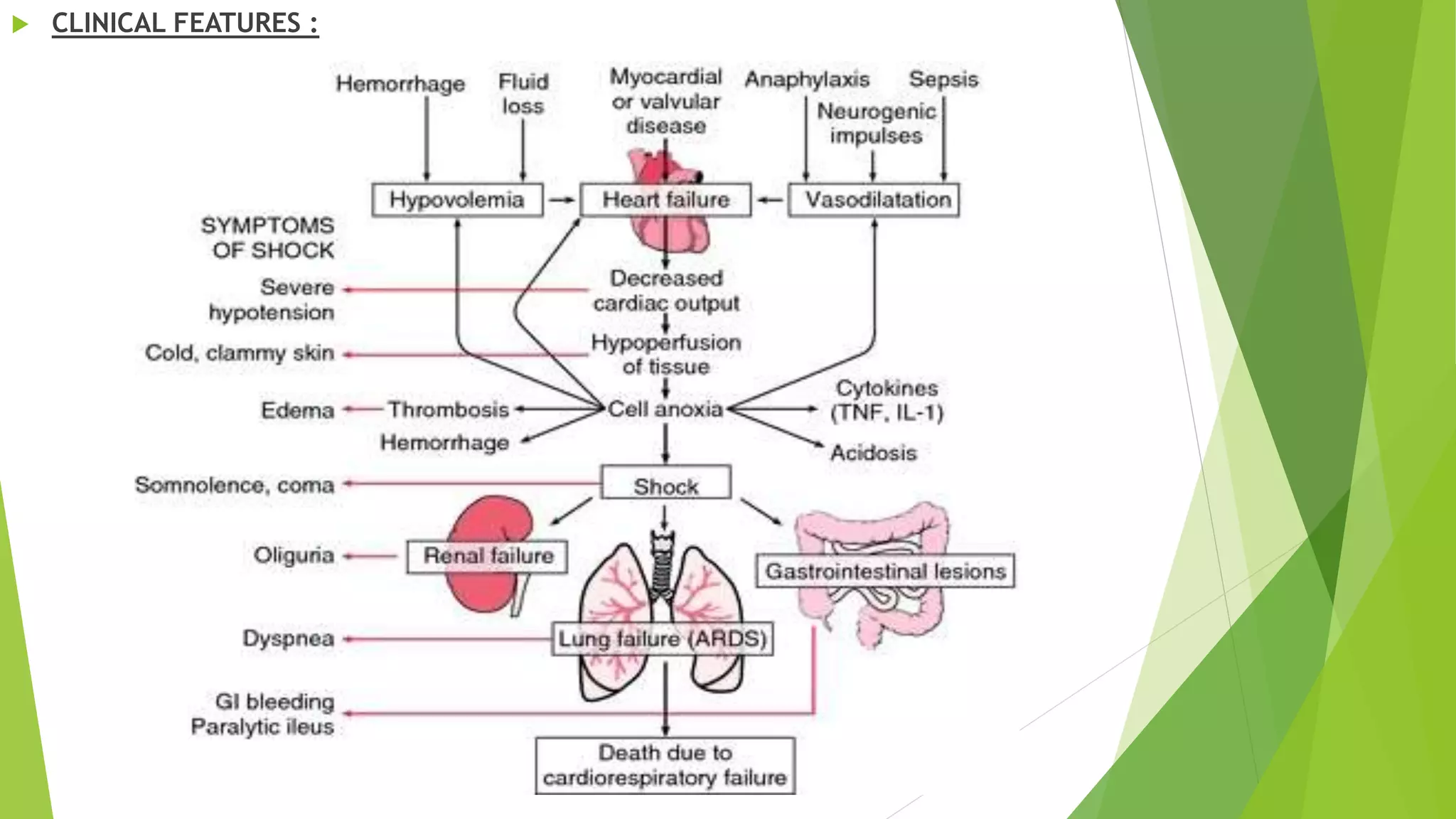
HYPOVOLEIMC SHOCK :
 It is the commonest cause of death following injury or fracture of major bones such as
the pelvis and femur.
 The cause of hypovolemia could be external hemorrhage or internal hemorrhage.
 The external hemorrhage may result from a compound fracture with or without an associated
injury to a major vessel of the limb.
Internal hemorrhage is usually massive bleeding in the body cavities such as chest or abdomen.
 Significant blood loss may occur in fracture of major bones lie the pelvis (1500-2000 ml) and
femur(1000-1500ml).
 CLINICAL FEATURES :
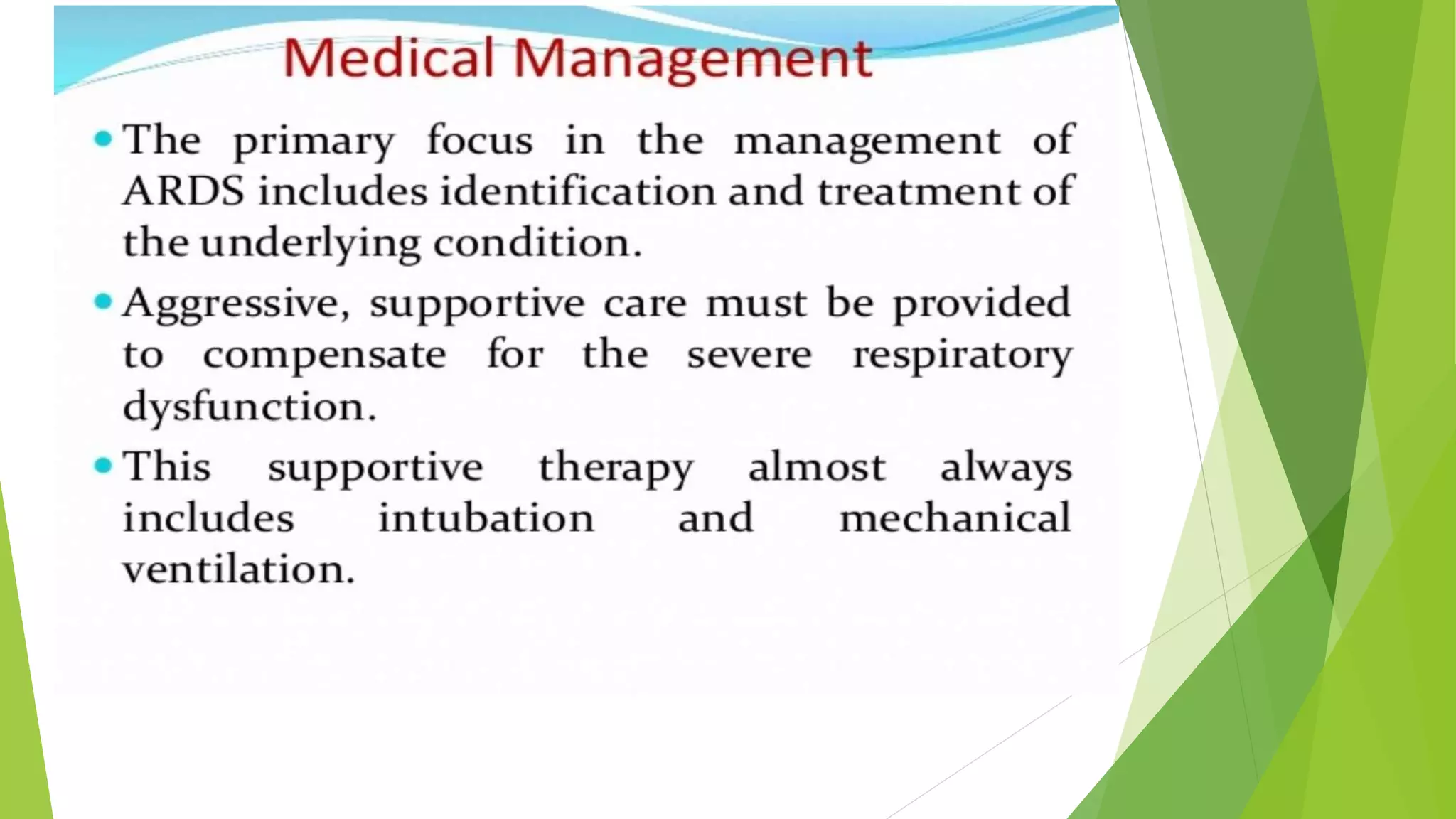
ARDS( Adult Respiratory Distress Syndrome)
 Adult Respiratory Distress Syndrome (ARDS) can be a sequelae of trauma with
subsequent shock
 The onset is usually 24 hours after the injury.
 Diffuse damage of epithelium And capillaries, resulting in progressive Respiratory
failure that is unresponsive to oxygen treatment.
 Clinical Manifestation :
 Assessment and Diagnostic findings :
FAT EMBOLISM SYNDROME :
 This is the most serious complications, the essential feature being
occlusion of small vessels by fat globules.
 Usually occurs with 72 hrs of trauma
 Often associated with multiple fractures, major bone fracture,
pelvic fractures
 CRUSH SYNDROME :
 This syndrome is results from massive crushig of the muscle, commonly associated with
crush injuries sustained during earthquakes, air raids, minig and other such accidents.
 A similar effect may follow the application of tourniquet for an excessive period.
Causes:
 Crushing of muscle results in entry of myohaemoglobin into the circulat, leading to
 Acute renal tubular necrosis
Diagnosis:
 Triad : Muscle pain, weakness, dark urine
 Fatigue
 Joint pain, seizure
 AKI, DIC
 Oliguria
 Elevated BUN
 Increase creatinine
 Increase uric acid
 Hyperphosphatemia
 Hyperkalemia
 Hypocalcemia
 MANAGEMENT:
 Plasma volumic expansion with IV isotonic saline asa soon as possible.
 Osmotic diuretic, iv mannitol
 Treatment of underlying causes.

THANK YOU
Systemic effects of injury

Systemic effects of injury

  • 1.
    SYSTEMIC EFFECTS OFINJURY Presented by: Ujjal Rajbangshi 1st year PGT, Orthopaedics
  • 2.
    INTRODUCTION  Survival ordeath of an organism after injury depends upon the dynamic balance between the Magnitude of the injury and adequacy of the protective physiological responses of the body essential to preserve cellular function.  It may be Immediate, Early or Late systemic effect.
  • 3.
     Immidiate: Hypovolemicshock  Early: Hypovolemic shock,  ARDS  Fat embolism,  DVT and pulmonary embolism  Aseptic traumatic fever,  Crush syndrome  Septicaemia
  • 4.
    HYPOVOLEIMC SHOCK : It is the commonest cause of death following injury or fracture of major bones such as the pelvis and femur.  The cause of hypovolemia could be external hemorrhage or internal hemorrhage.  The external hemorrhage may result from a compound fracture with or without an associated injury to a major vessel of the limb. Internal hemorrhage is usually massive bleeding in the body cavities such as chest or abdomen.  Significant blood loss may occur in fracture of major bones lie the pelvis (1500-2000 ml) and femur(1000-1500ml).
  • 5.
  • 11.
    ARDS( Adult RespiratoryDistress Syndrome)  Adult Respiratory Distress Syndrome (ARDS) can be a sequelae of trauma with subsequent shock  The onset is usually 24 hours after the injury.  Diffuse damage of epithelium And capillaries, resulting in progressive Respiratory failure that is unresponsive to oxygen treatment.
  • 12.
  • 14.
     Assessment andDiagnostic findings :
  • 18.
    FAT EMBOLISM SYNDROME:  This is the most serious complications, the essential feature being occlusion of small vessels by fat globules.  Usually occurs with 72 hrs of trauma  Often associated with multiple fractures, major bone fracture, pelvic fractures
  • 26.
     CRUSH SYNDROME:  This syndrome is results from massive crushig of the muscle, commonly associated with crush injuries sustained during earthquakes, air raids, minig and other such accidents.  A similar effect may follow the application of tourniquet for an excessive period. Causes:  Crushing of muscle results in entry of myohaemoglobin into the circulat, leading to  Acute renal tubular necrosis Diagnosis:  Triad : Muscle pain, weakness, dark urine  Fatigue  Joint pain, seizure  AKI, DIC
  • 27.
     Oliguria  ElevatedBUN  Increase creatinine  Increase uric acid  Hyperphosphatemia  Hyperkalemia  Hypocalcemia  MANAGEMENT:  Plasma volumic expansion with IV isotonic saline asa soon as possible.  Osmotic diuretic, iv mannitol  Treatment of underlying causes.
  • 28.