Superficial Punctate
keratitis
Optometry fans
Superficial punctate keratitis
Superficial punctate keratitis is an eye
disorder caused by death of small groups of
cells on the surface of the cornea.
Causes of SPK
● A viral infection
● A bacterial infection (including trachoma)
● Dry eyes
● Strong chemicals splashed in the eye
● Exposure to ultraviolet light (sunlight or welding )
● Prolonged use of contact lenses
● An allergy to eye drops
● Blepharitis (eyelid inflammation)
● Bell palsy
Symptoms of SPK
In superficial punctate keratitis, the eyes are
usually painful, watery, sensitive to bright light,
and vision may be slightly blurred.
Often there is a burning, gritty feeling or a feeling
as if a foreign object is trapped in the eye.
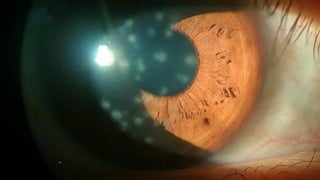
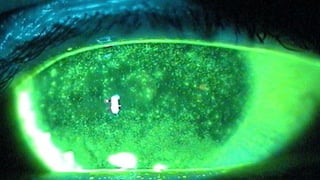
Sign of SPK
SPK can be visualized by staining the eye
with a dye and looking under high
magnification and a bright light
Treatment of SPK
The treatment of SPK varies depending on
what caused it. An eye doctor will determine
the underlying cause based on clinical
findings, symptoms, and medical history.
SPK associated with Dry eye
syndrome
Dry eye syndrome is usually treated with artificial
tears and ointment at night. For more severe
cases, an eye doctor may recommend
prescription eye drops such as cyclosporine that
increase tear production
Treatment of SPK associated with
blepharitis
Blepharitis is often treated with warm
compresses and lid scrubs.
Artificial tears and antibiotics may also be
recommended.
Treatment of SPK associated with
bacterial infection
Bacterial infections are treated with antibiotic
drops or treatments. It is important to finish the
full course of treatment to prevent the infection
from recurring.
Treatment of SPK associated with
allergic reaction
These conditions are treated by removing the agent
that is causing the allergy. Antihistamines and other
eye drops that treat allergies may be prescribed. In
severe cases, a short course of corticosteroid drops
may be needed to treat a severe reaction.
Treatment of SPK associated
with contact lenses
This is usually treated by discontinuing contact
lens wear and treatment with artificial tears, or
steroid and antibiotic drops. Once the SPK has
healed, the individual can be refit for contact
lenses.
Treatment of SPK associated with
chemical burn
A chemical burn should be flushed promptly
with water for at least 20 minutes and
treated as a medical emergency.
Treatment of SPK associated UV light
UV keratitis is treated with artificial tears,
ointment and oral pain medication. The cornea will
commonly heal within one to three days.
Thank you

SUPERFICIAL PUNCTATE KERATITIS.pdf

  • 1.
  • 2.
    Superficial punctate keratitis Superficialpunctate keratitis is an eye disorder caused by death of small groups of cells on the surface of the cornea.
  • 4.
    Causes of SPK ●A viral infection ● A bacterial infection (including trachoma) ● Dry eyes ● Strong chemicals splashed in the eye ● Exposure to ultraviolet light (sunlight or welding ) ● Prolonged use of contact lenses ● An allergy to eye drops ● Blepharitis (eyelid inflammation) ● Bell palsy
  • 5.
    Symptoms of SPK Insuperficial punctate keratitis, the eyes are usually painful, watery, sensitive to bright light, and vision may be slightly blurred. Often there is a burning, gritty feeling or a feeling as if a foreign object is trapped in the eye.
  • 6.
    Sign of SPK SPKcan be visualized by staining the eye with a dye and looking under high magnification and a bright light
  • 8.
    Treatment of SPK Thetreatment of SPK varies depending on what caused it. An eye doctor will determine the underlying cause based on clinical findings, symptoms, and medical history.
  • 9.
    SPK associated withDry eye syndrome Dry eye syndrome is usually treated with artificial tears and ointment at night. For more severe cases, an eye doctor may recommend prescription eye drops such as cyclosporine that increase tear production
  • 10.
    Treatment of SPKassociated with blepharitis Blepharitis is often treated with warm compresses and lid scrubs. Artificial tears and antibiotics may also be recommended.
  • 11.
    Treatment of SPKassociated with bacterial infection Bacterial infections are treated with antibiotic drops or treatments. It is important to finish the full course of treatment to prevent the infection from recurring.
  • 12.
    Treatment of SPKassociated with allergic reaction These conditions are treated by removing the agent that is causing the allergy. Antihistamines and other eye drops that treat allergies may be prescribed. In severe cases, a short course of corticosteroid drops may be needed to treat a severe reaction.
  • 13.
    Treatment of SPKassociated with contact lenses This is usually treated by discontinuing contact lens wear and treatment with artificial tears, or steroid and antibiotic drops. Once the SPK has healed, the individual can be refit for contact lenses.
  • 14.
    Treatment of SPKassociated with chemical burn A chemical burn should be flushed promptly with water for at least 20 minutes and treated as a medical emergency.
  • 15.
    Treatment of SPKassociated UV light UV keratitis is treated with artificial tears, ointment and oral pain medication. The cornea will commonly heal within one to three days.
  • 16.