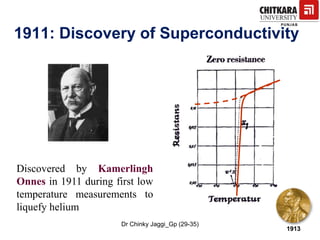
- Superconductivity was discovered in 1911 by Kamerlingh Onnes during experiments to liquefy helium below 4 K (1).
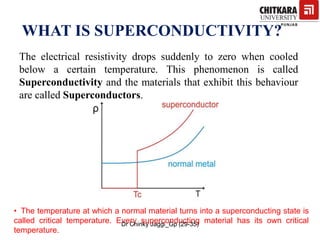
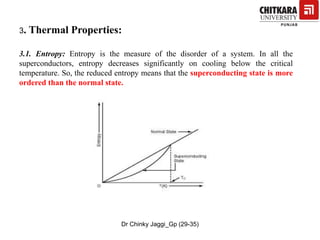
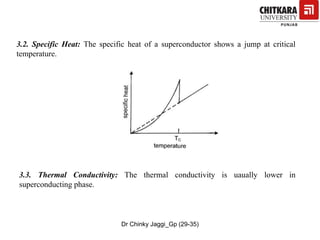
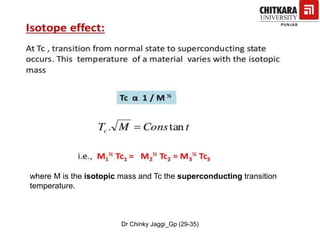
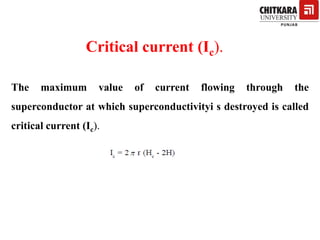
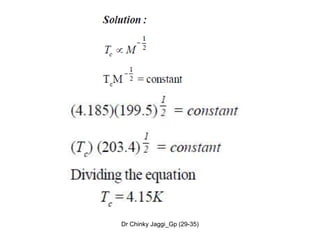
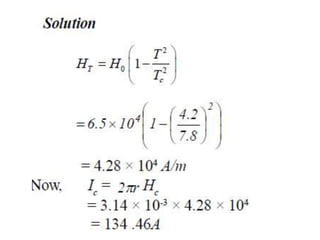
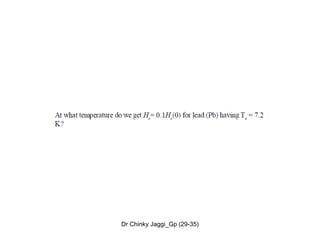
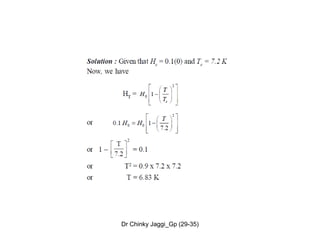
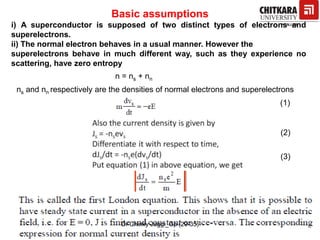
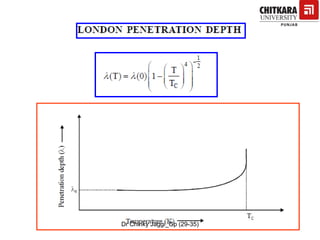
- A material is considered superconducting when its electrical resistivity drops suddenly to zero below a critical temperature, known as the material's superconducting transition temperature (2).
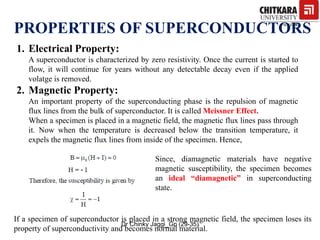
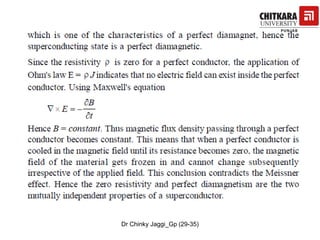
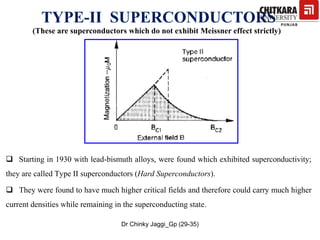
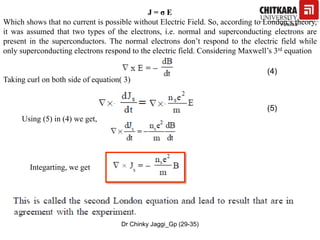
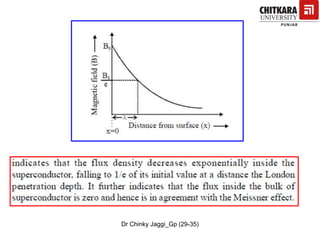
- Key properties of superconductors include zero electrical resistivity below the critical temperature, and the Meissner effect where magnetic fields are expelled from the material's interior (3).