Subject Matter in World Art

          Third Year
What is the subject matter in art?
   Art is made by persons aided by art
    materials, tools and skills and shaped by
    their creativity and imagination.
EGYPTIAN
 Ancient Egyptian art
 (5000 B.C. – 1000 B.C)
 Religion greatly affected their lives.
 Building of pyramids was fueled by
  religious fervor rather than architectural
  purposes.
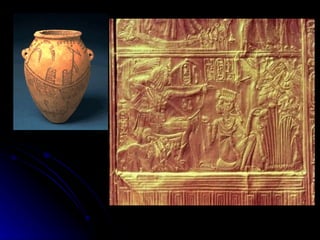
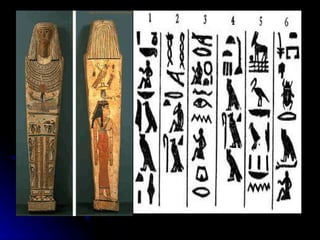
Art in Ancient Egypt consists:
 Paintings
 Hieroglyphs
 Sculptures
 Bowls
 Vases
 Pottery
 Ivory carvings
 weapons
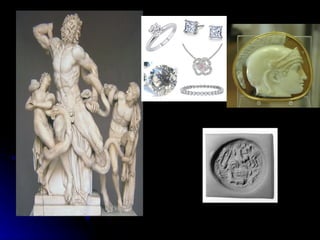
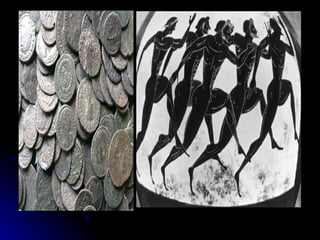
Greek Art
         1000 B.C to 800 B.C
 The subject matter consisted of daily
  activities such as harvesting, weaving,
  baking, playing sports and performing
  religious processions.
 Perfected the art of making seals, gems,
  and coins.
 Mastered the art of sculpture – human
  figure depicted physical power, action and
  grace.
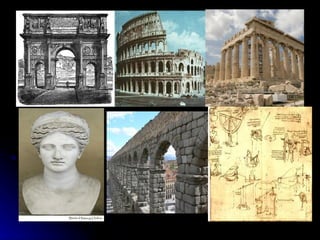
Roman Arts
             100 B.C. – 500 A.D
   Borrowed from Greek art not only their art forms,
    but their gods and goddesses as well.
   Roman art forms were not religious like the
    Egyptians but were guided by the political,
    economic and social functions they served.
   They were interested in governance and politics
    made evident in their architecture, sculpture,
    engineering and law.
Medieval Art
             500 – 1000 A.D
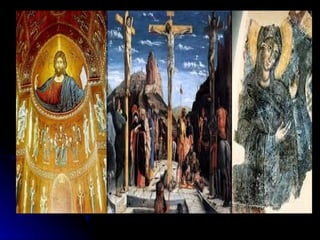
 Focus on the sole patron of the arts –the
  church.
 Artworks were done in painting or mosaic.
 The subject matter and theme was
  inspired by the life of Jesus Christ and the
  contents of the Holy Scripture.
Renaissance Art
              1400 - 1600
 Means rebirth
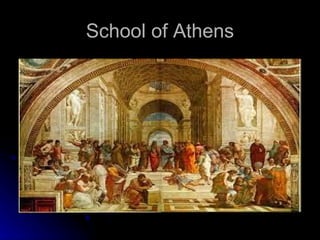
 Inspired by Greek artistic tradition but was
  more wordly.
 Subject Matter was focused on the human
  being.
 Art patrons had their portraits done.
 Focus on humanistic thought
School of Athens
Baroque Art
              1600 - 1700
 From barroco means “a pearl of irregular
  shape”
 Subject matter was landscapes, everyday
  scenes, events and experiences.
 Purpose was a personal expression for
  both the artists and the viewer.
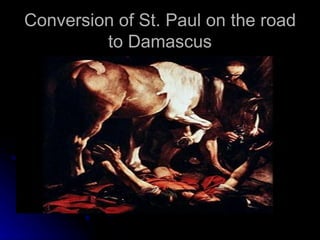
Conversion of St. Paul on the road
         to Damascus
Neoclassicism
               1750 - 1800
 Expressed in the tradition of the Greek,
  Roman and Renaissance combined.
 The royal court was the primary patron of
  the arts.
 Subject Matter is nationalism and
  patriotism.
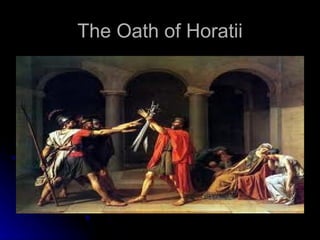
The Oath of Horatii
Romanticism
             1800 - 1900
 Era when the artists were always in
  search for free expression and personal
  feelings.
 The patrons were the public who generally
  brought changes in the social status of
  artists.
 They were no longer there to serve the
  church or the royal court.
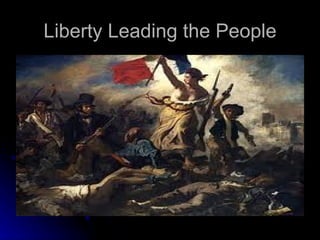
Liberty Leading the People
Realism
               1840 - 1900
 Deal with issues of social injustice,
  poverty, labor and morality.
 Art became a mirror of society, depicting
  public sentiment in realistic forms.
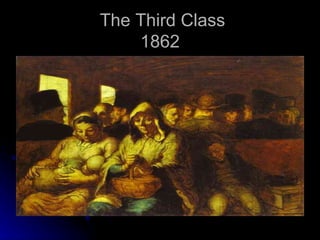
The Third Class
    1862
Impressionism
              1860 -1900
 Avoided preaching and moralizing.
 It focused on the interplay between light
  and color.
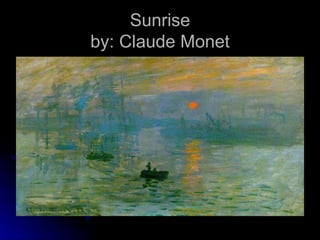
Sunrise
by: Claude Monet
Expressionism
              1900 - 1945
 Paid attention to the expression of intense
  feelings rather than to a description of the
  real and visible world.
 The artistic style included distortion of
  forms, bright mix colors and exaggerated
  application of paint on the canvas.
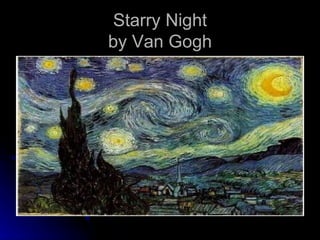
Starry Night
by Van Gogh

Subject matter in world art

  • 1.
    Subject Matter inWorld Art Third Year
  • 2.
    What is thesubject matter in art?  Art is made by persons aided by art materials, tools and skills and shaped by their creativity and imagination.
  • 3.
    EGYPTIAN  Ancient Egyptianart  (5000 B.C. – 1000 B.C)  Religion greatly affected their lives.  Building of pyramids was fueled by religious fervor rather than architectural purposes.
  • 4.
    Art in AncientEgypt consists:  Paintings  Hieroglyphs  Sculptures  Bowls  Vases  Pottery  Ivory carvings  weapons
  • 7.
    Greek Art 1000 B.C to 800 B.C  The subject matter consisted of daily activities such as harvesting, weaving, baking, playing sports and performing religious processions.  Perfected the art of making seals, gems, and coins.  Mastered the art of sculpture – human figure depicted physical power, action and grace.
  • 10.
    Roman Arts 100 B.C. – 500 A.D  Borrowed from Greek art not only their art forms, but their gods and goddesses as well.  Roman art forms were not religious like the Egyptians but were guided by the political, economic and social functions they served.  They were interested in governance and politics made evident in their architecture, sculpture, engineering and law.
  • 12.
    Medieval Art 500 – 1000 A.D  Focus on the sole patron of the arts –the church.  Artworks were done in painting or mosaic.  The subject matter and theme was inspired by the life of Jesus Christ and the contents of the Holy Scripture.
  • 14.
    Renaissance Art 1400 - 1600  Means rebirth  Inspired by Greek artistic tradition but was more wordly.  Subject Matter was focused on the human being.  Art patrons had their portraits done.  Focus on humanistic thought
  • 15.
  • 16.
    Baroque Art 1600 - 1700  From barroco means “a pearl of irregular shape”  Subject matter was landscapes, everyday scenes, events and experiences.  Purpose was a personal expression for both the artists and the viewer.
  • 17.
    Conversion of St.Paul on the road to Damascus
  • 18.
    Neoclassicism 1750 - 1800  Expressed in the tradition of the Greek, Roman and Renaissance combined.  The royal court was the primary patron of the arts.  Subject Matter is nationalism and patriotism.
  • 19.
    The Oath ofHoratii
  • 20.
    Romanticism 1800 - 1900  Era when the artists were always in search for free expression and personal feelings.  The patrons were the public who generally brought changes in the social status of artists.  They were no longer there to serve the church or the royal court.
  • 21.
  • 22.
    Realism 1840 - 1900  Deal with issues of social injustice, poverty, labor and morality.  Art became a mirror of society, depicting public sentiment in realistic forms.
  • 23.
  • 24.
    Impressionism 1860 -1900  Avoided preaching and moralizing.  It focused on the interplay between light and color.
  • 25.
  • 26.
    Expressionism 1900 - 1945  Paid attention to the expression of intense feelings rather than to a description of the real and visible world.  The artistic style included distortion of forms, bright mix colors and exaggerated application of paint on the canvas.
  • 27.