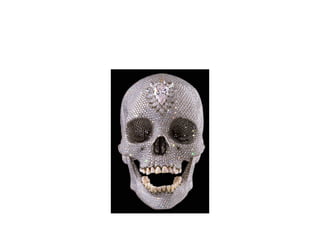
Chapter 4

Style, Form, and Content
The duty of an artist is
 to strain against the
 bonds of the existing
         style.
       –Philip Johnson
• There are several characteristic methods
  of expression that have developed that
  are referred to as style.
• The content of a work includes not only
  its form but also its subject matter and
  its underlying meanings or themes.
• Awareness of style, form, and content
  helps the viewer understand and
  appreciate the visual arts more fully.
STYLE
• Style - The handling of distinctive
  elements and particular media
  throughout the various artistic periods
  associated with the work of an
  individual artist, a school or movement,
  of a specific culture or time period.
Art, Culture, and
            Context
• Variations in style are sometimes linked to:
  – use of different media
  – diverse cultural contexts
  – characteristic approach of the artist to the subject


“Context has a profound influence on style.”
Art, Culture, and
            Context
One of the best ways to illustrate stylistic
 differences is to examine a group of artworks
 with a common theme, such as the “couple”.

 The works of most artists are a product of
 their culture and time.

There are LOTS of styles in art, and they
 change often, yet there are some standards.
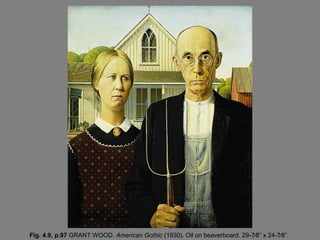
Fig. 4.9, p.97 GRANT WOOD. American Gothic (1930). Oil on beaverboard. 29-7⁄8” x 24-7⁄8”.
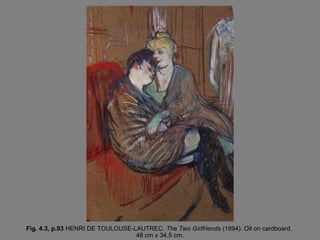
Fig. 4.3, p.93 HENRI DE TOULOUSE-LAUTREC. The Two Girlfriends (1894). Oil on cardboard.
                                  48 cm x 34.5 cm.
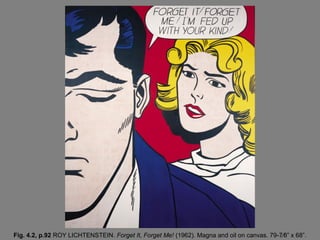
Fig. 4.2, p.92 ROY LICHTENSTEIN. Forget It, Forget Me! (1962). Magna and oil on canvas. 79-7⁄8” x 68”.
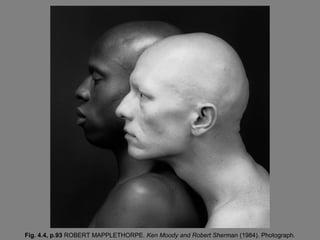
Fig. 4.4, p.93 ROBERT MAPPLETHORPE. Ken Moody and Robert Sherman (1984). Photograph.
Realistic Art
realism - is the portrayal of people and things
  as they are seen by the eye or as they are
  thought to be without idealization, without
  distortion.

Realism - (with a capital R) also defines a
  specific school of art that flowered during the
  mid-nineteenth century in France.
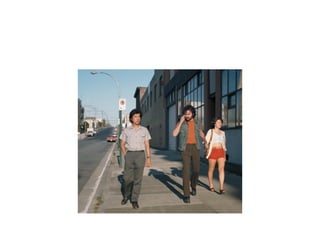
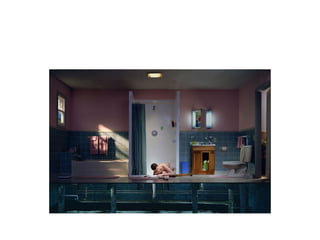
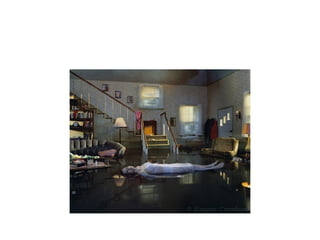
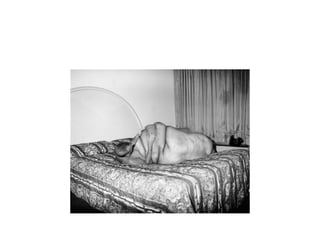
Photography
We think of most photography as
  realistic:
• The technique of shooting, capturing,
  and documenting, suggests candid
  truth, and reality.
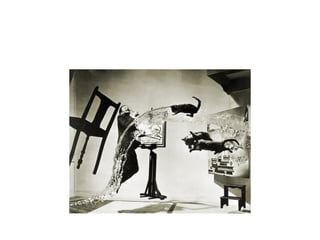
Realistic versus
       Representational Art
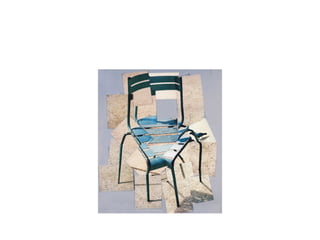
• Representational art presents natural
  objects in a recognizable manner,
  although not a realistic form.
• Representational art or figurative art -
  is defined as art that portrays, however
  altered or distorted, things perceived in
  the visible world.
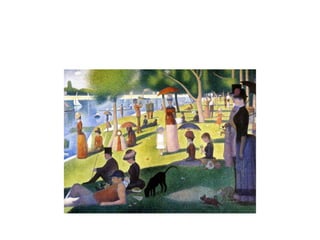
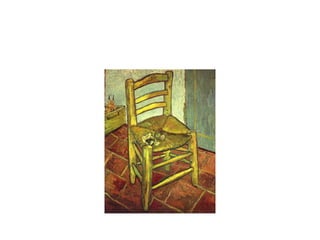
Expressionistic Art
• In expressionistic art, form and color are
  freely distorted by the artist in order to
  achieve a heightened emotional impact

• Expressionistic - also a modern art movement
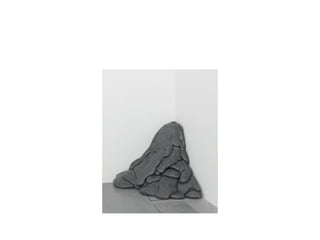
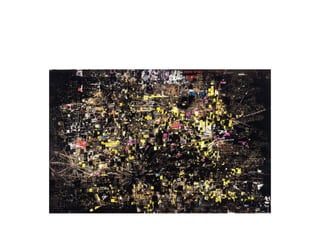
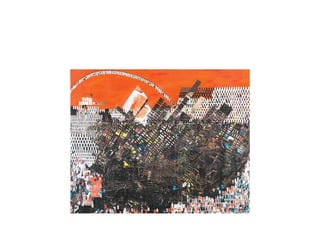
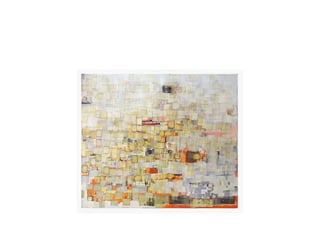
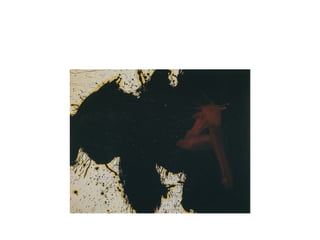
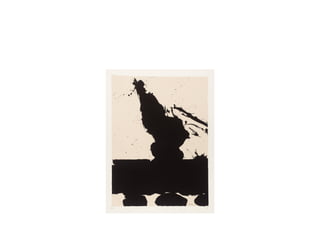
Abstract Art
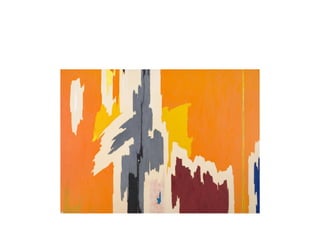
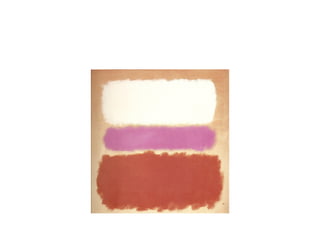
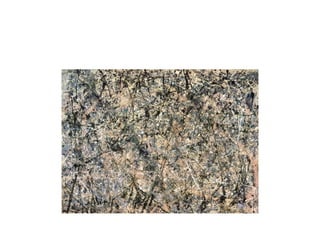
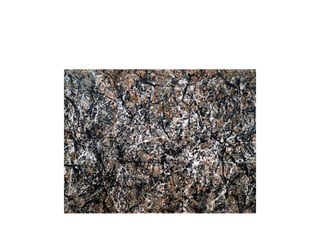
• Abstract - Art that departs significantly from
  the actual appearance of things.
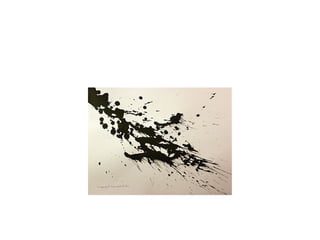
• Nonobjective - Art that makes no reference to
  nature or reality.
• Cubism - Transcribed natural forms into
  largely angular geometric equivalents
• Psychic Automation - When an artist
  attempts to clear their mind of purpose and
  concerns so that inner conflicts and ideas find
  expression through their works.
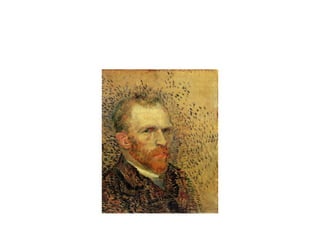
COMPARE + CONTRAST
• The style of a work of art refers to the
  characteristic ways in which artist’s
  express themselves and the times in
  which they live.
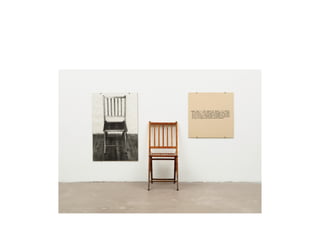
• Conceptual art - The ideas being
  expressed by the artist are more
  important than their physical
  expression.
Copy nature and you infringe on the work of our
    lord. Interpret nature and you are an artist.
                 -- JACQUE LIPCHITZ


• Artist often title abstract works to provoke thought.
• They may title a work “untitled” to avoid
  associations created by the title.
• They may deliberately title a nonobjective work
  based on some association triggered by the work.
• One of the issues that viewers have with non-
  objective work is that they want to it to make sense.
  Nonobjective work is just that, nonobjective.
FORM
• Form incorporates elements, design principles, and composition
  in a work of art. This might include:
   – Color
   – Texture
   – Shape
   – The illusion of 3D
   – Balance
   – Rhythm
   – Unity of design
• Formalistic criticism involves the elements and design but not
  the historical or biographical elements of a work of art.
Content
Content - everything included in a work
  of art
• The content of a work of art not only
  refers to lines and forms but also its
  underlining meanings or themes.
The Levels of Content
   in a Work of Art
Three levels of content:
• Subject Matter
• Elements and composition
• Underlying or symbolic meanings or
   themes
Compare + Contrast
• An awareness of the historical circumstances
  under which a work of art was created,
  understanding what is new about its style
  and composition help the viewer appreciate
  its significance.
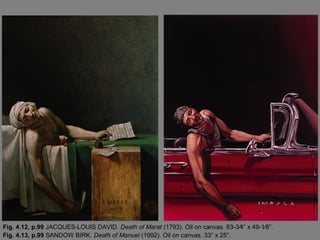
• Understanding the relationship between
  these next two pieces, makes each more
  meaningful to the viewer.
Fig. 4.12, p.99 JACQUES-LOUIS DAVID. Death of Marat (1793). Oil on canvas. 63-3⁄4” x 49-1⁄8”.
Fig. 4.13, p.99 SANDOW BIRK. Death of Manuel (1992). Oil on canvas. 33” x 25”.
Iconography

Iconography - The study of the themes and
  symbols in the visual arts.
• In fine art, winter is a common symbol of death
  and aloneness.
• Fall is a common symbol of harvest and decline.
• Awareness of symbolism can enrich the viewing
  experience.
Chapter4
Chapter4
Chapter4
Chapter4
Chapter4
Chapter4
Chapter4
Chapter4

Chapter4

  • 1.
  • 2.
    The duty ofan artist is to strain against the bonds of the existing style. –Philip Johnson
  • 3.
    • There areseveral characteristic methods of expression that have developed that are referred to as style. • The content of a work includes not only its form but also its subject matter and its underlying meanings or themes. • Awareness of style, form, and content helps the viewer understand and appreciate the visual arts more fully.
  • 4.
    STYLE • Style -The handling of distinctive elements and particular media throughout the various artistic periods associated with the work of an individual artist, a school or movement, of a specific culture or time period.
  • 5.
    Art, Culture, and Context • Variations in style are sometimes linked to: – use of different media – diverse cultural contexts – characteristic approach of the artist to the subject “Context has a profound influence on style.”
  • 6.
    Art, Culture, and Context One of the best ways to illustrate stylistic differences is to examine a group of artworks with a common theme, such as the “couple”.  The works of most artists are a product of their culture and time. There are LOTS of styles in art, and they change often, yet there are some standards.
  • 7.
    Fig. 4.9, p.97GRANT WOOD. American Gothic (1930). Oil on beaverboard. 29-7⁄8” x 24-7⁄8”.
  • 8.
    Fig. 4.3, p.93HENRI DE TOULOUSE-LAUTREC. The Two Girlfriends (1894). Oil on cardboard. 48 cm x 34.5 cm.
  • 9.
    Fig. 4.2, p.92ROY LICHTENSTEIN. Forget It, Forget Me! (1962). Magna and oil on canvas. 79-7⁄8” x 68”.
  • 10.
    Fig. 4.4, p.93ROBERT MAPPLETHORPE. Ken Moody and Robert Sherman (1984). Photograph.
  • 20.
    Realistic Art realism -is the portrayal of people and things as they are seen by the eye or as they are thought to be without idealization, without distortion. Realism - (with a capital R) also defines a specific school of art that flowered during the mid-nineteenth century in France.
  • 21.
    Photography We think ofmost photography as realistic: • The technique of shooting, capturing, and documenting, suggests candid truth, and reality.
  • 27.
    Realistic versus Representational Art • Representational art presents natural objects in a recognizable manner, although not a realistic form. • Representational art or figurative art - is defined as art that portrays, however altered or distorted, things perceived in the visible world.
  • 32.
    Expressionistic Art • Inexpressionistic art, form and color are freely distorted by the artist in order to achieve a heightened emotional impact • Expressionistic - also a modern art movement
  • 36.
    Abstract Art • Abstract- Art that departs significantly from the actual appearance of things. • Nonobjective - Art that makes no reference to nature or reality. • Cubism - Transcribed natural forms into largely angular geometric equivalents • Psychic Automation - When an artist attempts to clear their mind of purpose and concerns so that inner conflicts and ideas find expression through their works.
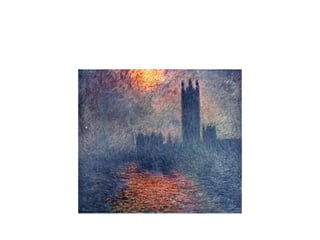
  • 54.
    COMPARE + CONTRAST •The style of a work of art refers to the characteristic ways in which artist’s express themselves and the times in which they live. • Conceptual art - The ideas being expressed by the artist are more important than their physical expression.
  • 58.
    Copy nature andyou infringe on the work of our lord. Interpret nature and you are an artist. -- JACQUE LIPCHITZ • Artist often title abstract works to provoke thought. • They may title a work “untitled” to avoid associations created by the title. • They may deliberately title a nonobjective work based on some association triggered by the work. • One of the issues that viewers have with non- objective work is that they want to it to make sense. Nonobjective work is just that, nonobjective.
  • 59.
    FORM • Form incorporateselements, design principles, and composition in a work of art. This might include: – Color – Texture – Shape – The illusion of 3D – Balance – Rhythm – Unity of design • Formalistic criticism involves the elements and design but not the historical or biographical elements of a work of art.
  • 60.
    Content Content - everythingincluded in a work of art • The content of a work of art not only refers to lines and forms but also its underlining meanings or themes.
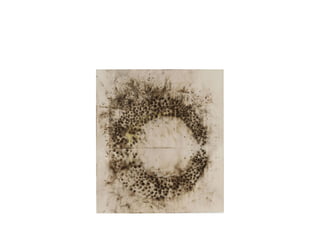
  • 61.
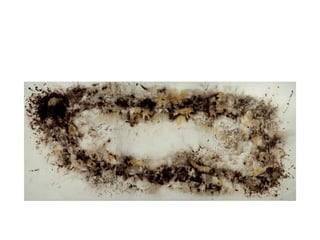
    The Levels ofContent in a Work of Art Three levels of content: • Subject Matter • Elements and composition • Underlying or symbolic meanings or themes
  • 62.
    Compare + Contrast •An awareness of the historical circumstances under which a work of art was created, understanding what is new about its style and composition help the viewer appreciate its significance. • Understanding the relationship between these next two pieces, makes each more meaningful to the viewer.
  • 63.
    Fig. 4.12, p.99JACQUES-LOUIS DAVID. Death of Marat (1793). Oil on canvas. 63-3⁄4” x 49-1⁄8”. Fig. 4.13, p.99 SANDOW BIRK. Death of Manuel (1992). Oil on canvas. 33” x 25”.
  • 64.
    Iconography Iconography - Thestudy of the themes and symbols in the visual arts. • In fine art, winter is a common symbol of death and aloneness. • Fall is a common symbol of harvest and decline. • Awareness of symbolism can enrich the viewing experience.