Amit Kapoor
narrativeVIZ
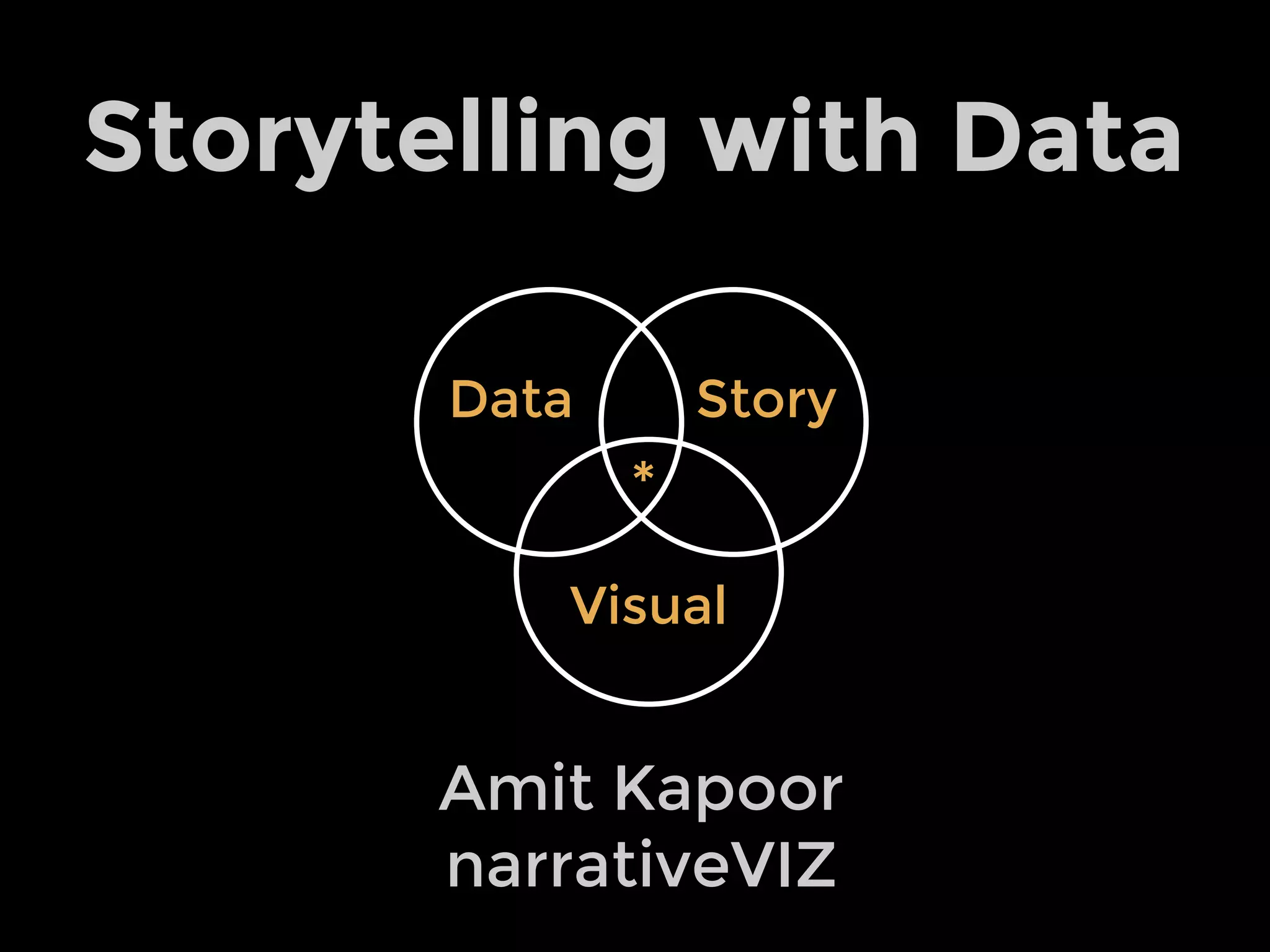
Storytelling with Data
Data
Visual
Story
*
Approach
Fundamentals
Learn from first principles
Know the science
Understand the art
Experiential
I hear and I forget
I see and I remember
I do and I understand
I experience and I learn (for life)
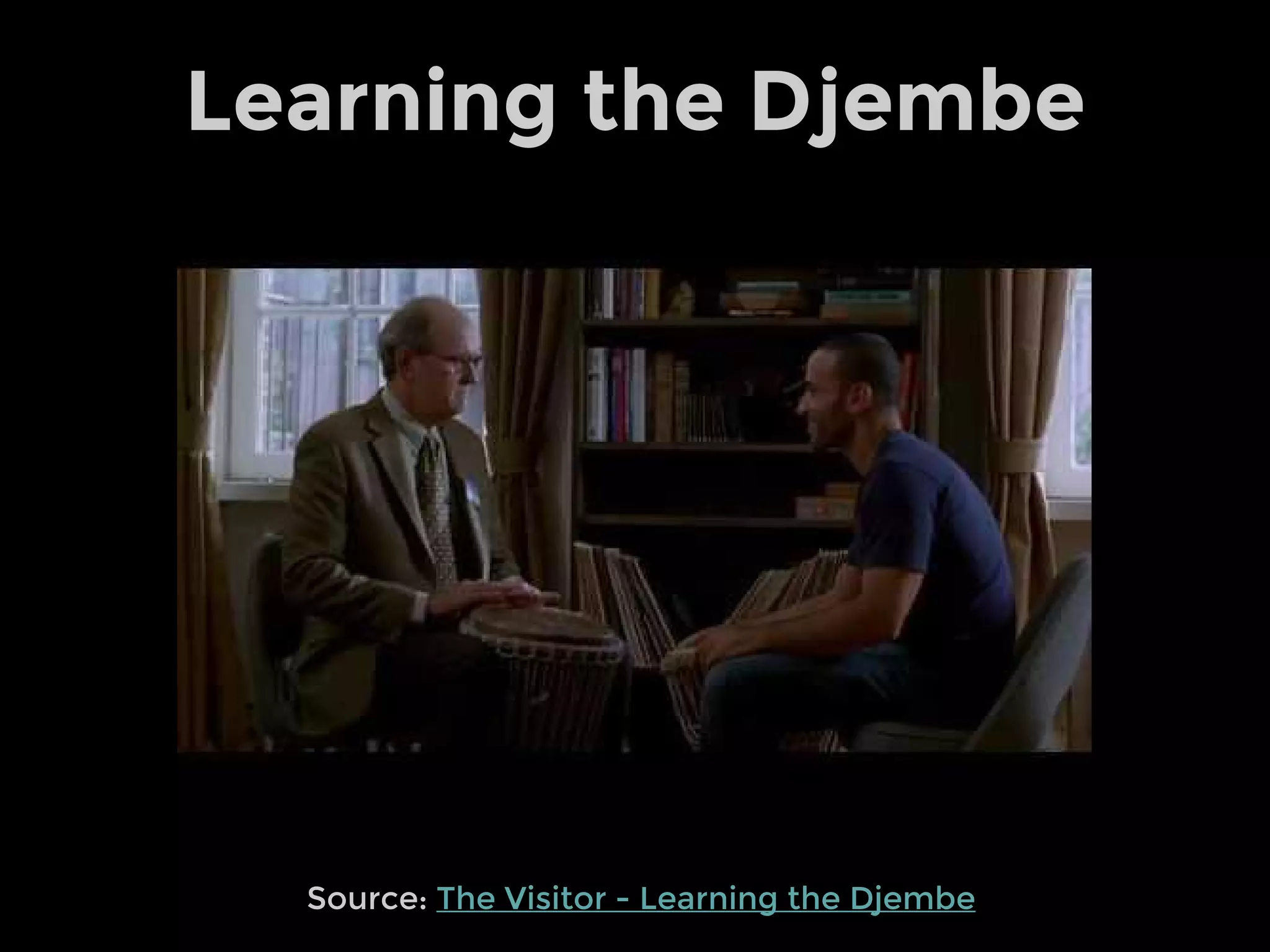
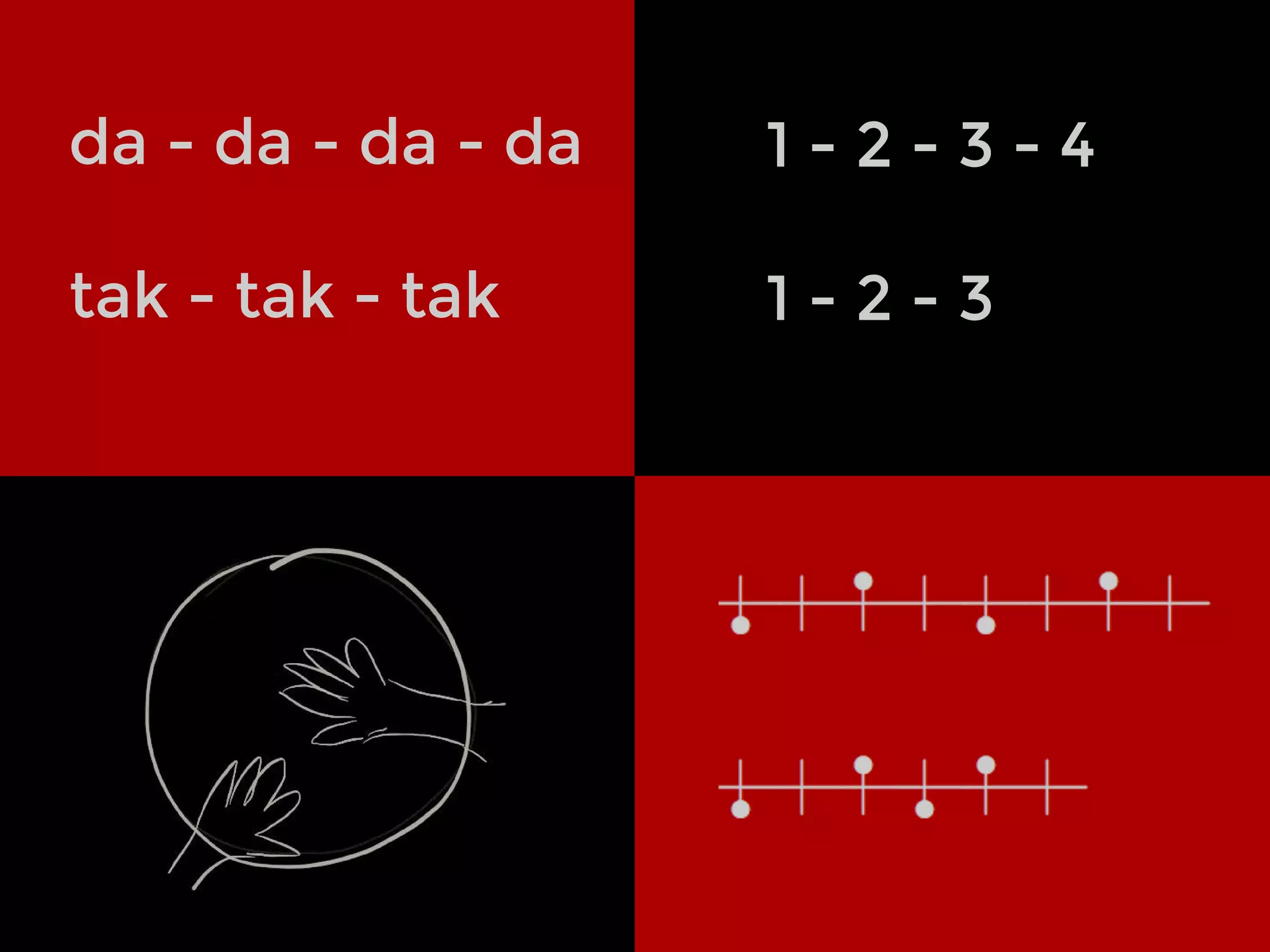
Learning the Djembe
Source: The Visitor - Learning the Djembe
da - da - da - da
tak - tak - tak
1 - 2 - 3 - 4
1 - 2 - 3
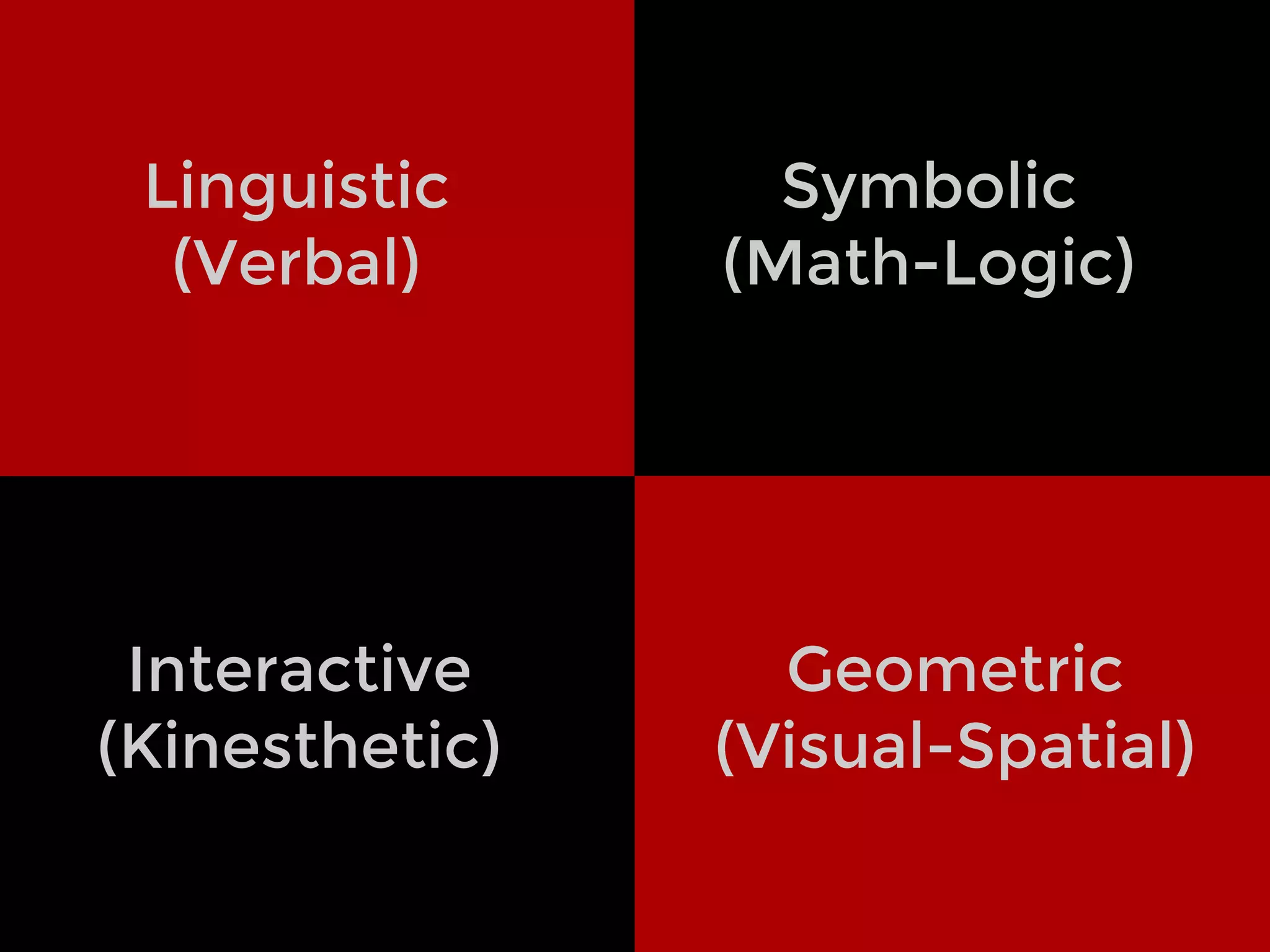
Linguistic
(Verbal)
Symbolic
(Math-Logic)
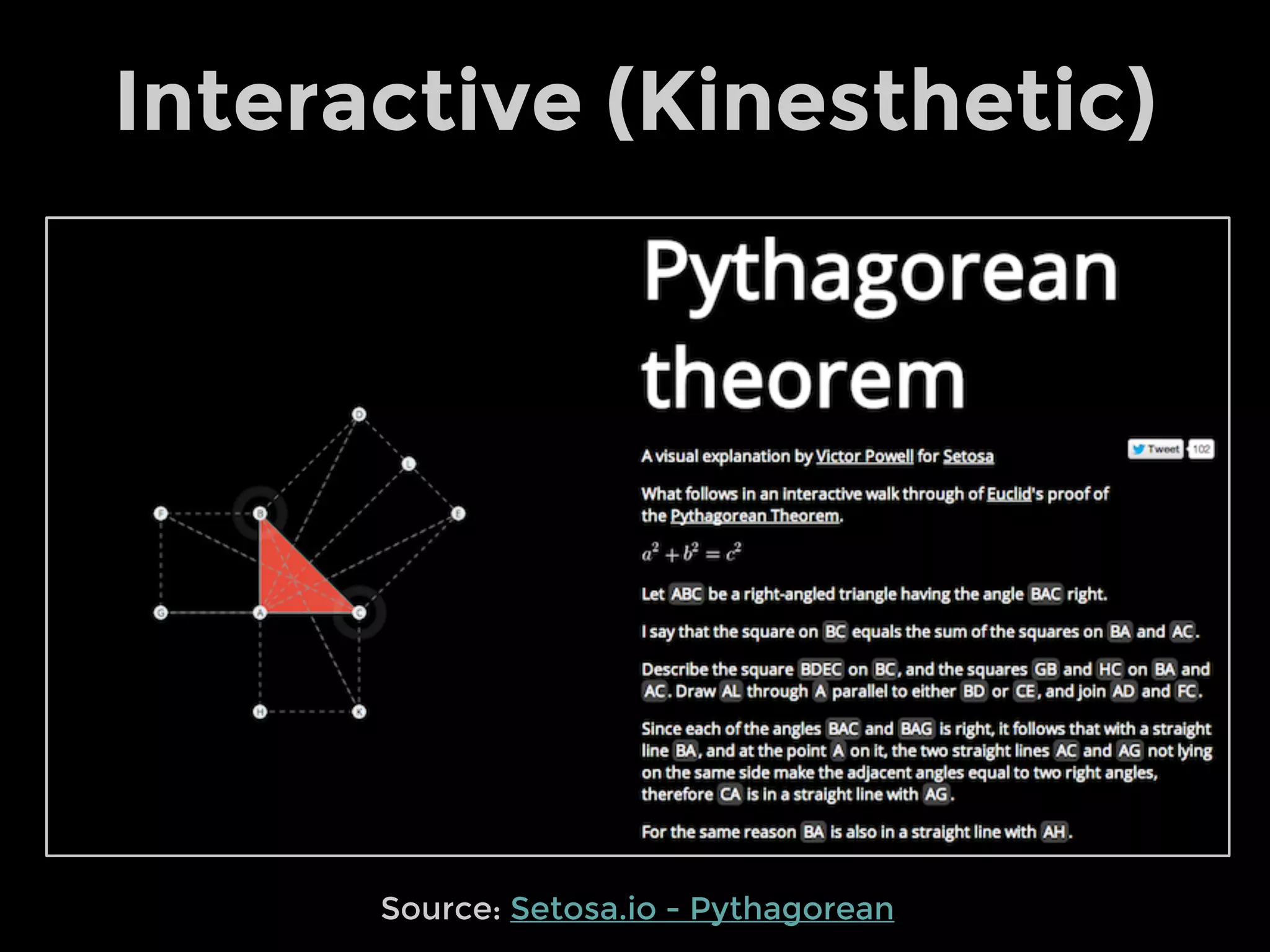
Interactive
(Kinesthetic)
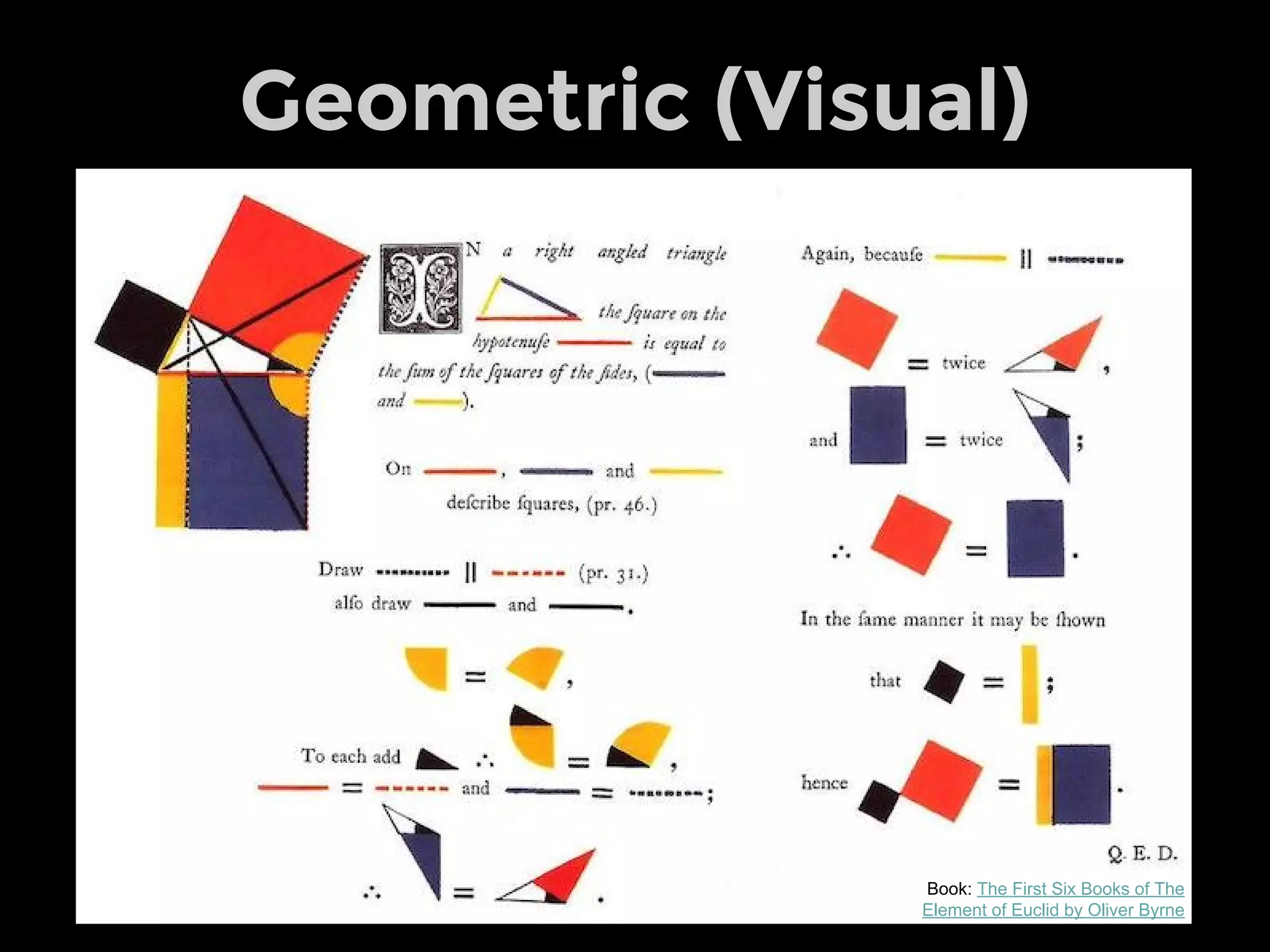
Geometric
(Visual-Spatial)
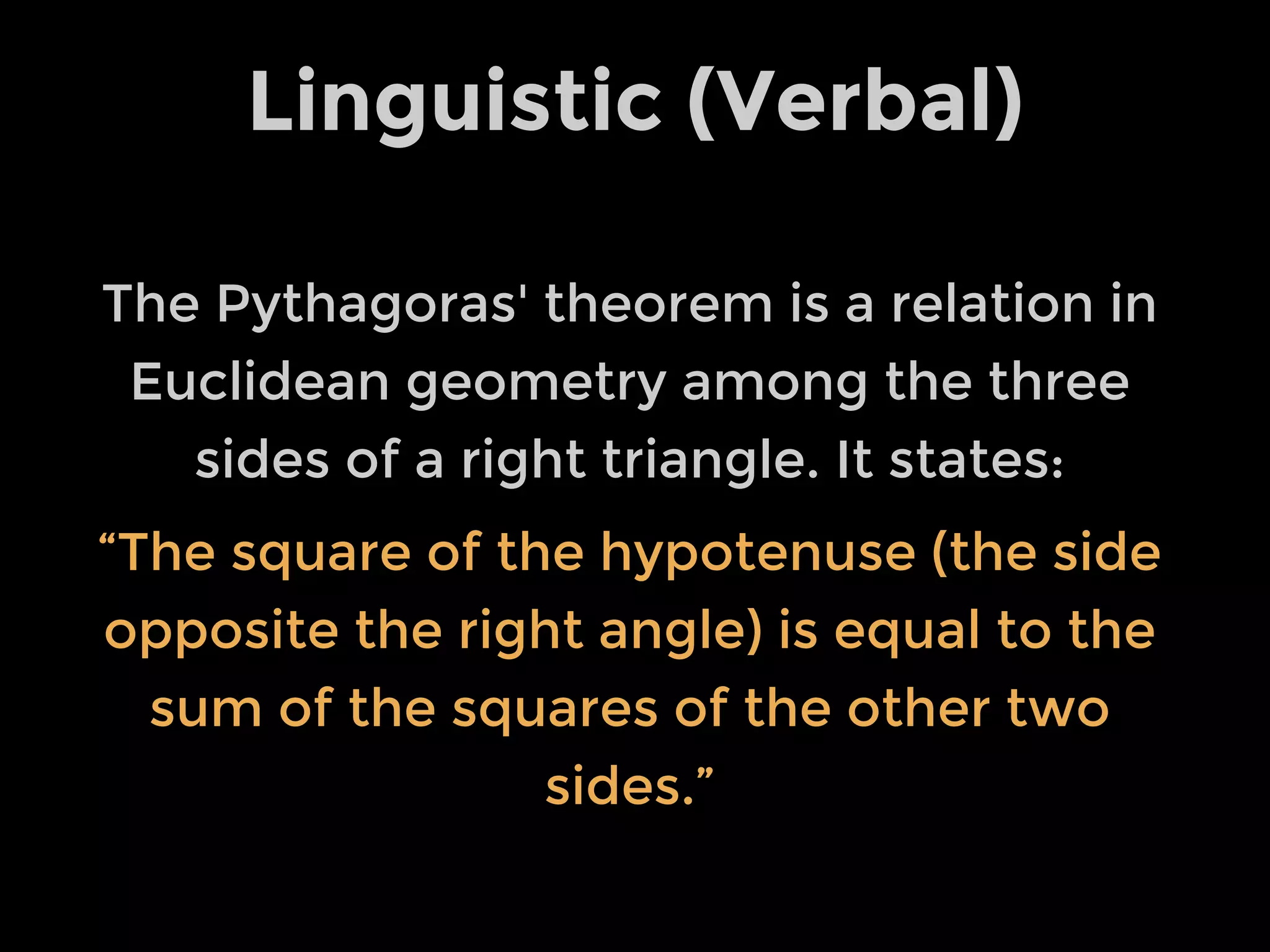
Linguistic (Verbal)
The Pythagoras' theorem is a relation in
Euclidean geometry among the three
sides of a right triangle. It states:
“The square of the hypotenuse (the side
opposite the right angle) is equal to the
sum of the squares of the other two
sides.”
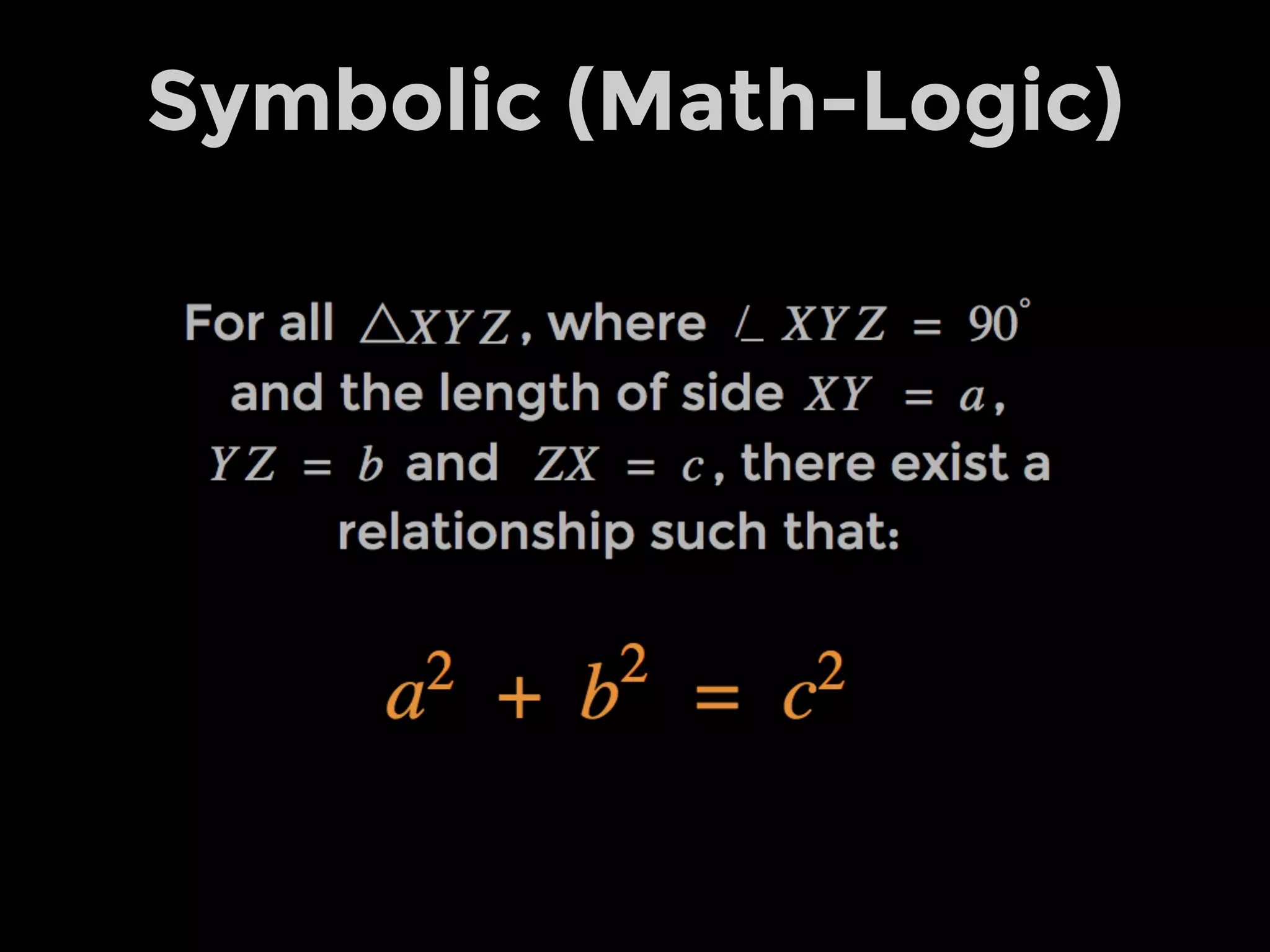
Symbolic (Math-Logic)
Geometric (Visual)
Book: The First Six Books of The
Element of Euclid by Oliver Byrne
Interactive (Kinesthetic)
Source: Setosa.io - Pythagorean
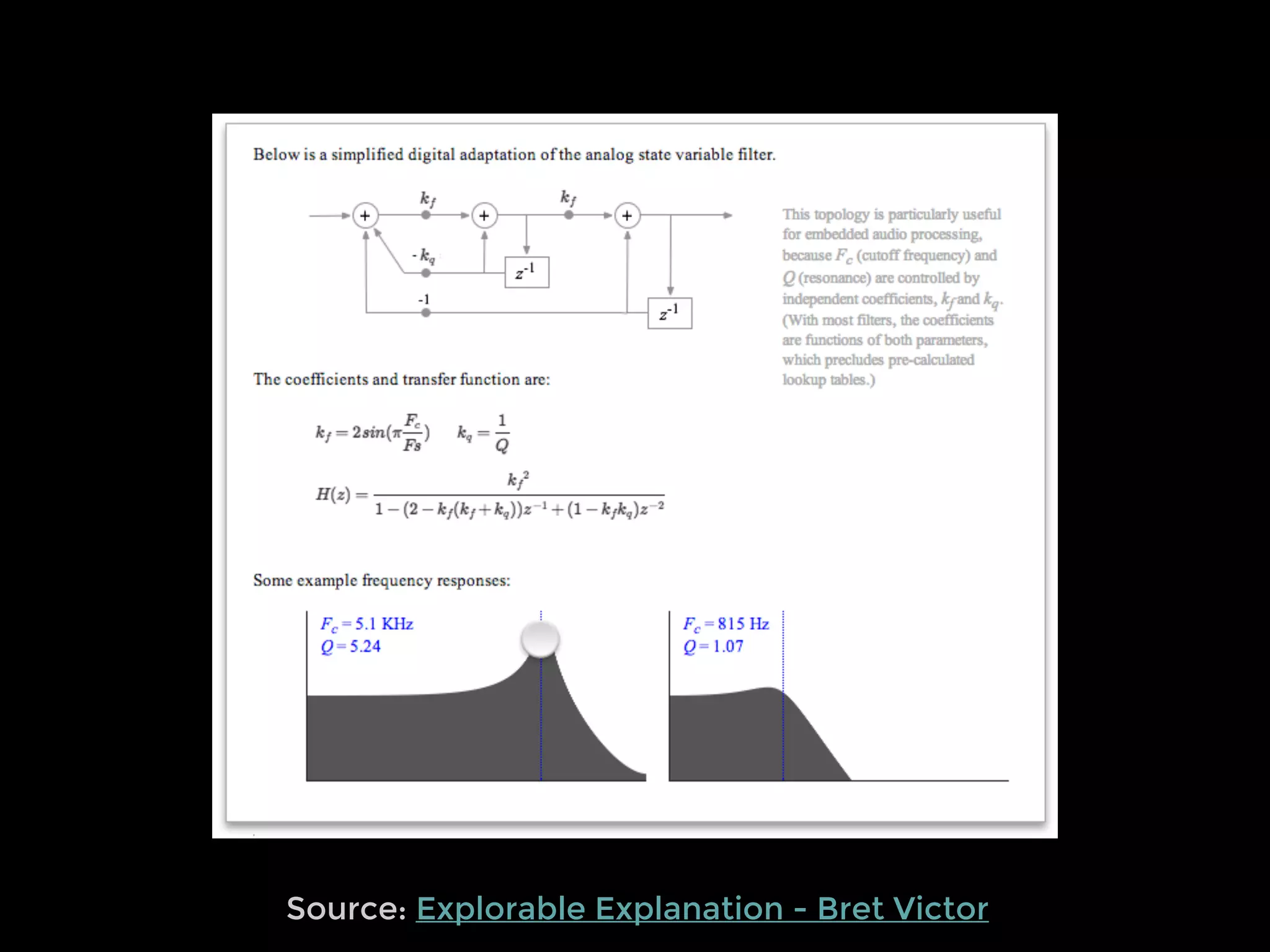
Source: Explorable Explanation - Bret Victor
“ To develop a complete
mind, study the science of
art, the art of science. Learn
how to see. Realize that
everything connects to
everything else. “
- Leonardo da Vinci
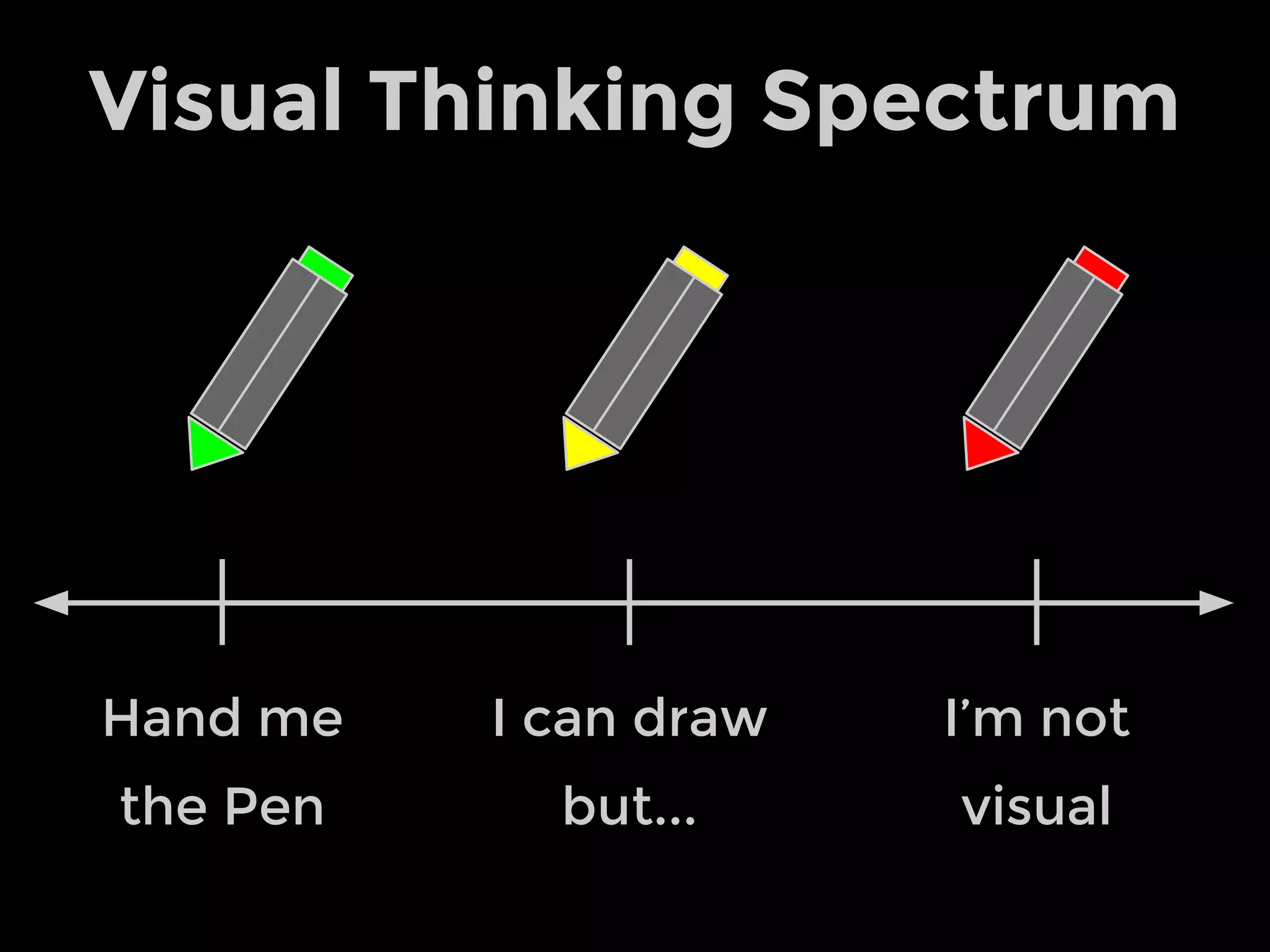
Visual Thinking Spectrum
Hand me
the Pen
I can draw
but...
I’m not
visual
Pointing, Waving, Grabbing, Holding,
Reaching out, Dancing
Smiling, Frowning, Disinterest, Concern,
Full Attention, Surprise
“Put this there”
Gesture with Pen
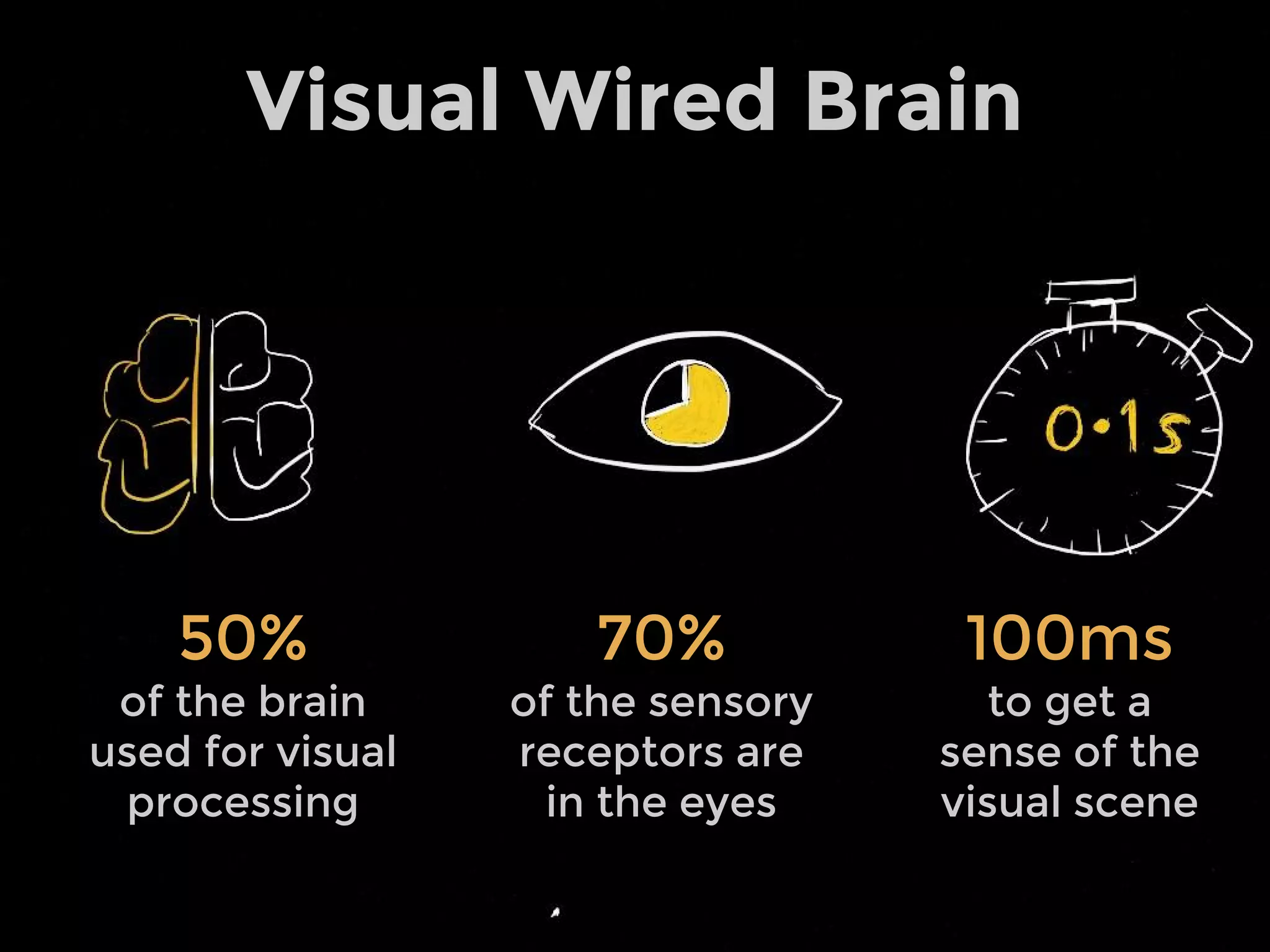
Visual Wired Brain
70%
of the sensory
receptors are
in the eyes
50%
of the brain
used for visual
processing
100ms
to get a
sense of the
visual scene
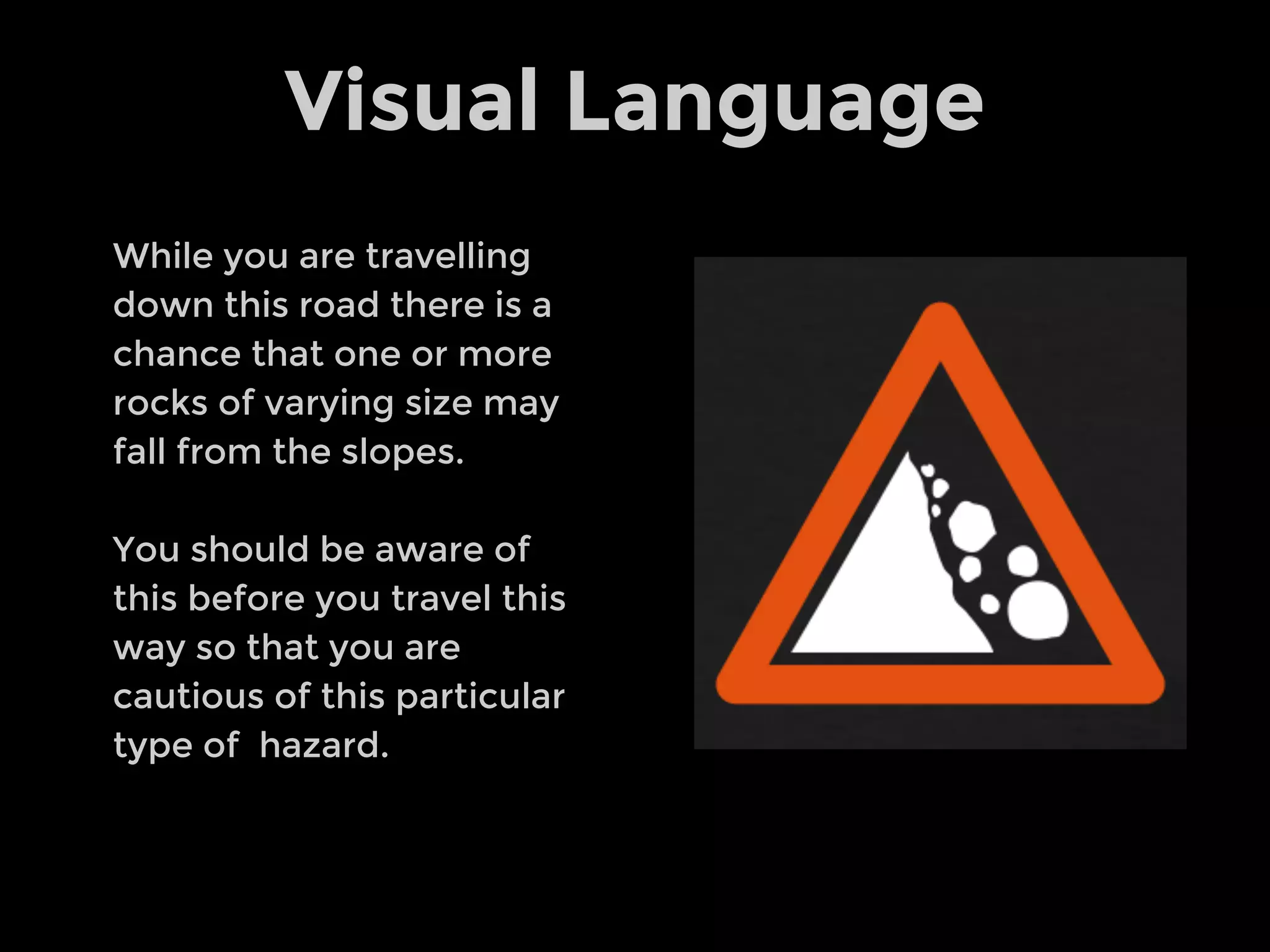
Visual Language
While you are travelling
down this road there is a
chance that one or more
rocks of varying size may
fall from the slopes.
You should be aware of
this before you travel this
way so that you are
cautious of this particular
type of hazard.
ˌvɪʒʊəlaɪˈzeɪʃən (noun)
Derived from the Latin verb videre, "to look,
to see"
The act or instance to
form a mental image or
picture (without an
object)
Visualization
The act or instance to
make visible or visual
(with an object)
“Why should we be interested in visualization?
Because the human visual system is a pattern seeker
of enormous power and subtlety.
The eye and the visual cortex of the brain form a
massively parallel processor that provides the
highest-bandwidth channel into human cognitive
centers.
At higher levels of processing, perception and
cognition are closely interrelated, which is the
reason why the words ’understanding’ and ‘seeing’
are synonymous. ”
—  Colin Ware
Pattern Seekers
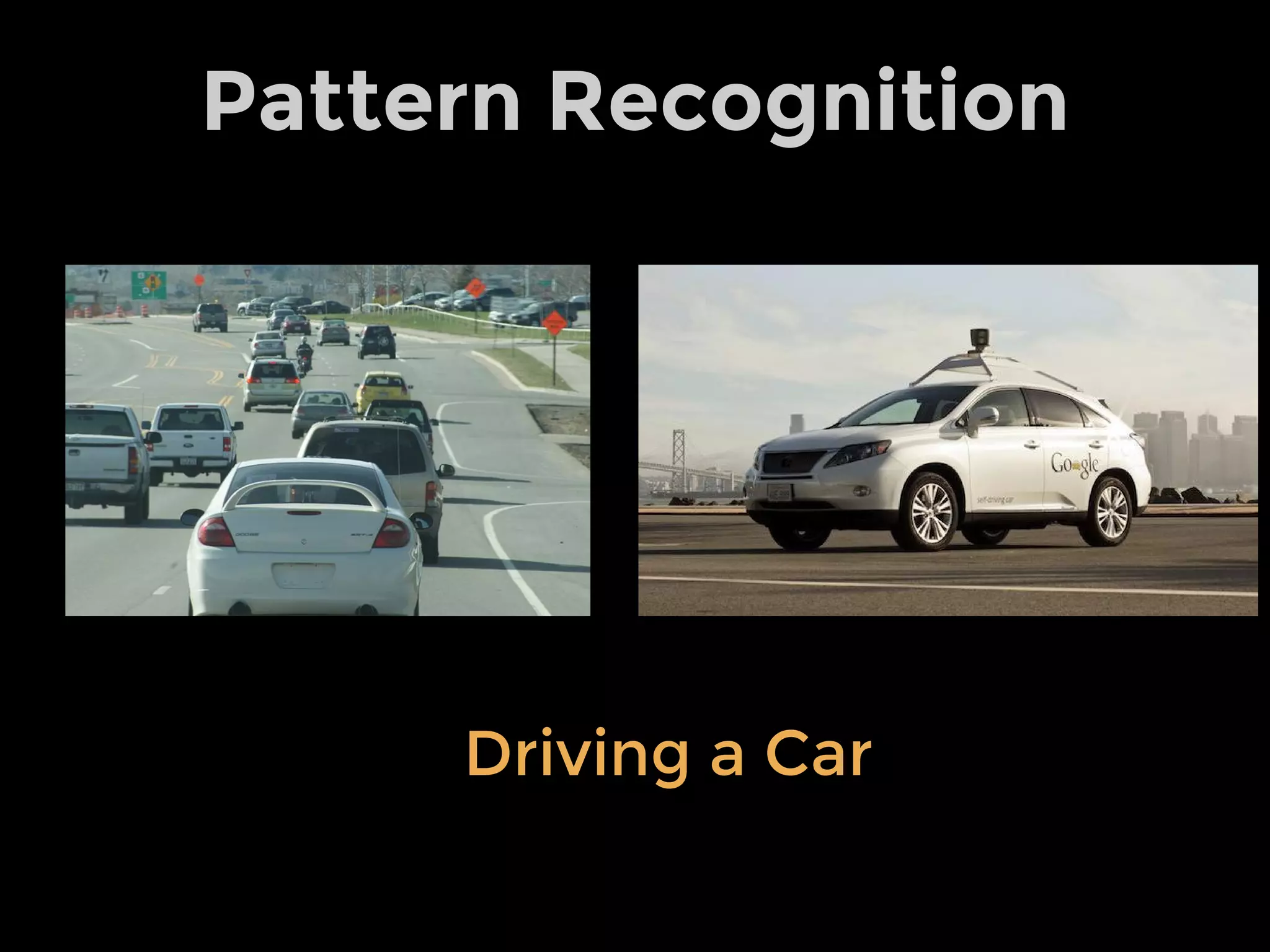
Pattern Recognition
Driving a Car
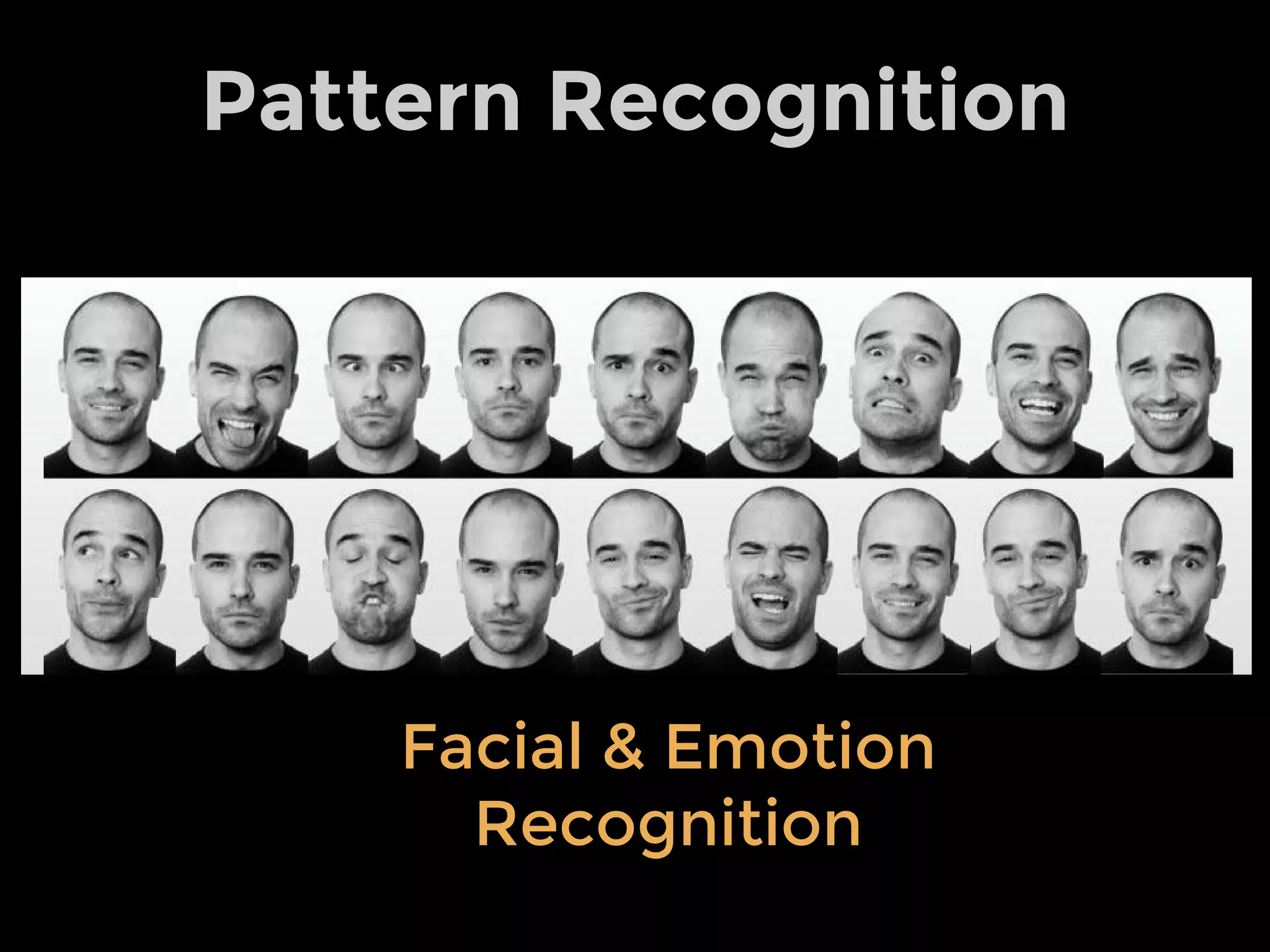
Pattern Recognition
Facial & Emotion
Recognition
Pattern Recognition
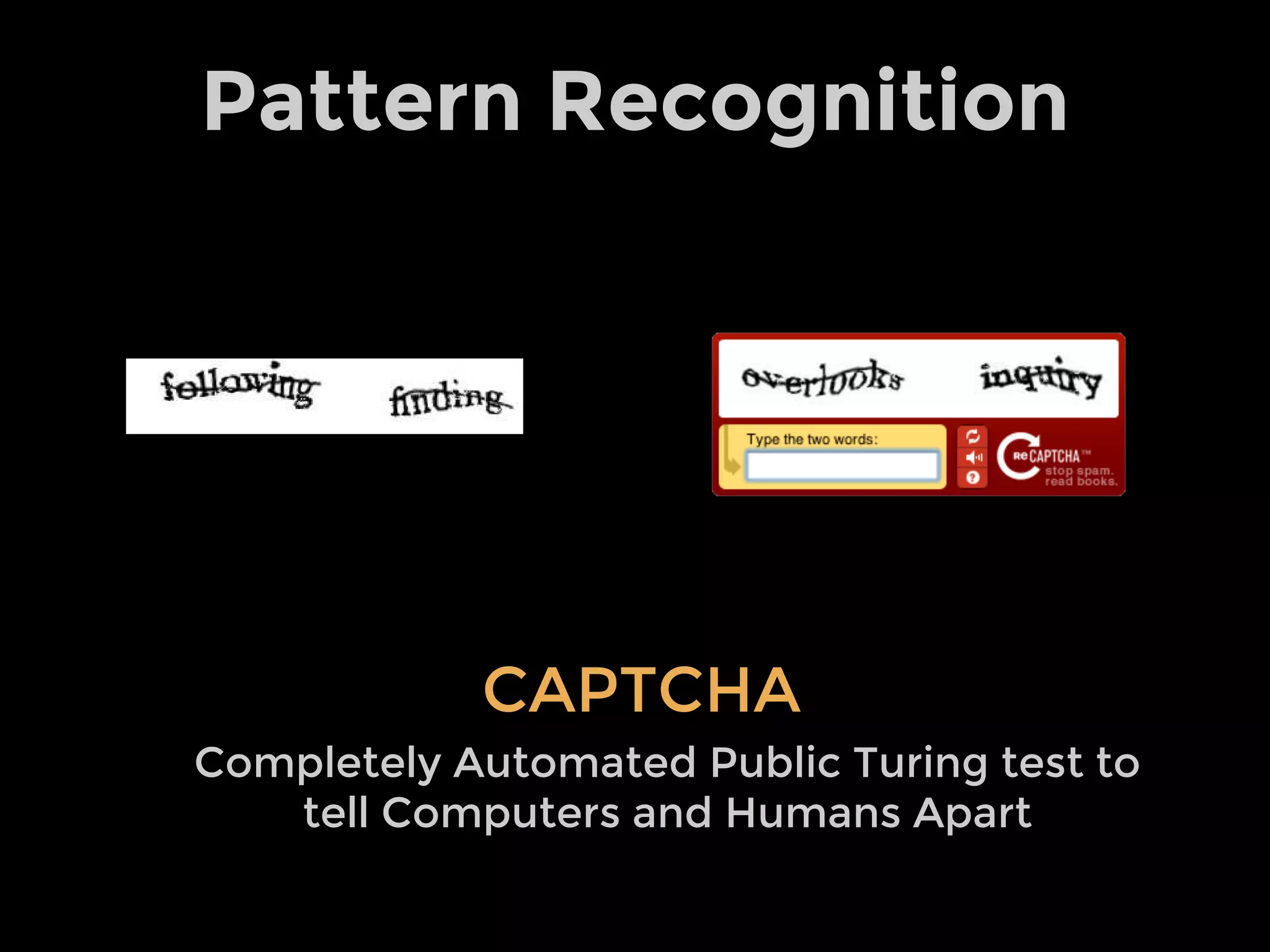
CAPTCHA
Completely Automated Public Turing test to
tell Computers and Humans Apart
Pattern Recognition
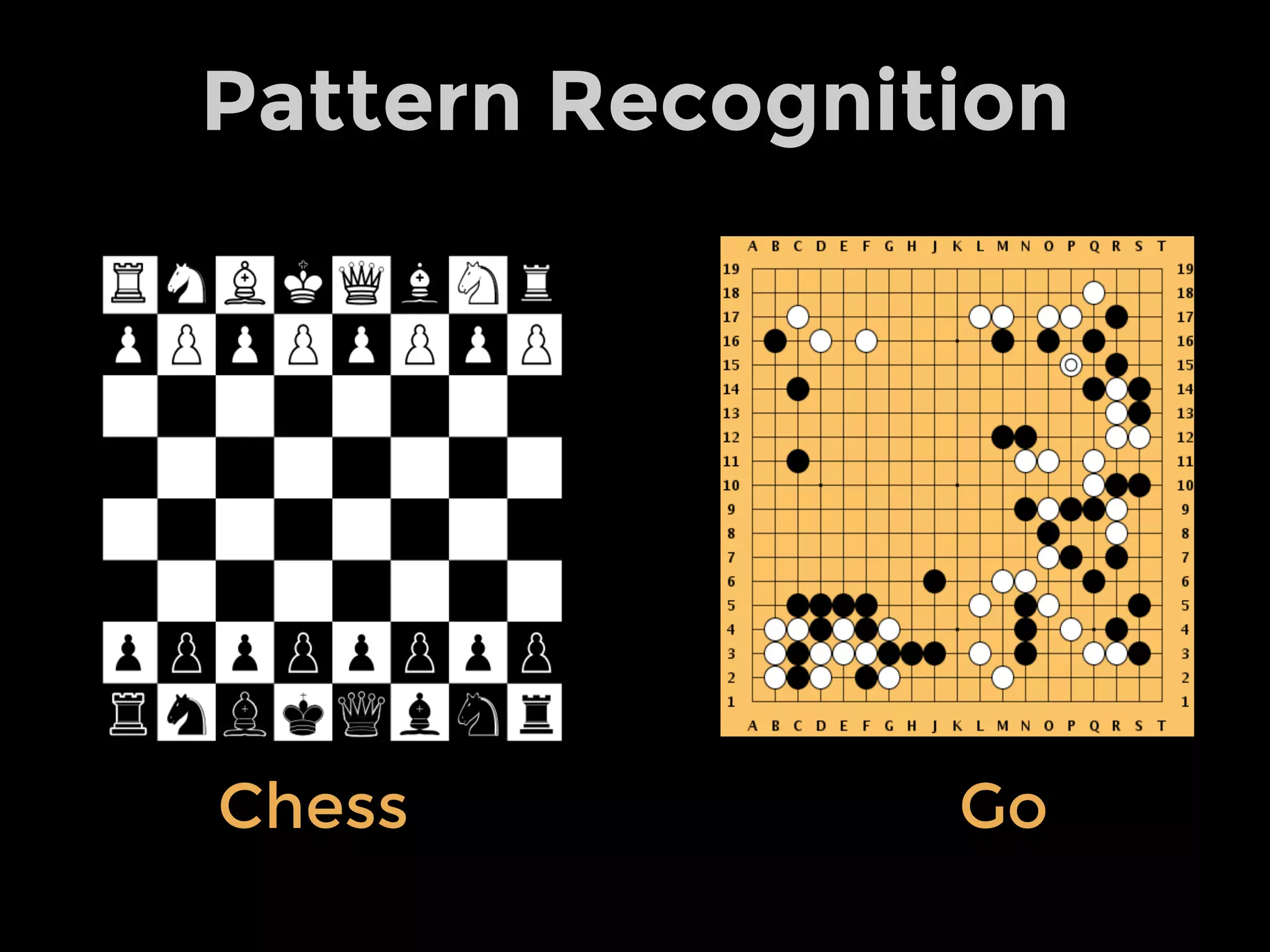
Chess Go
Pattern Recognition
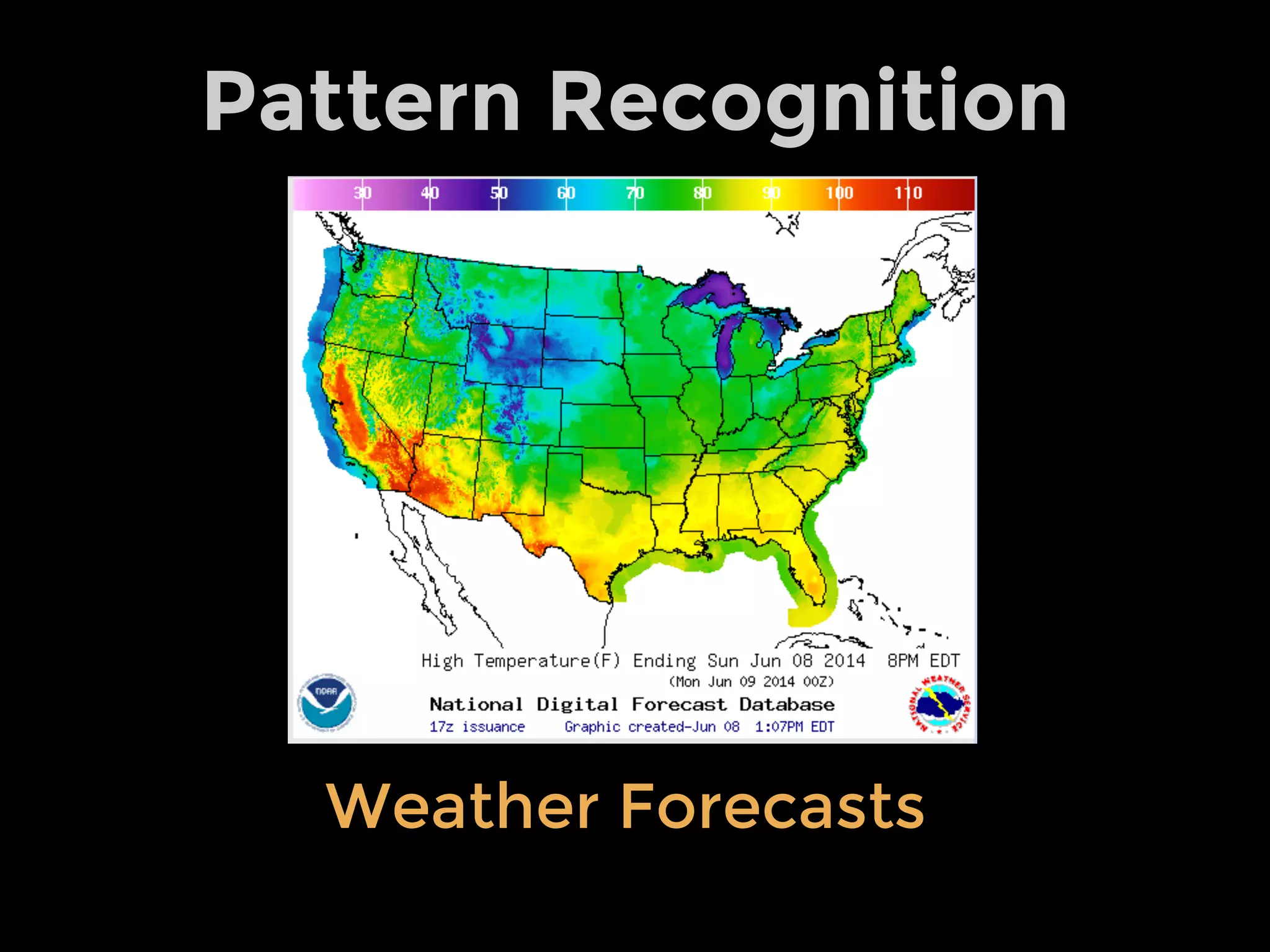
Weather Forecasts
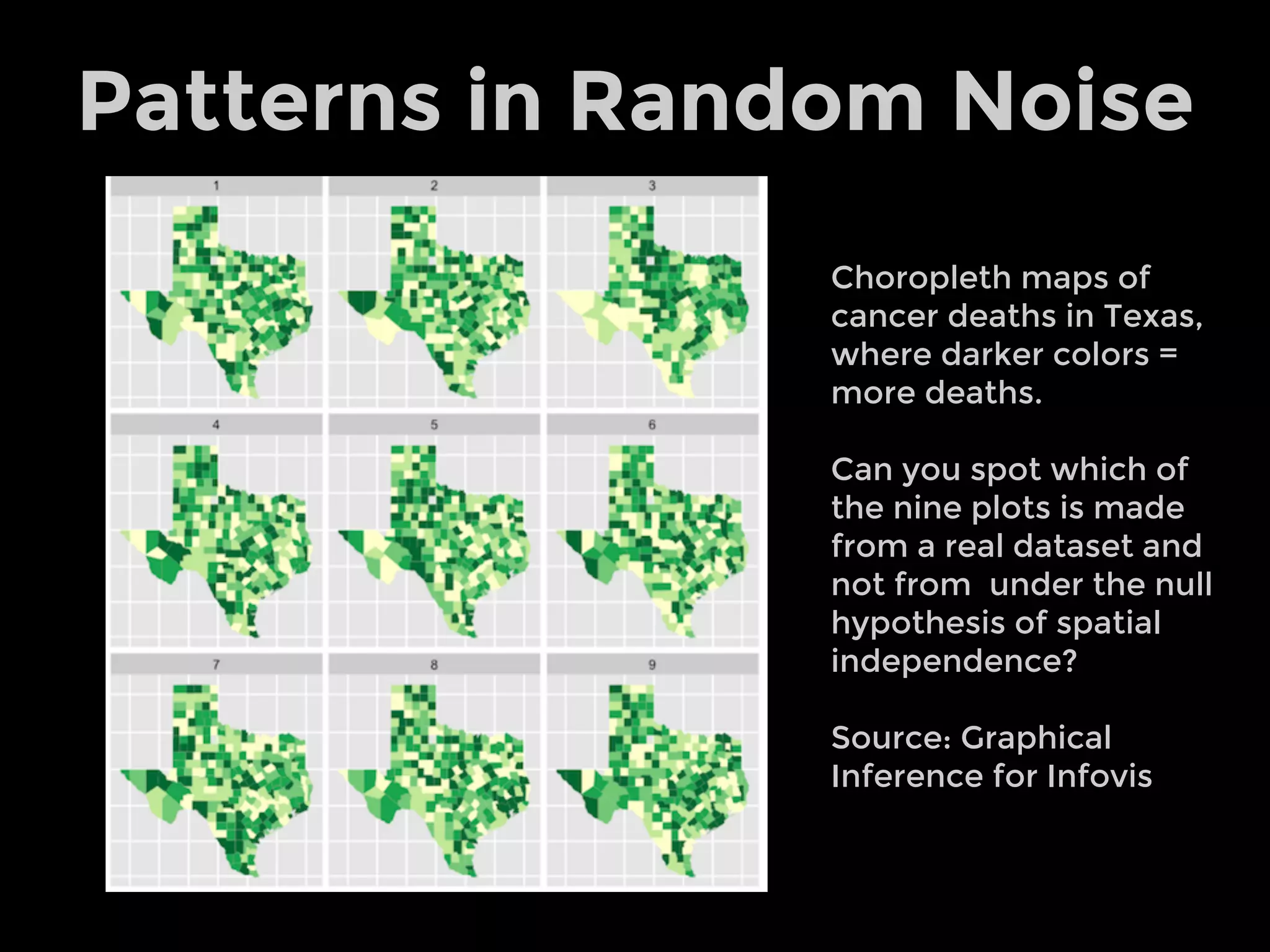
Patterns in Random Noise
Choropleth maps of
cancer deaths in Texas,
where darker colors =
more deaths.
Can you spot which of
the nine plots is made
from a real dataset and
not from under the null
hypothesis of spatial
independence?
Source: Graphical
Inference for Infovis
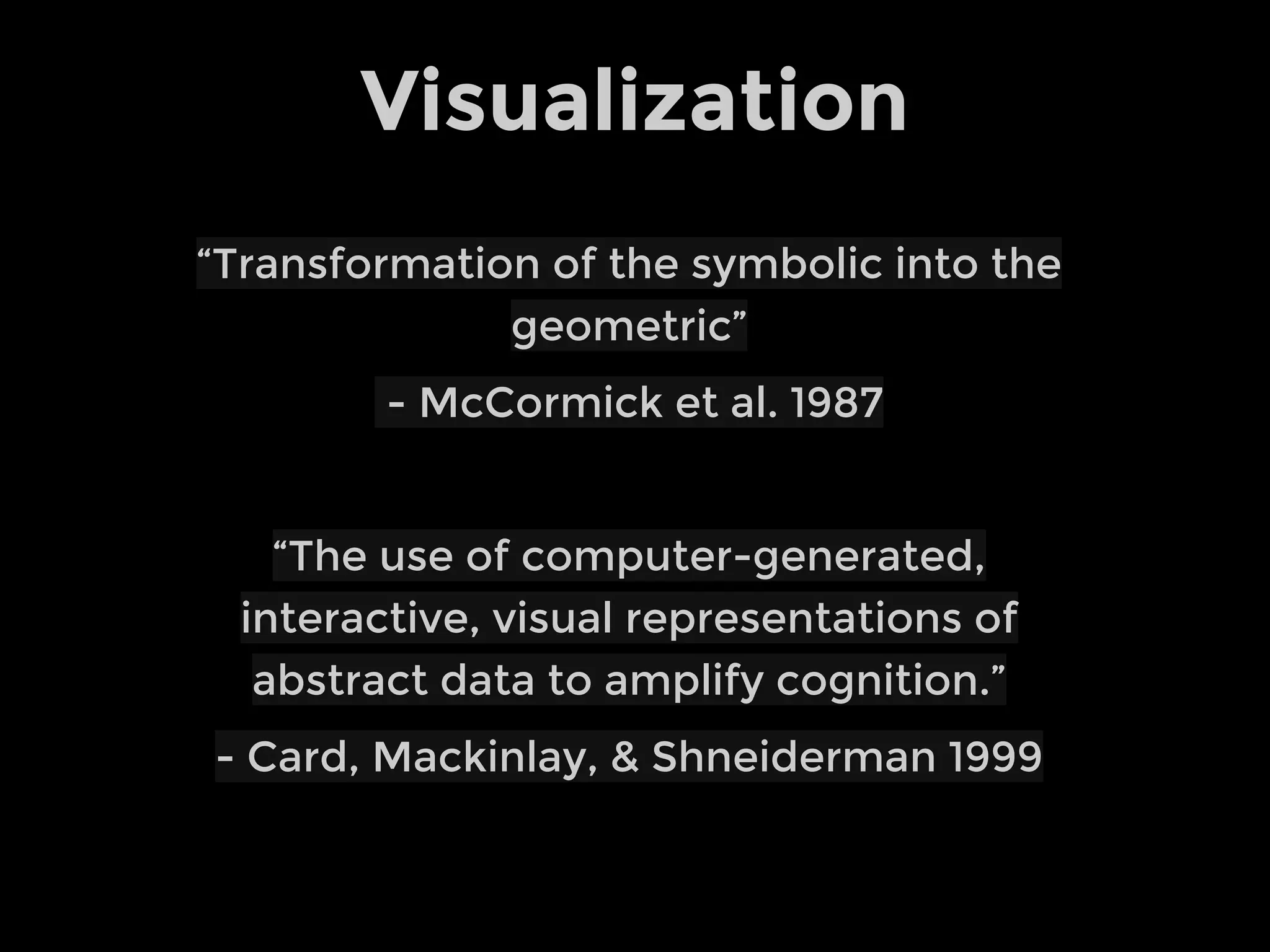
“Transformation of the symbolic into the
geometric”
- McCormick et al. 1987
“The use of computer-generated,
interactive, visual representations of
abstract data to amplify cognition.”
- Card, Mackinlay, & Shneiderman 1999
Visualization
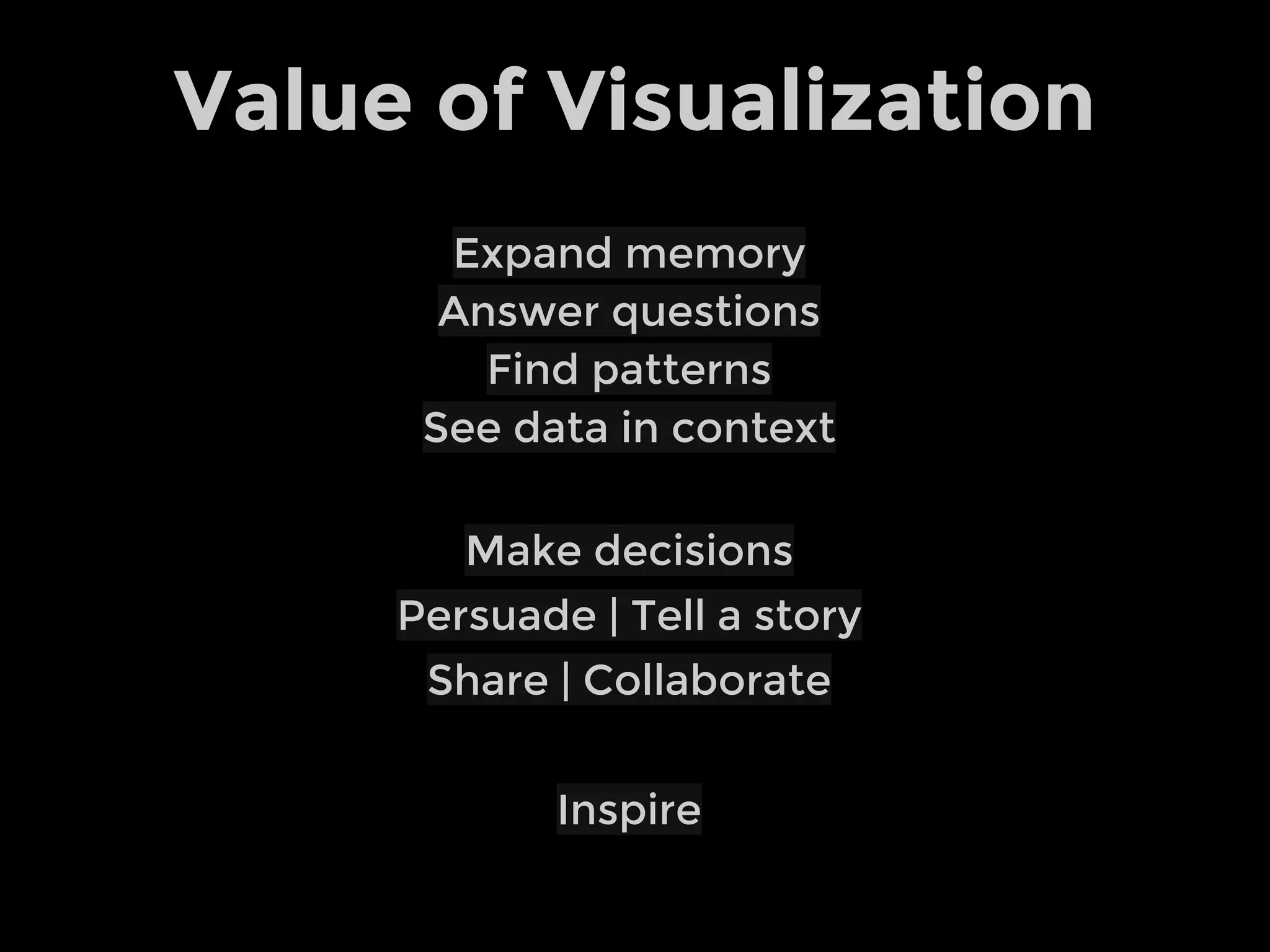
Value of Visualization
Expand memory
Answer questions
Find patterns
See data in context
Make decisions
Persuade | Tell a story
Share | Collaborate
Inspire
Exploration
Explanation
Expression
Value of Visualization
Data Tool for engagement,
exploration and discovery
Exploration | Interactive
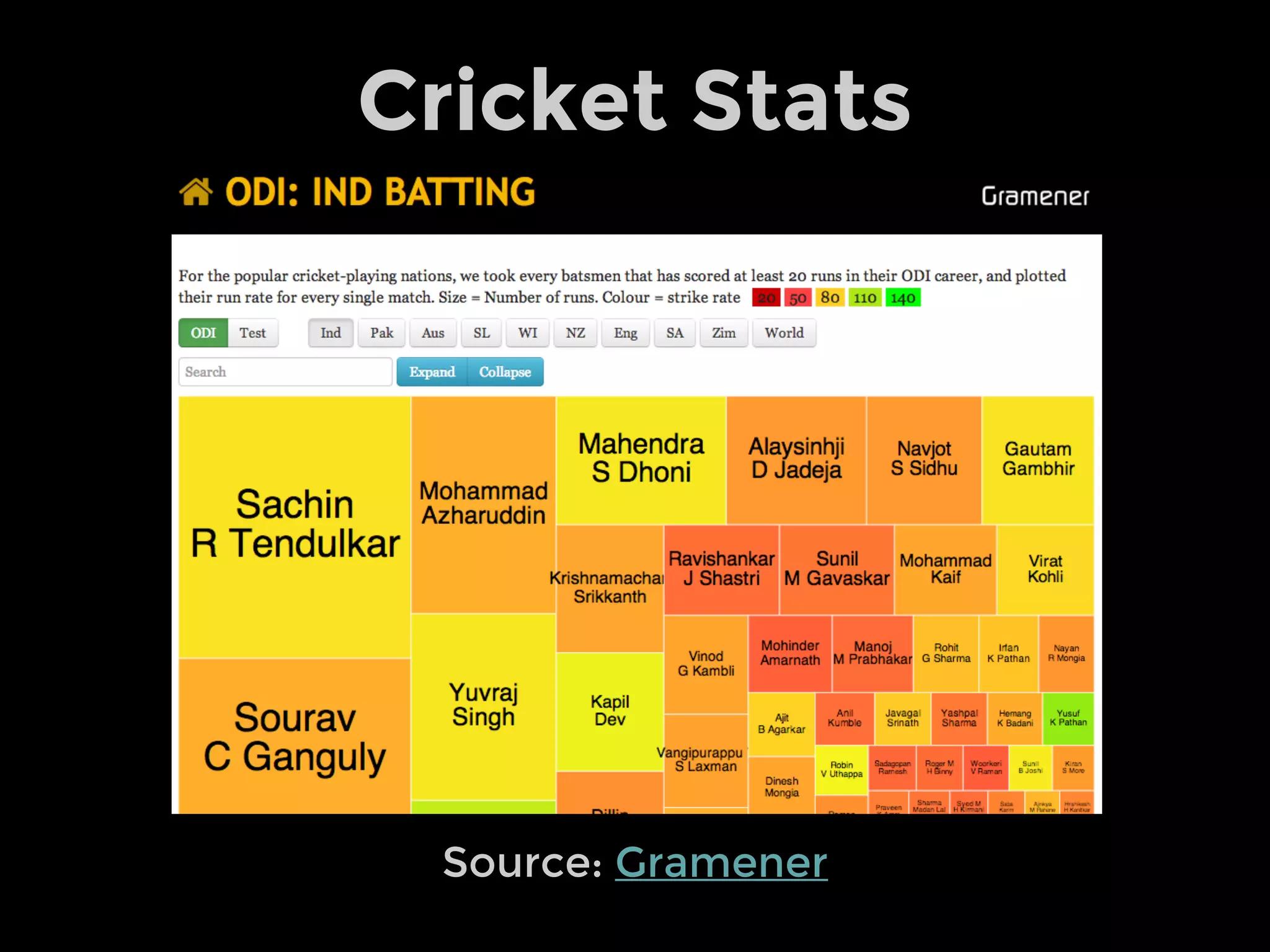
Source: Gramener
Cricket Stats
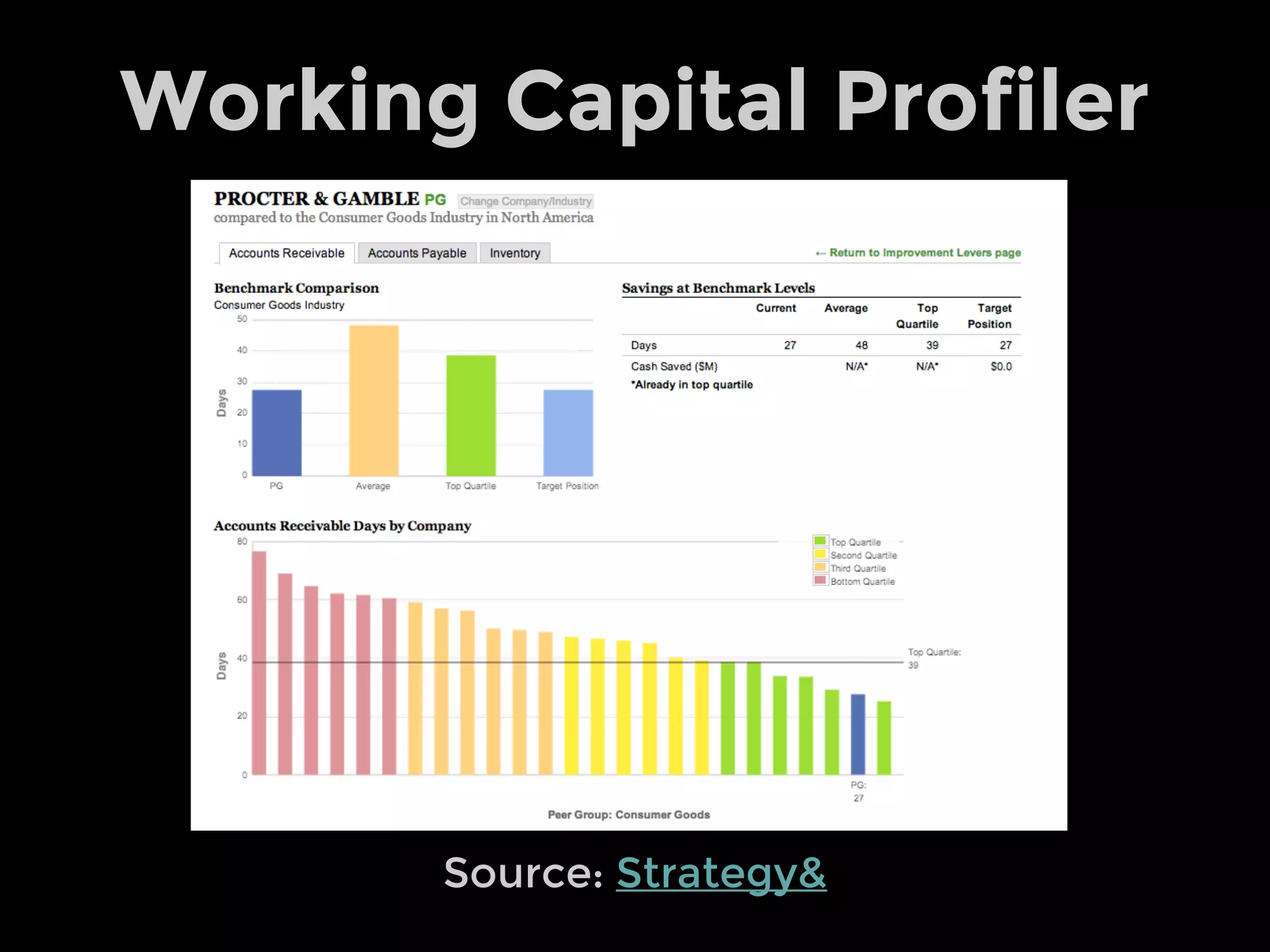
Source: Strategy&
Working Capital Profiler
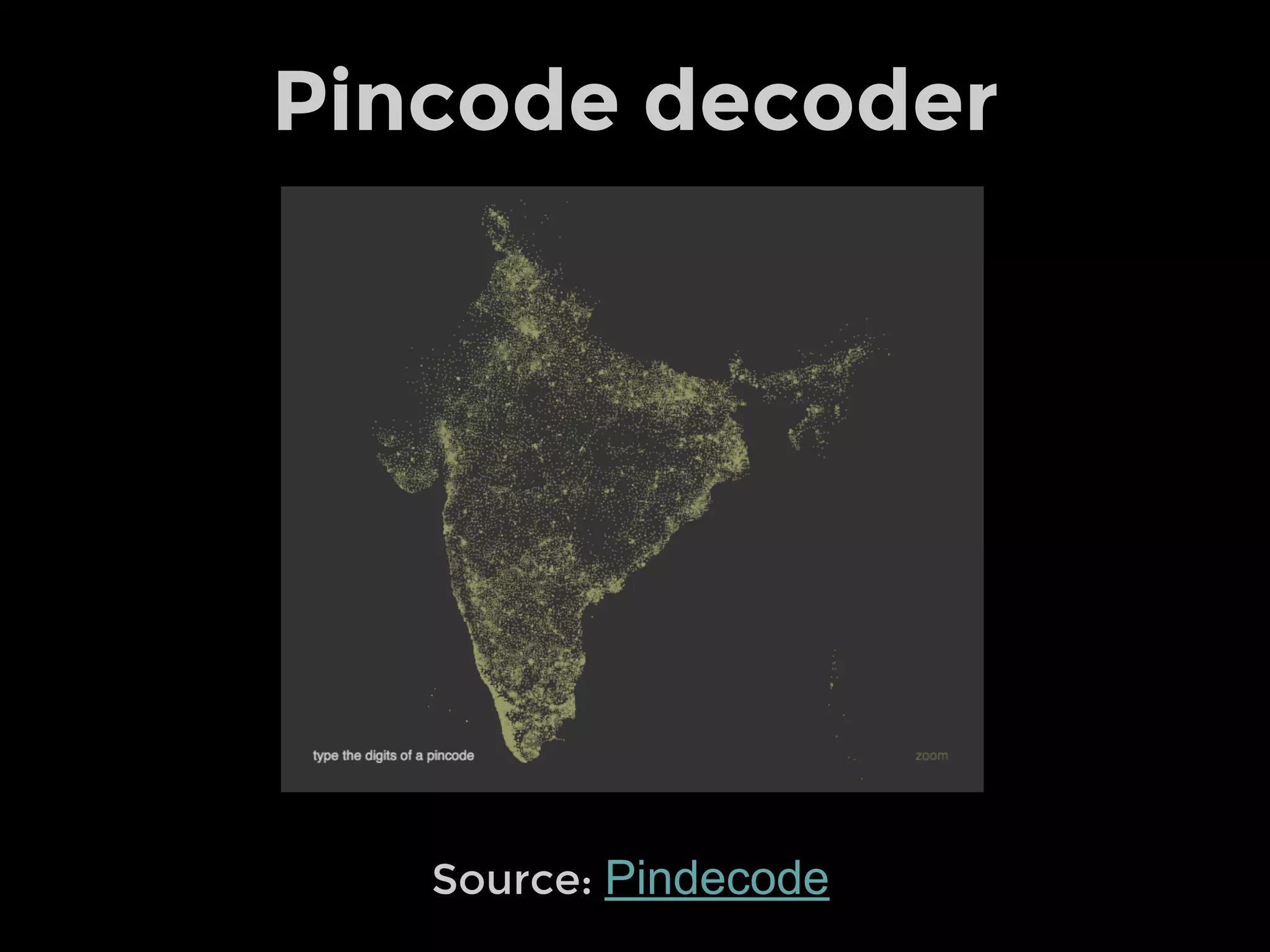
Source: Pindecode
Pincode decoder
Data Stories for telling a specific and
(linear) visual narrative
Explanatory | Narrative
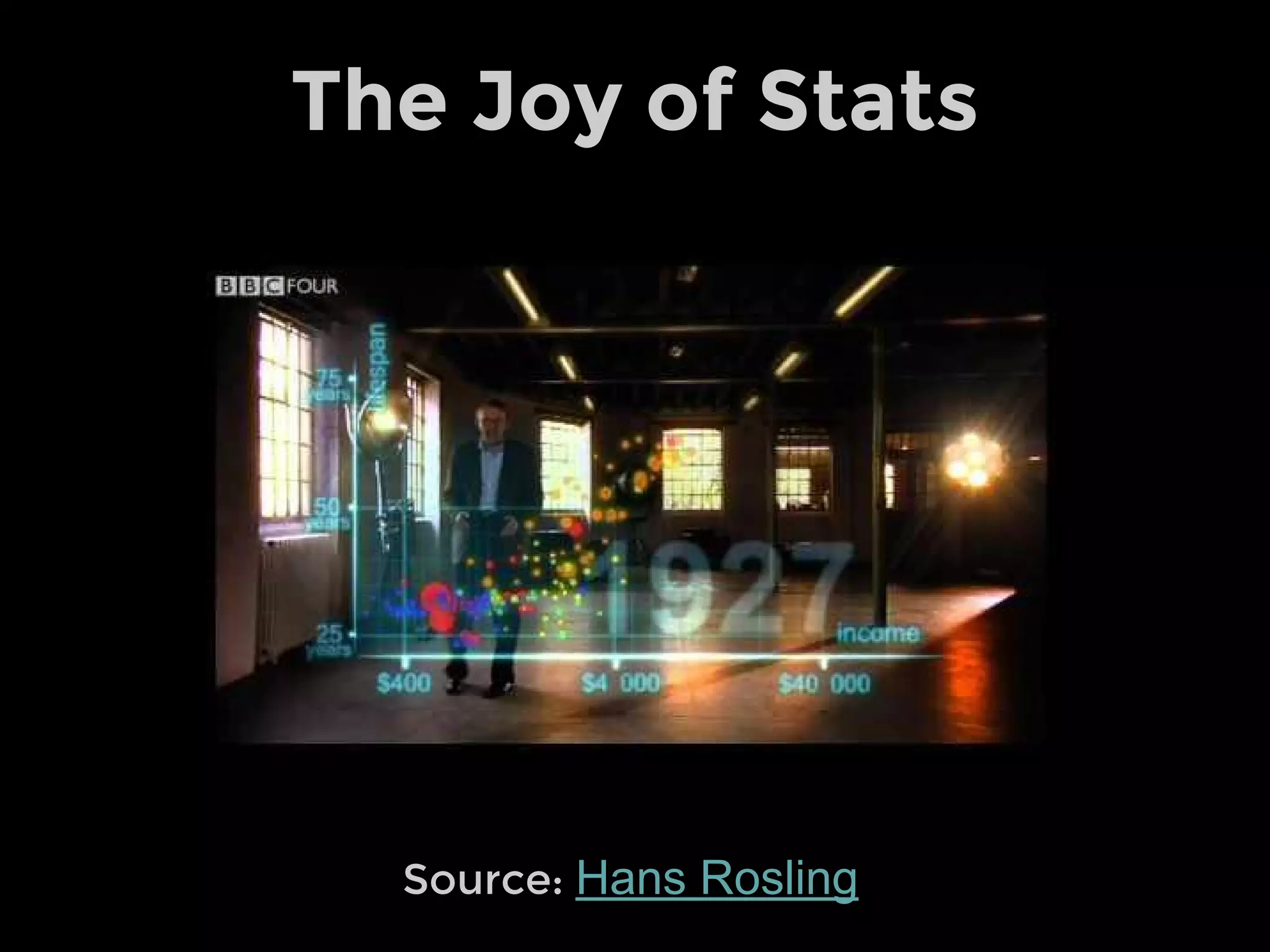
Source: Hans Rosling
The Joy of Stats
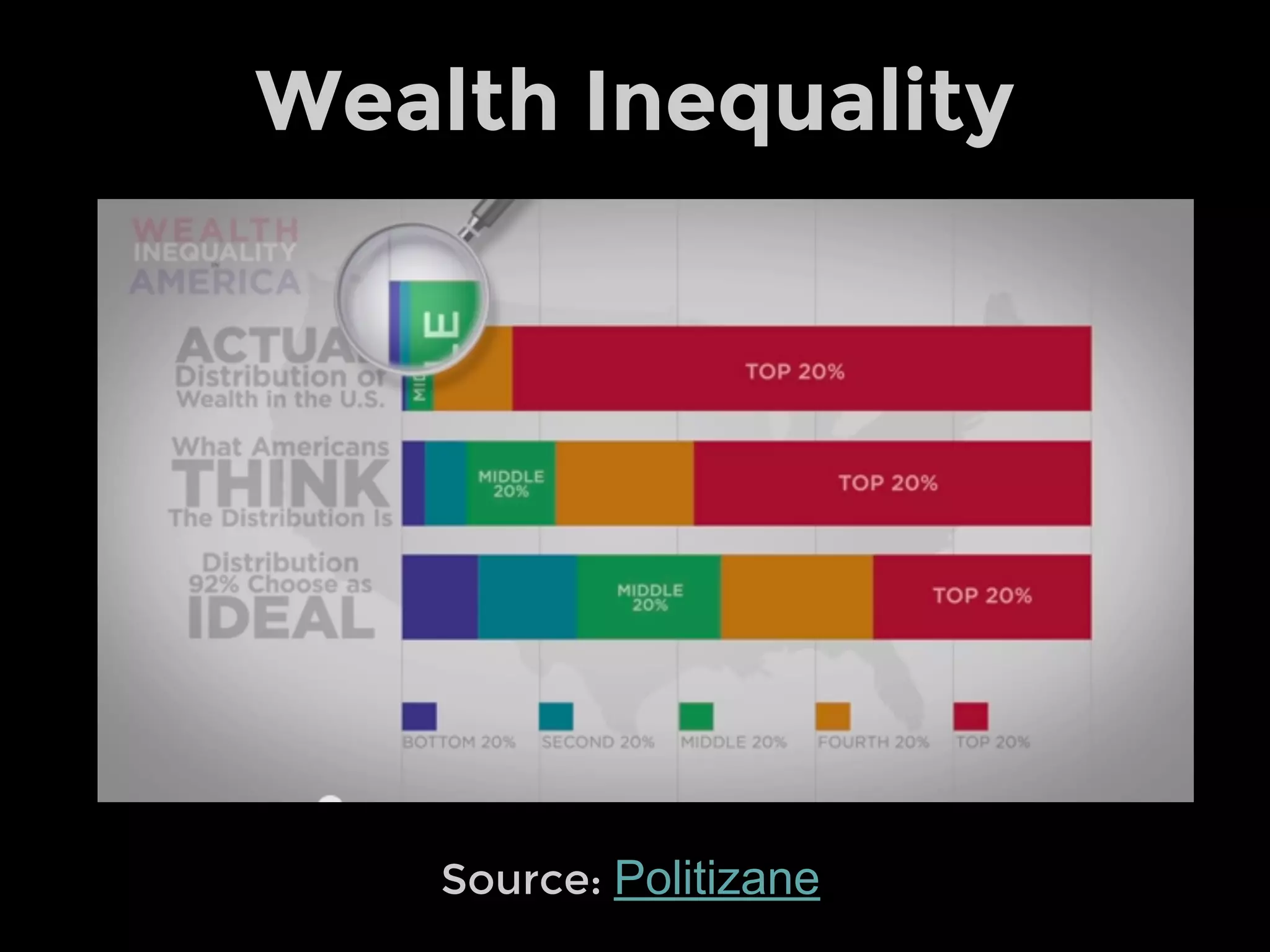
Source: Politizane
Wealth Inequality
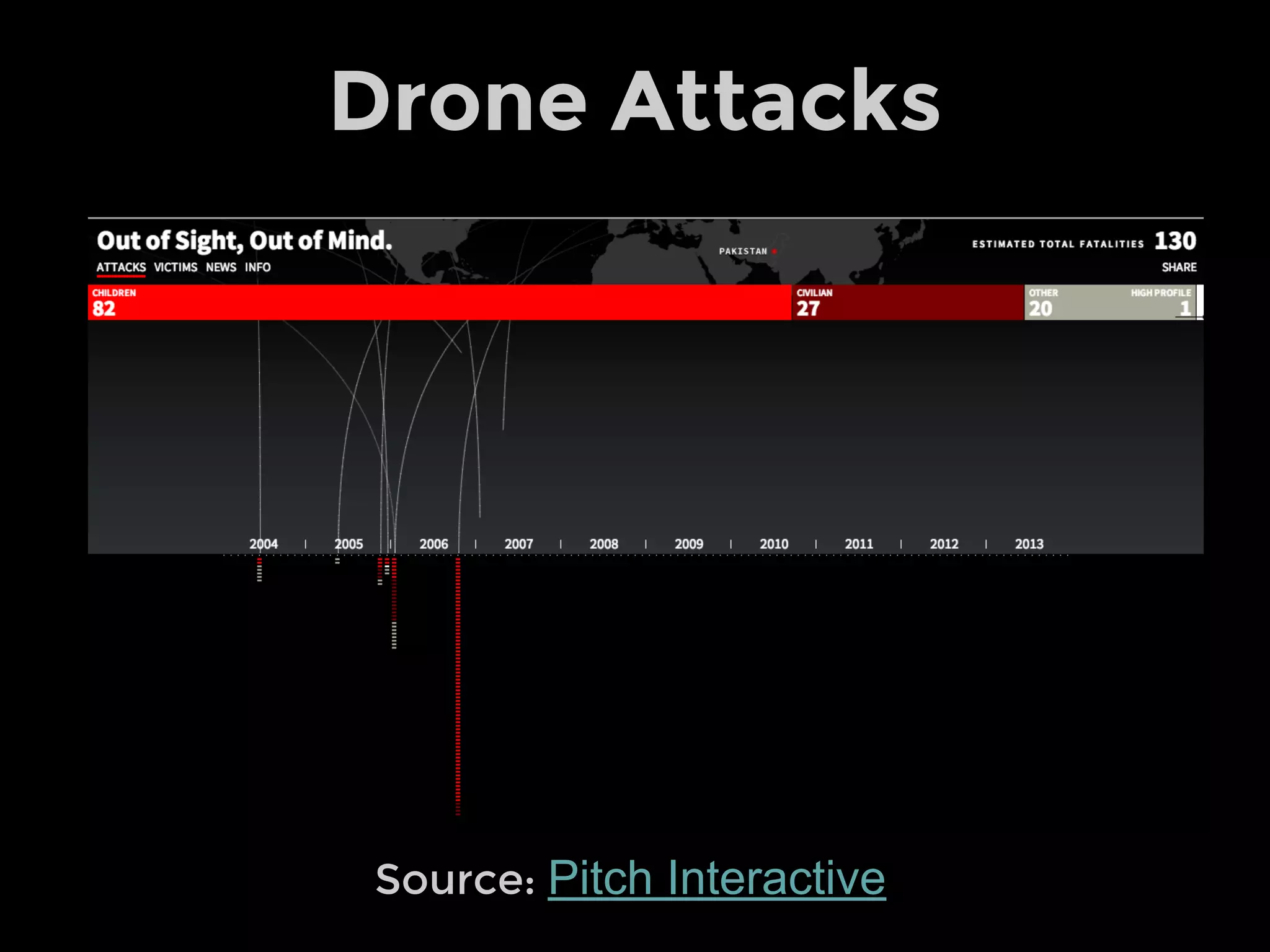
Source: Pitch Interactive
Drone Attacks
Data Art for visual expression, delight
(and impact, insight)
Exhibition | Expression
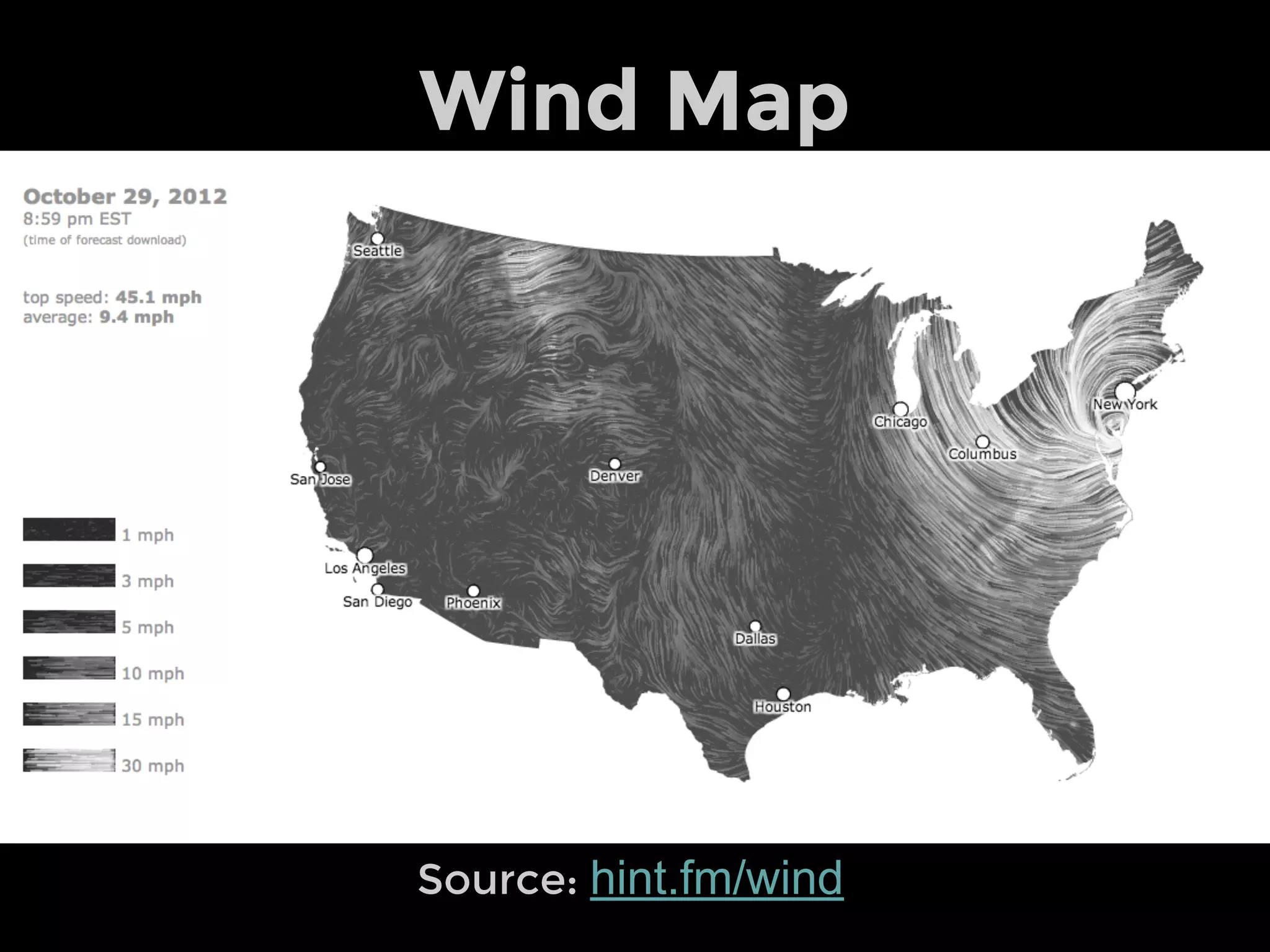
Source: hint.fm/wind
Wind Map
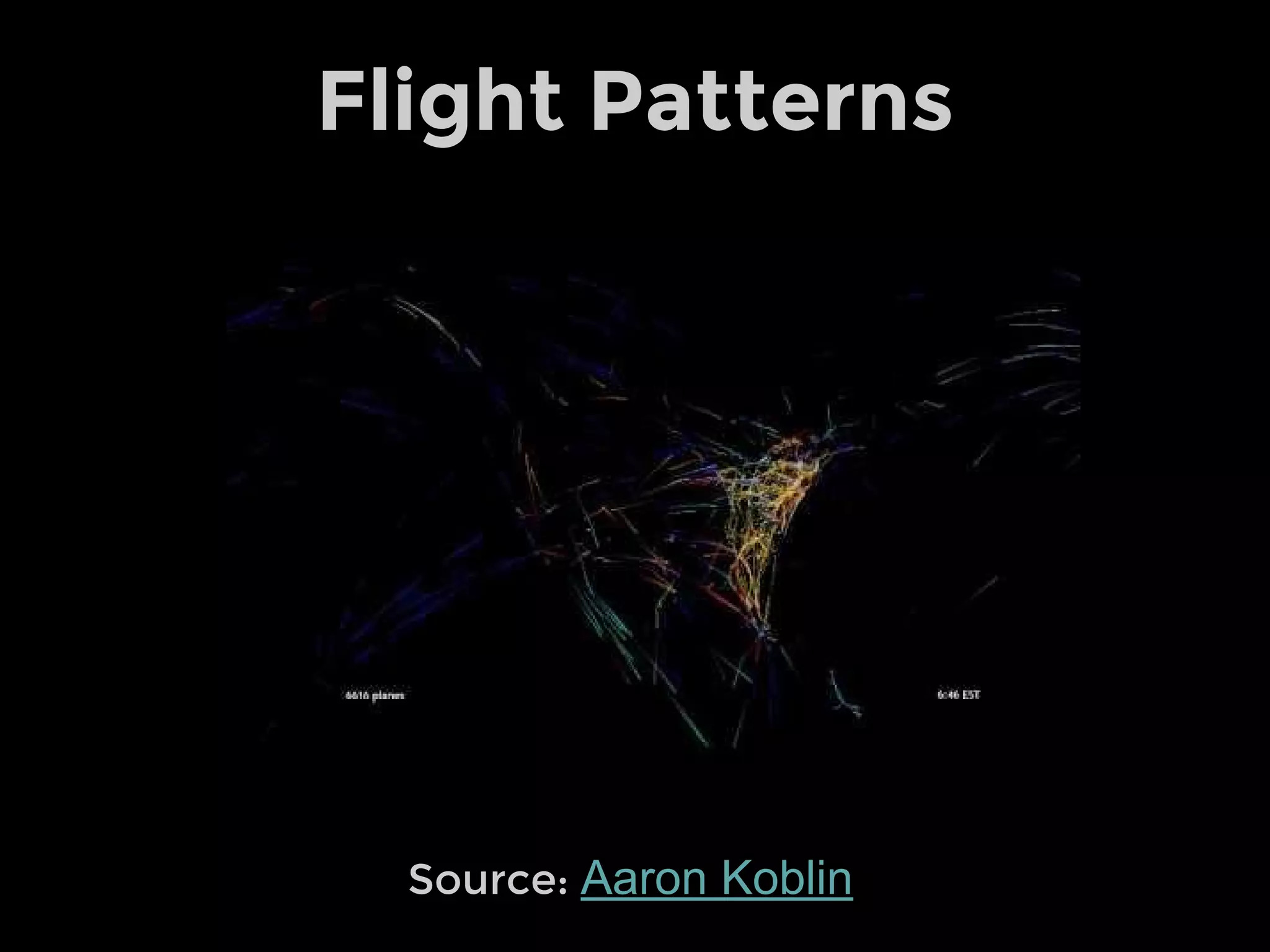
Source: Aaron Koblin
Flight Patterns
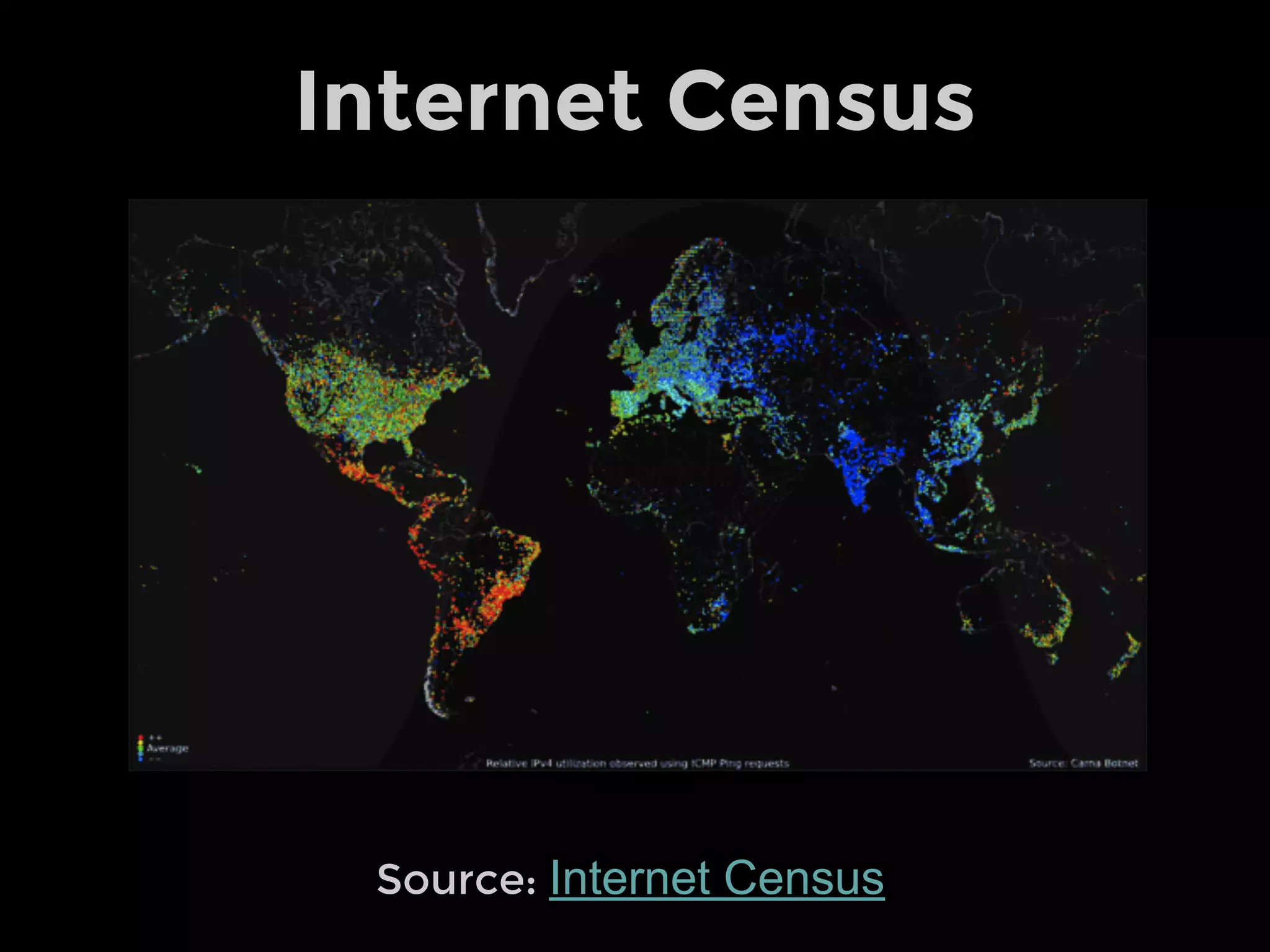
Source: Internet Census
Internet Census
“The ability to take data—to be able to
understand it, to process it, to extract value
from it, to visualize it, to communicate it—
that’s going to be a hugely important skill in
the next decades, ... because now we really
do have essentially free and ubiquitous data.
So the complimentary scarce factor is the
ability to understand that data and extract
value from it.”
—  Hal Varian, Google’s Chief Economist
Making Sense of Data
Approach for Creating Data-Visual-
Stories
Design Framework
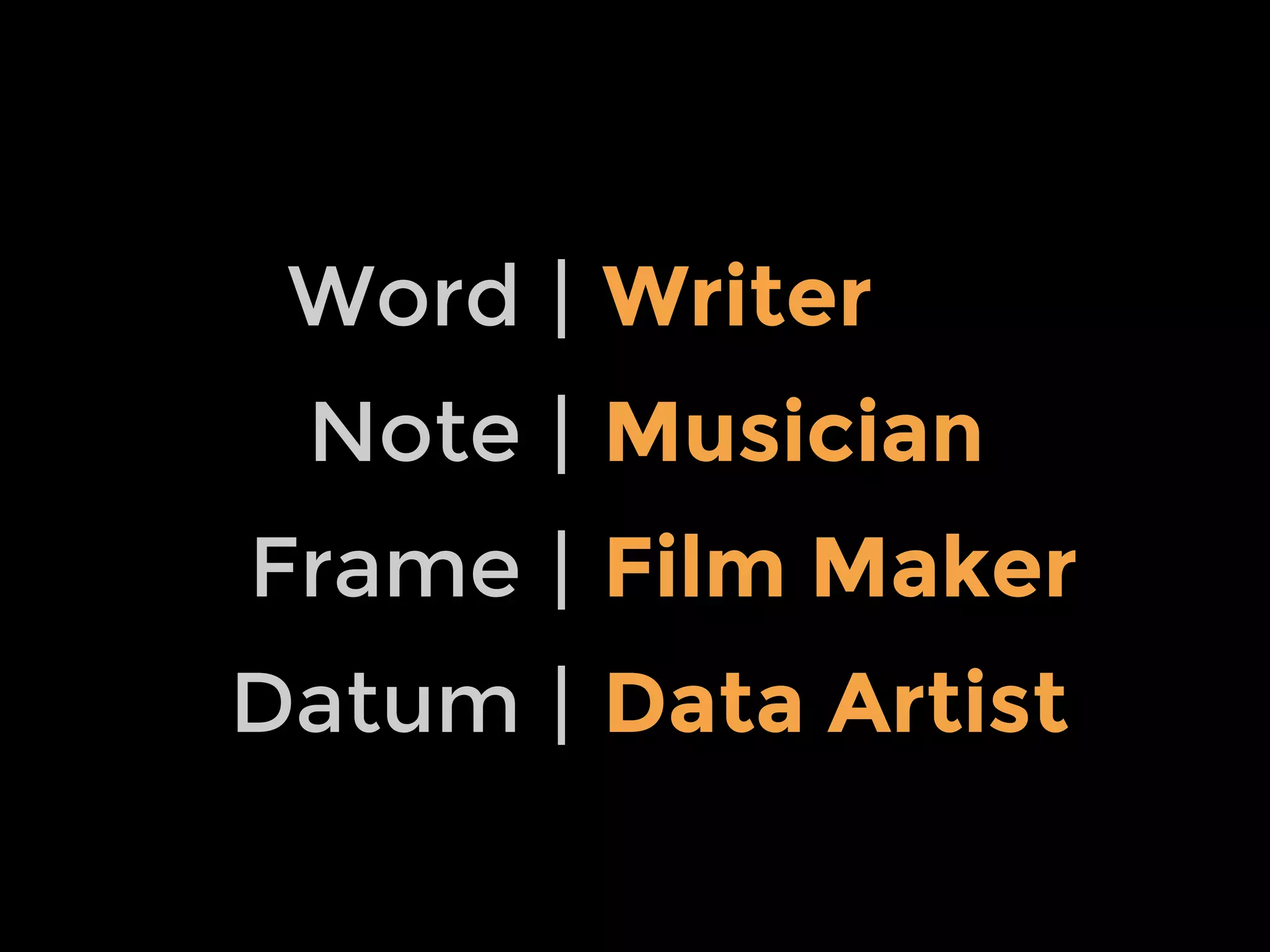
Word Writer
Note
Frame
Musician
Film Maker
|
|
|
Data Artist|Datum
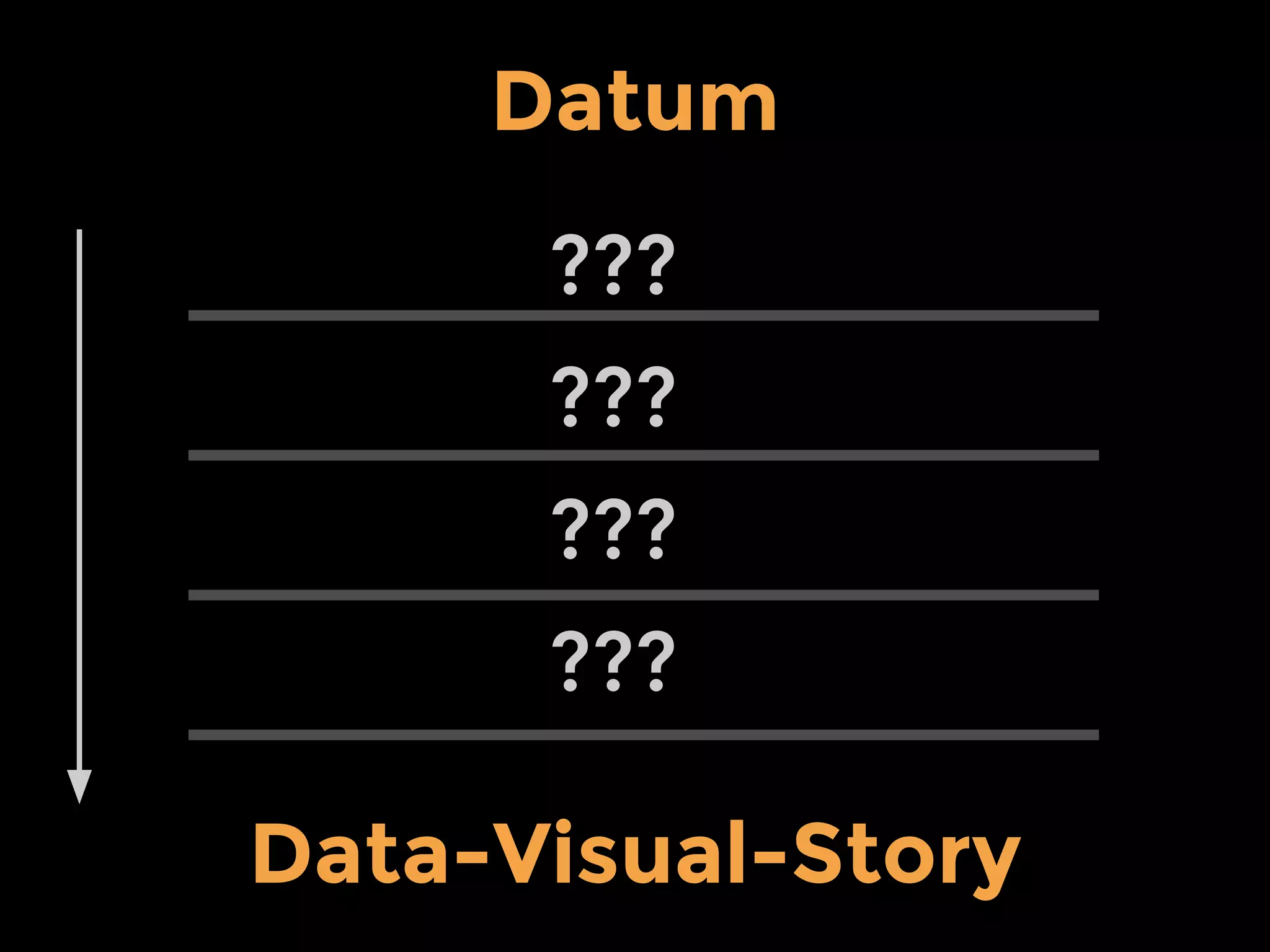
???
???
???
???
Datum
Data-Visual-Story
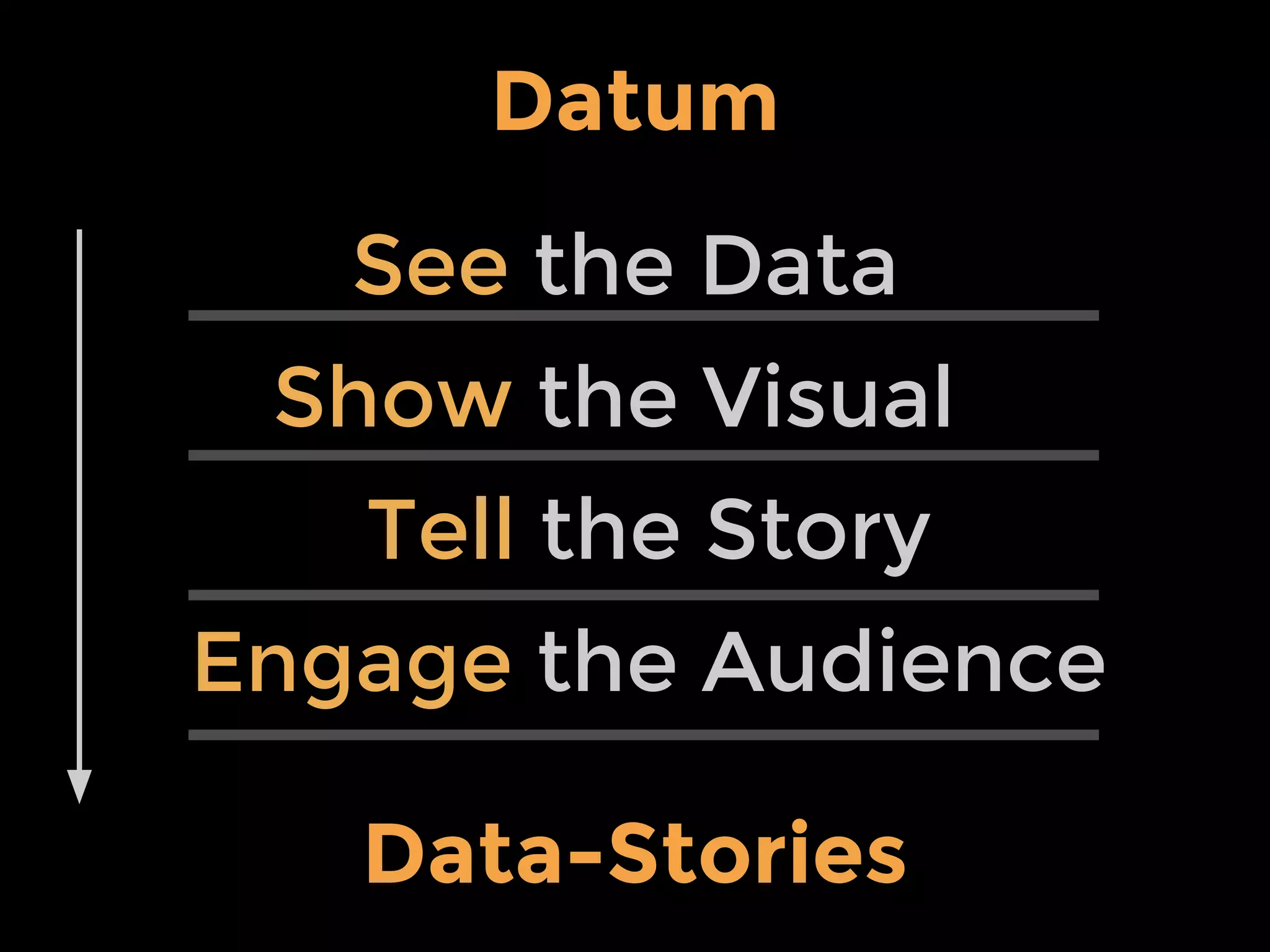
See the Data
Show the Visual
Tell the Story
Engage the Audience
Datum
Data-Stories
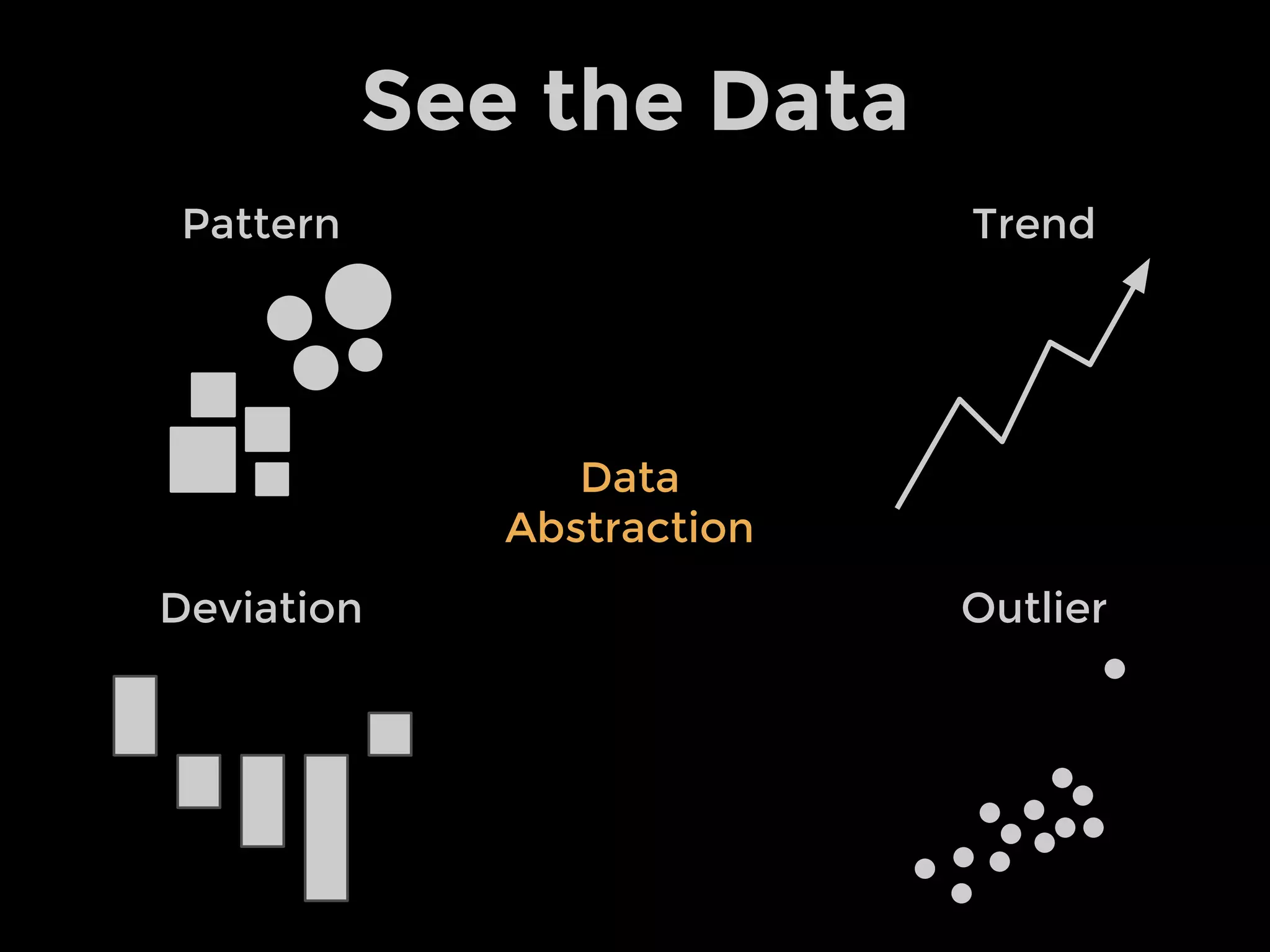
See the Data
Pattern
Deviation Outlier
Trend
Data
Abstraction
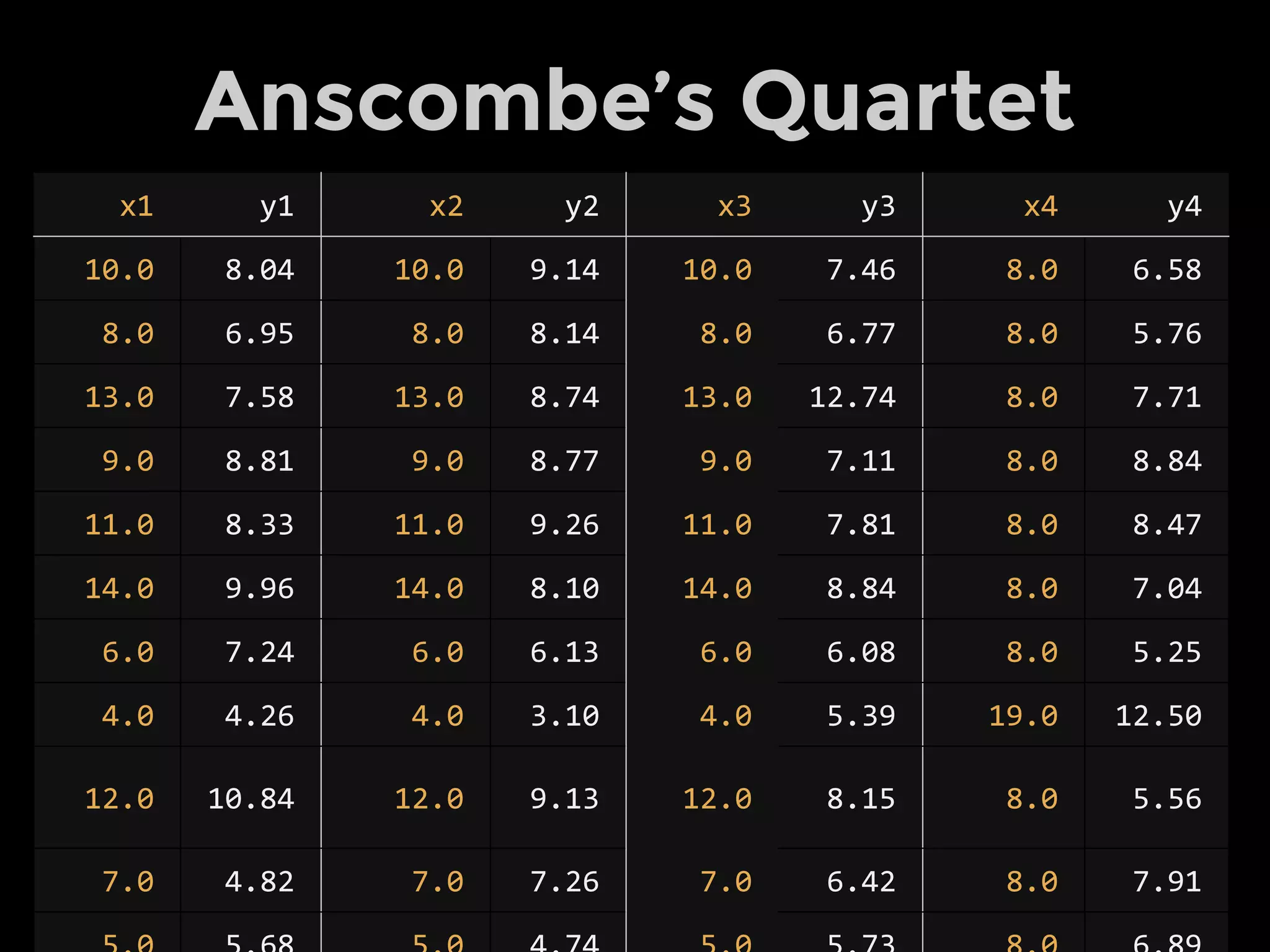
Anscombe’s Quartet
x1 y1 x2 y2 x3 y3 x4 y4
10.0 8.04 10.0 9.14 10.0 7.46 8.0 6.58
8.0 6.95 8.0 8.14 8.0 6.77 8.0 5.76
13.0 7.58 13.0 8.74 13.0 12.74 8.0 7.71
9.0 8.81 9.0 8.77 9.0 7.11 8.0 8.84
11.0 8.33 11.0 9.26 11.0 7.81 8.0 8.47
14.0 9.96 14.0 8.10 14.0 8.84 8.0 7.04
6.0 7.24 6.0 6.13 6.0 6.08 8.0 5.25
4.0 4.26 4.0 3.10 4.0 5.39 19.0 12.50
12.0 10.84 12.0 9.13 12.0 8.15 8.0 5.56
7.0 4.82 7.0 7.26 7.0 6.42 8.0 7.91
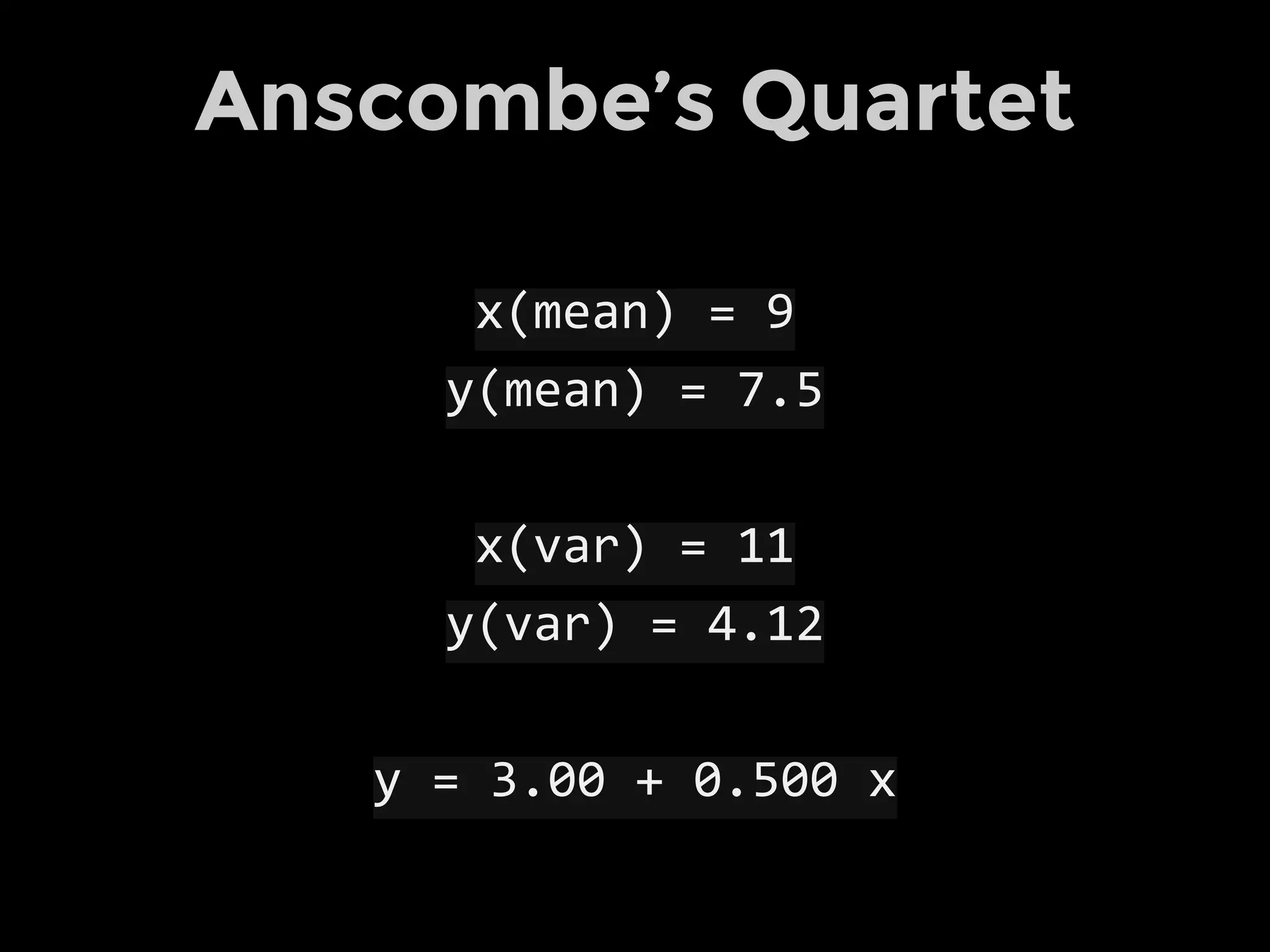
Anscombe’s Quartet
x(mean) = 9
y(mean) = 7.5
x(var) = 11
y(var) = 4.12
y = 3.00 + 0.500 x
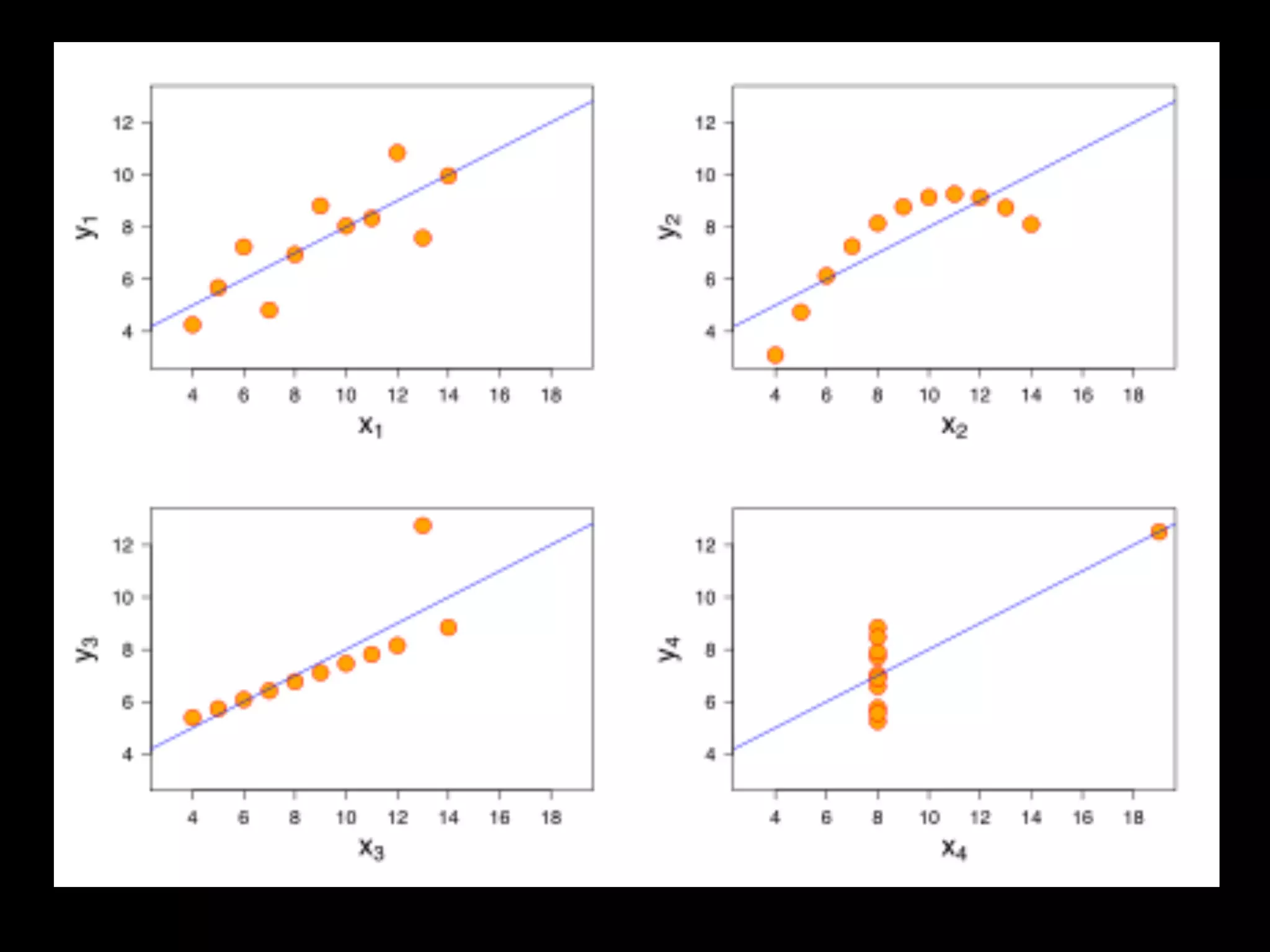
Anscombe’s Quartet
This is hard work
"80% perspiration,
10% great idea,
10% output."
- Simon Rogers
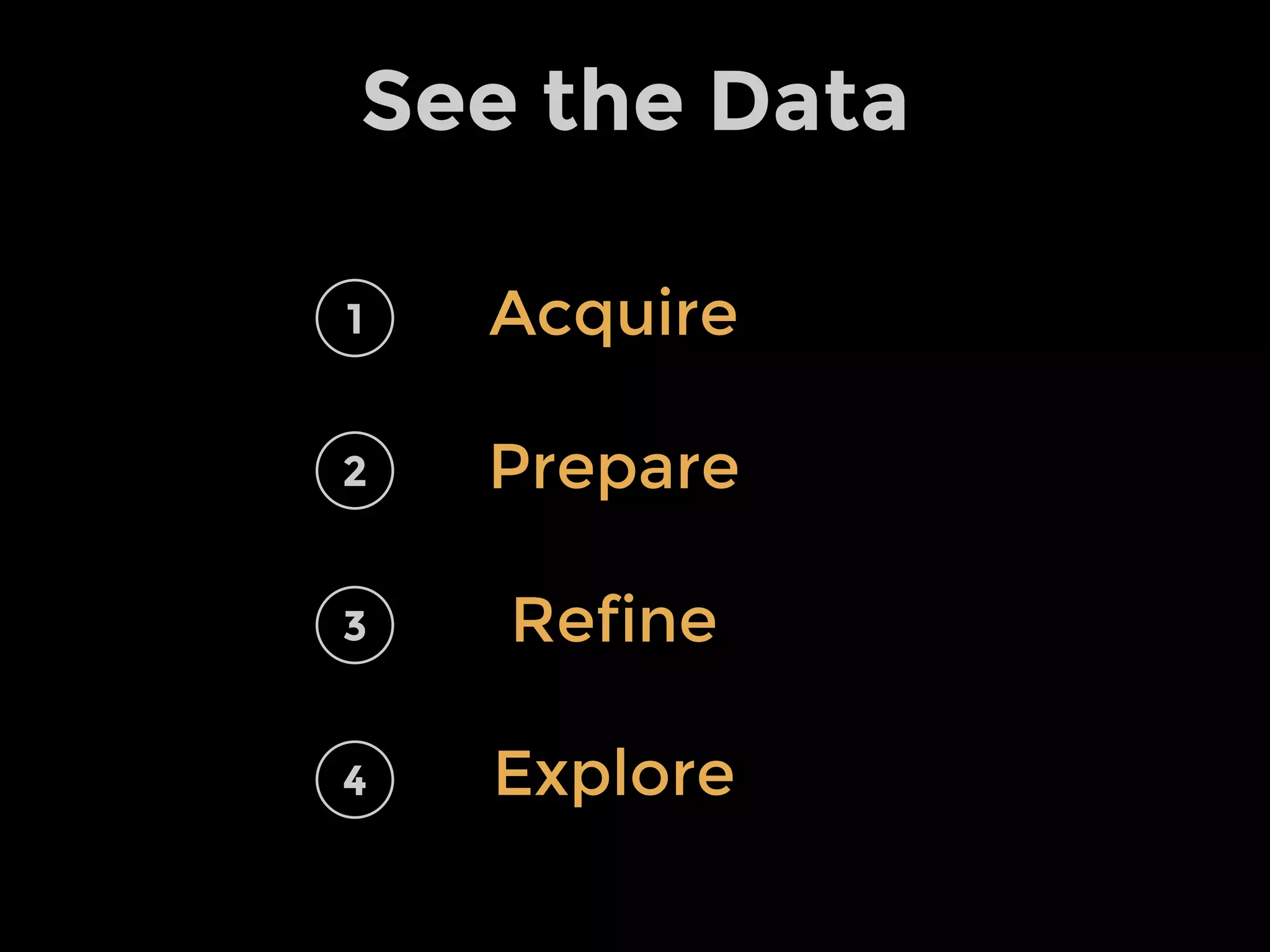
See the Data
Acquire
Prepare
Refine
Explore
1
3
2
4
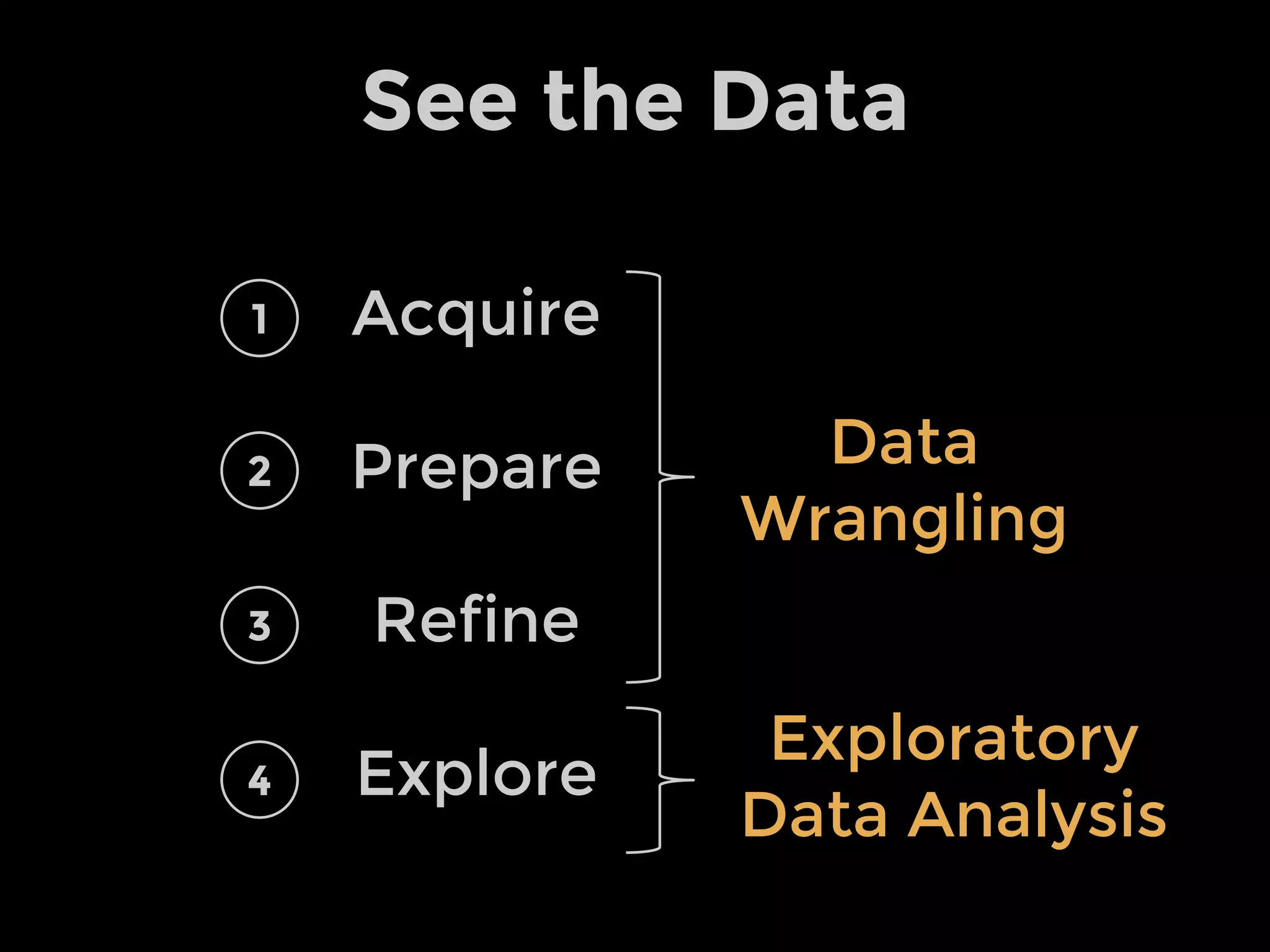
See the Data
Acquire
Prepare
Refine
Explore
Data
Wrangling
Exploratory
Data Analysis
1
3
2
4
Explore
"Visualization gives you
answers to questions you
didn't know you had."
- Ben Schneiderman
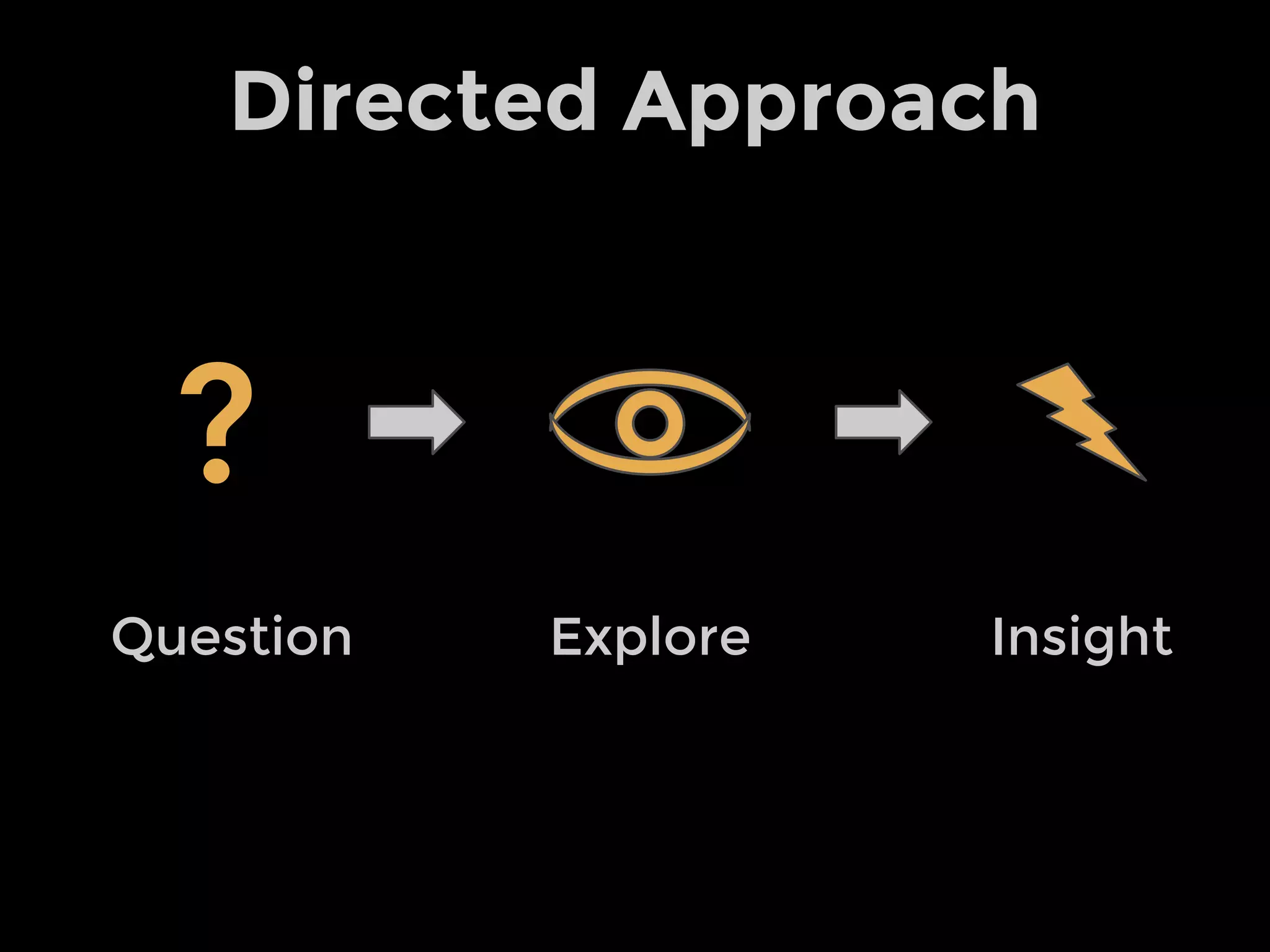
Directed Approach
?
ExploreQuestion Insight
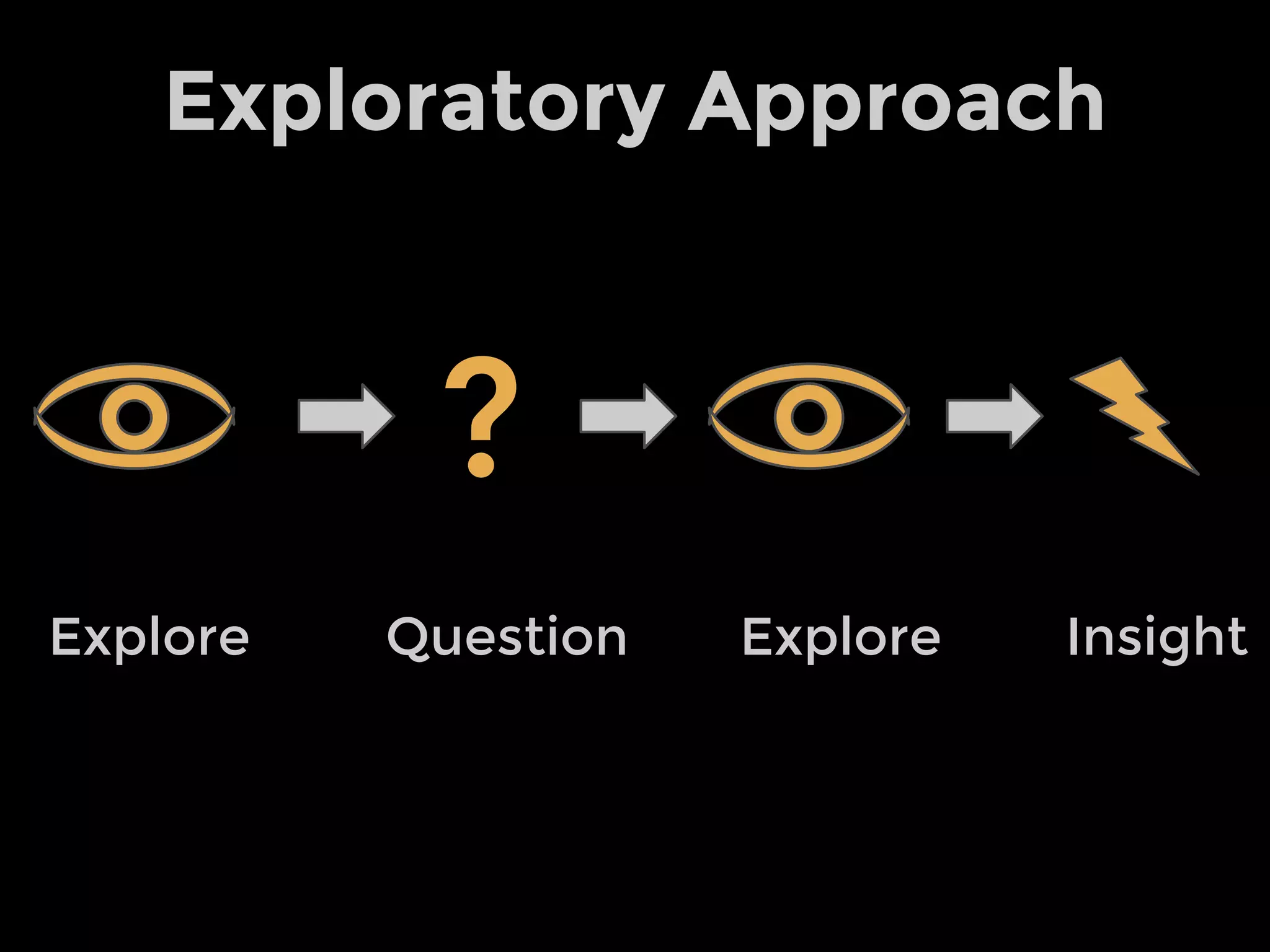
Exploratory Approach
?
ExploreQuestion InsightExplore
Visually Exploring
Active Seeing
Skill Building over Time
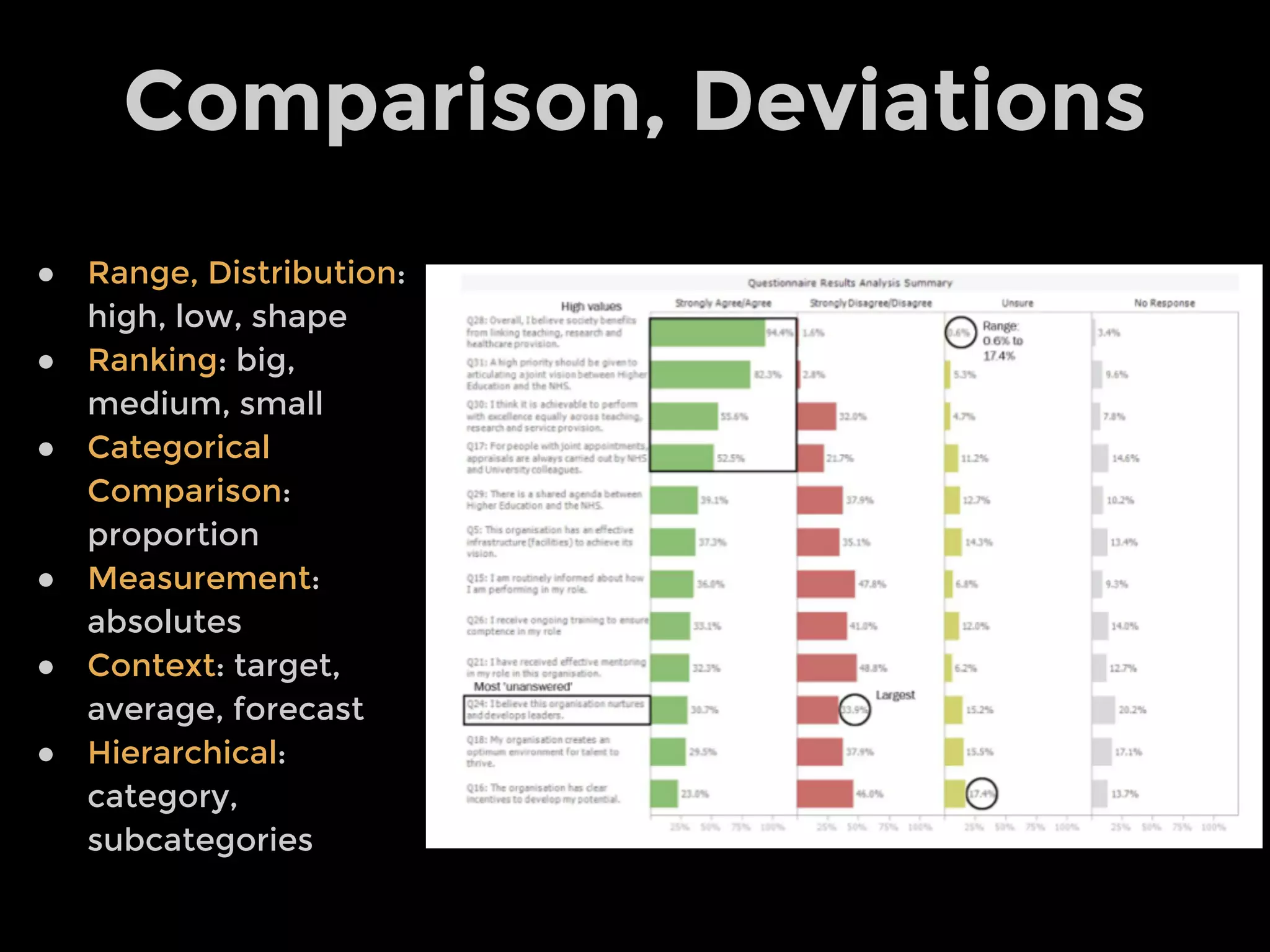
Comparison, Deviations
● Range, Distribution:
high, low, shape
● Ranking: big,
medium, small
● Categorical
Comparison:
proportion
● Measurement:
absolutes
● Context: target,
average, forecast
● Hierarchical:
category,
subcategories
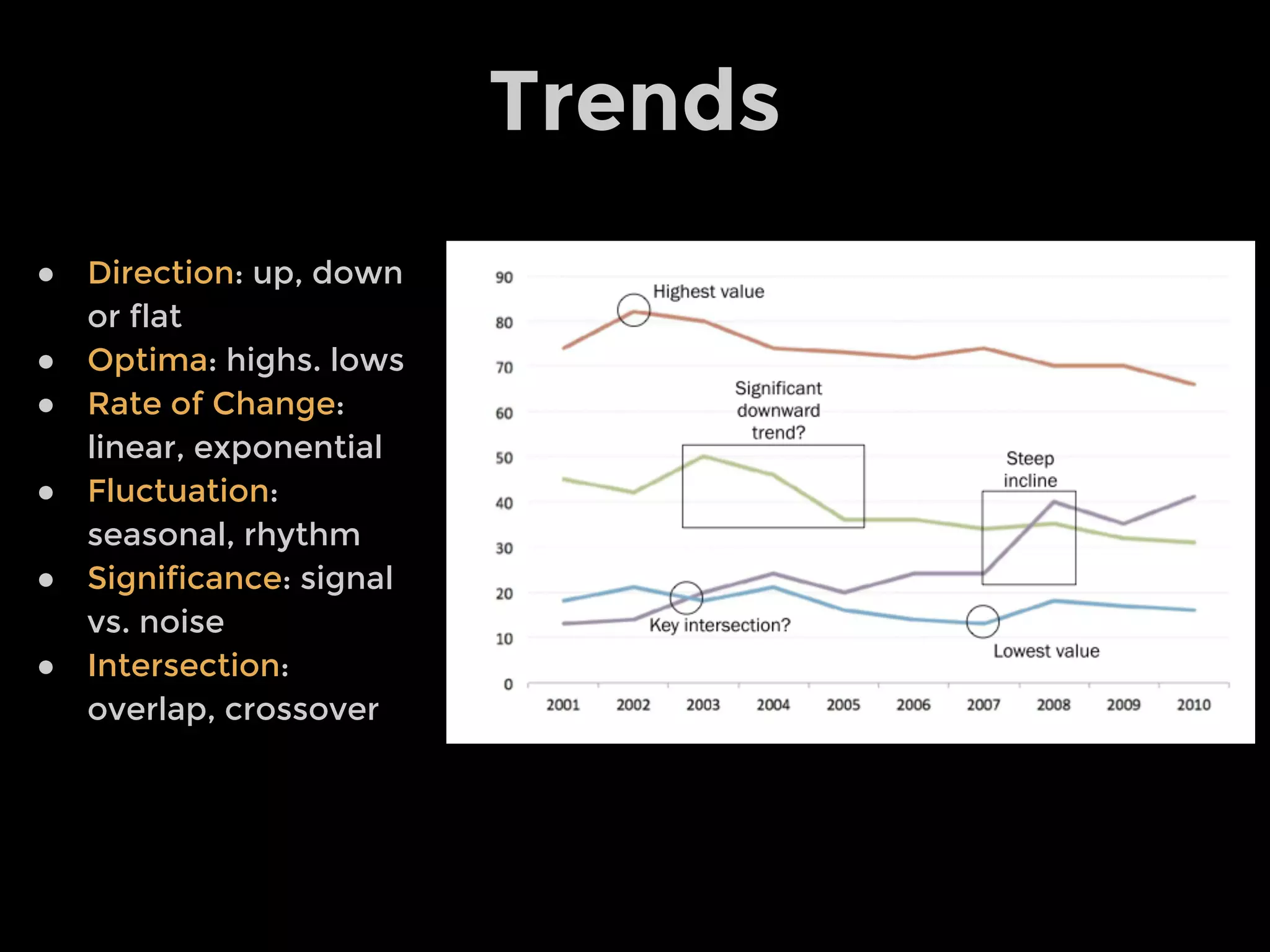
Trends
● Direction: up, down
or flat
● Optima: highs. lows
● Rate of Change:
linear, exponential
● Fluctuation:
seasonal, rhythm
● Significance: signal
vs. noise
● Intersection:
overlap, crossover
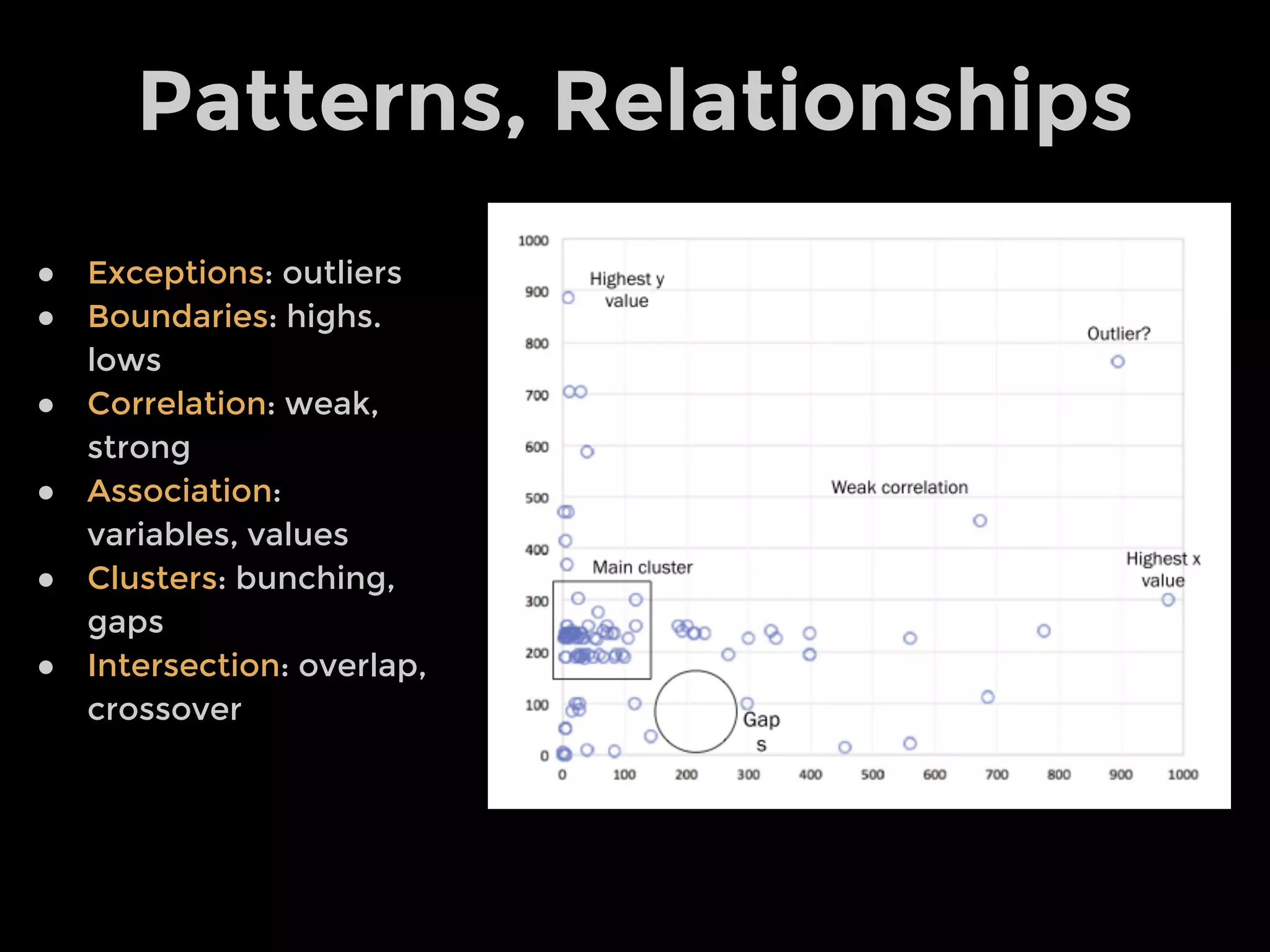
Patterns, Relationships
● Exceptions: outliers
● Boundaries: highs.
lows
● Correlation: weak,
strong
● Association:
variables, values
● Clusters: bunching,
gaps
● Intersection: overlap,
crossover
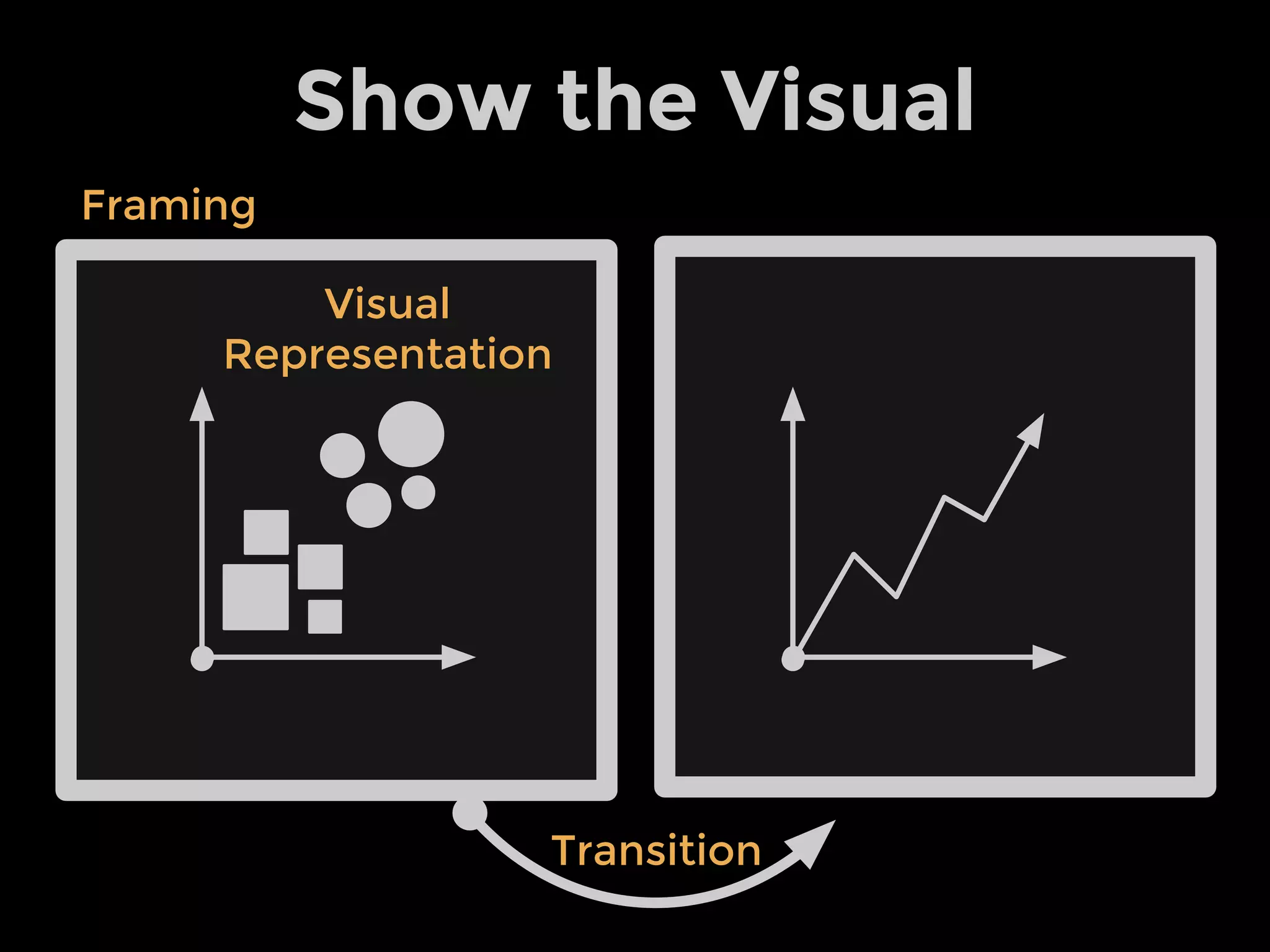
Show the Visual
Framing
Transition
Visual
Representation
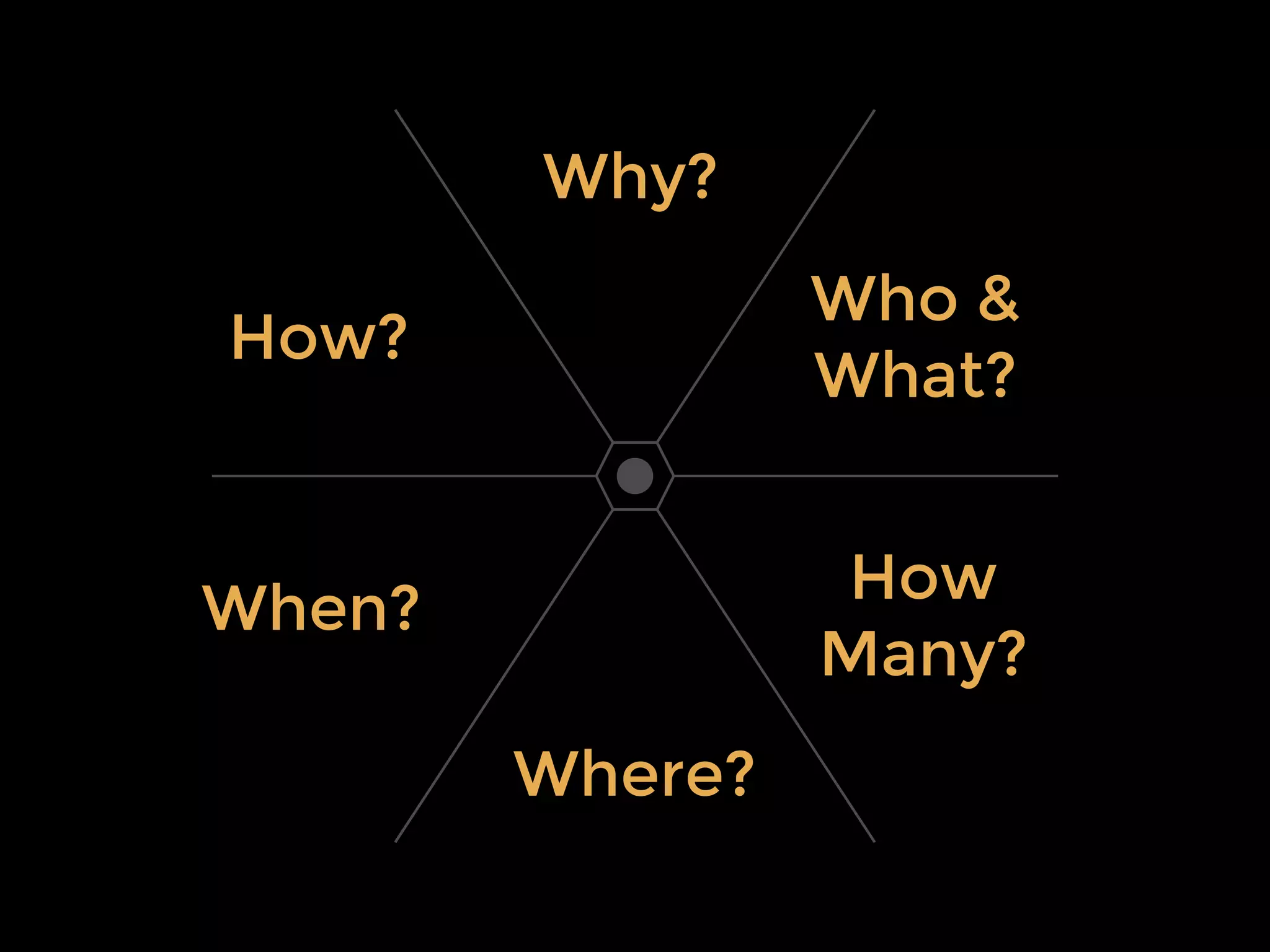
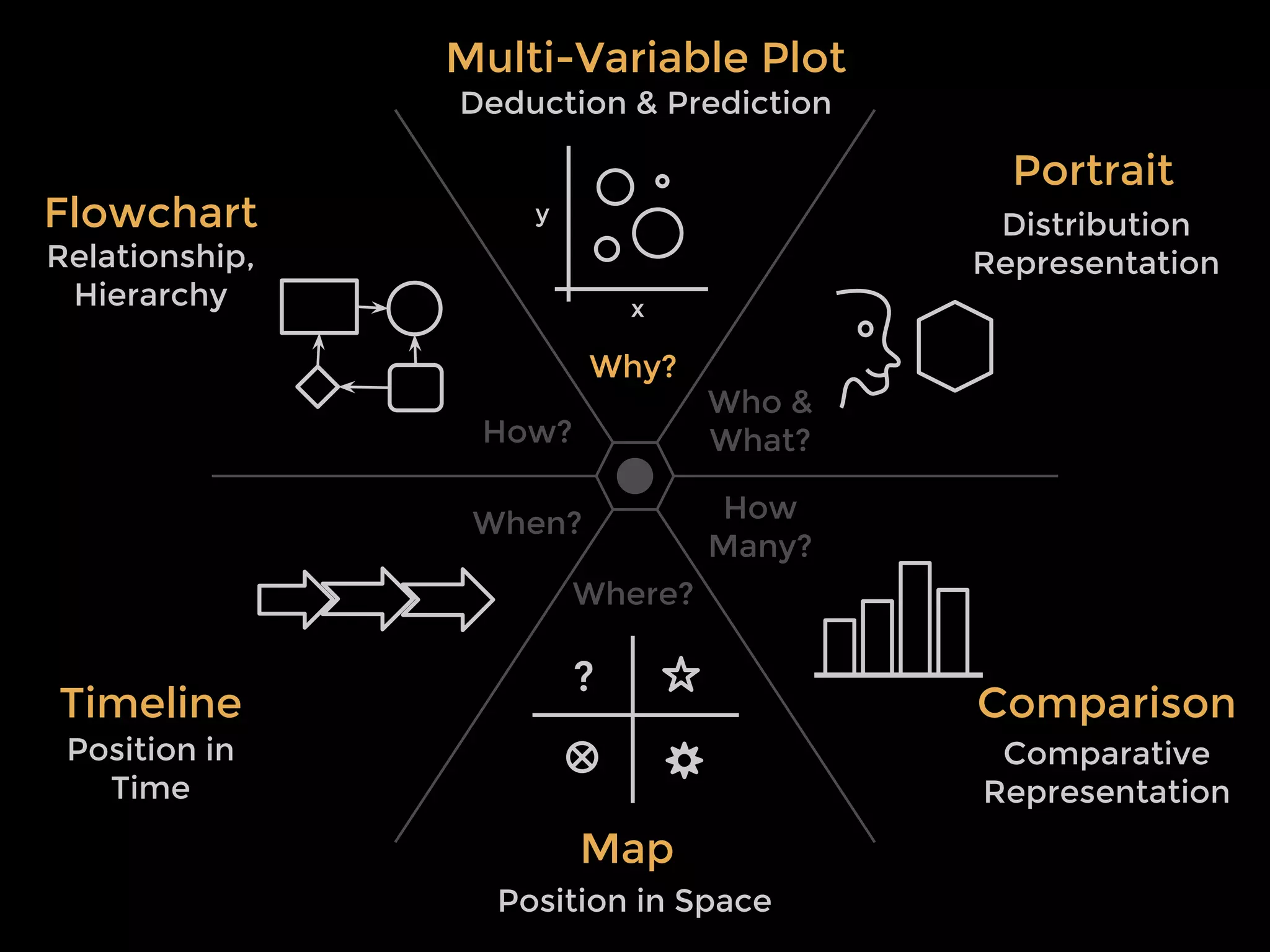
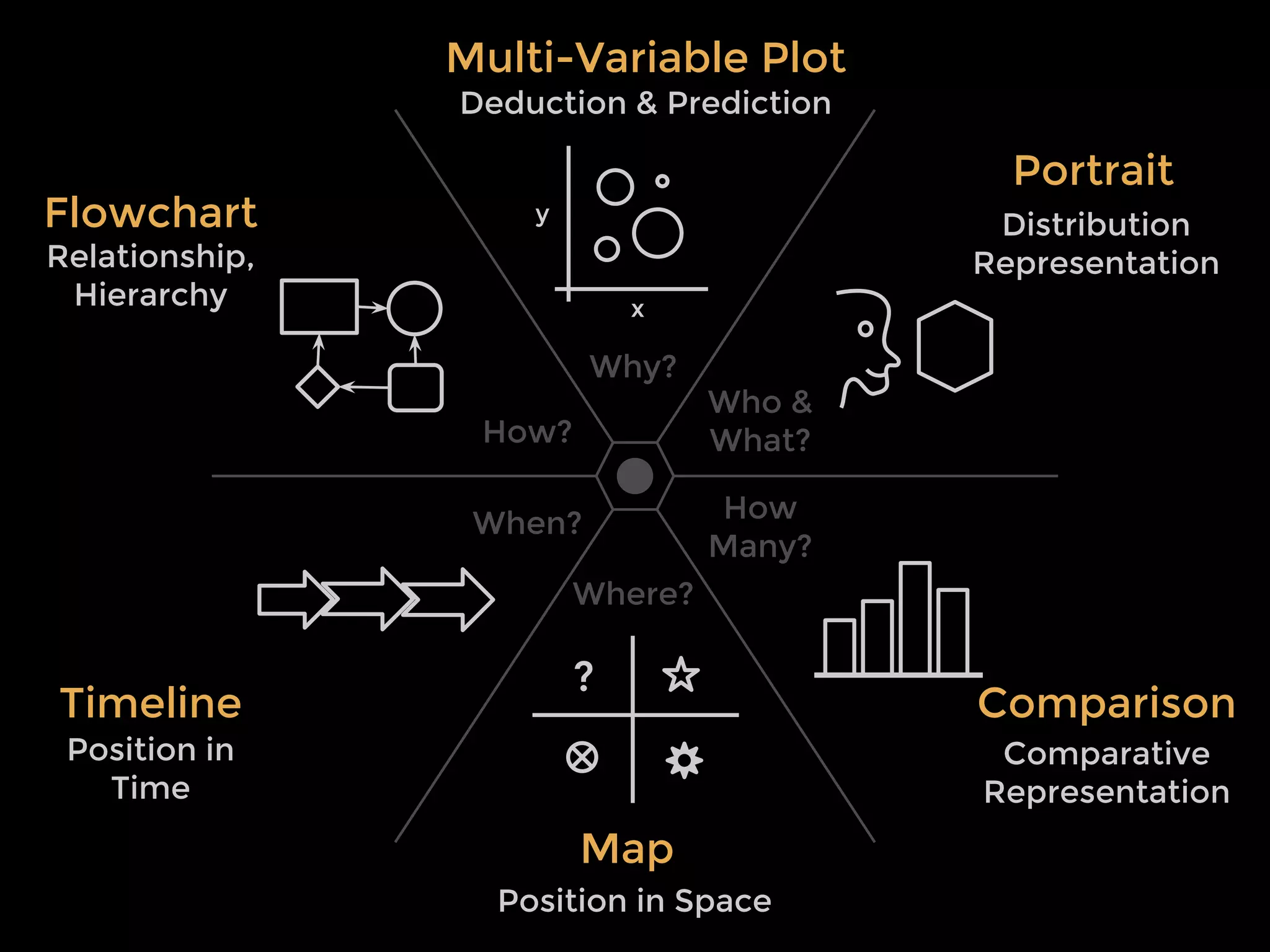
How
Many?
When?
Why?
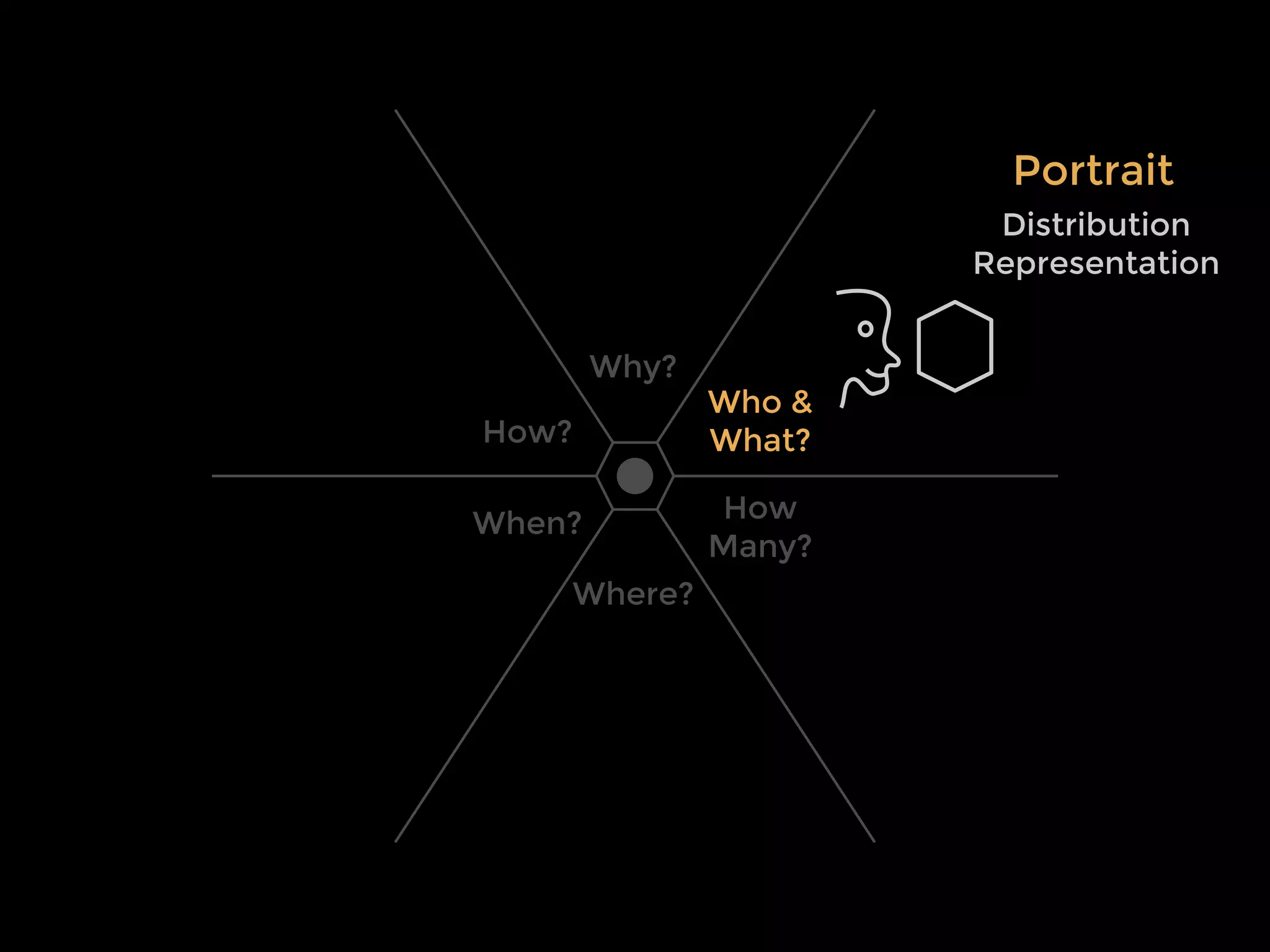
Who &
What?
Where?
How?
Portrait
Distribution
Representation
How
Many?
When?
Why?
Who &
What?
Where?
How?
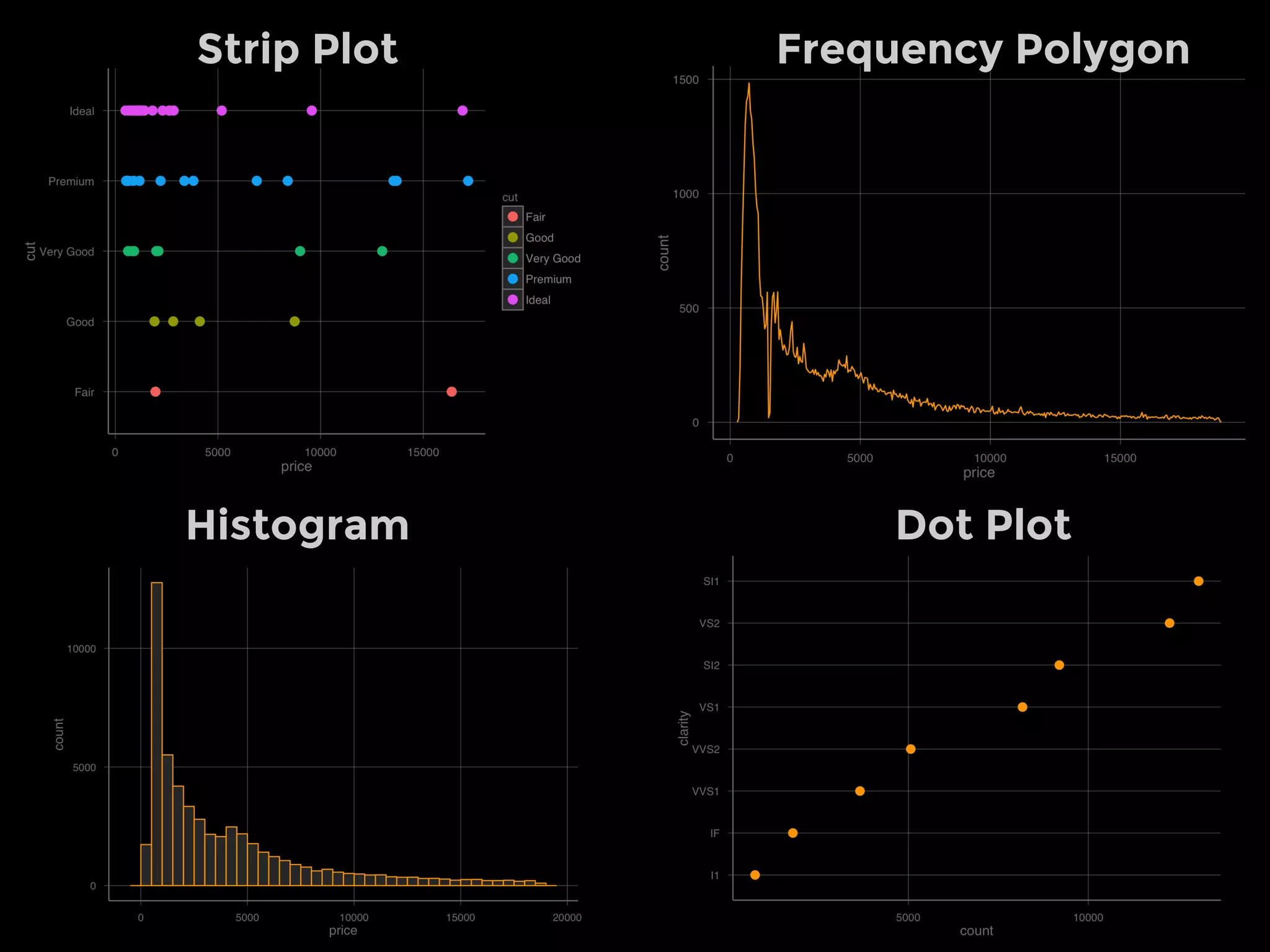
Strip Plot Frequency Polygon
Histogram Dot Plot
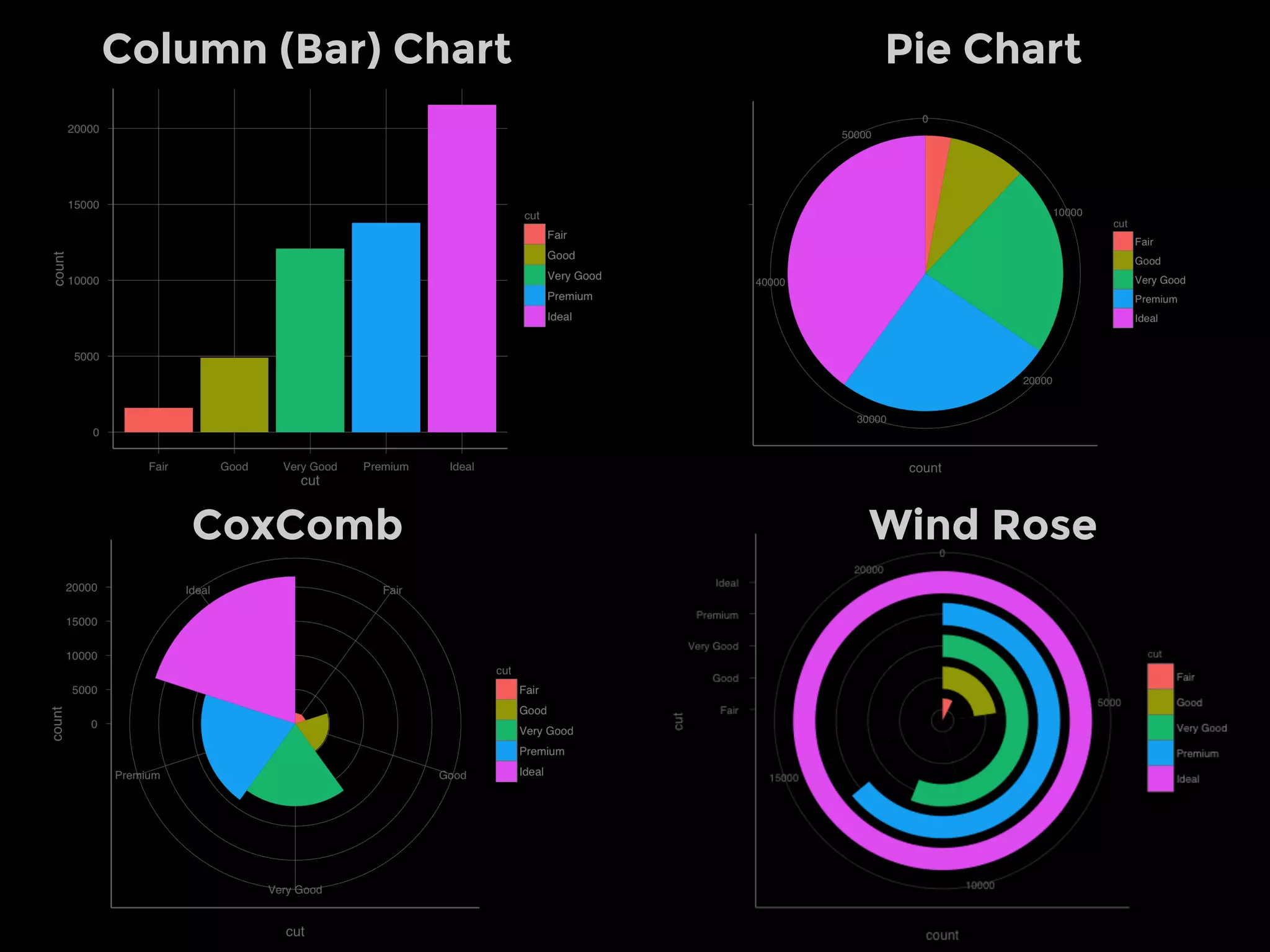
Column (Bar) Chart Pie Chart
CoxComb Wind Rose
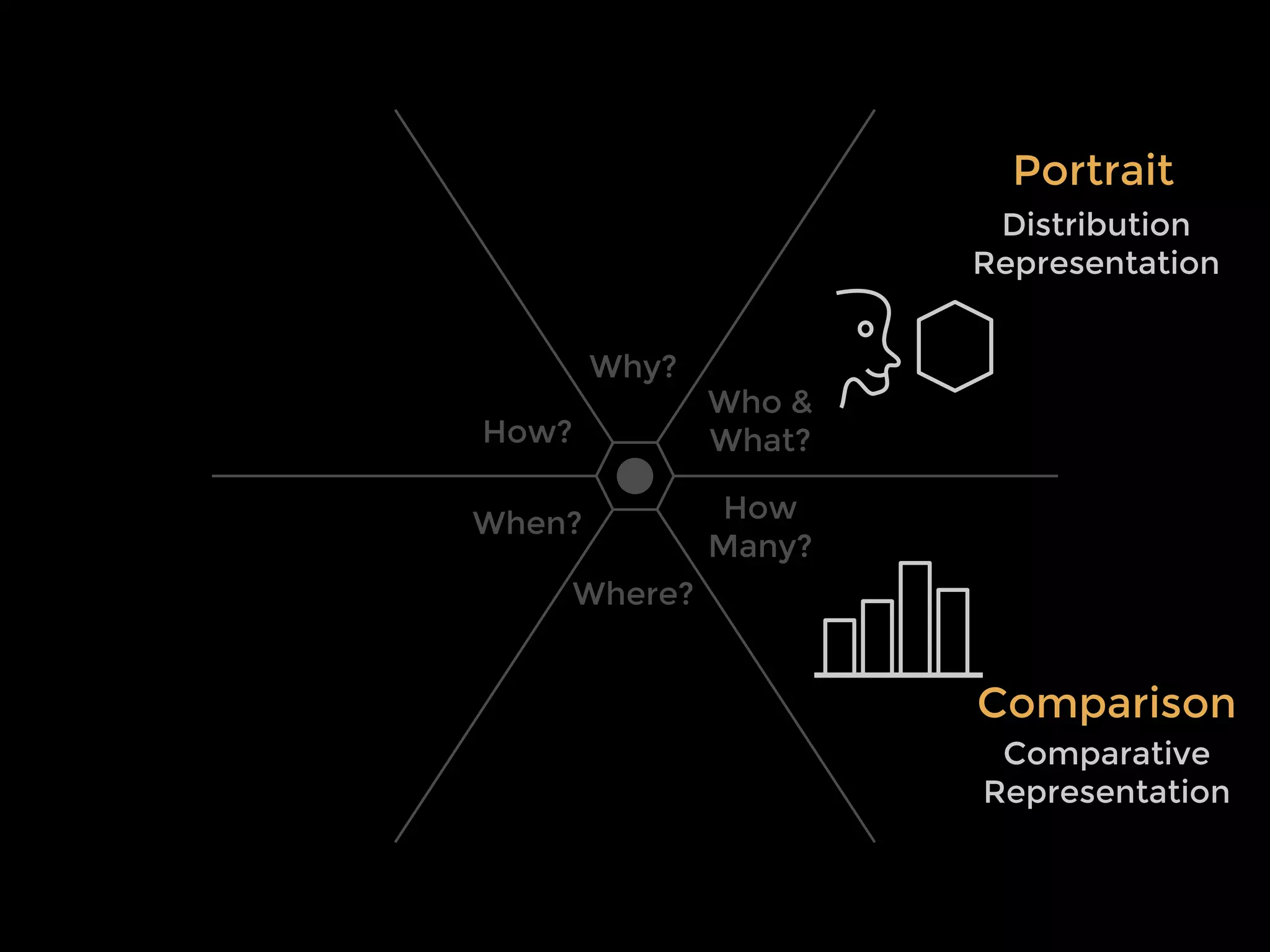
Comparison
Comparative
Representation
Portrait
Distribution
Representation
How
Many?
When?
Why?
Who &
What?
Where?
How?
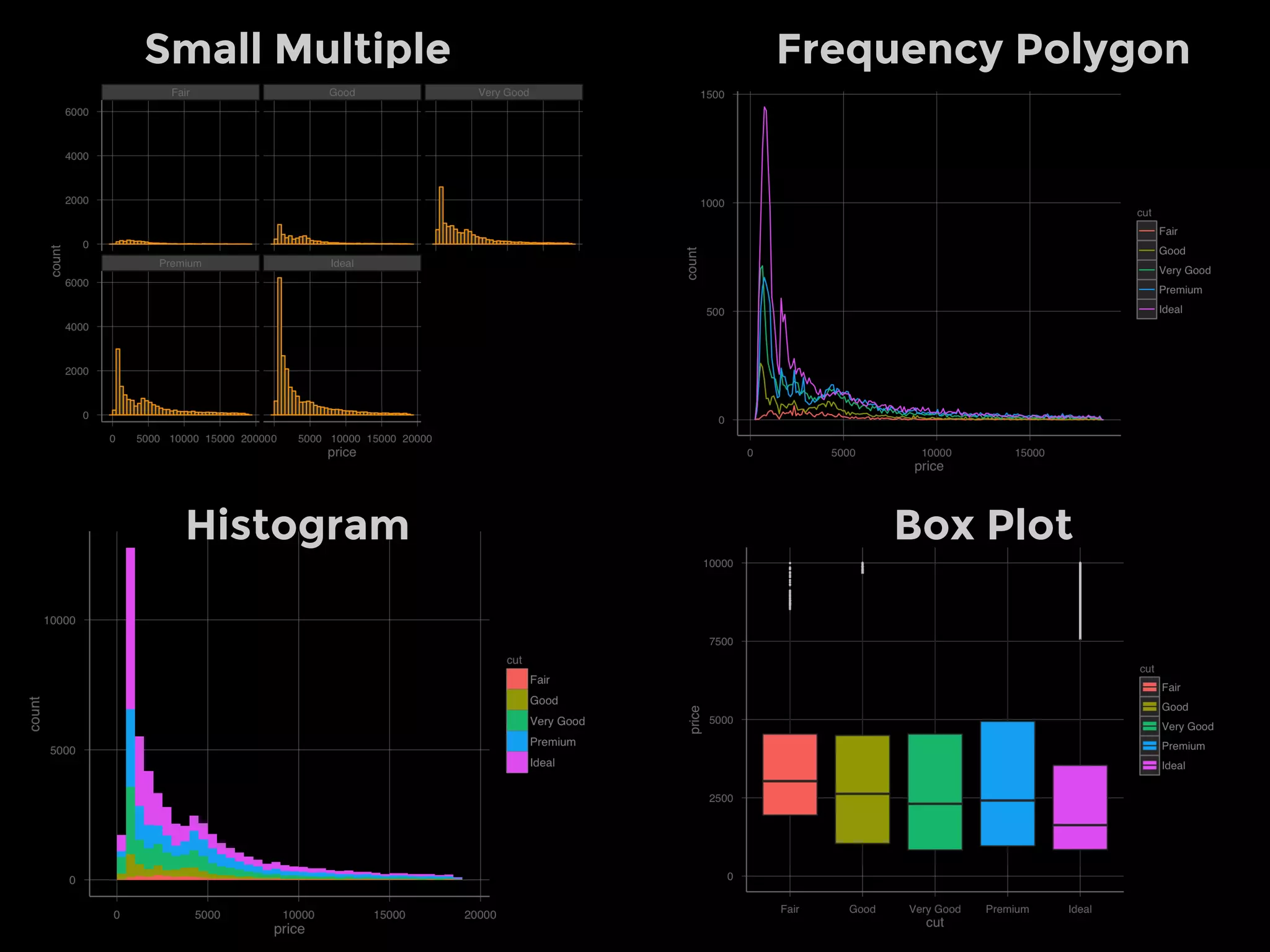
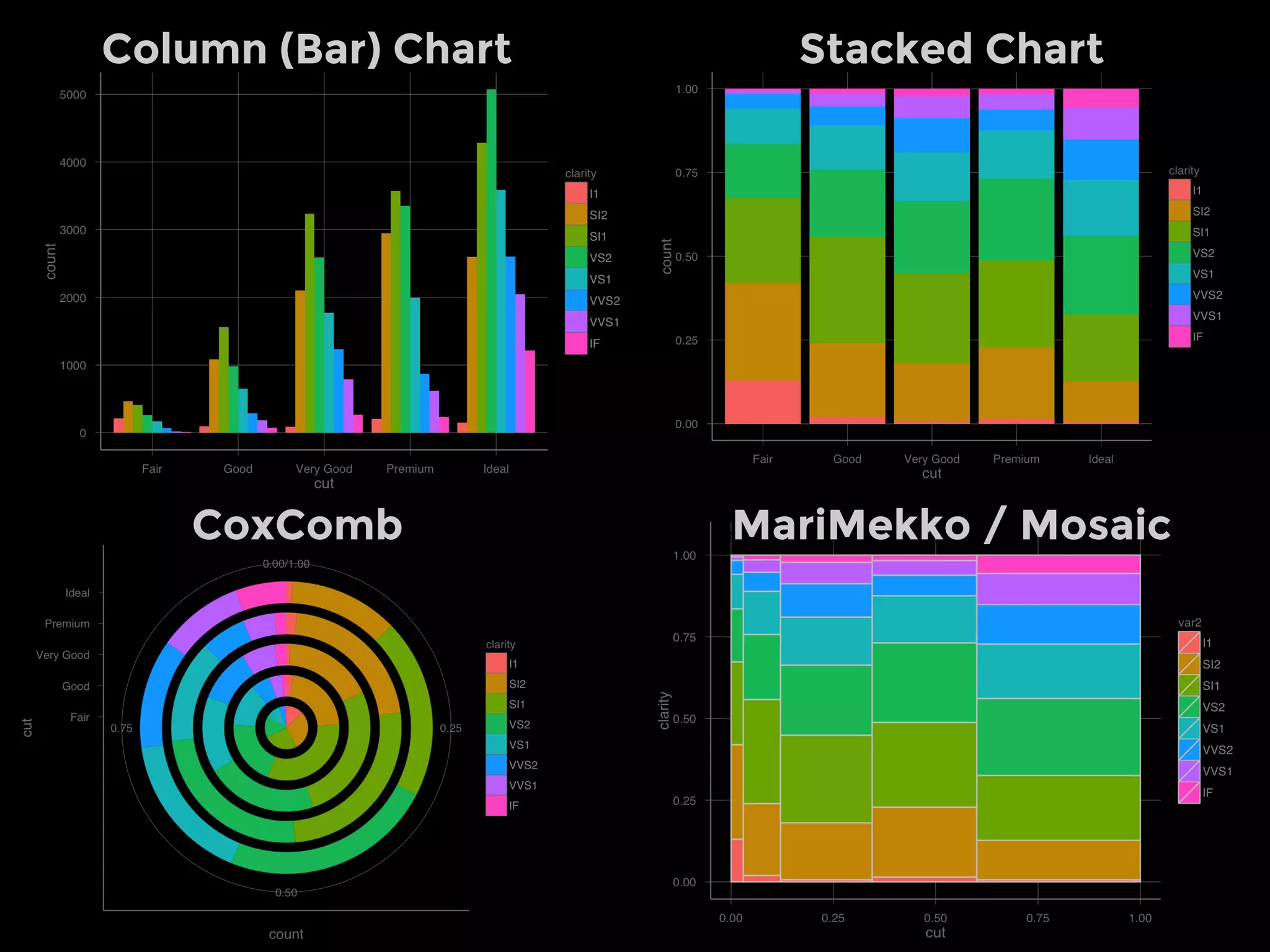
Small Multiple Frequency Polygon
Histogram Box Plot
Column (Bar) Chart Stacked Chart
CoxComb MariMekko / Mosaic
Comparison
Comparative
Representation
Portrait
Distribution
Representation
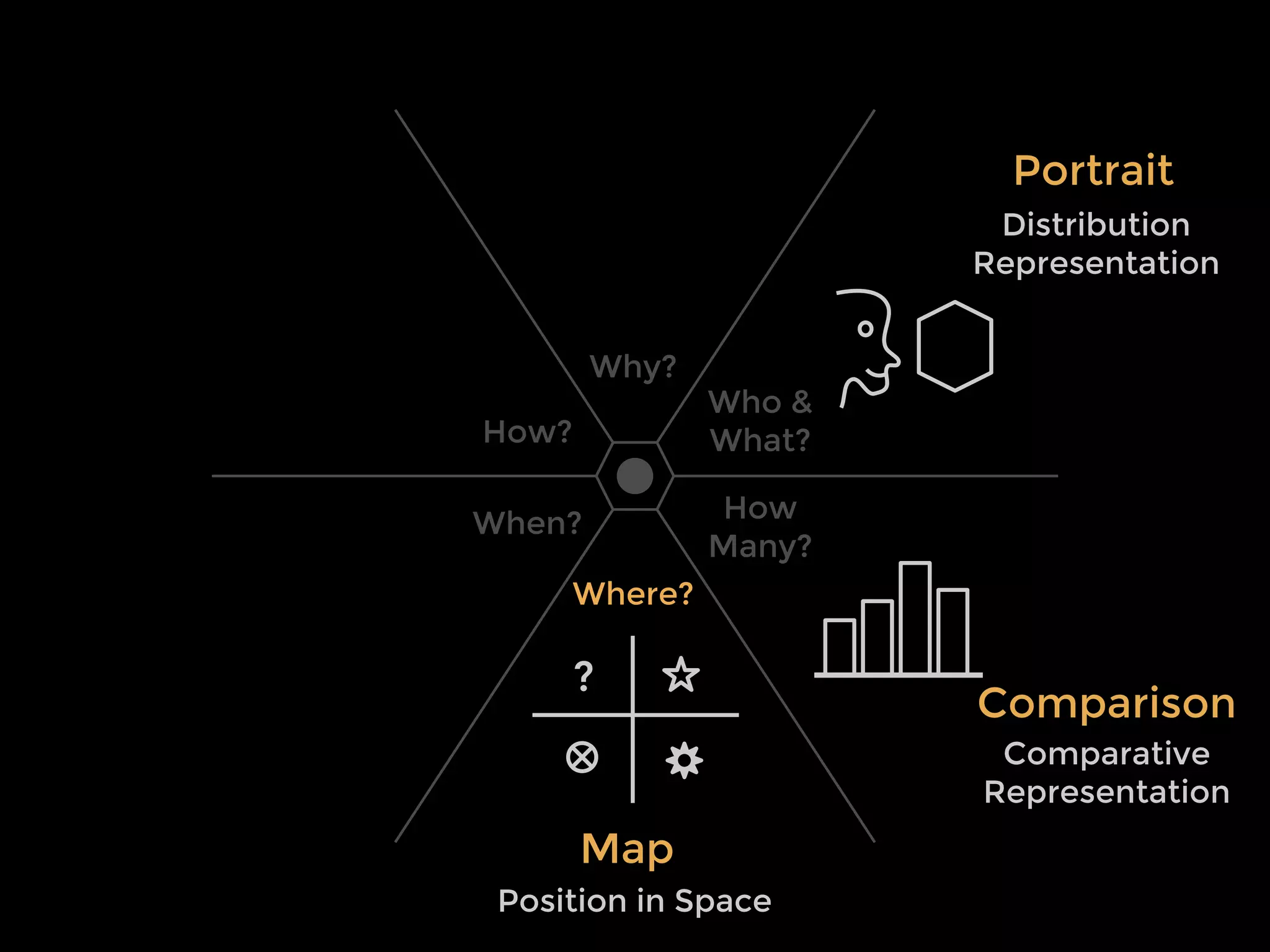
Map
Position in Space
?
How
Many?
When?
Why?
Who &
What?
Where?
How?
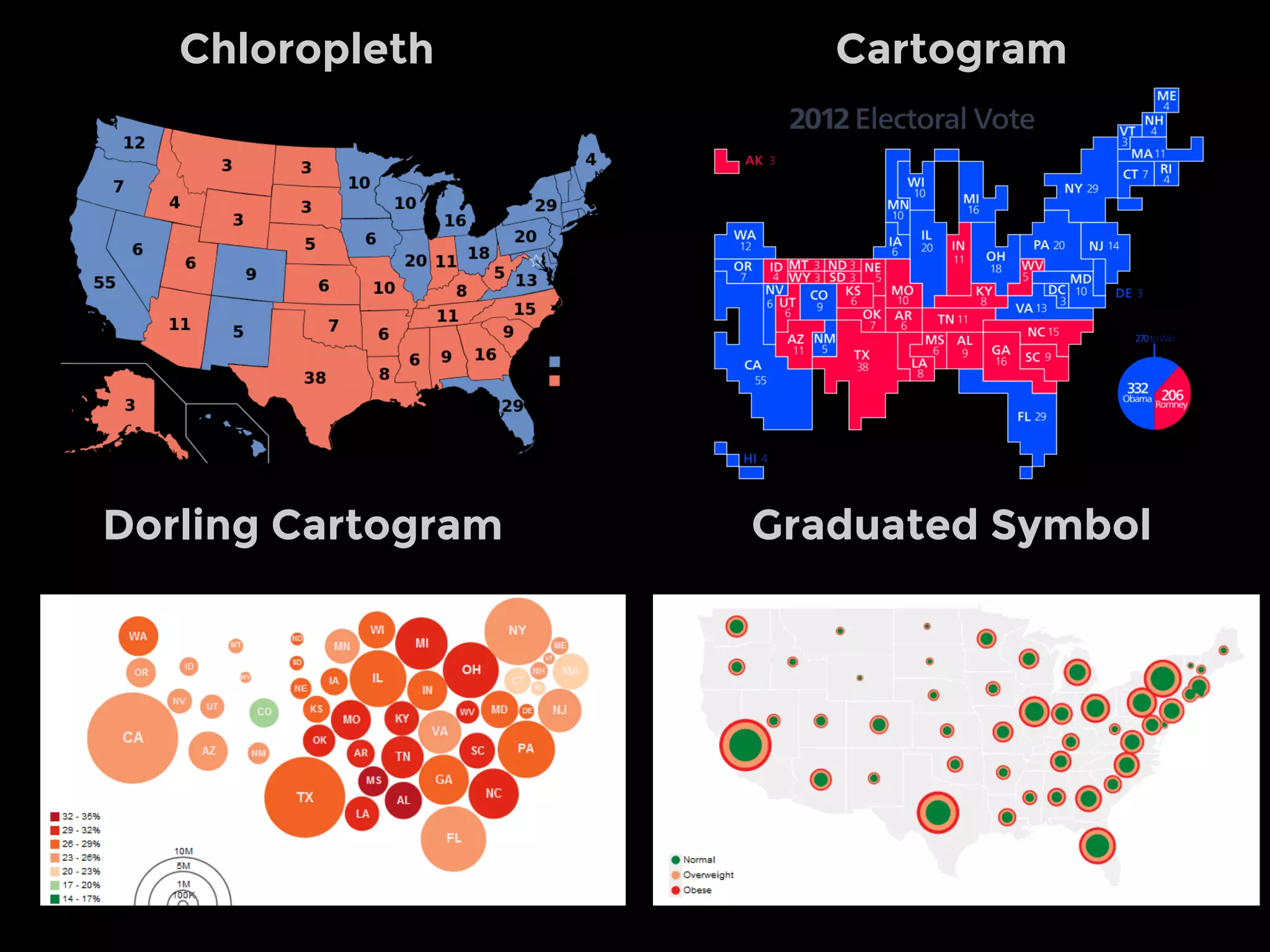
Chloropleth Cartogram
Dorling Cartogram Graduated Symbol
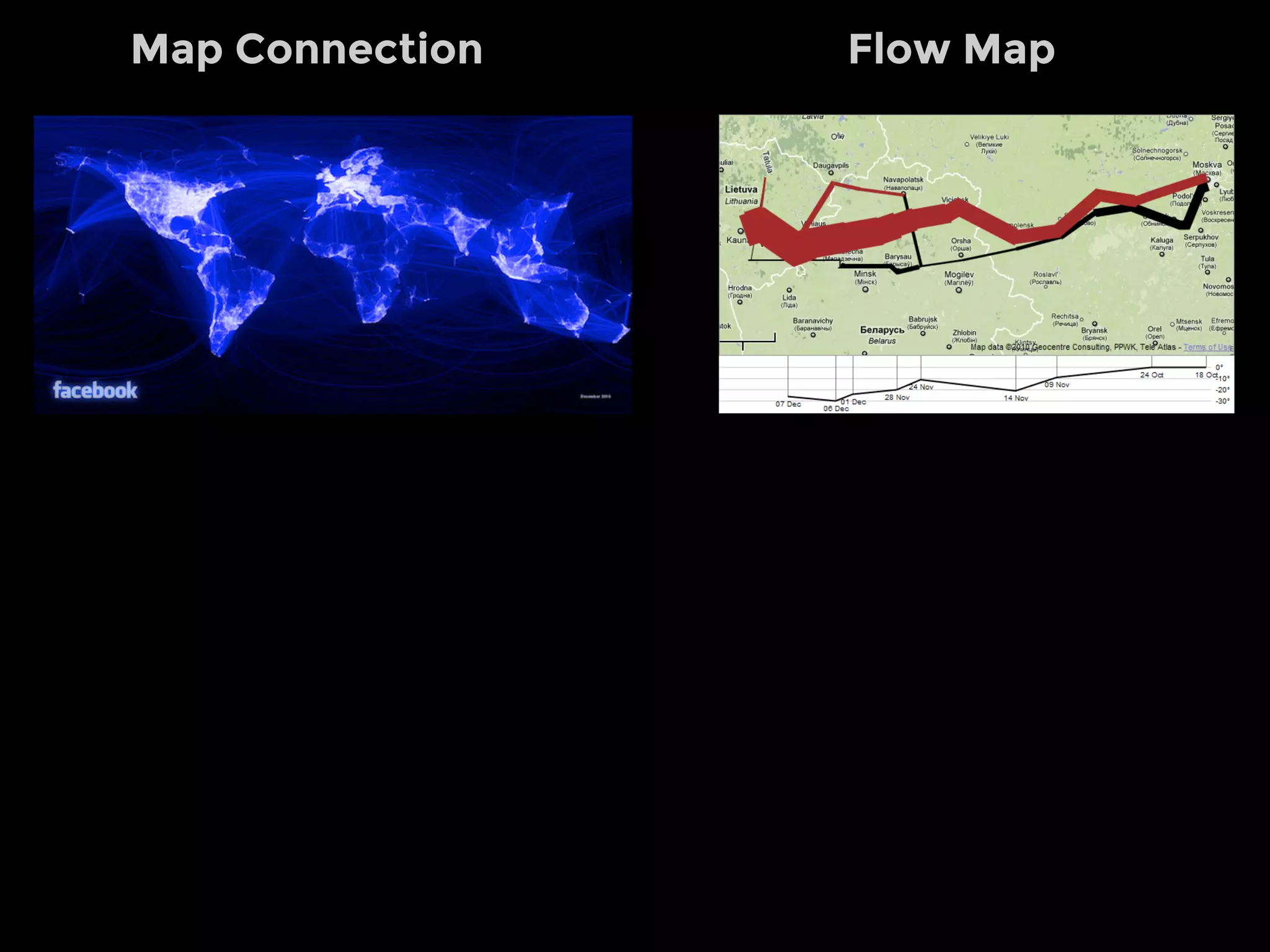
Map Connection Flow Map
Comparison
Comparative
Representation
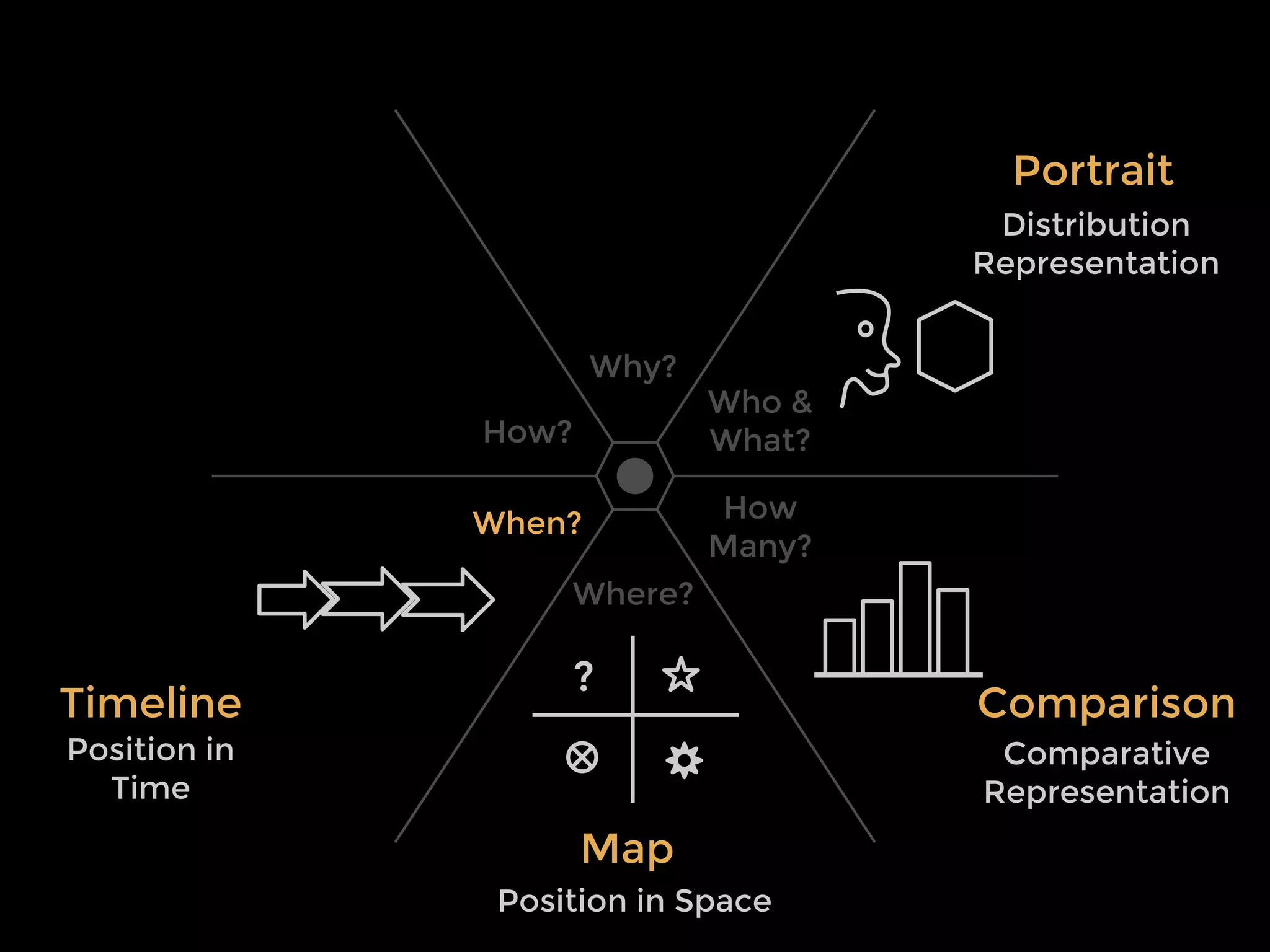
Timeline
Position in
Time
Portrait
Distribution
Representation
Map
Position in Space
?
How
Many?
When?
Why?
Who &
What?
Where?
How?
Strip Plot
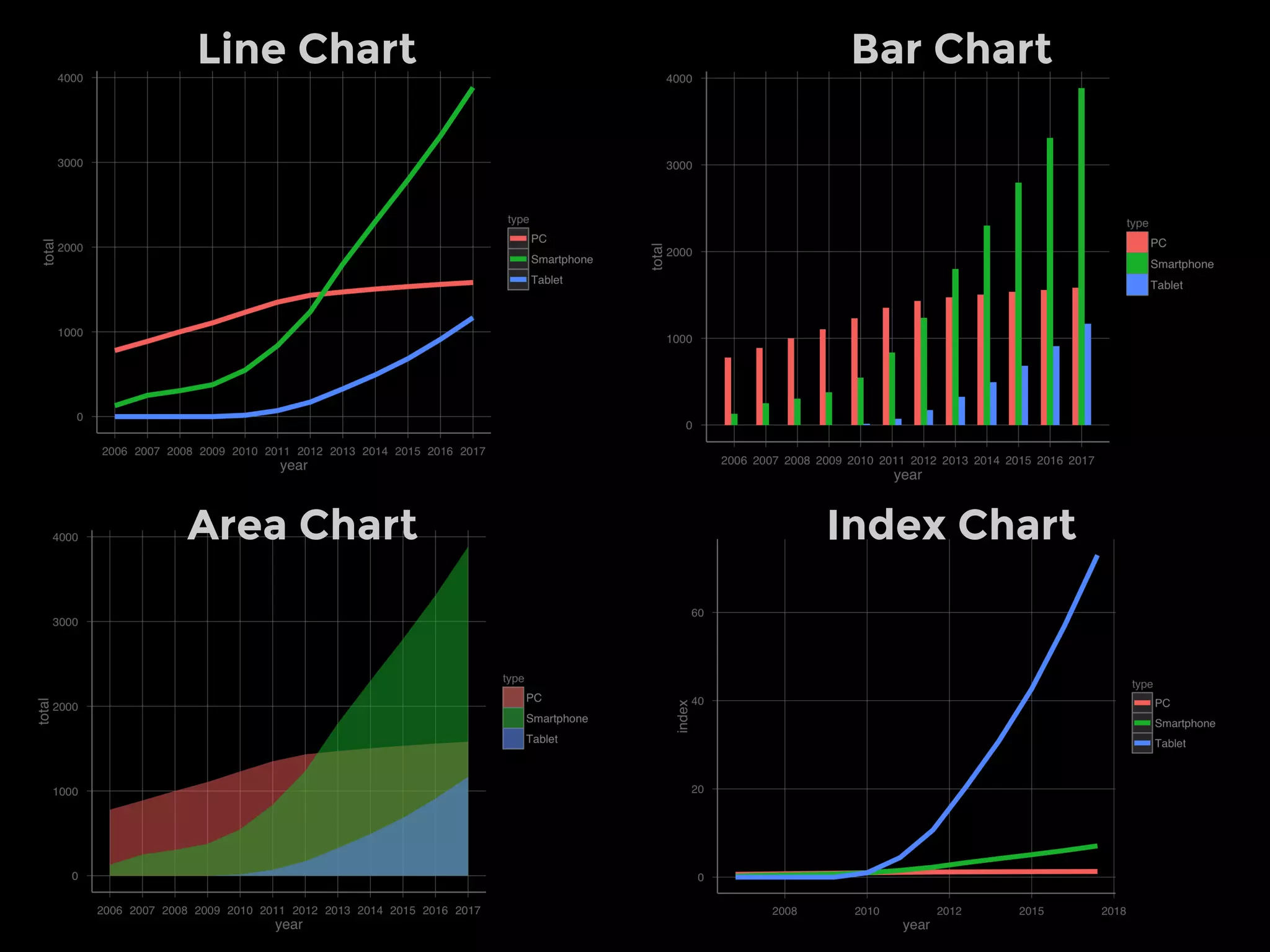
Line Chart Bar Chart
Area Chart Index Chart
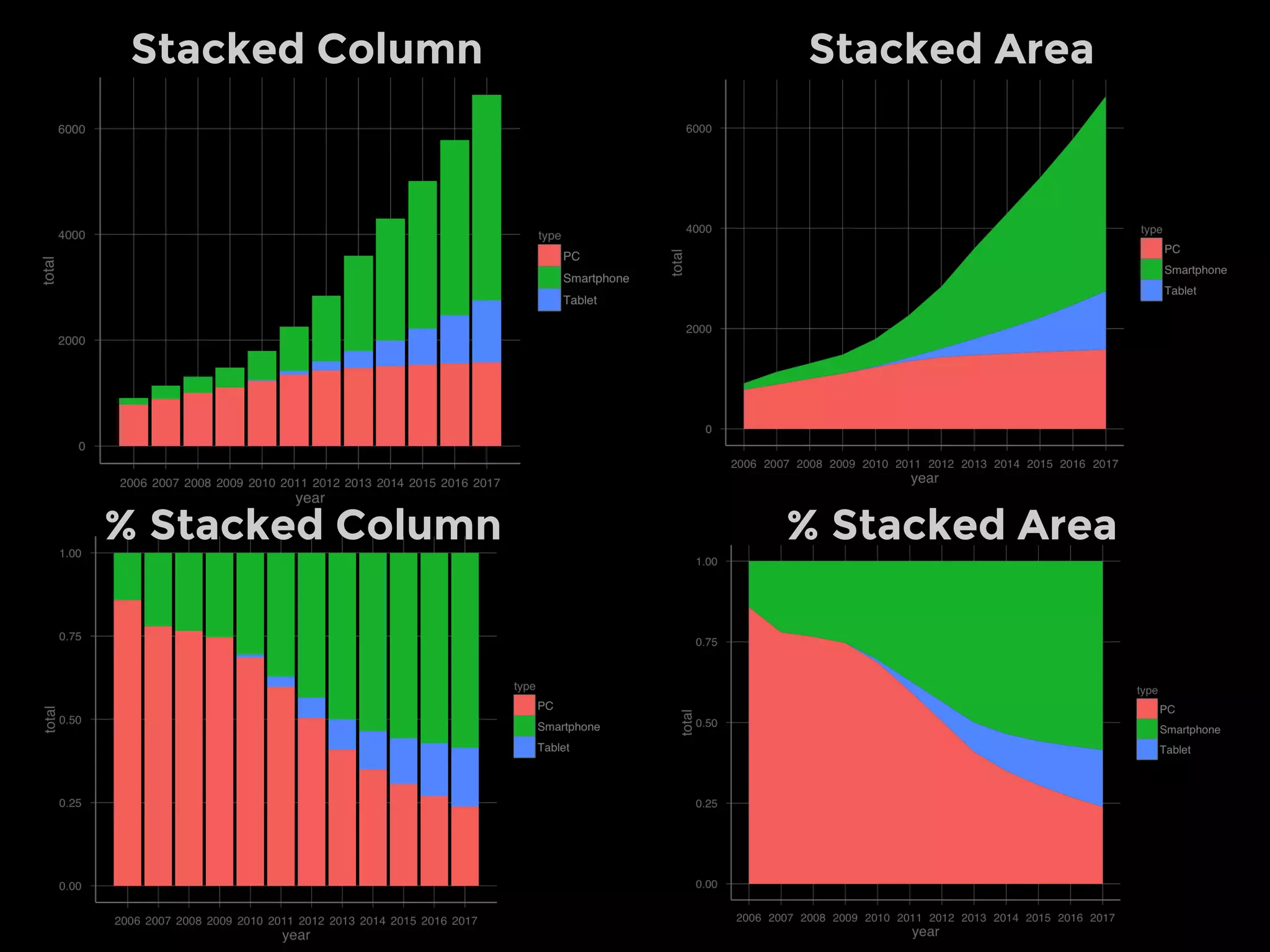
Stacked Column Stacked Area
% Stacked Column % Stacked Area
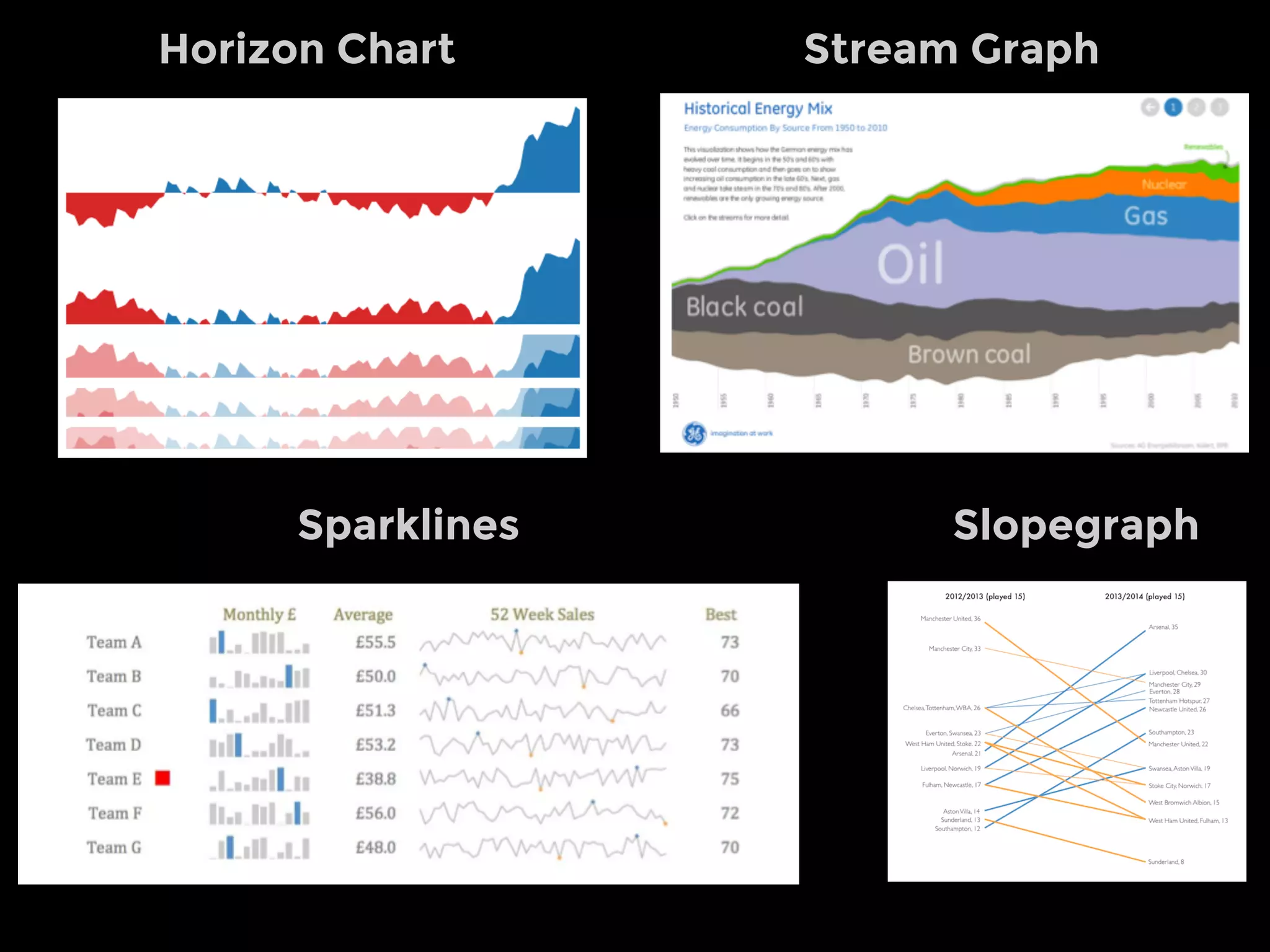
Horizon Chart Stream Graph
Sparklines Slopegraph
Comparison
Comparative
Representation
Timeline
Position in
Time
Portrait
Distribution
Representation
Map
Position in Space
?
How
Many?
When?
Why?
Who &
What?
Where?
How?
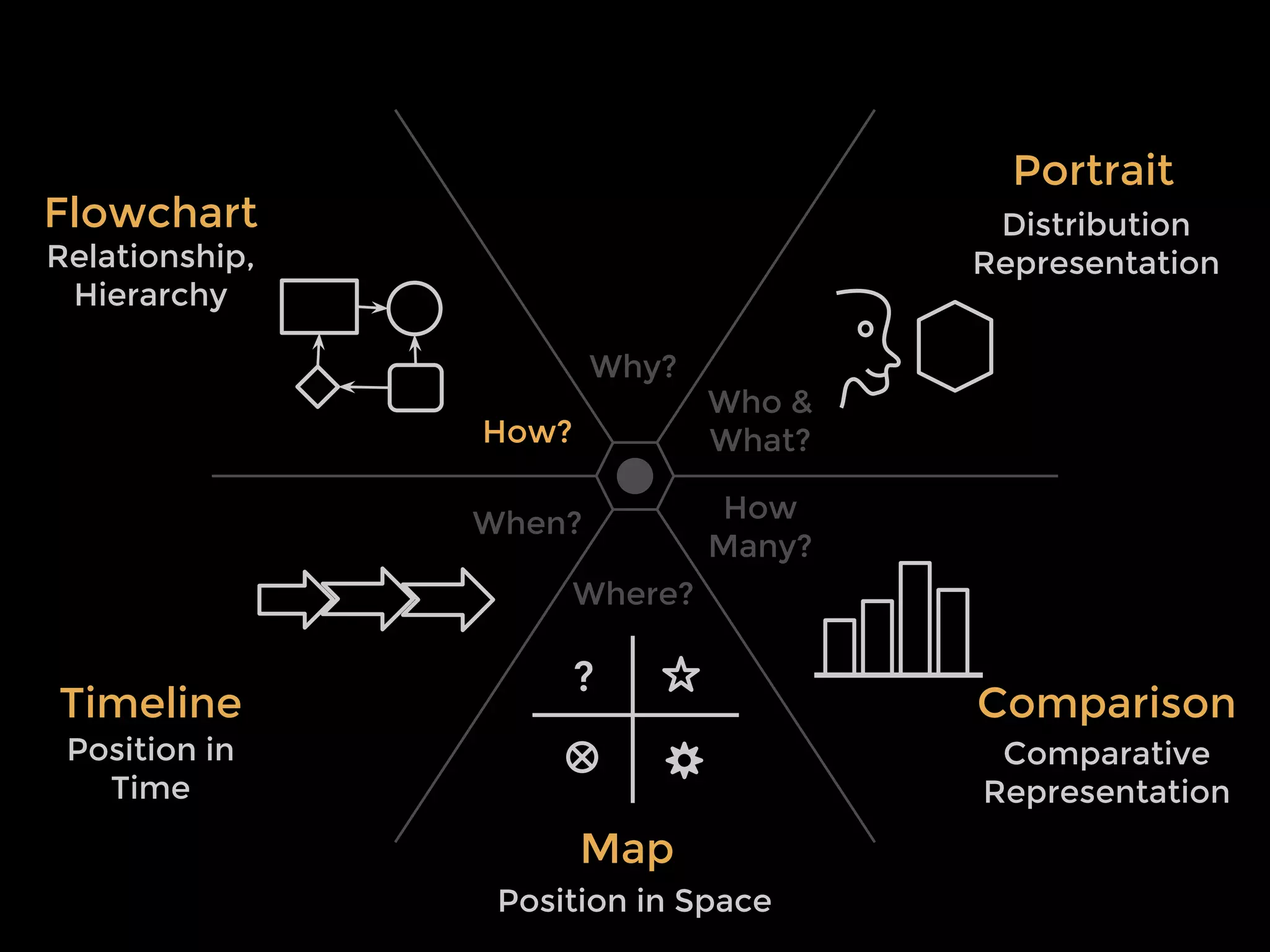
Flowchart
Relationship,
Hierarchy
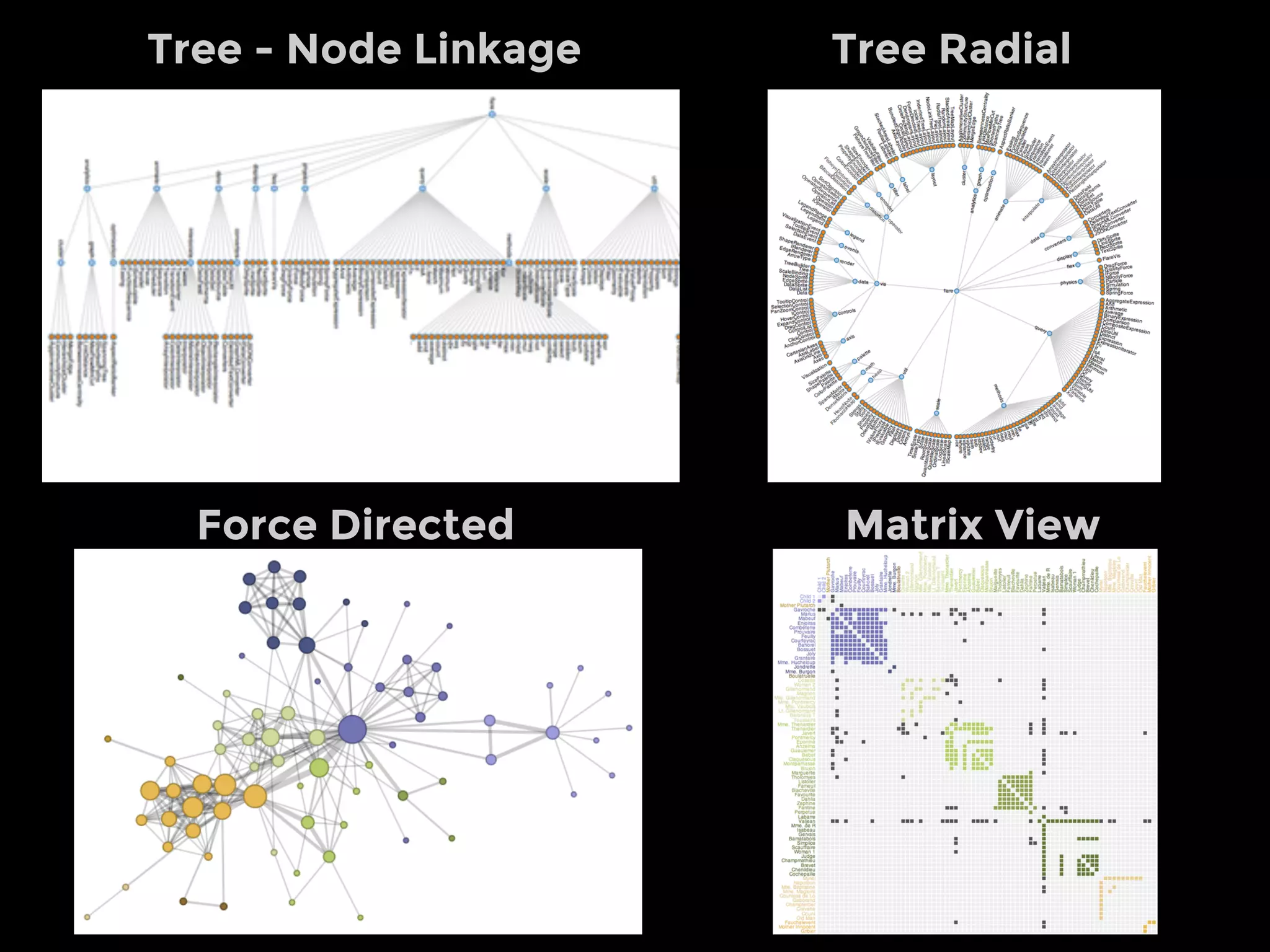
Tree - Node Linkage Tree Radial
Force Directed Matrix View
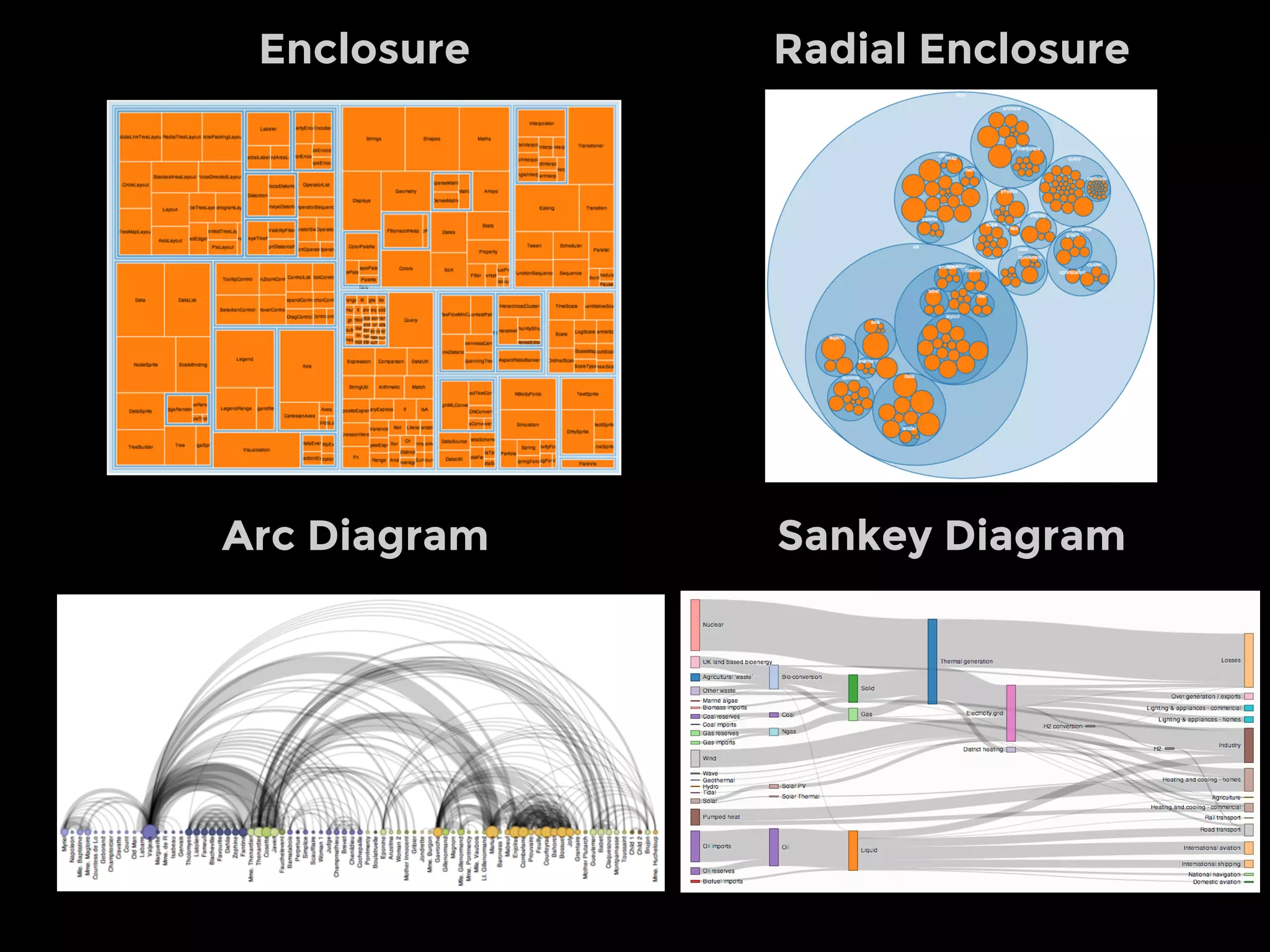
Enclosure Radial Enclosure
Arc Diagram Sankey Diagram
Comparison
Comparative
Representation
Timeline
Position in
Time
Multi-Variable Plot
Deduction & Prediction
y
x
Portrait
Distribution
Representation
Map
Position in Space
?
How
Many?
When?
Why?
Who &
What?
Where?
How?
Flowchart
Relationship,
Hierarchy
Scatter Plot Scatter Plot - Color
Scatter Plot - Multiple Scatter Plot Matrix
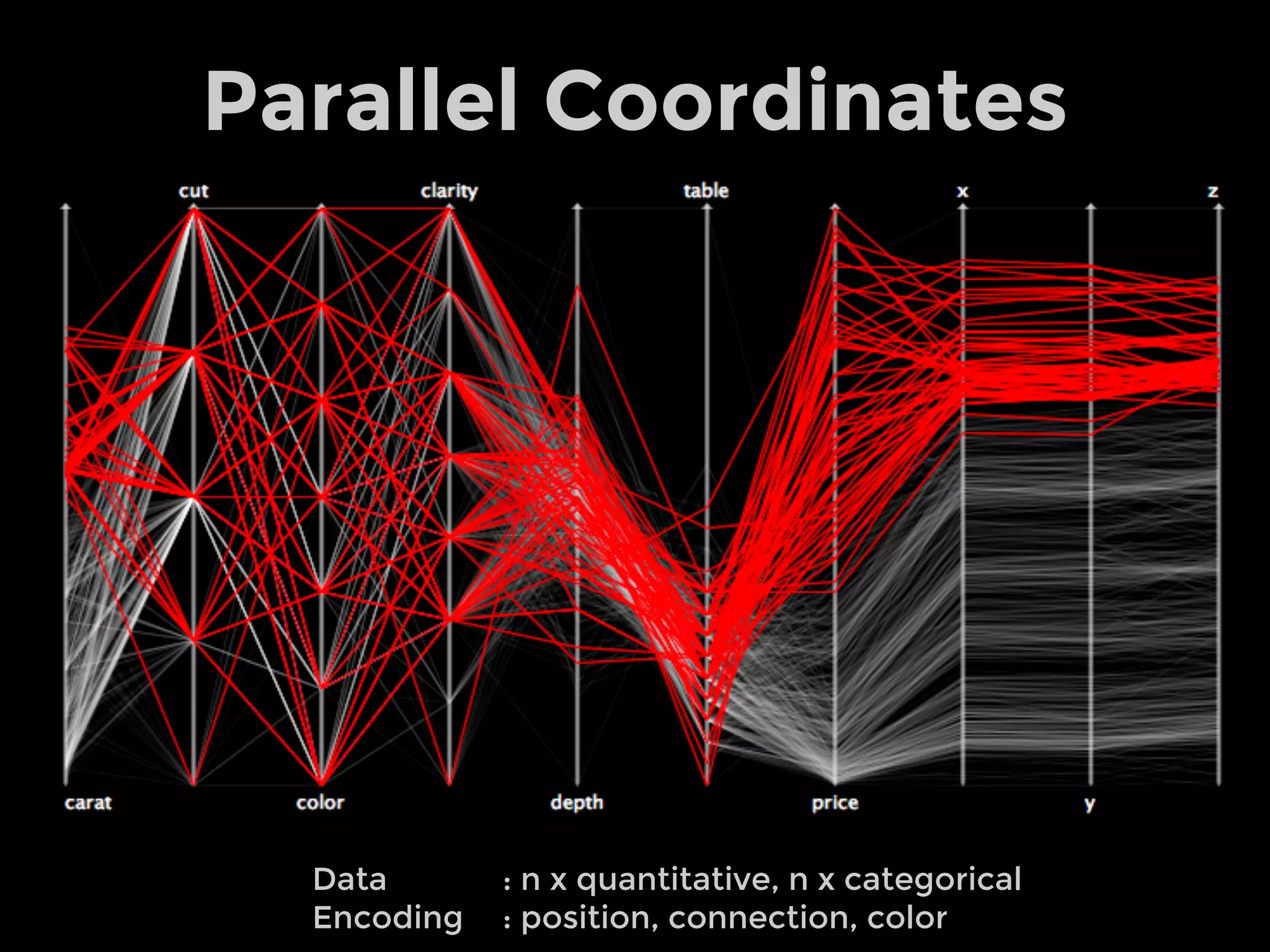
Parallel Coordinates
Data : n x quantitative, n x categorical
Encoding : position, connection, color
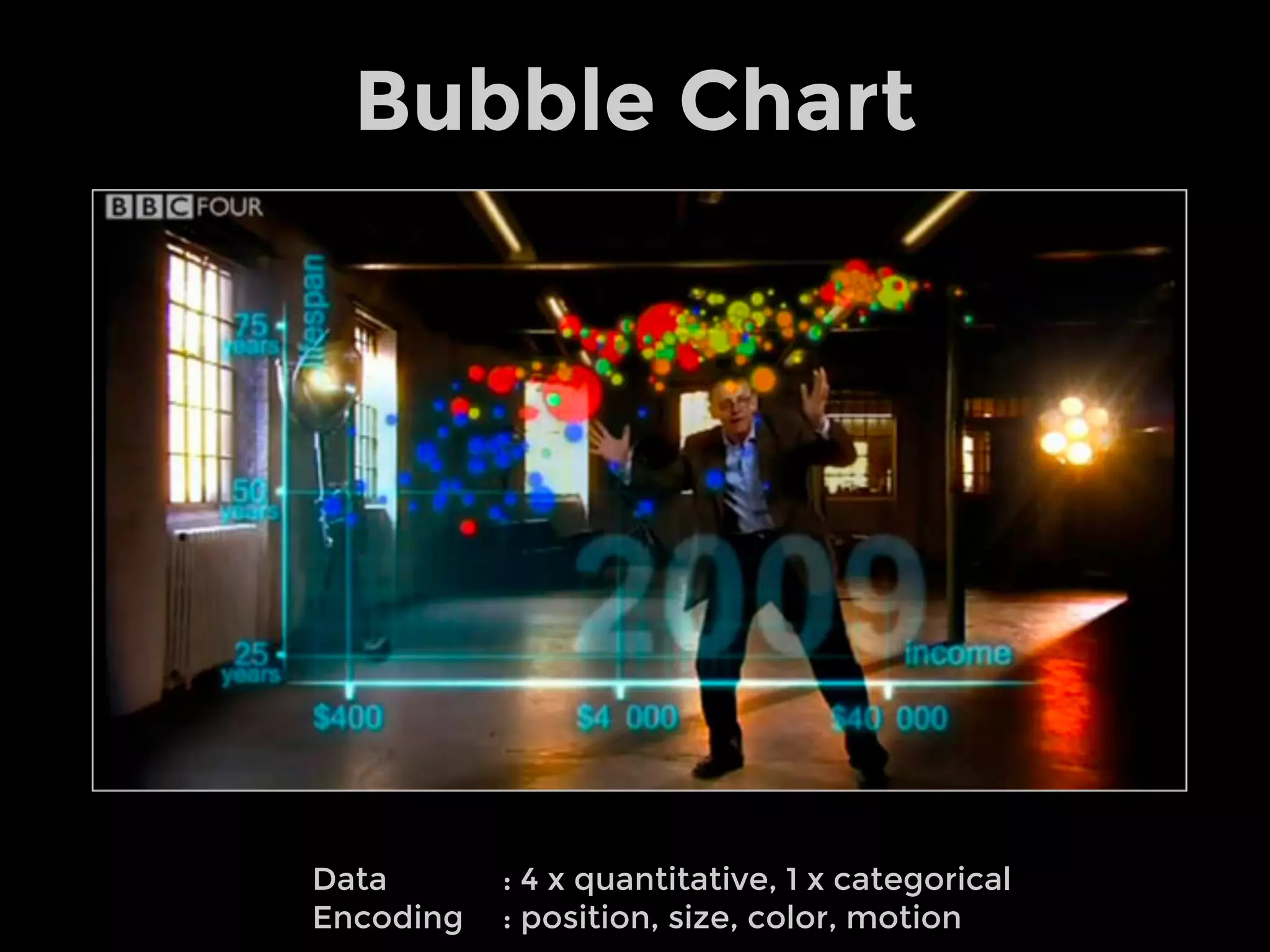
Bubble Chart
Data : 4 x quantitative, 1 x categorical
Encoding : position, size, color, motion
Comparison
Comparative
Representation
Timeline
Position in
Time
Multi-Variable Plot
Deduction & Prediction
y
x
Portrait
Distribution
Representation
Map
Position in Space
?
How
Many?
When?
Why?
Who &
What?
Where?
How?
Flowchart
Relationship,
Hierarchy
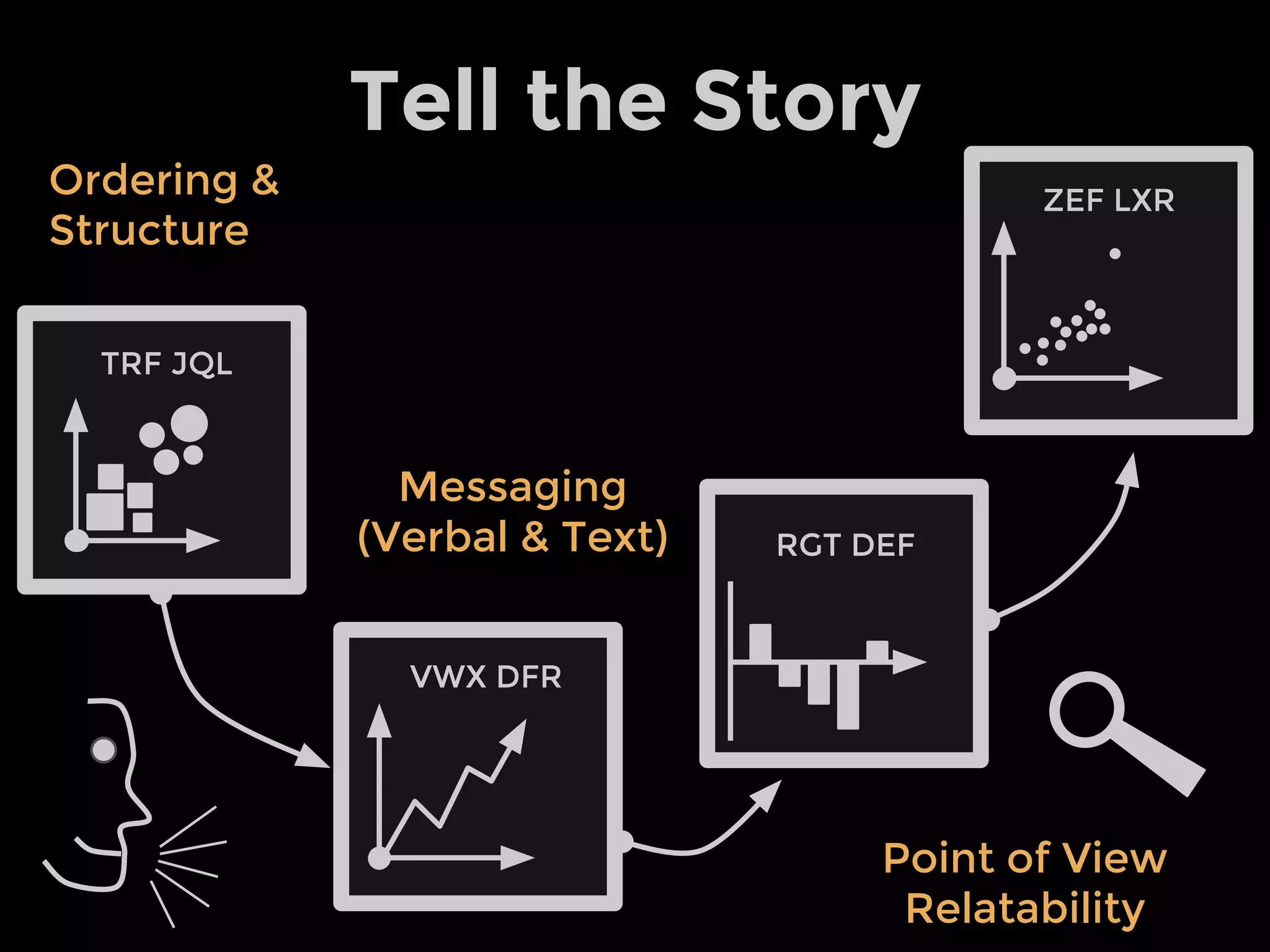
Tell the Story
Ordering &
Structure
Messaging
(Verbal & Text)
Point of View
Relatability
TRF JQL
VWX DFR
RGT DEF
ZEF LXR
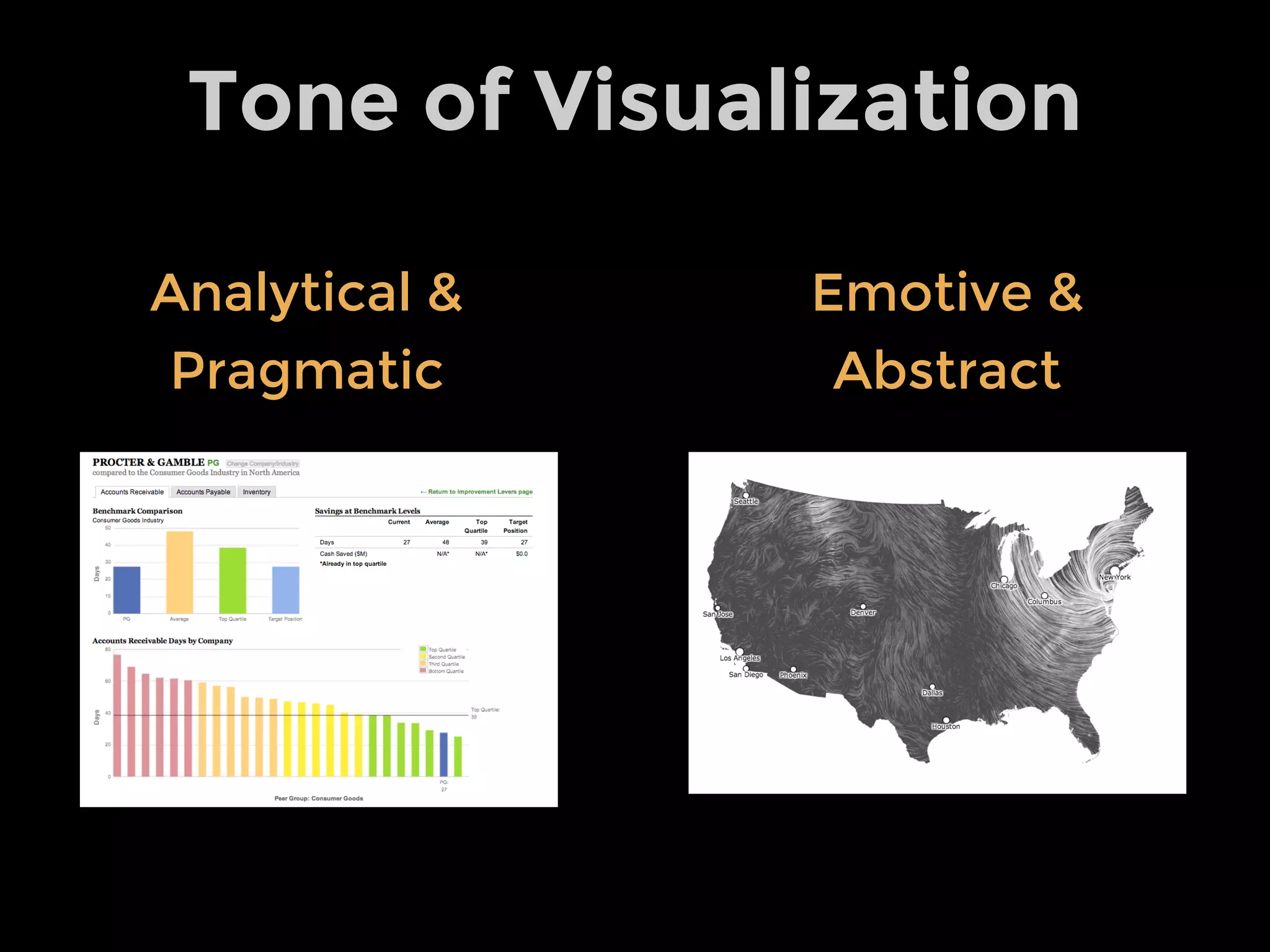
Tone of Visualization
Analytical &
Pragmatic
Emotive &
Abstract
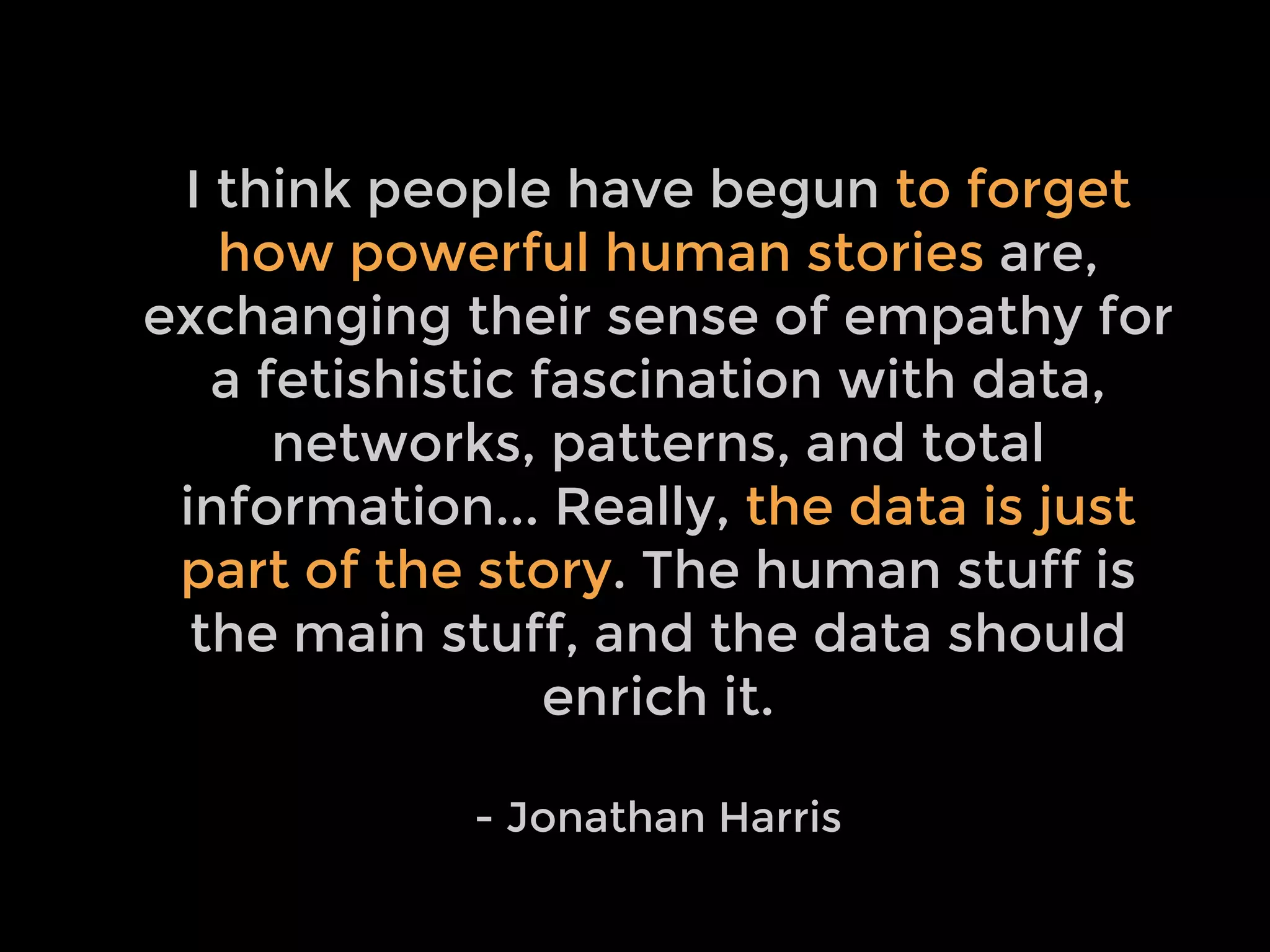
I think people have begun to forget
how powerful human stories are,
exchanging their sense of empathy for
a fetishistic fascination with data,
networks, patterns, and total
information... Really, the data is just
part of the story. The human stuff is
the main stuff, and the data should
enrich it.
- Jonathan Harris
People tell stories
Words
Pictures
tell stories
tell stories
|
|
|
Comics tell stories|
Movies tell stories|
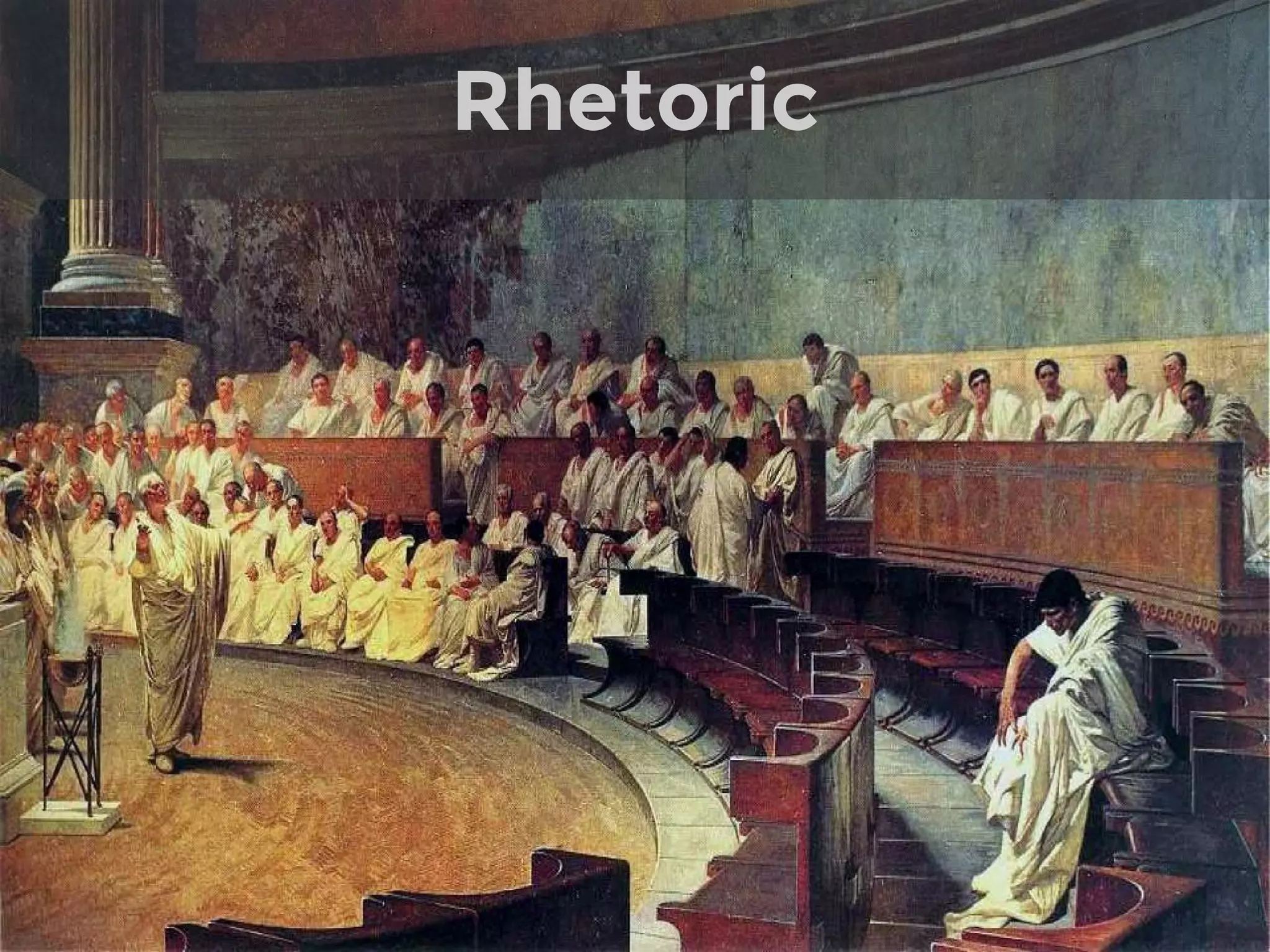
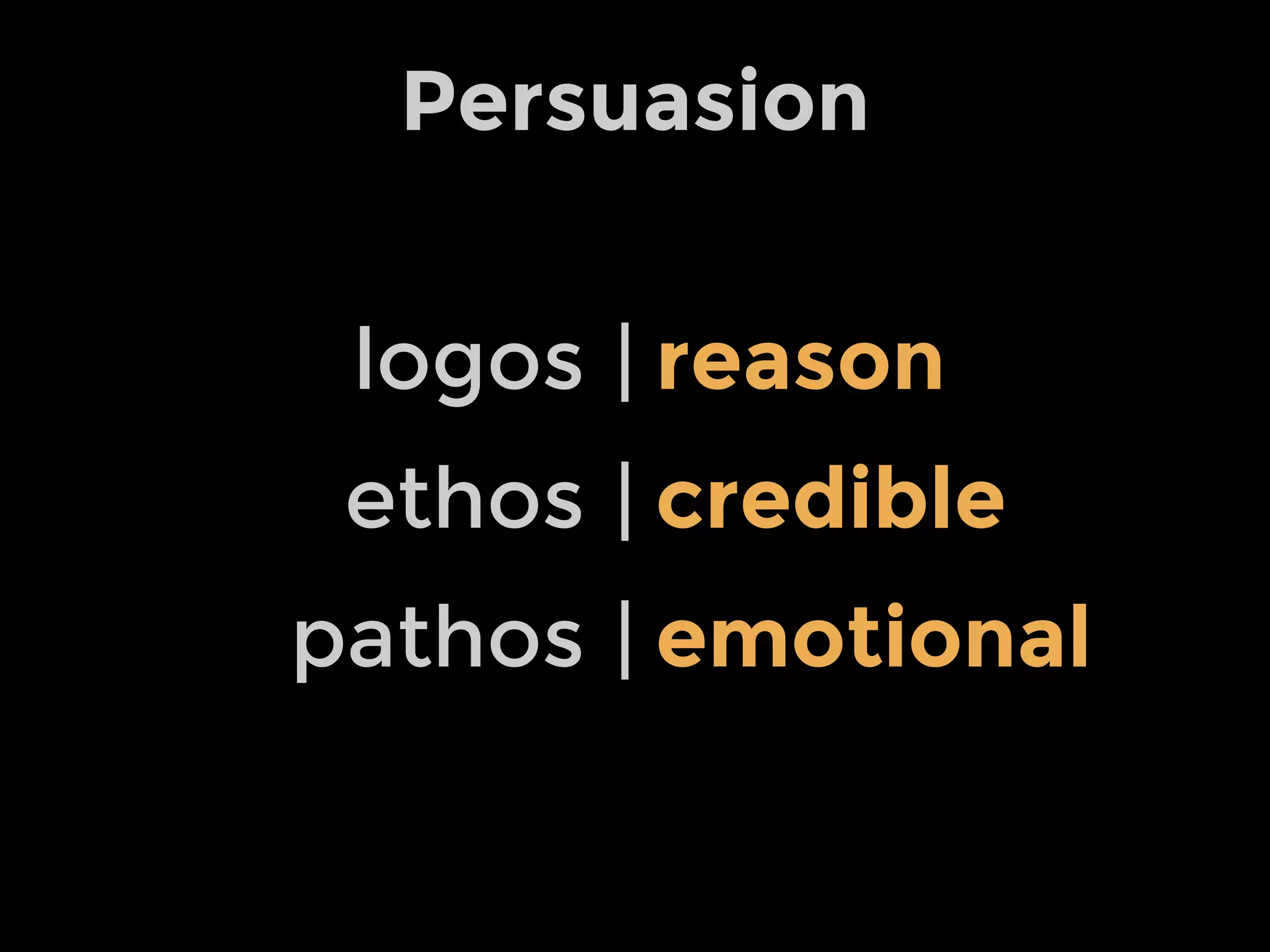
Rhetoric
logos reason
ethos
pathos
credible
emotional
|
|
|
Persuasion
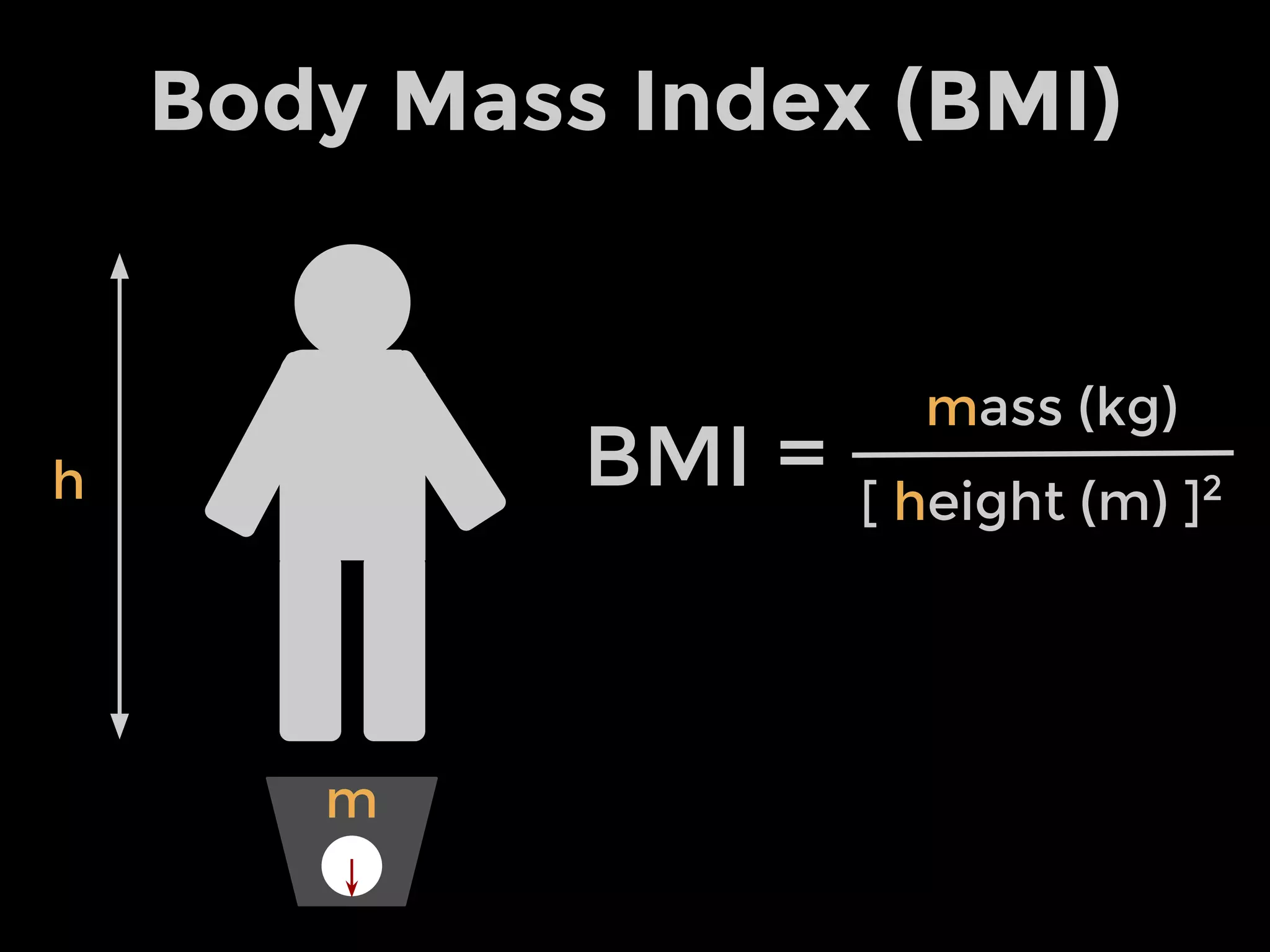
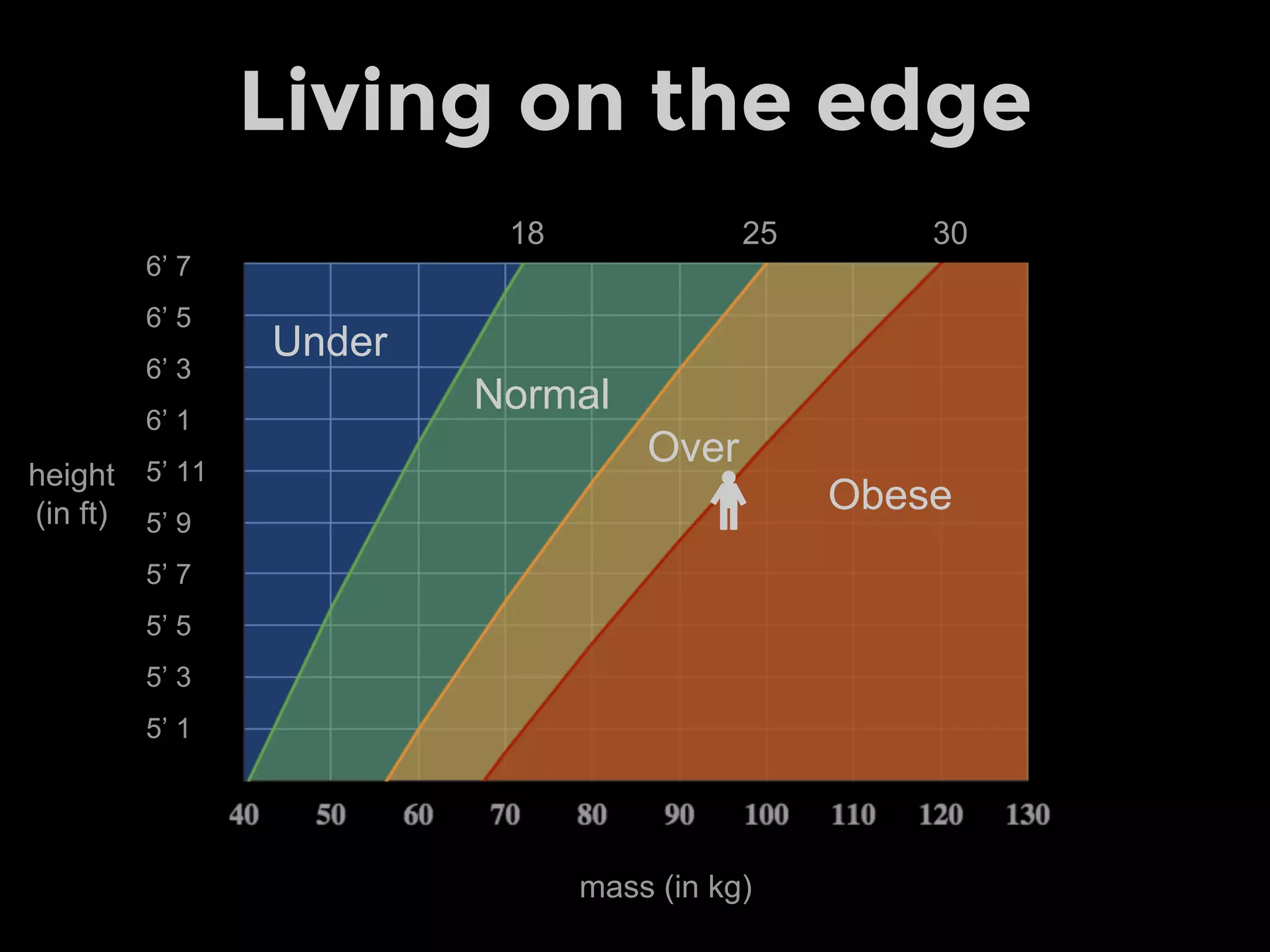
Body Mass Index (BMI)
BMI =
mass (kg)
[ height (m) ]2h
m
Living on the edge
5’ 1
6’ 5
5’ 7
5’ 5
5’ 3
6’ 3
6’ 1
5’ 11
5’ 9
6’ 7
Obese
Over
Normal
Under
18 25 30
mass (in kg)
height
(in ft)
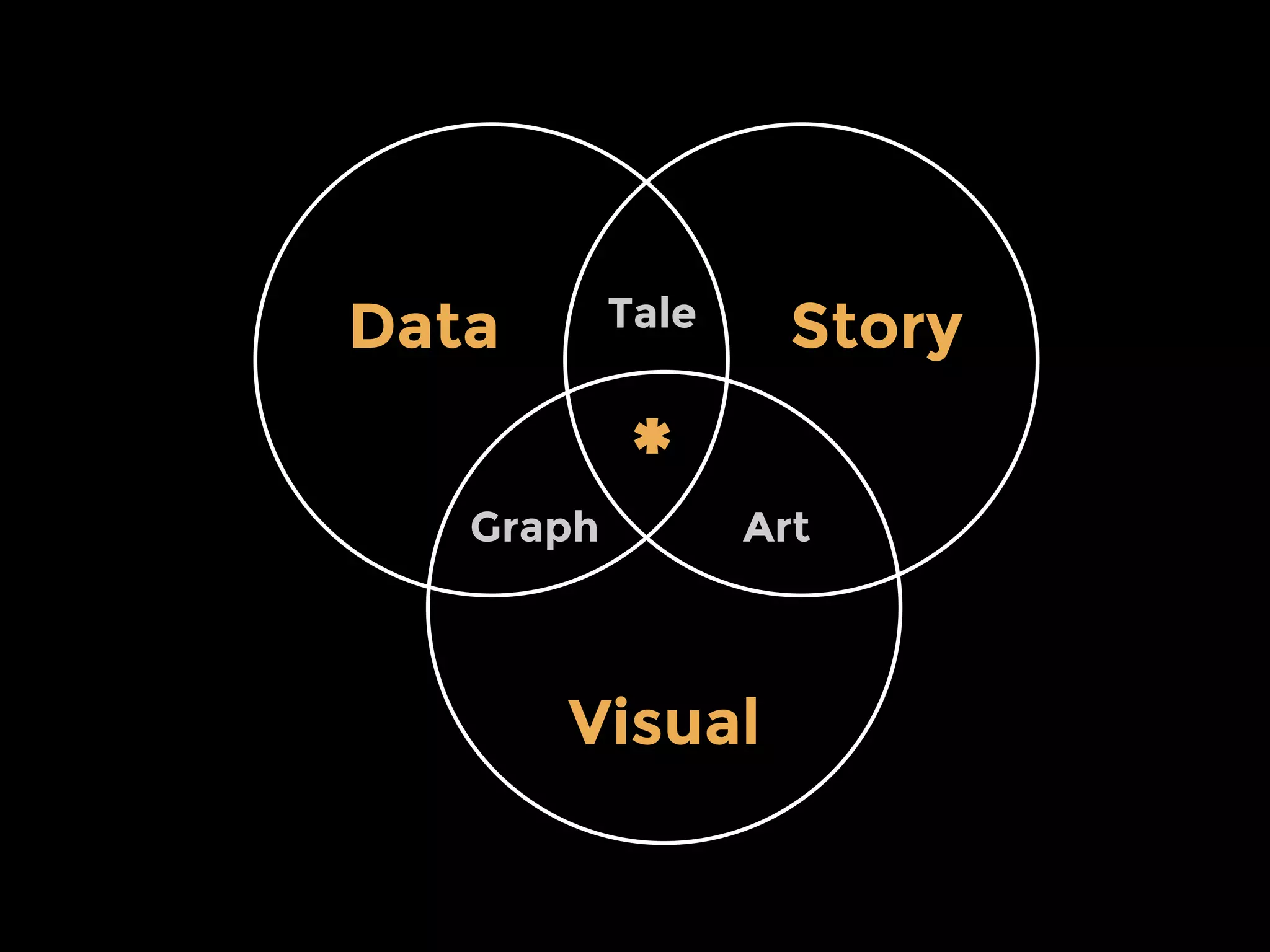
Data Story
Visual
Graph Art
Tale
*
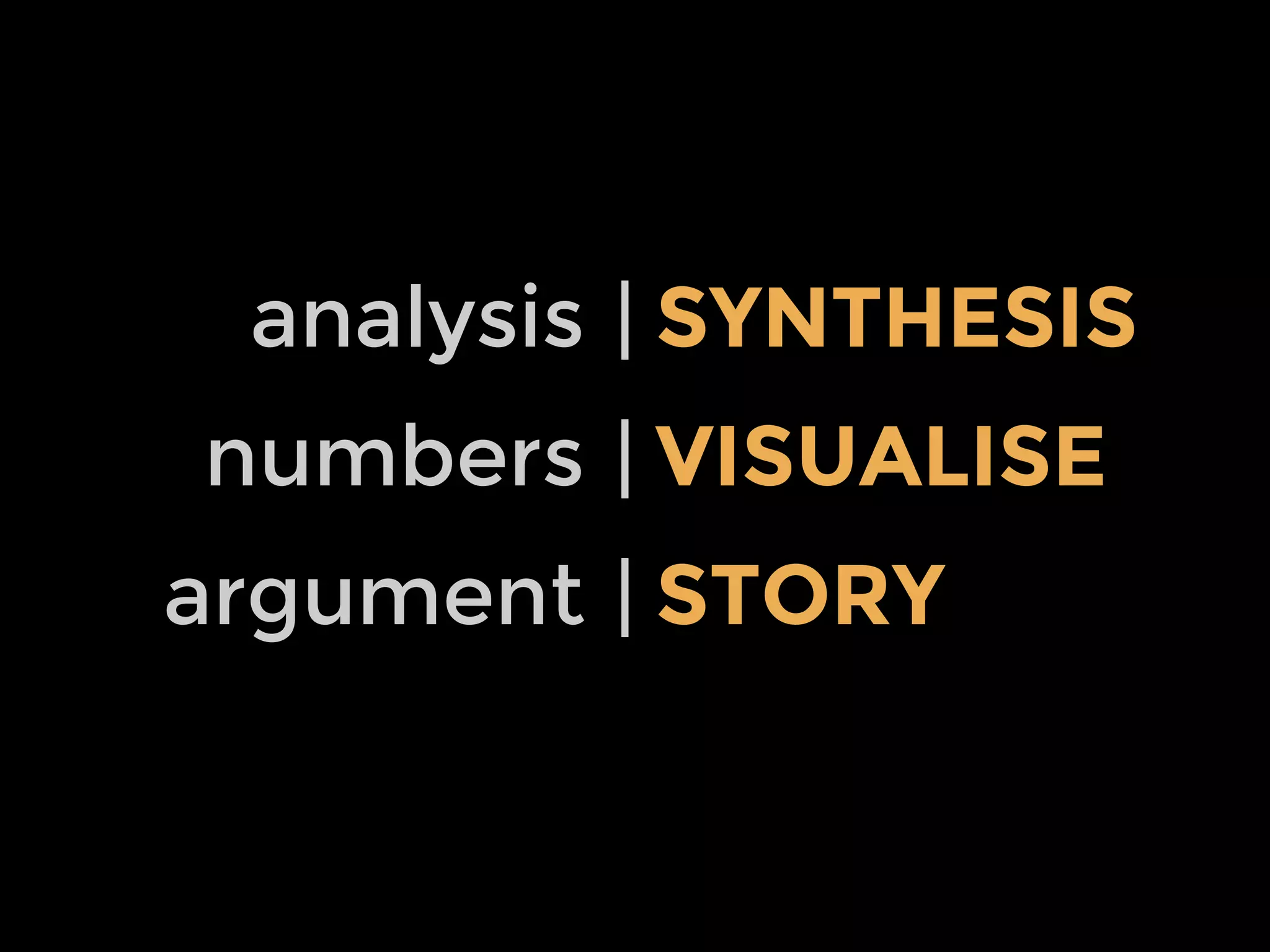
analysis SYNTHESIS
numbers
argument
VISUALISE
STORY
|
|
|
logic | EMPATHY
Data & Stories
The focus of stories is on
individual people rather than averages,
on motives rather than movements,
on point of view rather than the view
from nowhere,
context rather than raw data.
Moreover, stories are open-ended and
metaphorical rather than determinate
and literal.
The Story Mindset
In listening to stories we tend to
suspend disbelief in order to be
entertained, whereas in evaluating
statistics we generally have an
opposite inclination to suspend belief
in order not to be beguiled.
- John Allen Paulos
Stories are emotional
Stories are
Stories are
memorable
impactful
|
|
|
Why Stories?
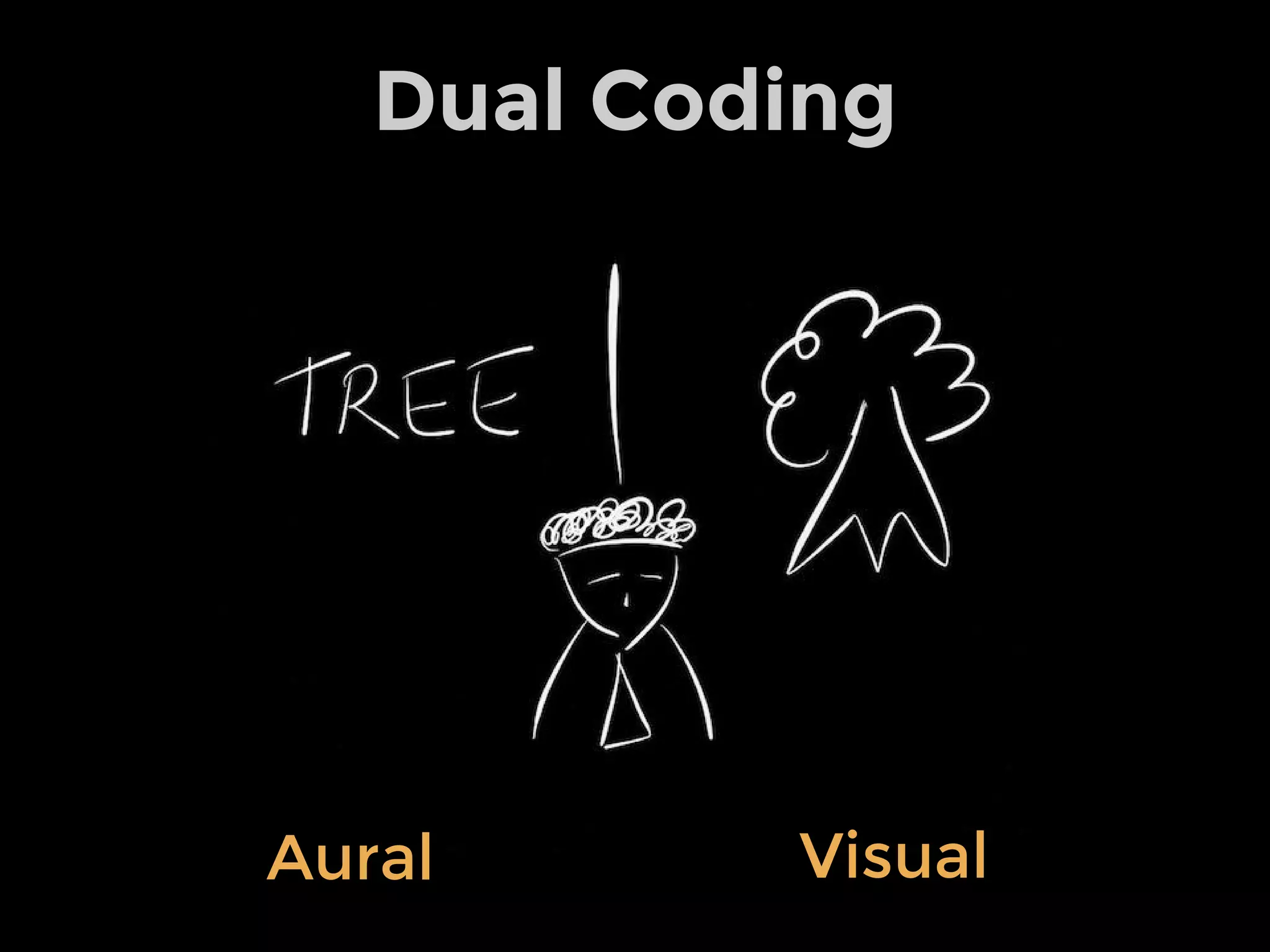
Dual Coding
Aural Visual
/ˈnærətiv / (noun)
A narrative (or story) is any account of
connected events, presented to a reader or
listener in a sequence of written or spoken
words, or in a sequence of (moving) pictures.
Derived from the Latin verb narrare, "to tell"
Narrative
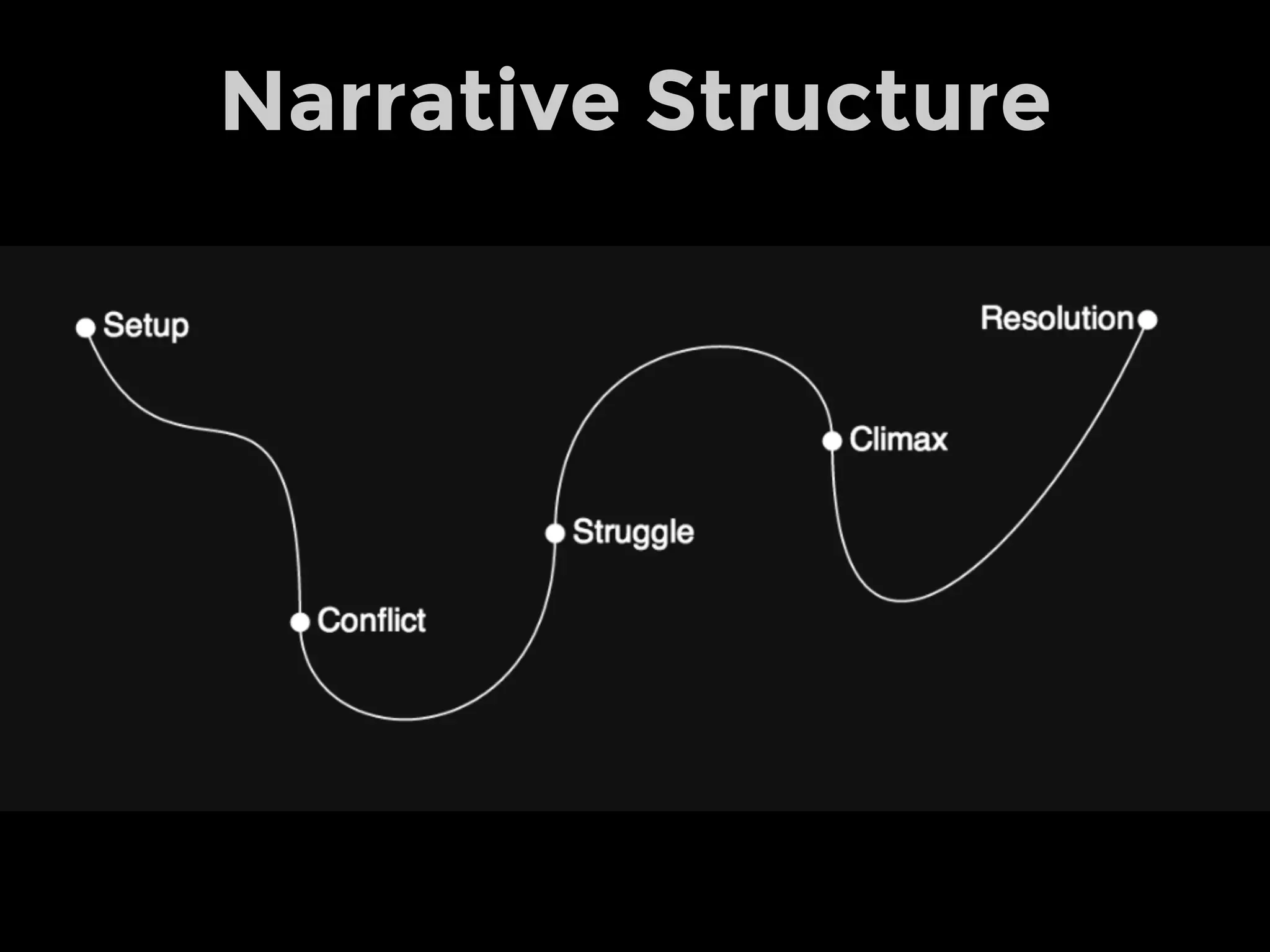
Narrative Structure
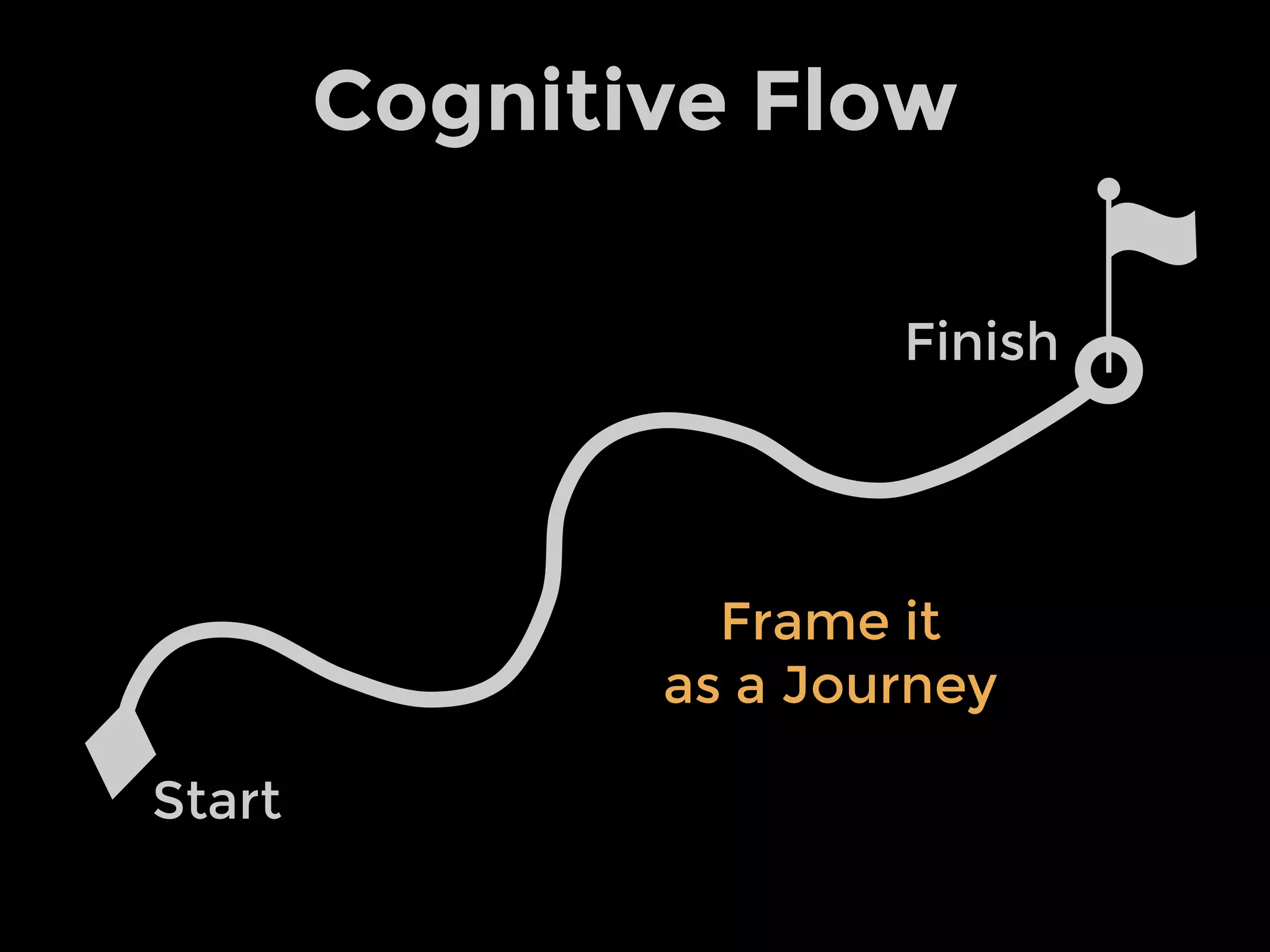
Cognitive Flow
Start
Frame it
as a Journey
Finish
Making Comics
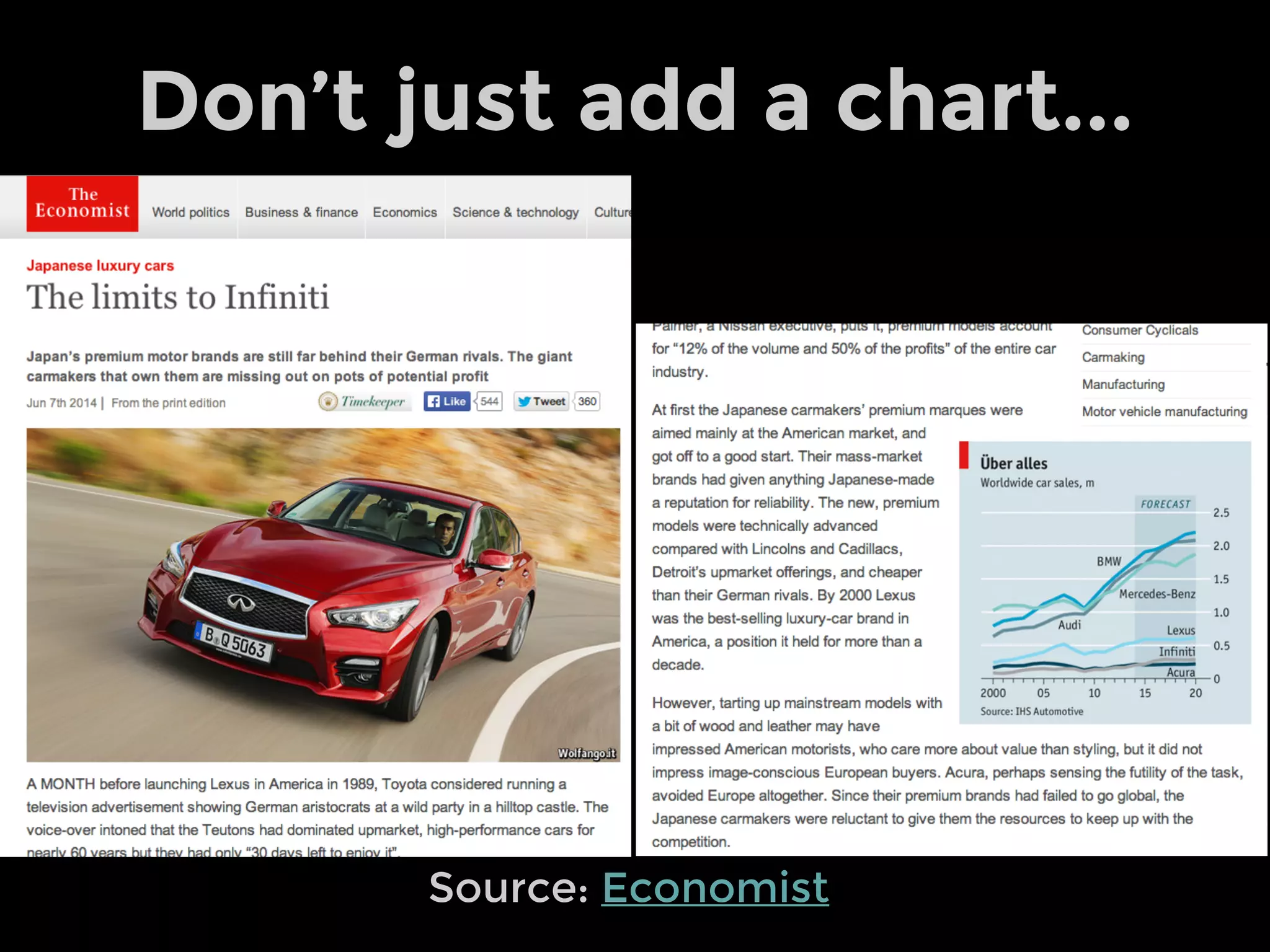
Don’t just add a chart...
Source: Economist
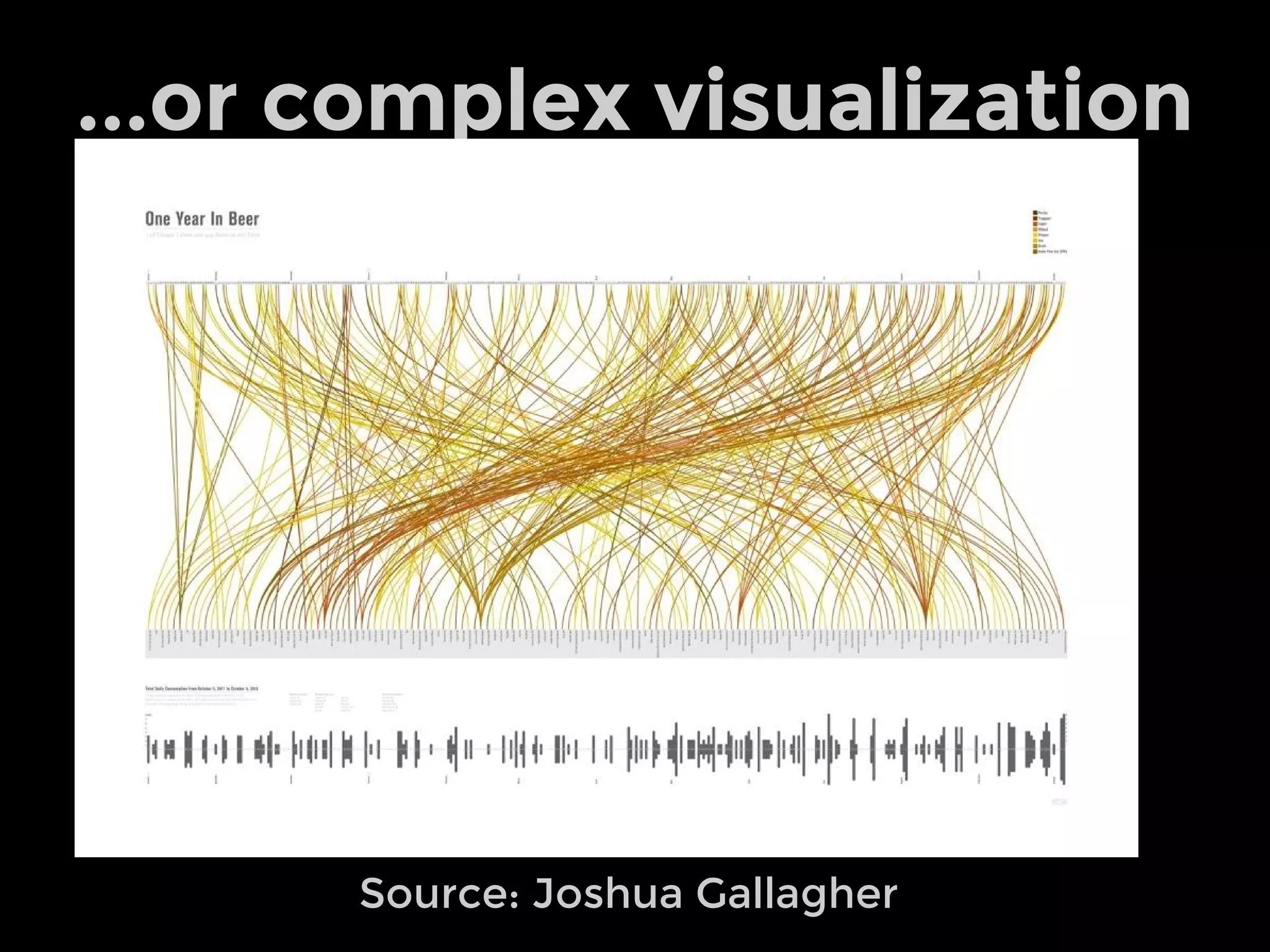
...or complex visualization
Source: Joshua Gallagher
Think Stories, not Charts
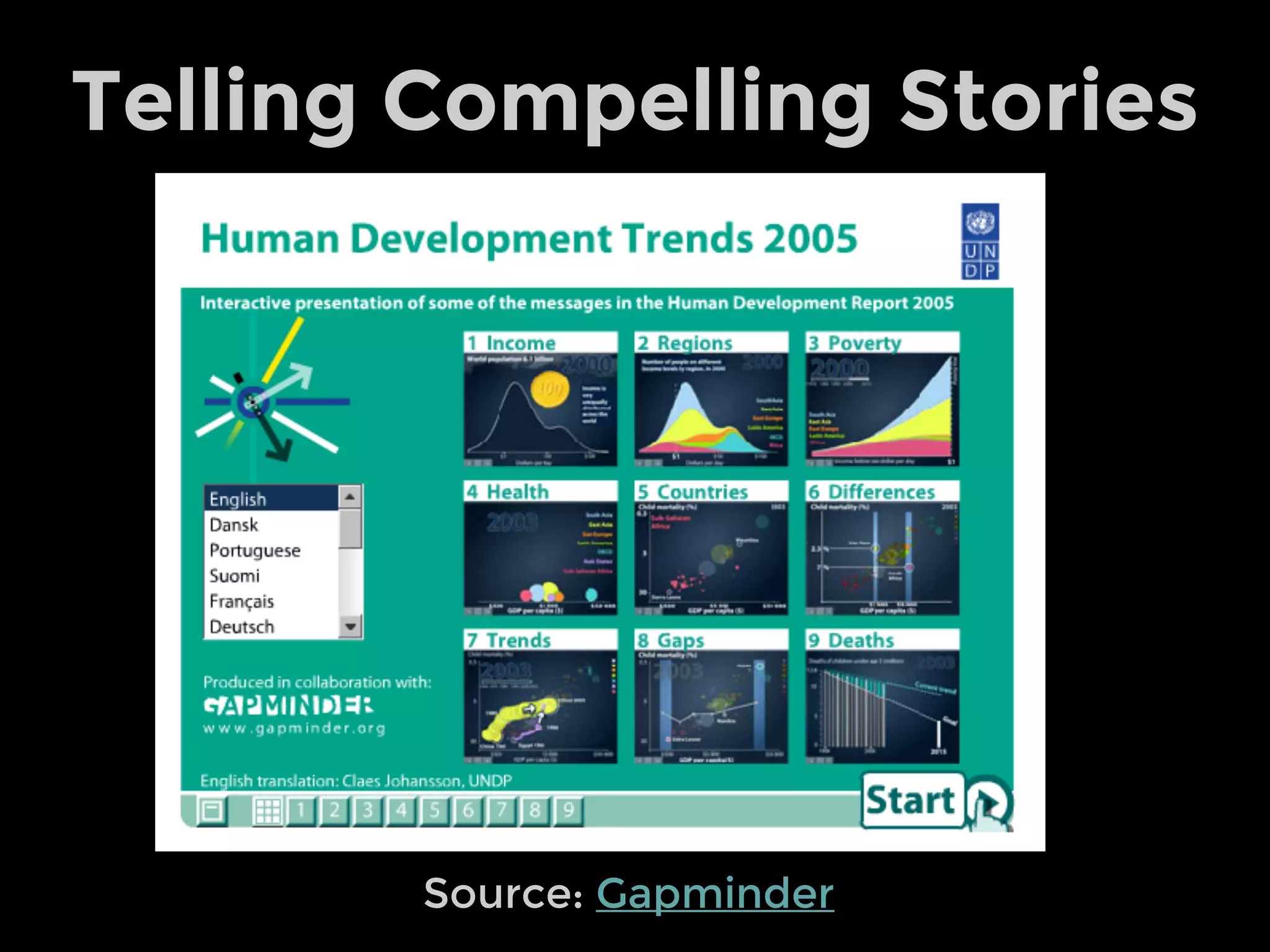
Telling Compelling Stories
Source: Gapminder
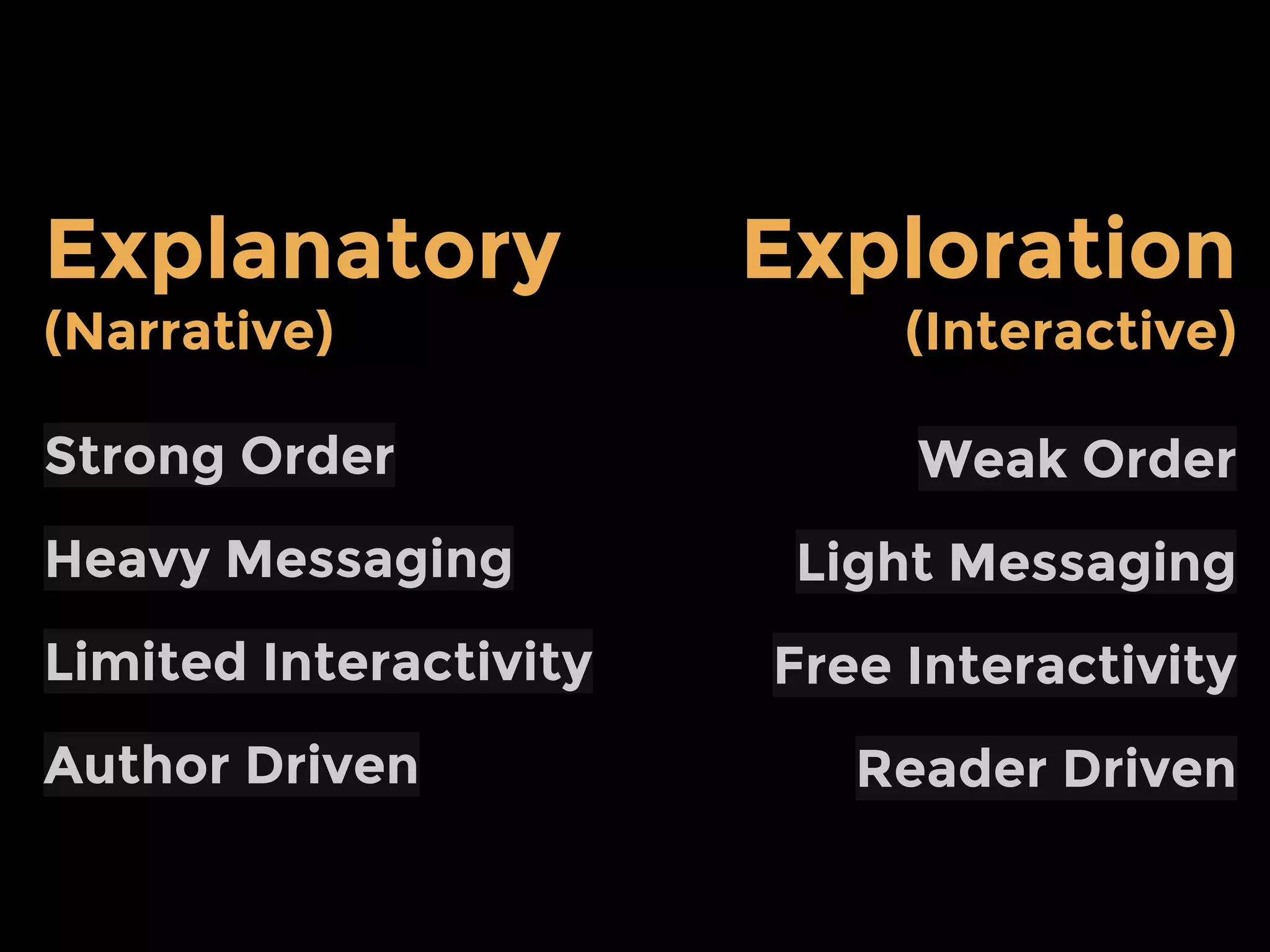
Strong Order
Heavy Messaging
Limited Interactivity
Author Driven
Explanatory
(Narrative)
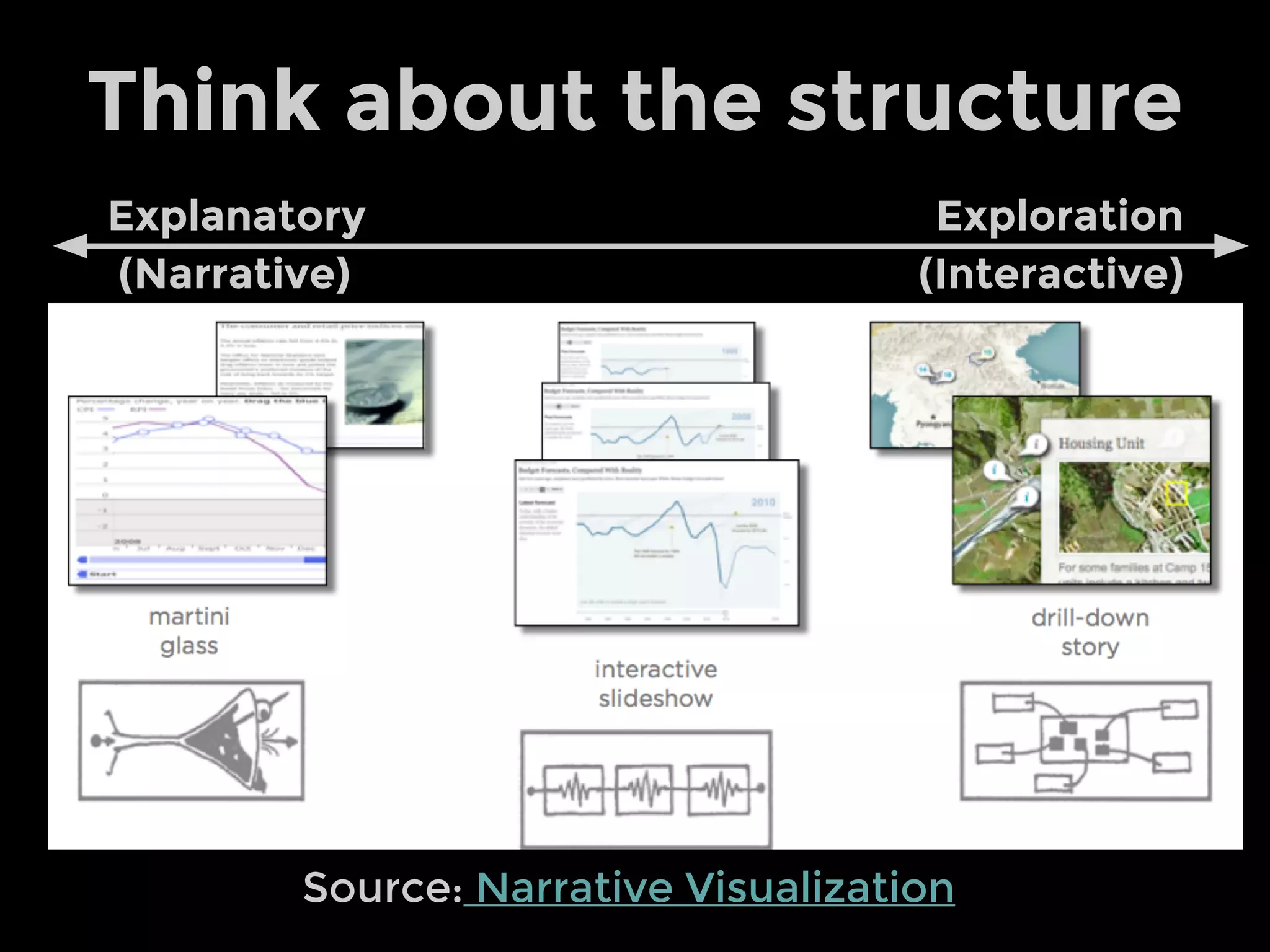
Exploration
(Interactive)
Weak Order
Light Messaging
Free Interactivity
Reader Driven
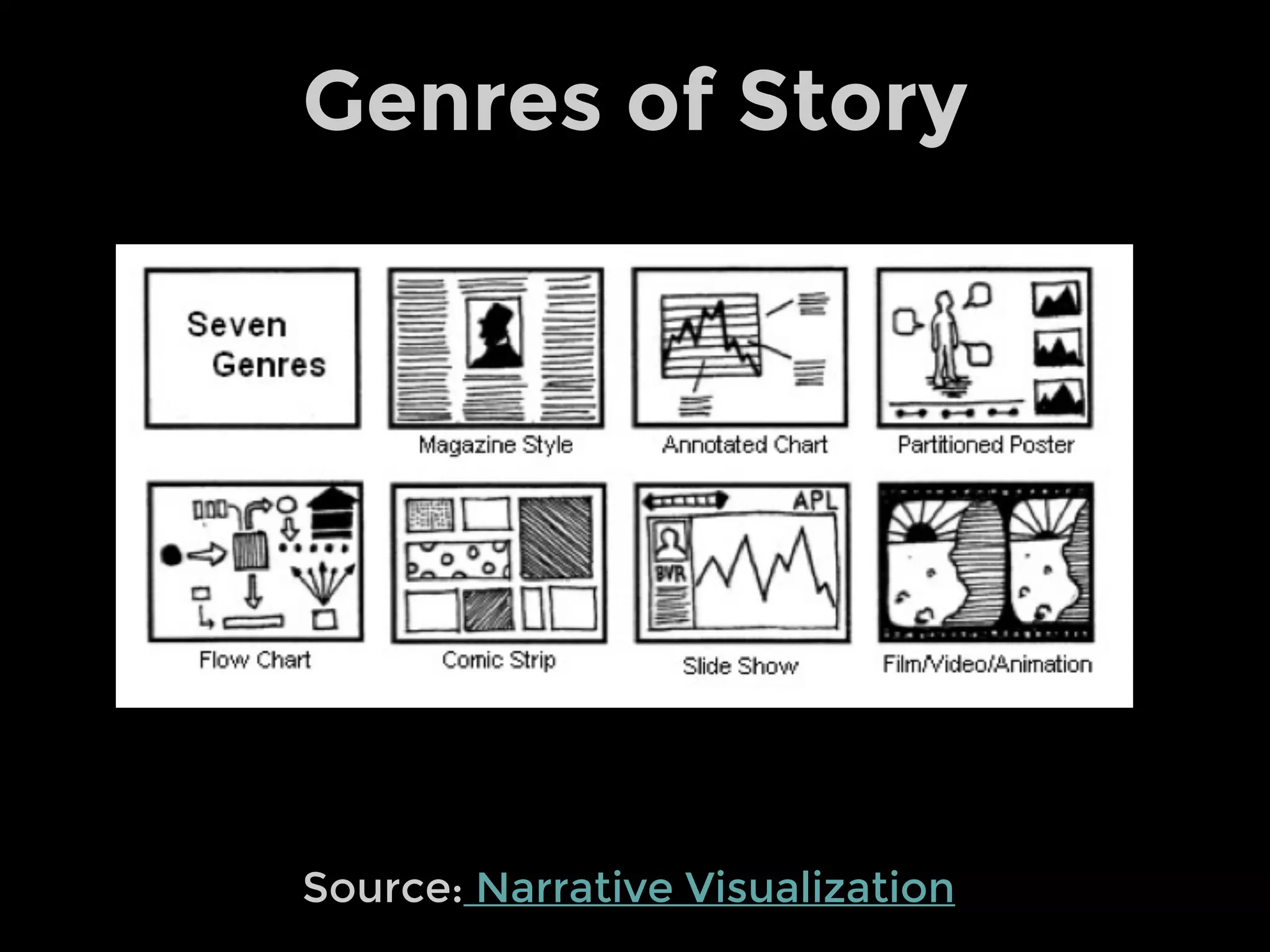
Genres of Story
Source: Narrative Visualization
Think about the structure
Source: Narrative Visualization
Explanatory
(Narrative)
Exploration
(Interactive)
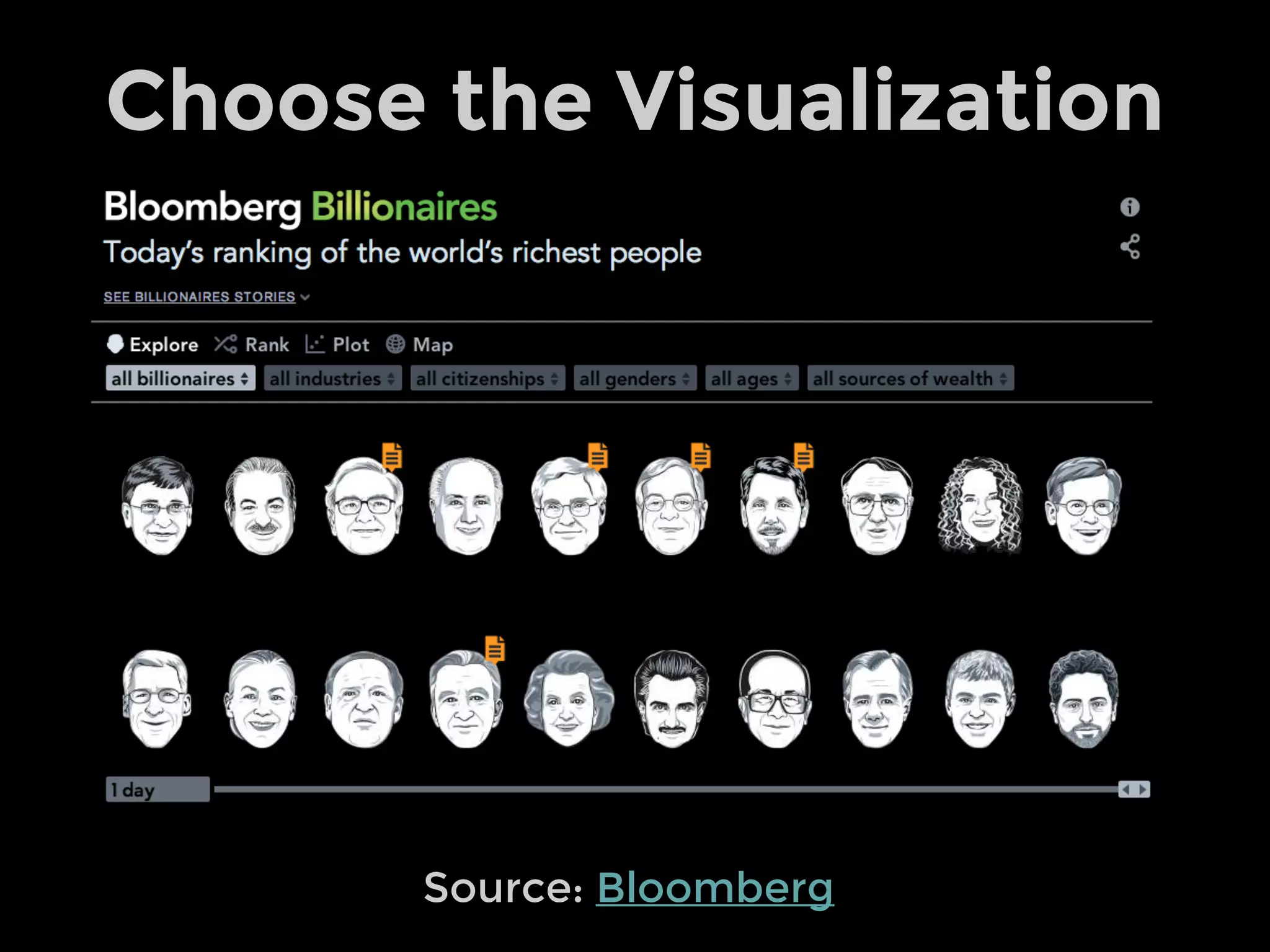
Choose the Visualization
Source: Bloomberg
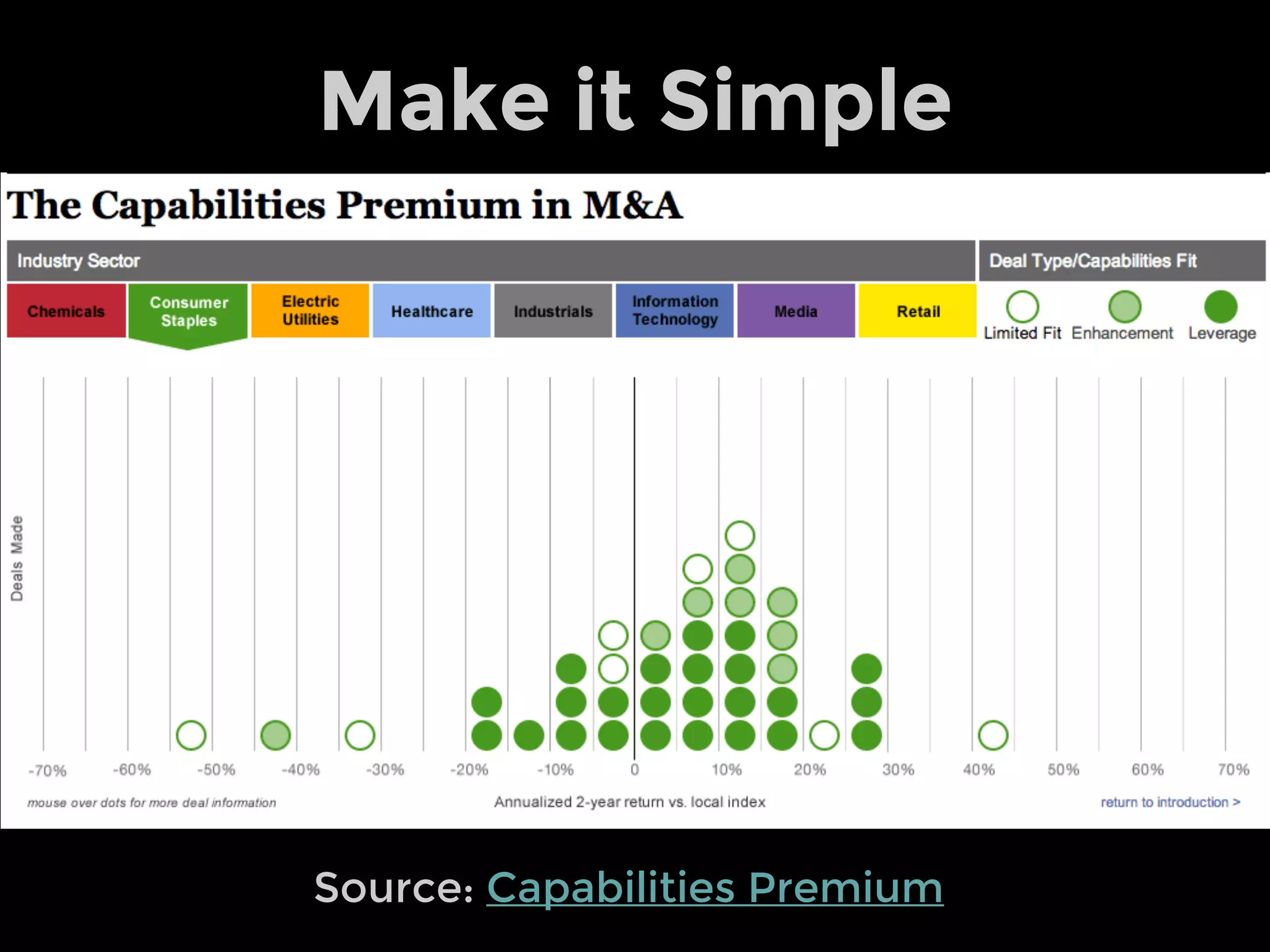
Make it Simple
Source: Capabilities Premium
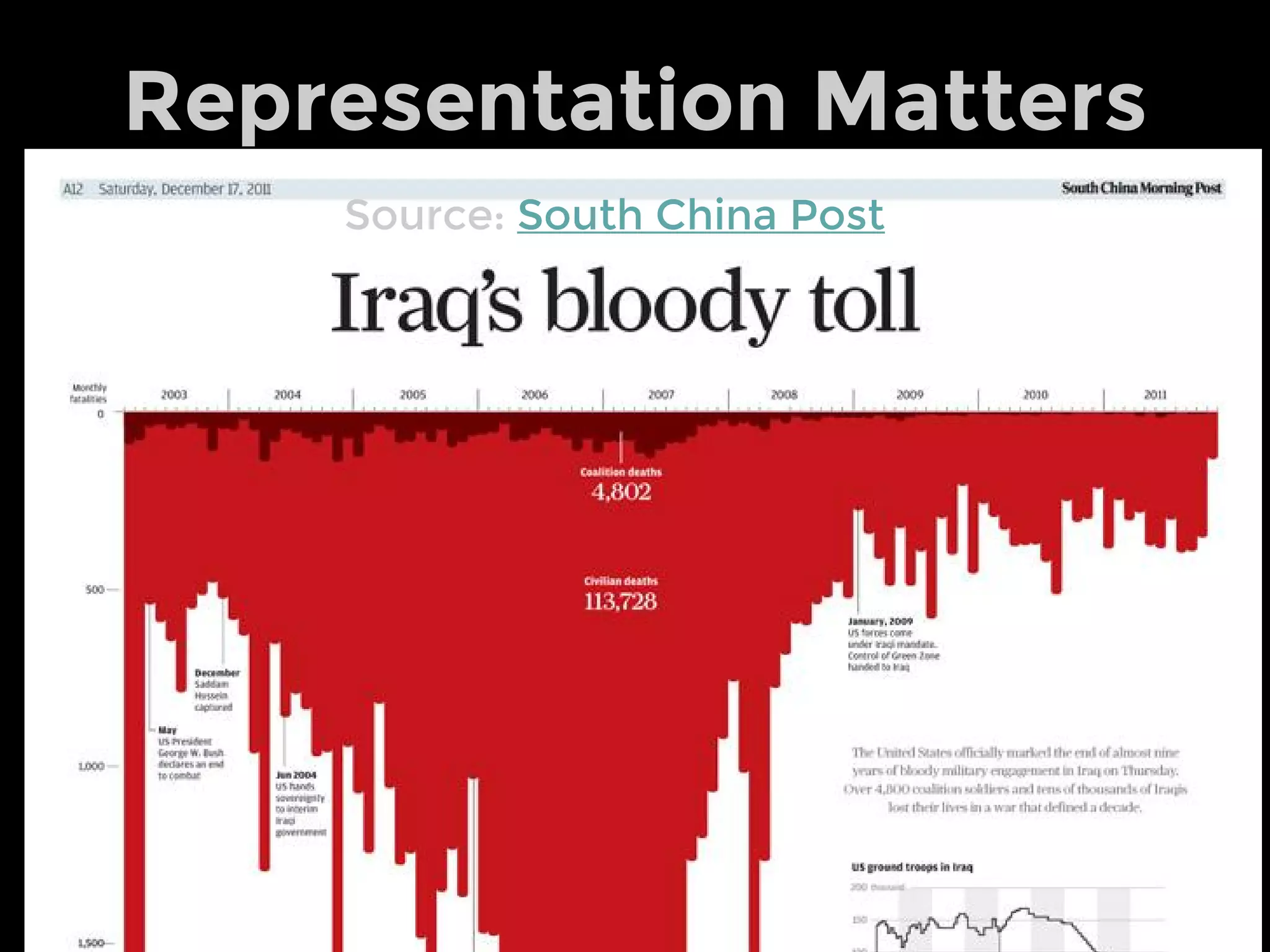
Representation Matters
Source: South China Post
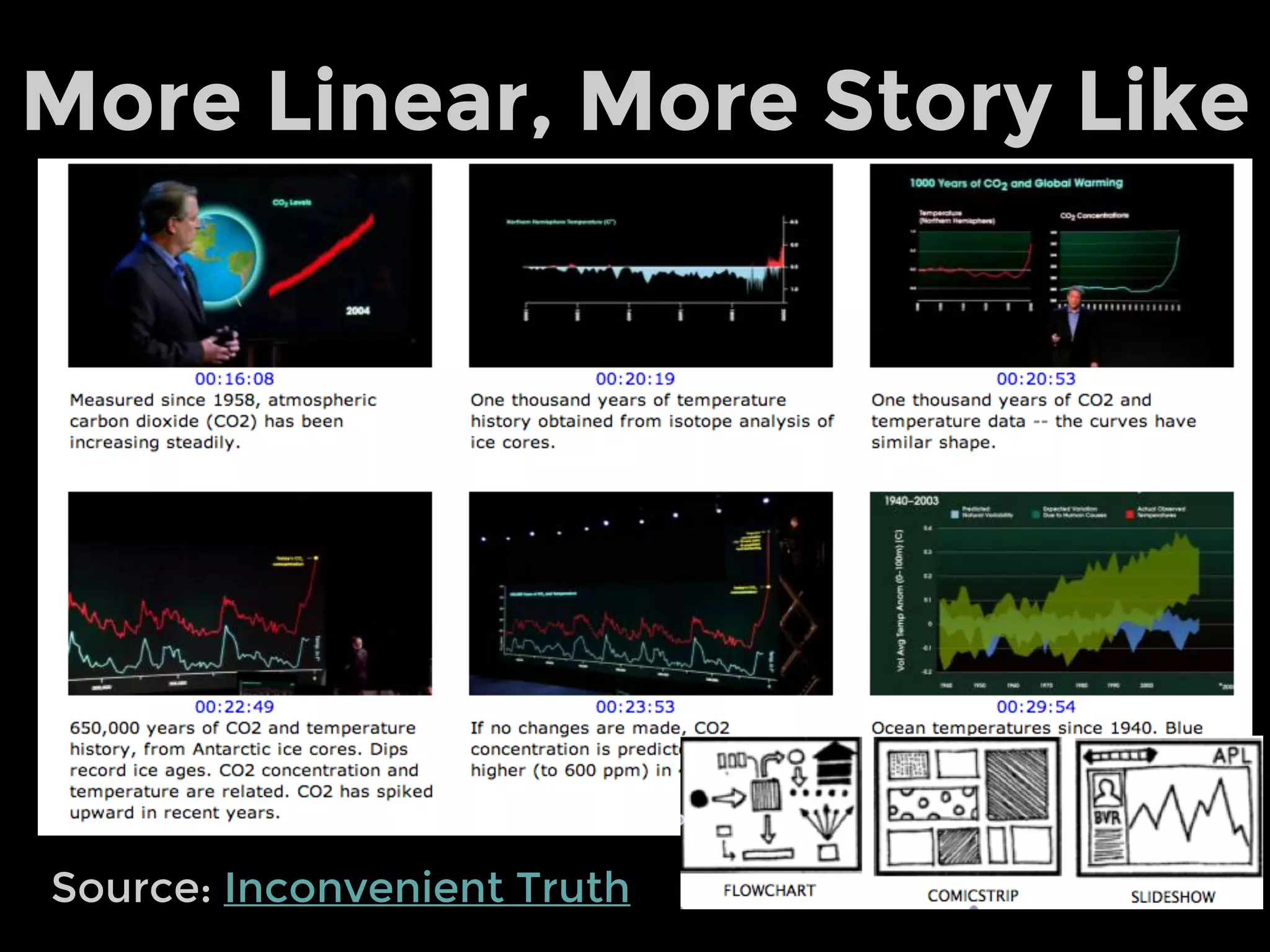
More Linear, More Story Like
Source: Inconvenient Truth
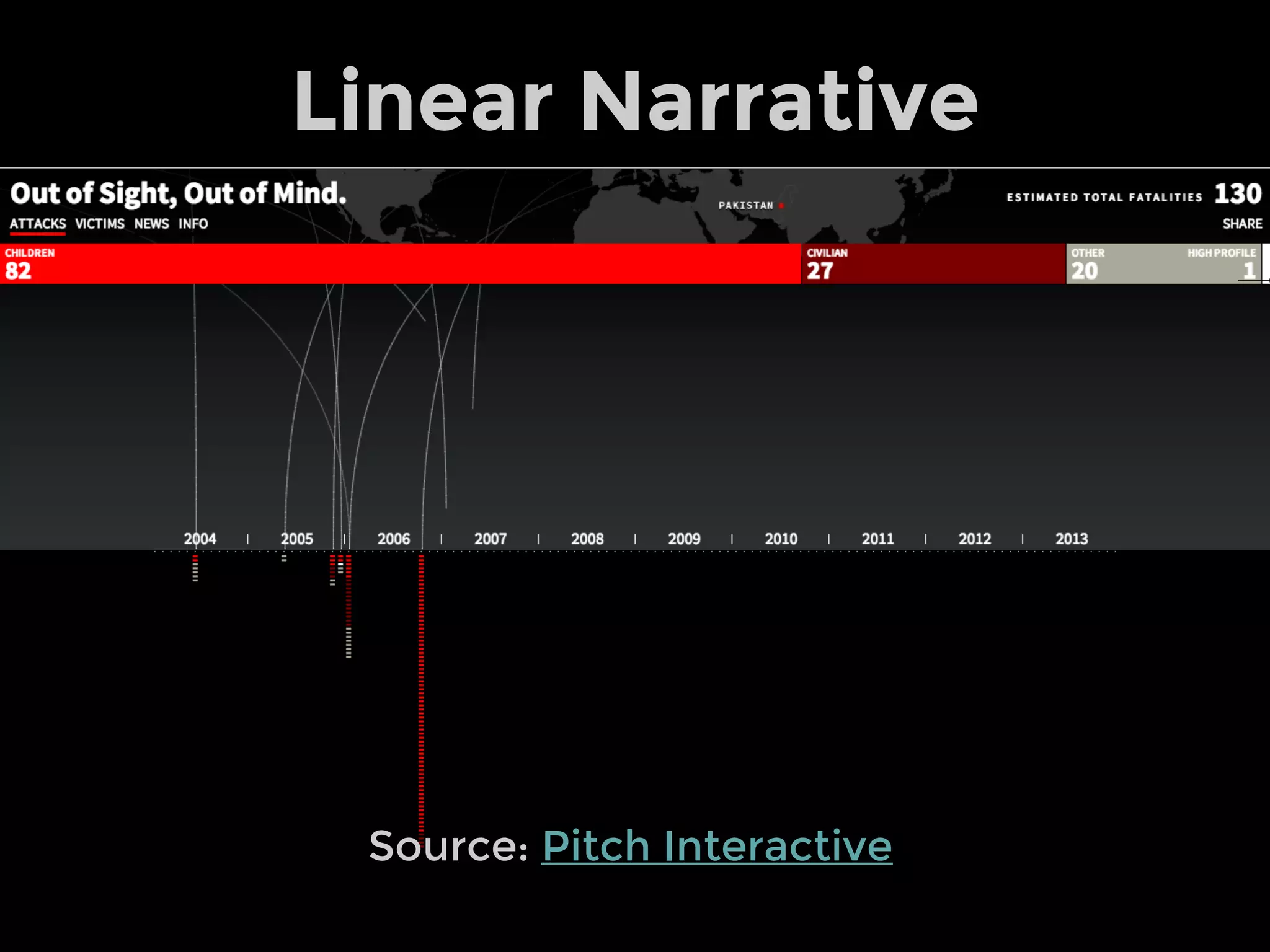
Linear Narrative
Source: Pitch Interactive
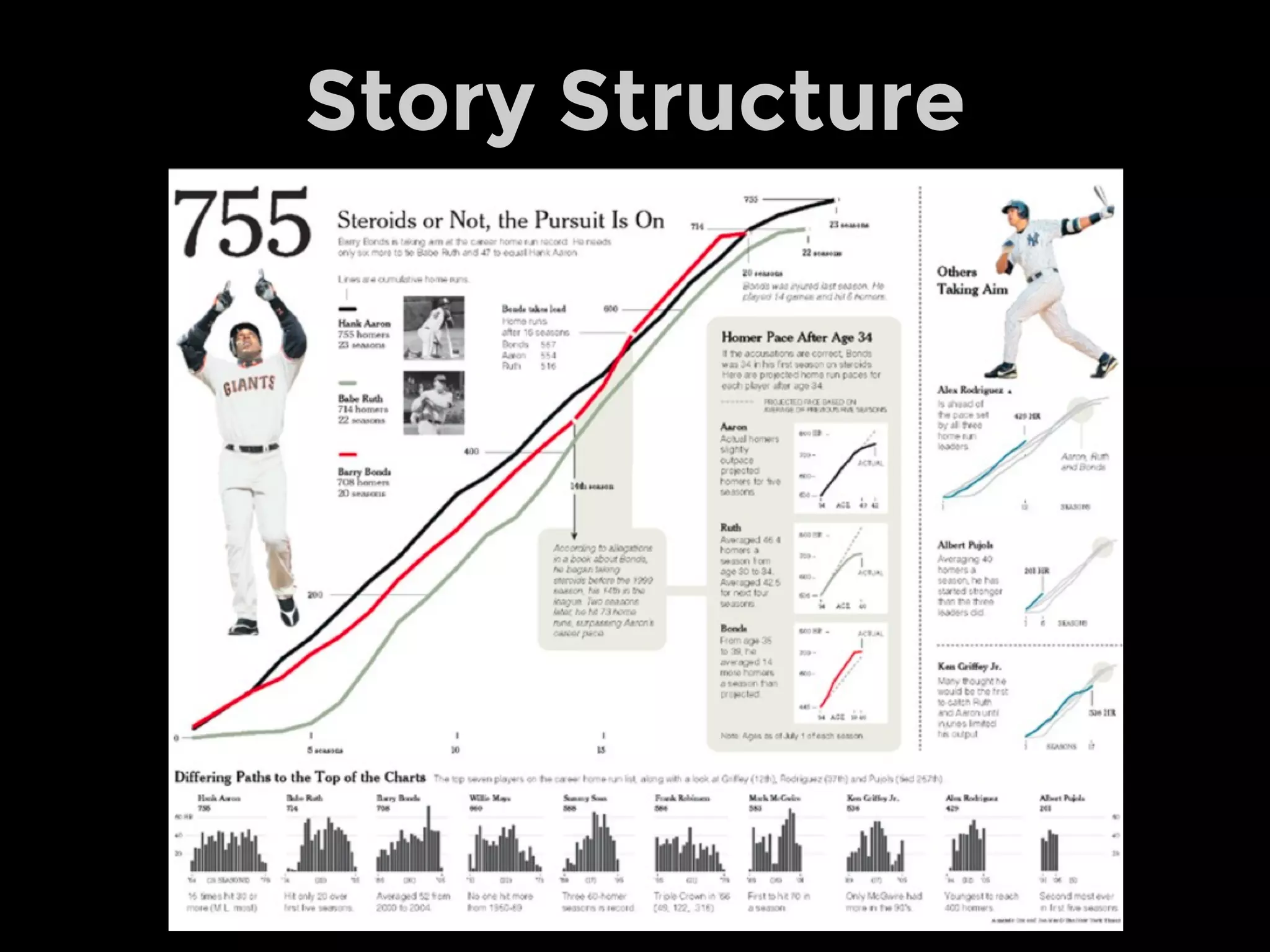
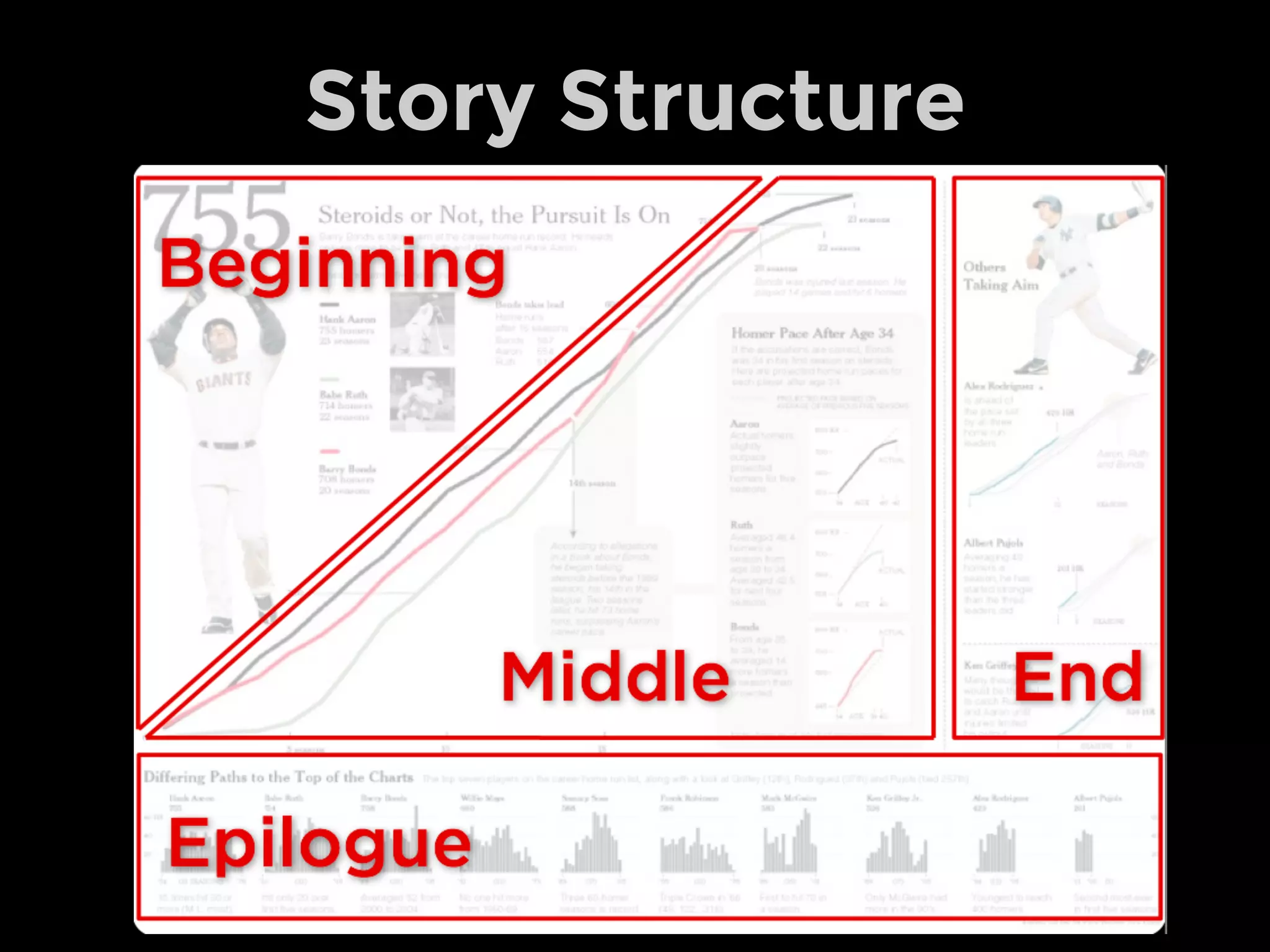
Story Structure
Story Structure
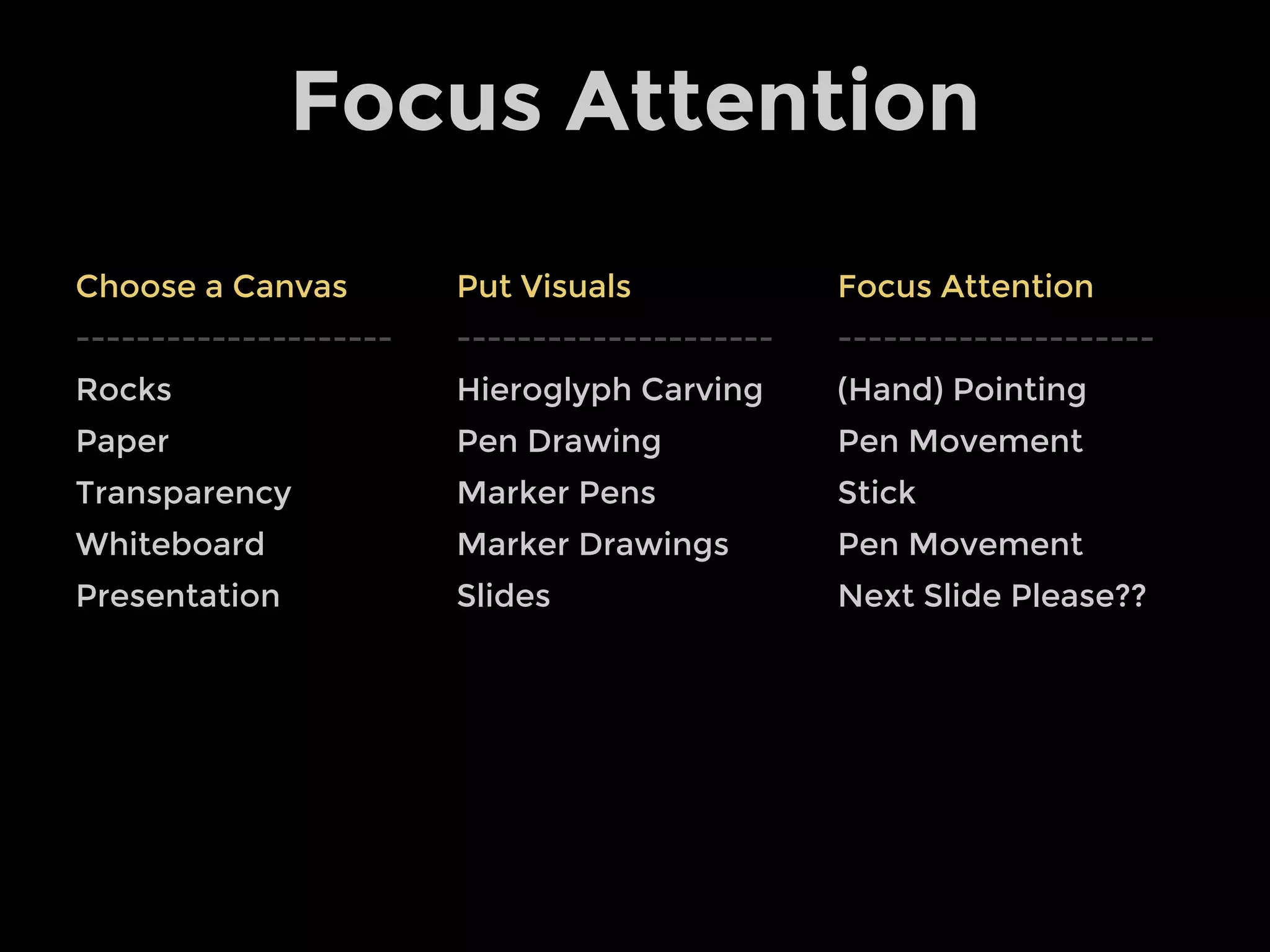
Focus Attention
Choose a Canvas Put Visuals Focus Attention
--------------------- --------------------- ---------------------
Rocks Hieroglyph Carving (Hand) Pointing
Paper Pen Drawing Pen Movement
Transparency Marker Pens Stick
Whiteboard Marker Drawings Pen Movement
Presentation Slides Next Slide Please??
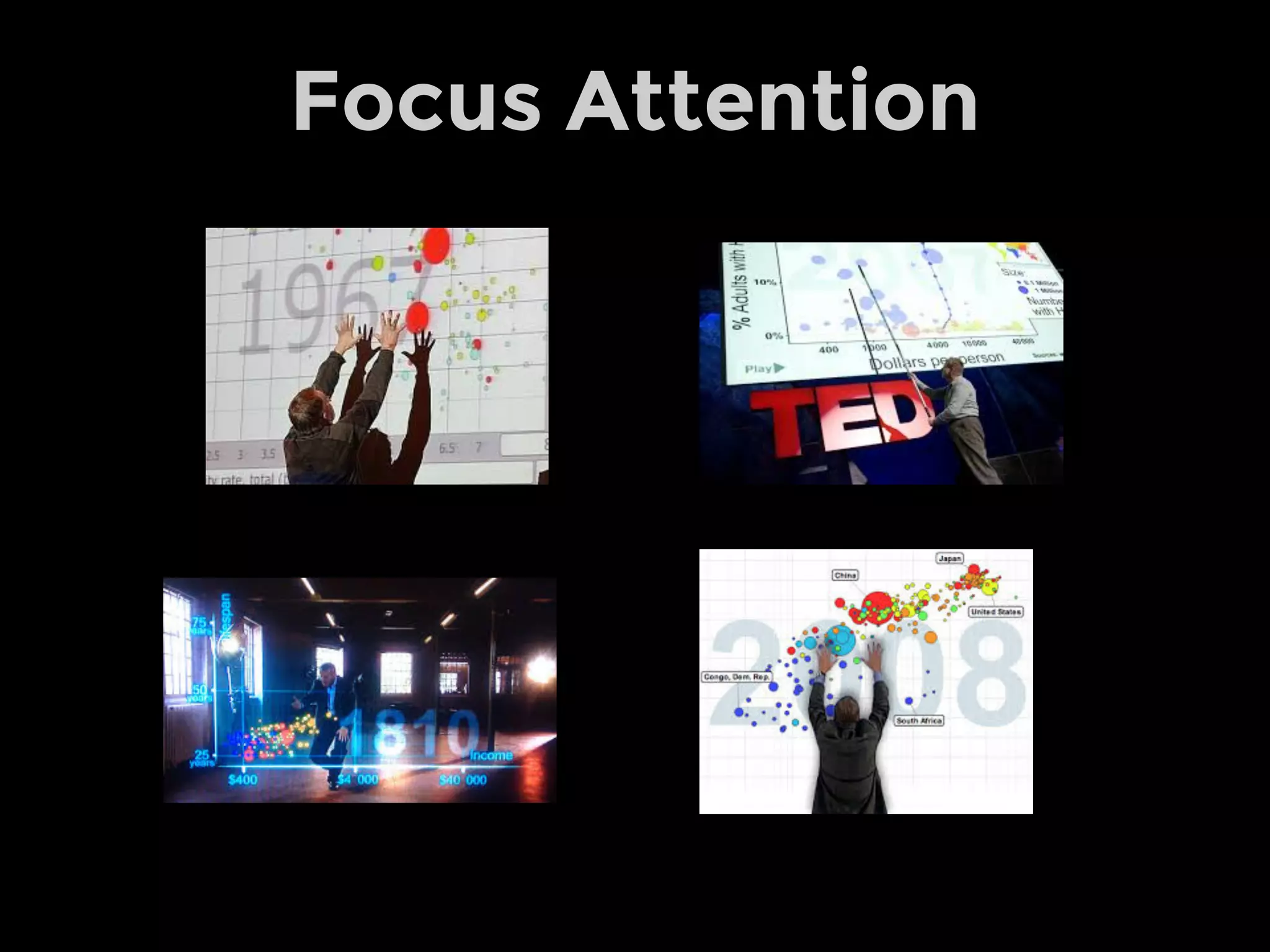
Focus Attention
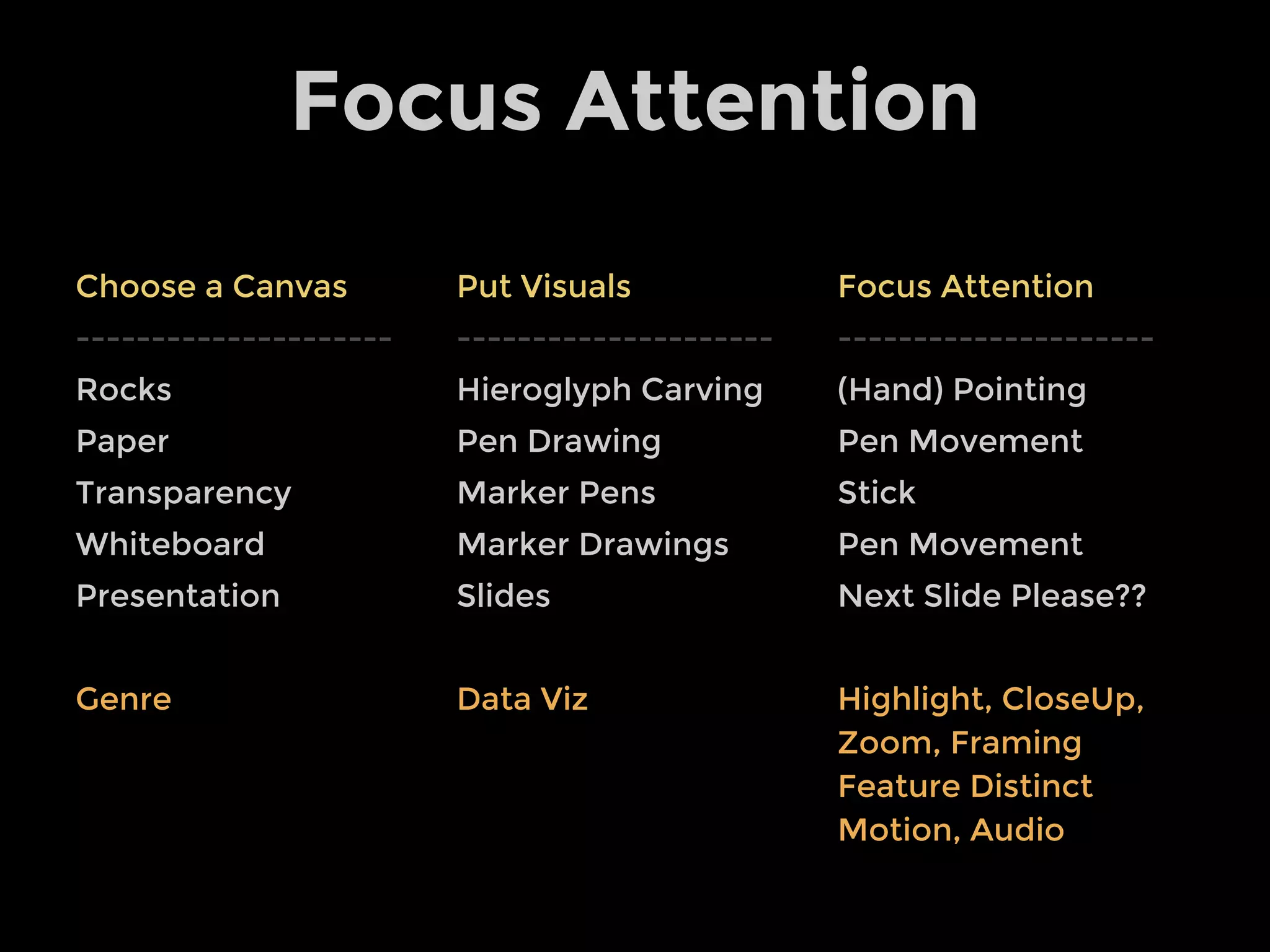
Focus Attention
Choose a Canvas Put Visuals Focus Attention
--------------------- --------------------- ---------------------
Rocks Hieroglyph Carving (Hand) Pointing
Paper Pen Drawing Pen Movement
Transparency Marker Pens Stick
Whiteboard Marker Drawings Pen Movement
Presentation Slides Next Slide Please??
Genre Data Viz Highlight, CloseUp,
Zoom, Framing
Feature Distinct
Motion, Audio
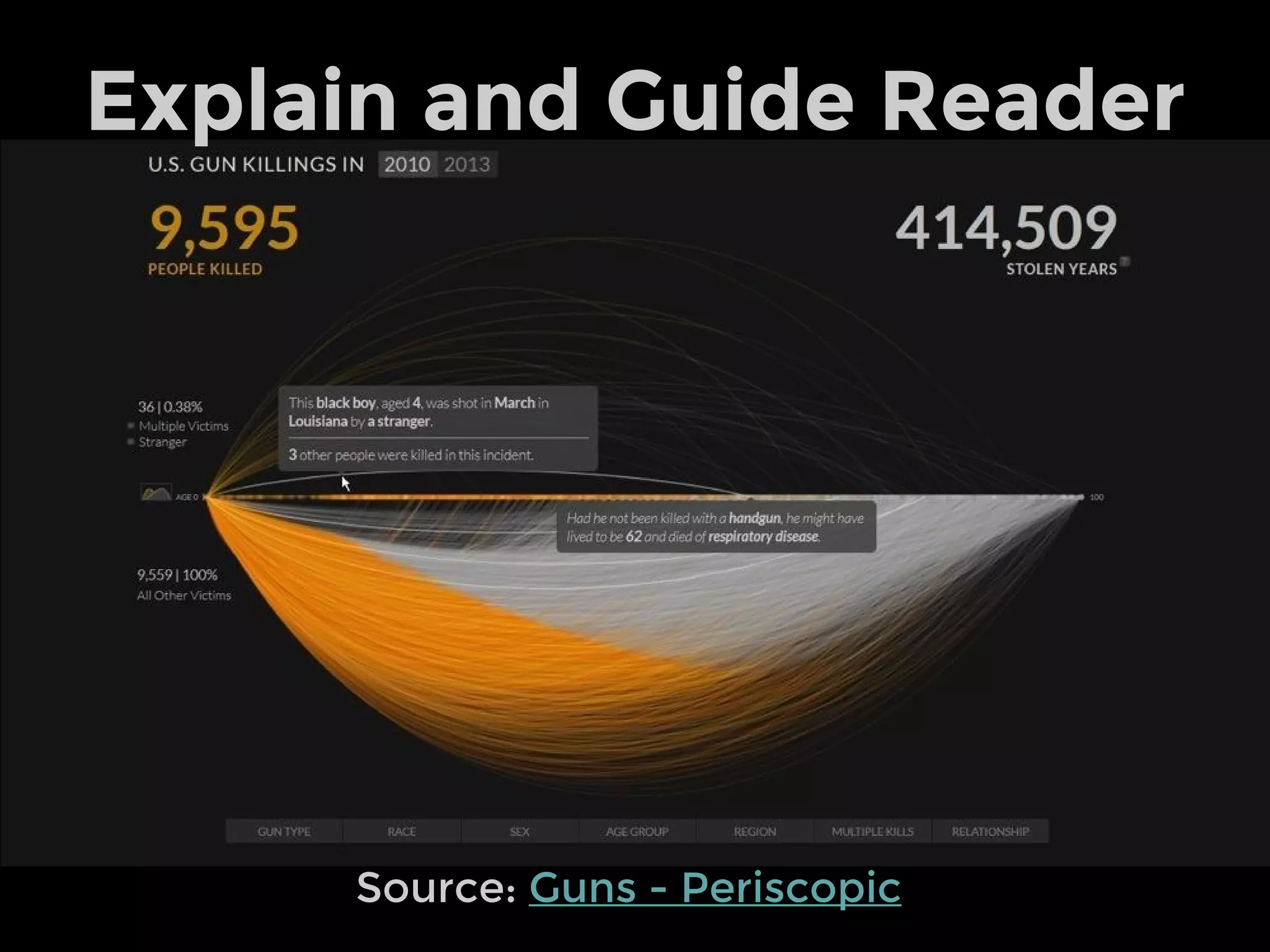
Explain and Guide Reader
Source: Guns - Periscopic
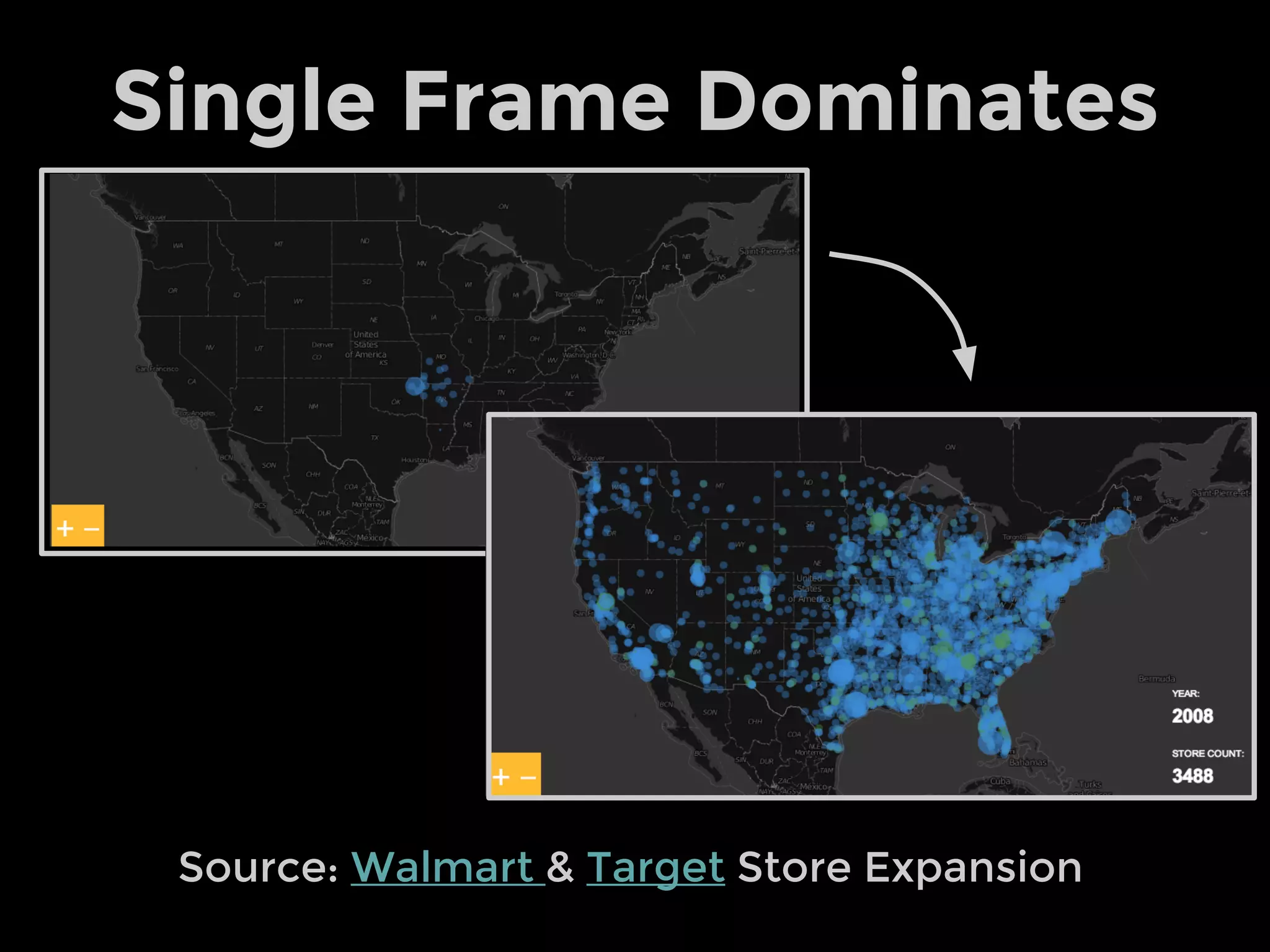
Single Frame Dominates
Source: Walmart & Target Store Expansion
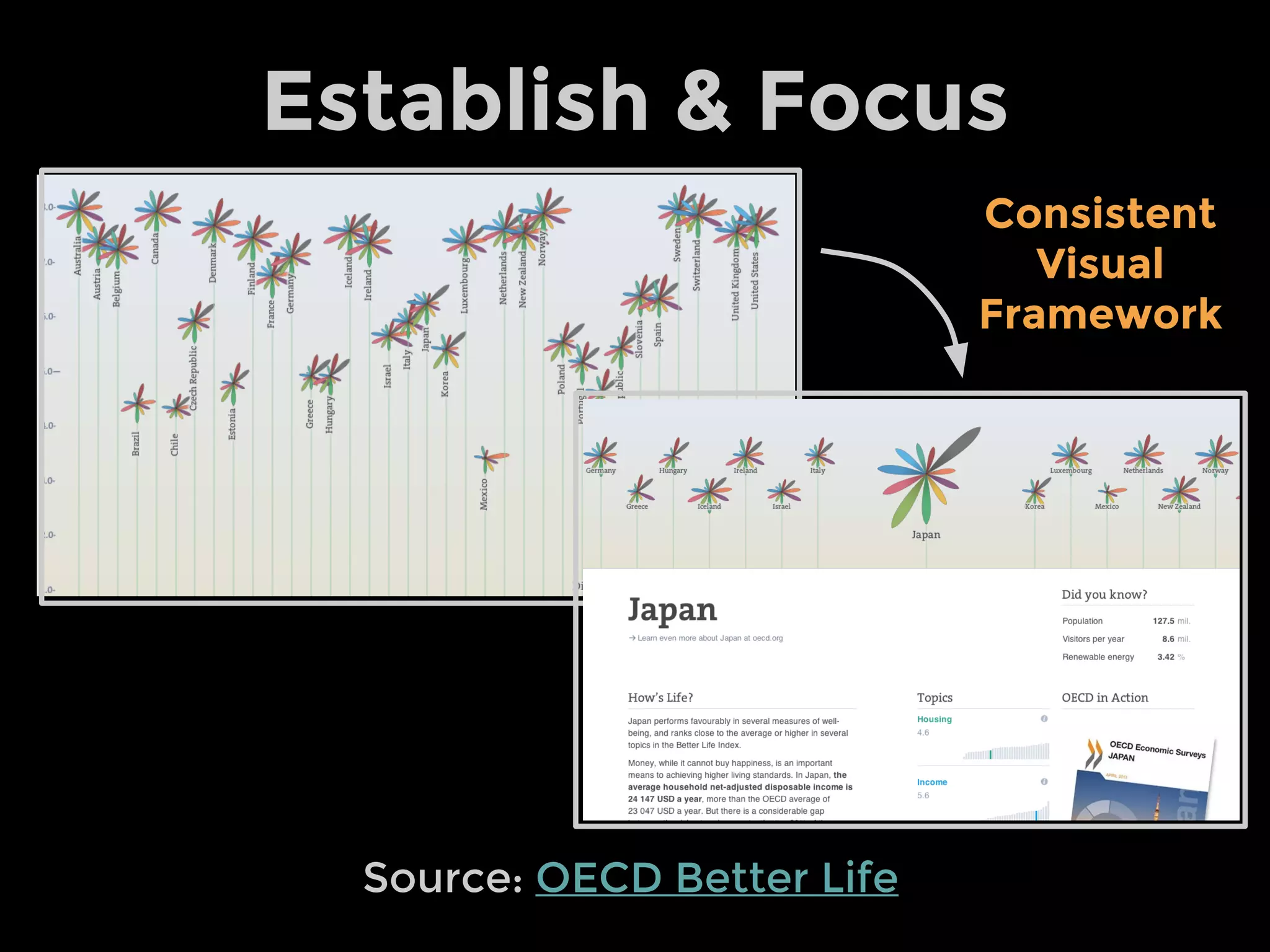
Establish & Focus
Source: OECD Better Life
Consistent
Visual
Framework
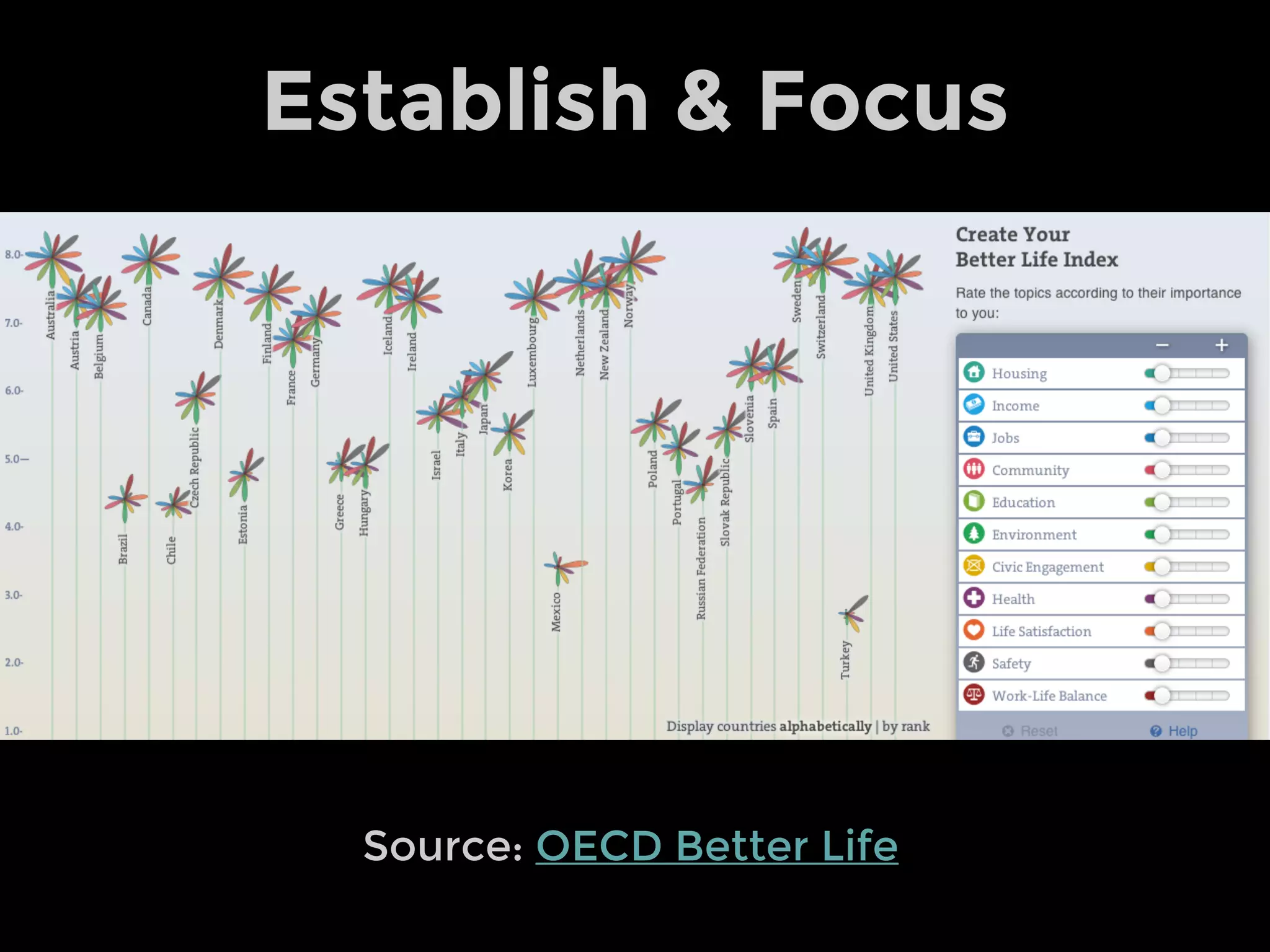
Establish & Focus
Source: OECD Better Life
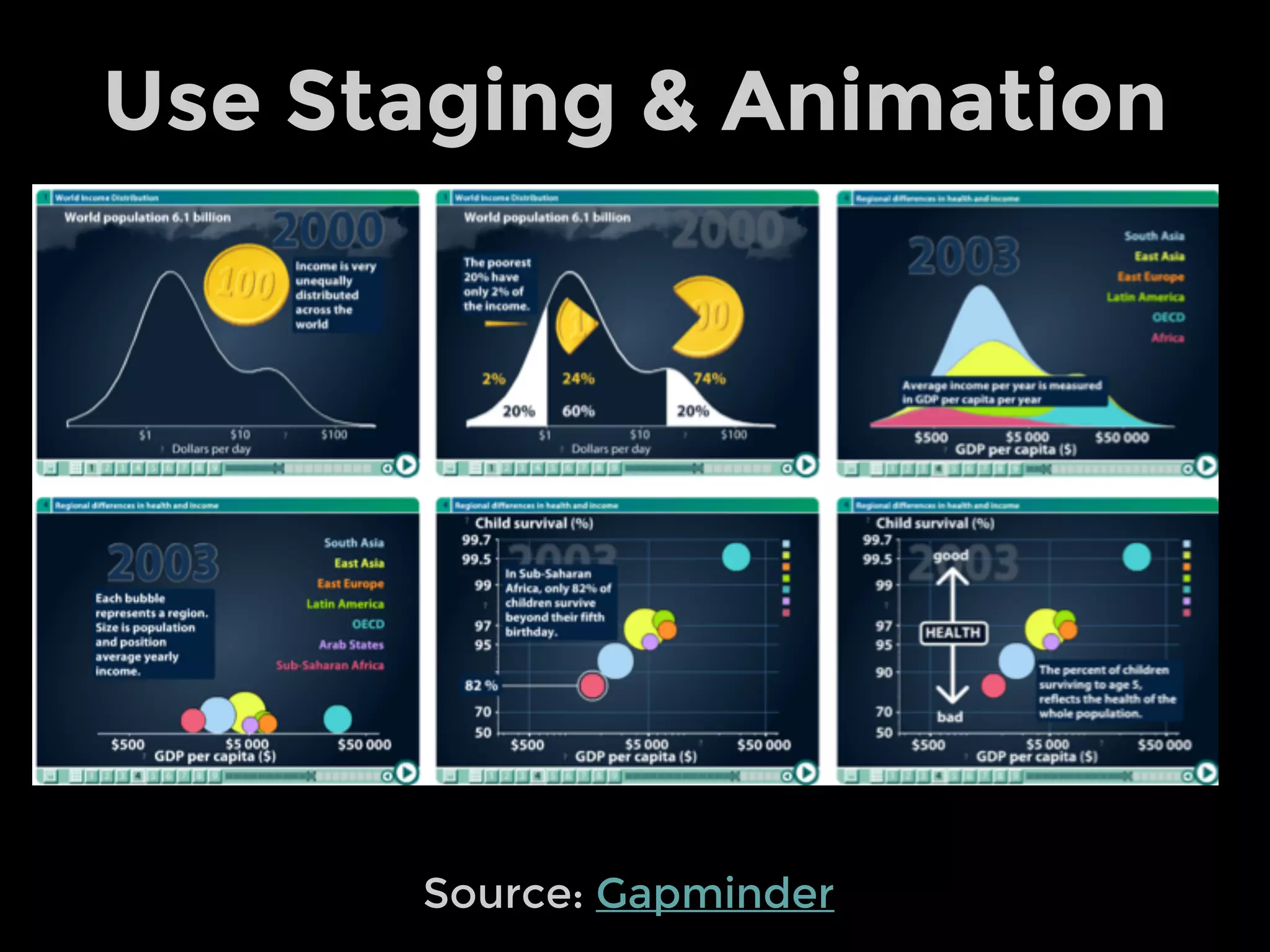
Use Staging & Animation
Source: Gapminder
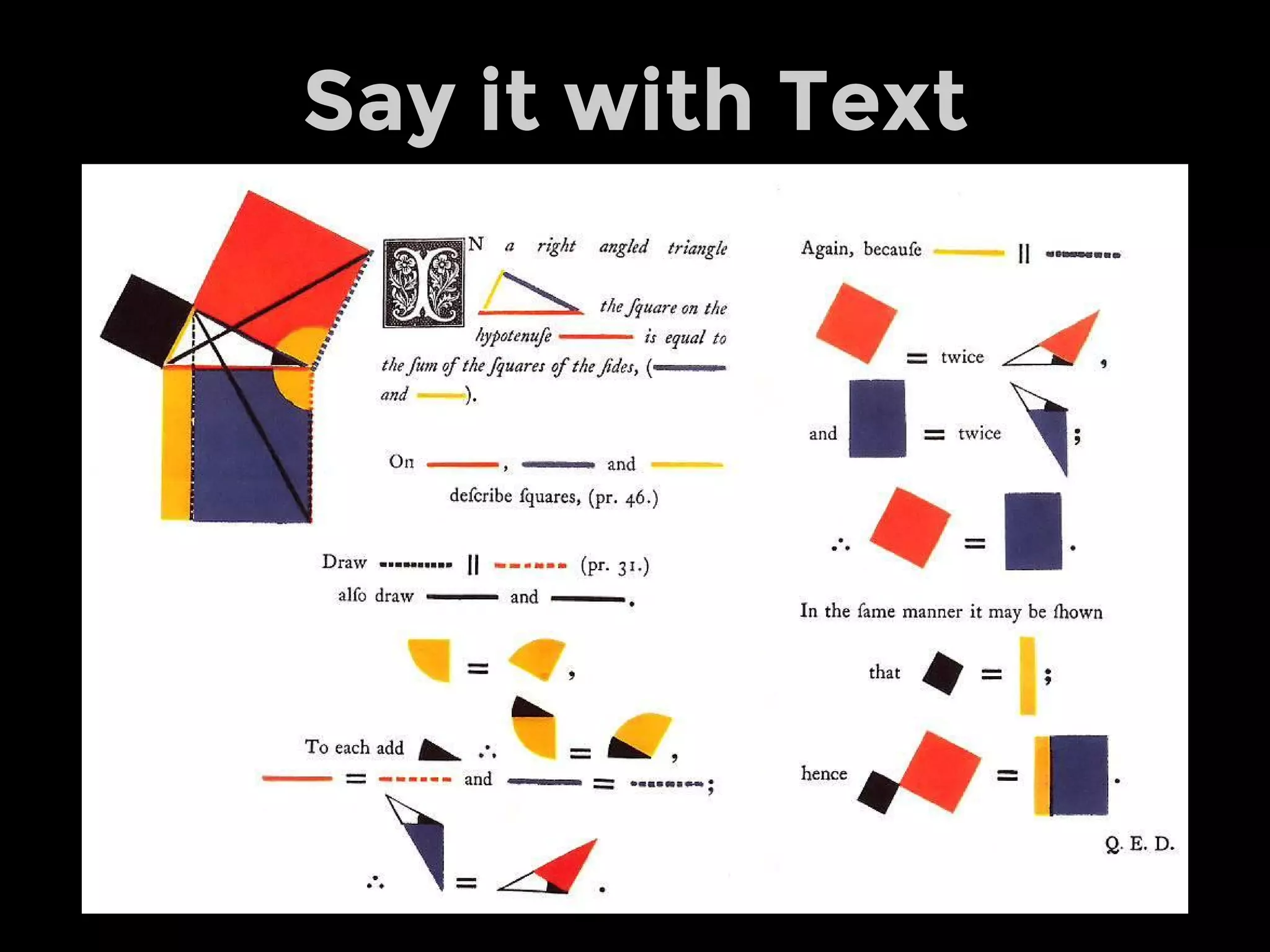
Say it with Text
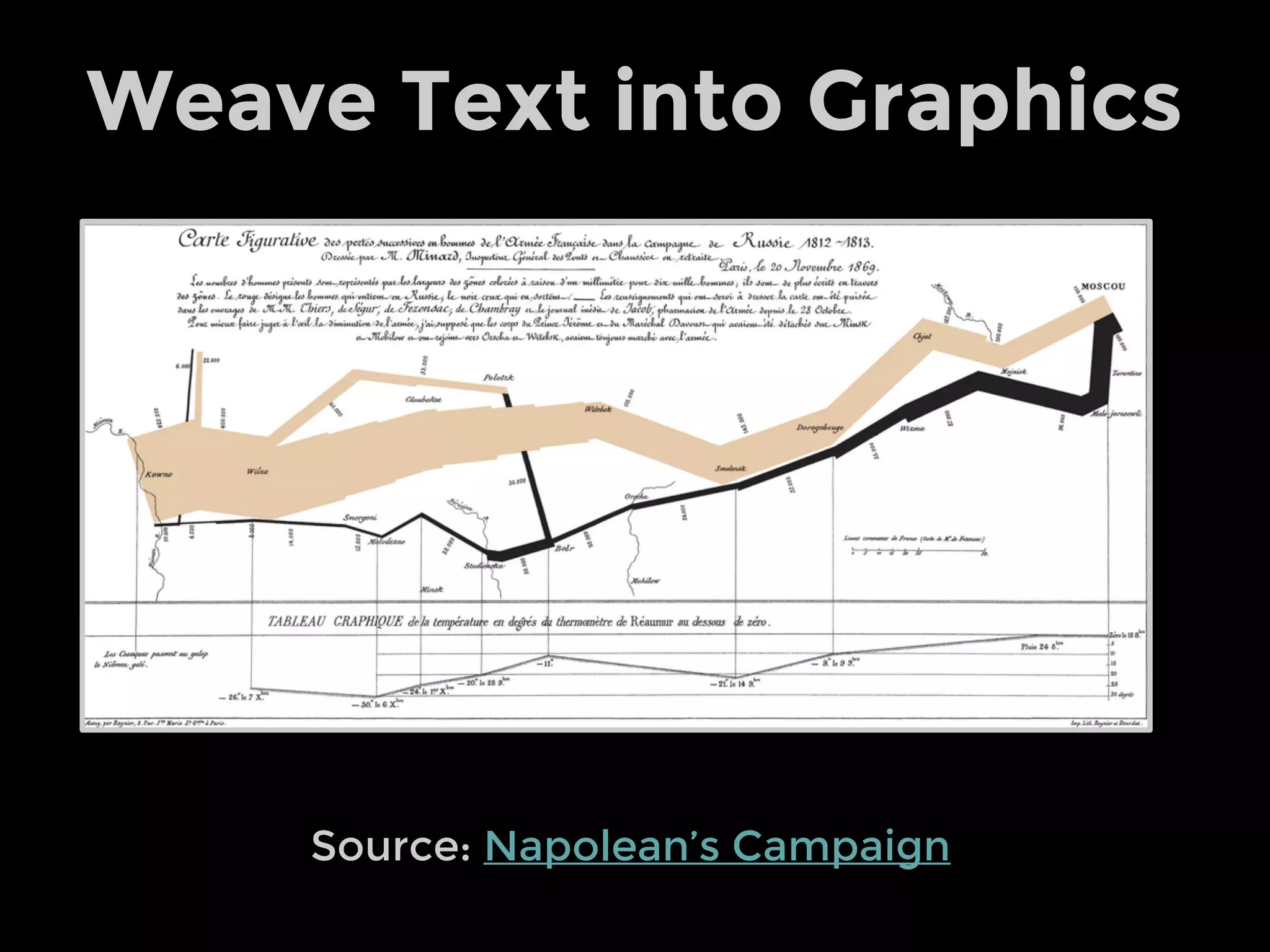
Weave Text into Graphics
Source: Napolean’s Campaign
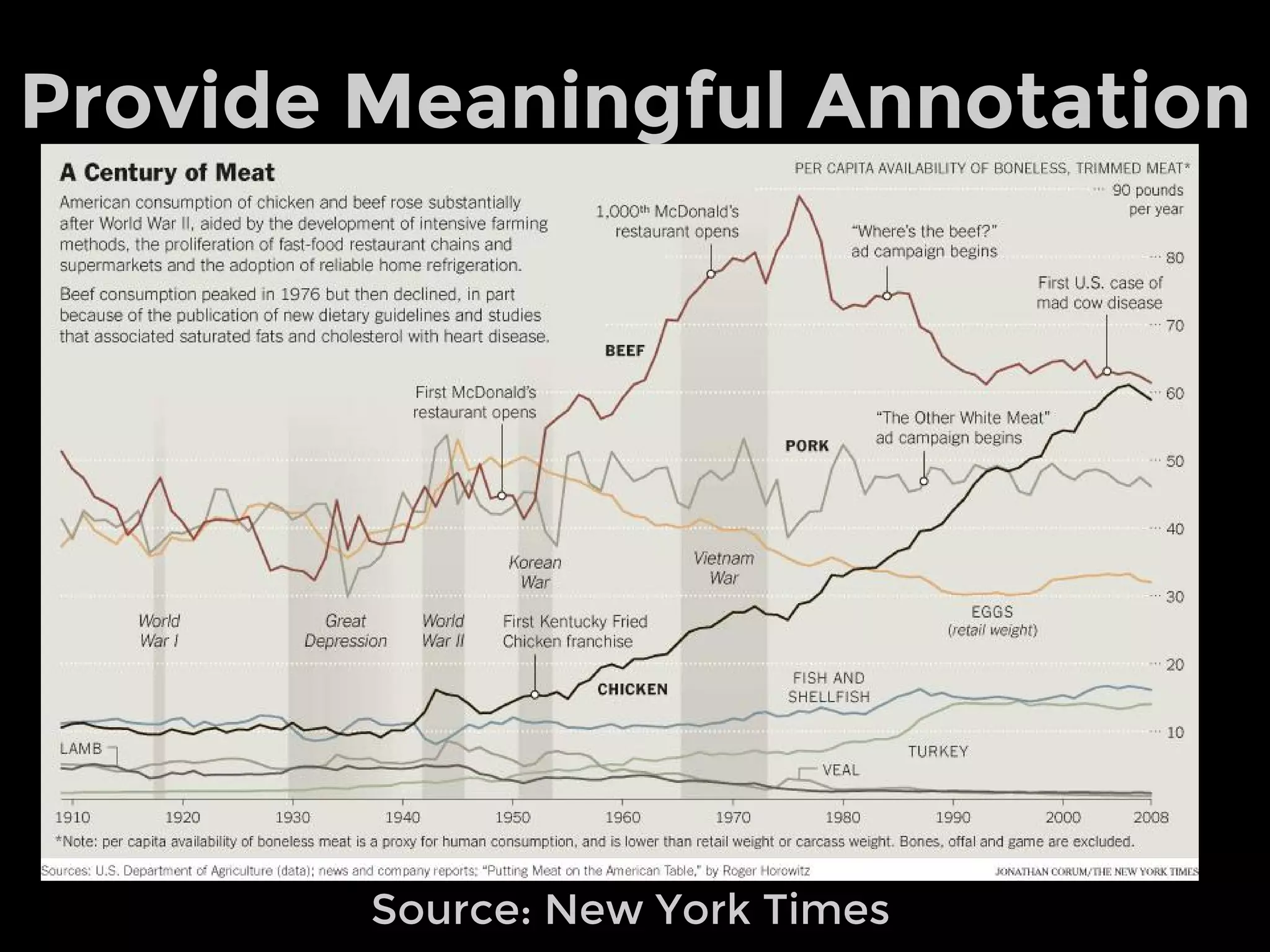
Provide Meaningful Annotation
Source: New York Times
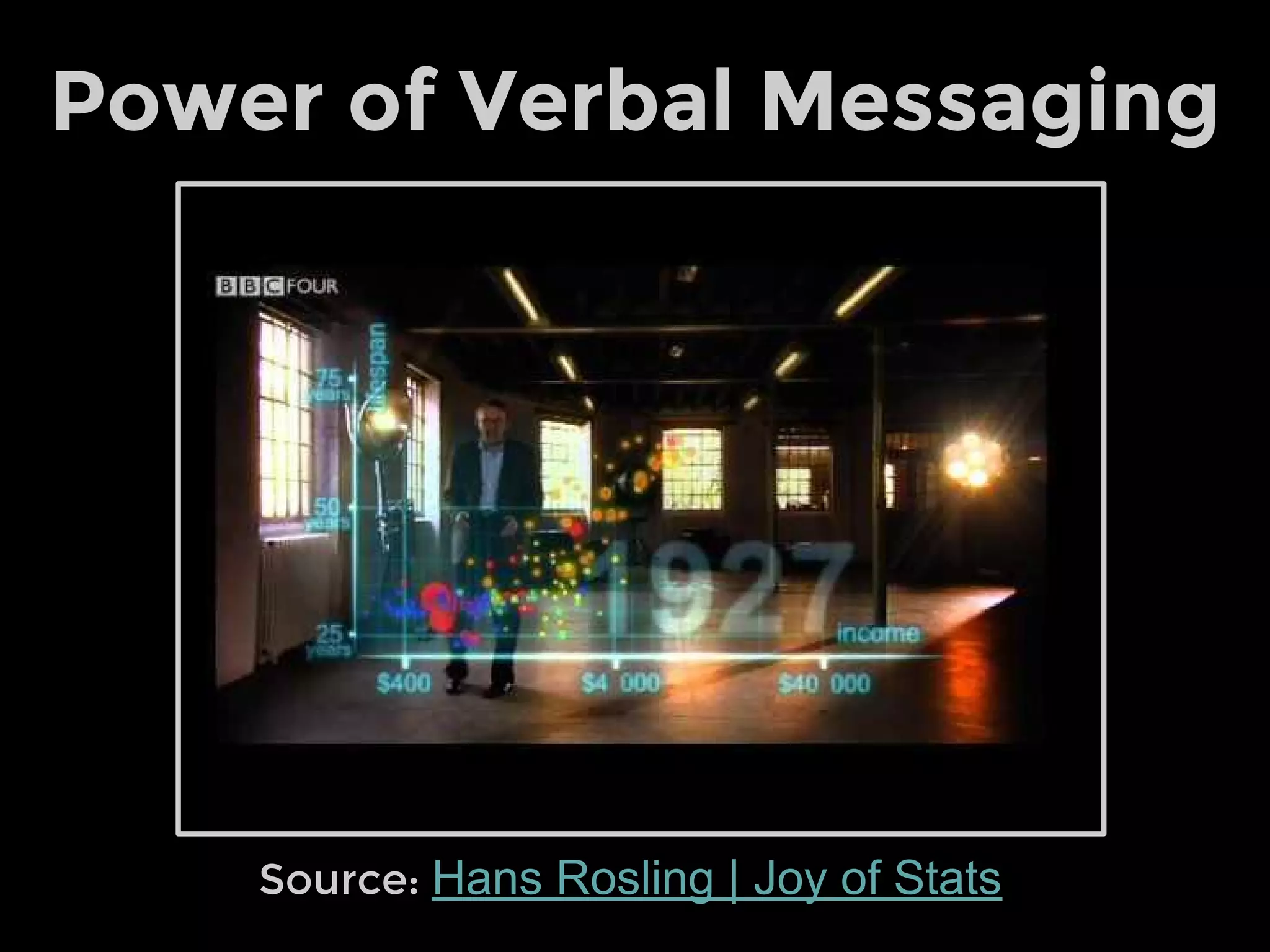
Source: Hans Rosling | Joy of Stats
Power of Verbal Messaging
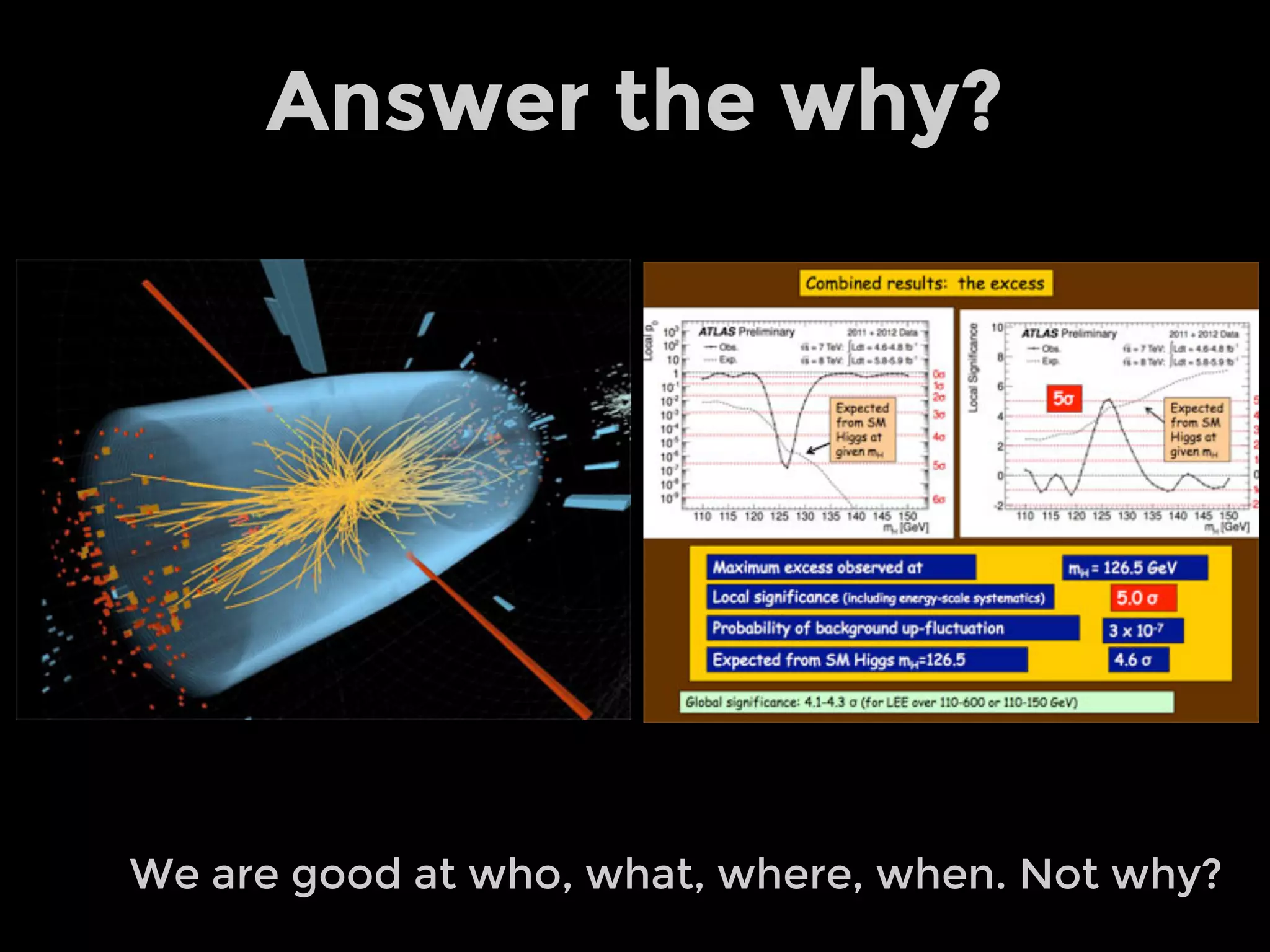
Answer the why?
We are good at who, what, where, when. Not why?
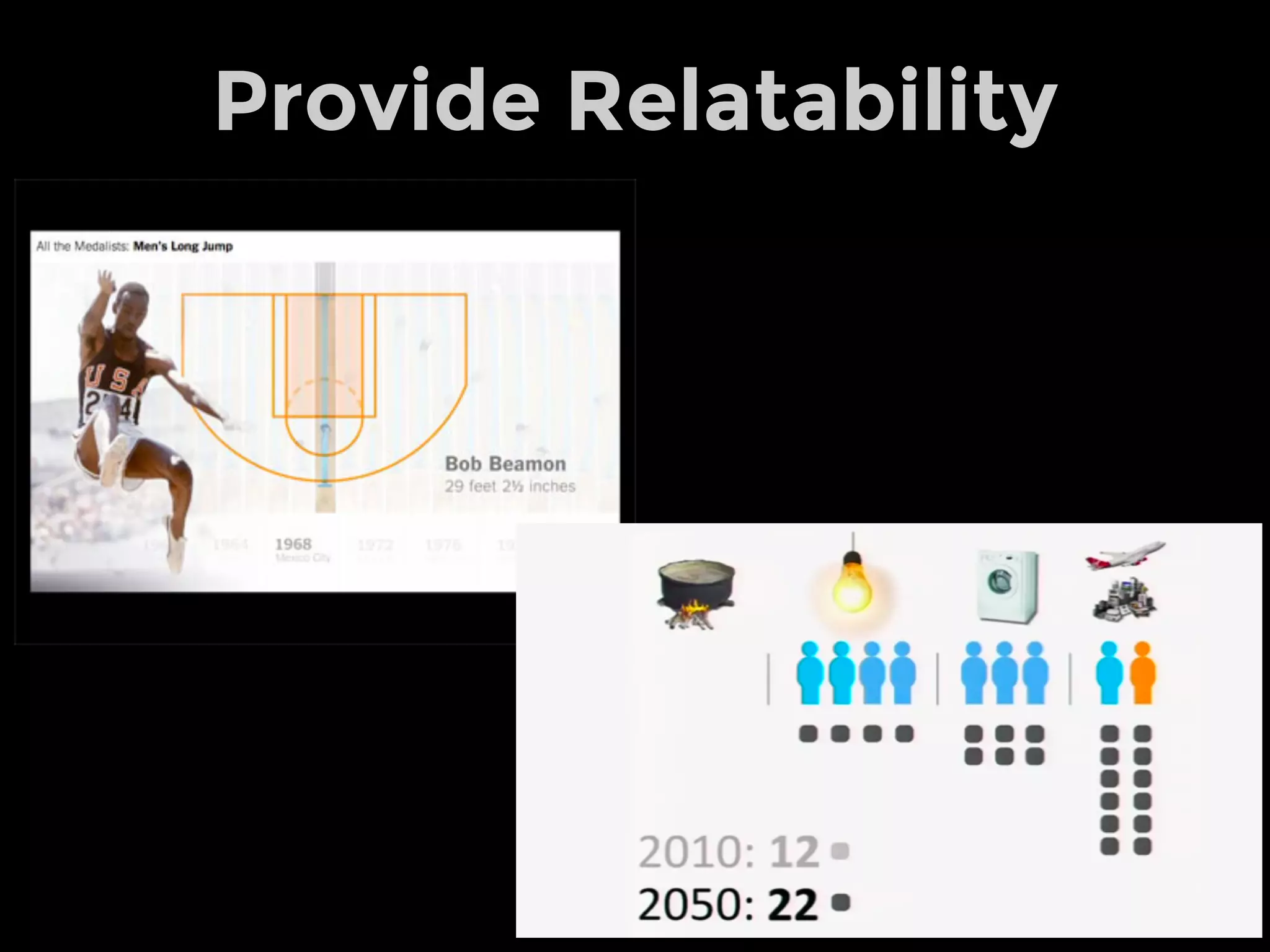
Provide Relatability
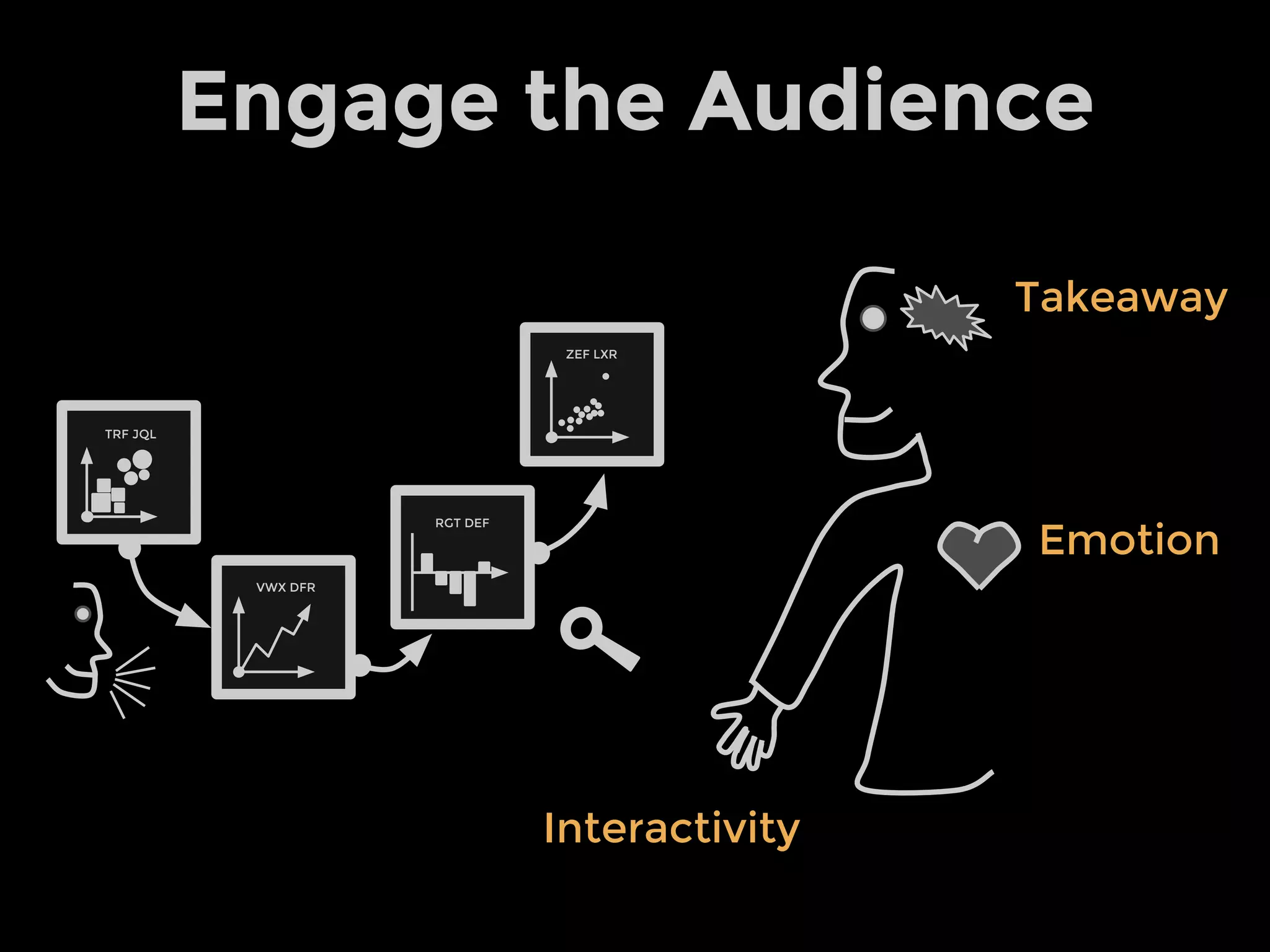
Engage the Audience
TRF JQL
VWX DFR
RGT DEF
ZEF LXR
Emotion
Takeaway
Interactivity
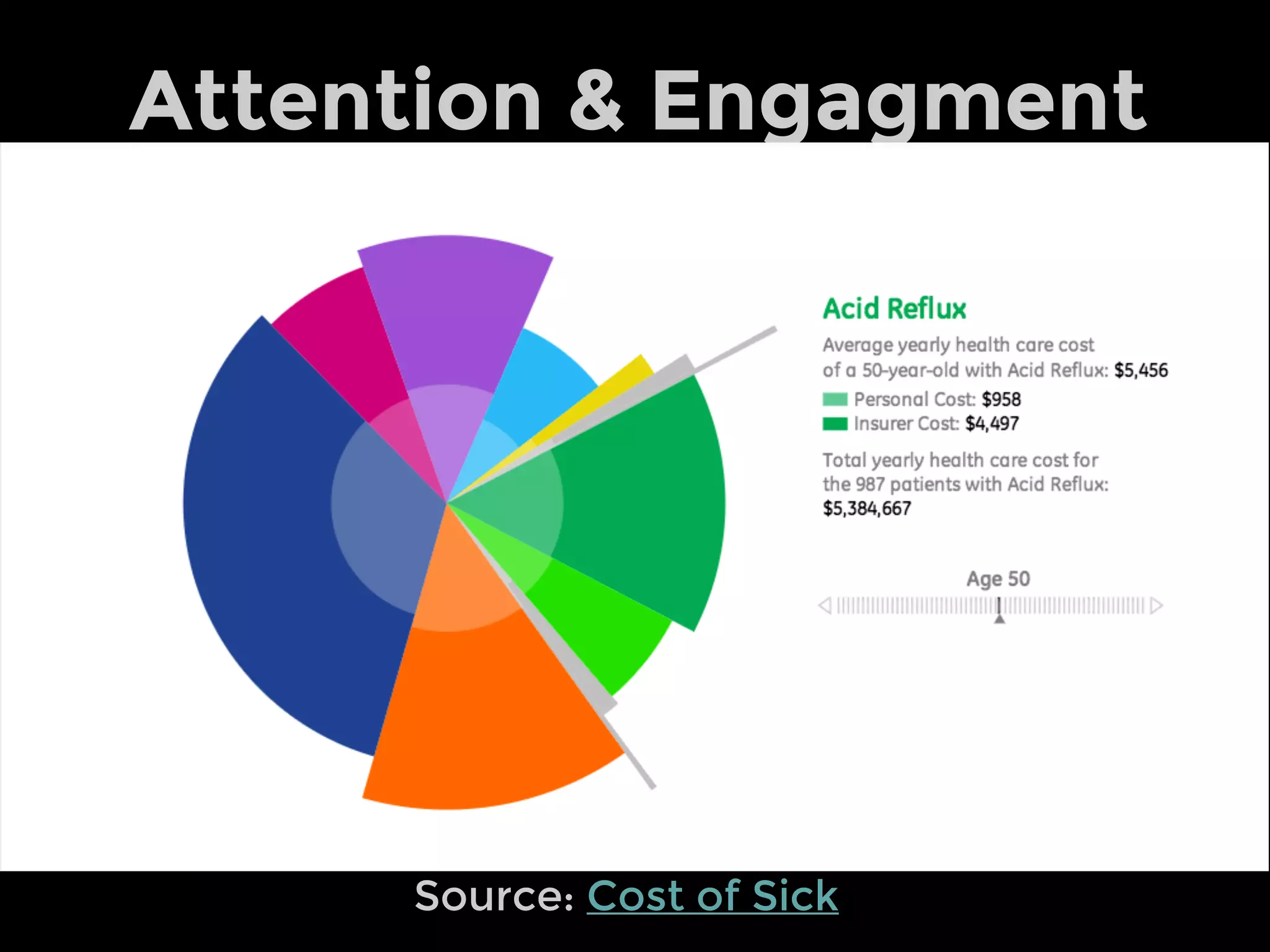
Attention & Engagment
Source: Cost of Sick
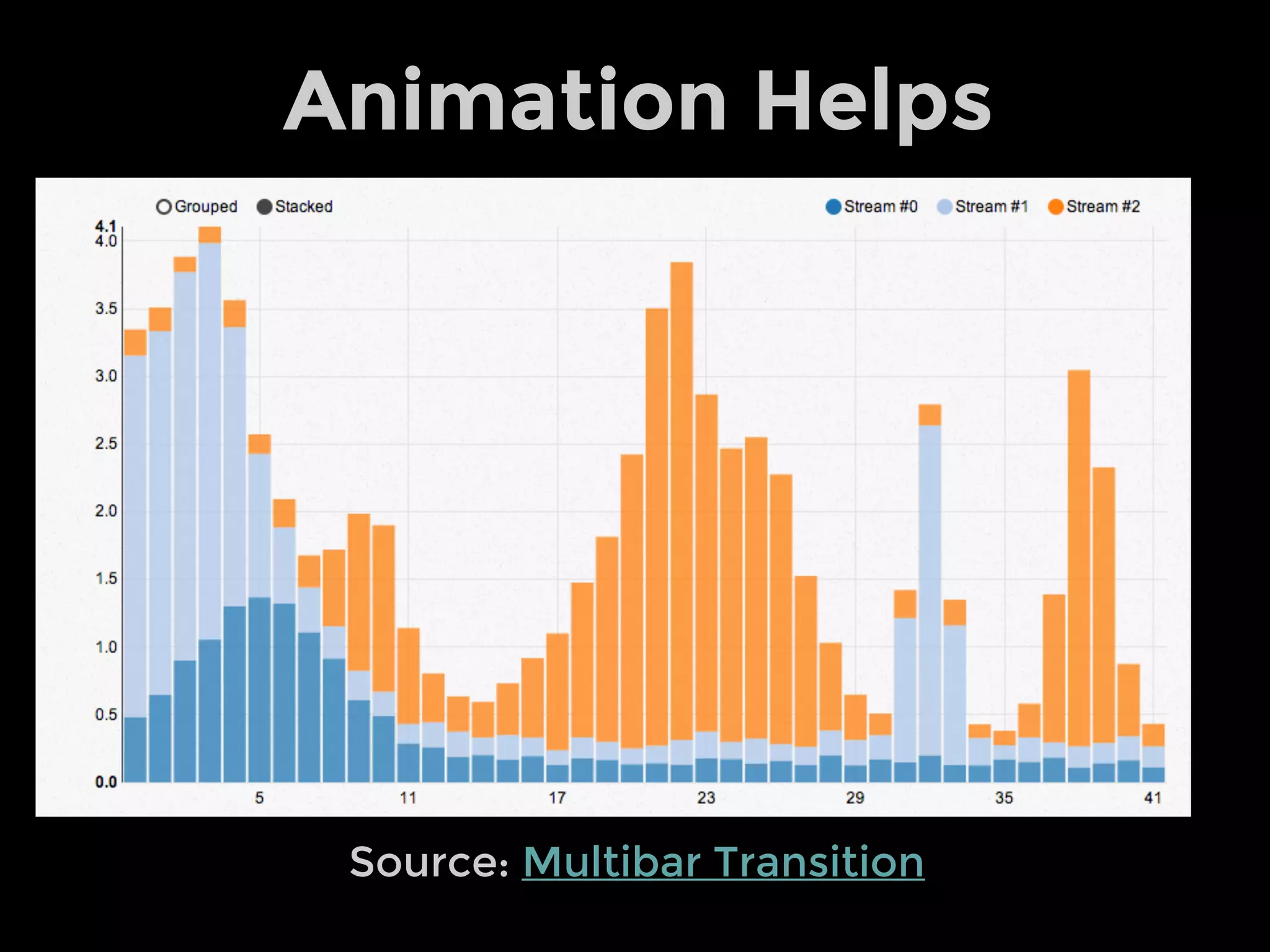
Animation Helps
Source: Multibar Transition
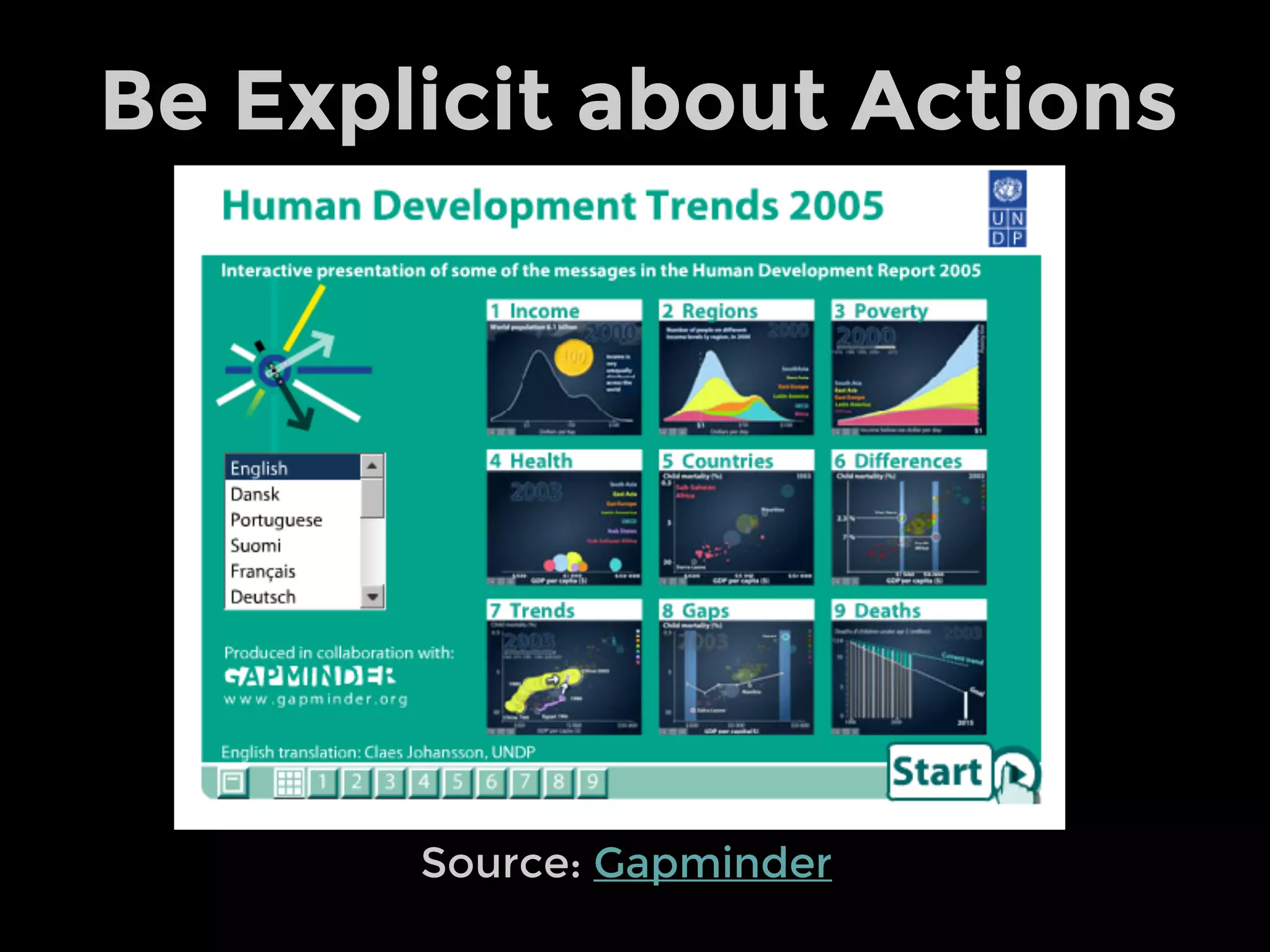
Be Explicit about Actions
Source: Gapminder
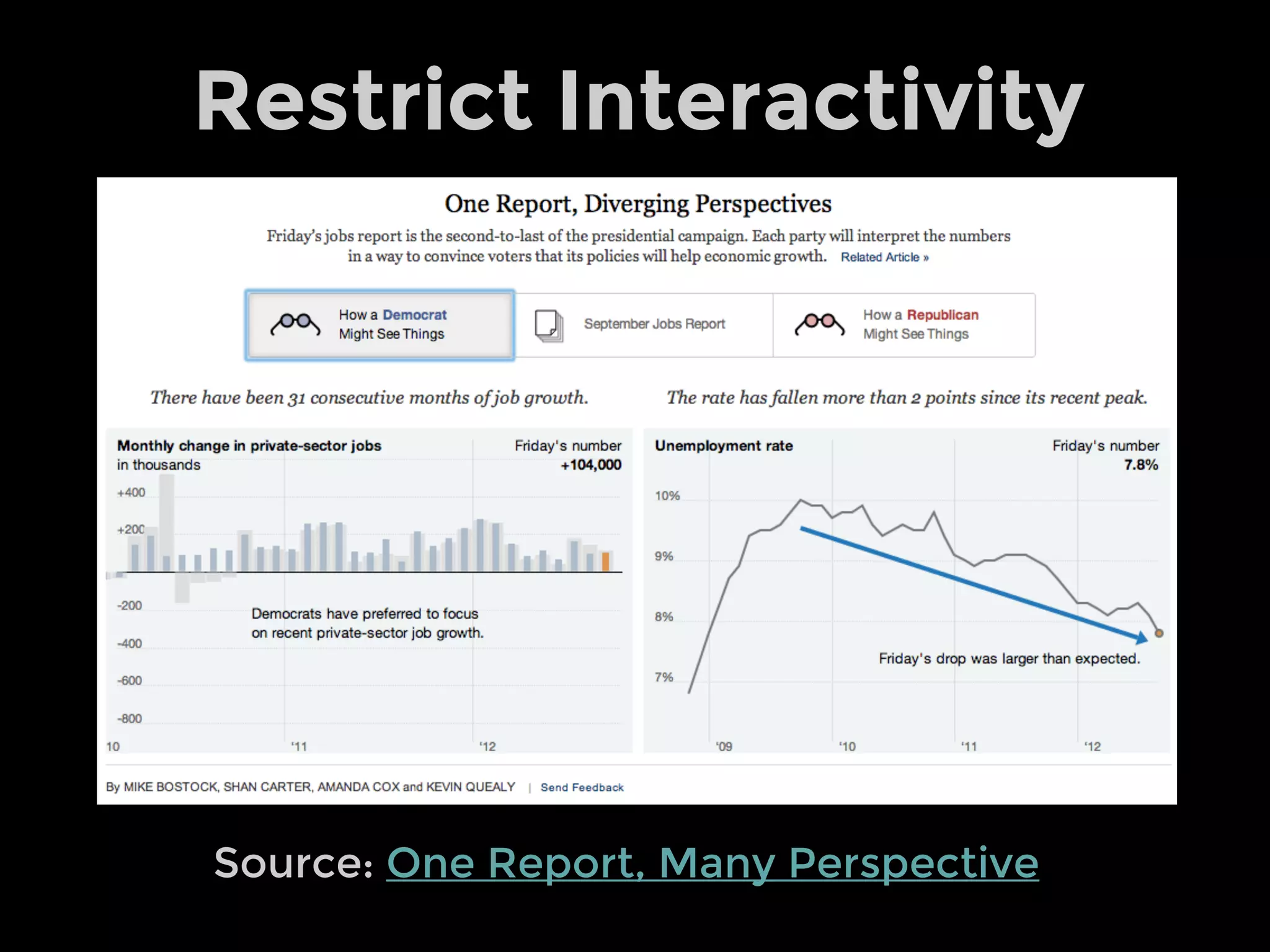
Restrict Interactivity
Source: One Report, Many Perspective
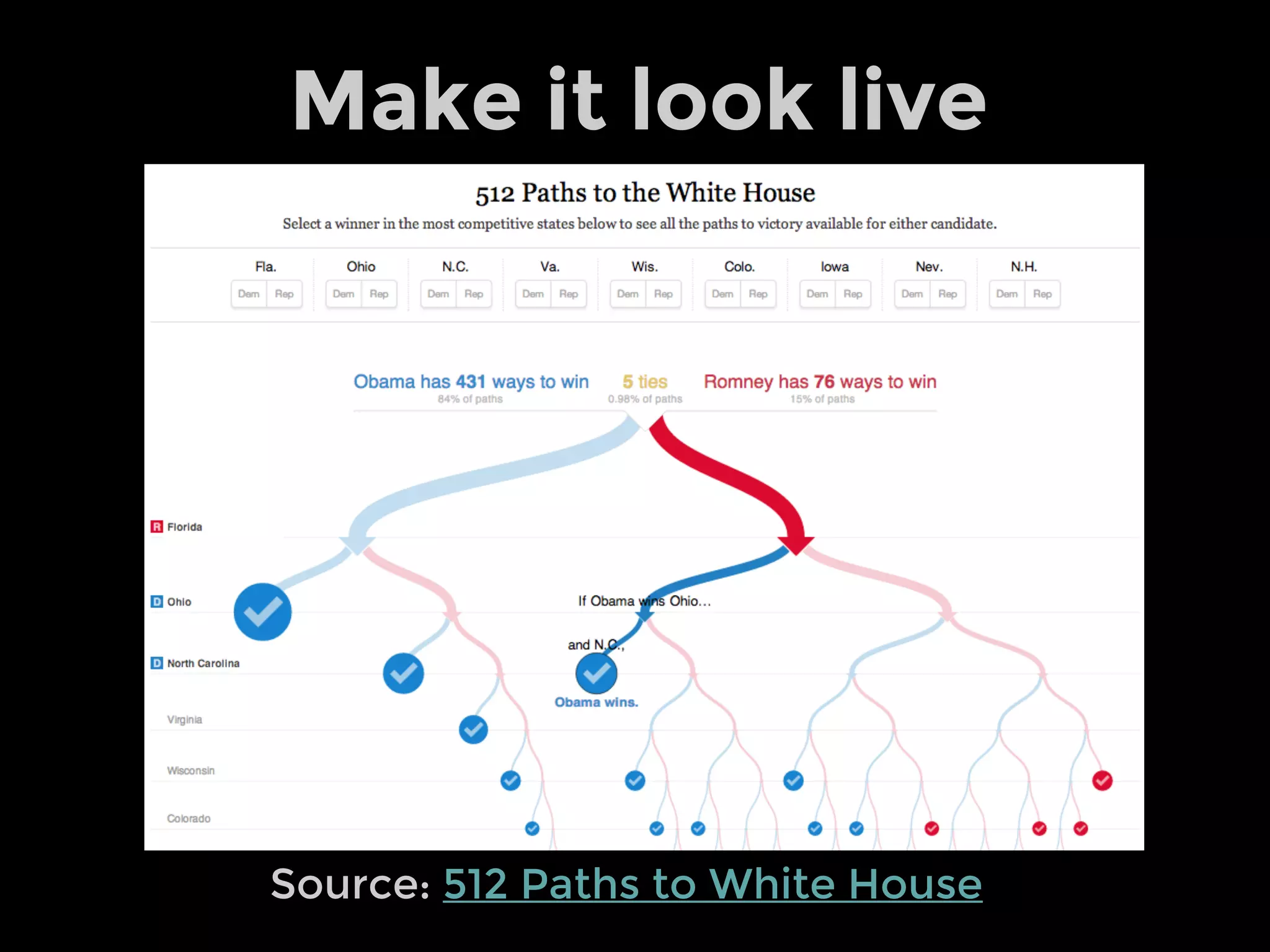
Make it look live
Source: 512 Paths to White House
Make it look live
Source: Obama's Path
Make Interaction Easy
Source: Health and Wealth of Nation
Linear Navigation: Story Like
Source: NY Times
Science or Art?
Science
Perceptual Psychology
Cognitive Science
Graphic Design
Data Analysis
Art
Emotional
Aesthetic sense
Craft and Skill
Creativity
Six Thinking Hats
Facts Creativity
Feelings
Benefits
Caution Process
Visualization Skill Hats
Data
Scientist
Visual
Designer
Storyteller
Explorer
Programmer Manager
Visualization Tools
Tools Landscape
Abstract
Flexible
Difficult
Slow
Code
Expressive
Blackbox
Limited
Simple
Quick
GUI
Efficient
Tools Landscape
Abstract, Flexible, Difficult
Slow, Code, Expressive
Blackbox, Limited, Simple
Quick, GUI, Efficient
Tools Landscape
Abstract, Flexible, Difficult
Slow, Code, Expressive
Blackbox, Limited, Simple
Quick, GUI, Efficient
Canvas Grammar Charting
Collection of fixed
charts that require
data to be shaped
in a particular way
Excel
Mondrian
Many Eyes
Google Charts
HighCharts
Fusion Charts
Collection of
graphical primitives
for creating data
driven graphics
R-ggplot2
SPSS
raw
d3.js
Vega
Bokeh
Paint directly on a
pixel grid. Design &
manage every
element of chart
Processing
Nodebox
sketchpad
Raphael.js
Paper.js
Processing.js
Visual
Visual analysis
languages allowing
flexibility to design
many variants
Tableau
Gephi
plot.ly
...
Amit Kapoor
@amitkaps
Partner, narrativeVIZ Consulting
amit@narrativeviz.com
Find this presentation and more at
http://narrativeviz.com/playbook

Storytelling with Data - See | Show | Tell | Engage