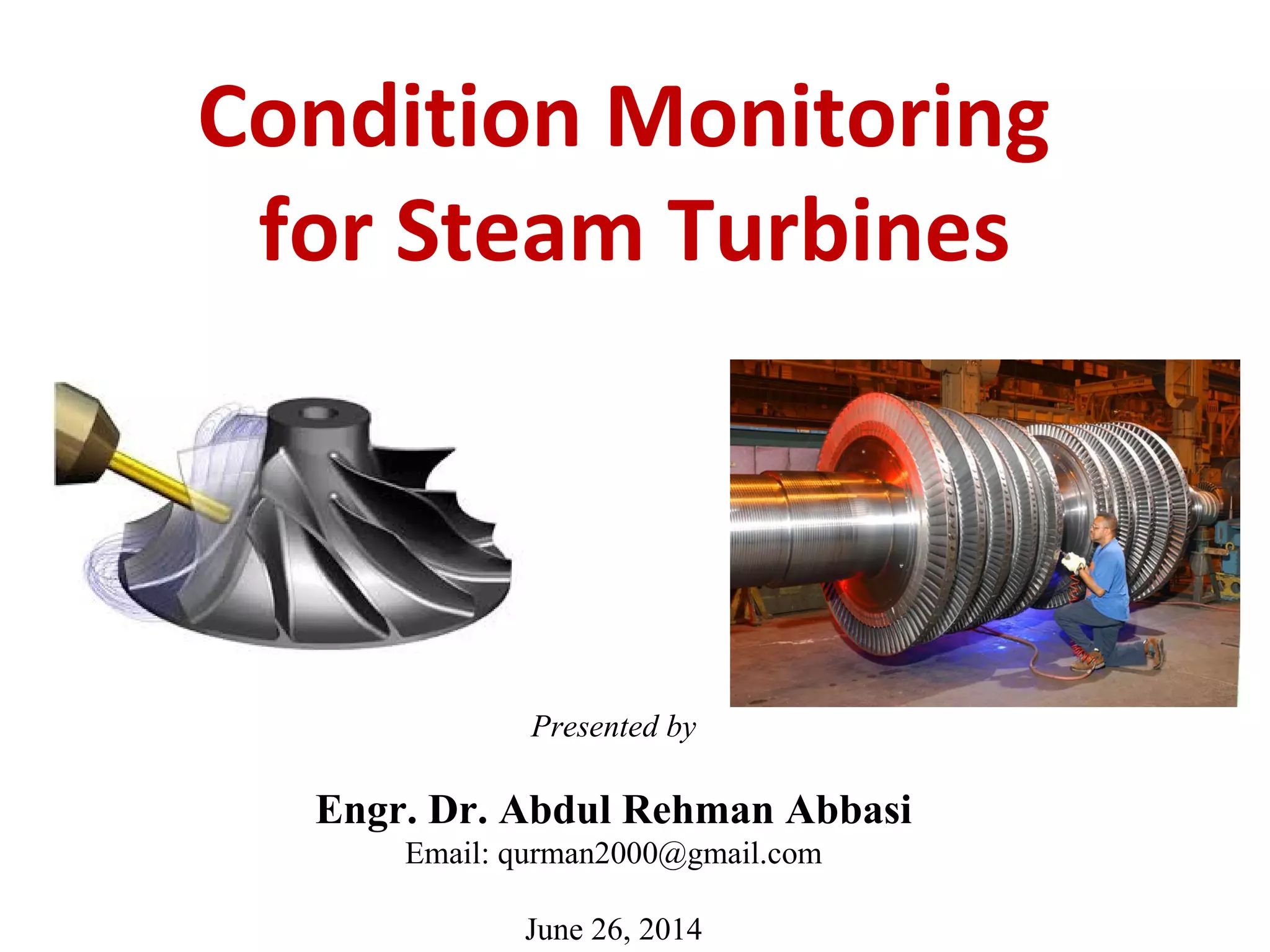
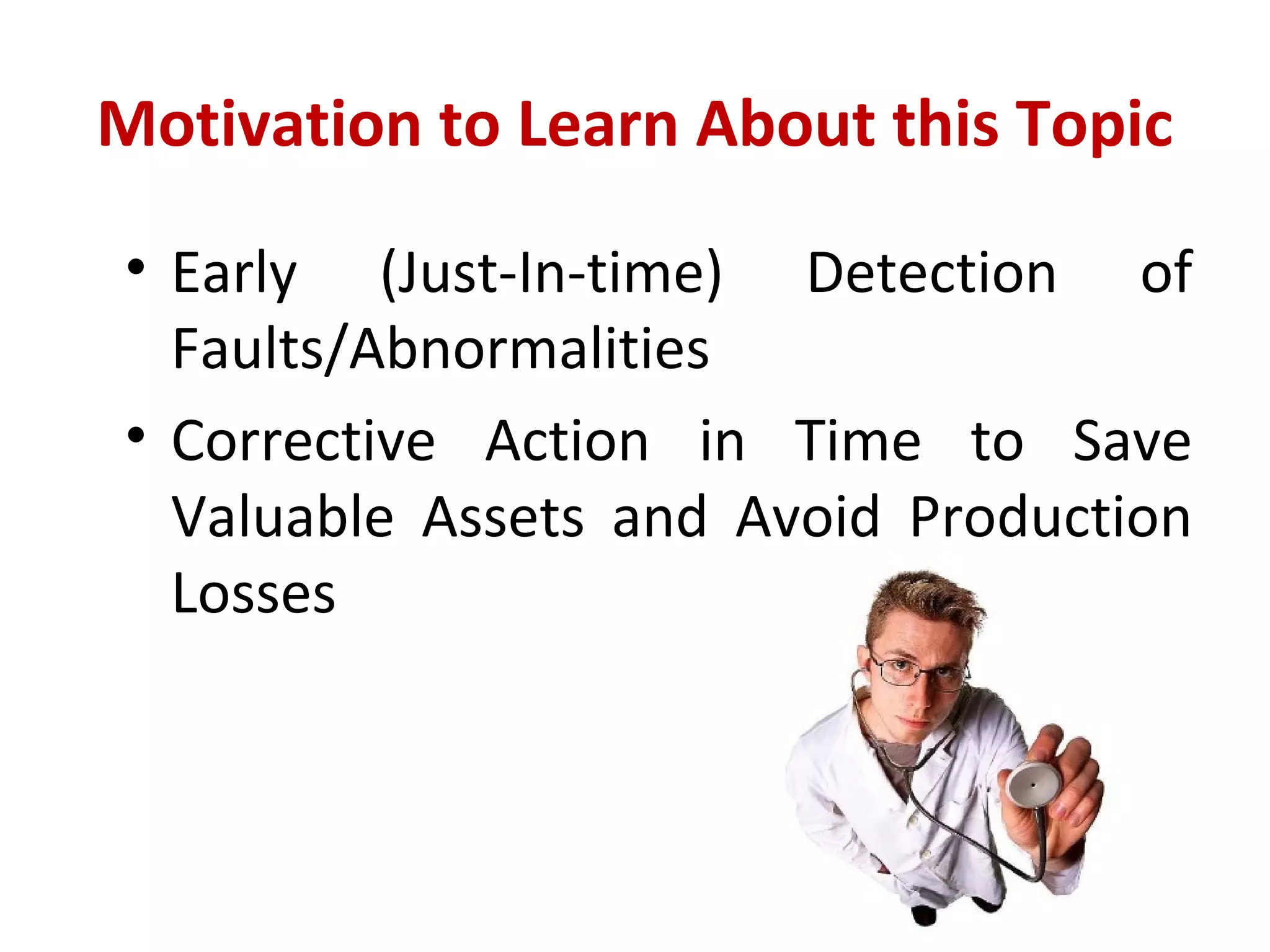
Condition Monitoring
for Steam Turbines
Presented by
Engr. Dr. Abdul Rehman Abbasi
Email: qurman2000@gmail.com
June 26, 2014
Motivation to Learn About this Topic
• Early (Just-In-time) Detection of
Faults/Abnormalities
• Corrective Action in Time to Save
Valuable Assets and Avoid Production
Losses
What we are going to discuss here:
1. (Steam) Turbine Operation-A Reminder
2. Identify the Monitoring Methods
3. Identify the Failure Modes
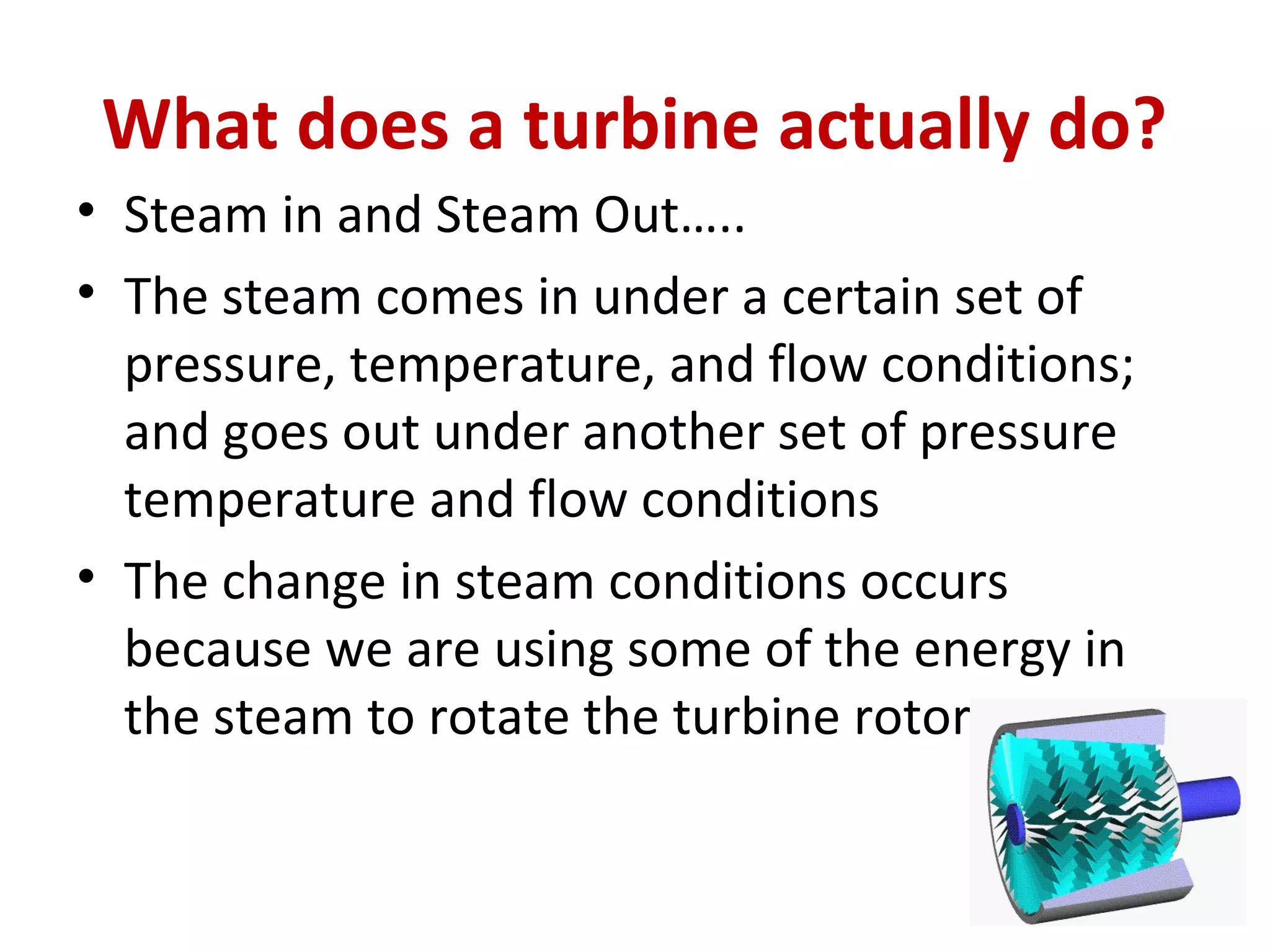
What does a turbine actually do?
• Steam in and Steam Out…..
• The steam comes in under a certain set of
pressure, temperature, and flow conditions;
and goes out under another set of pressure
temperature and flow conditions
• The change in steam conditions occurs
because we are using some of the energy in
the steam to rotate the turbine rotor
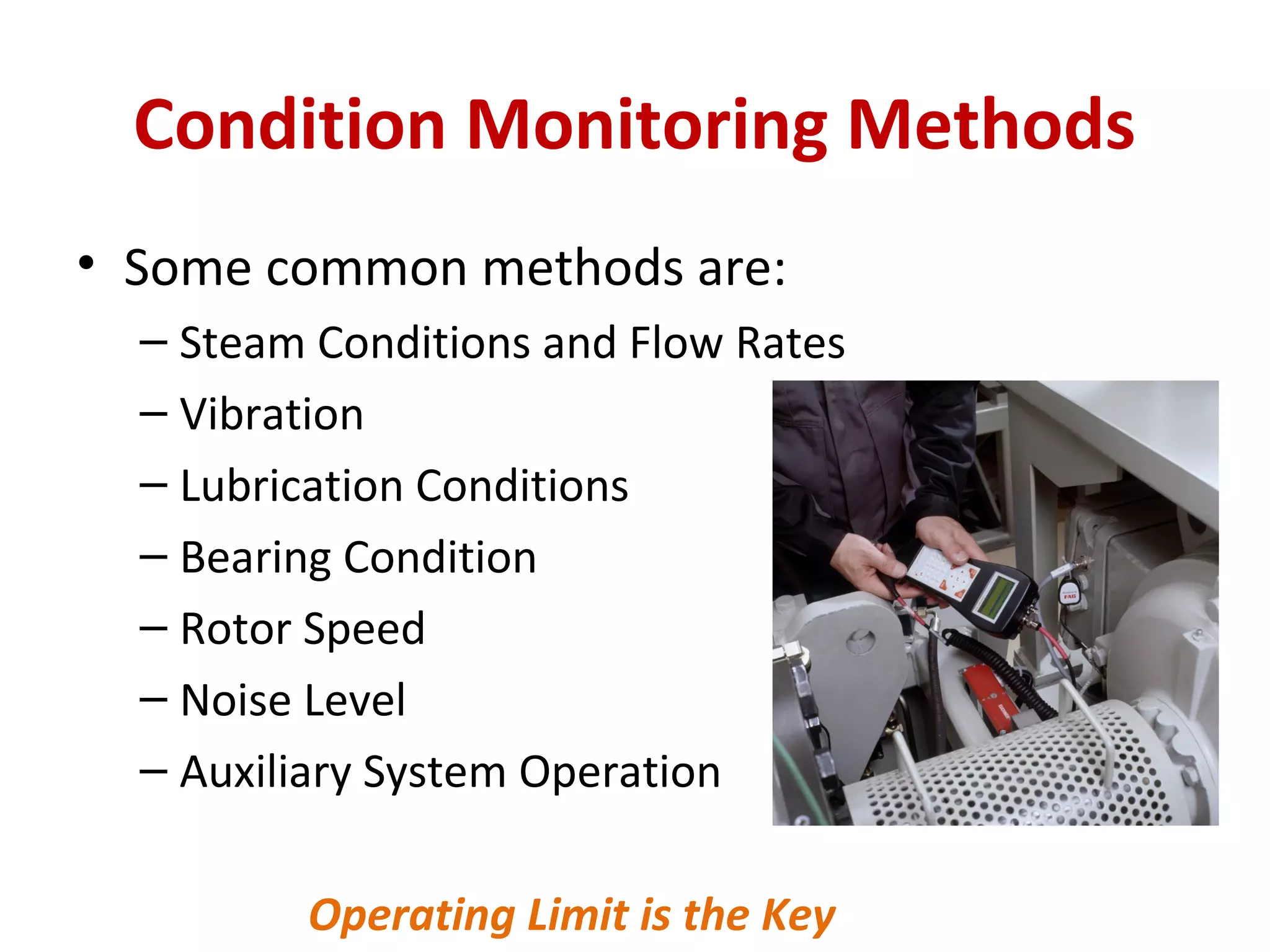
Condition Monitoring Methods
• Some common methods are:
– Steam Conditions and Flow Rates
– Vibration
– Lubrication Conditions
– Bearing Condition
– Rotor Speed
– Noise Level
– Auxiliary System Operation
Operating Limit is the Key
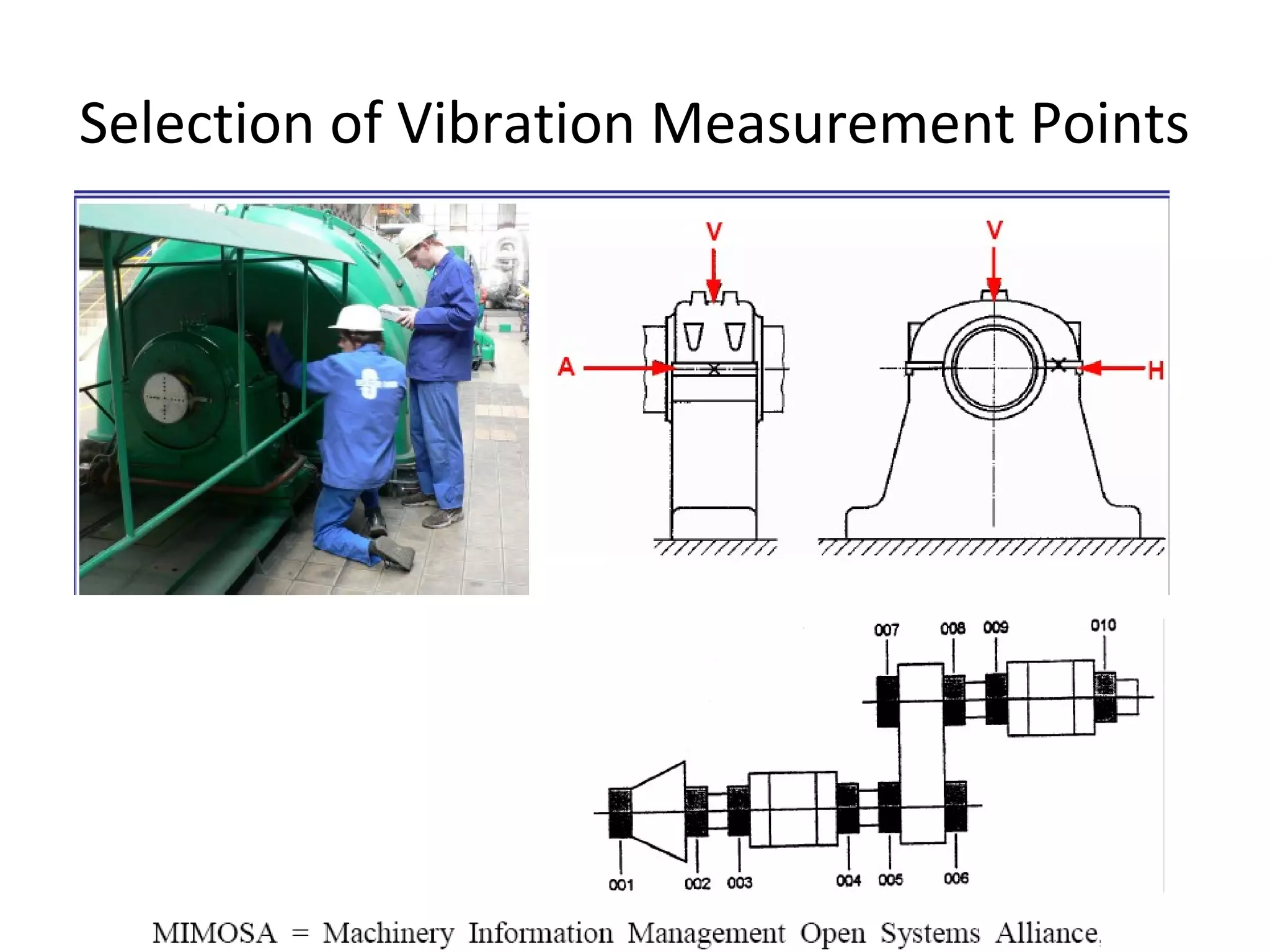
Selection of Vibration Measurement Points
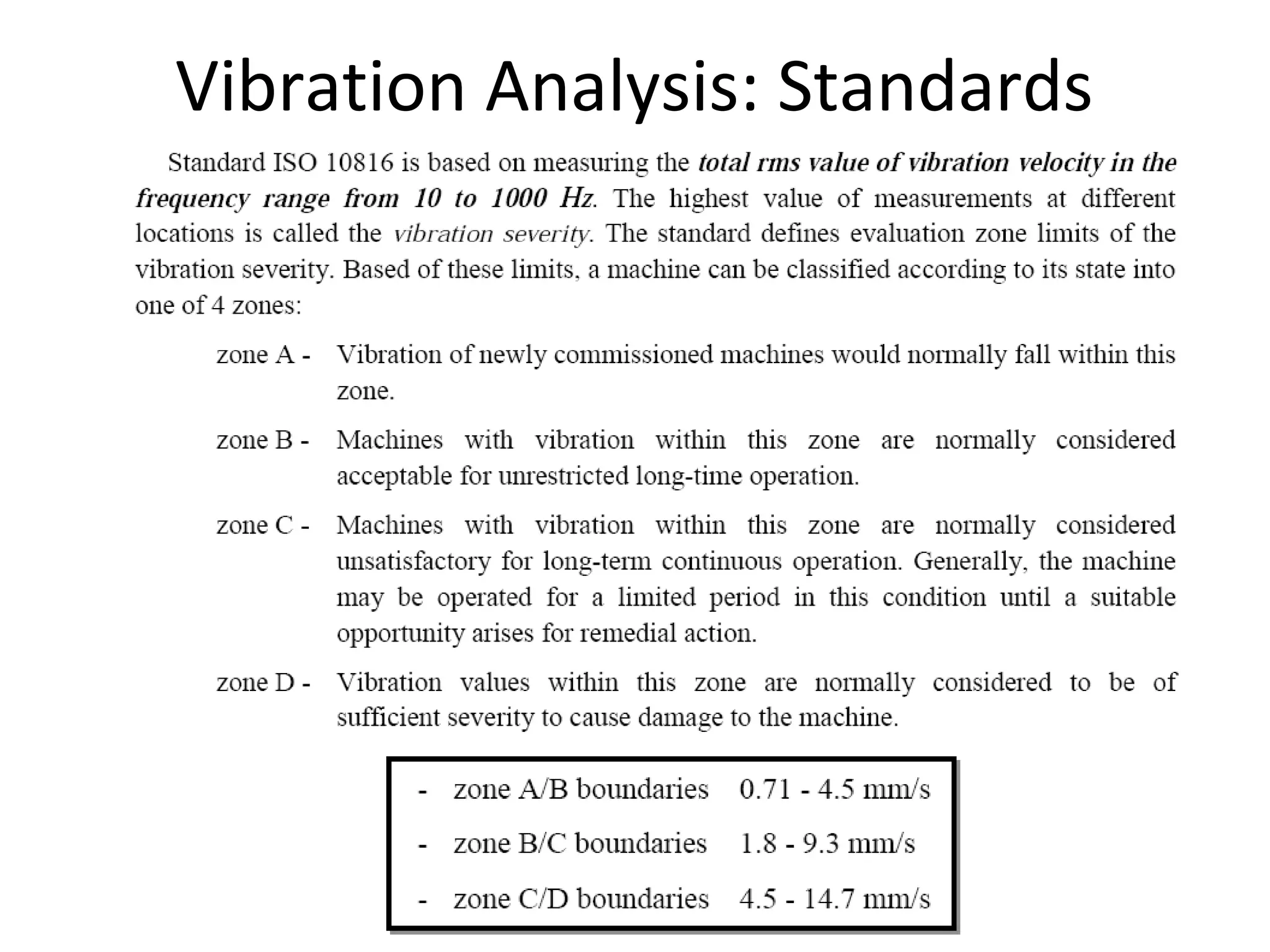
Vibration Analysis: Standards
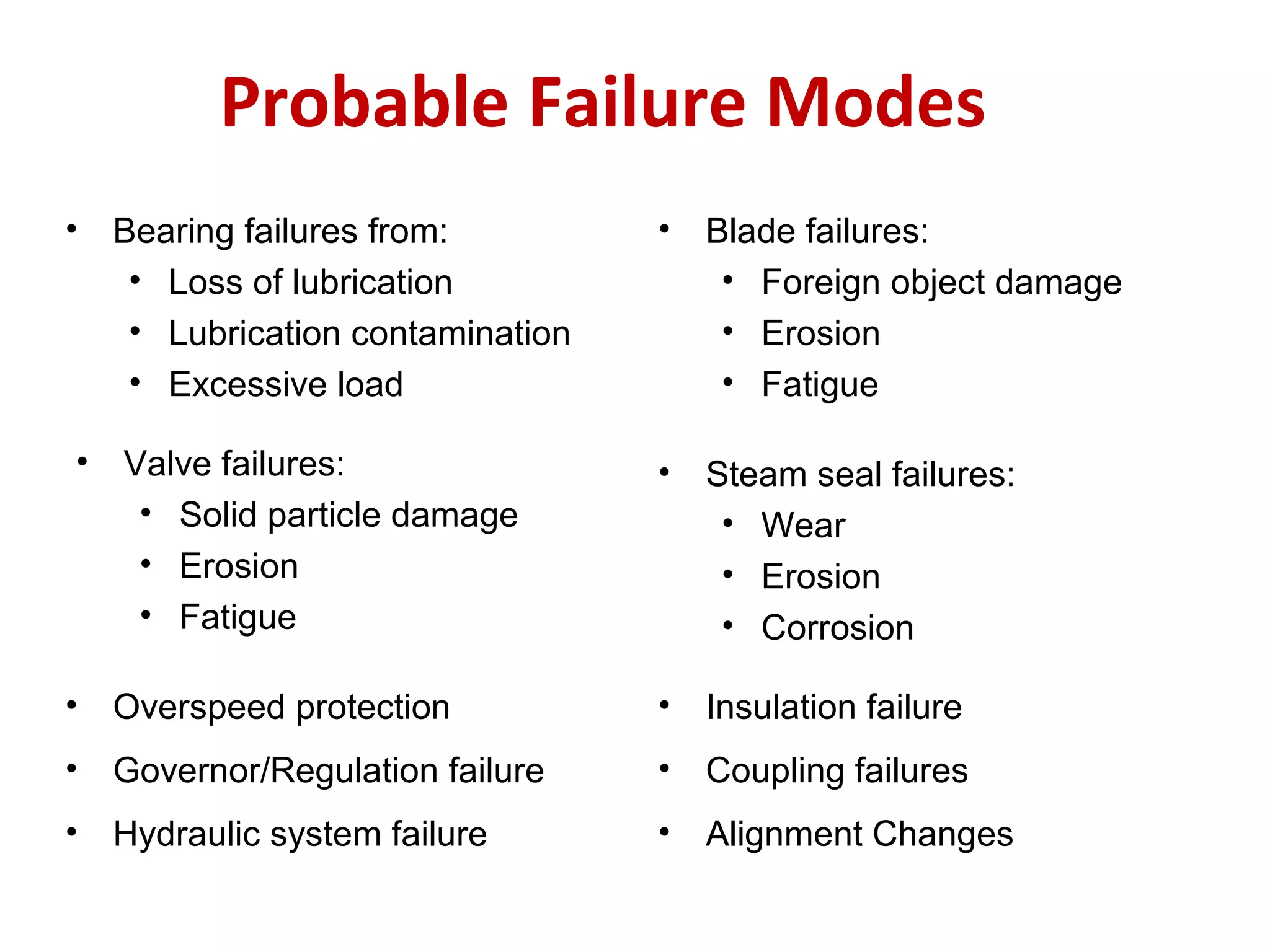
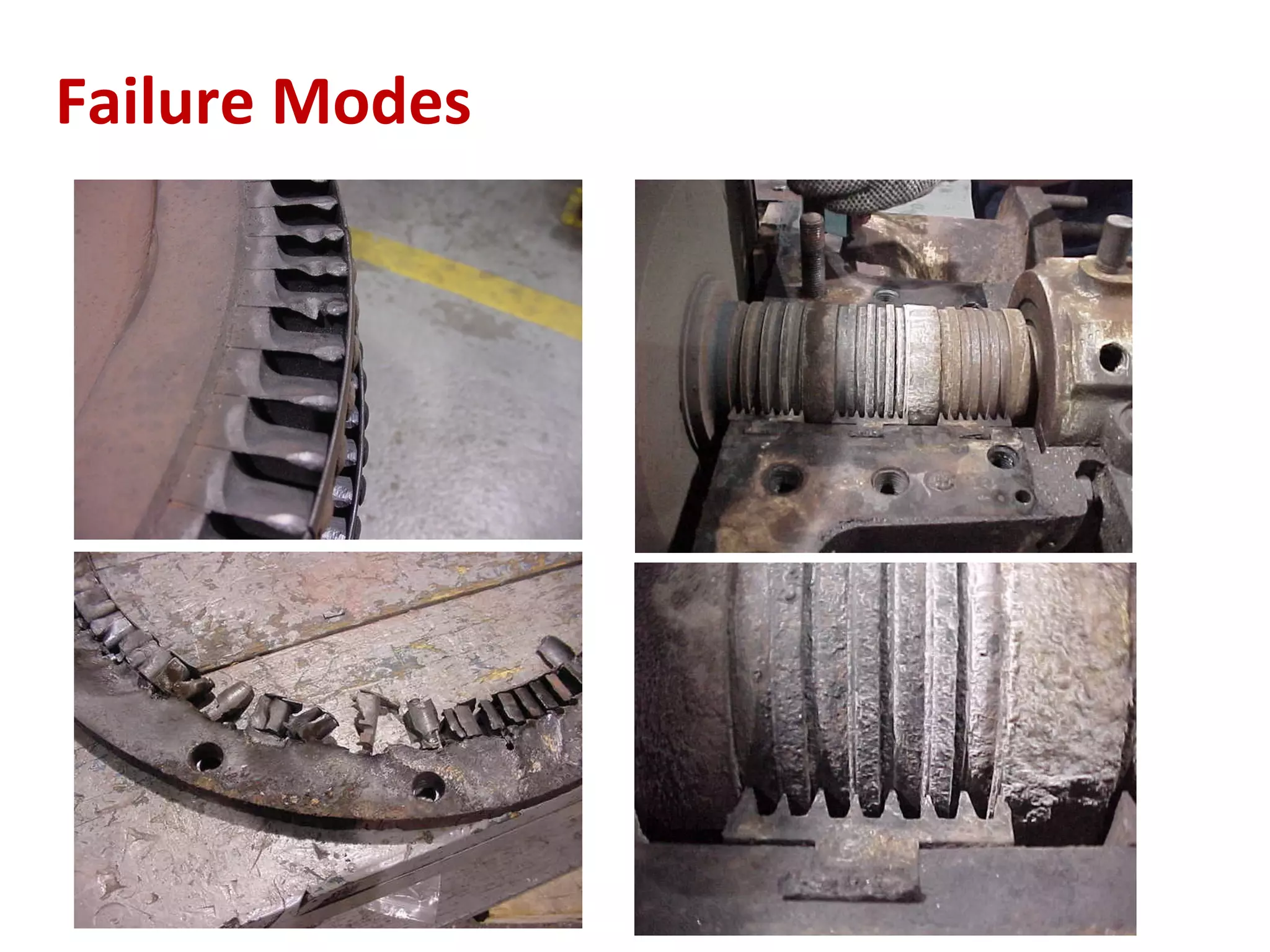
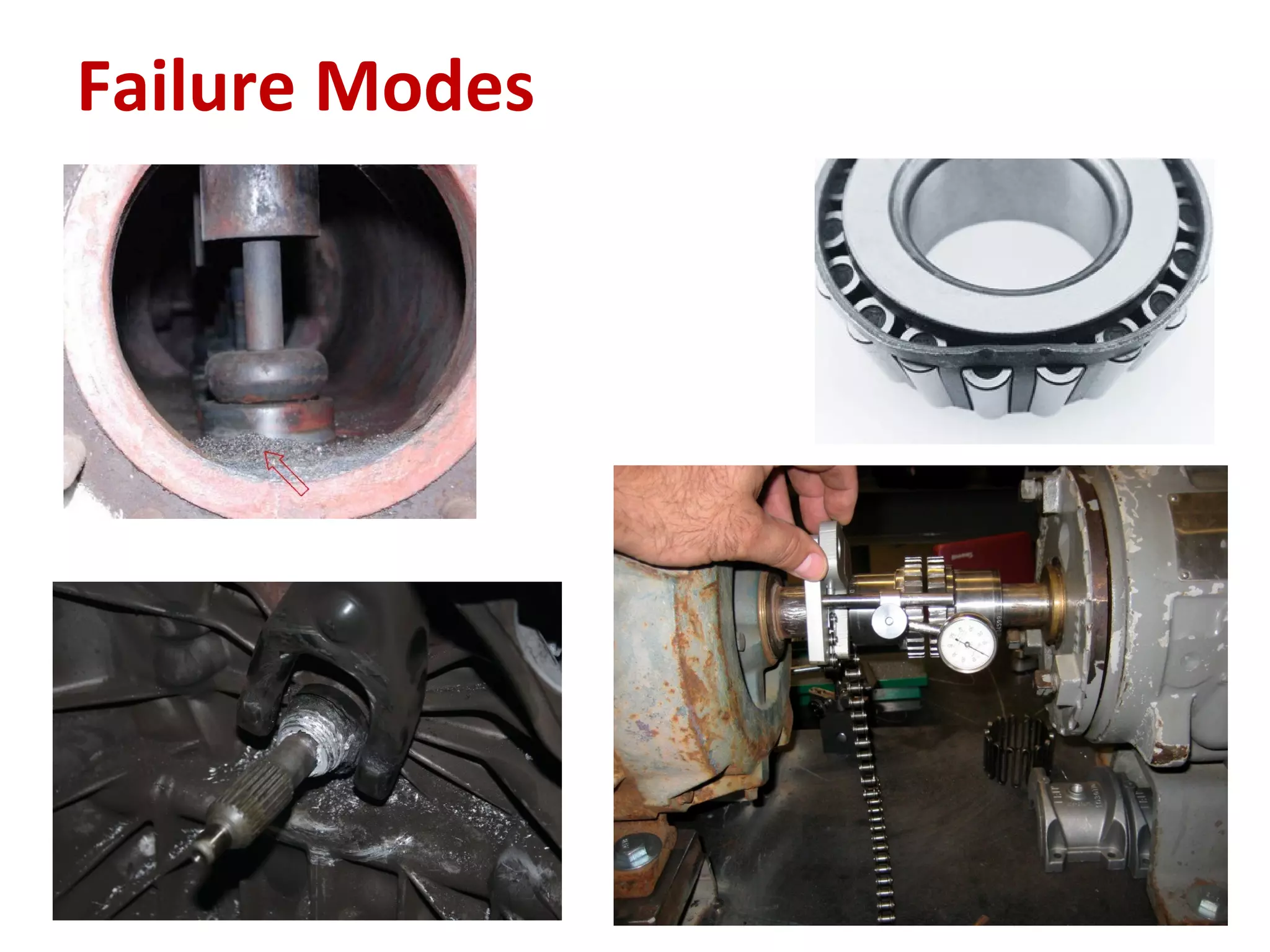
Probable Failure Modes
• Bearing failures from:
• Loss of lubrication
• Lubrication contamination
• Excessive load
• Overspeed protection
• Blade failures:
• Foreign object damage
• Erosion
• Fatigue
• Valve failures:
• Solid particle damage
• Erosion
• Fatigue
• Steam seal failures:
• Wear
• Erosion
• Corrosion
• Governor/Regulation failure
• Insulation failure
• Coupling failures
• Hydraulic system failure • Alignment Changes
Failure Modes
Failure Modes
Conclusion
• Condition monitoring of steam turbine is
critical to identify faults and provide remedies
• Condition monitoring methods are there to
ascertain equipment condition
• Failure modes could be prevented by
appropriate condition monitoring and
preventive measures

Steam turbine condition monitoring

  • 1.
    Condition Monitoring for SteamTurbines Presented by Engr. Dr. Abdul Rehman Abbasi Email: qurman2000@gmail.com June 26, 2014
  • 2.
    Motivation to LearnAbout this Topic • Early (Just-In-time) Detection of Faults/Abnormalities • Corrective Action in Time to Save Valuable Assets and Avoid Production Losses
  • 3.
    What we aregoing to discuss here: 1. (Steam) Turbine Operation-A Reminder 2. Identify the Monitoring Methods 3. Identify the Failure Modes
  • 4.
    What does aturbine actually do? • Steam in and Steam Out….. • The steam comes in under a certain set of pressure, temperature, and flow conditions; and goes out under another set of pressure temperature and flow conditions • The change in steam conditions occurs because we are using some of the energy in the steam to rotate the turbine rotor
  • 5.
    Condition Monitoring Methods •Some common methods are: – Steam Conditions and Flow Rates – Vibration – Lubrication Conditions – Bearing Condition – Rotor Speed – Noise Level – Auxiliary System Operation Operating Limit is the Key
  • 6.
    Selection of VibrationMeasurement Points
  • 7.
  • 8.
    Probable Failure Modes •Bearing failures from: • Loss of lubrication • Lubrication contamination • Excessive load • Overspeed protection • Blade failures: • Foreign object damage • Erosion • Fatigue • Valve failures: • Solid particle damage • Erosion • Fatigue • Steam seal failures: • Wear • Erosion • Corrosion • Governor/Regulation failure • Insulation failure • Coupling failures • Hydraulic system failure • Alignment Changes
  • 9.
  • 10.
  • 11.
    Conclusion • Condition monitoringof steam turbine is critical to identify faults and provide remedies • Condition monitoring methods are there to ascertain equipment condition • Failure modes could be prevented by appropriate condition monitoring and preventive measures