Ed Eval & 
Peer Observation 
09.17.2014
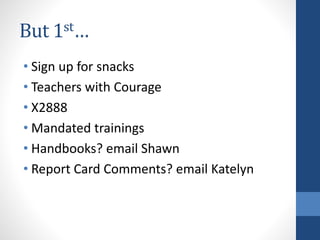
But 1st… 
• Sign up for snacks 
• Teachers with Courage 
• X2888 
• Mandated trainings 
• Handbooks? email Shawn 
• Report Card Comments? email Katelyn
Before we get into the details… 
…let’s wrap our heads around what’s to come.
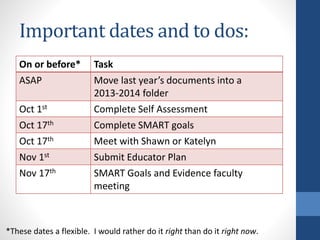
Important dates and to dos: 
On or before* Task 
ASAP Move last year’s documents into a 
2013-2014 folder 
Oct 1st Complete Self Assessment 
Oct 17th Complete SMART goals 
Oct 17th Meet with Shawn or Katelyn 
Nov 1st Submit Educator Plan 
Nov 17th SMART Goals and Evidence faculty 
meeting 
*These dates a flexible. I would rather do it right than do it right now.
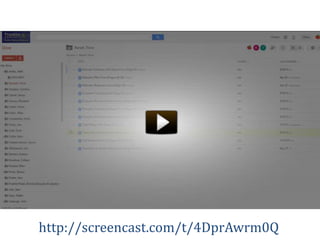
http://screencast.com/t/4DprAwrm0Q
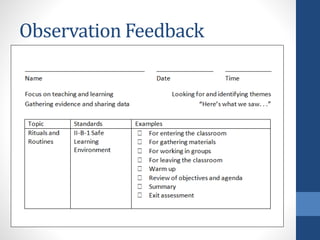
Observation Feedback
Focus on teaching and learning 
Looking for and identifying themes 
Gathering evidence and sharing data 
“Here’s what we saw…” 
dialog.ua.edu/2010/08/back-to-school-2010-back-to-basics/
“The mediocre teacher tells. The good 
teacher explains. The superior teacher 
demonstrates. The great teacher inspires.” 
- William Arthur Ward
This is not 
evaluative.
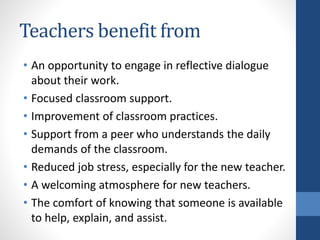
Teachers benefit from 
• An opportunity to engage in reflective dialogue 
about their work. 
• Focused classroom support. 
• Improvement of classroom practices. 
• Support from a peer who understands the daily 
demands of the classroom. 
• Reduced job stress, especially for the new teacher. 
• A welcoming atmosphere for new teachers. 
• The comfort of knowing that someone is available 
to help, explain, and assist.
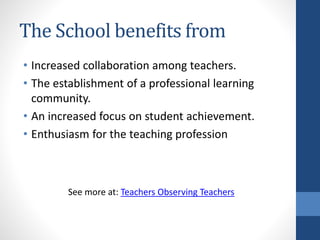
The School benefits from 
• Increased collaboration among teachers. 
• The establishment of a professional learning 
community. 
• An increased focus on student achievement. 
• Enthusiasm for the teaching profession 
See more at: Teachers Observing Teachers
5 High Frequency Behaviors in 
Collaborative Communities 
1. Working Together (Planning, Creating & 
Evaluating Curriculum, Data & Assessments, etc.) 
2. Talking about teaching 
3. Teaching each other about the practice of 
teaching 
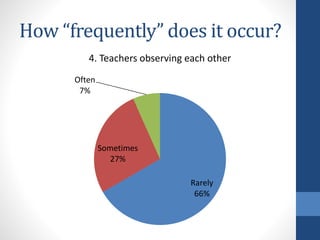
4. Teachers observing each other 
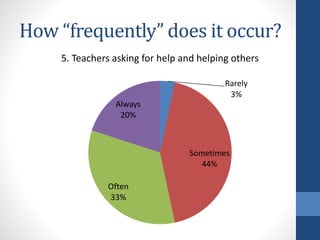
5. Teachers asking for help and helping others
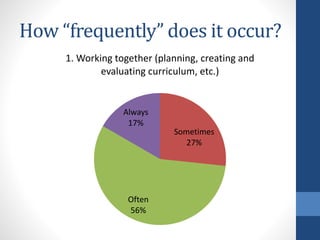
How “frequently” does it occur? 
1. Working together (planning, creating and 
evaluating curriculum, etc.) 
Sometimes 
27% 
Always 
17% 
Often 
56%
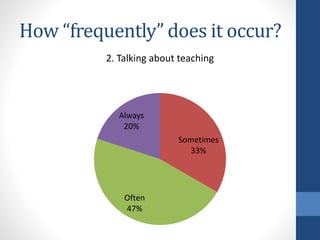
How “frequently” does it occur? 
2. Talking about teaching 
Sometimes 
33% 
Always 
20% 
Often 
47%
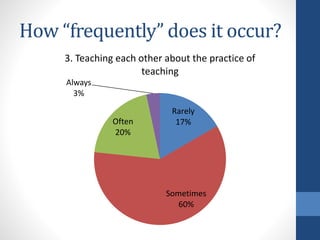
How “frequently” does it occur? 
3. Teaching each other about the practice of 
Rarely 
17% 
Sometimes 
60% 
Often 
20% 
Always 
3% 
teaching
How “frequently” does it occur? 
4. Teachers observing each other 
Rarely 
66% 
Sometimes 
27% 
Often 
7%
How “frequently” does it occur? 
5. Teachers asking for help and helping others 
Rarely 
3% 
Sometimes 
44% 
Always 
20% 
Often 
33%

Sep 17

  • 1.
    Ed Eval & Peer Observation 09.17.2014
  • 2.
    But 1st… •Sign up for snacks • Teachers with Courage • X2888 • Mandated trainings • Handbooks? email Shawn • Report Card Comments? email Katelyn
  • 3.
    Before we getinto the details… …let’s wrap our heads around what’s to come.
  • 4.
    Important dates andto dos: On or before* Task ASAP Move last year’s documents into a 2013-2014 folder Oct 1st Complete Self Assessment Oct 17th Complete SMART goals Oct 17th Meet with Shawn or Katelyn Nov 1st Submit Educator Plan Nov 17th SMART Goals and Evidence faculty meeting *These dates a flexible. I would rather do it right than do it right now.
  • 5.
  • 7.
  • 8.
    Focus on teachingand learning Looking for and identifying themes Gathering evidence and sharing data “Here’s what we saw…” dialog.ua.edu/2010/08/back-to-school-2010-back-to-basics/
  • 9.
    “The mediocre teachertells. The good teacher explains. The superior teacher demonstrates. The great teacher inspires.” - William Arthur Ward
  • 10.
    This is not evaluative.
  • 12.
    Teachers benefit from • An opportunity to engage in reflective dialogue about their work. • Focused classroom support. • Improvement of classroom practices. • Support from a peer who understands the daily demands of the classroom. • Reduced job stress, especially for the new teacher. • A welcoming atmosphere for new teachers. • The comfort of knowing that someone is available to help, explain, and assist.
  • 13.
    The School benefitsfrom • Increased collaboration among teachers. • The establishment of a professional learning community. • An increased focus on student achievement. • Enthusiasm for the teaching profession See more at: Teachers Observing Teachers
  • 14.
    5 High FrequencyBehaviors in Collaborative Communities 1. Working Together (Planning, Creating & Evaluating Curriculum, Data & Assessments, etc.) 2. Talking about teaching 3. Teaching each other about the practice of teaching 4. Teachers observing each other 5. Teachers asking for help and helping others
  • 15.
    How “frequently” doesit occur? 1. Working together (planning, creating and evaluating curriculum, etc.) Sometimes 27% Always 17% Often 56%
  • 16.
    How “frequently” doesit occur? 2. Talking about teaching Sometimes 33% Always 20% Often 47%
  • 17.
    How “frequently” doesit occur? 3. Teaching each other about the practice of Rarely 17% Sometimes 60% Often 20% Always 3% teaching
  • 18.
    How “frequently” doesit occur? 4. Teachers observing each other Rarely 66% Sometimes 27% Often 7%
  • 19.
    How “frequently” doesit occur? 5. Teachers asking for help and helping others Rarely 3% Sometimes 44% Always 20% Often 33%