Hina Khurshid
           QA/QC Corp


SELECTION OF FILLER WIRE

Reference code: ASME relevant codes
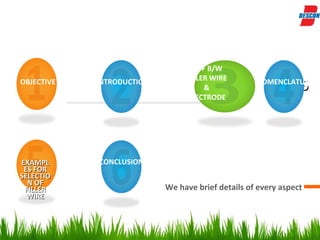
DIFF B/W
                                FILLER WIRE
OBJECTIVE   INTRODUCTION
                                     &                  DSTS
                                                   NOMENCLATURE
                                ELECTRODE


EXAMPL      CONCLUSION
 ES FOR
SELECTIO
  N OF
 FILLER                    We have brief details of every aspect
  WIRE
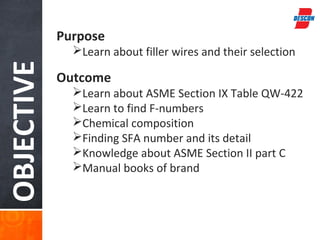
OBJECTIVE
Purpose
              Learn about filler wires and their selection
OBJECTIVE
            Outcome
              Learn about ASME Section IX Table QW-422
              Learn to find F-numbers
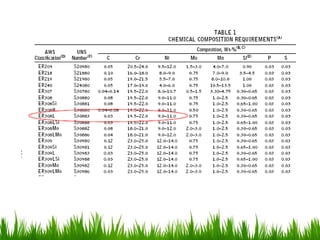
              Chemical composition
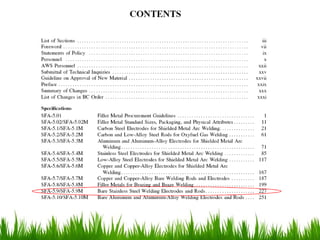
              Finding SFA number and its detail
              Knowledge about ASME Section II part C
              Manual books of brand
INTRODUCTION
INTRODUCTION   A filler metal is a metal added in the
               making of joint during welding, brazing
               and soldering.
               (Ref: ASME Section IX, Definitions)


                 Filler wire is in wire and particle form.
DIFFERENCE B/W FILLER
WIRE & ELECTRODE
DIFF B/W FILLER WIRE

                       The basic difference is of coating
& ELECTRODE


                       With coating = Electrode (E)
                       Without coating = Filler wire (ER)
NOMENCLATURE
NOMENCLATURE
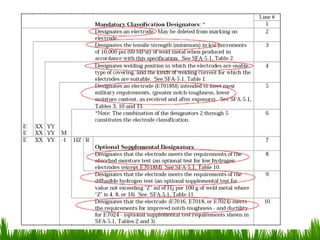
               Filler wires can be divided into two
               designations:
                 a)   Mandatory classification Designators
                 b)   Optional supplementary Designators
EXAMPLES FOR SELECTION
OF FILLER WIRES
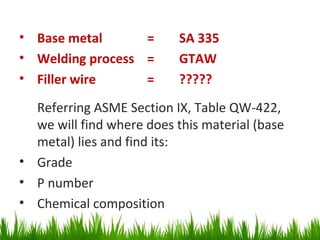
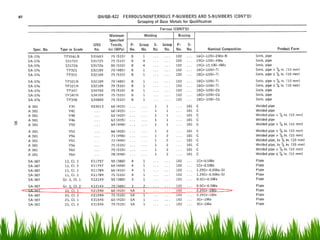
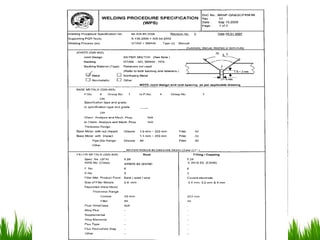
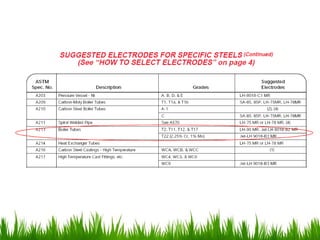
• Base metal      =        SA 335
• Welding process =        GTAW
• Filler wire     =        ?????
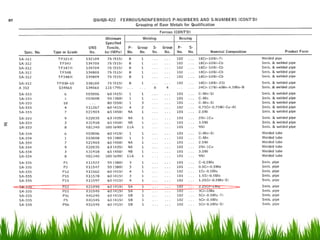
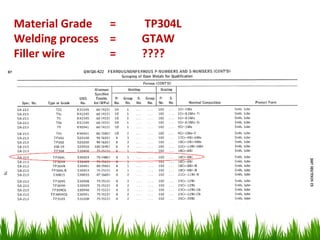
  Referring ASME Section IX, Table QW-422,
  we will find where does this material (base
  metal) lies and find its:
• Grade
• P number
• Chemical composition
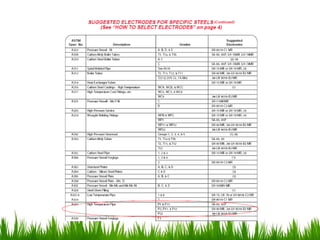
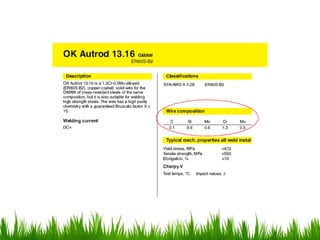
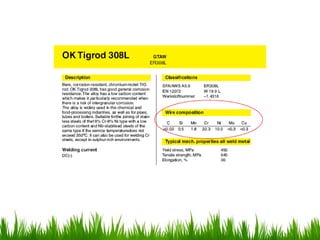
Material Grade =    TP304L
Welding process =   GTAW
Filler wire     =   ????
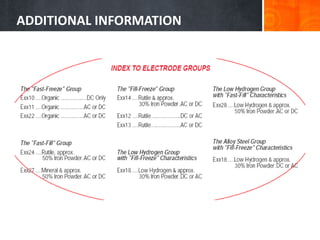
ADDITIONAL INFORMATION
CONCLUSION
CONCLUSION
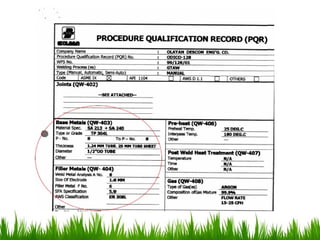
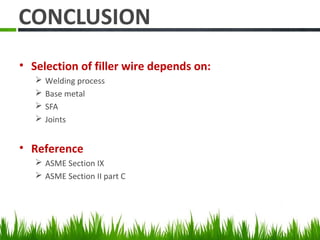
• Selection of filler wire depends on:
      Welding process
      Base metal
      SFA
      Joints


• Reference
    ASME Section IX
    ASME Section II part C
Thank You


"Continuous improvement is not about the things you do well - that's work. Continuous
improvement is about removing the things that get in the way of your work.
The headaches, the things that slow you down, that’s what continuous improvement is
all about". ~Bruce Hamilton

Selection of filler wire

  • 1.
    Hina Khurshid QA/QC Corp SELECTION OF FILLER WIRE Reference code: ASME relevant codes
  • 2.
    DIFF B/W FILLER WIRE OBJECTIVE INTRODUCTION & DSTS NOMENCLATURE ELECTRODE EXAMPL CONCLUSION ES FOR SELECTIO N OF FILLER We have brief details of every aspect WIRE
  • 3.
  • 4.
    Purpose Learn about filler wires and their selection OBJECTIVE Outcome Learn about ASME Section IX Table QW-422 Learn to find F-numbers Chemical composition Finding SFA number and its detail Knowledge about ASME Section II part C Manual books of brand
  • 5.
  • 6.
    INTRODUCTION A filler metal is a metal added in the making of joint during welding, brazing and soldering. (Ref: ASME Section IX, Definitions) Filler wire is in wire and particle form.
  • 7.
  • 8.
    DIFF B/W FILLERWIRE The basic difference is of coating & ELECTRODE With coating = Electrode (E) Without coating = Filler wire (ER)
  • 9.
  • 10.
    NOMENCLATURE Filler wires can be divided into two designations: a) Mandatory classification Designators b) Optional supplementary Designators
  • 12.
  • 13.
    • Base metal = SA 335 • Welding process = GTAW • Filler wire = ????? Referring ASME Section IX, Table QW-422, we will find where does this material (base metal) lies and find its: • Grade • P number • Chemical composition
  • 21.
    Material Grade = TP304L Welding process = GTAW Filler wire = ????
  • 27.
  • 28.
  • 29.
    CONCLUSION • Selection offiller wire depends on:  Welding process  Base metal  SFA  Joints • Reference  ASME Section IX  ASME Section II part C
  • 30.
    Thank You "Continuous improvementis not about the things you do well - that's work. Continuous improvement is about removing the things that get in the way of your work. The headaches, the things that slow you down, that’s what continuous improvement is all about". ~Bruce Hamilton

Editor's Notes

  • #2 This presentation demonstrates the new capabilities of PowerPoint and it is best viewed in Slide Show. These slides are designed to give you great ideas for the presentations you’ll create in PowerPoint 2010! For more sample templates, click the File tab, and then on the New tab, click Sample Templates.