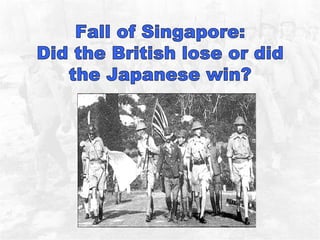
British’s defense system in Singapore Reasons for the fall of Singapore Life under Japanese Political Economic Social  Post-war Singapore Problems and solutions
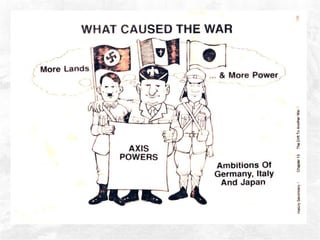
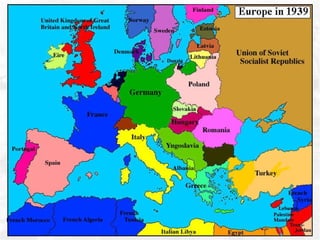
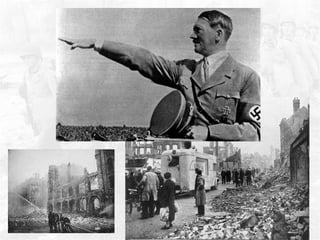
War in Europe Started when Germany invaded Poland.  France declared war on Germany. Britain also joined in the war.  The alliance system in Europe pulled the rest of Europe into the war.  Main Axis powers: Germany, Italy, Japan Main Allies powers: Britain, France, USSR, USA


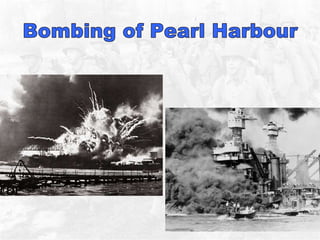
War in Asia Japan was already in a war with China (started in 1937) When Japan bombed Pearl Harbour (1941), USA and Britain declared war on Japan
 
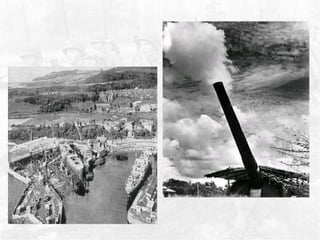
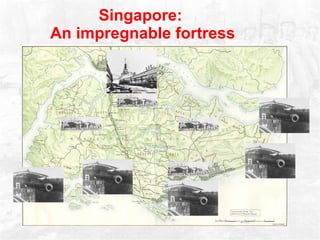
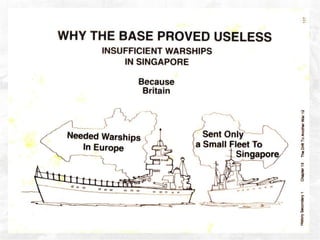
‘ Main fleet to Singapore strategy’ 15-inch guns mounted on ships and faced the sea to prevent any attacks from the sea Building of military airfields and underground bunkers Naval base built in Sembawang
 
The geography of Malaya is a factor in its  defence. The coastal plains are about fifteen  miles in width and filled with mangrove swamps.  The mountain range which runs from north to south  is covered with dense jungle and vast areas which  are almost unknown. Roads are few and heavily  guarded, so that an invading army would be at the  Mercy of defenders securely hidden in the jungle. Quoted in The Japanese Occupation of Malaya 1941-1945 by Paul H Kratoska (textbook pg 99)
Singapore:  An impregnable fortress
 
4-6 people in a group Use the sources given to find out about the reasons for the fall of Singapore.  Fill in the worksheet using information you have found from the sources.  State the source used each piece of information that you have.  (Hint: one source can be used many times for many categories) 20mins to complete  Some groups will be asked to share their answers
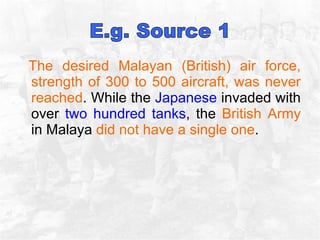
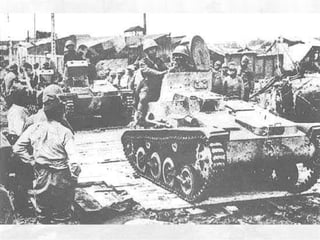
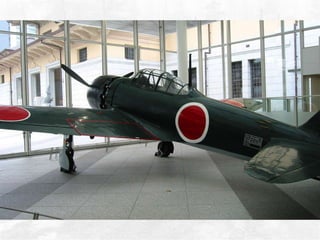
The desired Malayan (British) air force, strength of 300 to 500 aircraft, was never reached. While the Japanese invaded with over two hundred tanks, the British Army in Malaya did not have a single one.
The desired Malayan (British) air force, strength of 300 to 500 aircraft, was never reached . While the  Japanese  invaded with over  two hundred tanks , the  British Army  in Malaya  did not have a single one .
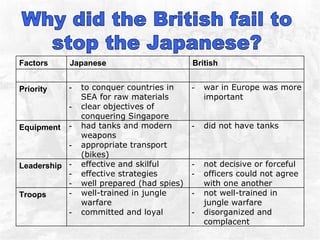
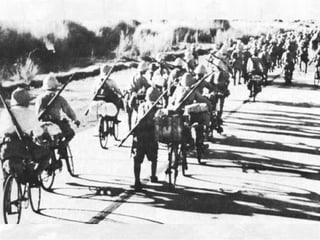
Factors Japanese British  Priority to conquer countries in SEA for raw materials  clear objectives of conquering Singapore war in Europe was more important Equipment had tanks and modern weapons appropriate transport (bikes) did not have tanks Leadership effective and skilful  effective strategies well prepared (had spies)  not decisive or forceful officers could not agree with one another  Troops  well-trained in jungle warfare committed and loyal not well-trained in jungle warfare disorganized and complacent


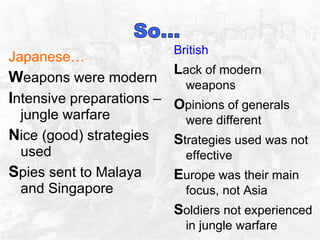
Japanese… W eapons were modern I ntensive preparations – jungle warfare N ice (good) strategies used S pies sent to Malaya and Singapore  British  L ack of modern weapons O pinions of generals were different S trategies used was not effective  E urope was their main focus, not Asia S oldiers not experienced in jungle warfare
Most people did not believe that Singapore would be defeated by the Japanese
What changes will you make, as a military leader, when you take over an enemy’s land?
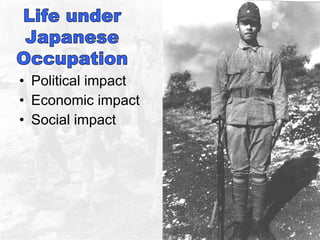
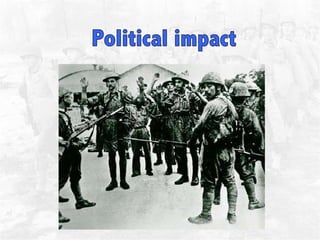
Political impact Economic impact  Social impact
 
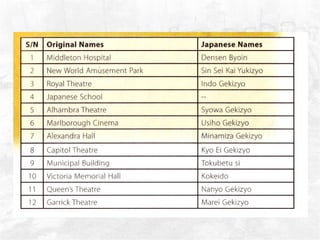
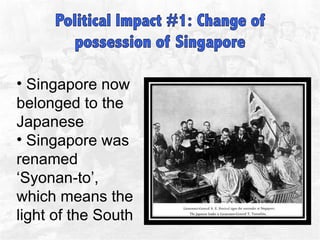
Singapore now belonged to the Japanese Singapore was renamed ‘Syonan-to’, which means the light of the South
 
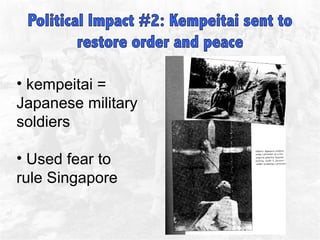
kempeitai = Japanese military soldiers Used fear to rule Singapore
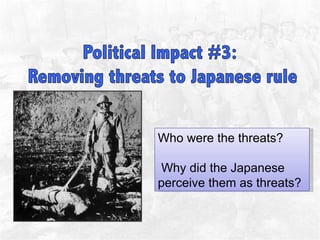
Who were the threats? Why did the Japanese perceive them as threats?
Who were the threats? - The Chinese  Why did the Japanese perceive them as threats?  Japan invaded China in 1937, and was met with strong resistance from the Chinese - The Chinese community in Singapore boycott Japanese goods and contributed to the anti-Japanese war funds for China
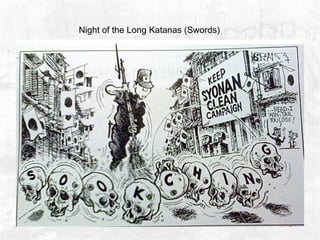
Night of the Long Katanas (Swords)
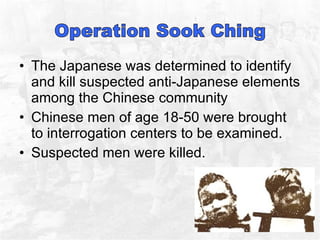
The Japanese was determined to identify and kill suspected anti-Japanese elements among the Chinese community  Chinese men of age 18-50 were brought to interrogation centers to be examined.  Suspected men were killed.
 
- S yonan-to instead of Singapore  K empeitai used to restore order  O peration Sook Ching (removing threats)
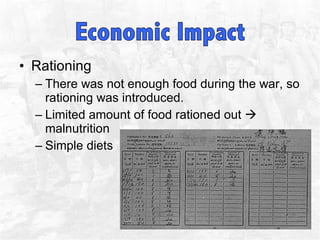
Rationing There was not enough food during the war, so rationing was introduced.  Limited amount of food rationed out    malnutrition  Simple diets
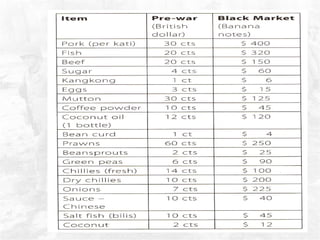
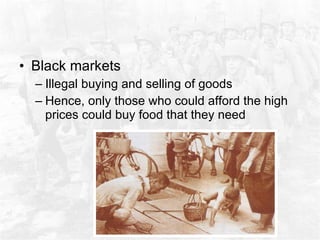
Black markets Illegal buying and selling of goods Hence, only those who could afford the high prices could buy food that they need
 
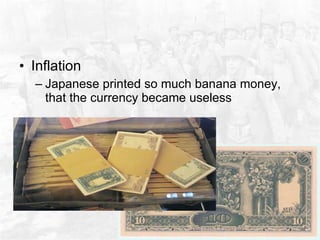
Inflation Japanese printed so much banana money, that the currency became useless
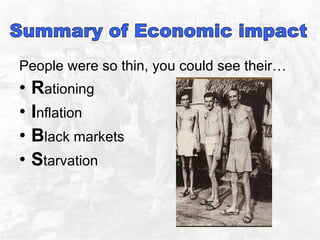
People were so thin, you could see their… R ationing I nflation  B lack markets  S tarvation
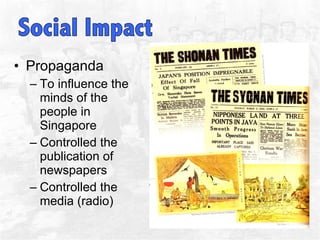
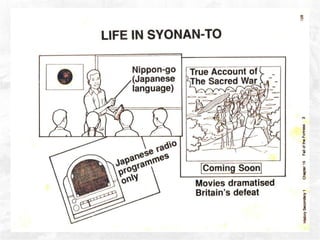
Propaganda  To influence the minds of the people in Singapore Controlled the publication of newspapers Controlled the media (radio)
 
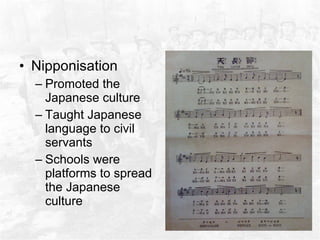
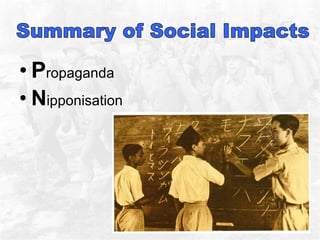
Nipponisation  Promoted the Japanese culture  Taught Japanese language to civil servants Schools were platforms to spread the Japanese culture
P ropaganda  N ipponisation
 
 
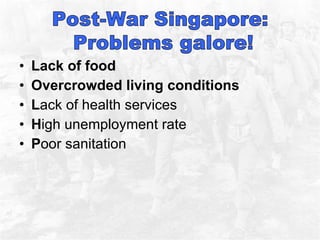
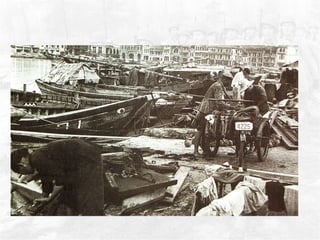
Lack of food Overcrowded living conditions L ack of health services H igh unemployment rate  P oor sanitation
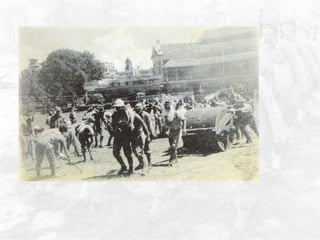
To solve the food shortage… Cleared the harbour to enable ships transporting foodstuffs to enter the port Removed shipwrecks and mines Docks were repaired and new warehouses were constructed to store commodities that were brought into the port.  Rationing was introduced People’s Restaurants were opened to sell food at reasonable prices


A law on rent control was introduced (to prevent rents from increasing) Construction of flats for the people (however, these solutions were not very successful
British defense of Singapore Reasons for the fall of Singapore British’s weaknesses Japanese’s strengths Japanese Occupation Political Economic Social Post-war Singapore

Sec 2 History Chapter 6

  • 1.
  • 2.
    British’s defense systemin Singapore Reasons for the fall of Singapore Life under Japanese Political Economic Social Post-war Singapore Problems and solutions
  • 3.
    War in EuropeStarted when Germany invaded Poland. France declared war on Germany. Britain also joined in the war. The alliance system in Europe pulled the rest of Europe into the war. Main Axis powers: Germany, Italy, Japan Main Allies powers: Britain, France, USSR, USA
  • 4.
  • 5.
  • 6.
  • 7.
    War in AsiaJapan was already in a war with China (started in 1937) When Japan bombed Pearl Harbour (1941), USA and Britain declared war on Japan
  • 8.
  • 9.
    ‘ Main fleetto Singapore strategy’ 15-inch guns mounted on ships and faced the sea to prevent any attacks from the sea Building of military airfields and underground bunkers Naval base built in Sembawang
  • 10.
  • 11.
    The geography ofMalaya is a factor in its defence. The coastal plains are about fifteen miles in width and filled with mangrove swamps. The mountain range which runs from north to south is covered with dense jungle and vast areas which are almost unknown. Roads are few and heavily guarded, so that an invading army would be at the Mercy of defenders securely hidden in the jungle. Quoted in The Japanese Occupation of Malaya 1941-1945 by Paul H Kratoska (textbook pg 99)
  • 12.
    Singapore: Animpregnable fortress
  • 13.
  • 14.
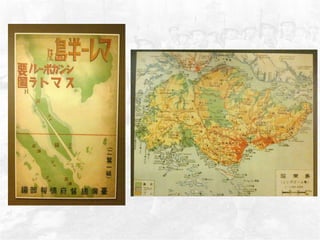
    4-6 people ina group Use the sources given to find out about the reasons for the fall of Singapore. Fill in the worksheet using information you have found from the sources. State the source used each piece of information that you have. (Hint: one source can be used many times for many categories) 20mins to complete Some groups will be asked to share their answers
  • 15.
    The desired Malayan(British) air force, strength of 300 to 500 aircraft, was never reached. While the Japanese invaded with over two hundred tanks, the British Army in Malaya did not have a single one.
  • 16.
    The desired Malayan(British) air force, strength of 300 to 500 aircraft, was never reached . While the Japanese invaded with over two hundred tanks , the British Army in Malaya did not have a single one .
  • 17.
    Factors Japanese British Priority to conquer countries in SEA for raw materials clear objectives of conquering Singapore war in Europe was more important Equipment had tanks and modern weapons appropriate transport (bikes) did not have tanks Leadership effective and skilful effective strategies well prepared (had spies) not decisive or forceful officers could not agree with one another Troops well-trained in jungle warfare committed and loyal not well-trained in jungle warfare disorganized and complacent
  • 18.
  • 19.
  • 20.
  • 21.
  • 22.
  • 23.
    Japanese… W eaponswere modern I ntensive preparations – jungle warfare N ice (good) strategies used S pies sent to Malaya and Singapore British L ack of modern weapons O pinions of generals were different S trategies used was not effective E urope was their main focus, not Asia S oldiers not experienced in jungle warfare
  • 24.
    Most people didnot believe that Singapore would be defeated by the Japanese
  • 25.
    What changes willyou make, as a military leader, when you take over an enemy’s land?
  • 26.
    Political impact Economicimpact Social impact
  • 27.
  • 28.
    Singapore now belongedto the Japanese Singapore was renamed ‘Syonan-to’, which means the light of the South
  • 29.
  • 30.
    kempeitai = Japanesemilitary soldiers Used fear to rule Singapore
  • 31.
    Who were thethreats? Why did the Japanese perceive them as threats?
  • 32.
    Who were thethreats? - The Chinese Why did the Japanese perceive them as threats? Japan invaded China in 1937, and was met with strong resistance from the Chinese - The Chinese community in Singapore boycott Japanese goods and contributed to the anti-Japanese war funds for China
  • 33.
    Night of theLong Katanas (Swords)
  • 34.
    The Japanese wasdetermined to identify and kill suspected anti-Japanese elements among the Chinese community Chinese men of age 18-50 were brought to interrogation centers to be examined. Suspected men were killed.
  • 35.
  • 36.
    - S yonan-toinstead of Singapore K empeitai used to restore order O peration Sook Ching (removing threats)
  • 37.
    Rationing There wasnot enough food during the war, so rationing was introduced. Limited amount of food rationed out  malnutrition Simple diets
  • 38.
    Black markets Illegalbuying and selling of goods Hence, only those who could afford the high prices could buy food that they need
  • 39.
  • 40.
    Inflation Japanese printedso much banana money, that the currency became useless
  • 41.
    People were sothin, you could see their… R ationing I nflation B lack markets S tarvation
  • 42.
    Propaganda Toinfluence the minds of the people in Singapore Controlled the publication of newspapers Controlled the media (radio)
  • 43.
  • 44.
    Nipponisation Promotedthe Japanese culture Taught Japanese language to civil servants Schools were platforms to spread the Japanese culture
  • 45.
    P ropaganda N ipponisation
  • 46.
  • 47.
  • 48.
    Lack of foodOvercrowded living conditions L ack of health services H igh unemployment rate P oor sanitation
  • 49.
    To solve thefood shortage… Cleared the harbour to enable ships transporting foodstuffs to enter the port Removed shipwrecks and mines Docks were repaired and new warehouses were constructed to store commodities that were brought into the port. Rationing was introduced People’s Restaurants were opened to sell food at reasonable prices
  • 50.
  • 51.
  • 52.
  • 53.
    A law onrent control was introduced (to prevent rents from increasing) Construction of flats for the people (however, these solutions were not very successful
  • 54.
    British defense ofSingapore Reasons for the fall of Singapore British’s weaknesses Japanese’s strengths Japanese Occupation Political Economic Social Post-war Singapore

Editor's Notes

  • #13 Naval base was built in the north of Singapore to house the fleet from Britian in case of war Guns position and cannons was setup facing the south Airbase and bunkers setup around the island Jungle of Malaya was a natural barrier to any enemy trying to penetrate singapore from the north
  • #18 Neat
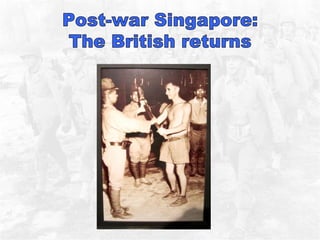
  • #34 Describe the picture Who is in the picture The japanese man 2 funny characters at the back What is he doing? Japanese man  Where is this? When did the event take place? Is there any words in the picture?
  • #38 You could not get any provisions from shops if you did not have this ration card. Each adult was given a ration of 4.8kg of rice per month and each child 2.4kg. This amount was subsequently reduced to 3.6kg per month for adults.
  • #45 Music score for japanese songs taught in schools