SEA LEVEL
CHANGES
BY
AKHIL A G
INTRODUCTION
❑Sea level change is a central concern of the geomorphologists.
❑The study of sea level is important because it can provide key
evidences of climatic change and can also provide a benchmark of
estimating rates of tectonic.
❑Sea level determines the base level for erosion.
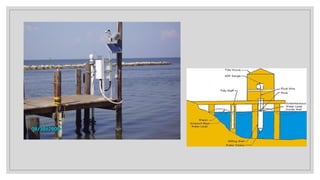
❑Relative sea level, which changes as either the height of the ocean
surface or the height of the land can be measured by a coastal tide
gauge.
SEA LEVEL CHANGE MAINLY CLASSIFIED
INTO TWO ;
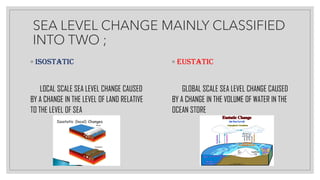
◦ ISOSTATIC
LOCAL SCALE SEA LEVEL CHANGE CAUSED
BY A CHANGE IN THE LEVEL OF LAND RELATIVE
TO THE LEVEL OF SEA
◦ EUSTATIC
GLOBAL SCALE SEA LEVEL CHANGE CAUSED
BY A CHANGE IN THE VOLUME OF WATER IN THE
OCEAN STORE
EUSTATIC CHANGE
o Eustatic sea level change to sea level occur due to changes in the amount of water stored in the glacier
o For example our current sea level is about 130m higher than it was during the last ice age .This is
because the glaciers melted , releasing more water into the ocean and causing an increase in sea level.
o During and after an ice age , eustatic change take place.
o At the beginning of an ice age ,the temperature falls and water is frozen and stored in glaciers inland ,
suspending the hydrological cycle. This results in water being taken out to the sea but not being put
back in leading to an overall fall in sea level.
o Conversely as an ice age ends, temperature begins to rise and so the stored water in the glaciers will
reenter the hydrological cycle and the sea will be replenished , increasing the sea level .
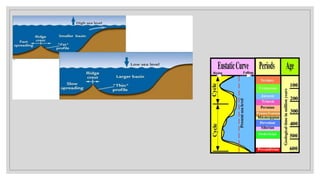
o If the ocean basins becomes larger , the volume of the oceans becomes larger but overall sea level will
fall since there’s the same amount of water in the ocean . Conversely ,the ocean basins get smaller,
volume of the oceans decreases and the sea level rise accordingly.
ISOSTATIC CHANGE
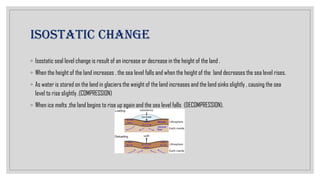
◦ Isostatic seal level change is result of an increase or decrease in the height of the land .
◦ When the height of the land increases , the sea level falls and when the height of the land decreases the sea level rises.
◦ As water is stored on the land in glaciers the weight of the land increases and the land sinks slightly , causing the sea
level to rise slightly .(COMPRESSION)
◦ When ice melts ,the land begins to rise up again and the sea level falls (DECOMPRESSION).
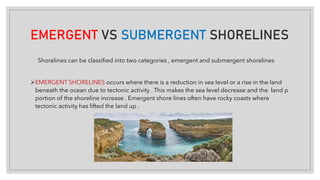
EMERGENT VS SUBMERGENT SHORELINES
Shorelines can be classified into two categories , emergent and submergent shorelines
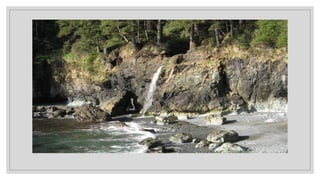
➢EMERGENT SHORELINES occurs where there is a reduction in sea level or a rise in the land
beneath the ocean due to tectonic activity . This makes the sea level decrease and the land p
portion of the shoreline increase . Emergent shore lines often have rocky coasts where
tectonic activity has lifted the land up .
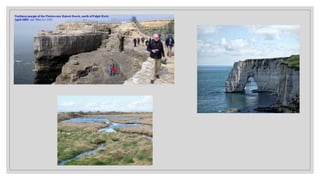
FEATURES OF EMERGENT SHORELINES
❑RAISED BEACHES
eg; Portland raised beach
❑RELICT CLIFFS
previous coastal cliffs are raised above current sea level
❑RAISED MUDFLATS
eg; Careland of river Forth
LAND FORMS OF SUBMERGENCE
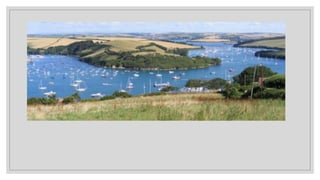
❑RIAS are submerged river valleys. The lowest part of the rivers course
and the floodplains alongside the river may be completely drowned ,
but the higher land remains exposed .
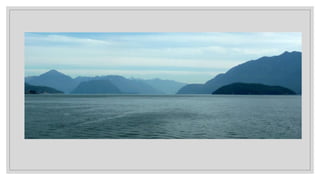
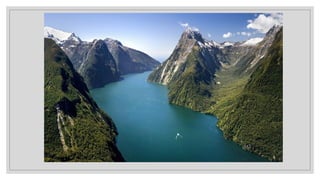
❑FJORDS are submerged glacial valleys. They have steep cliff valley
sides and the water is uniformly deep .These were formed when
glaciers eroded below sea level. When the ice melts the valleys were
flooded.
IMPACTS OF SEA LEVEL CHANGES
1. Damage to many important coastal ecosystem including deltas ,
coral atolls , reefs .
2. Flooding of many densely populated areas
3. Damage to post facilities and coastal structures
4. Severe coastal erosion in many countries , including loss of beaches
and dunes.
5. Decline of loss of production in up tp one third of the worlds croplands
Sea  level changes

Sea level changes

  • 1.
  • 2.
    INTRODUCTION ❑Sea level changeis a central concern of the geomorphologists. ❑The study of sea level is important because it can provide key evidences of climatic change and can also provide a benchmark of estimating rates of tectonic. ❑Sea level determines the base level for erosion. ❑Relative sea level, which changes as either the height of the ocean surface or the height of the land can be measured by a coastal tide gauge.
  • 4.
    SEA LEVEL CHANGEMAINLY CLASSIFIED INTO TWO ; ◦ ISOSTATIC LOCAL SCALE SEA LEVEL CHANGE CAUSED BY A CHANGE IN THE LEVEL OF LAND RELATIVE TO THE LEVEL OF SEA ◦ EUSTATIC GLOBAL SCALE SEA LEVEL CHANGE CAUSED BY A CHANGE IN THE VOLUME OF WATER IN THE OCEAN STORE
  • 5.
    EUSTATIC CHANGE o Eustaticsea level change to sea level occur due to changes in the amount of water stored in the glacier o For example our current sea level is about 130m higher than it was during the last ice age .This is because the glaciers melted , releasing more water into the ocean and causing an increase in sea level. o During and after an ice age , eustatic change take place. o At the beginning of an ice age ,the temperature falls and water is frozen and stored in glaciers inland , suspending the hydrological cycle. This results in water being taken out to the sea but not being put back in leading to an overall fall in sea level. o Conversely as an ice age ends, temperature begins to rise and so the stored water in the glaciers will reenter the hydrological cycle and the sea will be replenished , increasing the sea level . o If the ocean basins becomes larger , the volume of the oceans becomes larger but overall sea level will fall since there’s the same amount of water in the ocean . Conversely ,the ocean basins get smaller, volume of the oceans decreases and the sea level rise accordingly.
  • 8.
    ISOSTATIC CHANGE ◦ Isostaticseal level change is result of an increase or decrease in the height of the land . ◦ When the height of the land increases , the sea level falls and when the height of the land decreases the sea level rises. ◦ As water is stored on the land in glaciers the weight of the land increases and the land sinks slightly , causing the sea level to rise slightly .(COMPRESSION) ◦ When ice melts ,the land begins to rise up again and the sea level falls (DECOMPRESSION).
  • 10.
    EMERGENT VS SUBMERGENTSHORELINES Shorelines can be classified into two categories , emergent and submergent shorelines ➢EMERGENT SHORELINES occurs where there is a reduction in sea level or a rise in the land beneath the ocean due to tectonic activity . This makes the sea level decrease and the land p portion of the shoreline increase . Emergent shore lines often have rocky coasts where tectonic activity has lifted the land up .
  • 11.
    FEATURES OF EMERGENTSHORELINES ❑RAISED BEACHES eg; Portland raised beach ❑RELICT CLIFFS previous coastal cliffs are raised above current sea level ❑RAISED MUDFLATS eg; Careland of river Forth
  • 13.
    LAND FORMS OFSUBMERGENCE ❑RIAS are submerged river valleys. The lowest part of the rivers course and the floodplains alongside the river may be completely drowned , but the higher land remains exposed . ❑FJORDS are submerged glacial valleys. They have steep cliff valley sides and the water is uniformly deep .These were formed when glaciers eroded below sea level. When the ice melts the valleys were flooded.
  • 16.
    IMPACTS OF SEALEVEL CHANGES 1. Damage to many important coastal ecosystem including deltas , coral atolls , reefs . 2. Flooding of many densely populated areas 3. Damage to post facilities and coastal structures 4. Severe coastal erosion in many countries , including loss of beaches and dunes. 5. Decline of loss of production in up tp one third of the worlds croplands