NUMBERS
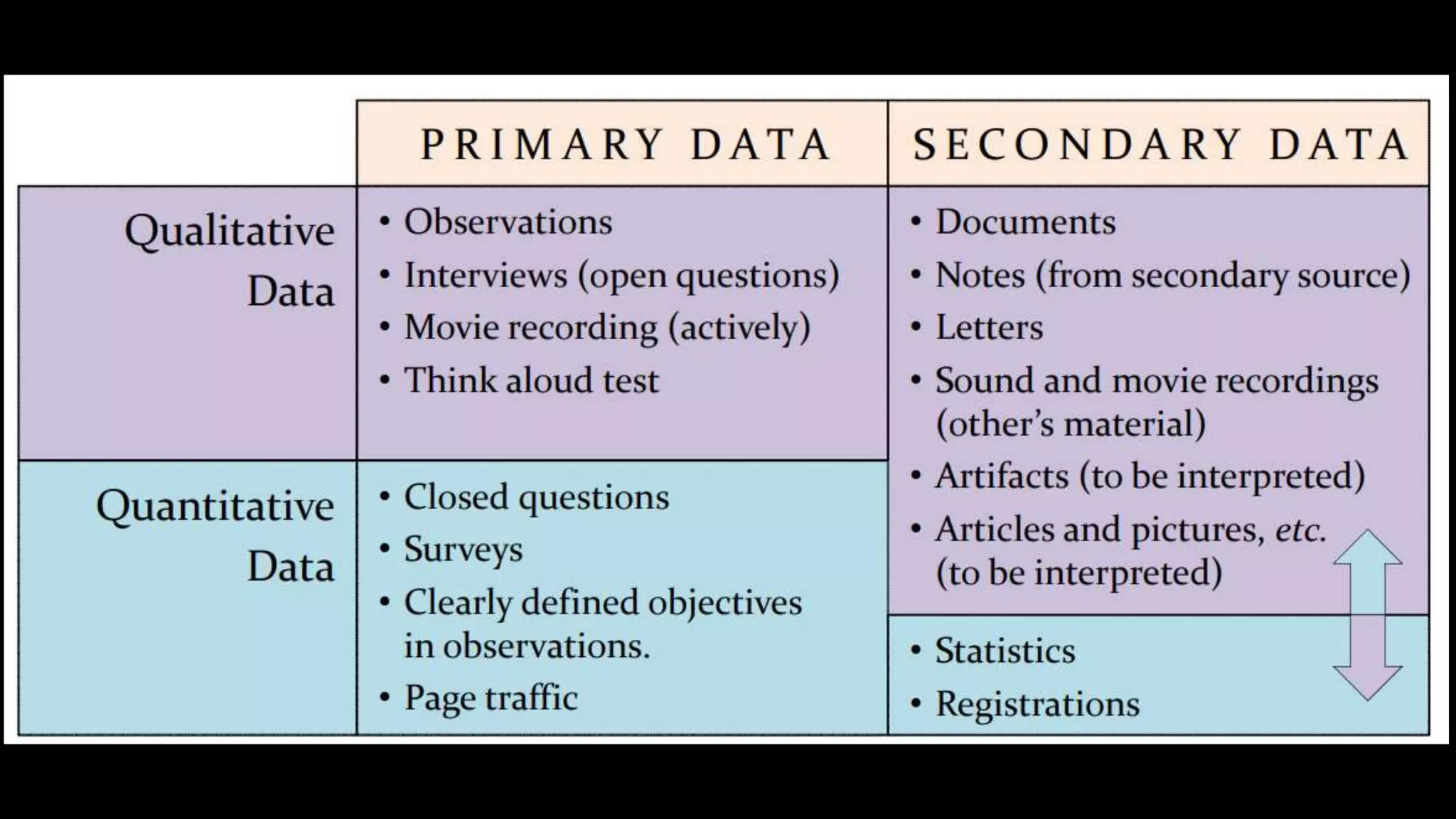
• You can measure how many women there are in a room and you
can measure how many men there are.
Specific
actions
• You can measure people’s actions (but not why they do it!)
Opinions
• You can measure people’s opinions by asking closed questions:
“Do you think our prime minister will win the next election?”
Or?
• This question would be followed up by additional (anonymous)
information from the informant: gender, age, city etc.
Finale
• You can use these data as valuable information in your research
objective.
•THAT IS THE PURPOSE OF
SOCIOLOGICAL
RESEARCH—TO
INVESTIGATE AND
PROVIDE INSIGHTS INTO
HOW HUMAN SOCIETIES
FUNCTION.
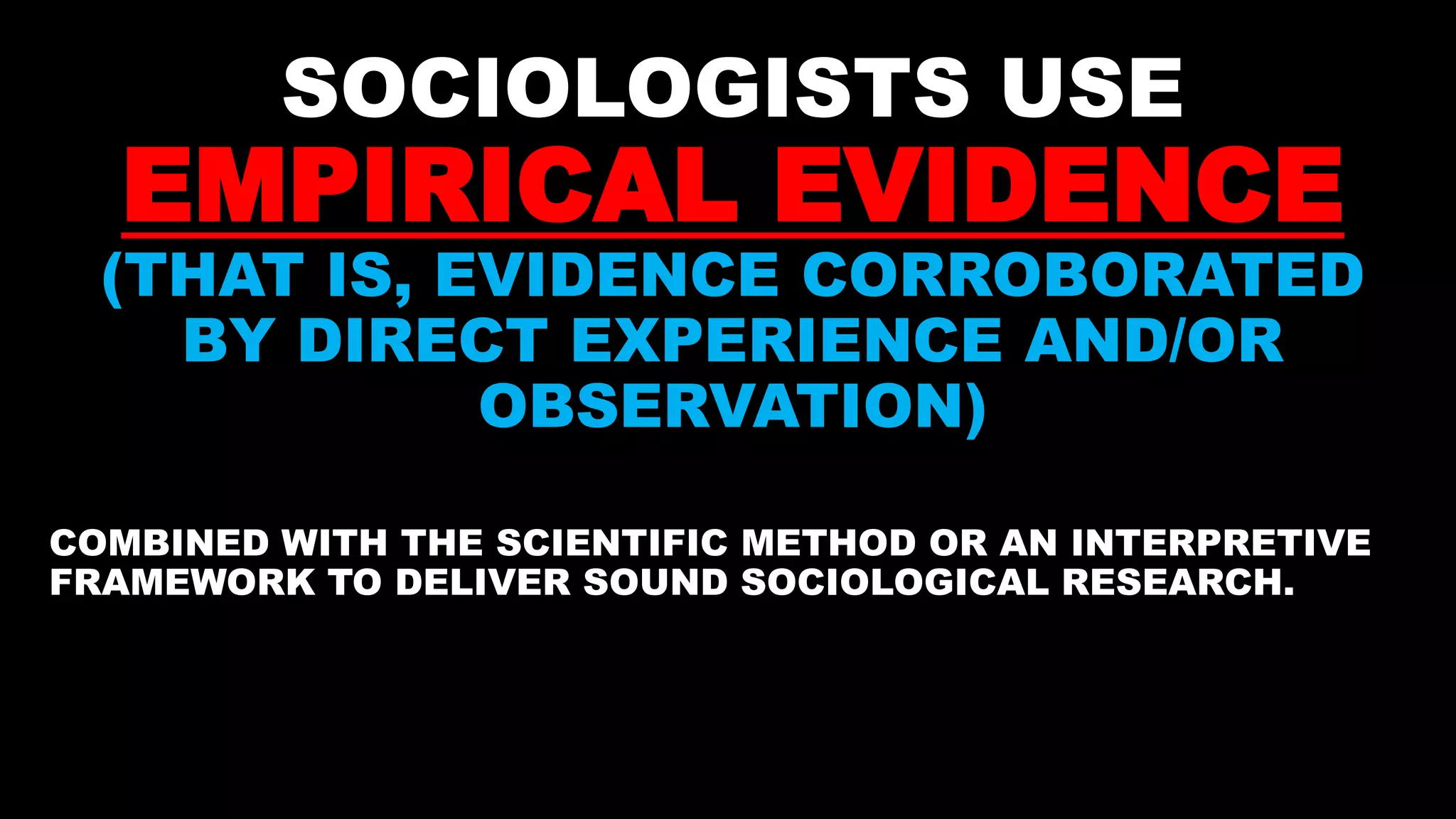
SOCIOLOGISTS USE
EMPIRICAL EVIDENCE
(THAT IS, EVIDENCE CORROBORATED
BY DIRECT EXPERIENCE AND/OR
OBSERVATION)
COMBINED WITH THE SCIENTIFIC METHOD OR AN INTERPRETIVE
FRAMEWORK TO DELIVER SOUND SOCIOLOGICAL RESEARCH.
7. anticipating
further
development when
future researchers
respond to and
retest findings.
2. gathering
information
and resources
through
observation
3. forming a
hypothesis
4. testing the
hypothesis in a
reproducible
manner
5. analyzing and
drawing
conclusions
from the data
6. publishing
the results
1. defining a
specific
question
PROCESS IN
CONDUCTING
A RESEARCH!
researchers want to maximize
the study’s
RELIABILITY -(how likely
research results are to be replicated if
the study is reproduced).
RESEARCHERS ALSO
STRIVE FOR
VALIDITY-WHICH REFERS TO
HOW WELL THE STUDY MEASURES WHAT IT
WAS DESIGNED TO MEASURE
QUANTITATIVE RESEARCHES
• A SURVEY
collects data from subjects
who respond to a series of
questions about behaviors
and opinions, often in the
form of a questionnaire.
A SURVEY
POPULATION
Sample
(e.g. random
sample,
purposive or
convenient)
Quantitative
data
FIELD RESEARCH refers to
gathering primary data from a natural
environment without doing a lab experiment
or a survey. It is a research method suited to
an interpretive framewrk.
•PARTICIPANT
OBSERVATION
in which researchers join people
and participate in a group’s
routine activities for the purpose
of observing them within that
context. This method lets
researchers experience a specific
aspect of social life.
QUALITATIVE RESEARCHES
• ethnographic study focuses on
how subjects view their own
social standing and how they
understand themselves in
relation to a community.
• A case study is an in-depth
analysis of a single event,
situation, or individual. To
conduct a case study, a
researcher examines existing
sources like documents and
archival records, conducts
interviews, engages in direct
observation, and even
participant observation, if
possible.
•Sociologists, as per Maw Weber
should
VALUE NEUTRALITY, a
practice of remaining impartial,
without bias or judgment, during the
course of a study and in publishing
results
Sociologists are obligated to disclose research findings
without omitting or distorting significant data.

Research methods in sociology

  • 2.
    NUMBERS • You canmeasure how many women there are in a room and you can measure how many men there are. Specific actions • You can measure people’s actions (but not why they do it!) Opinions • You can measure people’s opinions by asking closed questions: “Do you think our prime minister will win the next election?” Or? • This question would be followed up by additional (anonymous) information from the informant: gender, age, city etc. Finale • You can use these data as valuable information in your research objective.
  • 3.
    •THAT IS THEPURPOSE OF SOCIOLOGICAL RESEARCH—TO INVESTIGATE AND PROVIDE INSIGHTS INTO HOW HUMAN SOCIETIES FUNCTION.
  • 4.
    SOCIOLOGISTS USE EMPIRICAL EVIDENCE (THATIS, EVIDENCE CORROBORATED BY DIRECT EXPERIENCE AND/OR OBSERVATION) COMBINED WITH THE SCIENTIFIC METHOD OR AN INTERPRETIVE FRAMEWORK TO DELIVER SOUND SOCIOLOGICAL RESEARCH.
  • 5.
    7. anticipating further development when futureresearchers respond to and retest findings. 2. gathering information and resources through observation 3. forming a hypothesis 4. testing the hypothesis in a reproducible manner 5. analyzing and drawing conclusions from the data 6. publishing the results 1. defining a specific question PROCESS IN CONDUCTING A RESEARCH!
  • 6.
    researchers want tomaximize the study’s RELIABILITY -(how likely research results are to be replicated if the study is reproduced).
  • 7.
    RESEARCHERS ALSO STRIVE FOR VALIDITY-WHICHREFERS TO HOW WELL THE STUDY MEASURES WHAT IT WAS DESIGNED TO MEASURE
  • 10.
    QUANTITATIVE RESEARCHES • ASURVEY collects data from subjects who respond to a series of questions about behaviors and opinions, often in the form of a questionnaire.
  • 11.
  • 13.
    FIELD RESEARCH refersto gathering primary data from a natural environment without doing a lab experiment or a survey. It is a research method suited to an interpretive framewrk.
  • 14.
    •PARTICIPANT OBSERVATION in which researchersjoin people and participate in a group’s routine activities for the purpose of observing them within that context. This method lets researchers experience a specific aspect of social life. QUALITATIVE RESEARCHES
  • 15.
    • ethnographic studyfocuses on how subjects view their own social standing and how they understand themselves in relation to a community.
  • 17.
    • A casestudy is an in-depth analysis of a single event, situation, or individual. To conduct a case study, a researcher examines existing sources like documents and archival records, conducts interviews, engages in direct observation, and even participant observation, if possible.
  • 21.
    •Sociologists, as perMaw Weber should VALUE NEUTRALITY, a practice of remaining impartial, without bias or judgment, during the course of a study and in publishing results Sociologists are obligated to disclose research findings without omitting or distorting significant data.