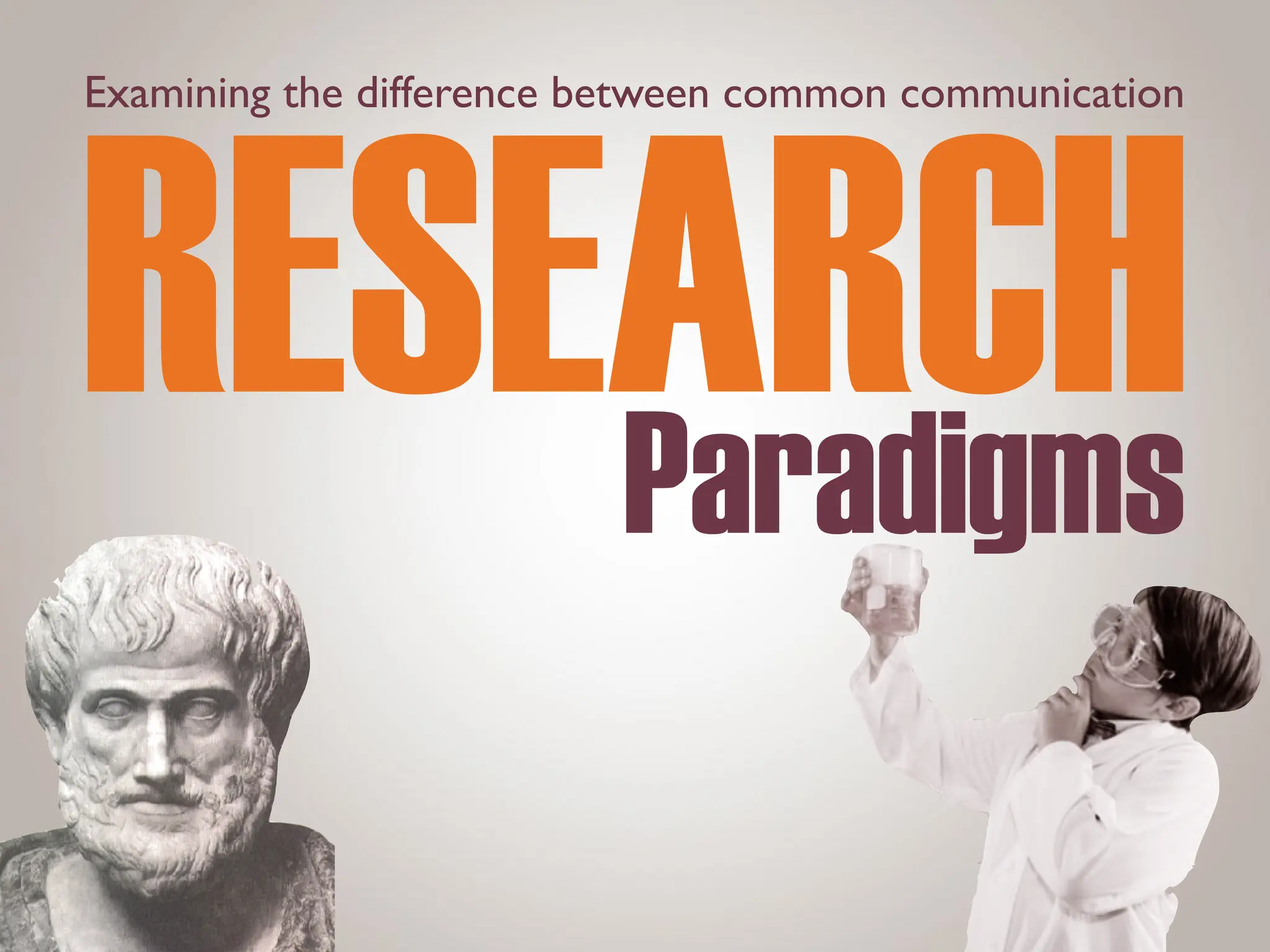
RESEARCH
Examining the difference between common communication
Paradigms
Fundamental model that organizes our view of something
Par•a•digm
• More than one way to make sense of the world
& communication phenomena
• Each paradigm offers insights others lack
• Each ignores aspects of comm. others reveal
• Paradigms can’t be true or false, as ways of
looking, they can only be more or less useful
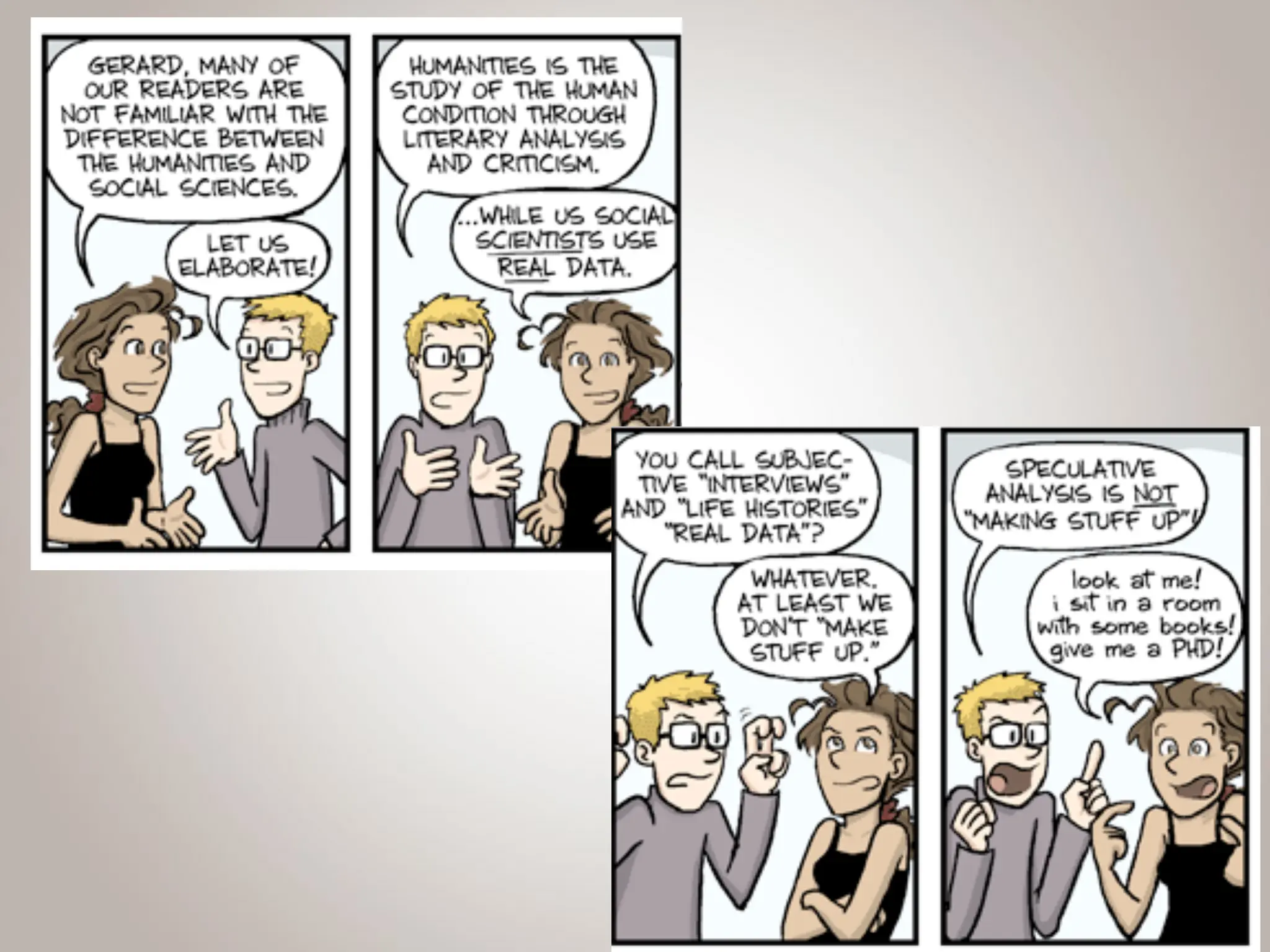
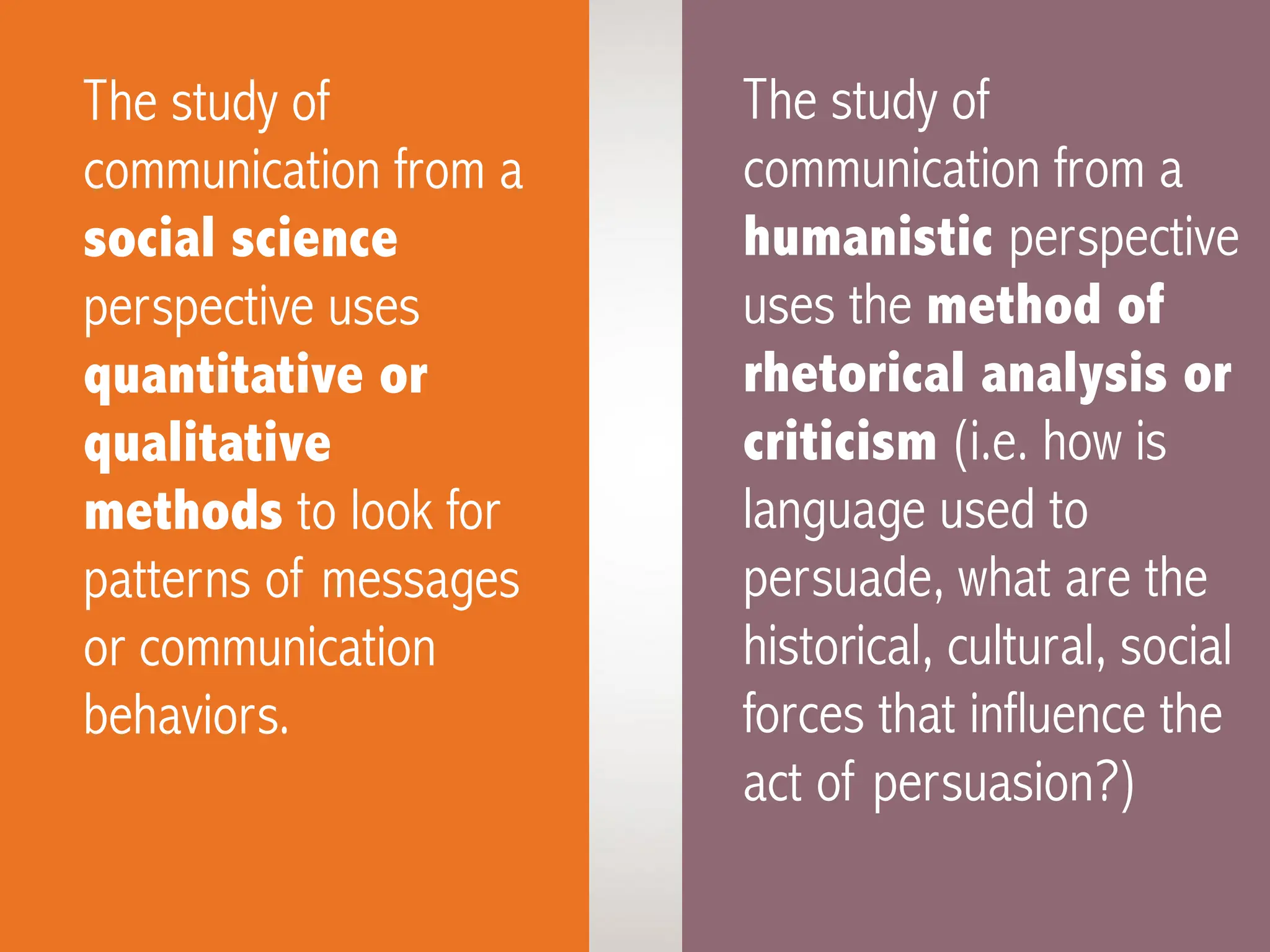
The study of
communication from a
social science
perspective uses
quantitative or
qualitative
methods to look for
patterns of messages
or communication
behaviors.
The study of
communication from a
humanistic perspective
uses the method of
rhetorical analysis or
criticism (i.e. how is
language used to
persuade, what are the
historical, cultural, social
forces that influence the
act of persuasion?)
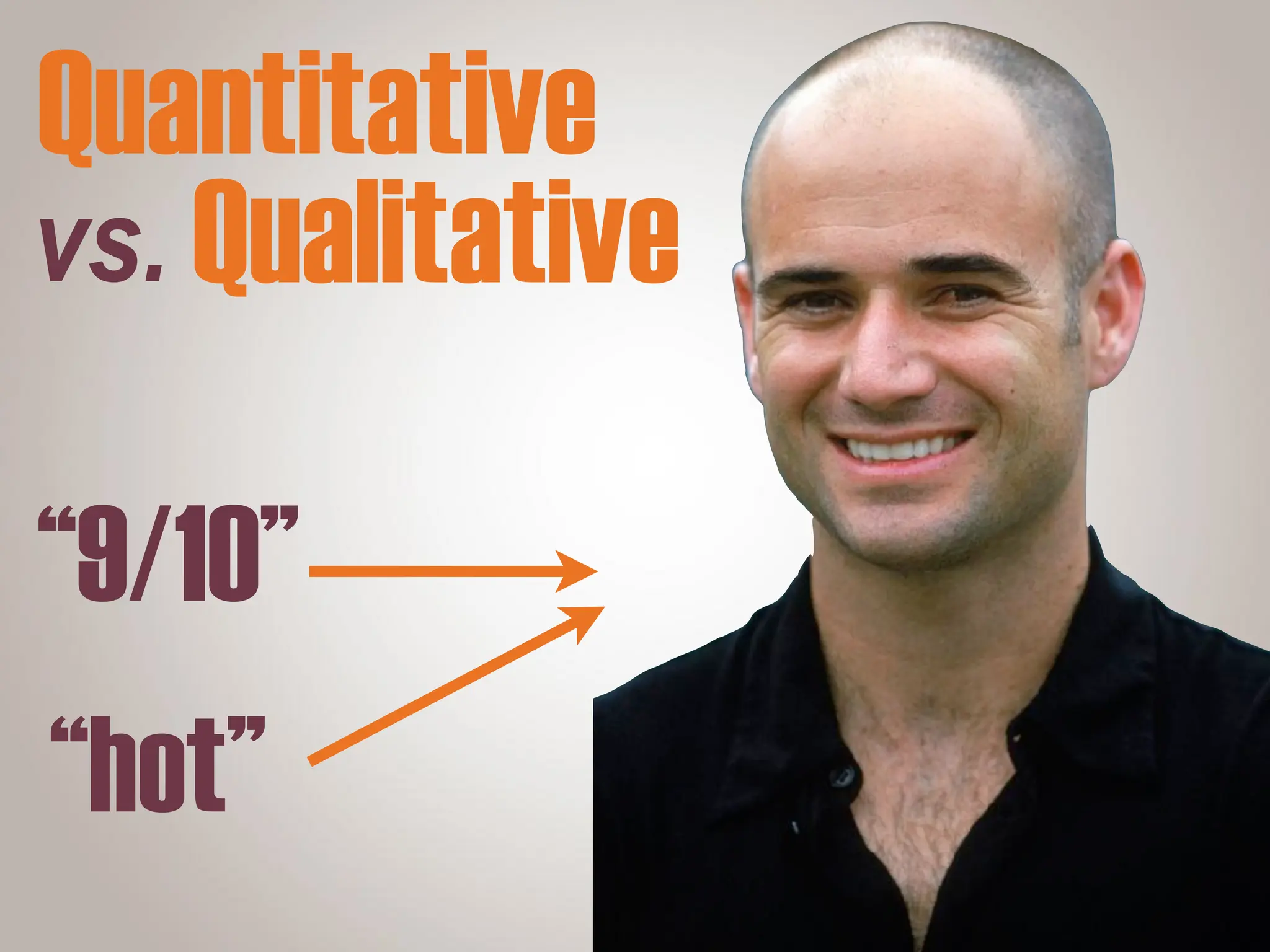
Qualitative
Quantitative
vs.
“hot”
“9/10”
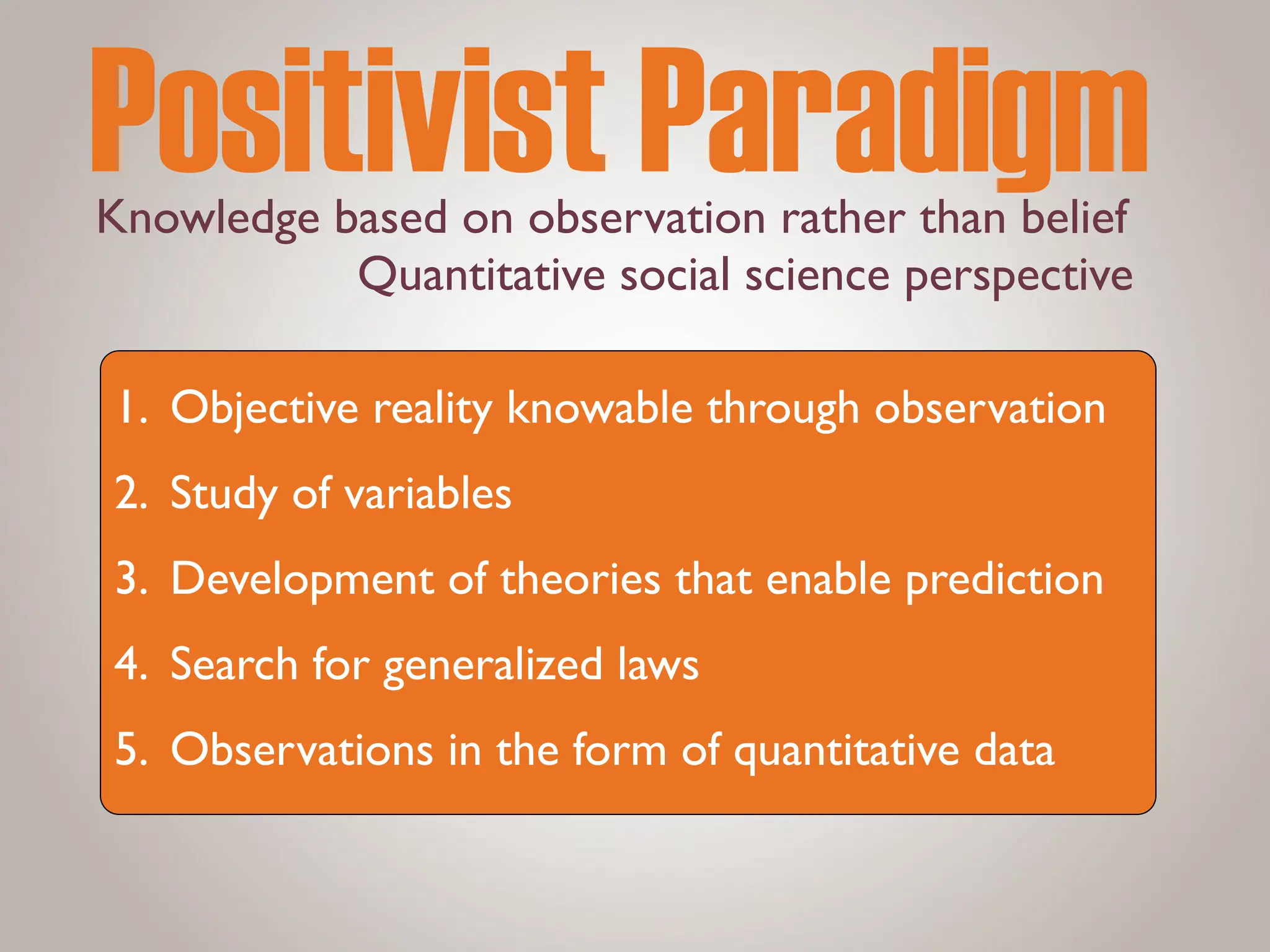
Knowledge based on observation rather than belief
Positivist Paradigm
1. Objective reality knowable through observation
2. Study of variables
3. Development of theories that enable prediction
4. Search for generalized laws
5. Observations in the form of quantitative data
Quantitative social science perspective
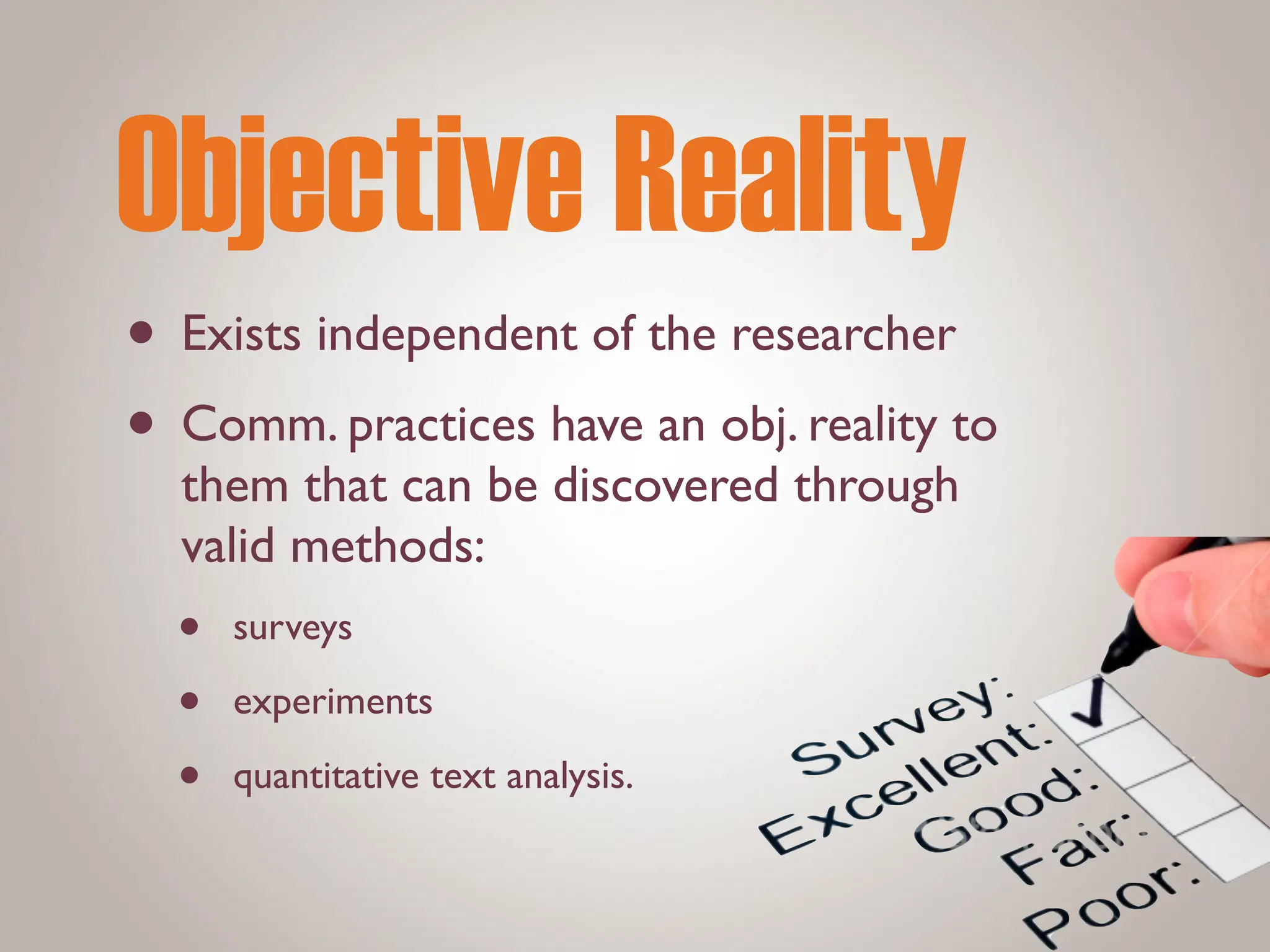
Objective Reality
• Exists independent of the researcher
• Comm. practices have an obj. reality to
them that can be discovered through
valid methods:
• surveys
• experiments
• quantitative text analysis.
Study of Variables
• Study characteristics of individuals or
phenomena (variables)
• Comm. variables: level of talkativeness, level
of self-monitoring, communication channel,
con
fl
ict style, speech anxiety...
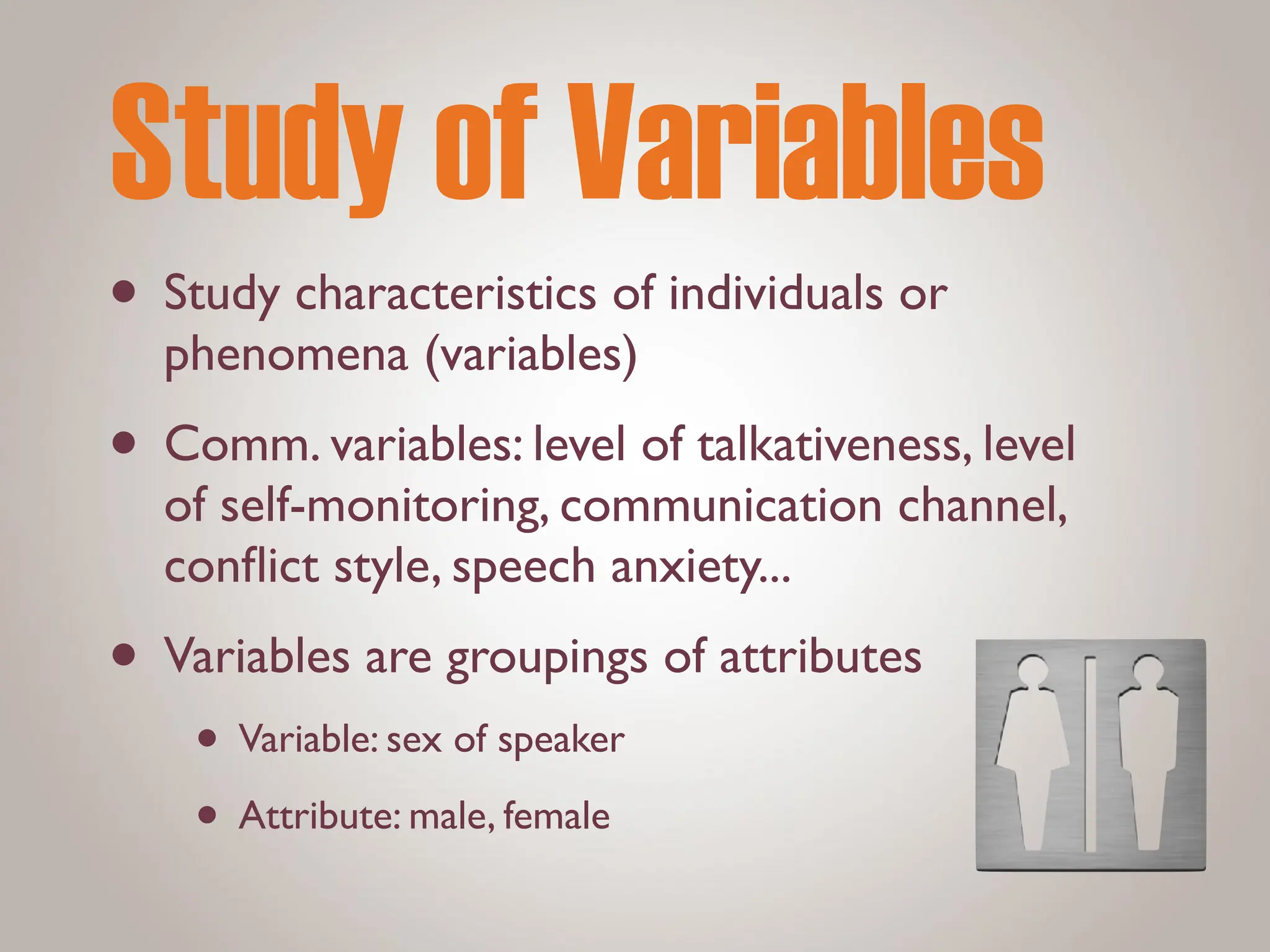
• Variables are groupings of attributes
• Variable: sex of speaker
• Attribute: male, female
Theory Development
• Describe relationships between variables
• Allow us to predict one variable with
knowledge of another (if they are related)
• Ex.: Sex of speaker & Self-disclosure
Generalized Laws
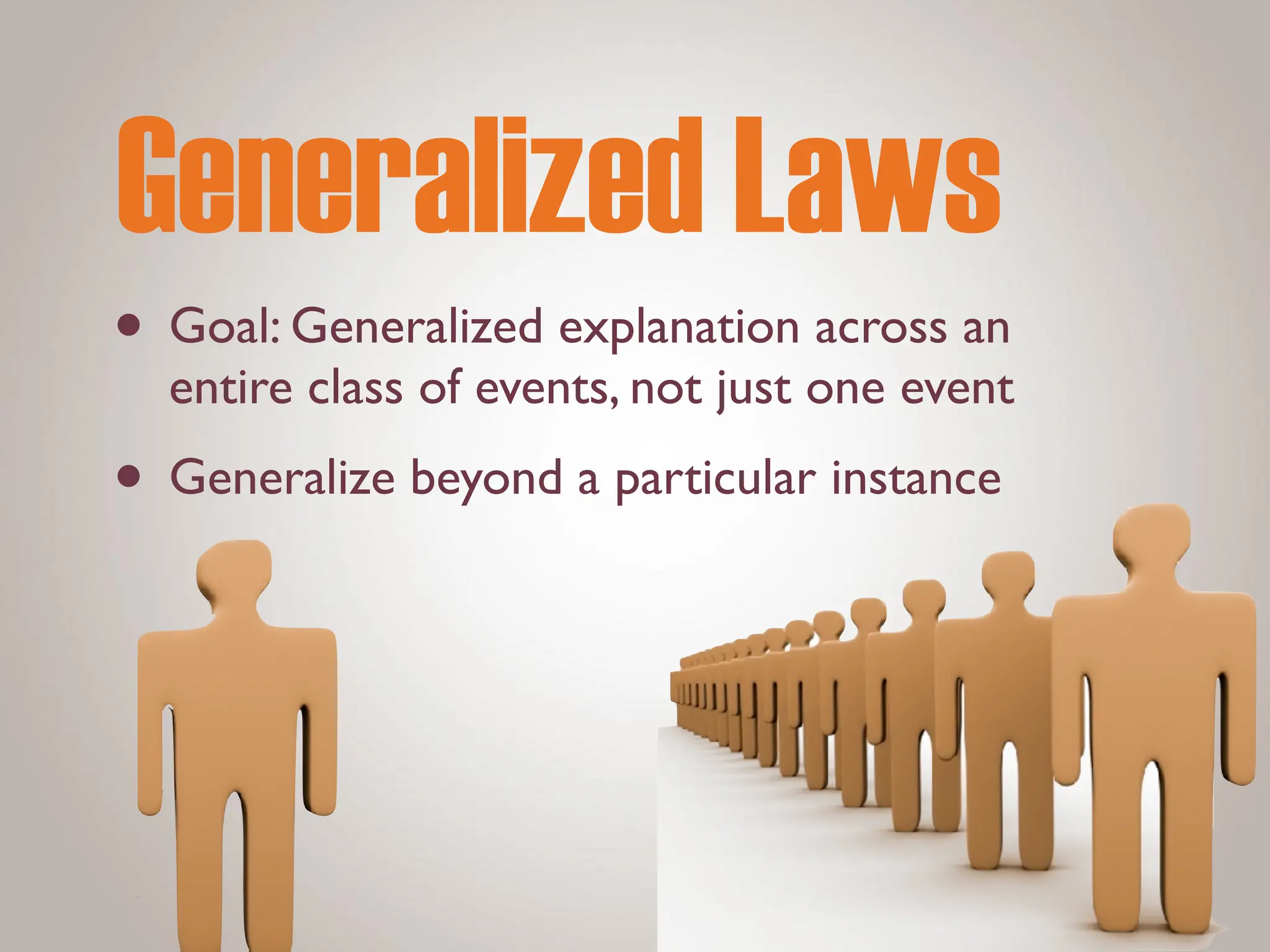
• Goal: Generalized explanation across an
entire class of events, not just one event
• Generalize beyond a particular instance
Quantitative Data
• Sometimes useful to convert
observations to numerical data
• Allows for statistical analysis
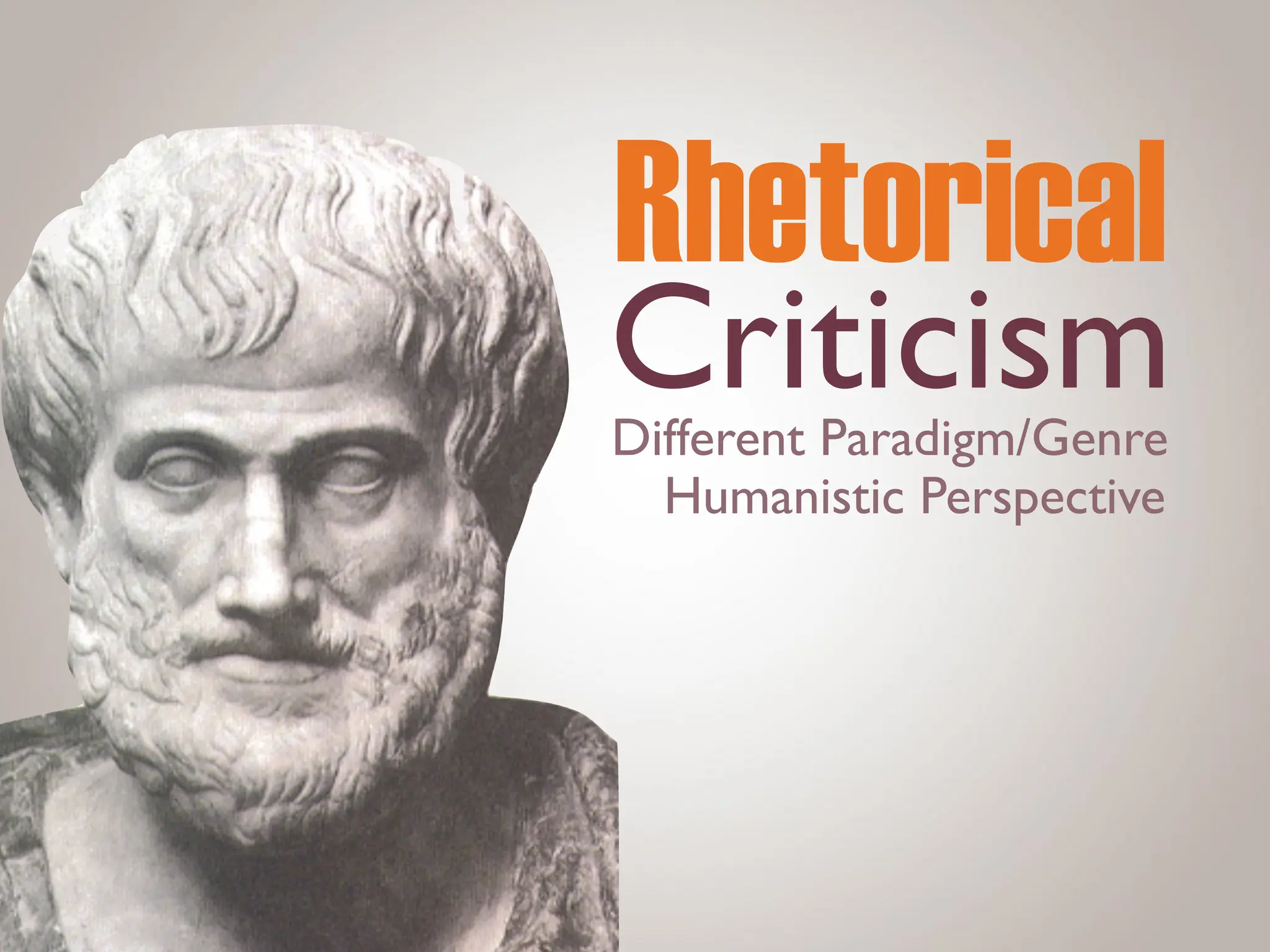
Rhetorical
Criticism
Different Paradigm/Genre
Humanistic Perspective
[C]riticism is an art, not a science. It is not a
scientific method; it uses subjective methods
of argument; it exists on its own, not in
conjunction with other methods of generating
knowledge (i.e., social scientific or scientific).
- Kuypers, Jim A. (2009)
“ “
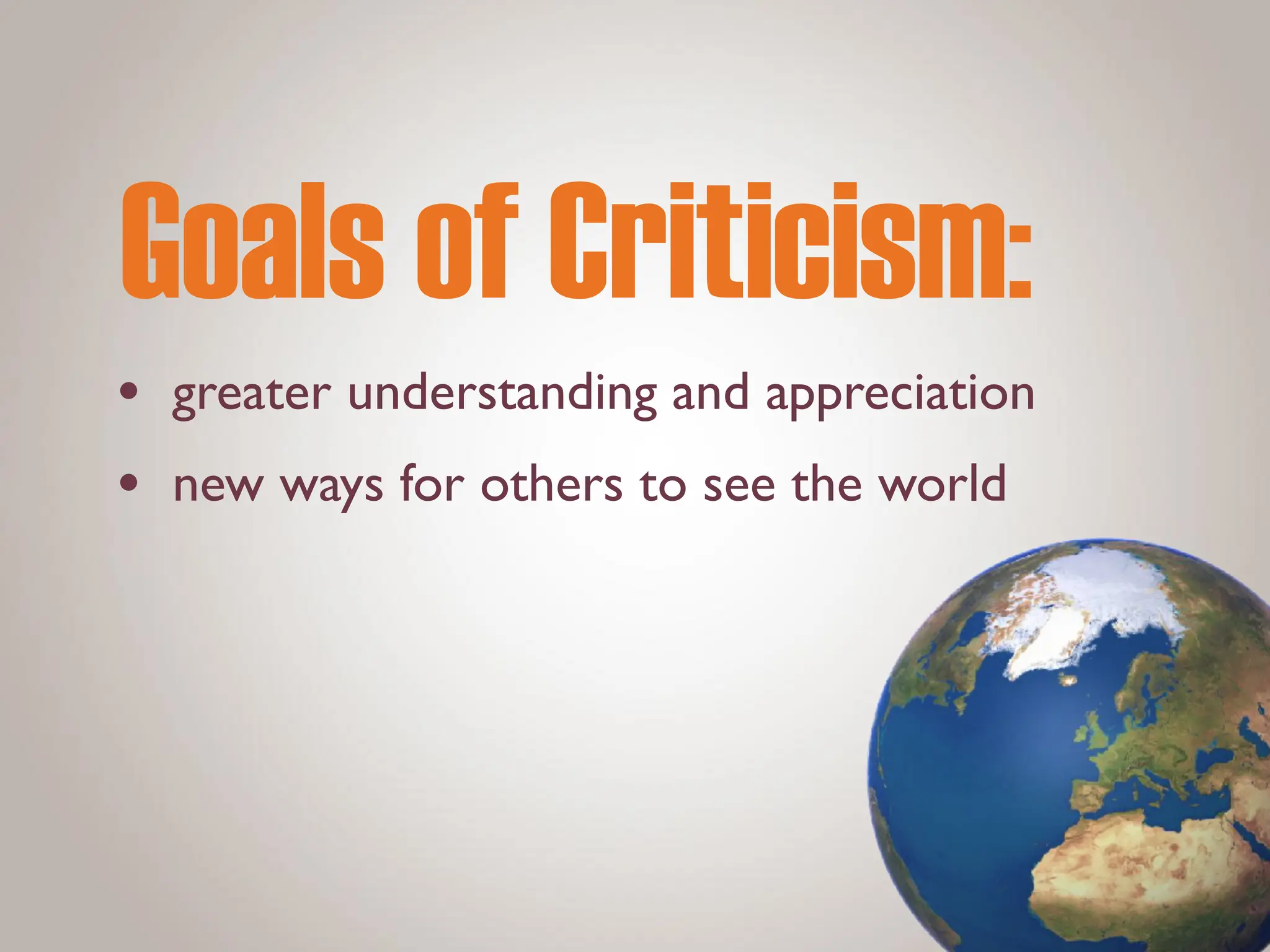
• greater understanding and appreciation
• new ways for others to see the world
Goals of Criticism:

Research Methods in Communication Studies

  • 1.
    RESEARCH Examining the differencebetween common communication Paradigms
  • 2.
    Fundamental model thatorganizes our view of something Par•a•digm • More than one way to make sense of the world & communication phenomena • Each paradigm offers insights others lack • Each ignores aspects of comm. others reveal • Paradigms can’t be true or false, as ways of looking, they can only be more or less useful
  • 4.
    The study of communicationfrom a social science perspective uses quantitative or qualitative methods to look for patterns of messages or communication behaviors. The study of communication from a humanistic perspective uses the method of rhetorical analysis or criticism (i.e. how is language used to persuade, what are the historical, cultural, social forces that influence the act of persuasion?)
  • 5.
  • 6.
    Knowledge based onobservation rather than belief Positivist Paradigm 1. Objective reality knowable through observation 2. Study of variables 3. Development of theories that enable prediction 4. Search for generalized laws 5. Observations in the form of quantitative data Quantitative social science perspective
  • 7.
    Objective Reality • Existsindependent of the researcher • Comm. practices have an obj. reality to them that can be discovered through valid methods: • surveys • experiments • quantitative text analysis.
  • 8.
    Study of Variables •Study characteristics of individuals or phenomena (variables) • Comm. variables: level of talkativeness, level of self-monitoring, communication channel, con fl ict style, speech anxiety... • Variables are groupings of attributes • Variable: sex of speaker • Attribute: male, female
  • 9.
    Theory Development • Describerelationships between variables • Allow us to predict one variable with knowledge of another (if they are related) • Ex.: Sex of speaker & Self-disclosure
  • 10.
    Generalized Laws • Goal:Generalized explanation across an entire class of events, not just one event • Generalize beyond a particular instance
  • 11.
    Quantitative Data • Sometimesuseful to convert observations to numerical data • Allows for statistical analysis
  • 12.
  • 13.
    [C]riticism is anart, not a science. It is not a scientific method; it uses subjective methods of argument; it exists on its own, not in conjunction with other methods of generating knowledge (i.e., social scientific or scientific). - Kuypers, Jim A. (2009) “ “
  • 14.
    • greater understandingand appreciation • new ways for others to see the world Goals of Criticism: