




Writing for
Print
Journalism
Chapter 6
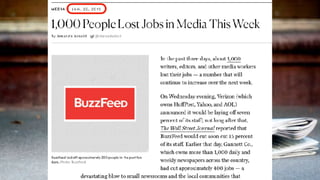
Overcoming declining circulation
• Advertising revenue
• Cutting back on staff
Meetings
Governmental and quasi-governmental bodies
Emphasize the most important actions, the
dramatic, the unexpected
Speeches
Accurately reflect what a person said
in interesting and coherent way
Obituaries
Usually written by journalists for prominent or
interesting people
Types of News Stories
Weather Stories
Significant weather events
Long-term stories
Crime and Courtroom Stories
Conflict, impact, unusualness
Periodicals and Anniversary Stories
Shared events that are tied directly to
the calendar
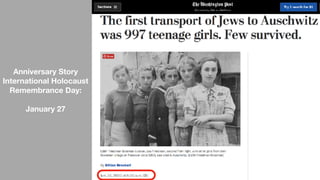
Anniversary Story
International Holocaust
Remembrance Day:
January 27
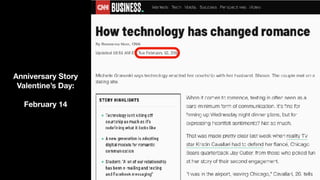
Anniversary Story
Valentine’s Day:
February 14
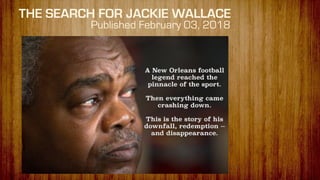
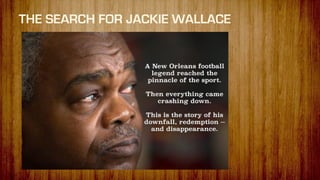
THE SEARCH FOR JACKIE WALLACE
Published February 03, 2018
Story and photos by Ted Jackson
One foot in front of the other, the hulking old man trudged up the
ramp to the Pontchartrain Expressway. A cold wind stiffened his
face, so he bundled tighter and kept walking. His decision was
made. A life full of accolades and praise meant nothing to him
now. A man who was once the pride of his New Orleans
hometown, his St. Augustine alma mater and his 7th Ward family
and friends was undone. He was on his way to die.
The man was tired. In his 63 years, he had run with the gods and
slept with the devil. Living low and getting high had become as
routine as taking a breath. A hideous disease was eating his
insides. He was an alcoholic, and he also craved crack cocaine. He
was tired of fighting. He was tired of playing the game.
Writing Feature Stories
List all the ways in which this story
differs from a hard news story!
Hard news vs. Soft news
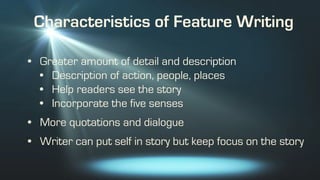
Characteristics of Feature Writing
• Greater amount of detail and description
• Description of action, people, places
• Help readers see the story
• Incorporate the five senses
• More quotations and dialogue
• Writer can put self in story but keep focus on the story
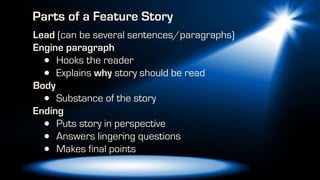
Lead (can be several sentences/paragraphs)
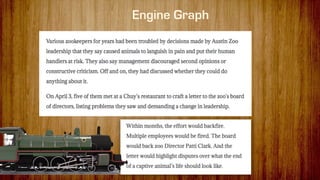
Engine paragraph
• Hooks the reader
• Explains why story should be read
Body
• Substance of the story
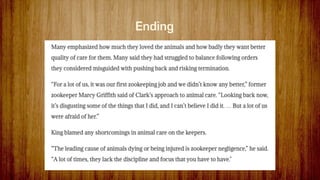
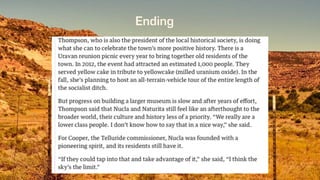
Ending
• Puts story in perspective
• Answers lingering questions
• Makes final points
Parts of a Feature Story
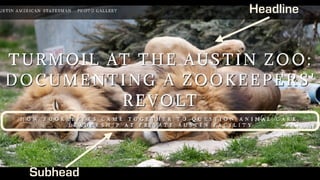
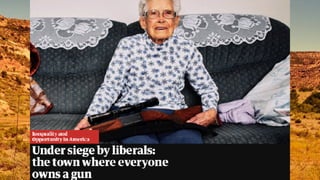
Subhead
Headline
Photo
Journalism
Engine Graph
Ending
THE SEARCH FOR JACKIE WALLACE
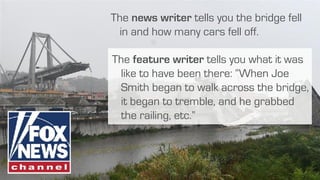
The feature writer tells you what it was
like to have been there: “When Joe
Smith began to walk across the bridge,
it began to tremble, and he grabbed
the railing, etc.”
The news writer tells you the bridge fell
in and how many cars fell off.
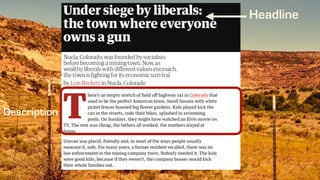
Headline
Description
Photo
Journalism
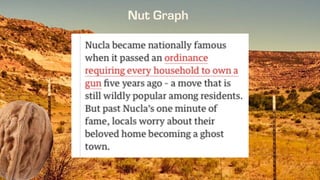
Nut Graph
Ending
Spelling, Grammar, and Style Mistakes
Embarrassing and harmful for writer
• Why?
• How do you prevent this?
Verbs
• Quickest way to improve writing
• Use active voice and action verbs
Wordiness
• Major and consistent problem
Answering All the Questions
• Do a complete job gathering information
Editing and Rewriting
Internal Consistency
• Article should make sense
Gathering information
Learning appropriate structures
and writing conventions
Enhancing your writing
The Challenge
of Writing
First few paragraphs
• Get reader interested
• Raise questions that the story
promises to answer
“Nut graph”
• Indicates where the story is going
• Why written
• Invites reader to read on
Long-Form Journalism
Fiction techniques to tell a true story
Metaphors
Similes
Plotting
Pacing
Detailed scenes
Dialogue
Development of key figures
Writer may enter story
Literary Journalism
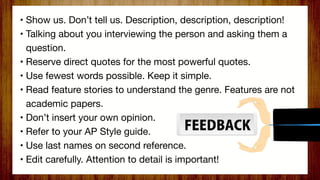
• Show us. Don’t tell us. Description, description, description!
• Talking about you interviewing the person and asking them a
question.
• Reserve direct quotes for the most powerful quotes.
• Use fewest words possible. Keep it simple.
• Read feature stories to understand the genre. Features are not
academic papers.
• Don’t insert your own opinion.
• Refer to your AP Style guide.
• Use last names on second reference.
• Edit carefully. Attention to detail is important!

Writing for Print - Chapter 6 Media Writing

  • 1.
  • 3.
    Overcoming declining circulation •Advertising revenue • Cutting back on staff
  • 6.
    Meetings Governmental and quasi-governmentalbodies Emphasize the most important actions, the dramatic, the unexpected Speeches Accurately reflect what a person said in interesting and coherent way Obituaries Usually written by journalists for prominent or interesting people Types of News Stories
  • 7.
    Types of NewsStories Weather Stories Significant weather events Long-term stories Crime and Courtroom Stories Conflict, impact, unusualness Periodicals and Anniversary Stories Shared events that are tied directly to the calendar
  • 8.
  • 9.
  • 10.
    THE SEARCH FORJACKIE WALLACE Published February 03, 2018
  • 11.
    Story and photosby Ted Jackson One foot in front of the other, the hulking old man trudged up the ramp to the Pontchartrain Expressway. A cold wind stiffened his face, so he bundled tighter and kept walking. His decision was made. A life full of accolades and praise meant nothing to him now. A man who was once the pride of his New Orleans hometown, his St. Augustine alma mater and his 7th Ward family and friends was undone. He was on his way to die. The man was tired. In his 63 years, he had run with the gods and slept with the devil. Living low and getting high had become as routine as taking a breath. A hideous disease was eating his insides. He was an alcoholic, and he also craved crack cocaine. He was tired of fighting. He was tired of playing the game.
  • 12.
    Writing Feature Stories Listall the ways in which this story differs from a hard news story! Hard news vs. Soft news
  • 13.
    Characteristics of FeatureWriting • Greater amount of detail and description • Description of action, people, places • Help readers see the story • Incorporate the five senses • More quotations and dialogue • Writer can put self in story but keep focus on the story
  • 14.
    Lead (can beseveral sentences/paragraphs) Engine paragraph • Hooks the reader • Explains why story should be read Body • Substance of the story Ending • Puts story in perspective • Answers lingering questions • Makes final points Parts of a Feature Story
  • 15.
  • 16.
  • 17.
  • 18.
  • 19.
    THE SEARCH FORJACKIE WALLACE
  • 20.
    The feature writertells you what it was like to have been there: “When Joe Smith began to walk across the bridge, it began to tremble, and he grabbed the railing, etc.” The news writer tells you the bridge fell in and how many cars fell off.
  • 22.
  • 23.
  • 24.
  • 25.
  • 26.
    Spelling, Grammar, andStyle Mistakes Embarrassing and harmful for writer • Why? • How do you prevent this? Verbs • Quickest way to improve writing • Use active voice and action verbs Wordiness • Major and consistent problem Answering All the Questions • Do a complete job gathering information Editing and Rewriting Internal Consistency • Article should make sense
  • 27.
    Gathering information Learning appropriatestructures and writing conventions Enhancing your writing The Challenge of Writing
  • 28.
    First few paragraphs •Get reader interested • Raise questions that the story promises to answer “Nut graph” • Indicates where the story is going • Why written • Invites reader to read on Long-Form Journalism
  • 29.
    Fiction techniques totell a true story Metaphors Similes Plotting Pacing Detailed scenes Dialogue Development of key figures Writer may enter story Literary Journalism
  • 30.
    • Show us.Don’t tell us. Description, description, description! • Talking about you interviewing the person and asking them a question. • Reserve direct quotes for the most powerful quotes. • Use fewest words possible. Keep it simple. • Read feature stories to understand the genre. Features are not academic papers. • Don’t insert your own opinion. • Refer to your AP Style guide. • Use last names on second reference. • Edit carefully. Attention to detail is important!