Rejoining the
information access
landscape
TERRY REESE
HEAD OF DIGITAL INITIATIVES
THE OHIO STATE UNIVERSITY LIBRARIES
3 things
1. At this point in our history, there is no such thing as a digital library (or digital collections for
that matter)
2. Libraries must embrace, support, create open data (and systems) or will become largely
more irrelevant to their communities
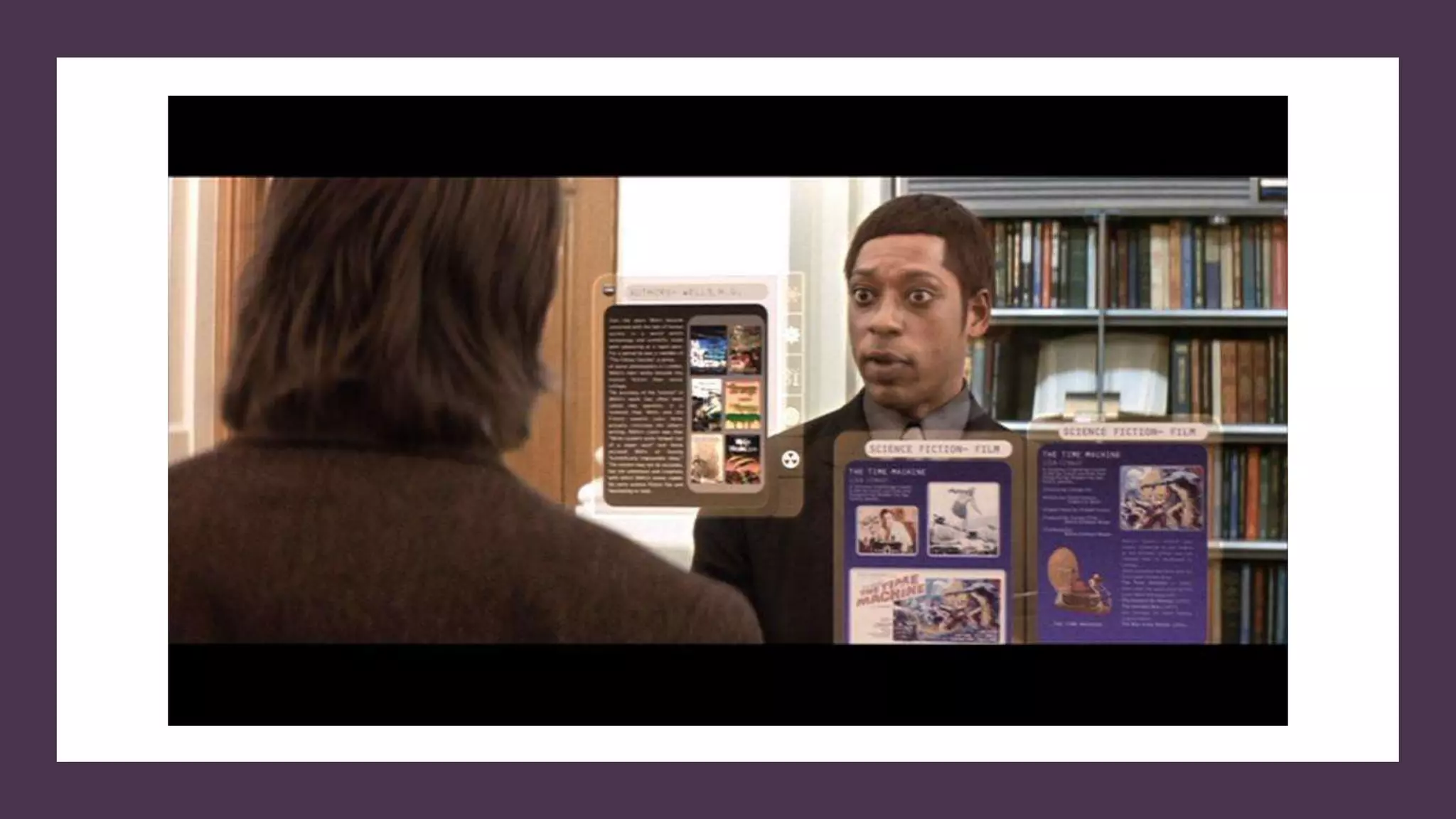
3. The same way physical libraries are platforms for their users; the libraries must have a digital
platform, a mechanism that enables non-carbon-based users to interact with its information,
easily and seamlessly
“It seems to me that we’ve spent enough time
on closing down our information systems
while attempting to broaden our influence
through the production and delivery of
innovative library programs and services.
When we support the development and use of
closed systems we’re failing our
communities.”
Open your own systems
Start to think of the library, and it’s systems as
a coherent platform, and open them
Understand the data you collect, house, and
make available, and provide clear usage
information that is both human and machine
readable
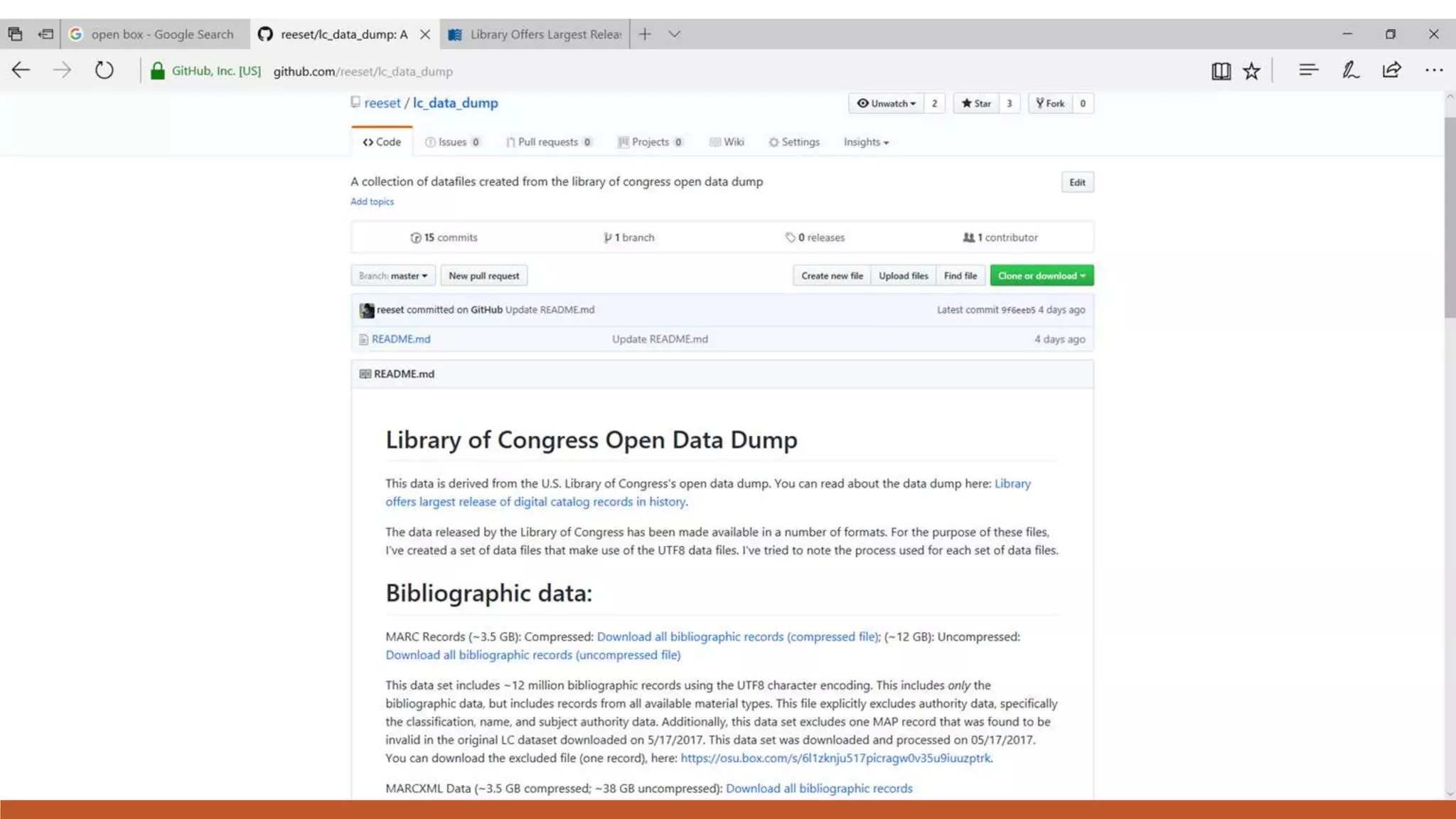
Share your data, and the information about
your data, widely
Don’t forget about your non-human
users
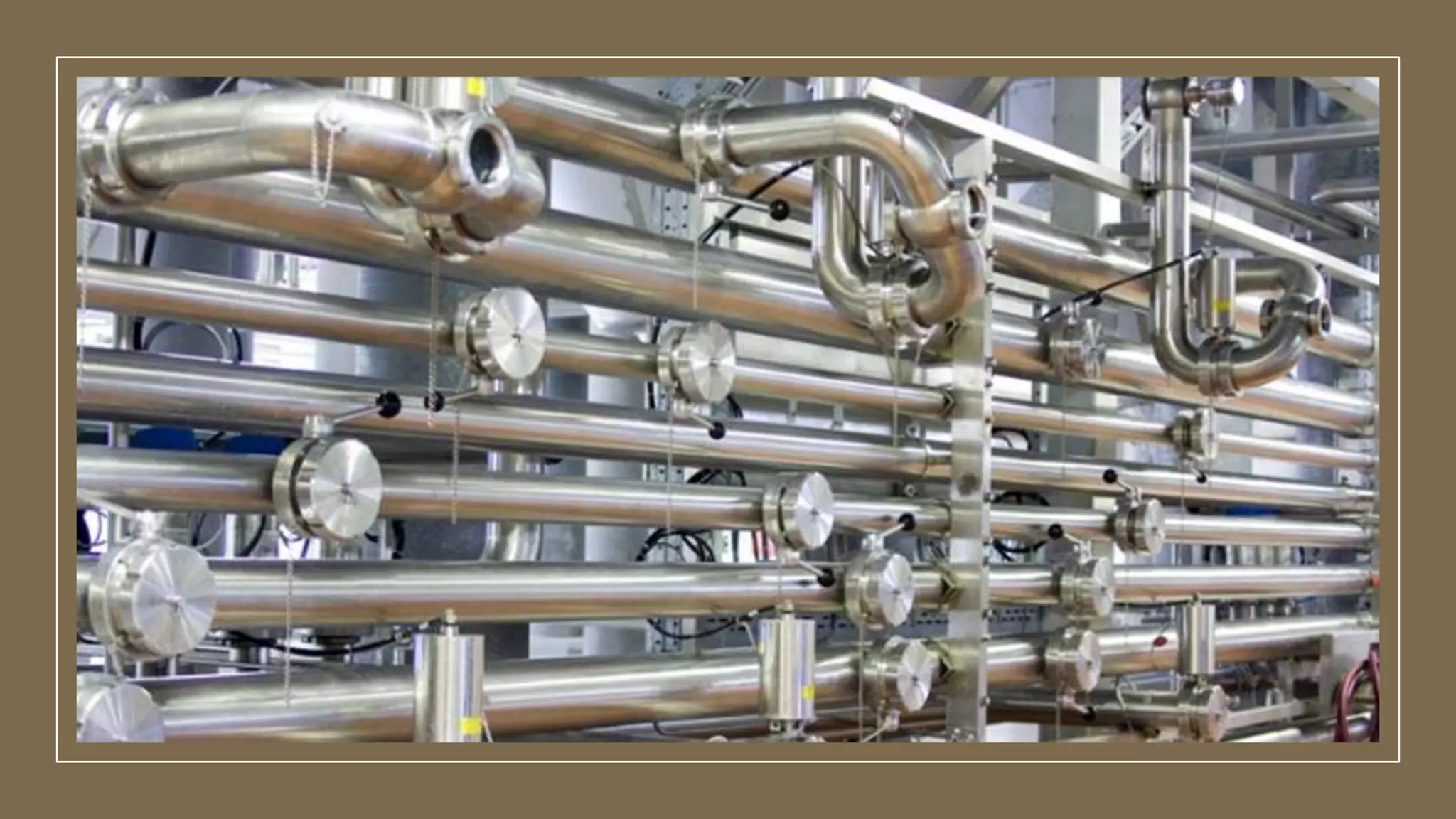
BE A NETWORK PIPE
As Libraries, we need to rethink our own
systems and how we share, create, and allow
other systems to interact with us. We need to
develop our digital infrastructure as a
platform, not a set of loosely organized
systems
◦ We serve data and participate in building the
semantic infrastructure
◦ We provide APIs and documentation
◦ We promiscuously share our data, freely, and
openly.
Rejoining the Information access landscape

Rejoining the Information access landscape

  • 1.
    Rejoining the information access landscape TERRYREESE HEAD OF DIGITAL INITIATIVES THE OHIO STATE UNIVERSITY LIBRARIES
  • 6.
    3 things 1. Atthis point in our history, there is no such thing as a digital library (or digital collections for that matter) 2. Libraries must embrace, support, create open data (and systems) or will become largely more irrelevant to their communities 3. The same way physical libraries are platforms for their users; the libraries must have a digital platform, a mechanism that enables non-carbon-based users to interact with its information, easily and seamlessly
  • 10.
    “It seems tome that we’ve spent enough time on closing down our information systems while attempting to broaden our influence through the production and delivery of innovative library programs and services. When we support the development and use of closed systems we’re failing our communities.”
  • 11.
    Open your ownsystems Start to think of the library, and it’s systems as a coherent platform, and open them Understand the data you collect, house, and make available, and provide clear usage information that is both human and machine readable Share your data, and the information about your data, widely
  • 14.
    Don’t forget aboutyour non-human users BE A NETWORK PIPE As Libraries, we need to rethink our own systems and how we share, create, and allow other systems to interact with us. We need to develop our digital infrastructure as a platform, not a set of loosely organized systems ◦ We serve data and participate in building the semantic infrastructure ◦ We provide APIs and documentation ◦ We promiscuously share our data, freely, and openly.