Reading a TextbookSonja Franeta, English as a Second Language Instructor
Textbooks are difficultThey are not pleasure readingThey are meant to give informationThe words and concepts are complexYou are not aloneASK QUESTIONSYou will find the answers.
Form study groupsHelp each other
Some myths about readingYou have to read every word.You have to read everything in order.Reading one time should be enough.Don’t skim or you won’t remember things.Looking at the pictures will distract you.NOT TRUE!!!
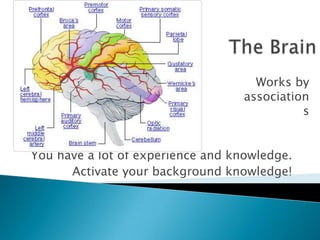
The BrainWorks by associationsYou have a lot of experience and knowledge.Activate your background knowledge!
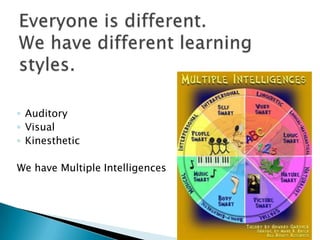
Everyone is different.We have different learning styles.AuditoryVisualKinestheticWe have Multiple Intelligences
Academics have emphasized the linguistic and logical intelligences but you are studying kinesthetically—hands on.More learning opportunities.
How to read a textbook?Don’t be intimidated.You are reading it for a purpose. What are you trying to find out?The drill press unit—p.335
Look at the title and think about what you know about drill presses before reading.The book gives you a lot of help with summaries and review questions.You can look them over.
Preview the chapterRead the titleAnd the first and last paragraphsLook at subheadingsRead anything boldfaced and italicized.Look at pictures and charts.Get associations going and think about the subject.
Read the chapterMark things you want to go back to with “*” or an abbreviation like “imp” or other marksUnderline important terms with explanationsPut question marks where you don’t understand or want to ask about
Take notesTo help you remember:Jot down the title of the section or chapterWhat are the key points?write down the page numbers you want to remember.
You can also preview the chapter or unit and think about what the main idea isThen go back to the parts that interest you. For example, maybe you just want to find out about tapping.
It is important to find out the main idea.Does it fit with your purpose?
Make vocabulary flashcardsOn one side the wordOn the other side the definition, maybe its usage.
If you want to study a chapter, use the review questionsIf you don’t have review questions, write a question that goes with each paragraph or subheading as a way of summarizing.
What unit of measure is used for cutting speed?What is spotting, and why is it performed?What is pecking or peck drilling?Why is it better to tap on drill press rather than hand tap?Now for some detective work!
On a piece of paper:What did you learn?What was helpful?Do you have questions?			Sonja Franeta			464-3238sfraneta@peralta.edu

Reading your textbook

  • 1.
    Reading a TextbookSonjaFraneta, English as a Second Language Instructor
  • 2.
    Textbooks are difficultTheyare not pleasure readingThey are meant to give informationThe words and concepts are complexYou are not aloneASK QUESTIONSYou will find the answers.
  • 3.
  • 4.
    Some myths aboutreadingYou have to read every word.You have to read everything in order.Reading one time should be enough.Don’t skim or you won’t remember things.Looking at the pictures will distract you.NOT TRUE!!!
  • 5.
    The BrainWorks byassociationsYou have a lot of experience and knowledge.Activate your background knowledge!
  • 6.
    Everyone is different.Wehave different learning styles.AuditoryVisualKinestheticWe have Multiple Intelligences
  • 7.
    Academics have emphasizedthe linguistic and logical intelligences but you are studying kinesthetically—hands on.More learning opportunities.
  • 8.
    How to reada textbook?Don’t be intimidated.You are reading it for a purpose. What are you trying to find out?The drill press unit—p.335
  • 9.
    Look at thetitle and think about what you know about drill presses before reading.The book gives you a lot of help with summaries and review questions.You can look them over.
  • 10.
    Preview the chapterReadthe titleAnd the first and last paragraphsLook at subheadingsRead anything boldfaced and italicized.Look at pictures and charts.Get associations going and think about the subject.
  • 11.
    Read the chapterMarkthings you want to go back to with “*” or an abbreviation like “imp” or other marksUnderline important terms with explanationsPut question marks where you don’t understand or want to ask about
  • 12.
    Take notesTo helpyou remember:Jot down the title of the section or chapterWhat are the key points?write down the page numbers you want to remember.
  • 13.
    You can alsopreview the chapter or unit and think about what the main idea isThen go back to the parts that interest you. For example, maybe you just want to find out about tapping.
  • 14.
    It is importantto find out the main idea.Does it fit with your purpose?
  • 15.
    Make vocabulary flashcardsOnone side the wordOn the other side the definition, maybe its usage.
  • 16.
    If you wantto study a chapter, use the review questionsIf you don’t have review questions, write a question that goes with each paragraph or subheading as a way of summarizing.
  • 17.
    What unit ofmeasure is used for cutting speed?What is spotting, and why is it performed?What is pecking or peck drilling?Why is it better to tap on drill press rather than hand tap?Now for some detective work!
  • 18.
    On a pieceof paper:What did you learn?What was helpful?Do you have questions? Sonja Franeta 464-3238sfraneta@peralta.edu