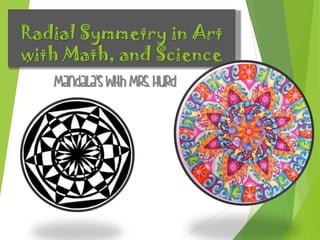
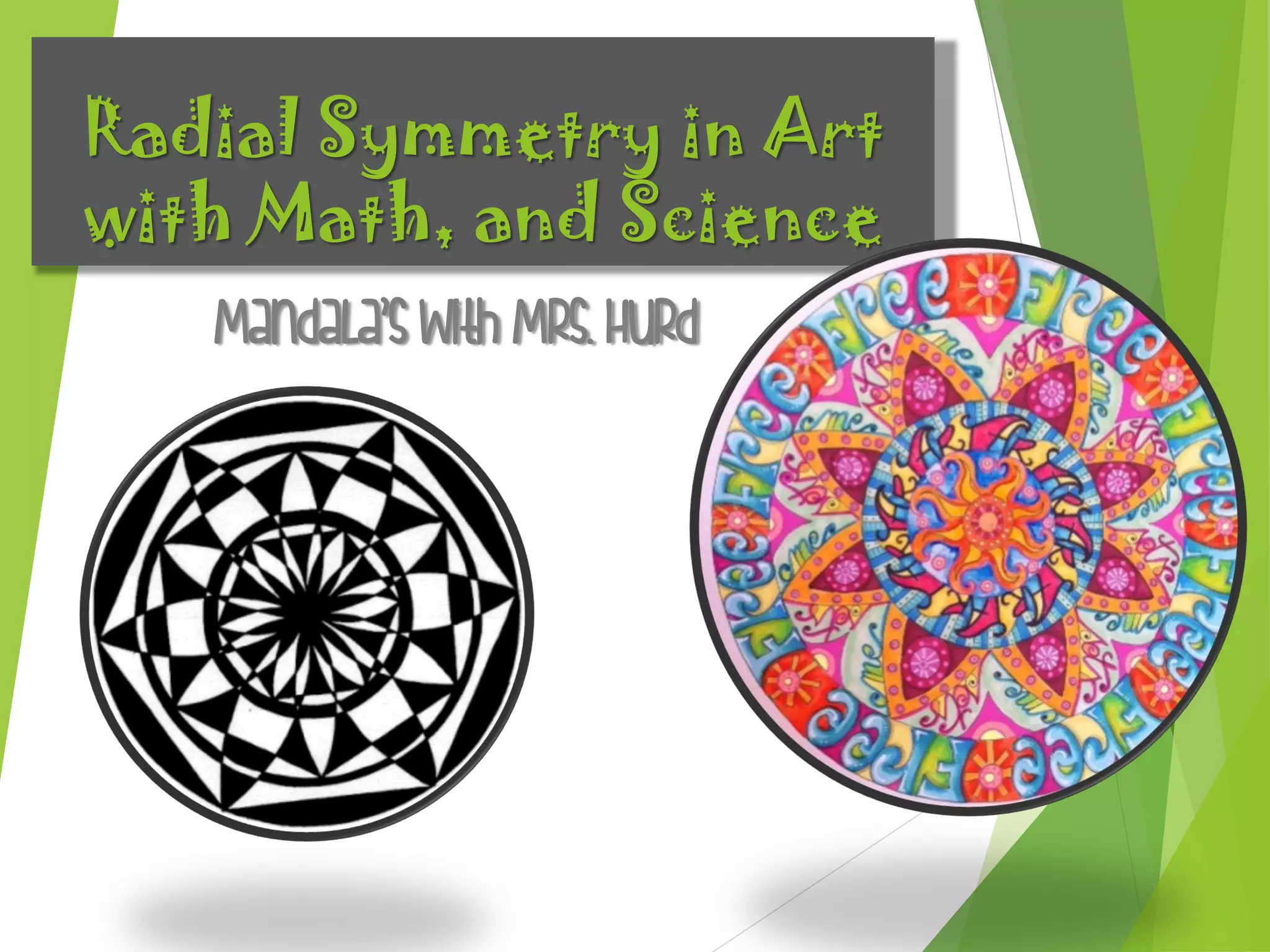
Radial Symmetry in Art
with Math, and Science
Mandala’s with Mrs. Hurd
Vocabulary & Q’s to define
during Power Point
1. Radial Symmetry
2. Balance
3. Asymmetrical Balance
4. Mirror/Bilateral Symmetry
5. Types of Man Made Balance
6. Types of Nature Balance
7. Congruent
8. Radius
9. Diameter
10. How many sections should your mandala have?
Radial Symmetry
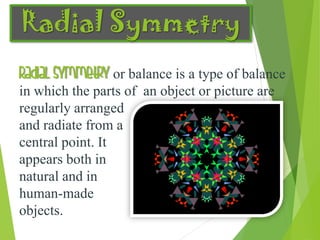
Radial symmetry or balance is a type of balance
in which the parts of an object or picture are
regularly arranged
and radiate from a
central point. It
appears both in
natural and in
human-made
objects.
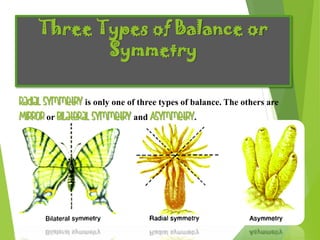
Three Types of Balance or
Symmetry
Radial Symmetry is only one of three types of balance. The others are
Mirror or Bilateral Symmetry and Asymmetry.
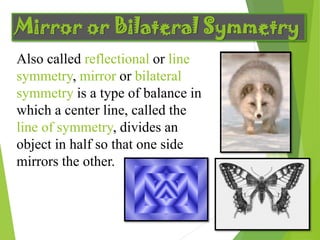
Mirror or Bilateral Symmetry
Also called reflectional or line
symmetry, mirror or bilateral
symmetry is a type of balance in
which a center line, called the
line of symmetry, divides an
object in half so that one side
mirrors the other.
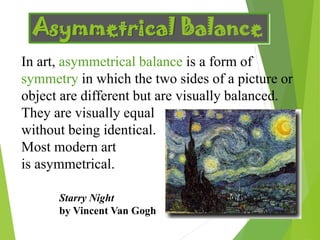
Asymmetrical Balance
In art, asymmetrical balance is a form of
symmetry in which the two sides of a picture or
object are different but are visually balanced.
They are visually equal
without being identical.
Most modern art
is asymmetrical.
Starry Night
by Vincent Van Gogh
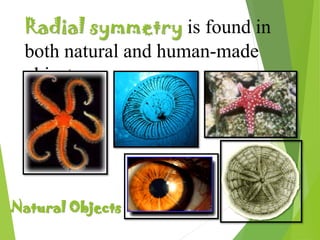
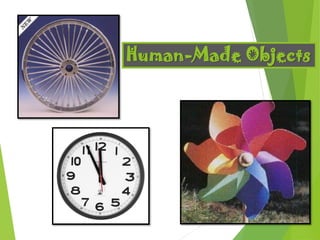
Radial symmetry is found in
both natural and human-made
objects.
Natural Objects
Human-Made Objects
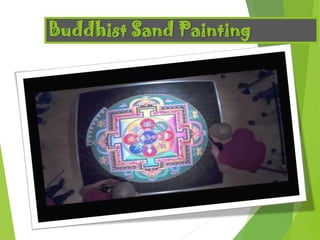
Buddhist Sand Painting
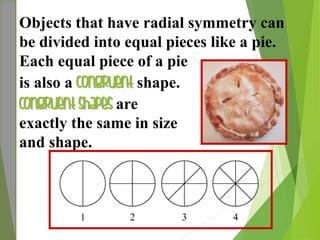
Objects that have radial symmetry can
be divided into equal pieces like a pie.
Each equal piece of a pie
is also a congruent shape.
Congruent shapes are
exactly the same in size
and shape.
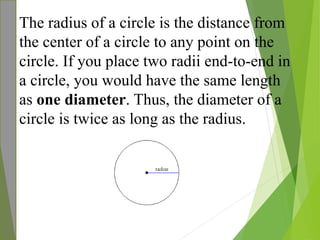
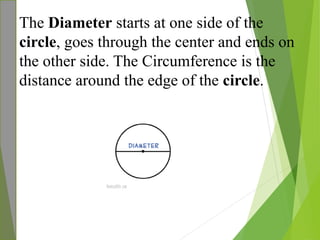
The radius of a circle is the distance from
the center of a circle to any point on the
circle. If you place two radii end-to-end in
a circle, you would have the same length
as one diameter. Thus, the diameter of a
circle is twice as long as the radius.
The Diameter starts at one side of the
circle, goes through the center and ends on
the other side. The Circumference is the
distance around the edge of the circle.
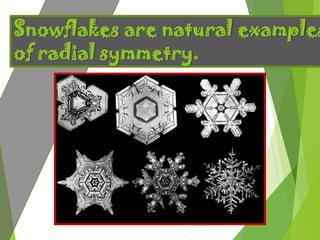
Snowflakes are natural examples
of radial symmetry.
mendi
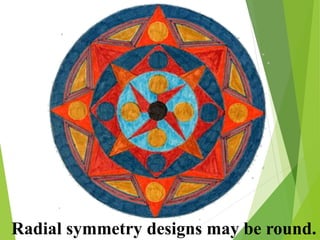
Radial symmetry designs may be round.
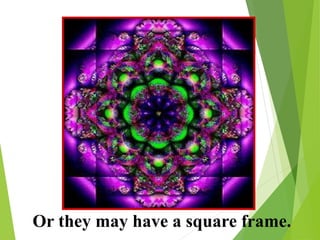
Or they may have a square frame.
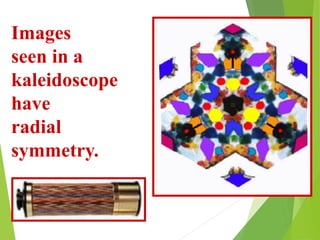
Images
seen in a
kaleidoscope
have
radial
symmetry.
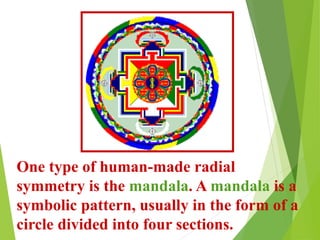
One type of human-made radial
symmetry is the mandala. A mandala is a
symbolic pattern, usually in the form of a
circle divided into four sections.
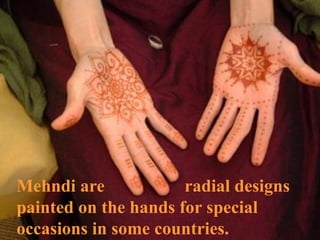
Mehndi are radial designs
painted on the hands for special
occasions in some countries.
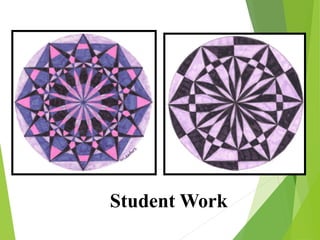
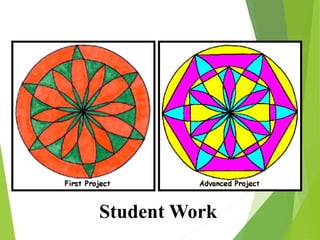
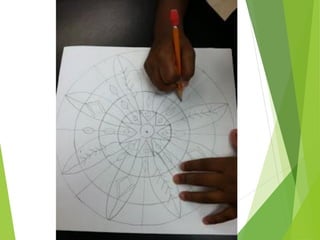
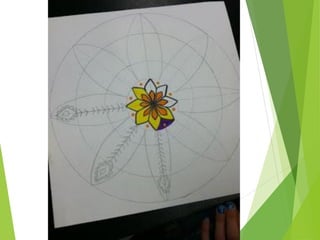
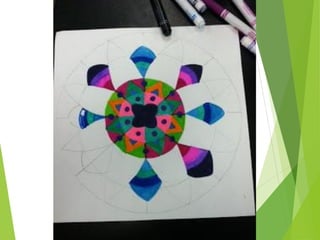
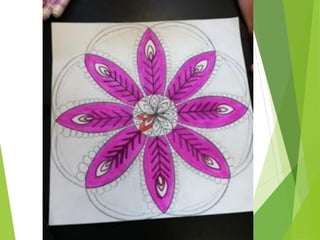
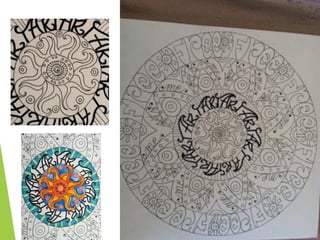
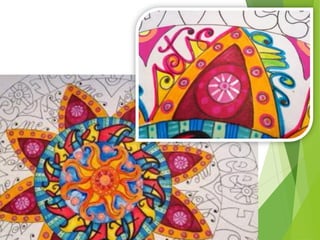
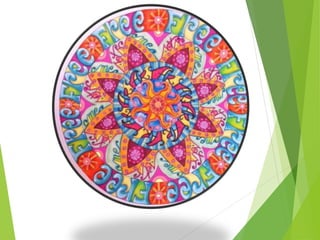
Student Work
Student Work
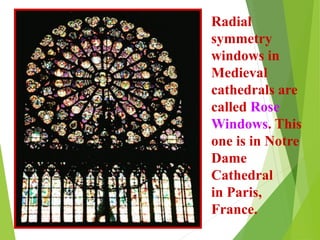
Radial
symmetry
windows in
Medieval
cathedrals are
called Rose
Windows. This
one is in Notre
Dame
Cathedral
in Paris,
France.
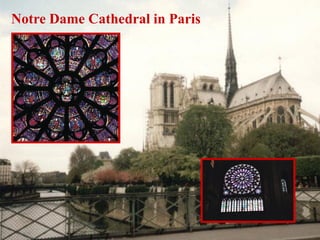
Notre Dame Cathedral in Paris
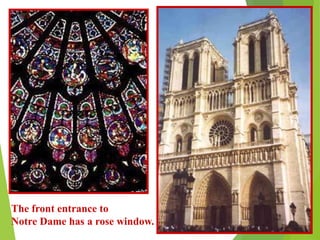
The front entrance to
Notre Dame has a rose window.
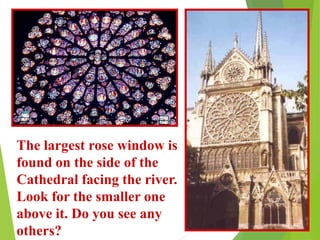
The largest rose window is
found on the side of the
Cathedral facing the river.
Look for the smaller one
above it. Do you see any
others?
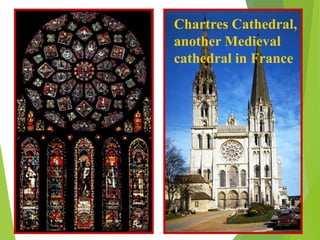
Chartres Cathedral,
another Medieval
cathedral in France
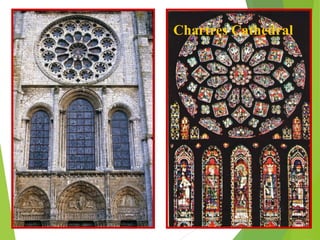
Chartres Cathedral
Materials
Today:
Square drawing paper
Pencil & Eraser
Compass
Ruler
Later:
Colored Pencils
Black Ink pen & Sharpie
Markers
FEEL FREE TO
BRING IN YOUR OWN
•Do NOT trace over the guide lines with black
marker.....for you may want to erase some of them like
I did.
•Do EVERYTHING in pencil first LIGHTLY. These
lines are just guides that will help to provide you with
"Balance"- the basis of all mandalas.
•
The key is to start at the center and work your way
outward in a radiating manner. So if incorporating any
words or sayings.....it will read from the center out.
Tips before we get started…
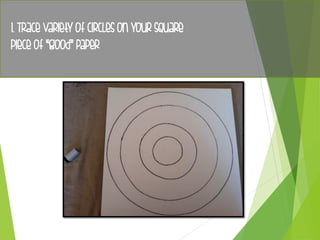
1. Trace variety of circles on your square
piece of “good” paper
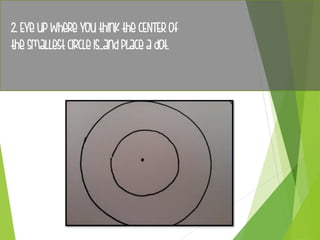
2. Eye up where you think the CENTER of
the smallest circle is...and place a dot.
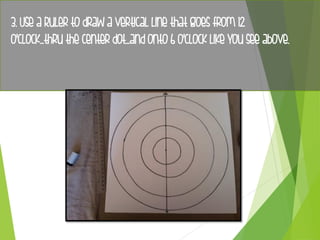
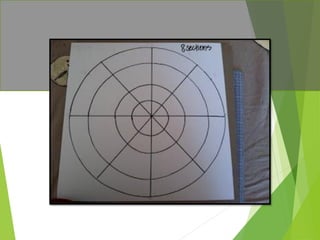
3. Use a Ruler to draw a vertical line that goes from 12
o'clock...thru the center dot...and onto 6 o'clock like you see above.
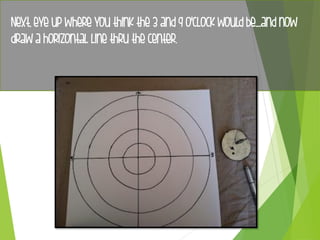
Next, eye up where you think the 3 and 9 o'clock would be....and now
draw a horizontal line thru the center.
5. Place a dot where you think the 1 and 2 o'clock will be....as well as
the 10 and 11 o'clock.
You do NOT need to place dots below the horizontal line.
Match up your ruler with each of these marks, one at a time, being
sure to intersect the center dot. This will give you an 8 section
layout when you are done.
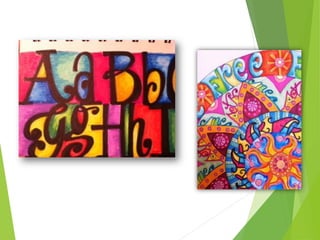
HOW TO COLOR WITH COLORED
PENCILS & MARKERS:
Lay down a base color with marker/highlighter
Using colored pencils, find the closed up areas
of your letters and in between them. Select at
least two colors of the same color family (light
and dark blue, light and dark green, yellow and
yellow orange....pink and purple)....color the
entire space with lightest color first, but do not
press too hard at first....just put some color
down...then around the edges, apply the darker
color...pressing harder at first, then lightening
the pressure toward the center.....then blend with
the lighter color pressing a little harder this time.
Learning outcome-
Geometry and spatial reasoning.
The student recognizes congruence
and symmetry.
The student is expected to:
(A) identify congruent shapes;
(B) create shapes with lines of
symmetry using concrete models and
technology; and
(C) identify lines of symmetry in
shapes.

Radialsymmetry

  • 1.
    Radial Symmetry inArt with Math, and Science Mandala’s with Mrs. Hurd
  • 2.
    Vocabulary & Q’sto define during Power Point 1. Radial Symmetry 2. Balance 3. Asymmetrical Balance 4. Mirror/Bilateral Symmetry 5. Types of Man Made Balance 6. Types of Nature Balance 7. Congruent 8. Radius 9. Diameter 10. How many sections should your mandala have?
  • 3.
    Radial Symmetry Radial symmetryor balance is a type of balance in which the parts of an object or picture are regularly arranged and radiate from a central point. It appears both in natural and in human-made objects.
  • 4.
    Three Types ofBalance or Symmetry Radial Symmetry is only one of three types of balance. The others are Mirror or Bilateral Symmetry and Asymmetry.
  • 5.
    Mirror or BilateralSymmetry Also called reflectional or line symmetry, mirror or bilateral symmetry is a type of balance in which a center line, called the line of symmetry, divides an object in half so that one side mirrors the other.
  • 6.
    Asymmetrical Balance In art,asymmetrical balance is a form of symmetry in which the two sides of a picture or object are different but are visually balanced. They are visually equal without being identical. Most modern art is asymmetrical. Starry Night by Vincent Van Gogh
  • 7.
    Radial symmetry isfound in both natural and human-made objects. Natural Objects
  • 8.
  • 9.
  • 10.
    Objects that haveradial symmetry can be divided into equal pieces like a pie. Each equal piece of a pie is also a congruent shape. Congruent shapes are exactly the same in size and shape.
  • 11.
    The radius ofa circle is the distance from the center of a circle to any point on the circle. If you place two radii end-to-end in a circle, you would have the same length as one diameter. Thus, the diameter of a circle is twice as long as the radius.
  • 12.
    The Diameter startsat one side of the circle, goes through the center and ends on the other side. The Circumference is the distance around the edge of the circle.
  • 13.
    Snowflakes are naturalexamples of radial symmetry.
  • 14.
  • 15.
    Or they mayhave a square frame.
  • 16.
  • 17.
    One type ofhuman-made radial symmetry is the mandala. A mandala is a symbolic pattern, usually in the form of a circle divided into four sections.
  • 18.
    Mehndi are radialdesigns painted on the hands for special occasions in some countries.
  • 19.
  • 20.
  • 21.
    Radial symmetry windows in Medieval cathedrals are calledRose Windows. This one is in Notre Dame Cathedral in Paris, France.
  • 22.
  • 23.
    The front entranceto Notre Dame has a rose window.
  • 24.
    The largest rosewindow is found on the side of the Cathedral facing the river. Look for the smaller one above it. Do you see any others?
  • 25.
  • 26.
  • 27.
    Materials Today: Square drawing paper Pencil& Eraser Compass Ruler Later: Colored Pencils Black Ink pen & Sharpie Markers FEEL FREE TO BRING IN YOUR OWN
  • 28.
    •Do NOT traceover the guide lines with black marker.....for you may want to erase some of them like I did. •Do EVERYTHING in pencil first LIGHTLY. These lines are just guides that will help to provide you with "Balance"- the basis of all mandalas. • The key is to start at the center and work your way outward in a radiating manner. So if incorporating any words or sayings.....it will read from the center out. Tips before we get started…
  • 29.
    1. Trace varietyof circles on your square piece of “good” paper
  • 30.
    2. Eye upwhere you think the CENTER of the smallest circle is...and place a dot.
  • 31.
    3. Use aRuler to draw a vertical line that goes from 12 o'clock...thru the center dot...and onto 6 o'clock like you see above.
  • 32.
    Next, eye upwhere you think the 3 and 9 o'clock would be....and now draw a horizontal line thru the center.
  • 33.
    5. Place adot where you think the 1 and 2 o'clock will be....as well as the 10 and 11 o'clock. You do NOT need to place dots below the horizontal line. Match up your ruler with each of these marks, one at a time, being sure to intersect the center dot. This will give you an 8 section layout when you are done.
  • 35.
    HOW TO COLORWITH COLORED PENCILS & MARKERS: Lay down a base color with marker/highlighter Using colored pencils, find the closed up areas of your letters and in between them. Select at least two colors of the same color family (light and dark blue, light and dark green, yellow and yellow orange....pink and purple)....color the entire space with lightest color first, but do not press too hard at first....just put some color down...then around the edges, apply the darker color...pressing harder at first, then lightening the pressure toward the center.....then blend with the lighter color pressing a little harder this time.
  • 44.
    Learning outcome- Geometry andspatial reasoning. The student recognizes congruence and symmetry. The student is expected to: (A) identify congruent shapes; (B) create shapes with lines of symmetry using concrete models and technology; and (C) identify lines of symmetry in shapes.