
Psychological
selling & Pricing
People make decisions emotionally
● Feeling
● Need
● Emotion
● Not on logical thought process
What is the emotional hot button here?
Emotions linked to the buying decision
● Greed. "If I make a decision now, I will be rewarded."
● Fear. "If I don't make a decision now, I'm toast."
● Altruism. "If I make a decision now, I will help others."
● Envy. "If I don't make a decision now, my competition will win."
● Pride. "If I make a decision now, I will look smart."
● Shame. "If I don't make a decision now, I will look stupid."
People justify decisions with facts
1. Product reaches the customer
2. He falls in love with it
3. The customer can’t bring himself to buy the product based on
emotions
4. So.. he reads the technical details to rationalize the purchase
People are egocentric
What’s in it for me?
How does this give me feelings or personal worth?
People think in terms of people
In selling people should be featured through:
● Names
● Personal pronouns
● Quotes
● Testimonials
● Stories
● Photos of satisfied customers
People love to buy
● To discover new products and experiences
● People hate to be tricked
● Instead of selling - help them
People like to see it, hear it, touch it
● Some never buy online because of this
● Unless they have had a satisfactory buying experience
Is there some sensory experience that is missing from our sales
message?
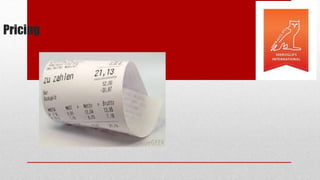
Pricing
Competitive pricing
● Assess how others charge
● What are their values and features
Setting prices near to competitor’s
● Customers won’t rule out for being too expensive
● Avoid the risk of starting a price war
Premium pricing
● Setting a slightly higher price
● Higher price suggests better quality
● Effective in a market with barriers or for small businesses
With higher unit costs, the company can focus on adding value to
product
Discount pricing strategy
● Lowering the price
● Efficient if offering a new service or product
● Sacrificing short-term profits
● As volumes grow - unit costs fall
● Discourages others from entering this market
Works particularly well with commodity products
Produced by Arturs Viksne
Marketing Assistant
Hieroglifs International

Psychological Selling and Pricing

  • 1.
  • 2.
    People make decisionsemotionally ● Feeling ● Need ● Emotion ● Not on logical thought process What is the emotional hot button here?
  • 3.
    Emotions linked tothe buying decision ● Greed. "If I make a decision now, I will be rewarded." ● Fear. "If I don't make a decision now, I'm toast." ● Altruism. "If I make a decision now, I will help others." ● Envy. "If I don't make a decision now, my competition will win." ● Pride. "If I make a decision now, I will look smart." ● Shame. "If I don't make a decision now, I will look stupid."
  • 4.
    People justify decisionswith facts 1. Product reaches the customer 2. He falls in love with it 3. The customer can’t bring himself to buy the product based on emotions 4. So.. he reads the technical details to rationalize the purchase
  • 5.
    People are egocentric What’sin it for me? How does this give me feelings or personal worth?
  • 6.
    People think interms of people In selling people should be featured through: ● Names ● Personal pronouns ● Quotes ● Testimonials ● Stories ● Photos of satisfied customers
  • 7.
    People love tobuy ● To discover new products and experiences ● People hate to be tricked ● Instead of selling - help them
  • 8.
    People like tosee it, hear it, touch it ● Some never buy online because of this ● Unless they have had a satisfactory buying experience Is there some sensory experience that is missing from our sales message?
  • 9.
  • 10.
    Competitive pricing ● Assesshow others charge ● What are their values and features Setting prices near to competitor’s ● Customers won’t rule out for being too expensive ● Avoid the risk of starting a price war
  • 11.
    Premium pricing ● Settinga slightly higher price ● Higher price suggests better quality ● Effective in a market with barriers or for small businesses With higher unit costs, the company can focus on adding value to product
  • 12.
    Discount pricing strategy ●Lowering the price ● Efficient if offering a new service or product ● Sacrificing short-term profits ● As volumes grow - unit costs fall ● Discourages others from entering this market Works particularly well with commodity products
  • 13.
    Produced by ArtursViksne Marketing Assistant Hieroglifs International