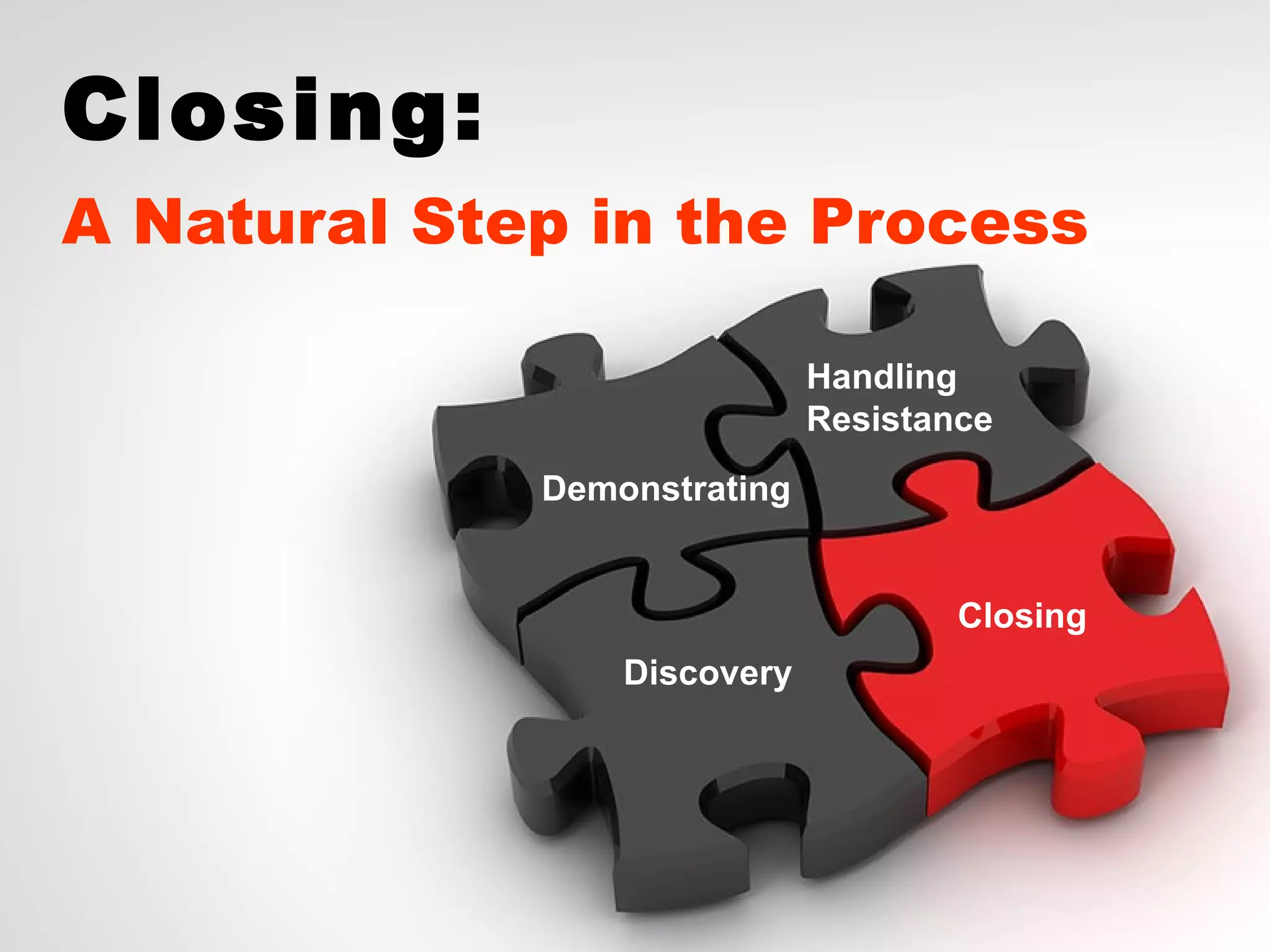
Closing: A Natural Step in the Process Demonstrating Handling Resistance Discovery Closing
Closing If you don’t ask for the order, you won’t make the sale. That statement is one of the basic truths of sales. Because when you ask for an order you provide the reason for the client  to take action.
My Experience: # 1 For every  30  minutes you spend  with a client your chance of  closing increase by  50 %. Sales Institute
How much time do you have to spend, with me, today?
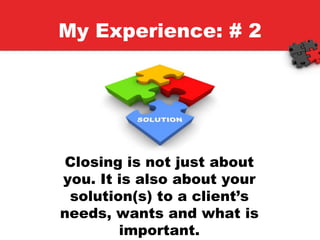
My Experience: # 2 Closing is not just about you. It is also about your solution(s) to a client’s needs, wants and what is important.
For you, what is important about …?
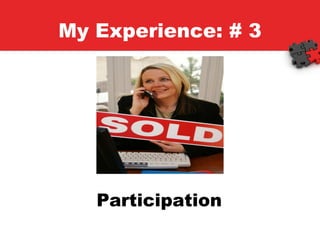
My Experience: # 3 Participation
Three Selling Types Administrator Participator Facilitator
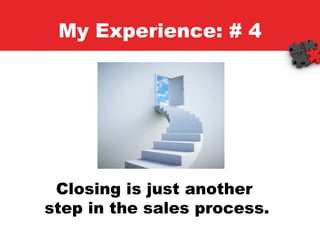
My Experience: # 4 Closing is just another  step in the sales process.
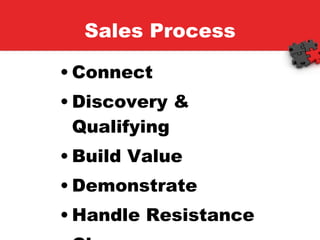
Sales Process Connect Discovery & Qualifying Build Value Demonstrate Handle Resistance Close
My Experience: # 5 No magic bullet
Closing is simply asking for a decision when a salesperson feels certain the prospective buyer is going to say “Yes”.
 
Five-Step Process Step 1: Ask decision-making    and need-to-know      condition questions Step 2: Work with not against    the buying process Step 3: Assume the sale Step 4: Create urgency Step 5: Close constantly
Step One Ask decision-making condition questions Ask need-to-know condition questions
Decision-Making Question For you, what is important about …?
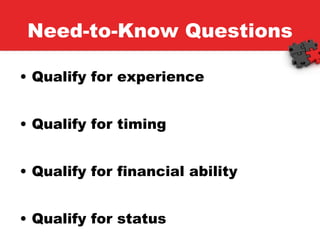
Need-to-Know Questions Qualify for experience Qualify for timing Qualify for financial ability Qualify for status
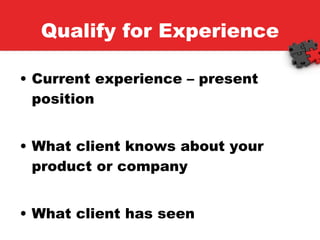
Qualify for Experience Current experience – present position What client knows about your product or company What client has seen
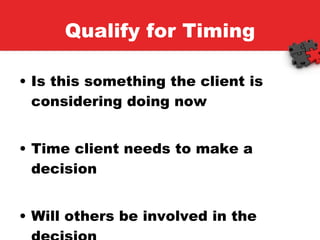
Qualify for Timing Is this something the client is considering doing now Time client needs to make a decision Will others be involved in the decision
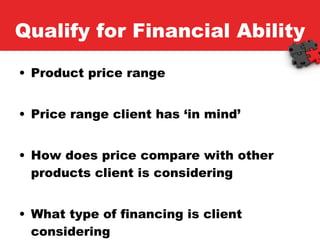
Qualify for Financial Ability Product price range Price range client has ‘in mind’ How does price compare with other products client is considering What type of financing is client considering
Qualify for Status Uncover limiting status Interest … if not now, when Availability of all interested parties Financing
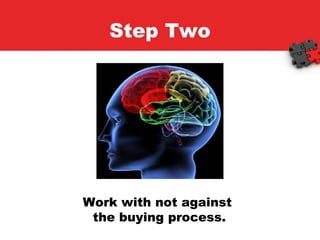
Step Two Work with not against  the buying process.
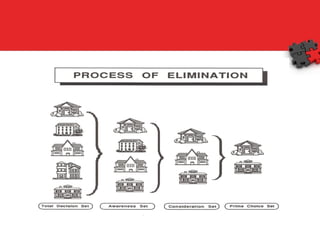
Buying Process Look Compare Contrast Question Eliminate
Understand that when clients start to look they have the whole world from which to choose.
Buying is a process of elimination.
 
To help clients make a  commitment , you must understand where they are in their personal  buying process . Then focus their  attention  on what is being offered to the  exclusion  of everything else they might be  considering or is available.
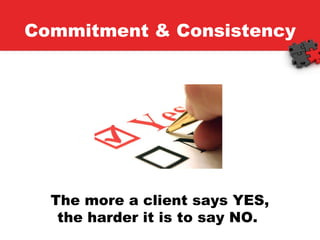
Commitment & Consistency The more a client says YES, the harder it is to say NO.
Influence:  The Psychology  of Persuasion Robert B. Cialdini, PH.D
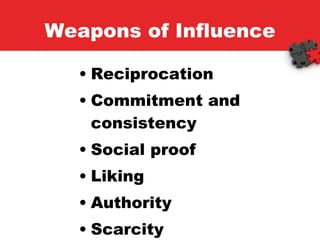
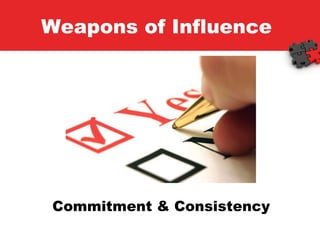
Weapons of Influence Reciprocation Commitment and consistency  Social proof Liking Authority Scarcity
Commitment & Consistency
“ Initially people have a very narrow focus but eventually they need to know everything”. Ken Blanchard Raving Fans
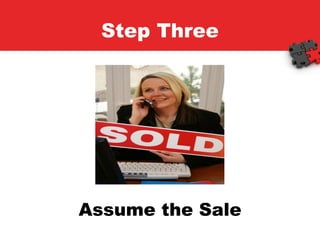
Step Three Assume the Sale
Radiate Enthusiasm Think positively …  confidence is contagious.
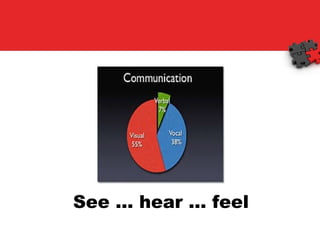
See … hear … feel
Question ATTITUDES ARE CONTAGIOUS Is your attitude  worth catching?
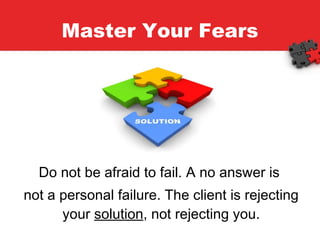
Master Your Fears Do not be afraid to fail. A no answer is  not a personal failure. The client is rejecting your  solution , not rejecting you.
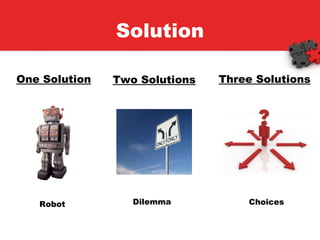
Solution One Solution Two Solutions Three Solutions Robot Dilemma  Choices
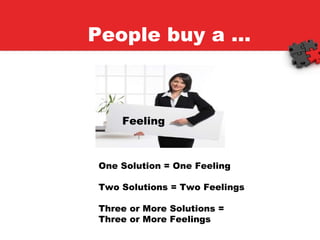
Feeling One Solution = One Feeling Two Solutions = Two Feelings Three or More Solutions = Three or More Feelings People buy a …
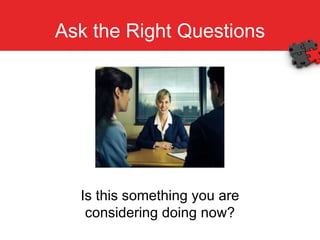
Ask the Right Questions Is this something you are considering doing now?
Serious or  Curious
When you assume the sale is made it makes the buying decision smaller and less painful.
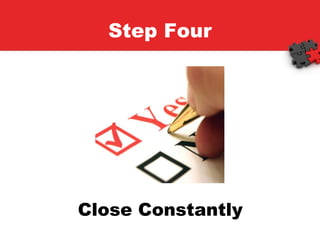
Step Four Close Constantly
If you do not close early and often, you run the risk of losing your client’s respect. Clients know why you are there; they expect you to close. They even expect you to close several times. If you do not close, they will see you as weak and unprofessional.
Tie Downs You can smooth the path to a sale by avoiding a major commitment in favor of several smaller commitments.
Tie Down Questions How does it look? How does it sound? How does it feel? Does it make sense? Is this what you had ‘in mind’? Are you okay with what you see? Will this work for you?
Trail Close A trail close is essentially an attempt to understand your client’s position. When you ask client’s to buy, they can say no, they can stall, they can express an issue or they can buy.
Which cabinets would you prefer, oak or walnut? Which exterior elevation do you prefer, the all brick or the brick and stone? Would you prefer a single door to the patio, French doors or maybe even a slider? I have shown you two plans today, one a two story and the other a single story, which do you prefer?
A trial close is a request for a conditional commitment.
Commitment & Consistency Weapons of Influence
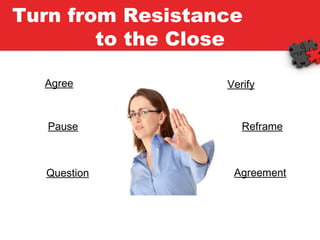
Turn from Resistance  to the Close Agree Pause Question Verify Reframe Agreement
Step Five Create Urgency Do it now!
Urgency is a function of time and personal motivations. What may seem urgent to one client may not to another. Some people place little value on money, while others will jump to close as soon as they learn that a price increase is imminent. Not everyone will react the same way to the things you say to create urgency, so it’s good to develop “urgent messages” to develop buying momentum.
Urgent Messages There is only one of a kind Price increases Financing Construction schedule Processing details Season of the year Solving any contingency Living pleasure
Final Thoughts About Closing Eat the elephant a bite at a time.
A ‘yes’ in any one of the following should be considered a close: Contract Deposit Second Appointment Permission to call
Reading List Influence: The Psychology of Influence Seven Habits of Highly Effective People Raving Fans Magic of Rapport Power of Who
 

Closing: A Natural Step in the Sales Process

  • 1.
    Closing: A NaturalStep in the Process Demonstrating Handling Resistance Discovery Closing
  • 2.
    Closing If youdon’t ask for the order, you won’t make the sale. That statement is one of the basic truths of sales. Because when you ask for an order you provide the reason for the client to take action.
  • 3.
    My Experience: #1 For every 30 minutes you spend with a client your chance of closing increase by 50 %. Sales Institute
  • 4.
    How much timedo you have to spend, with me, today?
  • 5.
    My Experience: #2 Closing is not just about you. It is also about your solution(s) to a client’s needs, wants and what is important.
  • 6.
    For you, whatis important about …?
  • 7.
    My Experience: #3 Participation
  • 8.
    Three Selling TypesAdministrator Participator Facilitator
  • 9.
    My Experience: #4 Closing is just another step in the sales process.
  • 10.
    Sales Process ConnectDiscovery & Qualifying Build Value Demonstrate Handle Resistance Close
  • 11.
    My Experience: #5 No magic bullet
  • 12.
    Closing is simplyasking for a decision when a salesperson feels certain the prospective buyer is going to say “Yes”.
  • 13.
  • 14.
    Five-Step Process Step1: Ask decision-making and need-to-know condition questions Step 2: Work with not against the buying process Step 3: Assume the sale Step 4: Create urgency Step 5: Close constantly
  • 15.
    Step One Askdecision-making condition questions Ask need-to-know condition questions
  • 16.
    Decision-Making Question Foryou, what is important about …?
  • 17.
    Need-to-Know Questions Qualifyfor experience Qualify for timing Qualify for financial ability Qualify for status
  • 18.
    Qualify for ExperienceCurrent experience – present position What client knows about your product or company What client has seen
  • 19.
    Qualify for TimingIs this something the client is considering doing now Time client needs to make a decision Will others be involved in the decision
  • 20.
    Qualify for FinancialAbility Product price range Price range client has ‘in mind’ How does price compare with other products client is considering What type of financing is client considering
  • 21.
    Qualify for StatusUncover limiting status Interest … if not now, when Availability of all interested parties Financing
  • 22.
    Step Two Workwith not against the buying process.
  • 23.
    Buying Process LookCompare Contrast Question Eliminate
  • 24.
    Understand that whenclients start to look they have the whole world from which to choose.
  • 25.
    Buying is aprocess of elimination.
  • 26.
  • 27.
    To help clientsmake a commitment , you must understand where they are in their personal buying process . Then focus their attention on what is being offered to the exclusion of everything else they might be considering or is available.
  • 28.
    Commitment & ConsistencyThe more a client says YES, the harder it is to say NO.
  • 29.
    Influence: ThePsychology of Persuasion Robert B. Cialdini, PH.D
  • 30.
    Weapons of InfluenceReciprocation Commitment and consistency Social proof Liking Authority Scarcity
  • 31.
  • 32.
    “ Initially peoplehave a very narrow focus but eventually they need to know everything”. Ken Blanchard Raving Fans
  • 33.
  • 34.
    Radiate Enthusiasm Thinkpositively … confidence is contagious.
  • 35.
    See … hear… feel
  • 36.
    Question ATTITUDES ARECONTAGIOUS Is your attitude worth catching?
  • 37.
    Master Your FearsDo not be afraid to fail. A no answer is not a personal failure. The client is rejecting your solution , not rejecting you.
  • 38.
    Solution One SolutionTwo Solutions Three Solutions Robot Dilemma Choices
  • 39.
    Feeling One Solution= One Feeling Two Solutions = Two Feelings Three or More Solutions = Three or More Feelings People buy a …
  • 40.
    Ask the RightQuestions Is this something you are considering doing now?
  • 41.
    Serious or Curious
  • 42.
    When you assumethe sale is made it makes the buying decision smaller and less painful.
  • 43.
    Step Four CloseConstantly
  • 44.
    If you donot close early and often, you run the risk of losing your client’s respect. Clients know why you are there; they expect you to close. They even expect you to close several times. If you do not close, they will see you as weak and unprofessional.
  • 45.
    Tie Downs Youcan smooth the path to a sale by avoiding a major commitment in favor of several smaller commitments.
  • 46.
    Tie Down QuestionsHow does it look? How does it sound? How does it feel? Does it make sense? Is this what you had ‘in mind’? Are you okay with what you see? Will this work for you?
  • 47.
    Trail Close Atrail close is essentially an attempt to understand your client’s position. When you ask client’s to buy, they can say no, they can stall, they can express an issue or they can buy.
  • 48.
    Which cabinets wouldyou prefer, oak or walnut? Which exterior elevation do you prefer, the all brick or the brick and stone? Would you prefer a single door to the patio, French doors or maybe even a slider? I have shown you two plans today, one a two story and the other a single story, which do you prefer?
  • 49.
    A trial closeis a request for a conditional commitment.
  • 50.
    Commitment & ConsistencyWeapons of Influence
  • 51.
    Turn from Resistance to the Close Agree Pause Question Verify Reframe Agreement
  • 52.
    Step Five CreateUrgency Do it now!
  • 53.
    Urgency is afunction of time and personal motivations. What may seem urgent to one client may not to another. Some people place little value on money, while others will jump to close as soon as they learn that a price increase is imminent. Not everyone will react the same way to the things you say to create urgency, so it’s good to develop “urgent messages” to develop buying momentum.
  • 54.
    Urgent Messages Thereis only one of a kind Price increases Financing Construction schedule Processing details Season of the year Solving any contingency Living pleasure
  • 55.
    Final Thoughts AboutClosing Eat the elephant a bite at a time.
  • 56.
    A ‘yes’ inany one of the following should be considered a close: Contract Deposit Second Appointment Permission to call
  • 57.
    Reading List Influence:The Psychology of Influence Seven Habits of Highly Effective People Raving Fans Magic of Rapport Power of Who
  • 58.