Project-Based Instruction
and the importance of self-directed learning
@schink10
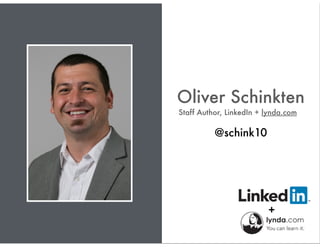
Oliver Schinkten
Staff Author, LinkedIn + lynda.com
Today’s Goals
1. Address some concerns with education
2. Share a potential solution
3. Discuss tools & resources
4. Allow time for Q&A
Concerns in Education
What is the purpose of school?
Concerns in Education
What is the purpose of school?
?
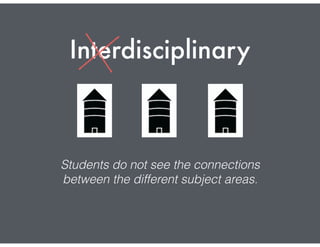
Interdisciplinary
Students do not see the connections
between the different subject areas.
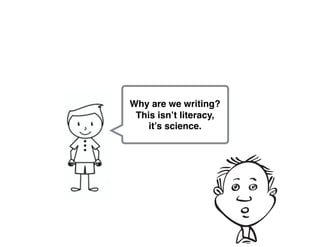
Why are we writing?
This isn’t literacy,
it’s science.
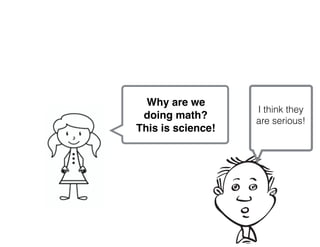
Why are we
doing math?
This is science!
I think they
are serious!
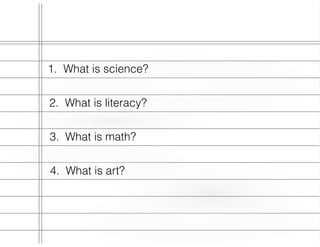
1. What is science?
2. What is literacy?
3. What is math?
4. What is art?
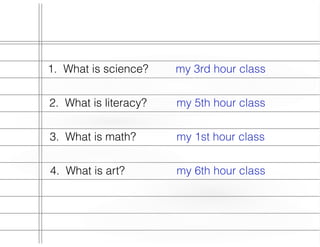
1. What is science?
2. What is literacy?
3. What is math?
4. What is art?
my 3rd hour class
my 5th hour class
my 1st hour class
my 6th hour class
Preparing students for their future
What skills do they need to succeed?
College & Career
Ready
Preparing students for their future
What skills do they need to succeed?
College & Career
Ready
Preparing students for their future
What skills do they need to succeed?
College & Career
Ready
Preparing students for their future
What skills do they need to succeed?
College & Career
Ready
What about Life-Ready?
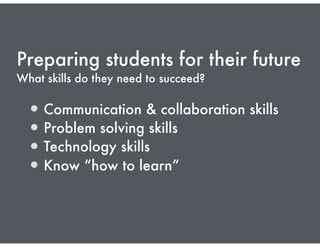
Preparing students for their future
What skills do they need to succeed?
Communication & collaboration skills
Problem solving skills
Technology skills
Know “how to learn”
It is critical for our students
to become self-directed learners.
It is critical for our students
to become self-directed learners.
It is critical for our
students to become
self-directed learners.
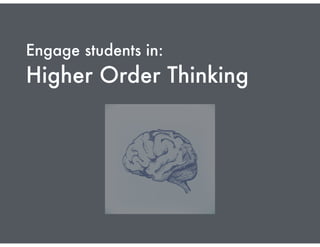
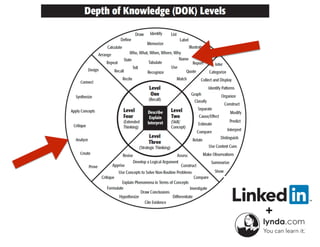
Engage students in:
Higher Order Thinking
What is the solution?
Project-Based Instruction
and self-directed learning.
Project-Based Instruction
doesn’t have to mean:
A charter school or special program
Project-Based Instruction
doesn’t have to mean:
“canned projects”
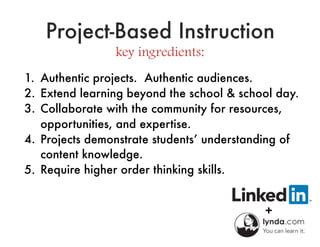
Project-Based Instruction
key ingredients:
1. Authentic projects. Authentic audiences.
2. Extend learning beyond the school & school day.
3. Collaborate with the community for resources,
opportunities, and expertise.
4. Projects demonstrate students’ understanding of
content knowledge.
5. Require higher order thinking skills.
Project-Based Instruction
key ingredients:
6. Incorporate 21st century skills.
7. Equip students with resources.
8. Teach skills. Don’t assume they have them.
9. Foster an inquiry-based classroom.
10. Foster a student-centered classroom.
Project-Based Instruction
Authentic projects for authentic audiences
Science Club
Project-Based Instruction
Authentic projects for authentic audiences
Science Classes
Project-Based Instruction
Authentic projects for authentic audiences
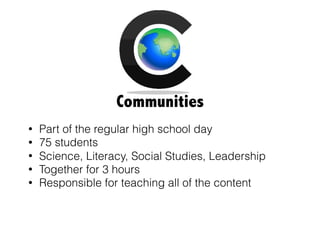
Communities
Learning with the community, in the community,
in order to make the community a better place.
Communities
• Part of the regular high school day
• 75 students
• Science, Literacy, Social Studies, Leadership
• Together for 3 hours
• Responsible for teaching all of the content
Veterans’ Event
Veterans’ Event
Social Studies
Science
Literacy
Leadership
Veterans’ Event
Introduce the content:
• workshops
• seminars
• flipped classes
Veterans’ Event
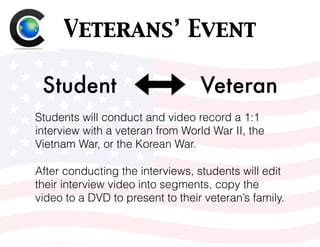
Student Veteran
Students will conduct and video record a 1:1
interview with a veteran from World War II, the
Vietnam War, or the Korean War.
After conducting the interviews, students will edit
their interview video into segments, copy the
video to a DVD to present to their veteran’s family.
Veterans’ Event
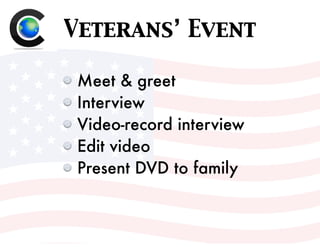
Meet & greet
Interview
Video-record interview
Edit video
Present DVD to family
Veterans’ Event
Authentic Projects
iPads for Autism
Participation Nation - Elections
Green School Initiative
Sustainable Agriculture
Healthy Snack Initiative
Neighborhood Gallery Walk
Water Quality Testing
Alternative Energy Innovations
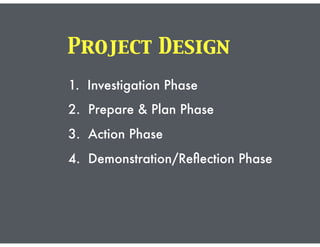
Project Design
1. Investigation Phase
2. Prepare & Plan Phase
3. Action Phase
4. Demonstration/Reflection Phase
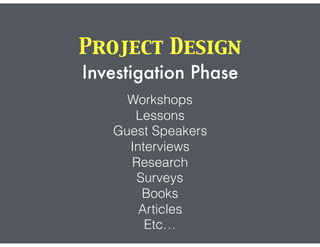
Project Design
Investigation Phase
Workshops
Lessons
Guest Speakers
Interviews
Research
Surveys
Books
Articles
Etc…
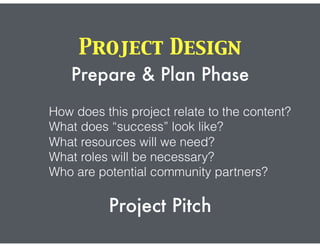
Project Design
Prepare & Plan Phase
How does this project relate to the content?
What does “success” look like?
What resources will we need?
What roles will be necessary?
Who are potential community partners?
Project Pitch
Project Design
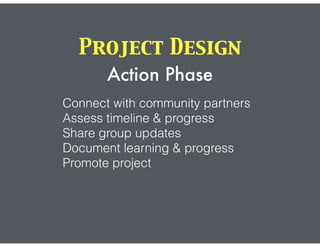
Action Phase
Connect with community partners
Assess timeline & progress
Share group updates
Document learning & progress
Promote project
Project Design
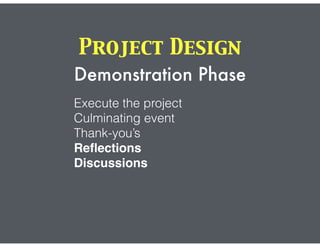
Demonstration Phase
Execute the project
Culminating event
Thank-you’s
Reflections
Discussions
Tools & Resources
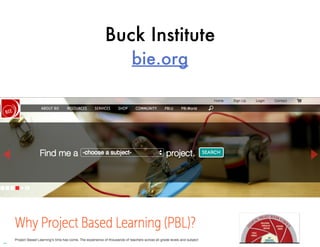
Buck Institute
bie.org
Youth Changing the World
ysa.org
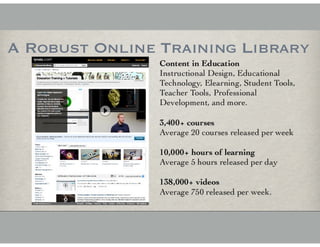
Lynda.com
Determine the game-changers
from the gimmicky gadgets.
Role of Educators
TECHNOLOGY
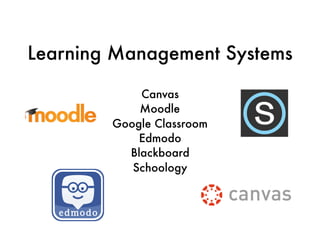
Learning Management Systems
Canvas
Moodle
Google Classroom
Edmodo
Blackboard
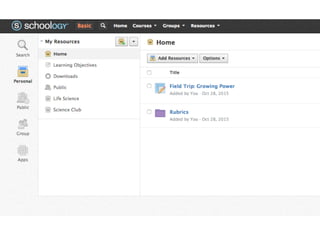
Schoology
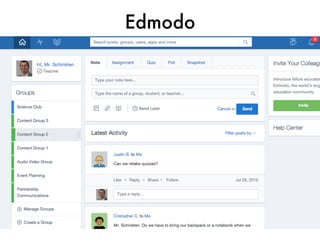
Edmodo
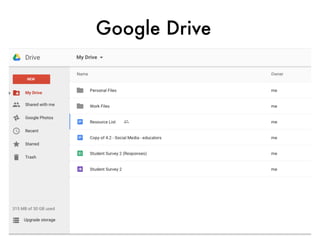
Google Drive
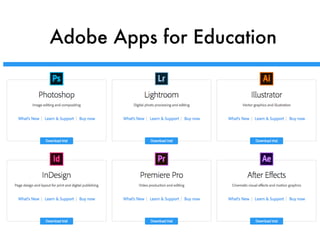
Adobe Apps for Education
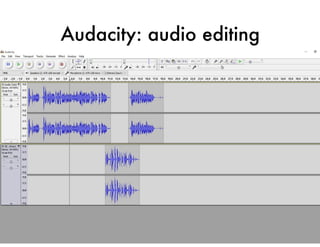
Audacity: audio editing
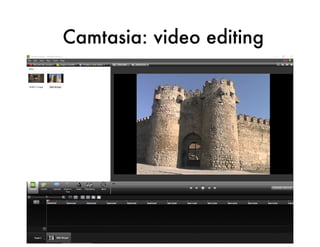
Camtasia: video editing
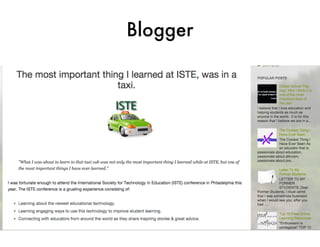
Blogger
How are we supposed to learn about all of these
different technology tools that we can use?
IMPOSSIBLE
There are way too many tools out
there for you to learn about each one.
…by the time you did,
everything will have changed.
How are we supposed to learn about all of these
different technology tools that we can use?
IMPOSSIBLE
Why would you have to learn all of them?
EMPOWER STUDENTS TO LEARN!
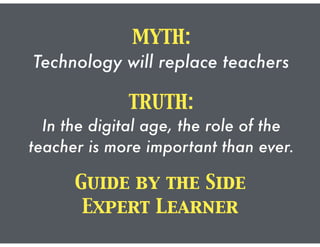
MYTH:
Technology will replace teachers
TRUTH:
In the digital age, the role of the
teacher is more important than ever.
Guide by the Side
Expert Learner
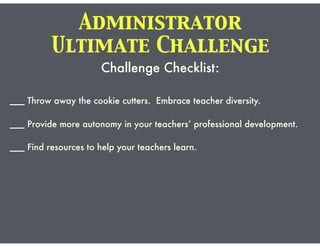
Ultimate Challenge
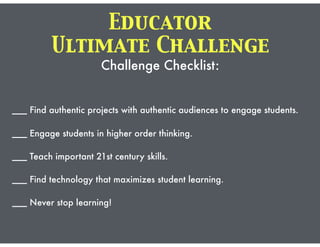
Challenge Checklist:
___ Throw away the cookie cutters. Embrace teacher diversity.
___ Provide more autonomy in your teachers’ professional development.
___ Find resources to help your teachers learn.
Administrator
Ultimate Challenge
Challenge Checklist:
___ Find authentic projects with authentic audiences to engage students.
___ Engage students in higher order thinking.
___ Teach important 21st century skills.
___ Find technology that maximizes student learning.
___ Never stop learning!
Educator
Oliver Schinkten
Staff Author, LinkedIn + lynda.com
Thank you
for participating!
Let’s connect!
email: oschinkten@linkedin.com
Twitter: @schink10

Project-Based Instruction and the Importance of Self-Directed Learning